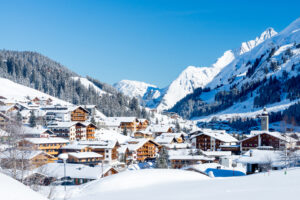
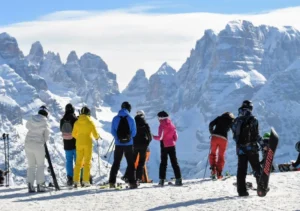
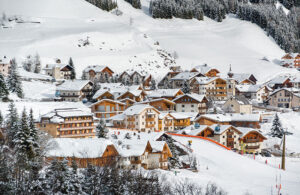
7-Day Skiing in the Dolomites: A Val di Fassa Itinerary (2026/27) Timelesswanderers October 22, 2026 Read More »
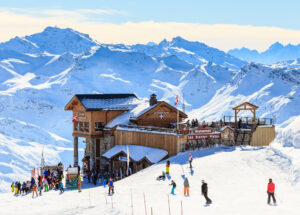
10 Best Christmas Ski Resorts in Europe (2026/27 Guide) Timelesswanderers October 22, 2026 Read More »
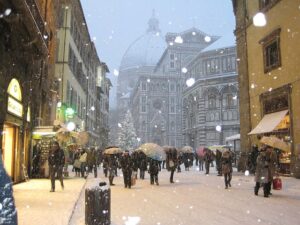
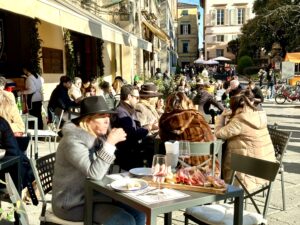
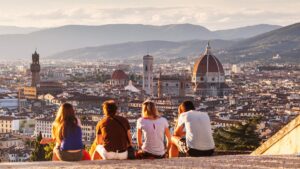
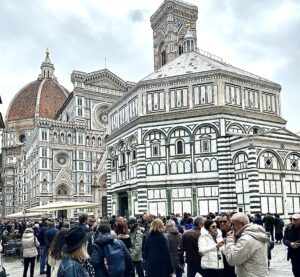
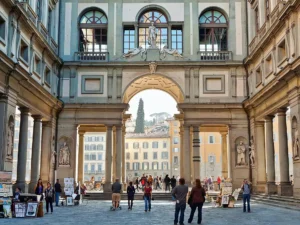
Christmas in Florence: The Best Things to Do & See at Christmas Timelesswanderers October 10, 2026 Read More »
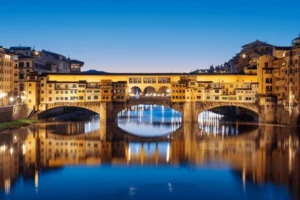
Florence in December: Winter Weather, Christmas Markets & What to Expect Timelesswanderers October 8, 2026 Read More »
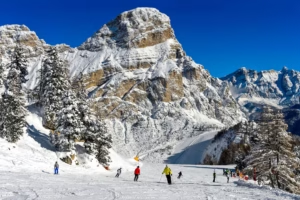
7 Best Snow-Sure Ski Resorts in Austria (2026/27): Your Ultimate Winter Guide Timelesswanderers September 25, 2026 Read More »
7 Best Snow-Sure Ski Resorts in Italy (2026/27): Your Ultimate Winter Guide Timelesswanderers September 10, 2026 Read More »
7 Best Snow-Sure Ski Resorts in France (2026/27 Guide) Timelesswanderers September 10, 2026 Read More »
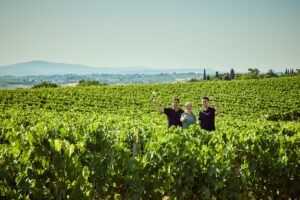
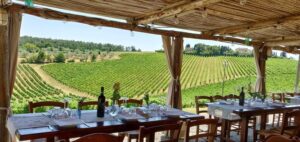
Tuscany’s Hidden Wineries: 10 Family-Owned Vineyards Worth Visiting Timelesswanderers October 5, 2026 Read More »
Best Wine Bars in Florence (2026): Where to Drink Tuscan Wine Like a Local Timelesswanderers October 12, 2026 Read More »
7 Best Beginner Ski Resorts in Switzerland (2026/27 Guide) Timelesswanderers August 31, 2026 Read More »
How to Spend 90 Days in Europe Without Feeling Rushed Timelesswanderers September 1, 2026 Read More »
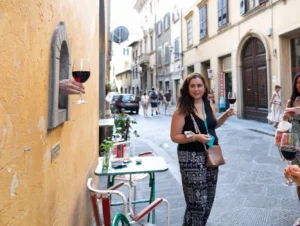
Wine Windows of Florence (2026): The Complete Guide to Florence’s Hidden Wine Tradition Timelesswanderers September 2, 2026 Read More »
What Nobody Tells You About Long-Term Travel in Europe Timelesswanderers September 1, 2026 Read More »
The Real Secret to Long-Term Travel in Europe: Our Slow Travel Lifestyle Timelesswanderers September 1, 2026 Read More »
Planning a Year of Slow Travel in Europe: Our Simple System Timelesswanderers September 1, 2026 Read More »
How Housesitting Helped Us Travel Europe for Longer (After 50+ Housesits) Timelesswanderers September 1, 2026 Read More »
The Real Cost of Slow Travel in Europe: What We Spend and How We Plan Timelesswanderers September 1, 2026 Read More »
How We Afford Long-Term Travel in Europe (Without Being Wealthy) Timelesswanderers September 1, 2026 Read More »
How Slow Travel Changed the Way We Experience Europe (And Why We’ll Never Go Back) Timelesswanderers September 1, 2026 Read More »
How We Travel Europe for Months at a Time (Without Feeling Like Tourists) Timelesswanderers September 1, 2026 Read More »
Self-Drive Wine Tours from Florence (2026): The Best 1, 2 & 3-Day Tuscany Wine Itineraries Timelesswanderers October 11, 2026 Read More »
10 Mistakes to Avoid When Planning Long-Term Travel in Europe Timelesswanderers September 1, 2026 Read More »
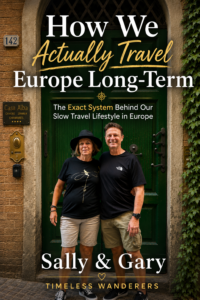
HOW WE ACTUALLY TRAVEL EUROPE LONG-TERM LANDING PAGE BOOK 2 Timelesswanderers July 12, 2026 Read More »
How We Actually Travel Europe Long-Term (Our Simple System Explained) Timelesswanderers September 1, 2026 Read More »
Montepulciano Wine Region Guide (2026): Best Wineries, Vino Nobile & Travel Tips Timelesswanderers October 11, 2026 Read More »
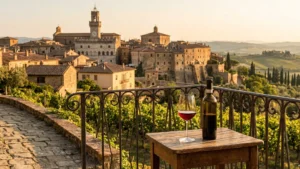
Montalcino Wine Region Guide (2026): Brunello Wine, Best Wineries & Travel Tips Timelesswanderers July 15, 2026 Read More »
Florence in November: A Quieter Side of Florence (2026 Guide) Timelesswanderers October 7, 2026 Read More »
Florence in October: Why It’s One of the Best Times to Visit Timelesswanderers July 16, 2026 Read More »
Florence in Autumn: Weather, Things to Do, Food, Where to Stay & Travel Tips Timelesswanderers July 15, 2026 Read More »
Chianti Wine Region Guide: Best Wineries, Towns & Places to Stay (2026) Timelesswanderers October 5, 2026 Read More »
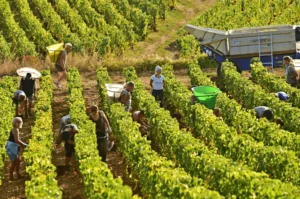
Tuscany in Autumn: Weather, Fall Colors, Harvest Season & Travel Tip Timelesswanderers July 15, 2026 Read More »
Florence in September: What to Expect, Weather, Things to Do & Where to Stay Timelesswanderers July 15, 2026 Read More »
Tuscany in September: Weather, Crowds, Harvest Season & Travel Tips Timelesswanderers July 15, 2026 Read More »
Tuscany Wine Tasting for Beginners: A Complete First-Timer’s Guide Timelesswanderers July 15, 2026 Read More »
Best Wine Tours from Florence vs a Tuscany Self-Drive Road Trip Timelesswanderers October 3, 2026 Read More »
Best Vineyard Hotels in Tuscany: Luxury Wine Stays in Chianti, Montalcino & Val d’Orcia Timelesswanderers July 15, 2026 Read More »
Tuscany Wine Road Trip: The Ultimate 3–10 Day Itinerary Timelesswanderers September 1, 2026 Read More »
Tuscany Wine Regions Explained: Chianti vs Montalcino vs Montepulciano Timelesswanderers July 15, 2026 Read More »
Where to Stay in Tuscany for Wine Lovers: Vineyard Hotels, Agriturismos & Scenic Stays Timelesswanderers July 16, 2026 Read More »
Montepulciano Wine Tours from Florence: Tuscany’s Most Underrated Wine Region Timelesswanderers July 16, 2026 Read More »
Brunello Wine Tours from Florence: Is Montalcino Worth the Trip? Timelesswanderers July 16, 2026 Read More »
Best Wine Tours from Florence: 7 Unforgettable Experiences in Tuscany Timelesswanderers July 16, 2026 Read More »
The 7 Best Wineries in Chianti You Can Actually Visit (2026 Guide) Timelesswanderers July 16, 2026 Read More »
The Ultimate Tuscany Wine Tour from Florence (2026 Guide) Timelesswanderers July 16, 2026 Read More »
What It’s Really Like to Live in Europe Long-Term (The Truth No One Tells You) Timelesswanderers August 15, 2026 Read More »
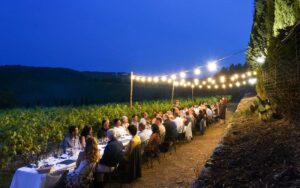
The Best Food & Wine Experiences in Tuscany (Local & Authentic Guide) Timelesswanderers July 16, 2026 Read More »