
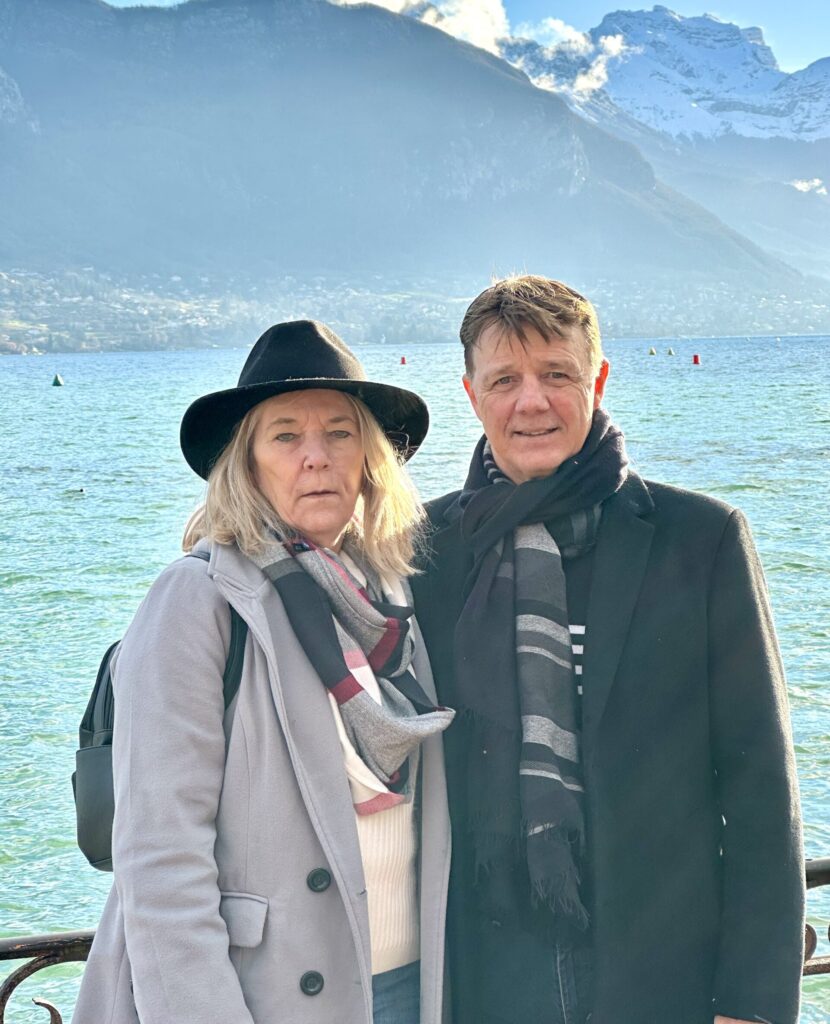
What Nobody Tells You About Long-Term Travel in Europe
Timeless Wanderers: Posted August 12, 2026
The Dream Is Real — But So Is The Reality
When we first dreamed about travelling around Europe long-term, we imagined all the things you’d expect.
Beautiful towns.
Long lunches.
Road trips through the countryside.
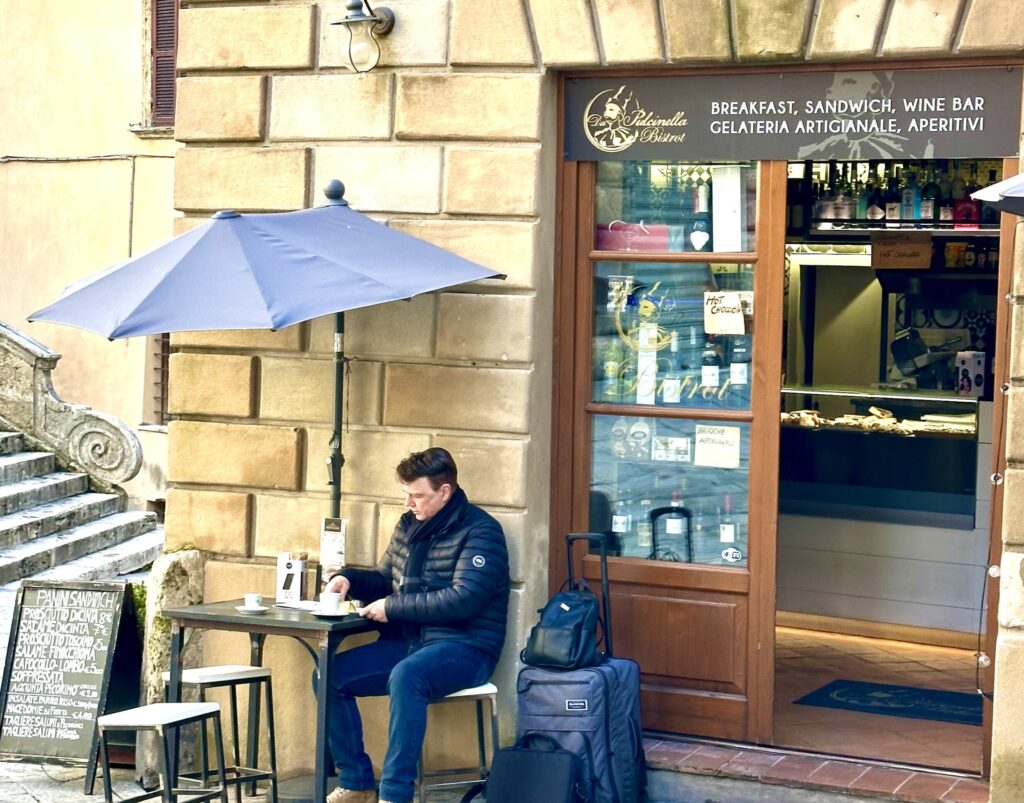
Sitting outside a little café with a coffee and nowhere we needed to be.
And yes, those things really do happen.
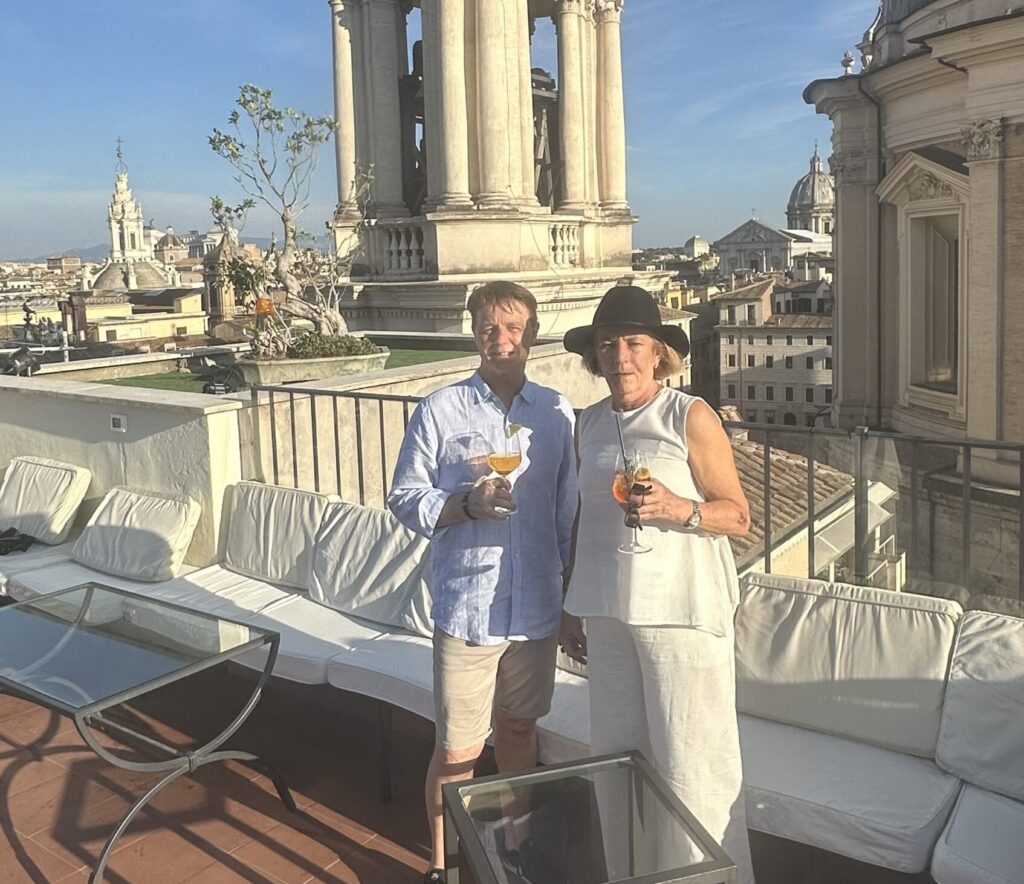
After all these years, we still have moments where we look at each other and think, “Can you believe this is our life?”
But there is another side to long-term travel that doesn’t make it into the photographs.
Nobody posts a picture of themselves doing the washing.
Or spending an afternoon sorting out travel insurance.
Or sitting at the kitchen table trying to work out where they’re going to be three weeks from now because their original plans have changed.
And nobody talks very much about missing home.
Long-term travel isn’t one long holiday.
There are ordinary days. There are frustrating days. There are days when you wonder why you made things so complicated.
We’ve had all of them.
But we’ve also learned that those things don’t mean long-term travel isn’t working.
They’re simply part of it.
When you travel for a week or two, you’re usually in holiday mode.
You know when you’re arriving, you know when you’re going home, and everything in between feels like an adventure.
When you’re travelling for months or years, life carries on.
You still have to shop for groceries.
You still have to wash clothes.
You still get tired.
You still have bad days.
The difference is that you’re doing all of those ordinary things somewhere in Europe.
And after years of living this way, we’ve learned that the ordinary days are just as much a part of the adventure as the spectacular ones.
Table of Contents

1. You Still Have Ordinary Days
When people hear that we travel around Europe for months at a time, I think they sometimes imagine that every day must be exciting.
And we wish it worked that way! 😂
The reality is that sometimes Tuesday is just Tuesday.
We might spend the morning doing laundry, head to the supermarket, make lunch and spend the afternoon catching up on work.
There are days when we don’t go anywhere at all.
And you know what?
We’re completely fine with that.
In fact, we’ve learned to enjoy those days.
When you’re travelling on a two-week holiday, there’s always a feeling that you need to make the most of every day.
You have limited time, so you want to see the sights, visit the towns, eat at the restaurants and fit in as much as possible.
Long-term travel is different.
We don’t have to see everything today because we’re not leaving tomorrow.
If the weather isn’t great, we can stay home.
If we’re tired, we can have a quiet day.
If we find a café we really like, we can go back the next morning instead of feeling like we need to find somewhere new.
Those ordinary days are actually one of the things we love most about travelling this way.
We still get to wake up somewhere in Europe, but we don’t have to spend every waking hour exploring it.
Sometimes we’re just living.
And that’s an important part of what long-term travel means to us.
We’re not trying to be tourists every day.
We’re trying to experience what it’s like to have a life somewhere else for a while.
That might mean walking to get coffee, doing some shopping, cooking dinner and watching something on television in the evening.
It doesn’t sound very exciting.
But when you’re doing it in a little town in Tuscany, France or somewhere else in Europe, there’s something pretty special about it.
Long-term travel isn’t about making every day extraordinary. It’s about having the freedom to decide what you want an ordinary day to look like.
We can help you plan your dream trip to Europe, with a personalised itinerary designed just for you.
After more than 30 years of travelling to Eurpe—and loving it so much we decided to make it our home—we now live here and explore at a relaxed, local pace.
Planning a trip to Europe is exciting, but choosing where to go, how long to stay, and how to get around can quickly become overwhelming.
That’s where we come in.
We offer a personalised planning service that helps you decide exactly how to explore Europe, based on your travel style, budget, and pace.
Plus, we can help you plan scenic drives, time in hilltop towns, food and wine experiences, and those small local moments that make a trip truly special—making your European holiday easier, smoother, and full of memories you’ll treasure long after you return home.
“Let us plan your perfect trip with a custom itinerary designed just for you.
Fill out the form and let’s begin your dream.”
2. You Can Miss Home More Than You Expect
One thing nobody really tells you about long-term travel is that you can be incredibly happy with your life and still miss home.
We certainly do.
There are times when we miss our family, our friends, familiar places and all the little things that are so easy to take for granted when you’re living in one place.
Sometimes it’s something completely ordinary that makes you think about home.
A particular food.
A familiar shop.
A family birthday you’re not there for.
Knowing that everyone back home is getting together while you’re on the other side of the world.
Those moments can catch you by surprise.
And I think that’s important to say because there’s a strange idea that if you’ve chosen this lifestyle, you shouldn’t miss home.
As though being grateful for the life you’re living means you aren’t allowed to feel homesick.
We don’t see it that way at all.
We can be sitting somewhere beautiful in Europe, enjoying a coffee in the sunshine, and still wish we could have our family sitting at the table with us.
Both things can be true.
We’ve also learned that having a home base makes a difference for us.
Lucca is our home in Europe when we’re not travelling, so we’re not constantly wondering where we’re going to settle next.
We have somewhere familiar to return to, our own routines and a place that feels like ours.
But even with that, we still miss Australia.
And sometimes we miss things we never expected to miss.
It’s not always the big things.
Sometimes it’s simply knowing where everything is.
Knowing which supermarket has what you want.
Seeing a familiar face.
Having friends nearby.
Being able to pop over to someone’s house without planning it weeks in advance.
That’s one of the trade-offs of living this way.
You get an incredible amount of freedom, but you’re also further away from some of the people and things that matter to you.
We’ve learned not to fight that feeling.
If we miss home, we miss home.
It doesn’t mean we’re unhappy.
It doesn’t mean we want to give up travelling.
It simply means we have people and places we love.
And perhaps that’s one of the most important things we’ve learned about long-term travel:
You don’t have to choose between loving the life you’re living and missing the life you left behind.
3. Loneliness Can Happen Even When You’re Travelling
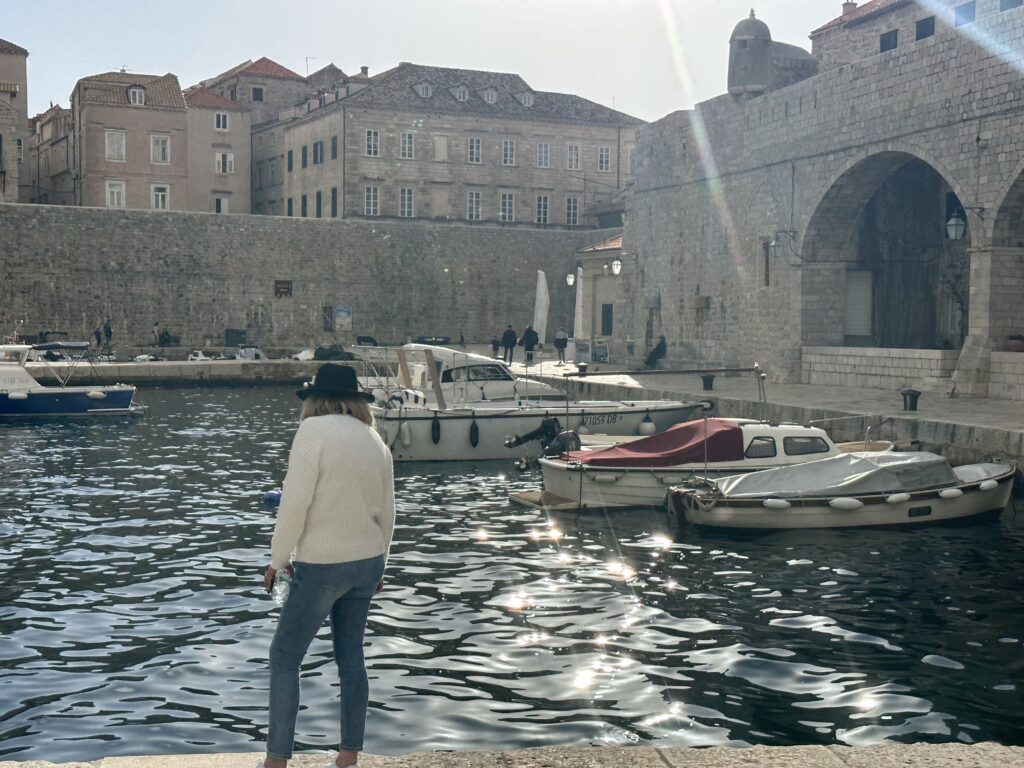
This is probably one of the harder things to talk about because when you tell people you’re travelling around Europe, loneliness isn’t usually the first thing they imagine.
How could you possibly be lonely when you’re surrounded by new places, new people and all these amazing experiences?
But you can.
Long-term travel can sometimes feel surprisingly lonely.
When you’re moving from place to place, you don’t always have the same familiar faces around you.
You might meet wonderful people, have a great conversation over dinner and then find yourself saying goodbye a few days later.
And that’s lovely in its own way.
But it isn’t the same as having friends nearby who know you well.
We’ve found that relationships take a little more effort when you’re living this way.
You have to make plans.
You have to stay in touch.
You have to make the effort to meet people again because you’re not simply going to bump into them at the supermarket or over coffee.
And sometimes you just miss having people around who know your story without you having to explain it.
That’s one reason having Lucca as our home base has been so important to us.
It gives us somewhere familiar to return to.
We have our routines, our favourite places and a sense of belonging that you don’t always get when you’re constantly moving.
We’ve also learned that you don’t have to be constantly social to avoid feeling lonely.
Sometimes a simple conversation with someone at the local café can make a difference.
Joining a walking group, taking a class, chatting with neighbours or making an effort to return to the same places can help you feel connected.
And sometimes, of course, you just have a lonely day.
That’s life.
It doesn’t mean something has gone wrong.
Long-term travel isn’t about being surrounded by people every minute.
It’s about finding a balance between enjoying your own company and making sure you have people in your life who matter.
We’ve become much more comfortable with that balance over the years.
And perhaps that’s another thing long-term travel teaches you:
Being comfortable on your own is valuable, but having people to share the journey with is just as important.
4. There’s More Admin Than Anyone Tells You
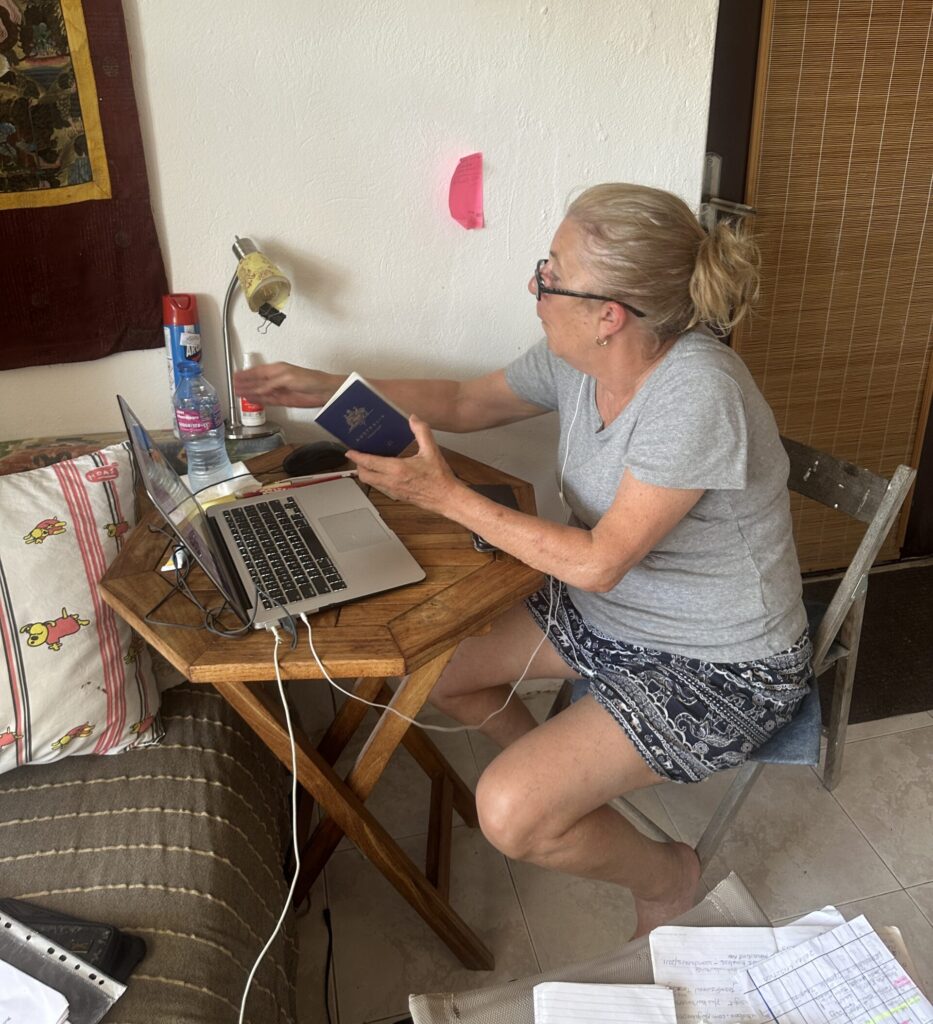
Nobody puts a photograph of paperwork on Pinterest.
But if you’re travelling around Europe for months at a time, there’s a surprising amount of it.
Flights.
Accommodation.
Travel insurance.
Car hire.
Train tickets.
Bookings.
Banking.
Keeping track of dates.
Checking visa and entry requirements.
Working out where you’re going to be next.
And just when you think you’ve organised everything, something changes.
We’ve spent plenty of time sitting at a kitchen table with laptops open, trying to work out the next part of our travels.
It isn’t exactly the glamorous European lifestyle you see in the brochures.
But it’s part of the deal.
One thing we’ve learned is that long-term travel needs a little more organisation than a normal holiday.
When you’re going away for two weeks, you book your flights, accommodation and perhaps a few activities, and you’re done.
When you’re travelling for months, there are a lot more moving parts.
And because we’re moving between countries, we also have to keep an eye on things that most holidaymakers don’t need to think about.
How long can we stay?
Where are we going next?
What dates have we already booked?
What happens if our plans change?
We’ve learned to keep things as simple as possible.
We don’t try to plan every single day months in advance. Instead, we keep track of the important dates and decisions, then leave ourselves room to change things when we need to.
And believe me, things will change.
A booking gets cancelled.
The weather changes.
We find somewhere we love and want to stay longer.
Something comes up at home.
A transport plan doesn’t work.
That’s why we try not to build our entire year around a perfectly organised spreadsheet.
The planning matters.
But so does leaving some room for real life.
And perhaps the biggest lesson we’ve learned is that the admin becomes much easier once you accept that it is simply part of travelling this way.
Do the paperwork.
Check the dates.
Keep the important information somewhere you can find it.
Then close the laptop and go and enjoy Europe.
Because nobody starts travelling long-term because they love administration.
We do it because we love what comes after it.
5. Your Plans Will Change
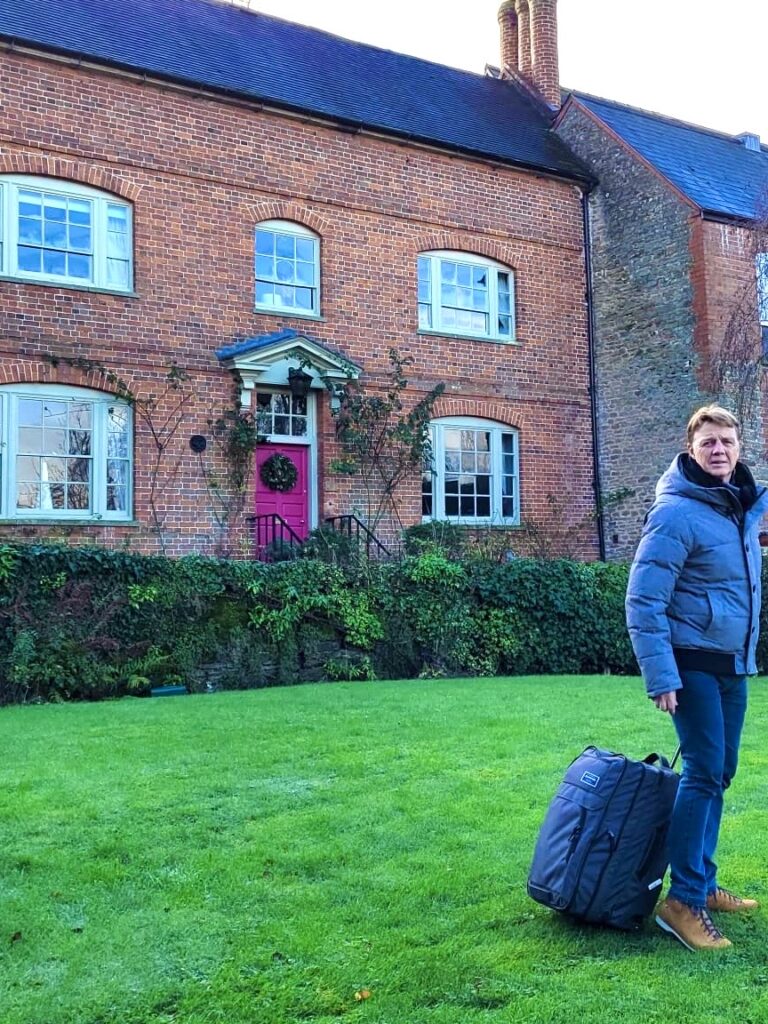
If there’s one thing we’ve learned after years of travelling around Europe, it’s this:
Don’t get too attached to your plans.
We love having a plan. We like knowing where we’re going, where we’re staying and roughly what we’re doing next.
But we’ve also learned that the plan is rarely the final version.
Something always comes along.
A booking changes.
The weather isn’t what we expected.
We find somewhere we love and decide we’d rather stay a little longer.
Something happens at home.
A transport connection doesn’t work.
Or we simply change our minds.
And that’s okay.
When we first started travelling this way, I think we felt more pressure to stick to the plan.
If we’d booked somewhere, that was where we were going. If we’d decided to leave on a certain date, we left.
These days, we’re much more relaxed about it.
We’ve learned that a plan is there to help us, not to boss us around.
That’s especially important with slow travel.
One of the reasons we travel slowly is because we don’t want every day to be locked into a schedule.
If we discover a town we really like, perhaps we’ll stay longer.
If the weather is terrible, we’ll change our plans.
If we’re tired, we’ll have a quiet day.
And sometimes we’ll arrive somewhere and realise it simply isn’t for us.
That’s part of travelling too.
You don’t have to force yourself to love a place just because you’ve already booked it.
Of course, some things can’t be changed easily, and there are times when we’ve had to stick with a plan because we’ve already committed to something.
But whenever we have a choice, we try to leave ourselves some breathing room.
That flexibility has become one of the best parts of travelling this way.
We’re still organised.
We still know where we’re going next.
But we don’t feel like every decision has to be made months in advance.
After all, one of the reasons we chose this lifestyle was to have more freedom.
It would be a bit silly to then plan every minute so tightly that we had none left.
Sometimes the best part of a trip is the thing you never planned to do.
The 90-Day Slow Travel Starter Kit
Before the book — get the free kit. Everything you need to understand the basics and start planning with confidence.
FREE DOWNLOAD
6. Sometimes You’ll Wonder If You’re Doing It Right
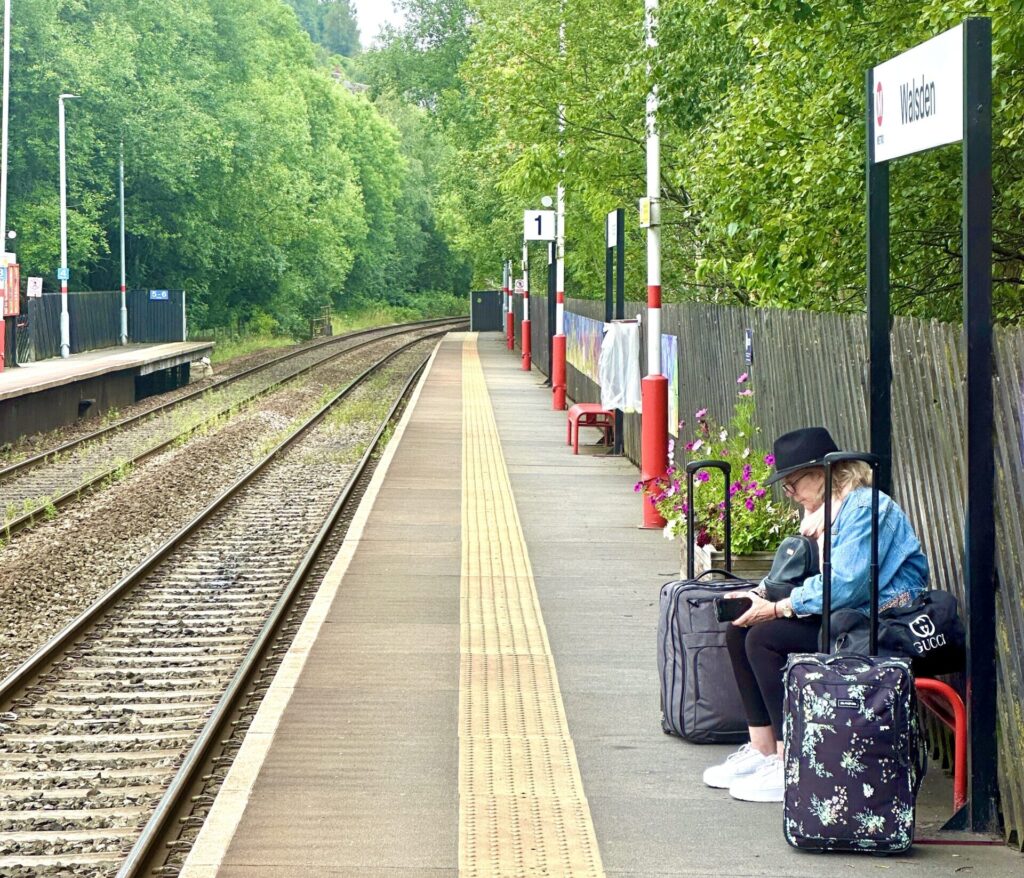
There are moments when you wonder if you’re doing this the right way.
We’ve certainly had them.
When you choose a lifestyle that’s different from most people around you, it’s easy to look at what everyone else is doing and wonder if you should be doing the same thing.
Should we be settling down somewhere?
Should we be spending more time at home?
Should we be travelling more?
Should we be travelling less?
Should we have a proper plan for the next five years?
The funny thing is, when you travel long-term, people often assume you’ve got it all figured out.
We really don’t.
We’re still working things out as we go.
We’ve simply become much more comfortable with that.
There isn’t one correct way to travel around Europe.
Some people love moving every few days.
Some want to spend six months in one place.
Some people travel with a detailed itinerary.
Others decide where they’re going next when they wake up.
We happen to enjoy staying longer, having a home base and leaving ourselves room to change our plans.
But that doesn’t mean our way is the right way for everyone.
And that’s something we’d really encourage anyone thinking about long-term travel to remember.
You don’t have to copy someone else’s version of it.
Your travel life needs to work for you.
There have been times when we’ve questioned whether we should be doing things differently. But then something happens — we’re sitting in a beautiful town, having coffee, planning a day trip or simply enjoying an ordinary morning — and we remember why we chose this lifestyle in the first place.
We’ve also learned that not every decision has to be permanent.
You can try something and change your mind.
You can stay somewhere longer.
You can go home for a while.
You can change the way you travel.
You can decide that something that worked last year doesn’t work for you anymore.
That’s part of the freedom.
Long-term travel isn’t a test you pass or fail.
There isn’t a scorecard.
You’re simply figuring out what makes you happy and adjusting as you go.
And after all these years, we’re still doing exactly that.
Maybe that’s the secret — you don’t have to know exactly what you’re doing. You just have to be willing to keep learning.
7. Long-Term Travel Isn’t Always Cheaper
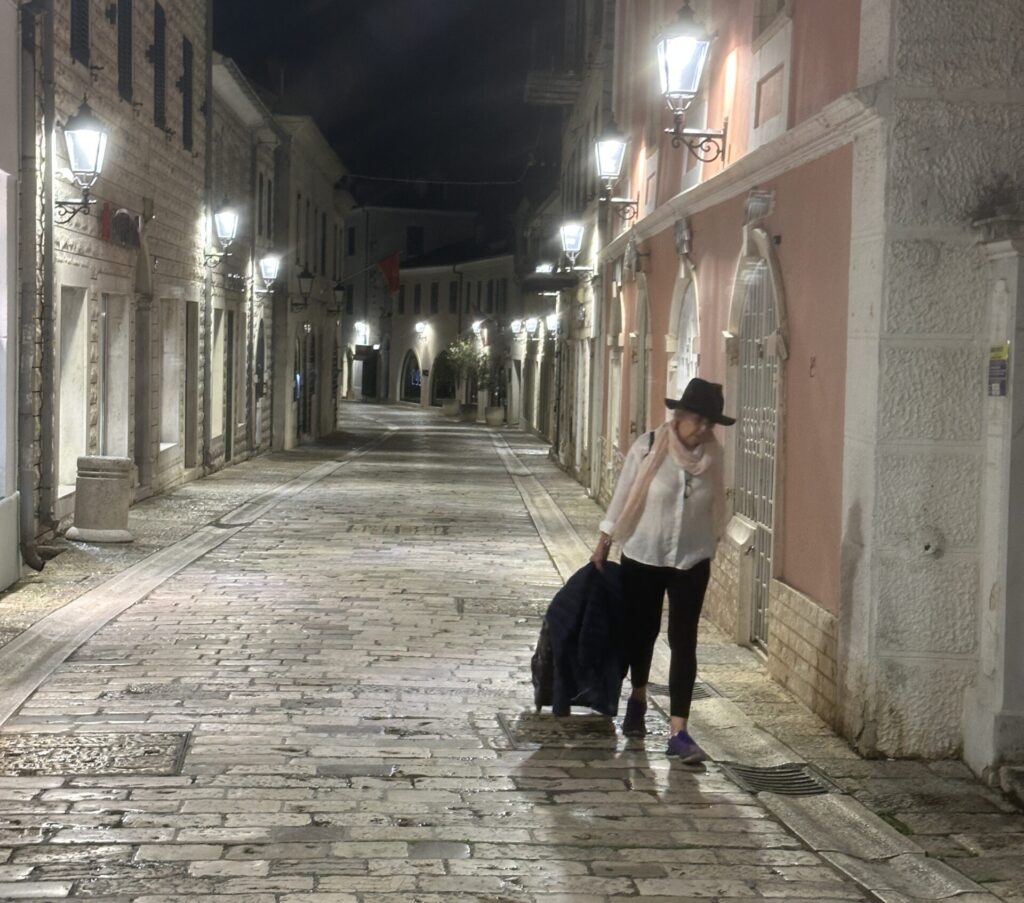
There is a common idea that if you travel slowly, you’ll automatically spend less money.
Sometimes you can.
But we’ve learned that long-term travel isn’t necessarily cheaper than taking a normal holiday.
It really depends on how you travel.
When you’re moving around all the time, the costs can quickly add up.
Flights.
Trains.
Car hire.
Fuel.
Accommodation.
Eating out.
And all those little things you don’t think much about when you’re on holiday can become a lot when you’re travelling for months.
One of the reasons we like travelling slowly is that it gives us more choices.
If we’re staying somewhere for several weeks, we don’t need to book a new hotel every few days.
We can look for longer stays, cook some meals ourselves and settle into one place instead of constantly paying to move around.
We also don’t feel the need to eat out every day.
Sometimes we’ll find a local supermarket, buy some good food and have dinner at home.
Other nights we’ll go out and enjoy a restaurant we’ve been looking forward to trying.
It’s about having the choice.
We’ve also found that slow travel changes what we spend money on.
We’re less interested in trying to see everything and more interested in having experiences we genuinely enjoy.
A long lunch.
A day trip.
A beautiful drive through the countryside.
A good coffee.
A local market.
Sometimes it’s the simplest things.
And then there are the costs that come with travelling long-term that you simply can’t avoid.
Insurance, transport, accommodation and all the other practical expenses still have to be paid.
That’s why we think it’s important to be realistic before deciding that long-term travel is going to save you money.
It might.
But it might not.
The real benefit for us isn’t that we’re somehow travelling for free.
It’s that we’ve learned to spend our money on the things that matter most to us.
We’d rather stay longer in one place than constantly pay to move around.
We’d rather have a comfortable home base than a luxury hotel for two nights.
And we’d rather have the time to enjoy a place properly than spend our money rushing through ten destinations.
For us, that’s where the value of slow travel really comes in.
We’re not necessarily spending less.
We’re simply choosing to spend differently.
8. You Have To Learn To Enjoy The Quiet Days
When you’re used to travelling on holiday, it can feel strange to have a day where you don’t really do anything.
You might wake up somewhere you’ve always wanted to visit and think, “We should be out exploring.”
But after years of travelling slowly, we’ve learned that we don’t have to make every day count by filling it with something.
Sometimes the best thing we can do is nothing much at all.
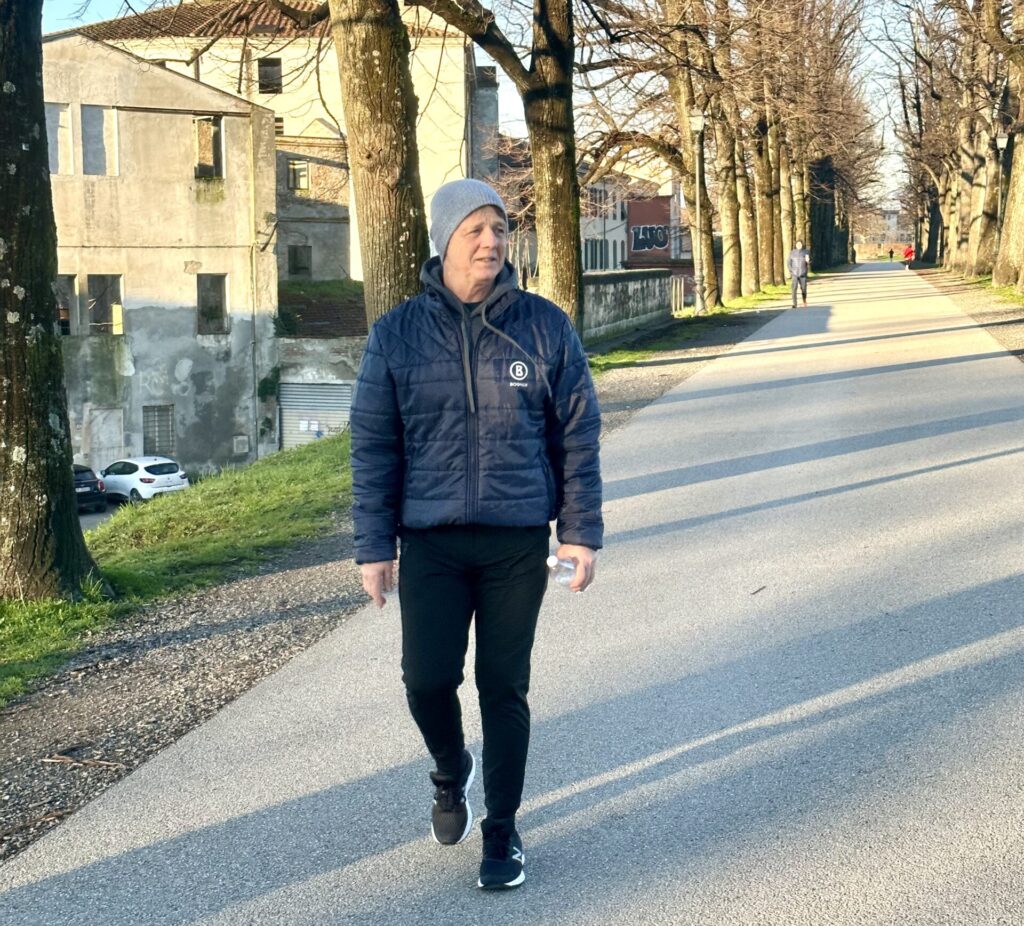
We might have a slow breakfast, go for a walk, stop for coffee and come home.
Maybe we’ll do some shopping, cook dinner and spend the afternoon reading or watching something.
And there are days when we don’t even leave the house.
At first, that can feel a little strange.
You start wondering if you’re wasting your time.
But eventually you realise that this is what having time actually feels like.
When you’re only somewhere for a few days, every hour feels valuable because you know you’re leaving soon.
When you’re staying for weeks or months, you don’t have that pressure.
You can visit the museum tomorrow.
You can take the day trip next week.
You can go back to that little town when the weather is better.
Nothing is going to disappear just because you didn’t see it today.
We’ve found that some of our favourite memories have come from days when we had absolutely nothing planned.
A walk.
A coffee.
A conversation.
A beautiful sunset.
Cooking dinner together.
Nothing you’d put on a sightseeing itinerary.
But those are the days when a place starts to feel familiar.
And that’s something we really value about long-term travel.
We’re not collecting destinations.
We’re actually spending time in them.
So if you’re thinking about travelling slowly, don’t feel guilty about having a quiet day.
You haven’t wasted a day.
You’ve simply stopped treating every day like a holiday.
And that’s one of the biggest differences between travelling long-term and taking a short trip.
9. The Hard Parts Don’t Make Us Want To Stop
After everything we’ve talked about, you might be wondering why we keep doing it.
If there are ordinary days, homesickness, loneliness, admin, changing plans and moments when we wonder if we’re doing things right, wouldn’t it just be easier to settle down somewhere and stop moving around?
Sometimes, yes.
There are definitely days when the easier option sounds very appealing.
But then something happens.
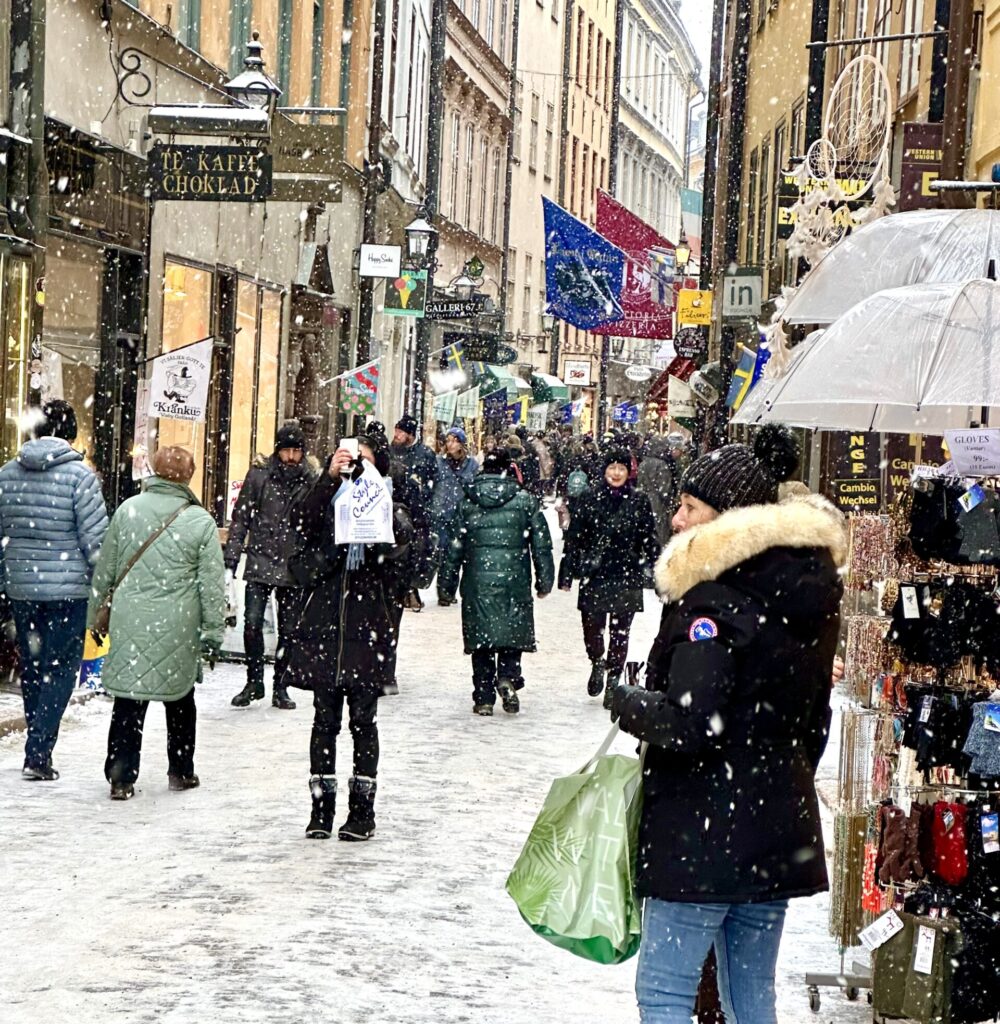
We’re sitting outside a café in a little European town.
We’re driving through the countryside with nowhere we need to be.
We’re discovering somewhere we’ve never been before.
We’re having lunch somewhere we found by chance.
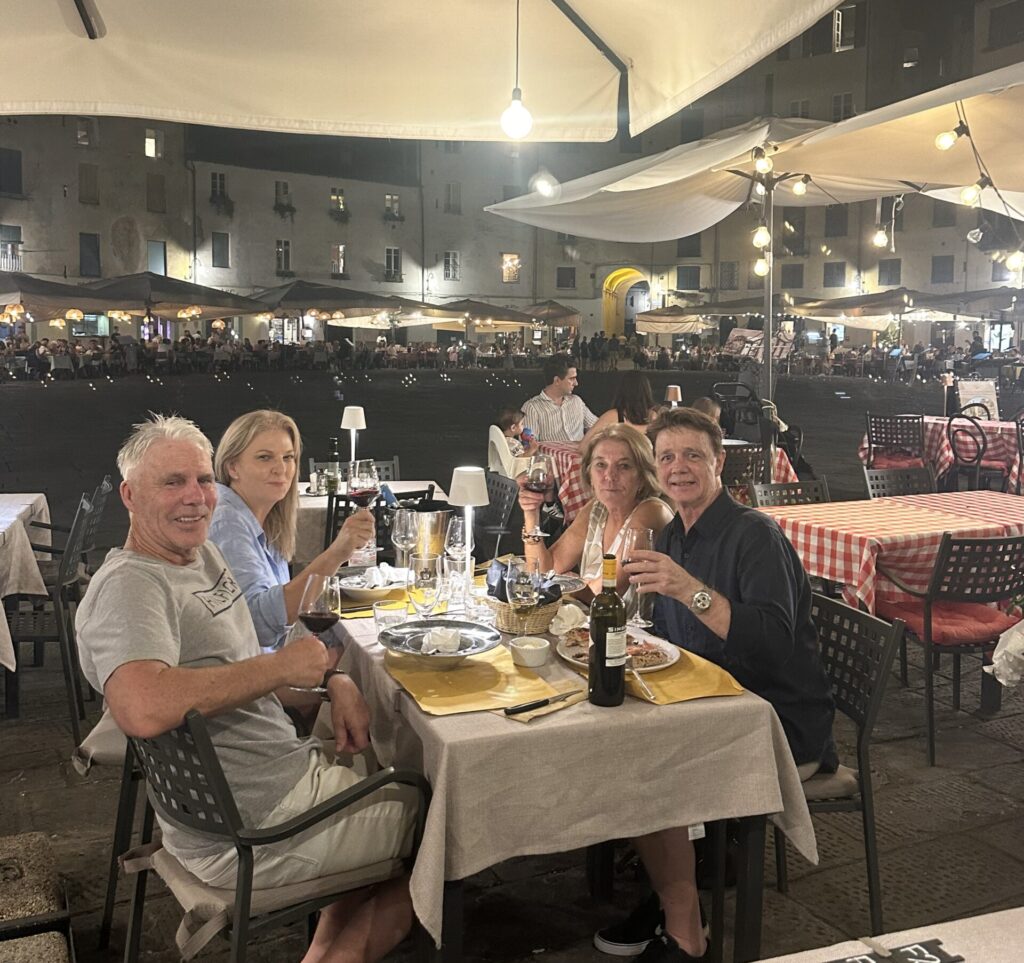
Or we’re simply sitting at home in Lucca, looking out the window and realising that this is our everyday life.
And we remember.
This is why we chose it.
The difficult parts don’t disappear just because we’re travelling.
But neither do the good parts.
And for us, the good parts still outweigh the difficult ones.
We’ve also learned that you don’t have to love every single part of a lifestyle for the lifestyle itself to be right for you.
There are parts of travelling long-term that we’d happily do without.
The paperwork, for one. 😂
The constant checking of dates.
The packing and unpacking.
The occasional frustration when something doesn’t go according to plan.
But those things are temporary.
The freedom is what stays with us.
Having the choice to stay somewhere longer.
Being able to change our plans.
Having time to explore.
Living in different parts of Europe.
Coming back to our home in Lucca when we’re ready.
And knowing that we don’t have to follow the traditional idea of what life after work is supposed to look like.
That’s worth a lot to us.
We’ve never expected long-term travel to be perfect.
We just wanted it to be ours.
And after all these years, it still is.
The hard days haven’t changed our minds.
If anything, they’ve made us appreciate the good days even more.
10. The Reality Is Still Better Than We Imagined
When we first started dreaming about long-term travel in Europe, we had no idea what our life would actually look like.
We imagined the beautiful parts.
The towns.
The food.
The scenery.
The freedom to wake up somewhere new and decide what we wanted to do that day.
We didn’t imagine the paperwork.
The laundry.
The homesickness.
The occasional lonely day.
The plans that would change.
Or all the time we’d spend sitting at a computer trying to work out where we were going next.
But even knowing all of that now, we wouldn’t go back and change our decision.
Because the reality has given us something we didn’t fully understand when we started.
Time.
Time to stay somewhere longer.
Time to get to know a place.
Time to have an ordinary Tuesday.
Time to change our plans.
Time to come home to Lucca.
Time to discover somewhere we’d never heard of before.
And perhaps most importantly, time to decide what we actually want our life to look like.
Long-term travel hasn’t turned every day into an adventure.
It hasn’t made every problem disappear.
It hasn’t stopped us missing people or having days when we’d rather be somewhere familiar.
But it has given us the freedom to build a life that feels right for us.
And that’s something we never take for granted.
We’re still learning.
We’re still changing our plans.
We’re still discovering new places.
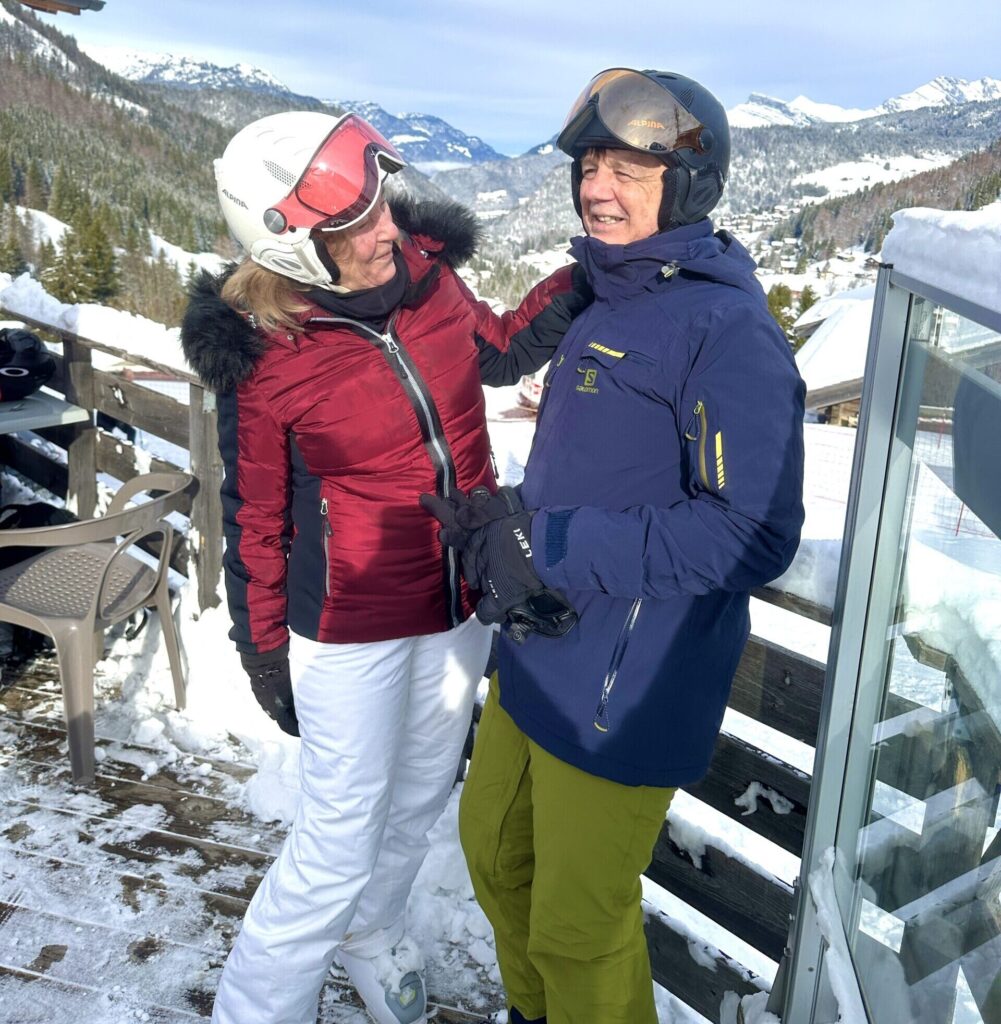
And we’re still having those moments where we look at each other and say,
“Can you believe this is our life?”
That’s the part nobody can really explain to you before you start.
You can read about long-term travel.
You can look at photographs.
You can plan your route.
But you don’t really understand what it feels like until you’re actually living it.
And for us, after all these years, the reality is still better than we imagined.
Over Coffee With Sally & Gary ☕
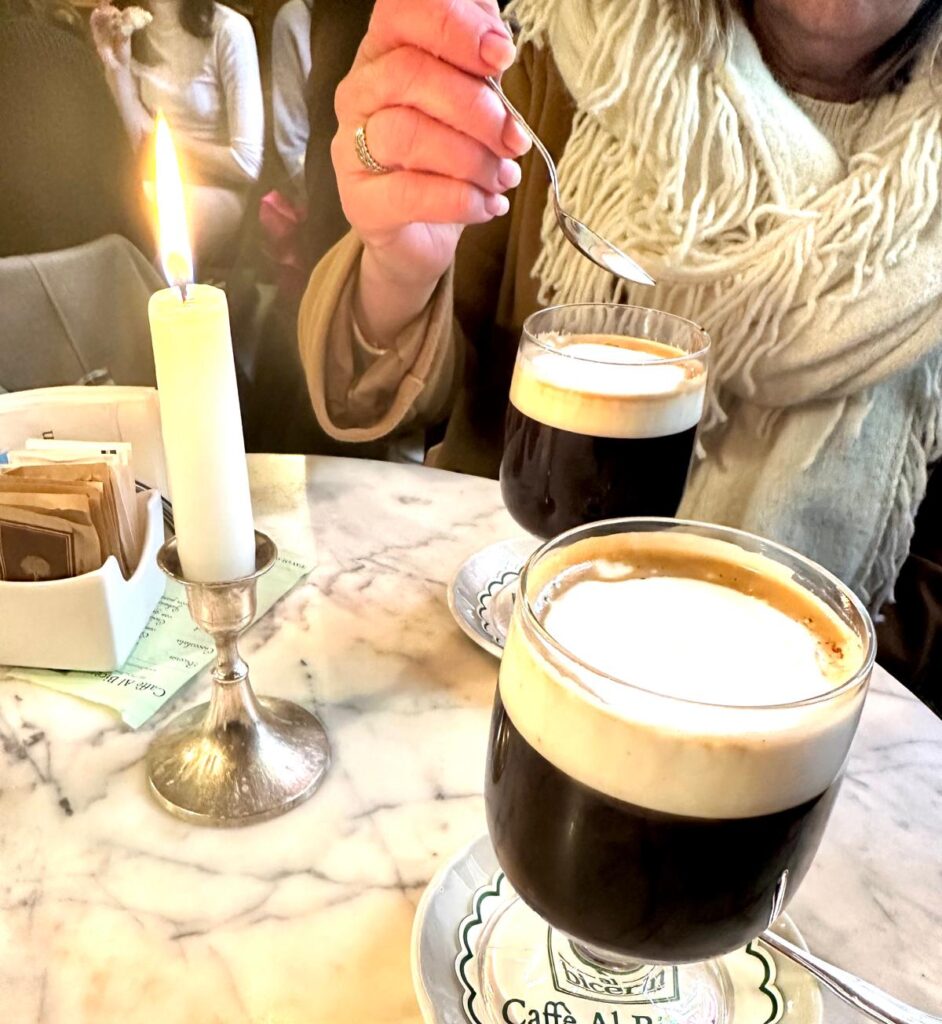
If we were sitting down together over coffee, we’d probably tell you that long-term travel isn’t always as easy as it looks.
There are days when we miss home.
There are days when the admin drives us crazy.
There are days when we wonder what we’re doing and whether we should have just stayed in one place.
And then there are the other days.
The days when we’re sitting somewhere in Europe with a coffee in front of us and nowhere we need to be.
The days when we discover a little town we’ve never heard of.
The days when we decide to stay somewhere an extra week because we’re enjoying ourselves.
And the ordinary days too — shopping, cooking, walking and simply living.
Those are the days that remind us why we chose this life.
We don’t think long-term travel needs to be perfect.
It certainly isn’t for us.
We’ve just learned that the good, the difficult, the exciting and the ordinary all come together.
And perhaps that’s what makes it feel like a real life rather than one very long holiday.
If you’re thinking about doing something similar, don’t let the difficult parts put you off.
Just go into it knowing they will be there.
You will have bad days.
You will change your plans.
You will probably miss home.
You may even wonder what on earth you were thinking!
But you’ll also have moments you wouldn’t trade for anything.
And those are the moments we remember.
Before the book — get the free kit. Everything you need to understand the basics and start planning with confidence.
Your First Step Towards Long-Term Travel in Europe
The moment everything changed was when we booked a place for a month instead of a week and discovered we were paying half the nightly rate. By the second week, the neighbour had invited us in for a drink, we knew the shortcut to the market, and we were, briefly and genuinely, part of the street.
The 90-Day Slow Travel Starter Kit
Start Your Slow Travel Journey With Our FREE 90-Day Slow Travel Starter Kit
If you’ve been reading this and thinking, “We’d love to try slow travel, but how would we actually start?” we’ve put together something to help.
Our FREE 90-Day Slow Travel Starter Kit is based on the things we’ve learned from travelling around Europe and figuring out what works for us over the years.
It’s designed to help you start thinking about your own 90 days differently.
Where could you go?
How long would you stay?
Could you choose one or two bases instead of constantly moving?
What would you actually like your days to look like?
We created it because we know how overwhelming it can feel when you first start thinking about long-term travel.
There are so many places to go and so many things to organise that it can be difficult to know where to begin.
The Starter Kit gives you somewhere to start.
And the best part?
It’s completely free.
👉 Start Your Slow Travel Journey With Our FREE 90-Day Slow Travel Starter Kit
Final Thoughts
Long-term travel isn’t a permanent holiday.
That’s probably the biggest thing we’d want you to take away from this article.
You still have ordinary days.
You still have problems.
You still miss people.
You still have paperwork to deal with.
Sometimes your plans fall apart and sometimes you simply have a day where you don’t feel like doing anything.
But none of that takes away from the good parts.
If anything, we’ve found that having the ordinary days makes the special ones mean more.
After years of travelling around Europe, we’re still learning.
We’re still changing plans.
We’re still discovering places.
And we’re still figuring out what works best for us.
We don’t have a perfect formula.
We just have experience, a willingness to adapt and a pretty good idea of what makes us happy.
And maybe that’s all you really need.
You don’t have to know exactly where you’ll be next year.
You don’t have to plan your entire life before you leave.
You can start with one trip.
One longer stay.
One place you’ve always wanted to experience properly.
Give yourself time to see what it feels like.
Because long-term travel isn’t about escaping real life.
It’s about creating a version of real life that you actually enjoy living.
And after all these years, that’s still what we love most about it.
FAQs About Long-Term Travel In Europe
**Is long-term travel in Europe really like a permanent holiday?
Not really. That’s one of the biggest differences between long-term travel and taking a normal holiday. You still have laundry, shopping, paperwork, tired days and plans that don’t work out. The difference is that you get to experience everyday life somewhere new.
**Is long-term travel lonely?
It can be sometimes. Moving around means you don’t always have the same people around you, and you can miss family and friends at home. Having a home base, staying connected and making an effort to meet people can make a big difference.
**Do you miss home when travelling long-term?
Absolutely. We can love our life in Europe and still miss Australia, family, friends and familiar things. We’ve learned that missing home doesn’t mean we’re unhappy with the life we’ve chosen.
**Is long-term travel expensive?
It can be, depending on how you travel. Slow travel can help because you’re not constantly paying for transport and short hotel stays, but there are still plenty of costs. For us, the biggest benefit is being able to spend our money differently rather than necessarily spending less.
**Do you need to plan everything before travelling long-term?
No, and we wouldn’t recommend it. It’s important to organise the essentials, but leaving some flexibility can make long-term travel much easier. Plans change, and sometimes the best opportunities are the ones you didn’t expect.
**How do you deal with ordinary days while travelling?
We stopped expecting every day to be exciting. Some days are for exploring, while others are for groceries, laundry, cooking, walking or simply staying home. When you have more time, you don’t need to treat every day like a holiday.
**What is the hardest part of long-term travel?
That will be different for everyone. For us, homesickness, admin, changing plans and occasionally missing the people we love are some of the harder parts. But none of them outweigh the freedom and experiences we’ve gained from travelling this way.
**Is long-term travel worth it?
For us, absolutely. It hasn’t always been easy and it certainly isn’t perfect, but it has allowed us to build a lifestyle that suits us. We’ve had the chance to spend much more time in Europe, get to know places properly and have experiences we never would have had if we’d stayed with a traditional holiday routine.
**How can I start travelling slowly without committing to a year?
Start smaller than you think. Try staying somewhere for a few weeks rather than moving every few days. Choose one base and explore from there. You don’t have to disappear for a year to discover whether slow travel works for you.
**What is the biggest lesson you’ve learned from long-term travel?
That you don’t need to make every day extraordinary. Some of the best parts of this lifestyle are the ordinary days — having coffee, going for a walk, cooking dinner and simply feeling at home somewhere new.
Long-term travel isn’t about constantly chasing the next destination.
It’s about having the time to actually enjoy where you are.
Before the book — get the free kit. Everything you need to understand the basics and start planning with confidence.
Europe looks complicated from the outside.
The Schengen rules. The visa questions. The accommodation puzzle. Where to base yourself, how long to stay, how to make the money work. The more you look into it, the more it seems like something that requires months of research and a perfect plan before you can even think about leaving.
The 90-Day Slow Travel Starter Kit
Ready to Turn Your Dream Into a Plan?
Inside you’ll discover:
 The first planning steps
Understanding the Schengen Rule
How we choose where to stay
Practical slow travel tips
 Download Your FREE Starter Kit
Want to Go Even Further?
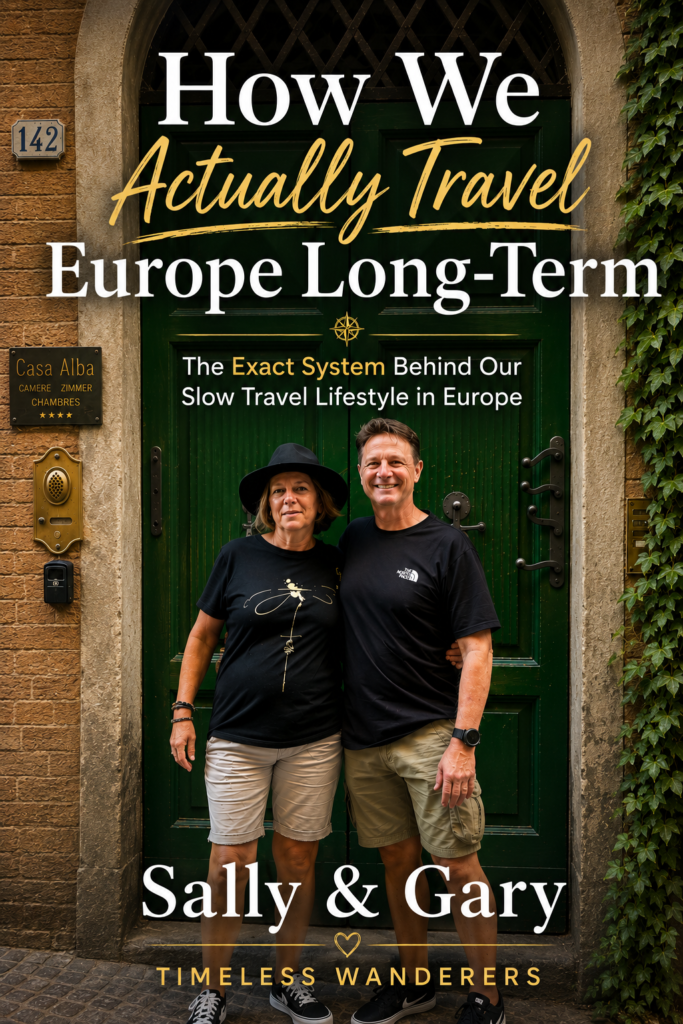
If you’d like to learn the complete system we’ve developed after years of travelling Europe full-time, take a look at our new book.
 How We Actually Travel Europe Long-Term
Discover the Book
Every long-term traveller remembers the day they finally decided to go.
We hope this is yours.
See you somewhere in Europe.
PLAN YOUR ADVENTURE
These are our favorite companies we use when planning a trip, they consistently have the best prices, great customer service, and overall, are better than their competitors.
BOOK YOUR FLIGHT – Going is a great search engine if you are flexible about your travel destination and dates. Sign up for their newsletter and get the latest deals on destinations around the world. GOING is our new go to.
TRAVEL OPTIONS
CAR RENTAL – We recommend using DISCOVER CARS when booking a RENTAL CARS, they work with hundreds of companies worldwide to help you find the best car for your needs.
TRAINS – TRAINLINE – is our favorite, this site is very reliable and easy to use.
BUS – OMIO – this website allows you to book train or bus tickets to travel from city to city the best and cheapest way. FLIXBUS is another terrific website with routes between 20 European countries.
ACCOMMODATIONS
BOOKING.com – is our go to for hotel searches around the world, we find they always have the cheapest rates and offer different payment options. In addition, VRBO is another terrific website for all types of accommodations.
HOSTELWORLD – is great if you’re traveling on a budget, and if you need a cheap place to stay.
TRAVEL INSURANCE
SAFETY WING – offer some of the most competitive and affordable plans tailored for your needs. SAFETY WING cover travellers from over 140 countries and make it easy to buy, extend and claim, even while travelling.
Check out our RESOURCE PAGE for more additional planning.