
How We Choose Where To Stay in Europe for Longer
Timeless Wanderers: Posted August 10, 2026

Choosing Somewhere To Live Is Different From Choosing Somewhere To Visit
After years of travelling around Europe, we’ve learned that choosing somewhere to stay for a few weeks or even a few months is very different from choosing somewhere for a three-night holiday.
When you’re only visiting for a few days, you can put up with a lot.
Maybe the apartment isn’t in the best location.
Perhaps the nearest supermarket is a little too far away.
You don’t really care because you’re out sightseeing most of the day anyway.
But when you’re staying somewhere for several weeks, those little things suddenly become important.
We know this from experience.
Lucca, in Tuscany, is our home base when we’re not travelling, and having a place we return to has taught us a lot about what makes somewhere work for everyday life.
It’s not just about whether a town is beautiful.
We want to know what it’s like to actually live there.
Can we walk to a coffee shop in the morning? Is there a supermarket nearby? Can we get around without a car if we need to? Are there good restaurants, local markets and places to simply sit and watch the world go by?
And then there’s the bigger question:
Could we actually see ourselves staying here for a while?
That is very different from asking whether somewhere would make a good holiday destination.
Over the years, we’ve stayed in all sorts of places around Europe, and we’ve learned that the things that make somewhere wonderful for a weekend aren’t always the things that make it a great place to stay for a month.
When we’re choosing somewhere now, we look at the whole picture.
The town.
The location.
The time of year.
The accommodation.
What’s nearby.
What we can explore from there.
And perhaps most importantly, whether we think we’ll enjoy the ordinary days as much as the exciting ones.
Because when you travel slowly, ordinary days are a big part of the experience.
Table of Contents
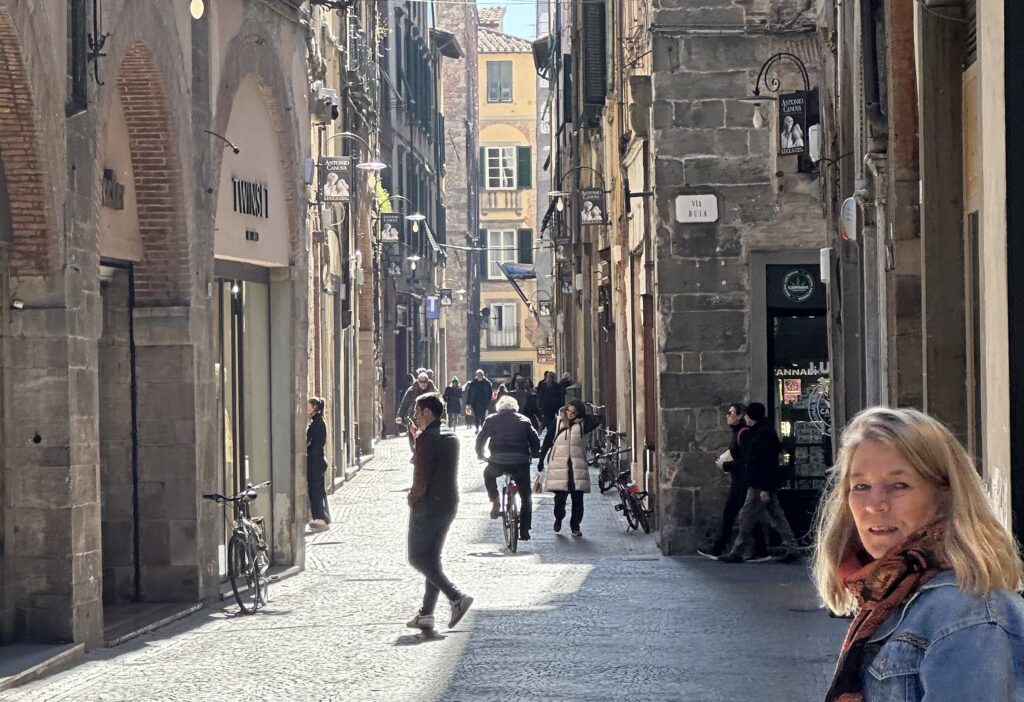
1. We Start With The Town, Not The Accommodation
When we’re thinking about staying somewhere for a few weeks or longer, the town comes first.
It might sound obvious, but it’s easy to get distracted when you start looking at accommodation.
You see a beautiful apartment with a lovely terrace, a great view and a price that looks good, and suddenly you’re thinking, “That looks perfect.”
But we’ve learned to stop ourselves and look at the bigger picture first.
Would we actually enjoy living in this town?
We look at what’s around us and imagine what a normal Tuesday might look like.
Where would we have our morning coffee?
Where would we buy groceries?
Can we walk into the centre?
Are there restaurants we would actually want to eat at more than once?
Is there a market?
Can we get out and explore the surrounding area?
These things might not matter much when you’re staying somewhere for three nights.
When you’re there for a month, they become part of your everyday life.
That’s one of the biggest differences we’ve noticed between travelling on holiday and travelling the way we do now.
We’re not just choosing somewhere to see.
We’re choosing somewhere to live for a while.
And sometimes the places that look the most exciting on paper aren’t necessarily the places we’d choose to spend several weeks.
A town can have famous sights, beautiful buildings and thousands of visitors, but if it’s difficult to get groceries, awkward without a car, or too busy for the type of stay we’re looking for, it might not be right for us.
On the other hand, a town that doesn’t appear on everyone’s European itinerary can sometimes be exactly what we’re looking for.
We want somewhere where we can settle in, find our favourite coffee shop, work out where the supermarket is and start feeling comfortable enough that we don’t need Google Maps every time we leave the house.
That’s when we know we’ve probably found a good place to stay longer.
We can help you plan your dream trip to Europe, with a personalised itinerary designed just for you.
After more than 30 years of travelling to Eurpe—and loving it so much we decided to make it our home—we now live here and explore at a relaxed, local pace.
Planning a trip to Europe is exciting, but choosing where to go, how long to stay, and how to get around can quickly become overwhelming.
That’s where we come in.
We offer a personalised planning service that helps you decide exactly how to explore Europe, based on your travel style, budget, and pace.
Plus, we can help you plan scenic drives, time in hilltop towns, food and wine experiences, and those small local moments that make a trip truly special—making your European holiday easier, smoother, and full of memories you’ll treasure long after you return home.
“Let us plan your perfect trip with a custom itinerary designed just for you.
Fill out the form and let’s begin your dream.”
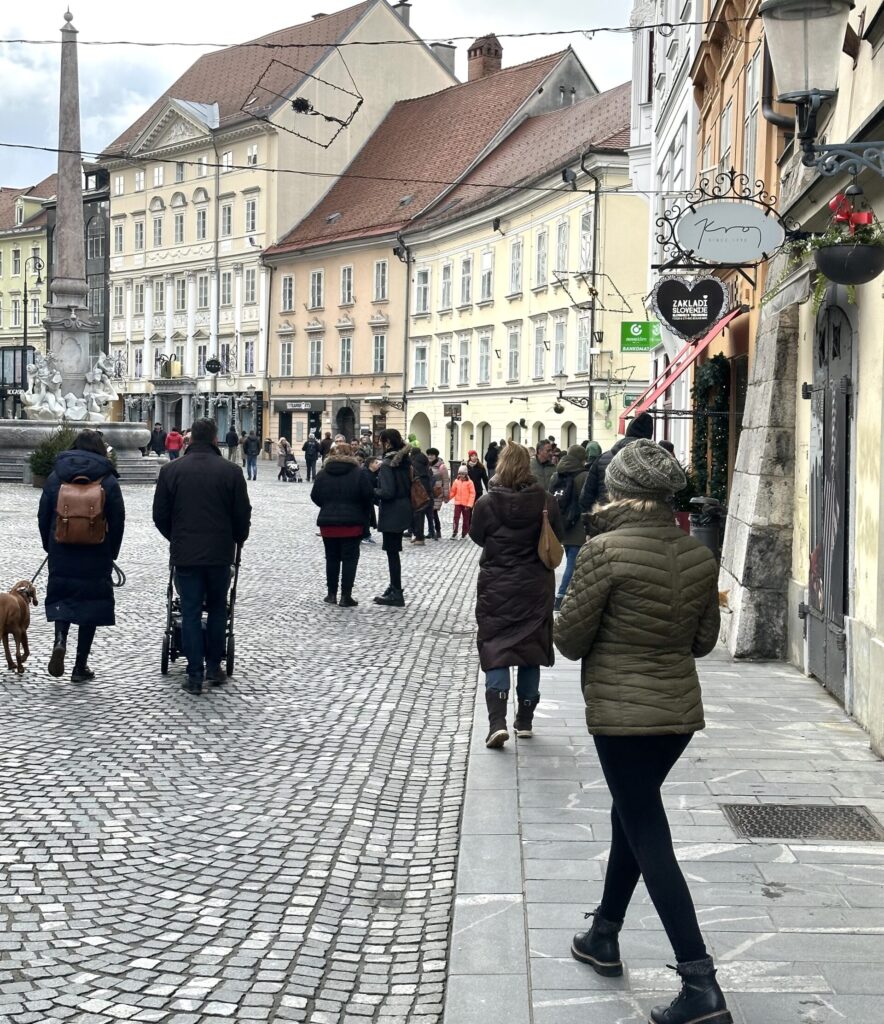
2. We Think About What Everyday Life Will Be Like
This is one of the biggest differences between choosing somewhere for a holiday and choosing somewhere to stay for a longer period.
When you’re travelling for a week, you can happily spend every day sightseeing, eating out and exploring.
But nobody wants to live like that for months.
At least we don’t.
When we’re staying somewhere longer, we want to be able to settle into a normal routine.
We want to know where to buy fresh bread, where the supermarket is, where we can get a good coffee and where we can go for a walk without having to get in the car.
These little things become surprisingly important.
We also think about whether there are enough places nearby to keep us interested once we’ve been there for a while.
We don’t need a list of twenty attractions.
We’re actually happier knowing there are a few good towns nearby, some beautiful countryside to explore and somewhere we can go for lunch when we feel like getting out for the day.
And then there are the things you don’t necessarily think about when booking a holiday.
Is the neighbourhood quiet at night?
Is there a bakery nearby?
Can we walk to dinner?
What happens if we need a doctor, pharmacy or supermarket?
Is there a good weekly market?
What’s the town like when the tourists have gone home?
These aren’t glamorous questions.
But when you’re living somewhere for several weeks, they matter far more than whether the apartment has the prettiest view in town.
We’ve learned that the best longer stays aren’t necessarily the ones where we’re constantly doing something.
They’re the ones where everyday life feels easy.
We can have a slow morning, head out for coffee, do a bit of shopping, go for a walk and decide later whether we feel like exploring somewhere new.
That freedom to have a completely ordinary day is one of the things we love most about slow travel.
And it’s something we always consider before choosing our next longer stay.
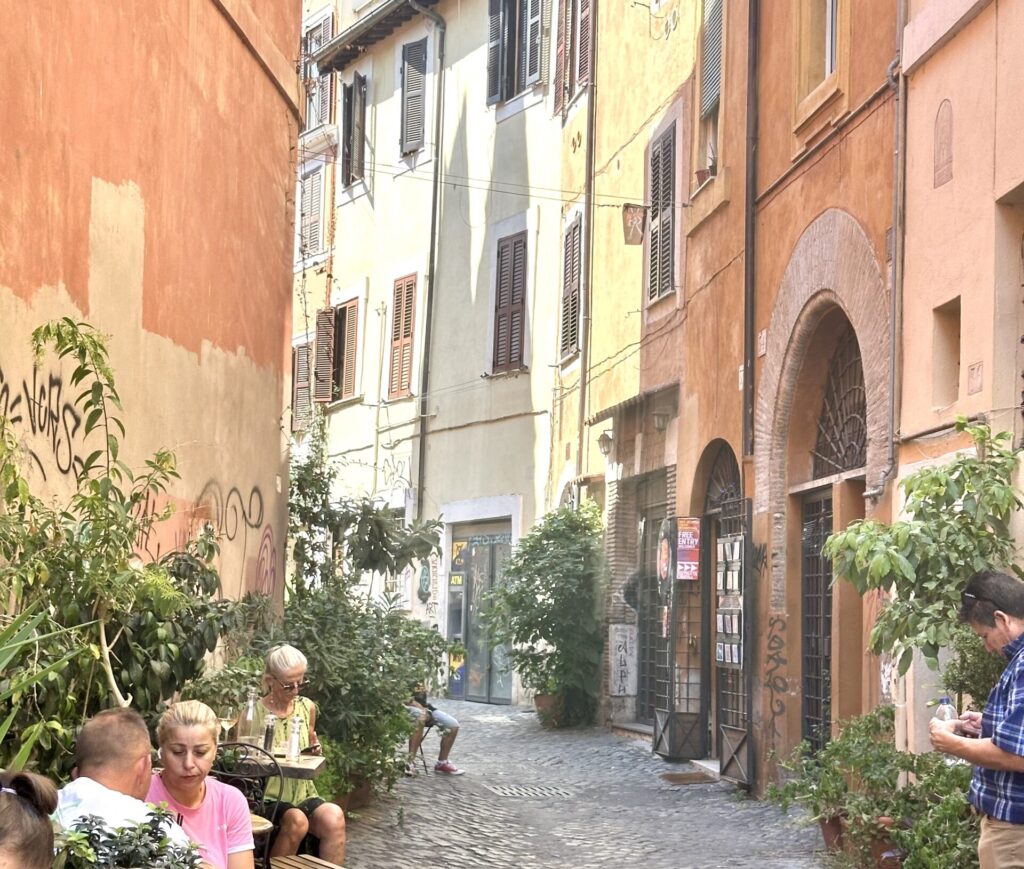
3. Location Matters More Than We Used To Think
One of the biggest things we’ve learned over the years is that where the accommodation is can matter just as much as the accommodation itself.
You can find a beautiful apartment at a great price, but if it’s miles from everything you want to do, you may not enjoy staying there nearly as much as you thought you would.
When we’re staying somewhere for longer, we look carefully at the location.
Can we walk into town?
Is there a supermarket nearby?
Can we get to a café without getting in the car?
What about restaurants?
And if we’re planning to explore further, how easy is it to get onto the main roads or reach a train station?
We don’t always need to be right in the centre.
In fact, sometimes being just outside the busiest part of town is much better.
We like having a little space and somewhere that feels more like a neighbourhood than a tourist zone.
But we still want to be close enough that popping into town for a coffee or picking up a few groceries doesn’t become an expedition.
Parking is another one we think about much more than we used to.
If we’re travelling by car, having somewhere safe and convenient to park can make a huge difference.
Especially in older European towns where streets can be narrow and parking can be difficult.
And then there are the places where you really don’t need a car at all.
We’ve learned to appreciate being able to walk out the door and have most of what we need within easy reach.
That’s one of the things we love about Lucca.
We can leave home, walk around the walls, stop for a coffee, do some shopping and be back home without having to think about where to park.
Those simple things might not sound important when you’re planning a holiday.
But when you’re staying somewhere for a month, they can make all the difference.
For us, a good location isn’t necessarily the most central one.
It’s the one that makes everyday life easy.
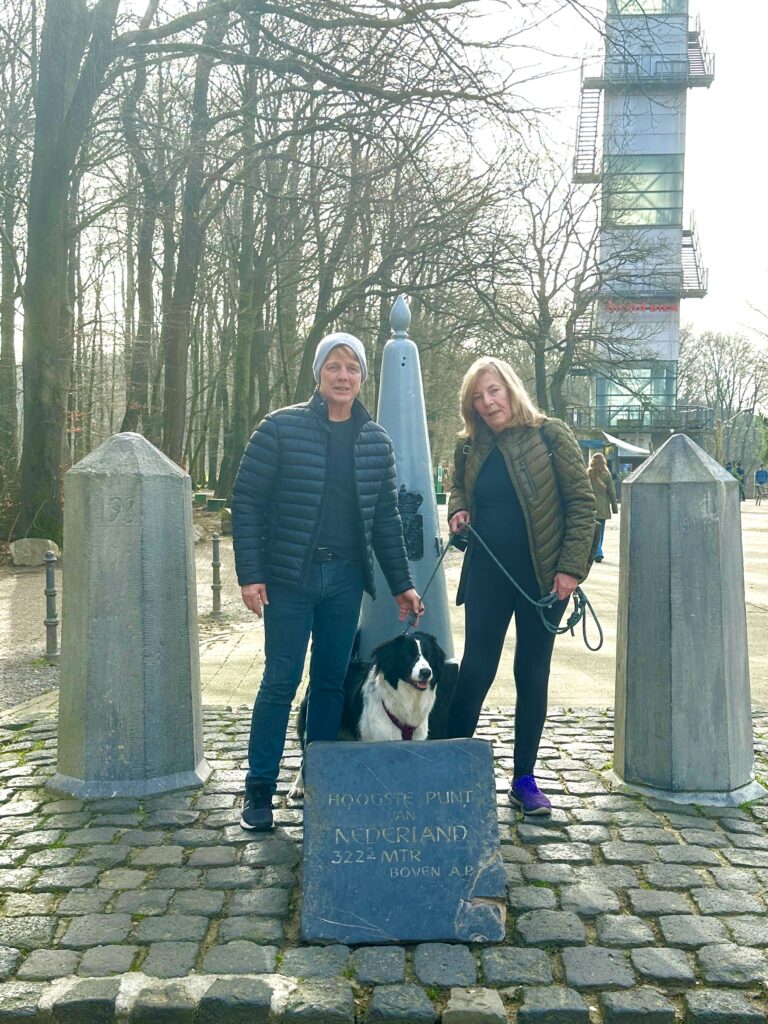

4. We Look For Somewhere That Feels Like Home
When we’re choosing somewhere to stay for a few weeks or longer, we’re not looking for the fanciest apartment or the most luxurious place we can find.
Of course, it’s nice to have somewhere comfortable. But after years of travelling, we’ve learned that a place doesn’t need to be perfect to feel like home.
What matters more is whether we can imagine settling into it.
Can we unpack properly instead of living out of a suitcase?
Is there a kitchen where we can cook a few meals?
Is there somewhere comfortable to sit at the end of the day?
Can we open the door in the morning and feel like we’re actually living there rather than just passing through?
Those things mean much more to us now than a perfectly styled apartment or an incredible view.
When you’re staying somewhere for a few nights, you might barely use the kitchen.
You may be out from breakfast until late at night, so a small room can be perfectly fine.
But when you’re staying somewhere for a month, you start to appreciate having a proper table, a comfortable sofa and enough space to spread out a little.
You also begin to notice the little things.
Good natural light.
A washing machine.
A decent shower.
Enough room in the kitchen.
Reliable Wi-Fi.
None of these things are particularly exciting when you’re booking somewhere.
But they can make a big difference once you’ve been there for a few weeks.
We’ve also learned that sometimes the places we remember most fondly weren’t the biggest or the most beautiful.
They were the places where we felt comfortable.
The ones where we could settle into a routine, cook dinner, put our feet up and feel at home for a while.
That’s really what we’re looking for.
Not somewhere perfect.
Just somewhere that feels good to come back to at the end of the day.
The 90-Day Slow Travel Starter Kit
Before the book — get the free kit. Everything you need to understand the basics and start planning with confidence.
FREE DOWNLOAD

5. We Consider The Time Of Year
One thing we’ve learned from travelling around Europe is that the time of year can completely change the way a place feels.
Somewhere you love in May might feel completely different in August.
A quiet little town in winter can suddenly be packed in summer.
And a place that seems too quiet during the colder months might come alive once the weather warms up.
That is why we always think about when we’re going somewhere, not just where we’re going.
For us, this has become a big part of choosing where to stay.
We might love a destination, but that doesn’t necessarily mean we want to be there at every time of year.
Sometimes we deliberately choose somewhere because we know what the weather will be like.
Other times, we think about crowds, local events, or simply whether the town will have the everyday life we’re looking for while we’re there.
This is something we know well from living in Tuscany.
Lucca in the middle of summer is very different from Lucca in November.
The weather changes, the number of visitors changes, and even the feel of everyday life changes.
Neither is necessarily better. It just depends on what we’re looking for at the time.
When we’re choosing somewhere for a longer stay, we don’t want to arrive and discover that we’ve picked the one month of the year when everything we enjoy about the place is closed, overcrowded, or simply not what we expected.
That doesn’t mean every trip needs to be planned perfectly.
Far from it.
But knowing a little about the seasons can make a big difference.
We think about the weather we enjoy, whether we want to be somewhere busy or quiet, and what we hope to do while we’re there.
If we’re planning lots of outdoor exploring, the weather matters.
If we want to ski, obviously the season matters even more.
And if we’re looking for a quiet few weeks to slow down, we may choose a completely different destination from the one we’d pick in the middle of summer.
After years of moving around Europe, we’ve learned that choosing the right time can be just as important as choosing the right place.

6. We Don’t Need To Be In The Middle Of Everything
When you’re visiting somewhere for a few days, being right in the middle of everything can seem like the obvious choice.
You step outside and you’re surrounded by the main sights, restaurants and cafés.
It’s convenient, and for a short stay, that can be great.
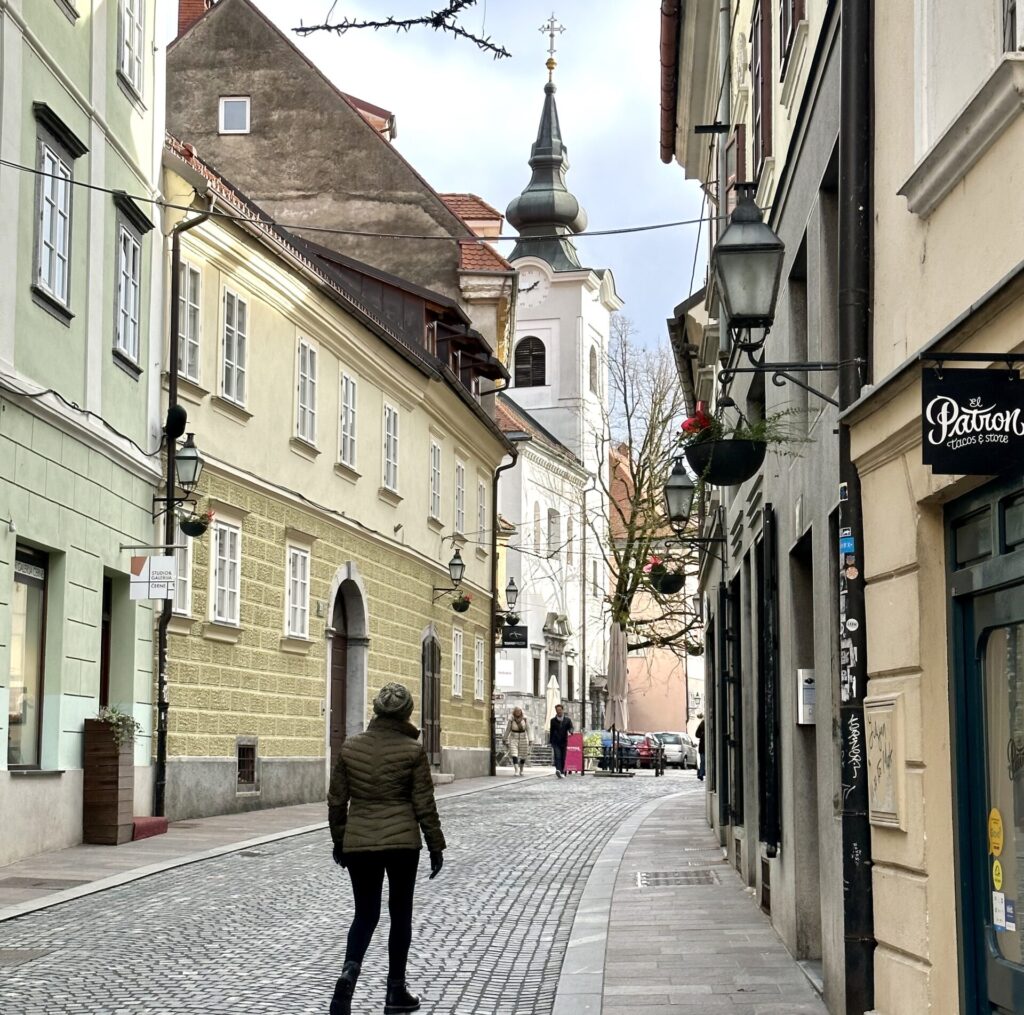
But when we’re staying somewhere for several weeks, we’re often happier being a little further away.
We don’t need to walk outside our front door and be surrounded by tourists.
In fact, we quite like being somewhere that feels like a normal neighbourhood.
A little quieter.
A little more local.
Somewhere we can see people going about their everyday lives rather than feeling like we’re constantly in the middle of a tourist attraction.
And because we’re staying longer, we have time.
We don’t have to see everything on the first day.
We can visit the main sights when we feel like it, then spend another day doing very little at all.
That’s one of the great advantages of slow travel.
We might stay a short distance outside the centre because the accommodation is better, the parking is easier or the area simply feels more comfortable.
And if we want to go into town, we’ll walk, drive, catch a bus or take the train.
We don’t mind a little extra effort if it means coming home to somewhere we really enjoy.
This is another lesson we’ve learned from living in Lucca.
We don’t need to be surrounded by everything all the time.
Some of our favourite days are the simple ones — walking around the walls, stopping for coffee, doing a bit of shopping and then heading home.
When you have time, you don’t need everything right outside your door.
Sometimes being just outside the centre is exactly what makes a longer stay work.
7. We Always Think About What We Can Do From There
When we’re choosing somewhere to stay for a few weeks, we don’t only think about the town itself.
We also look at what’s around it.
One of the things we love about staying somewhere longer is having time to explore beyond the place we’re staying.
We don’t need to see everything in a couple of days.
We can choose a town as our base and take our time discovering what’s nearby.
This is something we particularly love about living in Tuscany.
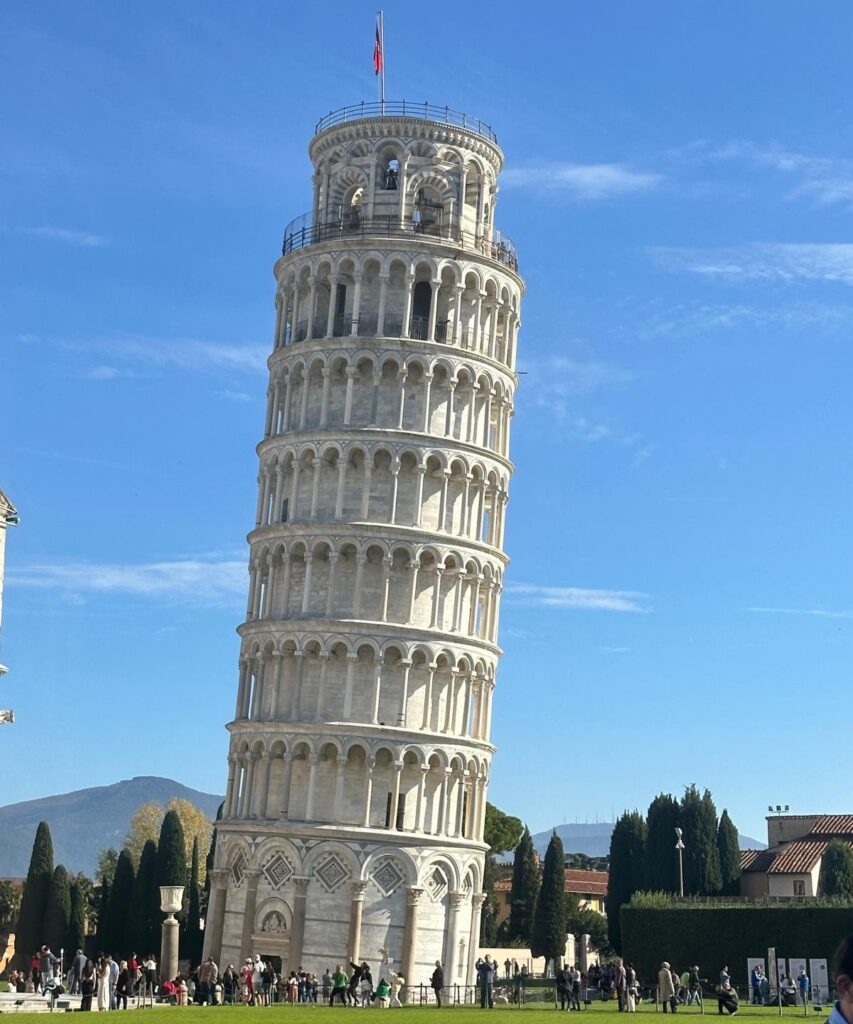
From Lucca, we can spend the day exploring another Tuscan town, visit a market, head to the coast, go for lunch somewhere we’ve never been or simply take a scenic drive and see where we end up.
We don’t have to pack a bag and move to another hotel every time we want to see somewhere new.
That’s one of the reasons we look at a destination differently now.
Before choosing somewhere for a longer stay, we’ll look at the surrounding area and ask ourselves:
What could we do from here?
Are there interesting towns nearby?
Can we take easy day trips?
Is there good public transport?
If we’re driving, are the roads and distances manageable?
Is there enough variety that we won’t feel like we’ve run out of things to do after the first week?
We don’t need endless attractions.
We actually prefer having a handful of places we’d really like to explore and knowing we can take our time getting to them.
Sometimes we’ll plan a day out.
Other times we’ll wake up, have coffee, look at the weather and decide what we feel like doing.
That’s another advantage of staying somewhere longer.
We’re not trying to squeeze five towns into one day because we have to leave tomorrow.
We can visit one place, enjoy lunch, wander around for a few hours and come home when we’re ready.
And sometimes the best day trips aren’t the ones we’d planned months in advance.
They happen because we’re already there, we’ve got the time, and we see somewhere on the map that looks interesting.
For us, a good base gives us both things we value most:
Somewhere we enjoy coming home to, and plenty of places worth exploring when we feel like heading out.

8. What We’ve Learned After Years Of Choosing Places To Stay
After years of travelling around Europe, we’ve become much better at knowing what works for us.
And interestingly, it isn’t always what we thought we’d want when we first started.
We’ve learned that the most beautiful apartment isn’t necessarily the best choice.
The most famous town isn’t necessarily where we’d want to stay for a month.
And being right in the centre isn’t always an advantage.
What matters most is whether the whole picture works for us.
We think about the town, the location, the accommodation, the time of year and what’s around us.
But we also think about something that’s harder to put into a search box:
How are we going to feel living here?
Can we picture ourselves settling in?
Can we imagine having a normal Tuesday here?
Would we be happy staying in for the evening instead of going out?
Would we enjoy waking up here tomorrow, and the day after that?
Those questions have become much more important to us over the years.
We’ve also learned not to get too caught up in finding the “perfect” place.
There probably isn’t one.
Everywhere has something you compromise on.
Maybe the apartment is perfect but the parking isn’t.
Maybe the town is wonderful but it’s a little further from the places we want to explore.
Maybe the location is fantastic but the accommodation is smaller than we’d normally choose.
That’s okay.
We’re looking for somewhere that works overall, not somewhere that ticks every single box.
And perhaps the biggest thing we’ve learned is that staying somewhere longer changes the way you see it.
You notice the bakery you walk past every morning.
You have a favourite café.
You recognise people.
You find a market you didn’t know existed.
You discover a little restaurant you would never have found on a two-day visit.
Before long, the place starts to feel familiar.
And that’s really what we’re looking for when we choose somewhere to stay for longer.
Not just somewhere we want to visit.
Somewhere we can imagine living for a while.
That’s the difference slow travel has made for us.
Read Our Full Guide On The Mistakes We Made.
10 Mistakes to Avoid When Planning Long-Term Travel in Europe
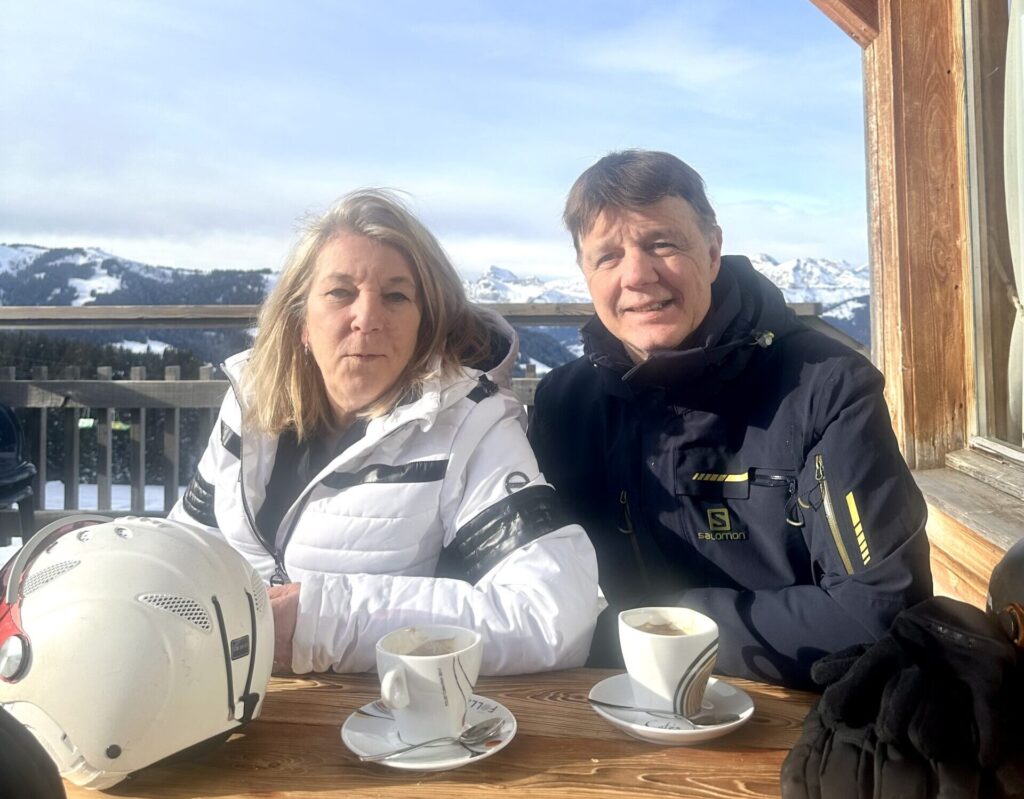
Over Coffee With Sally & Gary ☕
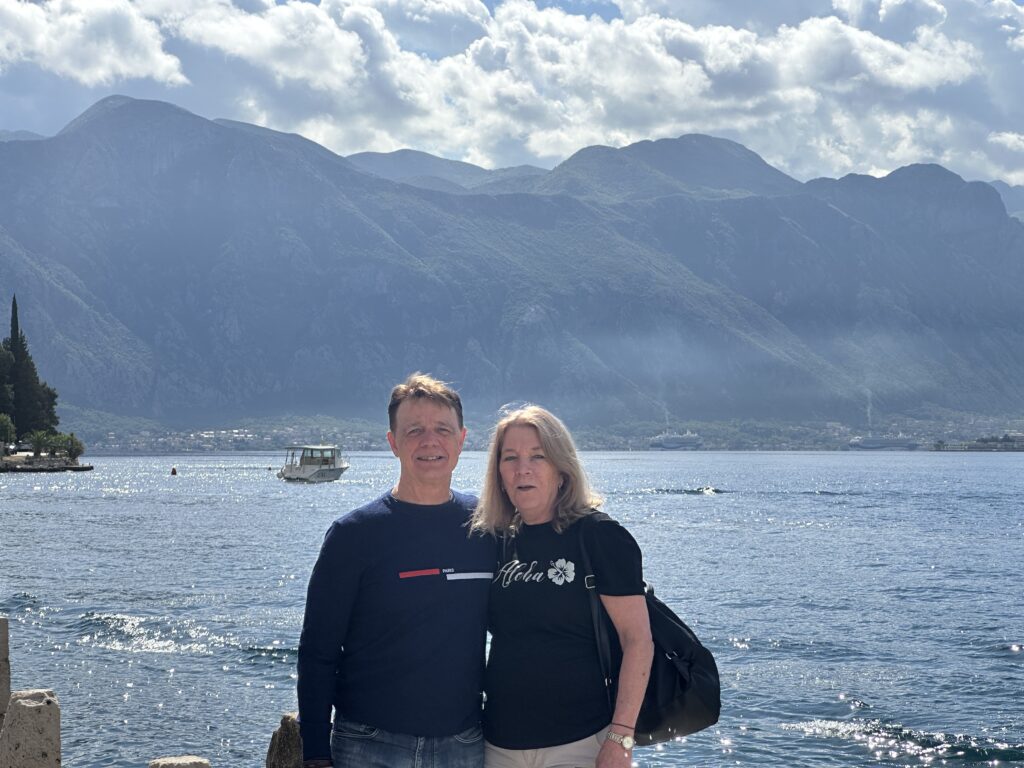
If we were sitting down together over coffee, we’d probably tell you not to overthink this.
After all these years of travelling around Europe, we still get it wrong sometimes.
We’ve stayed in places that looked perfect online but didn’t quite work once we arrived.
We’ve chosen locations that seemed fine on the map but weren’t as convenient as we thought.
And we’ve definitely learned that what looks great for a few days isn’t always what we want for a few weeks.
But that’s part of travelling this way.
You learn as you go.
These days, when we’re looking at somewhere new, we don’t just look at photographs and reviews.
We try to imagine our everyday life there.
Where will we have our morning coffee?
Where will we buy groceries?
Can we go for a walk?
What can we explore nearby?
And will we actually enjoy being there when we’re not out sightseeing?
Because that’s something slow travel has taught us.
You don’t need every day to be exciting.
Some of our favourite days in Europe have been incredibly ordinary.
A walk, a coffee, a bit of shopping, perhaps lunch somewhere we like, and then home for the evening.
That’s what makes a place start to feel like yours, even if you’re only there for a few weeks.
And maybe that’s the biggest lesson we’ve learned.
Don’t just choose somewhere you want to visit. Choose somewhere you wouldn’t mind living for a while.
That little change in thinking has made a huge difference to the way we travel.
Before the book — get the free kit. Everything you need to understand the basics and start planning with confidence.
Your First Step Towards Long-Term Travel in Europe
The moment everything changed was when we booked a place for a month instead of a week and discovered we were paying half the nightly rate. By the second week, the neighbour had invited us in for a drink, we knew the shortcut to the market, and we were, briefly and genuinely, part of the street.
The 90-Day Slow Travel Starter Kit
Start Your Slow Travel Journey With Our FREE 90-Day Slow Travel Starter Kit
If you’ve been reading this and thinking, “We’d love to try slow travel, but where would we even start?” — we’ve put together something to help.
Our FREE 90-Day Slow Travel Starter Kit is based on the things we’ve learned from travelling around Europe for years.
It’s designed to help you start thinking differently about your own trip — not just where you want to go, but how you want to spend your time there.
Inside, you’ll find practical ideas to help you start planning a slower 90 days in Europe, without feeling like you have to organise everything at once.
We created it because we remember what it was like when we were first figuring all of this out.
There is a lot of information online about travelling Europe.
But sometimes you just need someone to help you step back, slow down and work out what could actually work for you.
And it’s completely free.

Final Thoughts
After years of travelling around Europe, we’ve learned that choosing somewhere to stay for longer isn’t really about finding the perfect destination.
It’s about finding somewhere that fits the way you want to live.
For us, that means somewhere we can settle in, find our favourite coffee shop, walk to the things we need, explore the surrounding area and still be happy having a quiet day at home.
It doesn’t have to be famous.
It doesn’t have to be right in the middle of everything.
And it certainly doesn’t have to be perfect.
It just has to feel right for the time we’re going to spend there.
That’s something we’ve learned from having Lucca as our home base and from all the places we’ve stayed throughout Europe.
When you stop thinking about a destination as somewhere you’re simply visiting and start thinking about it as somewhere you’re going to live for a while, your priorities change.
You notice different things.
You take your time.
You start looking for the bakery rather than the next attraction.
And that’s when travel starts to feel less like a holiday and more like everyday life somewhere new.
For us, that’s the real beauty of slow travel.
We’re still exploring Europe.
We’re still discovering new places.
But we don’t feel like we have to rush through them.
We can stay a little longer, settle in, and see what happens.
And if you’re thinking about trying slow travel yourself, we’d encourage you to start small.
You don’t need to disappear for a year.
Choose one place.
Stay a little longer than you normally would.
Shop at the local supermarket. Find a café you like. Take a day trip. Have a quiet day.
See how it feels to live somewhere rather than simply visit.
You might be surprised by how much you enjoy it.
And who knows?
You might find yourself planning your next longer stay before you’ve even left the first one.

FAQs About Choosing Where To Stay In Europe For Longer
How do I choose a place to stay in Europe for a month?
Start with the town rather than the accommodation.
Think about what everyday life will be like, including supermarkets, cafés, restaurants, transport and things to do nearby.
Then look at accommodation that fits the way you want to live.
Is it better to stay in a city centre or outside the centre?
It depends on what you want from your stay.
We often prefer being just outside the busiest part of town, especially when we’re staying for several weeks.
It can be quieter, easier for parking and still close enough to walk or travel into the centre.
How important is location for a longer stay?
Very important.
When you’re staying somewhere for weeks rather than days, small conveniences become much more noticeable.
Being close to shops, cafés, public transport or parking can make everyday life considerably easier.
Should I choose my accommodation based on the season?
Definitely.
A destination can feel completely different depending on the time of year.
Think about the weather, crowds, local events, opening hours and the activities you want to enjoy before choosing when to stay.
Do I need a car for slow travel in Europe?
Not necessarily.
It depends on where you’re staying and what you want to explore.
Some towns and cities are easy to enjoy without a car, while having one can be very useful if you’re staying somewhere rural or want to explore smaller towns and countryside.
What should I look for in accommodation for a longer stay?
Think beyond how the accommodation looks in photographs.
A comfortable living area, proper kitchen, washing machine, reliable Wi-Fi and enough space to unpack can make a big difference when you’re staying for several weeks.
Is slow travel more expensive than a normal holiday?
Not necessarily.
Staying longer can sometimes reduce your average accommodation cost, and having a kitchen means you don’t have to eat out every day.
The biggest difference is that you’re spending your money differently because you’re living somewhere rather than constantly moving around.
How long should I stay in one place when slow travelling Europe?
There is no perfect length of time. Even staying somewhere for two or three weeks can give you a very different experience from a short holiday.
The longer you stay, the more opportunity you have to settle into everyday life and explore the surrounding area without rushing.
What is the biggest mistake people make when choosing a longer stay?
Choosing somewhere because it looks great for a holiday without thinking about what everyday life will actually be like.
A beautiful destination isn’t necessarily a comfortable place to spend a month.
Think about the ordinary things as much as the sightseeing.
How do I know if a place will make a good slow travel base?
Ask yourself whether you would enjoy spending an ordinary day there.
Look at what’s nearby, how easy it is to get around, what you can explore from the area and whether the accommodation feels comfortable enough to live in.
If you can imagine yourself happily settling in, you’ve probably found a good base.
Before the book — get the free kit. Everything you need to understand the basics and start planning with confidence.
Europe looks complicated from the outside.
The Schengen rules. The visa questions. The accommodation puzzle. Where to base yourself, how long to stay, how to make the money work. The more you look into it, the more it seems like something that requires months of research and a perfect plan before you can even think about leaving.
The 90-Day Slow Travel Starter Kit
Ready to Turn Your Dream Into a Plan?
If you’ve ever dreamed of travelling Europe for longer than just a holiday, our FREE 90-Day Slow Travel Starter Kit is the perfect place to start.
Inside you’ll discover:
 The first planning steps
Understanding the Schengen Rule
How we choose where to stay
Practical slow travel tips
 Download Your FREE Starter Kit
Want to Go Even Further?
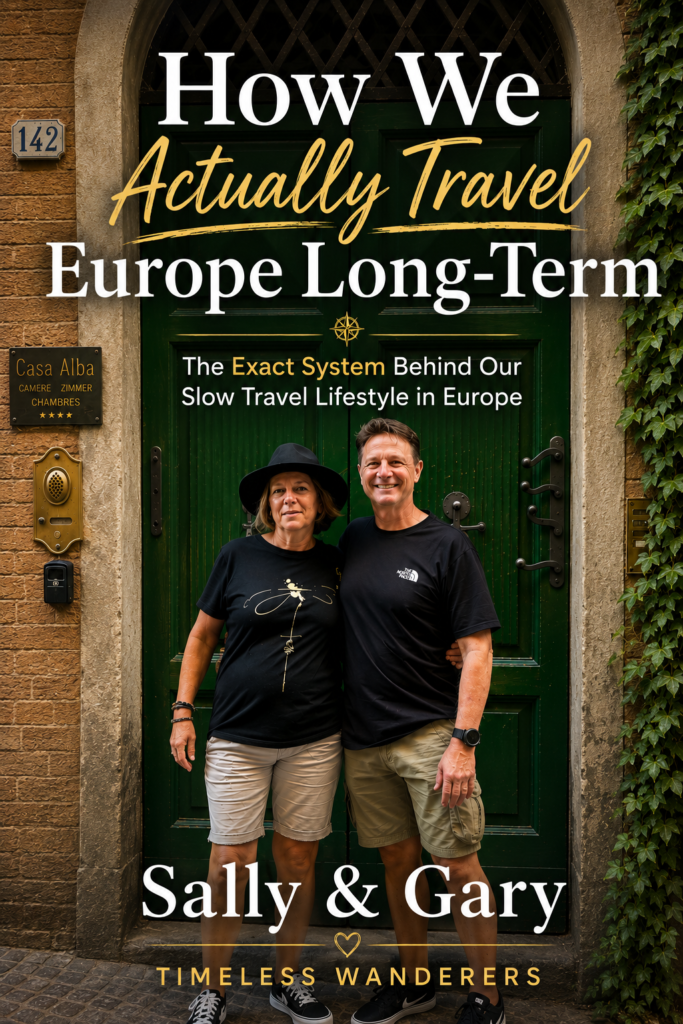
If you’d like to learn the complete system we’ve developed after years of travelling Europe full-time, take a look at our new book.
 How We Actually Travel Europe Long-Term
Discover the Book
Every long-term traveller remembers the day they finally decided to go.
We hope this is yours.
See you somewhere in Europe.
PLAN YOUR ADVENTURE
These are our favorite companies we use when planning a trip, they consistently have the best prices, great customer service, and overall, are better than their competitors.
BOOK YOUR FLIGHT – Going is a great search engine if you are flexible about your travel destination and dates. Sign up for their newsletter and get the latest deals on destinations around the world. GOING is our new go to.
TRAVEL OPTIONS
CAR RENTAL – We recommend using DISCOVER CARS when booking a RENTAL CARS, they work with hundreds of companies worldwide to help you find the best car for your needs.
TRAINS – TRAINLINE – is our favorite, this site is very reliable and easy to use.
BUS – OMIO – this website allows you to book train or bus tickets to travel from city to city the best and cheapest way. FLIXBUS is another terrific website with routes between 20 European countries.
ACCOMMODATIONS
BOOKING.com – is our go to for hotel searches around the world, we find they always have the cheapest rates and offer different payment options. In addition, VRBO is another terrific website for all types of accommodations.
HOSTELWORLD – is great if you’re traveling on a budget, and if you need a cheap place to stay.
TRAVEL INSURANCE
SAFETY WING – offer some of the most competitive and affordable plans tailored for your needs. SAFETY WING cover travellers from over 140 countries and make it easy to buy, extend and claim, even while travelling.
Check out our RESOURCE PAGE for more additional planning.