
10 Mistakes to Avoid When Planning Long-Term Travel in Europe
Timeless Wanderers: Posted July 14, 2026
Have you ever dreamed of travelling through Europe for months instead of just a few weeks?
We certainly did.
Like many people, we imagined that long-term travel would simply be a longer holiday.
We pictured ourselves wandering through charming villages, enjoying long lunches in Italy, exploring historic cities, and waking up somewhere new every few days.
It sounded like the perfect adventure.
What we didn’t realise was that travelling through Europe for months requires a completely different mindset.
Over the years, we’ve made plenty of mistakes.
Some were small, while others completely changed the way we travel.
Looking back, every one of them taught us something valuable about slowing down, planning differently, and enjoying Europe in a way we never imagined.
Today, our travels look very different from those early days.
We no longer feel the pressure to see everything or rush from one destination to the next.
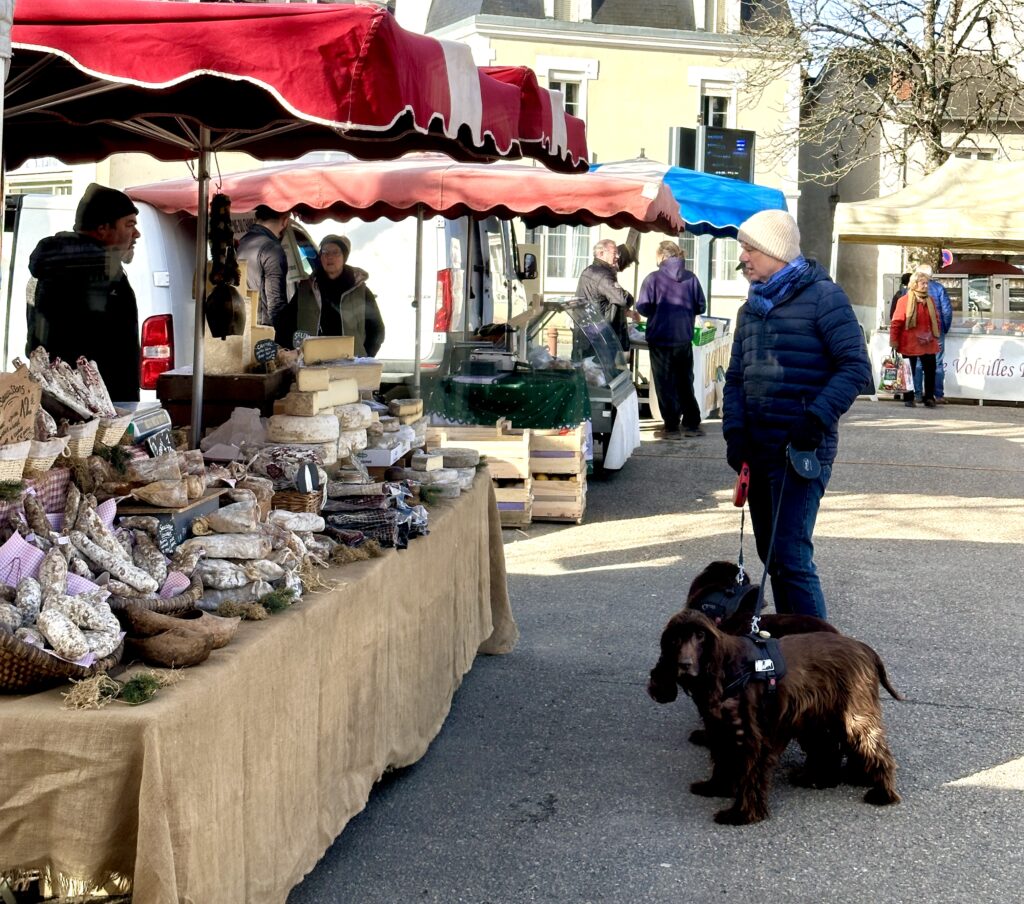
Instead, we’ve discovered that the real magic of Europe is often found in the moments between the famous attractions—the morning walk to the local bakery, the conversations with neighbours, the weekly market, and the quiet afternoons spent watching everyday life unfold.
If you’re dreaming about travelling through Europe for weeks or even months, we hope these lessons help you avoid some of the mistakes we made and give you the confidence to create a journey that feels less like a holiday and more like a way of life.
After all, that’s what long-term travel has become for us.
Table of Contents
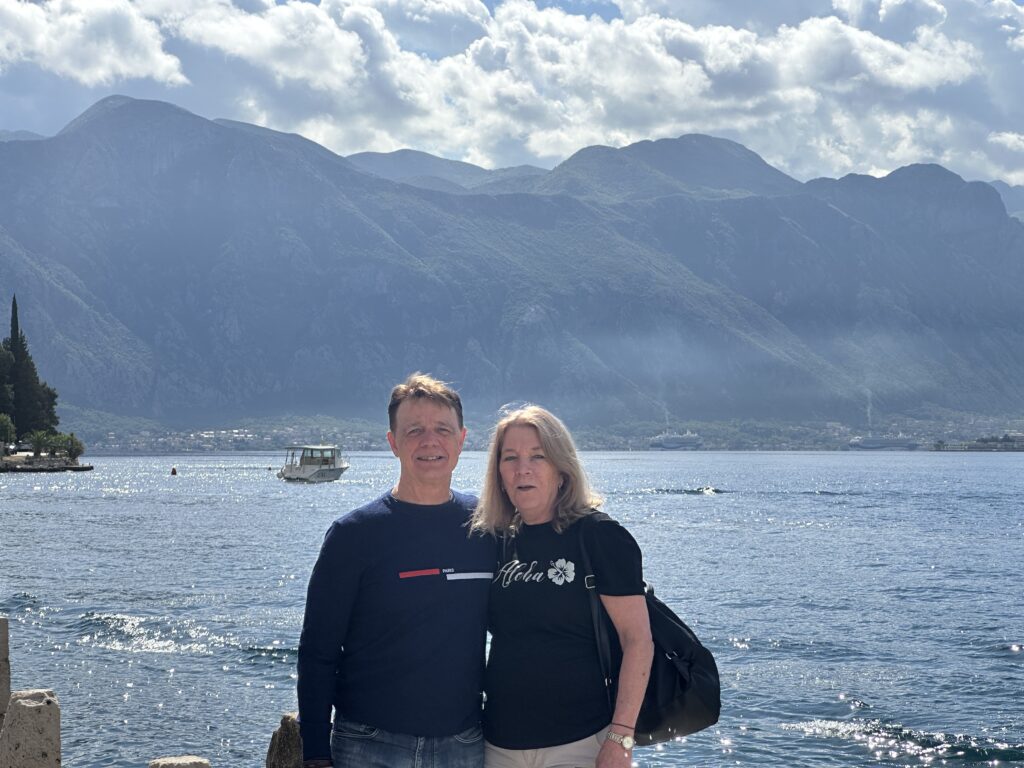
Why We’re Sharing These Lessons
We don’t claim to have all the answers.
In fact, we’re still learning something new every time we travel.
When we left Australia to begin this new chapter of our lives, we weren’t experienced long-term travellers.
We simply had a dream of spending more time in the places we loved most.
Along the way, we discovered that many of the assumptions we had about travel weren’t quite right.
Some of our biggest lessons came from making mistakes.
We travelled too quickly.
We tried to fit too much into every day.
We packed things we never used.
We underestimated how important it was to create routines, choose the right accommodation, and allow ourselves time to simply enjoy where we were.
Those experiences changed the way we travel forever.
We’re sharing these lessons because we know there are other people dreaming about doing exactly the same thing.
Perhaps you’re approaching retirement and wondering if extended travel is really possible.
Perhaps you’re planning a career break, a gap year, or simply looking for a different way to experience Europe.
Wherever you are in your journey, we hope our experiences make yours a little easier.
If our mistakes help you avoid a few of the challenges we faced and encourage you to embrace a slower, more meaningful way of travelling, then every lesson we’ve learned has been worthwhile.
So, let’s begin with the first mistake we made—one that completely changed the way we think about long-term travel.
We can help you plan your dream trip to Europe, with a personalised itinerary designed just for you.
After more than 30 years of travelling to Eurpe—and loving it so much we decided to make it our home—we now live here and explore at a relaxed, local pace.
Planning a trip to Europe is exciting, but choosing where to go, how long to stay, and how to get around can quickly become overwhelming.
That’s where we come in.
We offer a personalised planning service that helps you decide exactly how to explore Europe, based on your travel style, budget, and pace.
Plus, we can help you plan scenic drives, time in hilltop towns, food and wine experiences, and those small local moments that make a trip truly special—making your European holiday easier, smoother, and full of memories you’ll treasure long after you return home.
“Let us plan your perfect trip with a custom itinerary designed just for you.
Fill out the form and let’s begin your dream.”
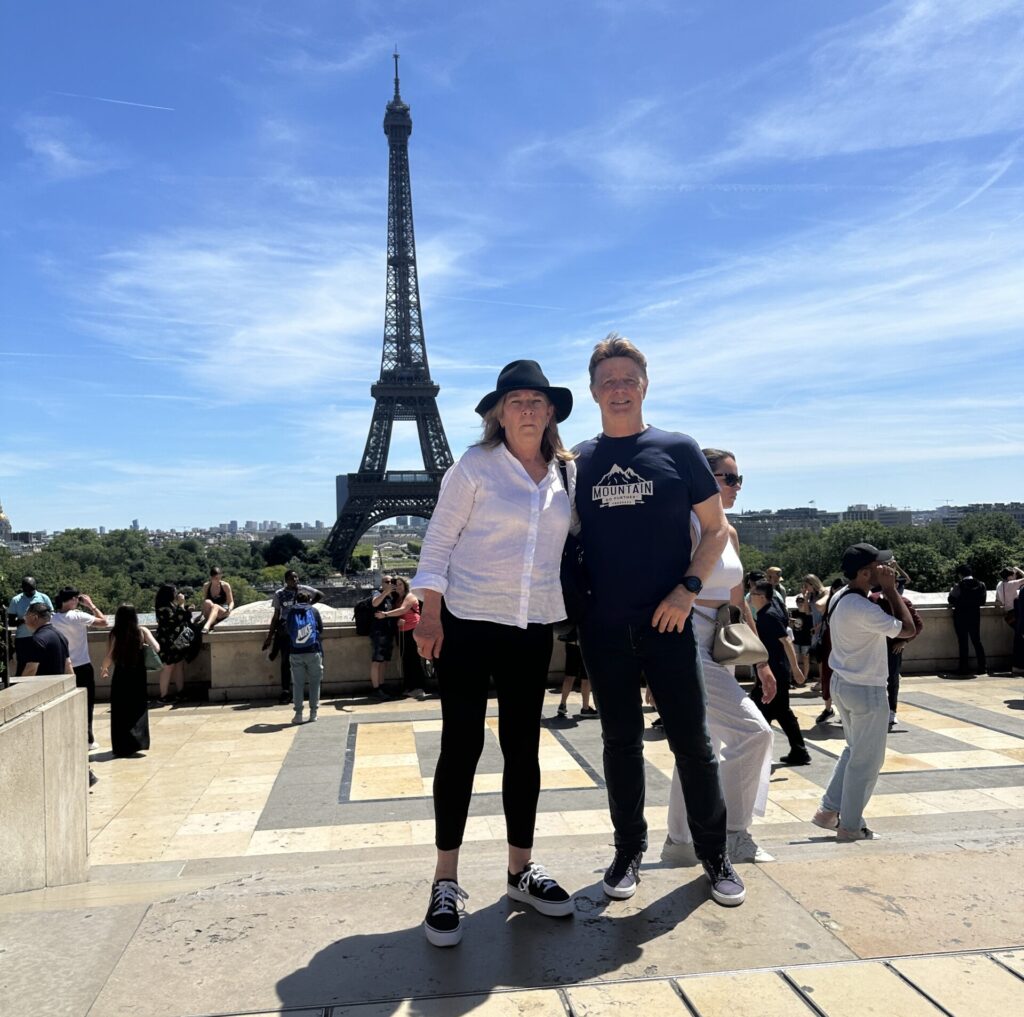
Mistake #1: Treating Long-Term Travel in Europe Like a Long Holiday
When we first started dreaming about travelling Europe for months at a time, we made a very common mistake.
We thought long-term travel was simply a longer version of a holiday.
The idea sounded simple.
Instead of visiting Europe for two or three weeks, we would just stay longer.
We would visit more places, see more sights, and finally have enough time to experience everything we had always wanted to discover.
It seemed like the perfect solution.
After years of taking shorter trips to Europe, we loved the excitement of arriving somewhere new.
We loved exploring historic towns, discovering local food, walking through beautiful landscapes, and ticking places off our list.
So naturally, we assumed that more time meant we could simply do more.
But we quickly learned that long-term travel works differently.
A holiday has an end date.
Because time is limited, there is often a feeling that every day needs to count.
You want to visit the famous landmarks, explore as much as possible, and make the most of every moment before heading home.
There is nothing wrong with that.
Short trips are wonderful.
But when you travel for months, that same mindset can become exhausting.
You cannot live every day like you are on holiday.
Eventually, you need to slow down.
You need normal mornings.
You need quiet afternoons.
You need time to do everyday things like shopping, cooking, working, planning, and simply relaxing.
And that is when we discovered something unexpected.
The best parts of long-term travel often happen when you stop trying to make every day extraordinary.
Learning to Live Instead of Just Visit
The biggest change for us was understanding that we were no longer just visiting Europe.
We were creating a temporary life there.
That meant thinking differently.
Instead of asking:
“How many places can we see?”
we started asking:
“How do we want to experience this place?”
That one question changed everything.
We began choosing destinations where we could slow down.
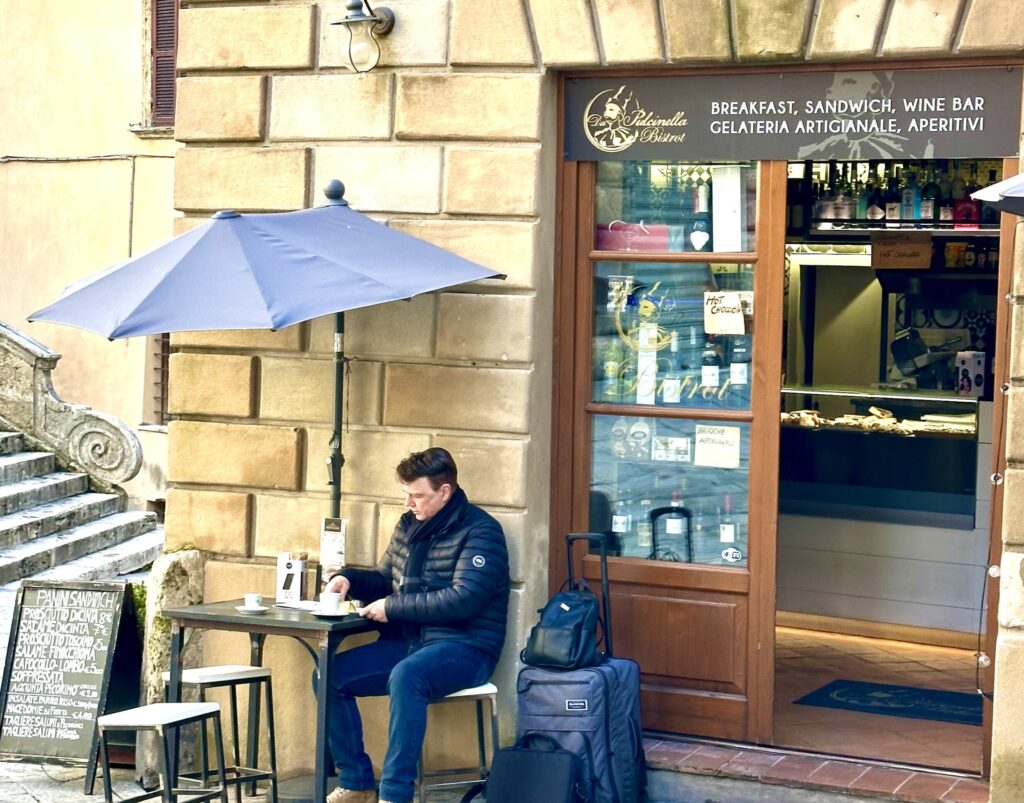
Places where we could walk to the bakery in the morning.
Places where we could find a favourite coffee shop.
Places where we could return to the same market each week and recognise familiar faces.
Those small routines became some of our favourite parts of travelling.
They helped us feel connected.
They helped places feel less like stops on a map and more like somewhere we belonged, even if only for a short time.
The Freedom of Having More Time
One of the greatest luxuries of long-term travel is not visiting more places.
It is having the freedom to stay.
When you only have a few days somewhere, every decision feels important.
Should we visit this attraction?
Should we take this day trip?
Should we move on tomorrow?
But when you have more time, you can relax into a destination.
You can wake up and decide what feels right for the day.
Maybe you explore a nearby village.
Maybe you visit a market.
Maybe you simply enjoy a slow morning with a coffee and watch local life unfold.
Those moments may not appear on a traditional itinerary, but they are often the memories we treasure most.
What We Do Differently Now
Today, we no longer approach Europe with a holiday mindset.
We still love exploring.
We still plan exciting experiences.
We still get excited about discovering new places.
But we have learned that the greatest experiences often come from slowing down.
Long-term travel is not about trying to see all of Europe.
It is about allowing Europe to become part of your life.
✨ Lesson Learned
Don’t treat long-term travel like a longer holiday. The moment you stop trying to fit everything in and start creating a rhythm that feels like everyday life, you discover a completely different way to experience Europe.
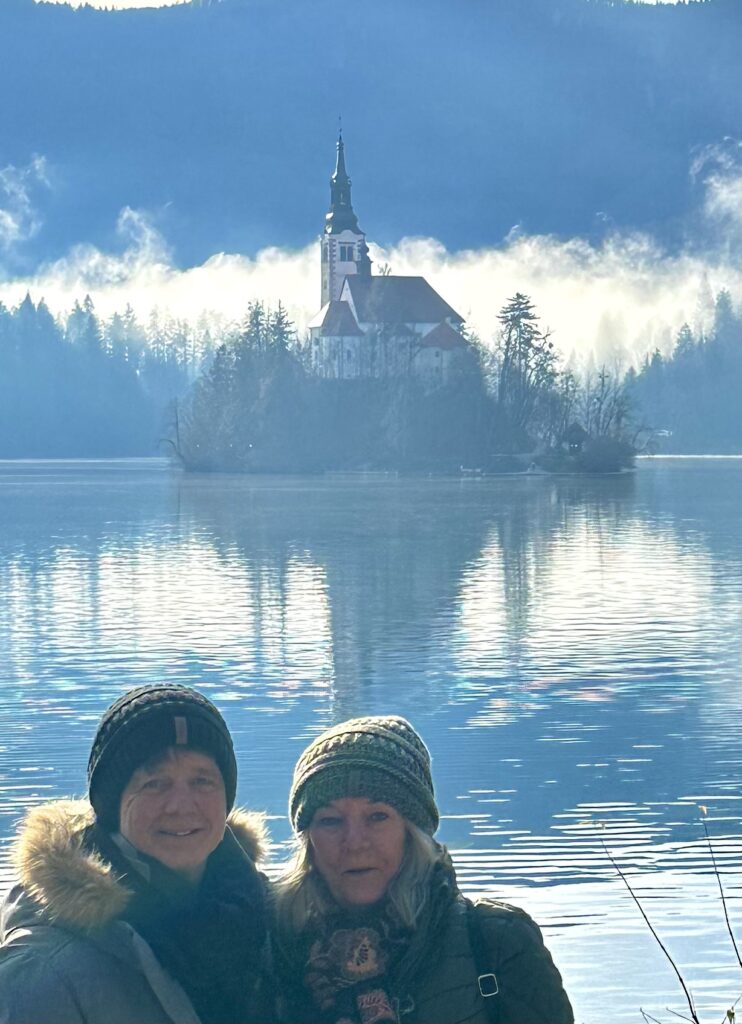
Mistake #2: Trying to See Too Much When Travelling Europe Long-Term
When you finally have the time to travel Europe for months, it is tempting to try to see everything.
After all, Europe has so much to offer.
There are thousands of beautiful towns, incredible cities, historic landmarks, amazing food regions, and landscapes that seem to get better around every corner.
The temptation is understandable.
You start looking at a map and thinking:
“While we’re here, we should visit this place.”
“And we can’t miss that region.”
“And if we are already nearby, we may as well add another country.”
Before you know it, your relaxing European adventure has turned into a complicated schedule of trains, flights, check-ins, and constant packing.
And suddenly, you are spending more time moving than experiencing.
This is one of the biggest lessons we learned.
Having more time does not mean you need to add more destinations.
It means you can finally enjoy the places you visit.
The Problem With Constantly Moving
When you travel for a short holiday, moving quickly makes sense.
You only have limited time, so you want to make the most of every day.
But long-term travel gives you something much more valuable.
Time.
And time allows you to slow down.
Every time you move to a new destination, there is a hidden cost.
You need to pack.
You need to organise transport.
You need to check out.
You need to find your way around somewhere new.
You need time to settle in again.
None of those things are bad.
Moving is part of travel.
But when you do it too often, it can take away the very thing you were looking for—the freedom to relax and enjoy Europe.
Learning to Stay Longer
One of the biggest changes we made was allowing ourselves to stay longer in fewer places.
At first, this felt strange.
There was always that little voice saying:
“But what about all the places we haven’t seen?”
Over time, we realised something important.
You don’t remember a place because you spent one rushed day there.
You remember it because you connected with it.
You remember the walk you took every morning.
The café where you became a regular.
The shop owner who recognised you.
The restaurant where you returned because you loved the food.
The local market you visited every week.
Those experiences only happen when you give a place time.
Why We Prefer Fewer Places Done Well
Some of our favourite travel memories have come from destinations where we stayed longer than planned.
Places where we had time to explore beyond the obvious.
Places where we could take a day trip without feeling rushed.
Places where we could have a quiet day without feeling guilty.
That is the beauty of slow travel.
You don’t need to constantly search for the next highlight because you begin appreciating the one you are already living.
A small village becomes more interesting.
A familiar street becomes meaningful.
An ordinary Tuesday can become a memory.
What We Do Differently Now
When planning our European travels today, we focus less on how many destinations we can include and more on how we want the journey to feel.
We consider:
- How long do we really want to stay?
- Does this place suit our style of travel?
- Can we imagine living here for a few weeks?
- Will we have time to experience everyday life?
We would much rather spend a month truly discovering one region than rush through several places just to say we have been there.
Because after years of travelling Europe, we have learned something important:
You cannot experience everything.
And you don’t need to.
✨ Lesson Learned
The goal of long-term travel is not to collect destinations. It is to create memories. Give places enough time to reveal themselves, and you will discover a side of Europe that most visitors never see.
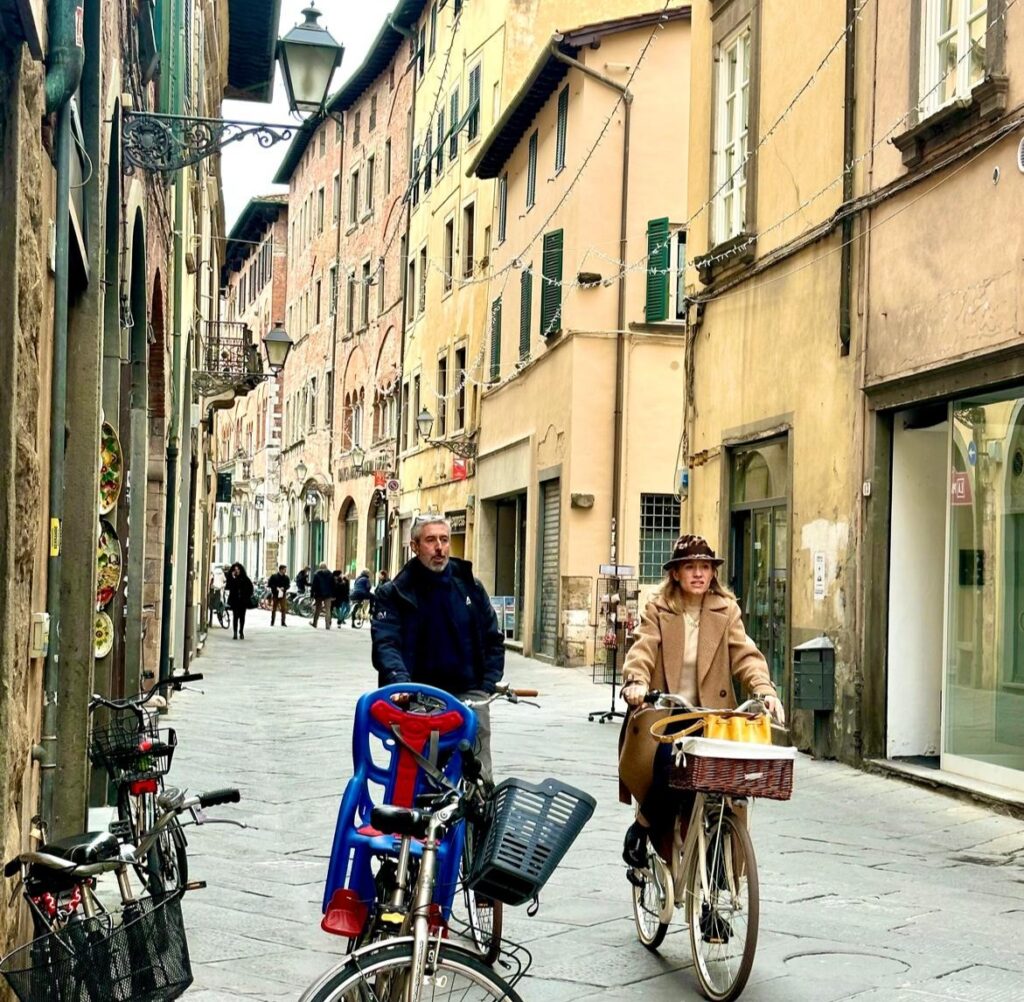
Mistake #3: Packing for the Trip Instead of the Lifestyle
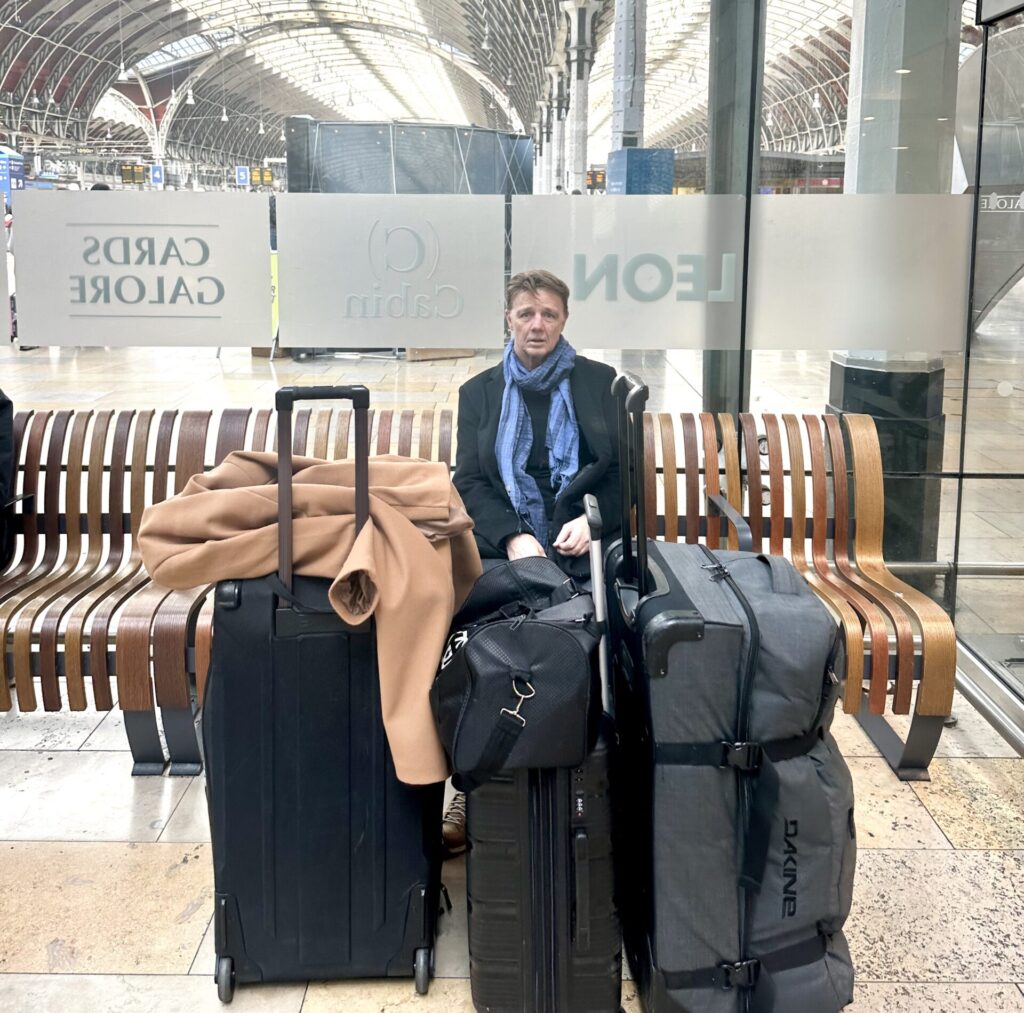
When we first started travelling through Europe for longer periods, we made another very common mistake.
We packed as if we were going on an extended holiday.
That meant thinking about all the situations we might encounter.
What if we need this?
What if the weather changes?
What if we go somewhere nicer than expected?
What if we need something we left behind?
Before we knew it, we were carrying far more than we actually needed.
The funny thing about packing is that the more space you have, the more you seem to fill it.
But over time, we learned an important lesson:
Long-term travel is not about bringing everything you might need.
It is about learning what you actually need.
The Difference Between Travelling and Living
When you travel for a few weeks, packing for different occasions makes sense.
You might bring extra clothes because you know you are going to restaurants, sightseeing, and special events.
But when you travel for months, your priorities change.
You are not packing for a holiday.
You are packing for everyday life.
That means choosing items that work repeatedly.
Clothes you feel comfortable wearing often.
Shoes you can walk in all day.
Things that make your daily routine easier.
The goal is not to have everything.
The goal is to have enough.
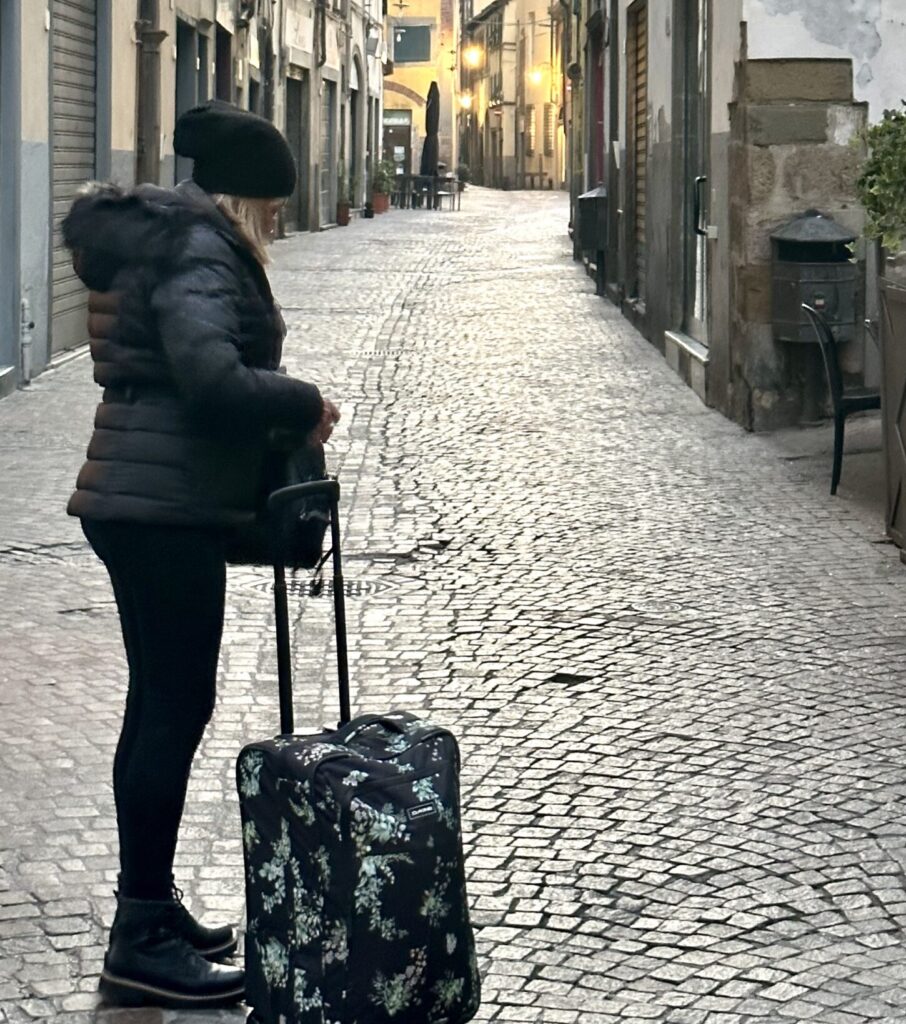
Learning to Travel Lighter
One of the biggest freedoms we discovered was that travelling with less actually gave us more.
More flexibility.
More independence.
More ease.
When you are moving between destinations, carrying fewer belongings makes everything simpler.
Getting on a train is easier.
Changing accommodation is easier.
Exploring a new town is easier.
You spend less time managing your possessions and more time enjoying the experience.
We discovered that the things we valued most were not the things inside our bags.
They were the experiences we were creating.
Creating a Temporary Home Anywhere
Travelling lighter does not mean giving up comfort.
This was something we had to learn.
For us, comfort comes less from having lots of belongings and more from creating a sense of home wherever we are.
A familiar morning routine.
A favourite coffee spot.
A comfortable place to sit and write.
A local market nearby.
A walking route we enjoy.
Those things create a feeling of belonging far more than a suitcase full of possessions ever could.
What We Do Differently Now
Today, we think about packing in a completely different way.
Instead of asking:
“What might we need?”
we ask:
“What will make our everyday life easier?”
That simple change has helped us travel with more freedom.
We have learned that the less we carry, the more open we become to the experiences around us.
There is something very freeing about knowing that everything important fits into the bags we bring with us.
✨ Lesson Learned
Long-term travel is not about carrying your entire life with you. It is about carrying what helps you live well wherever you are. The lighter you travel, the easier it becomes to embrace the freedom that comes with exploring Europe for longer.
Mistake #4: Believing Every Day Had to Be an Adventure
When you finally have the opportunity to travel Europe for months, it is easy to put pressure on yourself.
You feel like every day should be special.
After all, you are living the dream.
You are in Europe.
You have the freedom to explore.
You have left behind your normal routine.
Surely you should be making the most of every moment.
When we first began travelling long-term, we felt this pressure too.
We thought we needed to make every day count.
We would plan activities, explore new places, search for experiences, and try to take advantage of every opportunity.
And while those days were exciting, we eventually noticed something.
We were tired.
We had unknowingly recreated the same feeling we had always experienced on short holidays—the feeling that we had to fit everything in before time ran out.
But long-term travel is different.
You are no longer racing against the clock.
You finally have the one thing most travellers wish they had.
Time.
Discovering the Beauty of Ordinary Days
One of the biggest surprises of slow travel was discovering that the quiet days often became our favourite days.
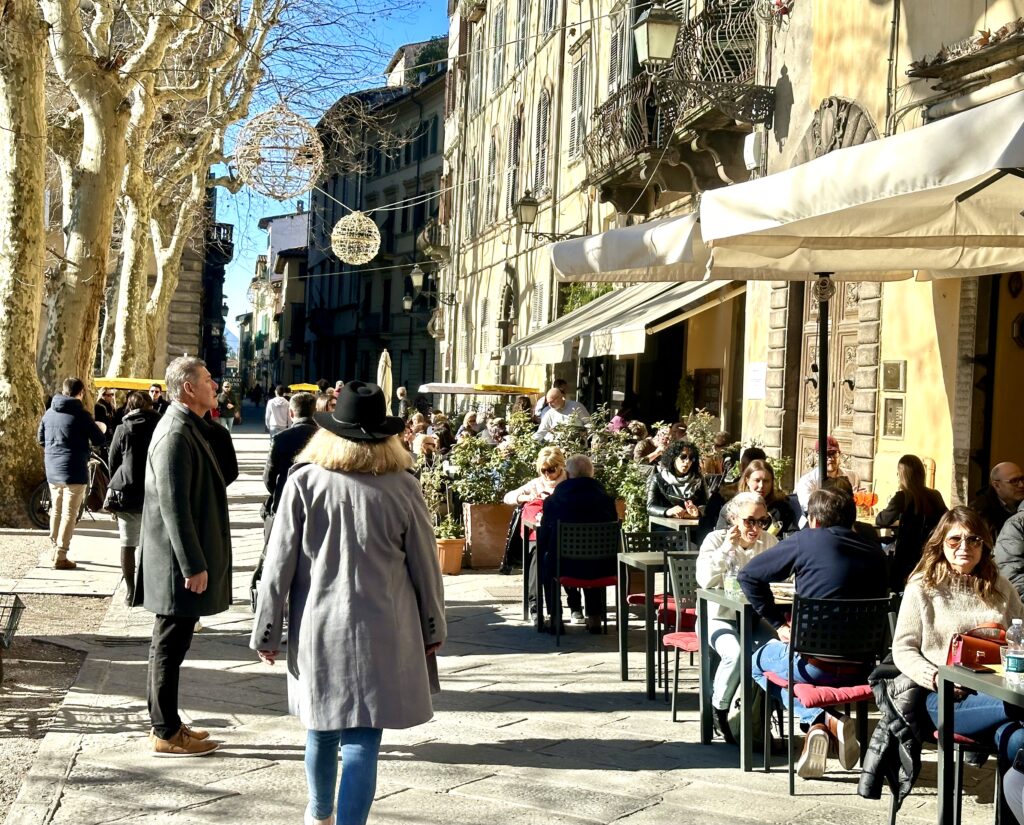
A morning walk through town.
A visit to the local market.
A coffee at a familiar café.
Shopping for fresh ingredients and cooking dinner at home.
Sitting outside and watching everyday life happen around us.
At first, these moments felt almost too ordinary.
Shouldn’t we be out exploring?
Shouldn’t we be visiting another attraction?
Shouldn’t we be doing more?
But we slowly realised something.
These were the moments when we felt most connected to a place.
The Moments Tourists Often Miss
The famous landmarks of Europe are incredible.
The castles, museums, historic streets, and beautiful landscapes are all part of what makes Europe so special.
But there is another side of Europe that you only discover when you slow down.
It is found in the small moments.
The baker who knows your morning order.
The neighbour who says hello because they recognise you.
The market stall where you return each week.
The quiet street you discover because you had nowhere else to be.
These experiences rarely appear on a traditional itinerary.
But they are often the memories that stay with you the longest.
Learning to Enjoy the Rhythm of a Place
Every town and region in Europe has its own rhythm.
The way mornings begin.
The pace of the afternoon.
The traditions of the evening.
When you only visit for a few days, you often experience a destination from the outside.
But when you stay longer, you begin to understand how a place actually feels.
You notice the little details.
You start recognising familiar faces.
You become comfortable enough to simply be there.
And that is when travel changes.
You stop asking:
“What should we see today?”
And you start asking:
“How do we want to spend today?”
What We Do Differently Now
Today, we no longer measure a successful travel day by how many places we visited.
A great day might be exploring somewhere new.
But it might also be a quiet morning writing, a walk through town, or enjoying a meal made with ingredients from the local market.
We have learned that rest is not wasted time.
Quiet days are not missed opportunities.
They are part of the experience.
Because long-term travel is not about escaping everyday life.
It is about choosing where you want to live it.
✨ Lesson Learned
Not every day needs to be an adventure. Some of the greatest memories come from the ordinary moments—the routines, conversations, and simple experiences that allow you to truly connect with a place.
Mistake #5: Planning Every Minute Instead of Planning the Journey
When you are preparing for long-term travel in Europe, planning feels important.
And it is.
There are many things you need to think about.
Where will you go?
How long will you stay?
What time of year is best?
Where will you live?
How will you move between destinations?
These are all important questions.
But one mistake we see many travellers make is trying to plan every single detail before they leave.
We understand why.
When you are stepping into something unfamiliar, having a complete plan feels reassuring.
You want certainty.
You want to know everything will work.
We felt the same way.
But over time, we discovered something important:
A perfect plan does not create the best travel experiences.
A flexible plan does.
The Difference Between Preparation and Control
There is a big difference between being prepared and trying to control everything.
Preparation gives you confidence.
It helps you understand your options.
It helps you avoid unnecessary stress.
But trying to control every moment can actually take away some of the freedom you were looking for.
Europe has a way of surprising you.
A place you planned to visit for a few days might become somewhere you want to stay longer.
A recommendation from a local might lead you somewhere you had never considered.
A change in weather might create a completely different experience.
These moments are impossible to schedule.
And often, they become the memories you remember most.
Creating a Framework Instead of a Strict Itinerary
The biggest change we made was moving away from detailed schedules and creating a framework.
Instead of planning every day, we focused on the things that mattered most.
We considered:
- the best seasons for different regions
- how long we wanted to stay
- the type of experience we wanted
- how we would travel between places
- whether a destination suited our lifestyle
Once those important pieces were organised, we had the freedom to enjoy the journey.
A good plan should support your travel.
It should not become another source of pressure.
Leaving Room for Unexpected Experiences
Some of our favourite memories have come from moments we never planned.
A conversation that led to a new discovery.
A town we originally overlooked.
A place we decided to explore simply because we had extra time.
Those experiences are one of the greatest gifts of slow travel.
When you are rushing, you rarely have room for the unexpected.
When you slow down, opportunities appear.
What We Do Differently Now
Today, we still plan carefully.
We research destinations.
We think about seasons.
We organise accommodation.
We consider budgets and logistics.
But we no longer try to predict everything.
We create a strong foundation and allow the journey to unfold.
That balance has given us the confidence to travel for longer without feeling overwhelmed.
✨ Lesson Learned
Good planning creates freedom. The goal is not to organise every moment before you leave home. The goal is to prepare enough that you can relax, adapt, and enjoy the unexpected moments along the way.
Mistake #6: Underestimating the Cost of Long-Term Travel in Europe
One of the first questions people ask us when they hear that we travel through Europe for months at a time is:
“How much does it actually cost?”
It is a completely understandable question.
For many people, the idea of long-term travel sounds expensive.
They imagine hotels every night, eating out for every meal, constant transport, and a lifestyle that seems impossible without a large budget.
We understand that perception because we once thought about travel in a similar way.
But one of the biggest lessons we have learned is this:
Long-term travel is not necessarily more expensive.
It is simply a different way of living.
The Difference Between Holiday Costs and Long-Term Travel Costs
The biggest mistake people make is continuing to travel as if they are on a short holiday.
When you only have two or three weeks in Europe, convenience often matters more than cost.
You choose accommodation close to the attractions.
You move quickly between destinations.
You eat out because you want to experience as much as possible.
You pay for convenience because your time is limited.
And that makes perfect sense.
But when you travel for months, those same choices can become expensive very quickly.
Long-term travel requires a different approach.
Instead of asking:
“How can we fit everything in?”
you start asking:
“How can we create a lifestyle that works?”
How Slow Travel Can Change Your Budget
The biggest advantage long-term travellers have is time.
And time can create choices.
When you stay longer in one place, many things become easier.
You can choose longer-term accommodation.
You can shop at local markets.
You can prepare some meals at home.
You can walk more and use transport less.
You can discover restaurants that locals enjoy rather than only visiting places designed for tourists.
You begin to live more like a local.
And that is where slow travel becomes powerful.
Spending Differently, Not Just Spending Less
We have learned that creating a sustainable travel lifestyle is not about trying to spend as little as possible.
It is about understanding what matters to you.
There are experiences that are worth paying for.
A special meal.
A guided tour.
A visit to a place you have dreamed about for years.
A unique experience you will remember forever.
But there are also incredible moments that cost very little.
A morning walk through a beautiful town.
A local market.
A picnic overlooking the countryside.
A conversation with someone you meet along the way.
The value of travel is not measured by how much money you spend.
It is measured by the memories you create.
The Hidden Costs of Travelling Too Quickly
One thing we didn’t fully appreciate in the beginning was how expensive constant movement can become.
Every new destination creates additional costs.
Transport.
Short accommodation stays.
More planning.
More convenience purchases.
More time spent organising instead of enjoying.
Travelling slower does not just save money.
It saves energy.
And when you have months ahead of you, protecting your energy becomes just as important as protecting your budget.
What We Do Differently Now
Today, we plan our travels around the lifestyle we want to create.
We consider:
- how long we want to stay somewhere
- what type of accommodation suits us
- which experiences are worth spending money on
- where we can enjoy everyday life without constantly spending
We no longer see long-term travel as one long holiday.
We see it as creating a temporary home in different parts of Europe.
And once you make that mindset shift, the numbers start to look very different.
✨ Lesson Learned
Long-term travel is not about having unlimited money. It is about understanding your priorities, planning carefully, and creating a style of travel that is sustainable for your life.
The 90-Day Slow Travel Starter Kit
Before the book — get the free kit. Everything you need to understand the basics and start planning with confidence.
FREE DOWNLOAD
Mistake #7: Choosing Accommodation Like a Tourist
When you travel through Europe for a short holiday, accommodation is often quite simple.
You need somewhere comfortable, clean, and convenient.
Location is usually the biggest priority.
You want to be close to the sights, restaurants, and attractions because your time is limited.
And for a short trip, that makes perfect sense.
But long-term travel requires a completely different approach.
When you are staying somewhere for weeks or months, you are no longer just looking for a place to sleep.
You are looking for somewhere you can live.
This was one of the biggest lessons we learned.
A Beautiful Location Does Not Always Mean a Practical Home
One of the exciting parts of planning European travel is discovering beautiful places.
A historic town centre.
A countryside farmhouse.
An apartment overlooking a famous landmark.
A charming village surrounded by incredible scenery.
These places can be wonderful.
But long-term travel has different requirements.
After a few weeks, the things that matter most often become the simple everyday details.
Can we walk to a bakery?
Is there a local market nearby?
Can we buy groceries easily?
Is there a comfortable space to relax?
Can we do laundry?
Is the location practical without constantly needing a car?
These questions might not matter during a three-day visit.
But they make a huge difference when you are creating a temporary home.
Learning to Look Beyond the Tourist Areas
One of the greatest benefits of staying longer is discovering neighbourhoods and towns beyond the obvious choices.
You begin to appreciate places differently.
A location that may not have the famous landmarks might actually be perfect for everyday life.
A quiet street.
A local café.
A small grocery store.
A friendly neighbourhood.
A place where people know each other.
These are the details that create a feeling of belonging.
And often, they are exactly what short-term visitors miss.
Why We Love Having a Home Base
Over time, we discovered that having a comfortable base changes the entire travel experience.
When you have somewhere that feels like home, you can explore with more energy.
You can take day trips without constantly packing and unpacking.
You can have quiet days when you need them.
You can return after exploring and simply relax.
This is one of the reasons we love slow travel.
The destination becomes more than somewhere you visited.
It becomes somewhere you experienced.
Our Approach to Choosing Accommodation Today
When we look for somewhere to stay, we think about the lifestyle we want to create.
We consider:
- the length of our stay
- the location and surroundings
- access to everyday essentials
- whether we can imagine living there comfortably
- whether the area allows us to experience local life
We have learned that the perfect accommodation is not necessarily the most luxurious or the most famous.
It is the place that allows you to enjoy your days.
The Role of House Sitting in Long-Term Travel
House sitting has also become an important part of our travel journey.
It has allowed us to experience places from a completely different perspective.
Instead of arriving as visitors, we become part of a local community for a period of time.
We experience neighbourhoods, routines, and everyday life in a way that traditional travel rarely allows.
It is not just about reducing accommodation costs.
It is about connection.
(We will share more about our experiences with house sitting in a dedicated article.)
What We Do Differently Now
Today, we don’t choose accommodation based only on where we want to visit.
We choose based on how we want to live.
Because when you are travelling long-term, your accommodation becomes part of the experience.
It is where you start your mornings.
Where you rest after exploring.
Where you create your own routines.
And ultimately, where a place begins to feel like home.
✨ Lesson Learned
When travelling Europe long-term, don’t search for somewhere to stay. Search for somewhere you can live. The right home base can completely change the way you experience a destination.
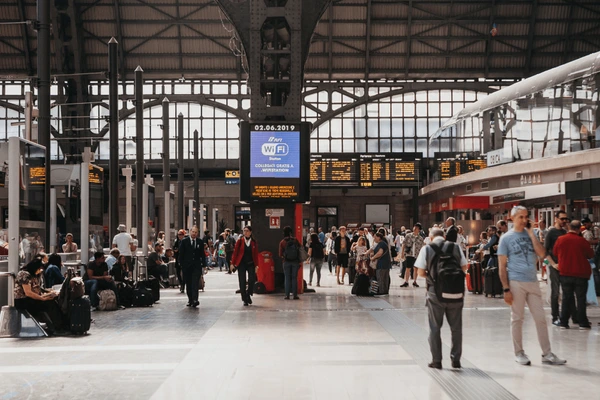
Read our full guide On
How to Travel Europe Without a Car (Trains, Buses & Tips)
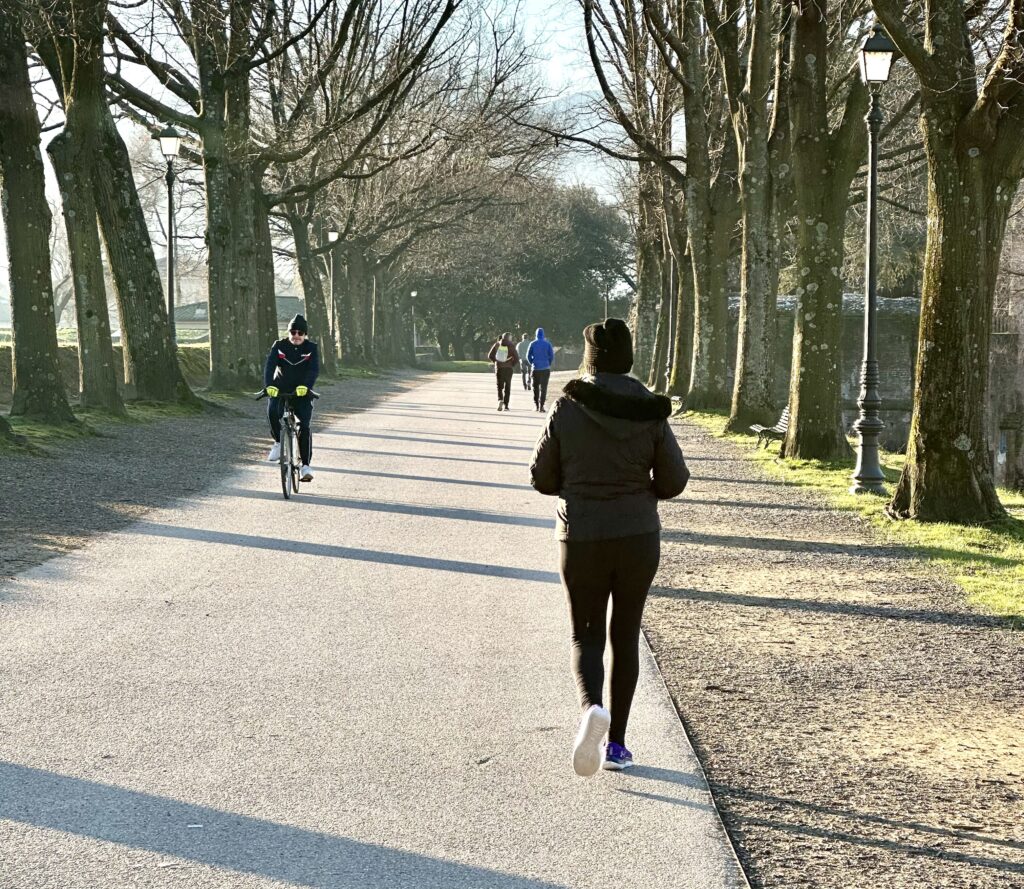
Mistake #8: Forgetting That Long-Term Travel Is Still Everyday Life
When people imagine travelling Europe for months at a time, they often picture the highlights.
Beautiful towns.
Amazing food.
Stunning landscapes.
Historic cities.
Long lunches in the sunshine.
And yes, those moments are absolutely part of the experience.
But there is another side of long-term travel that people don’t always talk about.
The ordinary days.
The grocery shopping.
The laundry.
Cooking dinner.
Planning your next move.
Having a quiet afternoon.
Waking up and deciding you don’t need to do anything at all.
At first, this can feel strange.
After all, aren’t you supposed to be travelling?
Aren’t you supposed to be exploring every day?
But over time, we discovered something important:
The ordinary moments are not interruptions to travel.
They are the travel.
Creating a Normal Life Somewhere New
One of the biggest surprises about long-term travel is how quickly normal life returns.
You still need routines.
You still have responsibilities.
You still have days where you don’t feel like going anywhere.
And that is actually one of the beautiful parts.
Because it means you are no longer just passing through.
You are experiencing what life feels like in another place.
You begin to understand the rhythm of a town.
You discover where locals shop.
You find your favourite coffee spot.
You recognise familiar faces.
You learn when the market is busiest.
You start to feel comfortable.
That feeling is something you rarely experience when travelling quickly.
The Difference Between Visiting and Belonging
A short visit gives you memories.
A longer stay gives you a connection.
When you only have a few days somewhere, you naturally focus on what you should see.
You follow recommendations.
You visit the famous places.
You take photos.
But when you stay longer, your relationship with a place changes.
You notice different things.
The street that gets the morning sun.
The bakery that opens early.
The quiet walking route.
The restaurant where the owner remembers you.
These small details create a feeling that is difficult to explain.
You begin to feel less like a visitor and more like someone who belongs there, even if only temporarily.
Learning to Embrace the Slow Days
One of the hardest lessons for us was learning that quiet days were not wasted days.
In the beginning, we sometimes felt like we should be doing more.
If we were in Europe, shouldn’t we be exploring?
Shouldn’t we be visiting another town?
Shouldn’t we be making the most of our time?
But eventually, we realised that rest is part of the experience.
A slow morning.
A walk without a destination.
A coffee enjoyed without checking the time.
A simple meal made with local ingredients.
These moments became some of our favourite memories.
Why This Matters for Long-Term Travellers
Many people dream about long-term travel because they want freedom.
But freedom does not mean every day needs to be exciting.
True freedom is being able to choose how you spend your time.
Sometimes that means exploring somewhere new.
Sometimes it means sitting outside with a coffee and watching life happen around you.
Sometimes it means doing absolutely nothing.
And that is okay.
Because the goal is not to escape everyday life.
The goal is to create an everyday life you enjoy.
What We Do Differently Now
Today, we don’t judge our travels by how many places we visit.
We judge them by how we feel while we are there.
Do we feel relaxed?
Are we enjoying the rhythm of the place?
Are we making memories?
Are we allowing ourselves to experience everyday life?
Those questions matter far more than how many destinations appear on our itinerary.
Long-term travel has taught us that the greatest luxury is not seeing more.
It is having the time to appreciate more.
✨ Lesson Learned
Long-term travel is not a permanent holiday. It is learning how to create a meaningful everyday life wherever you are. Once you embrace that, Europe becomes much more than a destination—it becomes an experience.
Mistake #9: Thinking Long-Term Travel in Europe Is Only for Wealthy People
One of the biggest misconceptions about long-term travel is that it is only possible for people with unlimited money.
We hear this often.
“You’re so lucky.”
“I could never afford to do that.”
“That must cost a fortune.”
And we completely understand why people think this way.
When most people imagine travelling through Europe for months, they picture luxury hotels, expensive restaurants, private tours, and a lifestyle that feels out of reach.
But that is only one version of travel.
Long-term travel is not about creating the most expensive experience.
It is about creating a lifestyle that works for you.
The Mindset Shift That Changed Everything
When we first began thinking seriously about spending more time in Europe, we had many of the same questions.
Could we really do this?
Would it be too expensive?
Was this something only other people could achieve?
Over time, we learned that the biggest barrier was not always money.
Often, it was the way we thought about travel.
A short holiday usually involves spending more because time is limited.
You want convenience.
You want to maximise experiences.
You want to make every day count.
But long-term travel works differently.
You have choices.
You can slow down.
You can stay longer.
You can create routines.
You can make decisions based on value rather than urgency.
Long-Term Travel Is About Priorities
Everyone’s travel budget will look different.
There is no single number that works for everyone.
Some people prioritise beautiful accommodation.
Others prefer spending money on experiences.
Some choose to travel simply.
Others save longer to create the lifestyle they want.
The important thing is understanding your own priorities.
For us, the greatest luxury is not staying in the most expensive places.
It is having time.
Time to explore.
Time to connect.
Time to experience Europe beyond a short visit.
Finding Different Ways to Make Travel Possible
One thing we have discovered over the years is that long-term travel does not have to follow the traditional travel model.
There are many ways people create longer European adventures.
Some people work remotely.
Some take extended breaks.
Some combine travel with house sitting.
Some choose slower, more affordable destinations.
Some simply decide to travel differently with the resources they already have.
The key is understanding that there is not just one path.
Why We Believe More People Can Do This
We never want people to think that long-term travel is only for a certain type of person.
It is not about age.
It is not about having a perfect life.
It is not about waiting until every piece falls into place.
It is about deciding what matters to you and creating a plan around that.
When we changed our approach to travel, we discovered that the biggest reward was not just seeing more of Europe.
It was creating more freedom in our lives.
What We Do Differently Now
Today, we focus less on asking:
“How much will this cost?”
and more on asking:
“How can we create the experience we want?”
That question opens up possibilities.
Because long-term travel is not about copying someone else’s journey.
It is about designing your own.
✨ Lesson Learned
Long-term travel is not reserved for wealthy people. It is available to anyone who is willing to rethink how they travel, understand their priorities, and create a plan that fits their own life.
Want to See the Complete System?
This article gives you an overview of the philosophy behind how we travel.
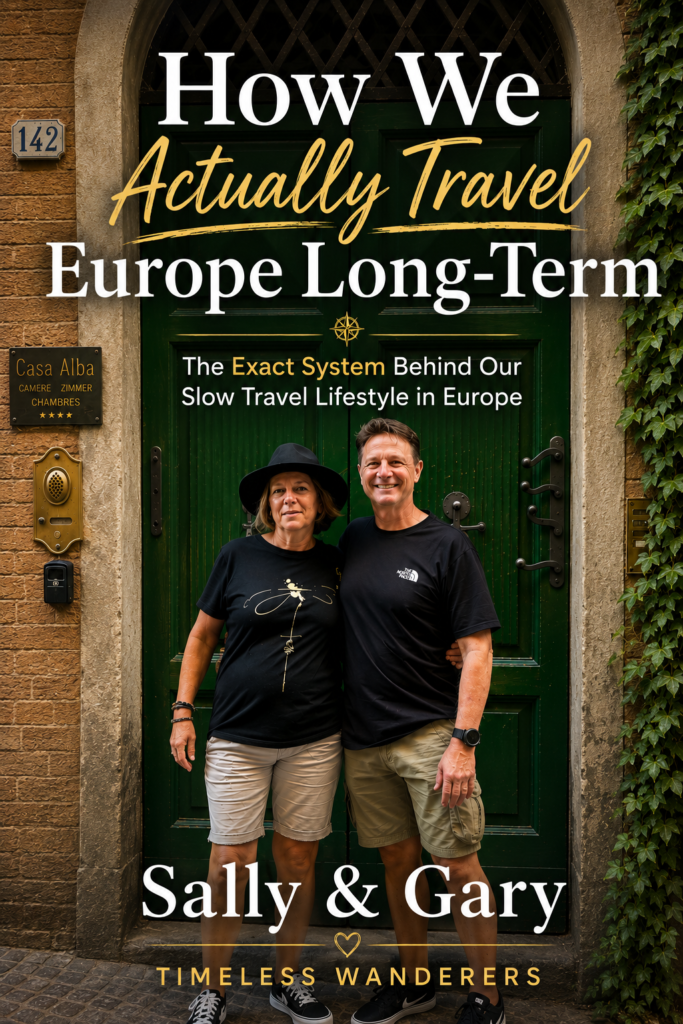
But if you’d like to see exactly how we put it into practice—from planning our year and managing the Schengen Rule to choosing accommodation, housesitting, budgeting and building a sustainable travel lifestyle—we’ve shared it all in our ebook:
How We Actually Travel Europe Long-Term
The Simple System Behind Our Slow Travel Lifestyle
 Learn more about the book here.
Before the book — get the free kit. Everything you need to understand the basics and start planning with confidence.
Europe looks complicated from the outside.
The Schengen rules. The visa questions. The accommodation puzzle. Where to base yourself, how long to stay, how to make the money work. The more you look into it, the more it seems like something that requires months of research and a perfect plan before you can even think about leaving.
The 90-Day Slow Travel Starter Kit
Mistake #10: Starting Without a Simple Planning System
After everything we have learned about long-term travel in Europe, there is one lesson that stands above the rest.
Dreaming about the journey is the easy part.
Starting is where many people get stuck.
The questions begin to appear.
Where do we go first?
How long should we stay?
How much money do we need?
What should we organise before leaving?
How do we choose accommodation?
What happens if something doesn’t go according to plan?
These questions are completely normal.
In fact, we asked ourselves many of the same things.
But one of the biggest mistakes we made was thinking that we needed to have everything figured out before we began.
The truth is, you don’t need a perfect plan.
You need a simple system.
The Difference Between a Dream and a Plan
A dream is what inspires you.
It is imagining yourself wandering through European towns, discovering new places, and creating memories that last a lifetime.
A plan is what turns that dream into something achievable.
The difference is not about removing the excitement.
It is about giving yourself confidence.
A good plan helps answer the important questions before they become stressful.
It gives you direction without taking away flexibility.
Creating a Framework That Works
Over the years, we developed our own approach to planning long-term travel.
It is not about creating a strict itinerary where every day is decided months in advance.
It is about creating a framework.
Before any journey, we think about:
- where we want to go and why
- the best seasons for each region
- how long we want to stay
- the type of experience we want
- accommodation options
- travel between destinations
- our budget and priorities
These simple decisions create a foundation.
Once the foundation is in place, the journey becomes much easier.
Why Planning Actually Creates Freedom
Some people worry that planning will make travel feel restrictive.
We used to think that too.
But we discovered the opposite.
The right kind of planning creates freedom.
When you understand the important details, you spend less time worrying and more time enjoying the experience.
You can relax into a destination.
You can make spontaneous decisions.
You can change your plans when something better appears.
Planning does not take away the adventure.
It allows you to enjoy it.
The System We Wish We Had at the Beginning
Looking back, we wish someone had given us a simple checklist when we first started.
Something that helped us think through the important decisions before leaving home.
Not a complicated travel formula.
Not a rigid schedule.
Just a practical guide to help create a smoother journey.
That is exactly why we created our Long-Term Travel Readiness Checklist.
It brings together the questions we believe every long-term traveller should consider before beginning their own European adventure.
What We Do Differently Now
Today, we no longer approach long-term travel feeling overwhelmed.
We have a process.
We understand what matters to us.
We know the questions to ask.
And most importantly, we know that the goal is not to create the perfect journey.
The goal is to create a journey that feels right for us.
That is the beauty of long-term travel.
There is no single correct way to do it.
There is only the way that allows you to experience Europe in a way that matches your dreams.
✨ Lesson Learned
You don’t need to know every answer before you begin. You simply need a clear starting point, a flexible plan, and the confidence to take the first step.
If you’re ready to turn the dream into a plan, we’ve created a free 90-Day Slow Travel Starter Kit to help you take that first step with confidence.
What you’ll discover
✔ How to plan your first 90 days in Europe
✔ Our simple slow travel planning framework
✔ Budget planning tips from our own experience
✔ Accommodation strategies, including housesitting
✔ A Schengen planning overview
✔ Packing and preparation essentials
✔ The biggest mistakes to avoid before you leave
Frequently Asked Questions About Planning Long-Term Travel in Europe
How long can you travel Europe for?
The length of time you can travel through Europe depends on your personal circumstances, budget, travel style, and the countries you choose to visit.
Some people travel for several months.
Others create longer journeys by combining different types of stays, returning to favourite destinations, or building travel around their lifestyle.
One of the biggest lessons we have learned is that long-term travel is not about how long you are away.
It is about how you choose to experience the time you have.
A few weeks can feel rushed.
A few months can allow you to slow down, create routines, and experience places in a completely different way.
How much money do you need to travel Europe long-term?
There is no single answer because everyone travels differently.
Your costs will depend on your accommodation choices, destinations, transportation, food, and the experiences you prioritise.
The biggest mistake people make is comparing long-term travel with a short holiday.
When you travel slowly, you have more choices.
You can stay longer in one place, reduce transport costs, shop locally, cook some meals yourself, and live more like a local.
Long-term travel is not about spending less at every opportunity.
It is about creating a sustainable way to enjoy Europe for longer.
Is long-term travel in Europe only for retirees?
Absolutely not.
While retirement can be a wonderful time to explore Europe more slowly, long-term travel is possible for many different people.
Some travellers take career breaks.
Some work remotely.
Some create extended holidays.
Some combine travel with house sitting.
Others simply decide they would rather spend their time differently and experience fewer places more deeply.
The most important thing is not fitting into a certain category.
It is creating a travel style that works for your own life.
How do you choose where to go when travelling Europe long-term?
This is one of the questions we get asked most often.
When you have months instead of weeks, the choices can actually feel overwhelming.
We recommend starting with the experience you want rather than simply choosing destinations from a map.
Ask yourself:
- What time of year are we travelling?
- Do we prefer cities, villages, countryside, or coast?
- How long do we want to stay?
- What places have we always dreamed of experiencing?
- What type of lifestyle do we want while we are there?
The best destinations are not always the ones with the longest list of attractions.
They are the places that fit the way you want to travel.
Should you plan everything before travelling long-term?
You should plan the important things, but you do not need every day organised before you leave.
Good planning creates confidence.
It helps you understand your route, budget, accommodation, and practical requirements.
But leaving flexibility is just as important.
Some of our favourite experiences have come from unexpected recommendations, last-minute decisions, and places we never originally planned to visit.
The best plans create freedom.
They do not remove it.
Is slow travel better than visiting lots of places?
For us, slow travel has completely changed the way we experience Europe.
Travelling quickly allows you to see more places.
But staying longer allows you to understand them.
You begin to notice the small things.
The local markets.
The neighbourhood cafés.
The walking routes.
The rhythm of everyday life.
There is no right or wrong way to travel.
But if your dream is to truly experience Europe, slowing down can create memories that rushing never will.
What type of accommodation works best for long-term travel?
Long-term travel requires thinking about accommodation differently.
You are not just looking for somewhere to sleep.
You are looking for somewhere you can comfortably live.
For longer stays, we usually consider:
- location
- access to shops and markets
- kitchen facilities
- washing facilities
- comfort
- whether the area feels like somewhere we could create a routine
A good home base can completely change your experience of a destination.
Is house sitting a good option for long-term travel in Europe?
House sitting can be a wonderful way to experience Europe differently.
It allows travellers to stay in local communities, care for homes and pets, and experience everyday life rather than simply visiting as tourists.
For us, house sitting has opened the door to experiences we may never have had otherwise.
It is not only about accommodation.
It is about connection, responsibility, and becoming part of a place for a while.
What is the biggest piece of advice for someone planning long-term travel in Europe?
Start before you feel completely ready.
We have learned that there will always be more questions, more research, and more things to organise.
Planning is important.
But at some point, you need to take the first step.
Long-term travel is not created by having a perfect plan.
It is created by having enough confidence to begin, learning along the way, and allowing the journey to evolve.
✨ Final Thought
The biggest secret we have discovered is that long-term travel is not about escaping everyday life. It is about creating a life where everyday moments become part of the adventure.
Ready to Start Planning Your Own Long-Term Travel Adventure?
If you have reached this point, chances are you are not just dreaming about a holiday.
You are thinking about something different.
Perhaps you have always imagined spending more time in Europe.
Perhaps you are approaching a new chapter of life and wondering what is possible.
Perhaps you simply feel that there must be another way to experience travel—one that is slower, more meaningful, and less rushed.
We understand that feeling because we lived it ourselves.
For many years, Europe was a place we visited.
We loved every trip, every discovery, and every memory we created.
But eventually, we started asking a different question:
“What if we could experience Europe differently?”
Not just visit for a few weeks.
Not just rush between famous destinations.
But actually slow down, stay longer, and create a life built around travel.
That question changed everything.
The First Step Is Having a Plan
The hardest part of long-term travel is often not the journey itself.
It is knowing where to begin.
There are so many things to think about:
Where should you go?
How long should you stay?
How do you prepare?
What should you organise before leaving home?
How do you make sure you are creating a realistic plan?
That is exactly why we created our:
Ready to Turn Your Dream Into a Plan?
If you’ve ever dreamed of travelling Europe for longer than just a holiday, our FREE 90-Day Slow Travel Starter Kit is the perfect place to start.
Inside you’ll discover:
✅ The first planning steps
✅ Understanding the Schengen Rule
✅ How we choose where to stay
✅ Practical slow travel tips
👉 Download Your FREE Starter Kit
Want to Go Even Further?
If you’d like to learn the complete system we’ve developed after years of travelling Europe full-time, take a look at our new book.
📘 How We Actually Travel Europe Long-Term
👉 Discover the Book
Inside, we share the lessons we learned from years of travelling Europe, including the mistakes we made, what we changed, and how we created a slower, more enjoyable way to experience the places we love.
Because long-term travel is not about having a perfect itinerary.
It is about creating a travel style that fits your life.
And once you understand the principles behind it, the possibilities become much greater.
Whether your dream is spending a month exploring Tuscany, travelling through Europe season by season, or simply giving yourself more time to discover the places you love, the first step is always the same:
Start planning.
Your European adventure does not need to begin tomorrow.
But it does need a beginning.
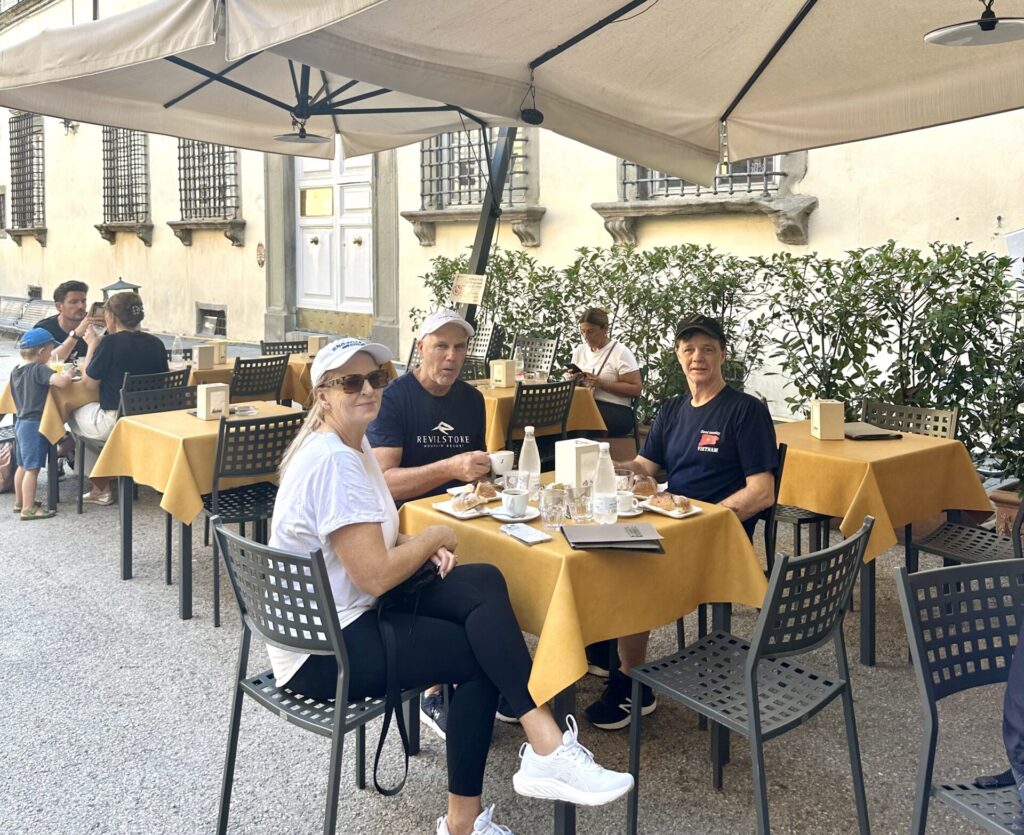
☕ Over Coffee with Sally & Gary
If we were sitting together in a little café somewhere in Europe, sharing a coffee and talking about your dream of long-term travel, we would probably tell you something we wish we had understood earlier.
You don’t need to have everything figured out before you begin.
For a long time, we thought there would be a perfect moment.
A time when everything was organised.
A time when we felt completely ready.
A time when there were no doubts.
But the truth is, that moment never really arrives.
There will always be questions.
There will always be practical things to consider.
There will always be reasons why waiting feels easier.
We discovered that the biggest step was not knowing every answer.
It was simply deciding that the dream was important enough to pursue.
Travel Has Changed the Way We See Life
When we first started exploring the possibility of spending more time in Europe, we thought we were planning a different way to travel.
What we didn’t realise was that we were planning a different way to live.
Long-term travel has taught us that life does not always need to follow the path we assumed it would.
You can create new chapters.
You can learn new routines.
You can discover places that feel like home, even if only for a while.
You can choose a slower pace.
And you can find joy in the simple things.
A morning walk.
A conversation with a local.
A favourite coffee shop.
A market visit.
A quiet afternoon enjoying where you are.
Those moments have become some of our greatest memories.
The Things We Remember Most
When we look back at our years of travelling through Europe, the memories that stand out are not always the famous places.
Of course, we remember the incredible landscapes, historic towns, and unforgettable destinations.
But we also remember the ordinary moments.
The people we met.
The unexpected discoveries.
The places we almost didn’t visit.
The days when we had no plan and simply followed our curiosity.
Those are the moments that remind us why slowing down matters.
Because travel is not just about collecting places.
It is about collecting experiences.
If You Are Dreaming About Your Own Journey
Maybe you are reading this and thinking:
“I would love to do this one day.”
Our advice?
Don’t wait until you have every detail perfect.
Start learning.
Start planning.
Start exploring what is possible.
Your journey may look completely different from ours.
And that is exactly how it should be.
There is no single formula for long-term travel.
The best journey is the one that fits your life, your dreams, and your priorities.
A Final Thought From Us
We never imagined that our love of Europe would lead us here.
From years of holidays and ski trips, to creating a slower way of travelling and sharing what we have learned with others, this journey has given us experiences we could never have planned.
And perhaps that is the greatest lesson of all.
Sometimes the life you dream about begins with a simple question:
“What if we actually did it?”
So if long-term travel through Europe has been sitting in the back of your mind, maybe this is your sign to start exploring the possibilities.
You don’t need to know every step today.
You just need to take the first one.
We hope to see you somewhere in Europe one day.
Perhaps we’ll meet over a coffee in a small village square, somewhere between a local market and a winding cobblestone street.
Until then…
Happy travels,
Sally & Gary
Timeless Wanderers
Ready to Turn Your Dream Into a Plan?
Before you book your flights or start mapping out an itinerary, download our FREE 90-Day Slow Travel Starter Kit to help you take the first step with confidence.
Inside, you’ll find the practical planning steps we wish we’d had before we sold everything and began travelling Europe full-time.
Learn More About The Book Here
Before the book — get the free kit. Everything you need to understand the basics and start planning with confidence.
Europe looks complicated from the outside.
The Schengen rules. The visa questions. The accommodation puzzle. Where to base yourself, how long to stay, how to make the money work. The more you look into it, the more it seems like something that requires months of research and a perfect plan before you can even think about leaving.
The 90-Day Slow Travel Starter Kit
Every long-term traveller remembers the day they finally decided to go.
We hope this is yours.
See you somewhere in Europe.
PLAN YOUR ADVENTURE
These are our favorite companies we use when planning a trip, they consistently have the best prices, great customer service, and overall, are better than their competitors.
BOOK YOUR FLIGHT – Going is a great search engine if you are flexible about your travel destination and dates. Sign up for their newsletter and get the latest deals on destinations around the world. GOING is our new go to.
TRAVEL OPTIONS
CAR RENTAL – We recommend using DISCOVER CARS when booking a RENTAL CARS, they work with hundreds of companies worldwide to help you find the best car for your needs.
TRAINS – TRAINLINE – is our favorite, this site is very reliable and easy to use.
BUS – OMIO – this website allows you to book train or bus tickets to travel from city to city the best and cheapest way. FLIXBUS is another terrific website with routes between 20 European countries.
ACCOMMODATIONS
BOOKING.com – is our go to for hotel searches around the world, we find they always have the cheapest rates and offer different payment options. In addition, VRBO is another terrific website for all types of accommodations.
HOSTELWORLD – is great if you’re traveling on a budget, and if you need a cheap place to stay.
TRAVEL INSURANCE
SAFETY WING – offer some of the most competitive and affordable plans tailored for your needs. SAFETY WING cover travellers from over 140 countries and make it easy to buy, extend and claim, even while travelling.
Check out our RESOURCE PAGE for more additional planning.