

How Housesitting Helped Us Travel Europe for Longer (After 50+ Housesits)
Timeless wanderers: Posted August 2, 2026
People often ask us:
“How can you afford to spend so much time travelling through Europe?”
One of the answers is housesitting.
But after more than 3 years of housesitting and over 50 sits across Europe, we have learned that the biggest benefit has never been free accommodation.
Housesitting has given us something much more valuable.
It has allowed us to slow down.
To become part of local communities.
To experience places beyond the tourist trail.
To wake up in a home rather than a hotel and discover what everyday life feels like in another part of Europe.
From caring for energetic dogs in Germany and England, to looking after cats in France and experiencing rural life in the countryside, every housesit has added another chapter to our journey.
Table of Contents
Our Housesitting Journey at a Glance
🐾 More than 3 years of housesitting across Europe
🏡 50+ housesits completed
🌍 House and pet sits across multiple European countries
🐶 Caring for dogs, cats, ponies, and other wonderful animals
☕ Discovering that housesitting is about far more than free accommodation
We can help you plan your dream trip to Europe, with a personalised itinerary designed just for you.
After more than 30 years of travelling to Eurpe—and loving it so much we decided to make it our home—we now live here and explore at a relaxed, local pace.
Planning a trip to Europe is exciting, but choosing where to go, how long to stay, and how to get around can quickly become overwhelming.
That’s where we come in.
We offer a personalised planning service that helps you decide exactly how to explore Europe, based on your travel style, budget, and pace.
Plus, we can help you plan scenic drives, time in hilltop towns, food and wine experiences, and those small local moments that make a trip truly special—making your European holiday easier, smoother, and full of memories you’ll treasure long after you return home.
“Let us plan your perfect trip with a custom itinerary designed just for you.
Fill out the form and let’s begin your dream.”
How We Discovered Housesitting
When we first heard about housesitting, we were intrigued.
The idea seemed almost too good to be true.
Homeowners could travel knowing their homes and beloved pets were being cared for, while travellers had the opportunity to stay in real homes instead of hotels or holiday apartments.
It sounded like a win for everyone.
At the time, we were already embracing slow travel.
We enjoyed staying longer in one place, shopping locally, cooking meals, and experiencing destinations beyond the usual tourist attractions.
Housesitting felt like a natural extension of that lifestyle.
So, we decided to give it a try.
Like many first-time housesitters, we had plenty of questions.
Would homeowners trust us?
Would we enjoy caring for other people’s pets?
Would it really fit the way we wanted to travel?
It didn’t take long to discover the answers.
Our first housesit showed us that this wasn’t simply a way to save money.
It was a chance to experience Europe from a completely different perspective.
Instead of feeling like visitors, we started feeling like temporary locals.
And that changed everything.

Our Favourite Housesits Across Europe
Over the past 3 years, we have completed more than 50 housesits across Europe. Every home, every animal, and every destination has taught us something new.
Some sits were for a few weeks, others longer. Some took us to places we already loved, while others introduced us to parts of Europe we may never have visited.
One of the greatest gifts of housesitting has been the people, places, and animals we have been fortunate enough to experience along the way.
Every housesit has been different.
Some have taken us to places we already loved.
Others introduced us to destinations we may never have discovered otherwise.
But every one left us with memories we will carry forever.
For us, housesitting is not just about where we stay.
It is about the connections we make along the way.
Aachen, Germany — Meeting Diego the Border Collie
In Aachen, Germany, we looked after Diego, a young Border Collie full of energy and personality.
Anyone who knows Border Collies will understand that they are not a dog you simply take outside for a quick walk.
They need attention, stimulation, and plenty of exercise.
Our days quickly developed a wonderful pace.
Morning walks.
Exploring the local area.
Finding new paths.
Returning home to a happy dog who was always excited to see us.
What we loved most was that living with Diego gave us a reason to explore beyond the obvious sights.
We weren’t just visiting Aachen.
We were walking its neighbourhoods, discovering its quiet corners, and experiencing everyday life.
The Cotswolds, England — Slow Mornings With Bella
The Cotswolds is exactly the kind of place where housesitting makes perfect sense.
Beautiful villages, countryside walks, and a slower pace of life.
Looking after Bella, a Cocker Spaniel, allowed us to experience this famous region in a completely different way.
Instead of rushing between villages trying to see everything in a few days, we settled into a comfortable routine.
Morning walks through the countryside.
Quiet afternoons.
Exploring local villages at our own pace.
And that is exactly what we love about slow travel.
Wiltshire, England — Life With Nemo the Labrador
Another memorable experience was caring for Nemo, a Labrador in Wiltshire.
Like many Labradors, Nemo brought a wonderful warmth and companionship to everyday life.
Having a dog to care for changes the way you experience a place.
You walk more.
You notice more.
You become familiar with your surroundings.
A simple daily walk can reveal things you would never find while following a typical tourist itinerary.
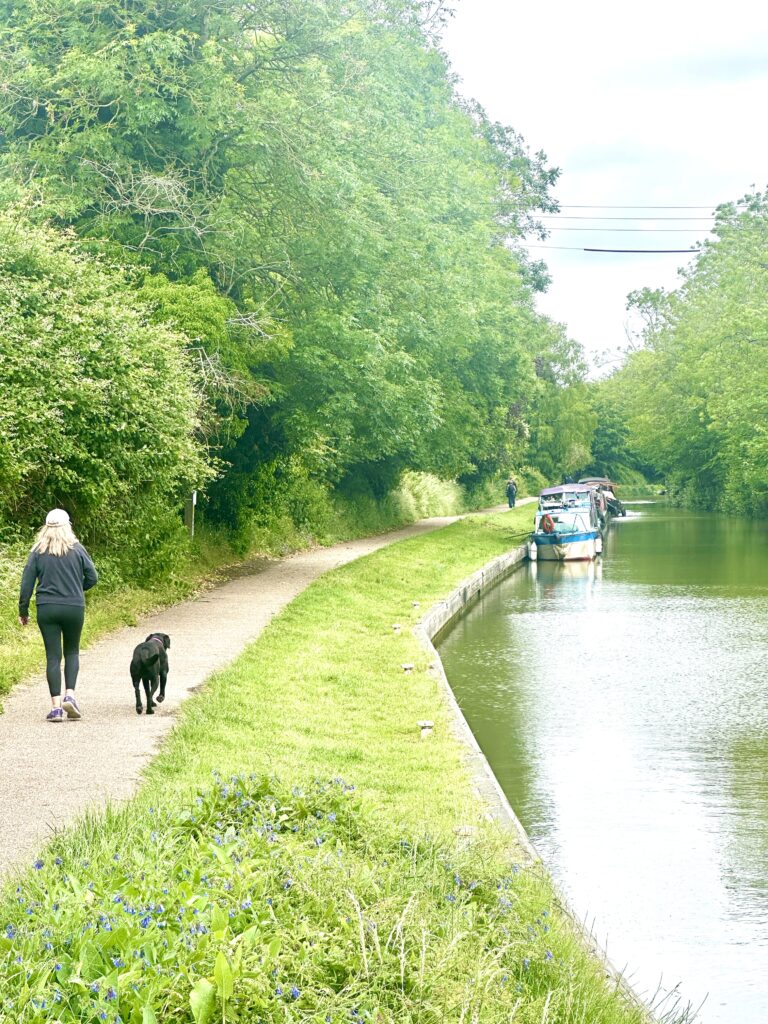
A canal walk.
A local park.
A friendly neighbour.
A beautiful view you would have driven straight past.
These small moments are often the ones that become the biggest memories.

France — A Country Life Experience
Some of our most memorable housesitting experiences have taken us into the French countryside.
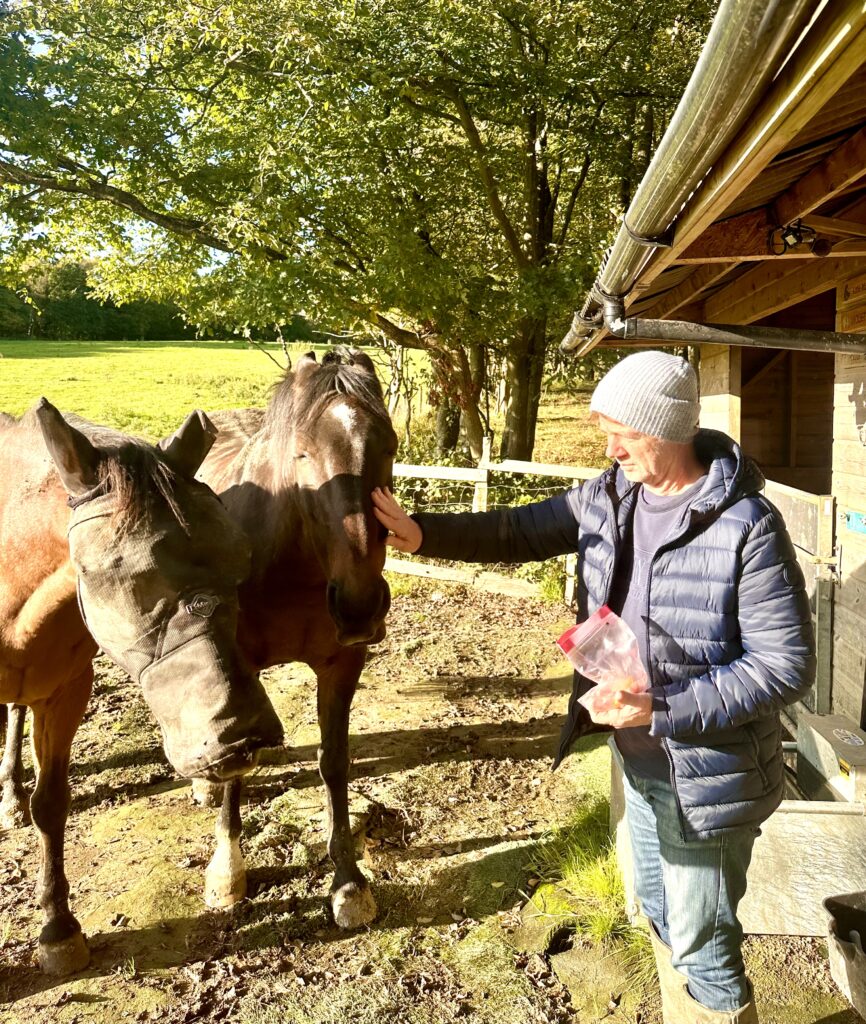
Looking after a pony named Qualiane and three barn cats gave us a completely different perspective of rural France.
This wasn’t the France of famous cities and tourist attractions.
It was quiet mornings, open countryside, animals to care for, and the simple rhythm of rural life.
It reminded us that travel isn’t always about seeing more.
Sometimes it is about slowing down enough to appreciate where you are.
Grenoble, France — Caring for Cats
Not every housesit involves dogs.
In Grenoble, we cared for Maine Coon cats, which gave us a completely different experience.
Cats have their own personalities and routines.
They may not need walks, but they still provide companionship and a reason to create a daily rhythm.
Living in a home rather than a hotel gave us the chance to experience Grenoble more like locals.
Shopping locally.
Exploring neighbourhoods.
Enjoying everyday moments.
Montenegro — A Different Kind of Adventure
Our time in Montenegro has also shown us another side of living locally.
While not a traditional housesit in the same way, helping care for properties and experiencing the relaxed way of life there has reinforced something we have learned again and again:
The best travel experiences often come when you become part of a place.
Not just when you visit.
The Memories Matter More Than the Accommodation
Looking back, we rarely remember the houses themselves first.
We remember the animals.
The people.
The routines.
The unexpected moments.
The feeling of belonging somewhere, even temporarily.
That is what makes housesitting so special.
It gives you something that money cannot always buy:
A connection.
Our Lesson Learned
Housesitting has taken us into homes and communities we may never have experienced otherwise. The greatest reward has never been the free accommodation — it has been the friendships, memories, and moments along the way.

The Benefits of Housesitting for Slow Travel
When we look back at how our travel style has evolved, housesitting has become one of the pieces that fits perfectly into our slow travel lifestyle.
It is not the only way we travel, and it is certainly not right for everyone.
But for us, it has opened doors to experiences we may never have had otherwise.
Housesitting allows us to slow down, stay longer, and experience Europe beyond the usual tourist path.
1. It Allows You to Stay Longer
One of the biggest challenges of long-term travel is accommodation costs.
By reducing this expense, housesitting can make it easier to spend more time in a destination.
Instead of thinking:
“We can only afford a few days here,”
you may have the opportunity to stay for several weeks.
And that extra time changes everything.
You begin to recognise familiar streets.
You find your favourite bakery.
You know which market day to visit.
You become part of the everyday rhythm of a place.
2. You Experience Places Like a Local
Hotels are wonderful for short stays.
But a home gives you something different.
You wake up in a neighbourhood.
You see people starting their day.
You discover the places locals actually use.
You experience the ordinary moments that make a destination special.
Some of our favourite European memories have come from simple routines:
A morning dog walk.
A coffee at a local café.
Shopping for fresh ingredients.
Chatting with neighbours.
These are the moments that create a genuine connection.
3. It Supports a More Sustainable Travel Lifestyle
Slow travel is about reducing the constant movement that often comes with traditional holidays.
Housesitting naturally supports this approach.
Instead of changing accommodation every few days, you settle into one place.
You unpack.
You create routines.
You explore an area properly.
It is a calmer, more intentional way to travel.
4. You Create Meaningful Connections
The animals are often what bring people to housesitting, but the connections go far beyond that.
We have met wonderful homeowners who welcomed us into their lives and shared their favourite places with us.
We have discovered towns, walks, and restaurants because someone local took the time to recommend them.
These connections are one of the unexpected gifts of housesitting.
5. It Changes Your Definition of Travel
Perhaps the biggest benefit is that housesitting changes how you see travel.
You stop asking:
“How many places can we visit?”
And start asking:
“How can we experience this place?”
That simple change in mindset is at the heart of slow travel.
Our Lesson Learned
Housesitting has shown us that the best way to experience Europe is not always to see more places. Sometimes it is to stay longer, slow down, and allow a place to become part of your story.

The Challenges of Housesitting (What Nobody Tells You)
While housesitting has given us some of our most memorable experiences in Europe, it is important to understand that it is not simply a way to get free accommodation.
It is a commitment.
Someone is trusting you with their home, their belongings, and often the pets they love dearly.
For us, that responsibility is part of what makes housesitting so rewarding.
But it is also important to go into it with realistic expectations.
It Requires Responsibility and Commitment
When you agree to a housesit, you are making a promise.
The pets still need their routines.
The home still needs to be cared for.
Things still need attention, even when you are travelling.
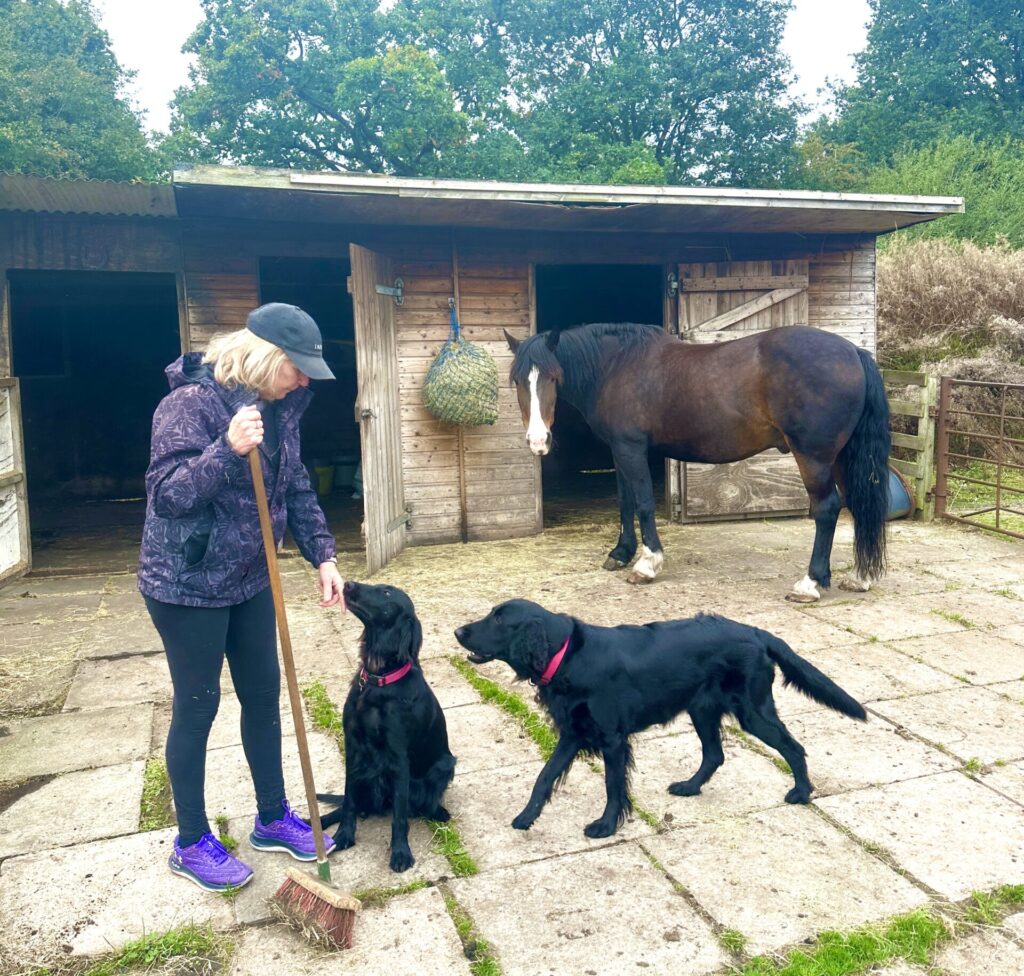
There may be early morning walks, feeding schedules, medication, gardens to water, or unexpected situations to handle.
It is not always about doing what is convenient for you.
It is about putting the needs of the home and animals first.
You Are Living Someone Else’s Routine
One of the beautiful things about housesitting is experiencing everyday life in another place.
But it also means adapting.
Every home works differently.
Every pet has different habits.
Some dogs need long walks.
Some cats prefer quiet spaces.
Some homeowners have very specific routines that are important to follow.
The ability to adapt is one of the most important qualities of a good housesitter.
You May Have Less Freedom Than a Tourist
This is something many people don’t consider.
When you are housesitting, you cannot always decide to leave for a spontaneous weekend away or change plans at the last minute.
You have responsibilities.
The pets are relying on you.
The home needs someone there.
For us, this has never felt like a limitation because we enjoy the slower pace.
But it is something every potential housesitter should consider.
Saying Goodbye Is Sometimes the Hardest Part
One unexpected challenge is how attached you become.
After spending weeks caring for an animal, they become part of your daily life.
You create routines together.
They greet you every morning.
They become your companion while exploring a new area.
Leaving can be surprisingly emotional.
The wonderful thing is that many relationships continue beyond the housesit.
We have stayed in touch with homeowners and enjoyed knowing that we made a positive difference while they were away.
Finding the Right Housesit Takes Patience
Not every opportunity will be the right match.
The location might not suit your plans.
The dates may not work.
The pets may have needs that don’t fit your lifestyle.
Choosing carefully is important.
A successful housesit is not just about finding somewhere beautiful to stay.
It is about finding the right match between the homeowner, the pets, and the housesitter.
The Rewards Outweigh the Challenges
Despite the responsibilities, housesitting has given us far more than we ever expected.
It has introduced us to wonderful animals.
Taken us to places we might never have discovered.
Allowed us to experience communities beyond the tourist trail.
And helped us continue travelling Europe in a way that feels meaningful.
For us, the challenges are simply part of the privilege.
Our Lesson Learned
Housesitting is not about getting something for free. It is about creating a relationship built on trust, responsibility, and care. When you approach it with the right mindset, the rewards are incredible.
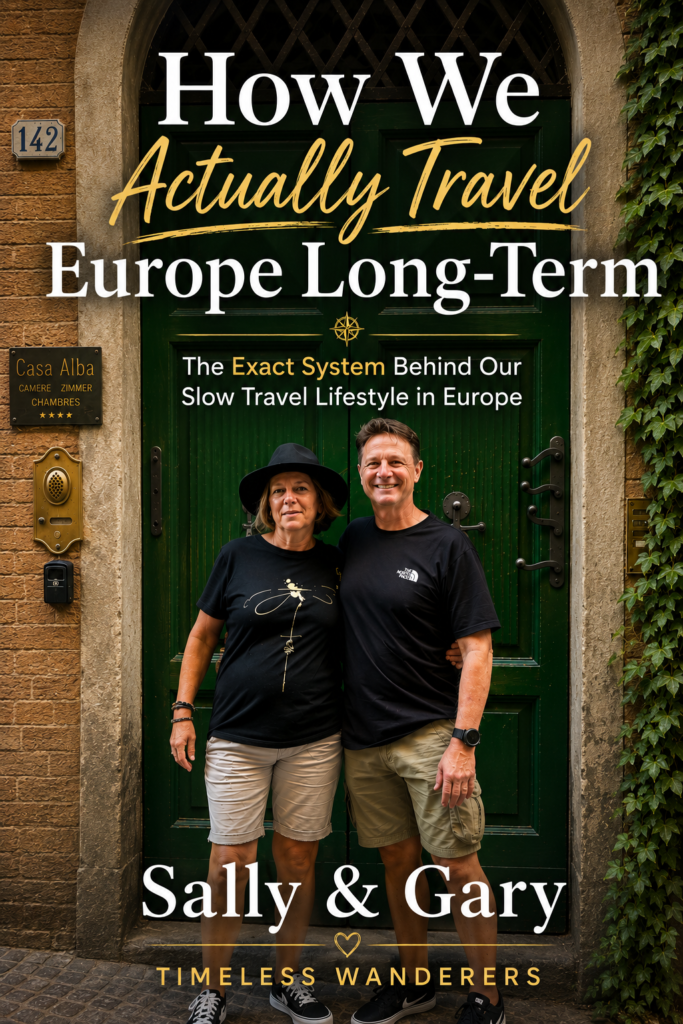
The 90-Day Slow Travel Starter Kit
Before the book — get the free kit. Everything you need to understand the basics and start planning with confidence.
FREE DOWNLOAD

Is Housesitting Right for You?
Housesitting has become an important part of our slow travel lifestyle, but we also know it is not for everyone.
The idea of staying in beautiful homes around Europe sounds exciting, and it certainly can be.
But the real reward comes from understanding that housesitting is about much more than where you sleep.
It is about caring, adapting, and becoming part of someone else’s world for a little while.
If you are considering housesitting, these are some questions worth asking yourself.
Do You Love Animals?
For many housesitters, the animals are the biggest reason they choose this lifestyle.
Dogs, cats, and other pets are not simply part of the arrangement.
They become your companions.
You are responsible for their happiness, safety, and routines while their owners are away.
If you love animals and enjoy their company, housesitting can be incredibly rewarding.
If you are only interested because of the accommodation, it may not be the right fit.
Do You Enjoy a Slower Pace of Travel?
Housesitting naturally encourages slow travel.
You are usually staying in one place for a longer period rather than moving every few days.
That means you have time to settle in, explore locally, and create routines.
If your dream is to visit ten European cities in two weeks, housesitting may feel restrictive.
But if you love discovering a region slowly, it can be a perfect match.

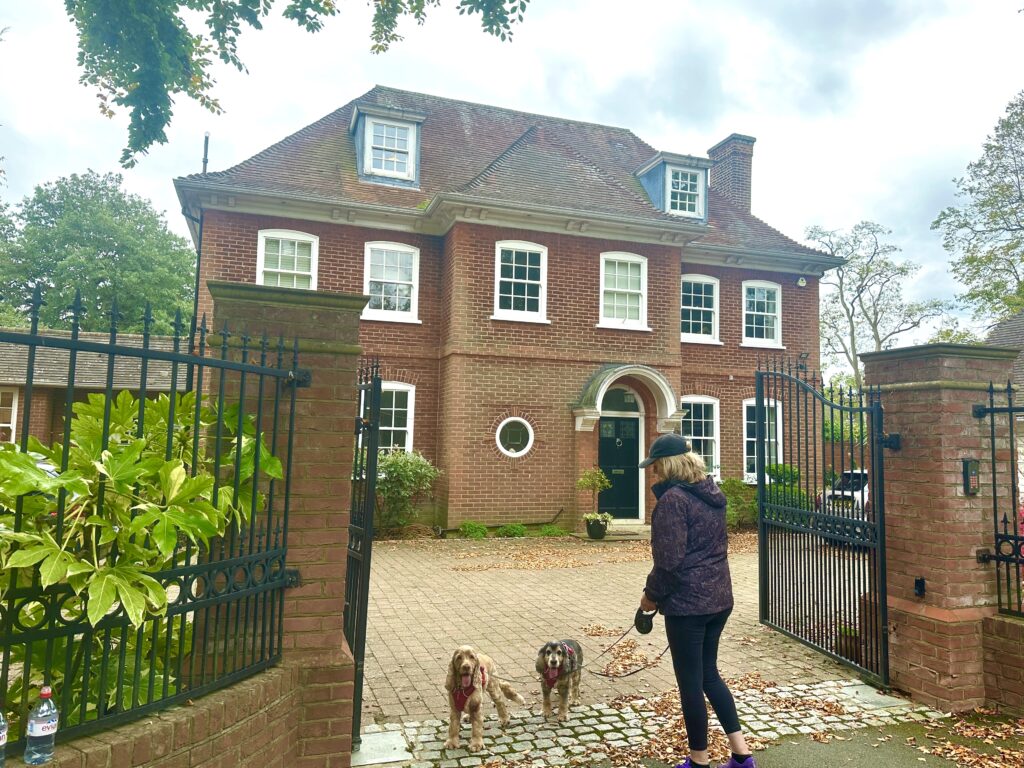
Are You Reliable and Responsible?
Trust is the foundation of housesitting.
Homeowners are welcoming you into their personal space and trusting you with what matters most to them.
Being organised, dependable, and respectful is essential.
Small things matter:
- keeping communication clear
- following instructions carefully
- looking after the home as if it were your own
- treating pets with patience and care
These qualities make a successful housesitter.
Are You Flexible and Adaptable?
Every housesit is different.
Different homes.
Different pets.
Different routines.
Things may not always go exactly as expected.
A good housesitter can adapt, solve problems calmly, and enjoy the experience rather than expecting everything to feel like a hotel stay.
Do You Enjoy Experiencing Everyday Life?
This is perhaps the biggest question.
Do you enjoy:
- shopping at local markets?
- walking neighbourhood streets?
- finding your favourite café?
- learning the rhythm of a community?
- experiencing places beyond the tourist highlights?
If the answer is yes, housesitting may fit beautifully with your travel style.
Housesitting Is a Lifestyle Choice
For us, housesitting has never been about finding somewhere free to stay.
It has been about creating a different kind of travel experience.
It has allowed us to slow down.
To connect.
To care for wonderful animals.
To experience Europe in a way we never could through short visits.
Our Lesson Learned
The best housesitters are not the ones looking for a free place to stay. They are the ones who genuinely enjoy caring for a home, loving animals, and becoming part of a place.

How to Start Housesitting in Europe
After sharing our experiences, one of the questions we are asked most often is:
“How do we actually get started with housesitting?”
Like many things in travel, the first step can feel a little overwhelming.
You are trusting someone with your profile.
They are trusting you with their home and pets.
But once you understand how the process works, housesitting becomes much more approachable.
Here are the steps we would recommend for anyone considering this lifestyle.
1. Choose a Trusted Housesitting Platform
The first step is finding a platform that connects homeowners with housesitters.
We use TrustedHousesitters, which has become one of the largest housesitting communities in the world.
The platform allows homeowners to create listings for their homes and pets, while housesitters can create profiles, search opportunities, and apply for sits that match their travel plans.
The important thing is not simply finding the most beautiful location.
The best housesit is one where the dates, location, pets, and responsibilities are a good match for everyone.
2. Create a Profile That Builds Trust
Your profile is often your first introduction to a homeowner.
Remember, they are not just choosing someone to stay in their house.
They are choosing someone to care for members of their family.
A strong profile should include:
- who you are
- why you love animals
- your previous experience
- your travel style
- your approach to caring for homes
- photos that show your personality
Be genuine.
Homeowners are looking for trust and connection, not a perfect sales pitch.
3. Start With Realistic Opportunities
When you are new to housesitting, it can be tempting to apply for the most exciting locations immediately.
A villa in Tuscany.
A beautiful coastal home.
A dream destination.
But your first goal should be building experience.
A successful first housesit gives you:
- confidence
- reviews
- references
- a better understanding of what suits you
Once you have experience, more opportunities naturally become available.
4. Write Personal Applications
Homeowners often receive many applications.
A generic message is easy to ignore.
Take the time to explain why you are interested in their specific housesit.
Mention:
- the pets by name
- why the location interests you
- your relevant experience
- why you would be a good match
People want to know their pets will be loved, not simply looked after.
5. Ask Questions Before Accepting a Sit
Good communication before a housesit prevents problems later.
Before accepting, make sure you understand:
- pet routines
- daily responsibilities
- travel arrangements
- home expectations
- any special requirements
Don’t be afraid to ask questions.
A successful housesit depends on both sides feeling comfortable.

6. Treat Every Housesit as a Responsibility
The biggest mindset shift is understanding that housesitting is not a free holiday.
You are exchanging care for accommodation.
Your role is to provide peace of mind for the homeowner.
When you approach it that way, everything changes.
You become more thoughtful.
More connected.
And much more likely to build lasting relationships.
Our Advice for Beginners
If we could give one piece of advice to someone starting out, it would be this:
Don’t focus only on what you receive. Focus on what you can give.
The best housesitting experiences happen when both sides feel they have gained something valuable.
The homeowner gains confidence knowing their home and pets are cared for.
The housesitter gains a unique opportunity to experience life somewhere new.
That is what makes the arrangement so special.
Our Lesson Learned
Housesitting works best when it begins with trust, not convenience. The more care and respect you bring to the experience, the more rewarding the journey becomes.

Our Simple System
How We Afford Long-Term Travel in Europe (Without Being Wealthy)

Final Thoughts: More Than 3 Years, More Than 50 Housesits, Countless Memories
When we completed our very first housesit, we thought we had simply discovered a clever way to travel a little longer through Europe.
We couldn’t have imagined where that first experience would lead.
More than three years later, after completing over 50 housesits across Europe, we can honestly say that housesitting has changed the way we travel—and, in many ways, the way we experience life.
Yes, it has helped us reduce one of the biggest expenses of long-term travel. But the accommodation has never been the real reward.
The real reward has been waking up in places we might never have visited otherwise.
It’s been walking energetic dogs through neighbourhoods where tourists rarely venture, caring for cats while discovering local cafés, and spending quiet mornings in the countryside with animals that quickly became part of our daily lives.
Over the years, we’ve learned that every housesit tells a different story.
Some have introduced us to lifelong memories, others to wonderful homeowners, and all of them have given us a deeper appreciation of the places we’ve been fortunate enough to call home, even if only for a few weeks.
Housesitting has taught us to slow down.
To notice the little things.
To appreciate everyday life instead of rushing from one attraction to the next.
It has reminded us that travel isn’t always about ticking destinations off a list.
Sometimes it’s about feeling connected to a place, becoming part of a community, and creating memories that stay with you long after you’ve packed your bags.
Of course, housesitting isn’t for everyone.
It comes with responsibility, commitment, and a genuine love of caring for both homes and animals.
The pets depend on you. Homeowners place enormous trust in you.
It’s a responsibility we’ve always taken seriously, and we believe that’s one of the reasons our housesitting journey has been so rewarding.
Would we recommend it?
Without hesitation.
If you love animals, enjoy travelling at a slower pace, and dream of experiencing Europe beyond the usual tourist trail, housesitting can open doors you never knew existed.
Looking back over more than three years and 50+ housesits, we rarely remember the houses first.
We remember Diego waiting excitedly for his morning walk.
Bella bounding through the Cotswolds countryside.
Nemo’s wagging tail greeting us each day.
Peaceful mornings in the French countryside with Qualiane and the barn cats.
The quiet moments, the conversations, the friendships, and the feeling of belonging, if only for a little while.
Those are the memories that have shaped our journey.
If there’s one lesson we’ve learned from housesitting, it’s this:
The greatest gift isn’t free accommodation. It’s the opportunity to experience Europe not as a visitor, but as someone who truly gets to live there, one housesit at a time.
Before the book — get the free kit. Everything you need to understand the basics and start planning with confidence.
Your First Step Towards Long-Term Travel in Europe
The moment everything changed was when we booked a place for a month instead of a week and discovered we were paying half the nightly rate. By the second week, the neighbour had invited us in for a drink, we knew the shortcut to the market, and we were, briefly and genuinely, part of the street.
The 90-Day Slow Travel Starter Kit
Start Your Slow Travel Journey With Our FREE 90-Day Slow Travel Starter Kit
If reading our housesitting journey has made you wonder whether a slower way of travelling through Europe might be possible for you, the first step is simply to start exploring the idea.
When we began our own journey, we didn’t have every answer.
We didn’t know exactly where we would go, how long we would stay, or how all the pieces would come together.
What we did know was that we wanted to experience Europe differently.
We wanted more time.
More connection.
More opportunities to discover the everyday moments that make a place special.
Over the years, we have learned that creating a slow travel lifestyle is not about one big decision.
It is about small choices that gradually create more freedom.
Choosing to stay longer.
Learning how to plan around seasons.
Finding ways to travel more sustainably.
Understanding what matters most to you.
The Resource We Wish We Had When We Started
Our FREE 90-Day Slow Travel Starter Kit was created to help you begin thinking about your own European adventure.
It brings together the lessons we have learned from years of travelling slowly, creating a flexible lifestyle, and finding ways to make long-term travel possible.
Inside, we share the questions we believe every aspiring slow traveller should ask before taking the first step.
It is not about following a strict formula.
Your journey will be completely your own.
It is about helping you move from:
“I would love to do this one day…”
to:
“Maybe this is something we can actually plan.”
Start your slow travel journey with our FREE 90-Day Slow Travel Starter Kit and begin exploring what could be possible.

☕ Over Coffee with Sally & Gary
If we were sitting together over a coffee somewhere in Europe, talking about housesitting, we would probably tell you this:
Some of our favourite travel memories were never part of the original plan.
They came from saying yes to something different.
A chance to care for a beautiful animal.
A stay in a place we may never have chosen ourselves.
A conversation with someone local.
A simple daily routine that made somewhere unfamiliar start to feel like home.
That is the magic of slow travel.
Housesitting has reminded us that travel is not always about seeing more.
Sometimes it is about noticing more.
A morning walk.
A local bakery.
A quiet village street.
A familiar face at the café.
A dog waiting happily by the door.
These small moments are often the ones we remember long after we leave.
We know this lifestyle is not for everyone.
Some people love fast-paced adventures.
Some people prefer traditional holidays.
Some people are happiest returning to the same place every year.
And that is wonderful.
Travel should always be about creating the life and experiences that feel right for you.
But if you have ever wondered what it would feel like to slow down, stay longer, and experience Europe beyond the usual tourist path, we hope our story encourages you to explore the possibility.
You don’t need to have every detail planned.
You don’t need to know exactly where the journey will take you.
Sometimes the first step is simply being open to a different way of travelling.
Because the best adventures often begin with one simple question:
“What if?”
Until next time…
Happy travels,
Sally & Gary
Timeless Wanderers
Ready to Turn Your Dream Into a Plan?
Inside you’ll discover:
 The first planning steps
Understanding the Schengen Rule
How we choose where to stay
Practical slow travel tips
 Download Your FREE Starter Kit
Want to Go Even Further?
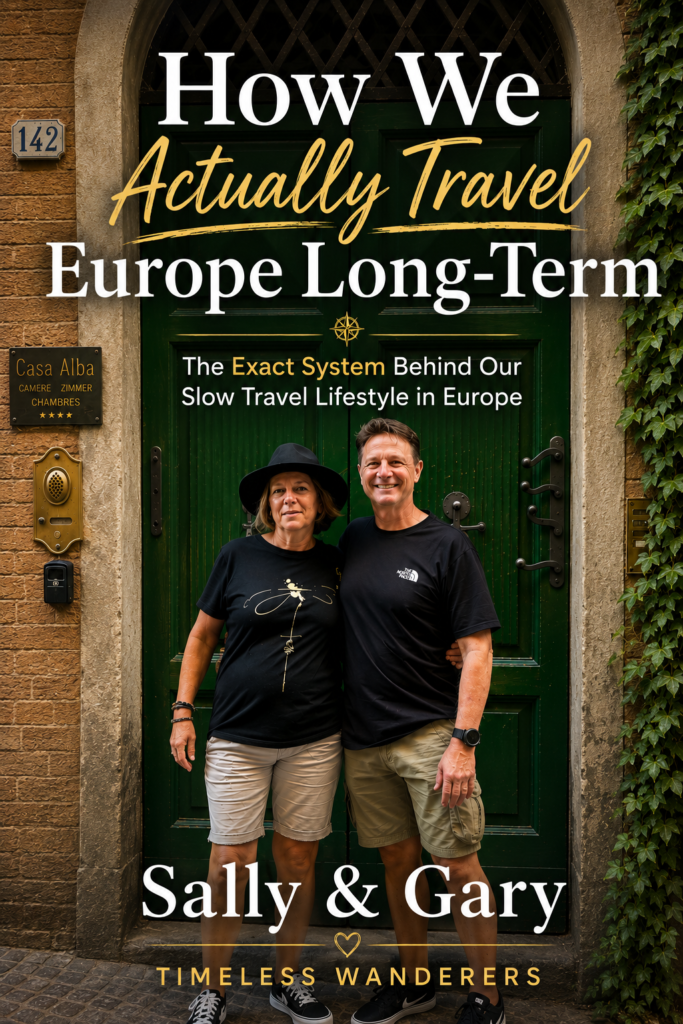
If you’d like to learn the complete system we’ve developed after years of travelling Europe full-time, take a look at our new book.
 How We Actually Travel Europe Long-Term
Discover the Book

Frequently Asked Questions About Housesitting in Europe
1. Is housesitting a good way to travel Europe?
Yes, housesitting can be a wonderful way to experience Europe, especially for slow travellers who enjoy staying longer in one place.
It allows you to live more like a local, reduce accommodation costs, and discover destinations beyond the usual tourist path.
2. Can housesitting really help you save money while travelling Europe?
Yes, one of the biggest benefits of housesitting is reducing accommodation expenses, which are often one of the largest costs of long-term travel.
However, housesitting is an exchange of care and responsibility, not simply free accommodation.
3. Do you need experience to become a housesitter?
Everyone has to start somewhere.
While previous pet or home care experience can help, many new housesitters begin by creating a trustworthy profile, communicating clearly, and showing genuine care for animals and homes.
4. How difficult is it to get your first housesit?
Getting your first housesit can take patience because homeowners often prefer people with reviews and experience.
A detailed profile, thoughtful applications, and starting with opportunities that suit your experience can help you build confidence and references.
5. Is housesitting safe in Europe?
Housesitting can be a safe and rewarding way to travel when you use reputable platforms, communicate clearly with homeowners, and choose opportunities that feel like the right match.
Trust and good preparation are important on both sides.
6. What responsibilities do housesitters usually have?
Responsibilities vary with each housesit but often include caring for pets, following feeding and walking routines, keeping the home tidy, watering plants, and providing updates to homeowners.
Every arrangement should be clearly discussed before accepting.
7. How long do housesits usually last?
Housesits can range from a few days to several months, depending on the homeowner’s needs and the location.
Longer housesits often work especially well for slow travellers because they allow time to settle into a place and experience everyday life.
8. Is housesitting a good option for retirees or long-term travellers?
Housesitting can be a great fit for retirees and long-term travellers who enjoy animals, flexibility, and a slower pace of life.
It offers the opportunity to explore Europe differently while becoming part of local communities.
Optional FAQ I would consider adding (because it is very “you”):
9. Is housesitting really just about free accommodation?
No.
While saving money is a benefit, the real value of housesitting is the experience it creates.
It allows travellers to build connections, care for animals, discover local communities, and experience Europe in a more meaningful way.
Want to See the Complete System?
This article gives you an overview of the philosophy behind how we travel.
But if you’d like to see exactly how we put it into practice—from planning our year and managing the Schengen Rule to choosing accommodation, housesitting, budgeting and building a sustainable travel lifestyle—we’ve shared it all in our ebook:
How We Actually Travel Europe Long-Term
The Simple System Behind Our Slow Travel Lifestyle
Learn more about the book here.
Before the book — get the free kit. Everything you need to understand the basics and start planning with confidence.
Europe looks complicated from the outside.
The Schengen rules. The visa questions. The accommodation puzzle. Where to base yourself, how long to stay, how to make the money work. The more you look into it, the more it seems like something that requires months of research and a perfect plan before you can even think about leaving.
The 90-Day Slow Travel Starter Kit
Every long-term traveller remembers the day they finally decided to go.
We hope this is yours.
See you somewhere in Europe.
PLAN YOUR ADVENTURE
These are our favorite companies we use when planning a trip, they consistently have the best prices, great customer service, and overall, are better than their competitors.
BOOK YOUR FLIGHT – Going is a great search engine if you are flexible about your travel destination and dates. Sign up for their newsletter and get the latest deals on destinations around the world. GOING is our new go to.
TRAVEL OPTIONS
CAR RENTAL – We recommend using DISCOVER CARS when booking a RENTAL CARS, they work with hundreds of companies worldwide to help you find the best car for your needs.
TRAINS – TRAINLINE – is our favorite, this site is very reliable and easy to use.
BUS – OMIO – this website allows you to book train or bus tickets to travel from city to city the best and cheapest way. FLIXBUS is another terrific website with routes between 20 European countries.
ACCOMMODATIONS
BOOKING.com – is our go to for hotel searches around the world, we find they always have the cheapest rates and offer different payment options. In addition, VRBO is another terrific website for all types of accommodations.
HOSTELWORLD – is great if you’re traveling on a budget, and if you need a cheap place to stay.
TRAVEL INSURANCE
SAFETY WING – offer some of the most competitive and affordable plans tailored for your needs. SAFETY WING cover travellers from over 140 countries and make it easy to buy, extend and claim, even while travelling.
Check out our RESOURCE PAGE for more additional planning.