Planning a Year of Slow Travel in Europe: Our Simple System
Timeless Wanderers: Posted August 4, 2026

Why Planning Matters More Than You Think
When people see our life travelling through Europe, one of the questions we hear most often is:
“How do you actually make it work?”
From the outside, spending months travelling through Europe can look complicated.
People imagine endless planning, constantly searching for accommodation, moving from place to place, and trying to organise every detail months in advance.
But our experience has taught us something different.
Long-term travel isn’t about creating the perfect plan.
It’s about creating a flexible system that allows you to enjoy the journey.
After years of travelling through Europe, we have learned that the secret is not trying to see everything.
It’s knowing what matters most to you.
For us, that means travelling slower.
Staying longer.
Following the seasons.
Creating a balance between exploring new places and having a sense of home.
Our year is not planned around ticking destinations off a list.
It’s planned around experiences.
A summer evening in Tuscany.
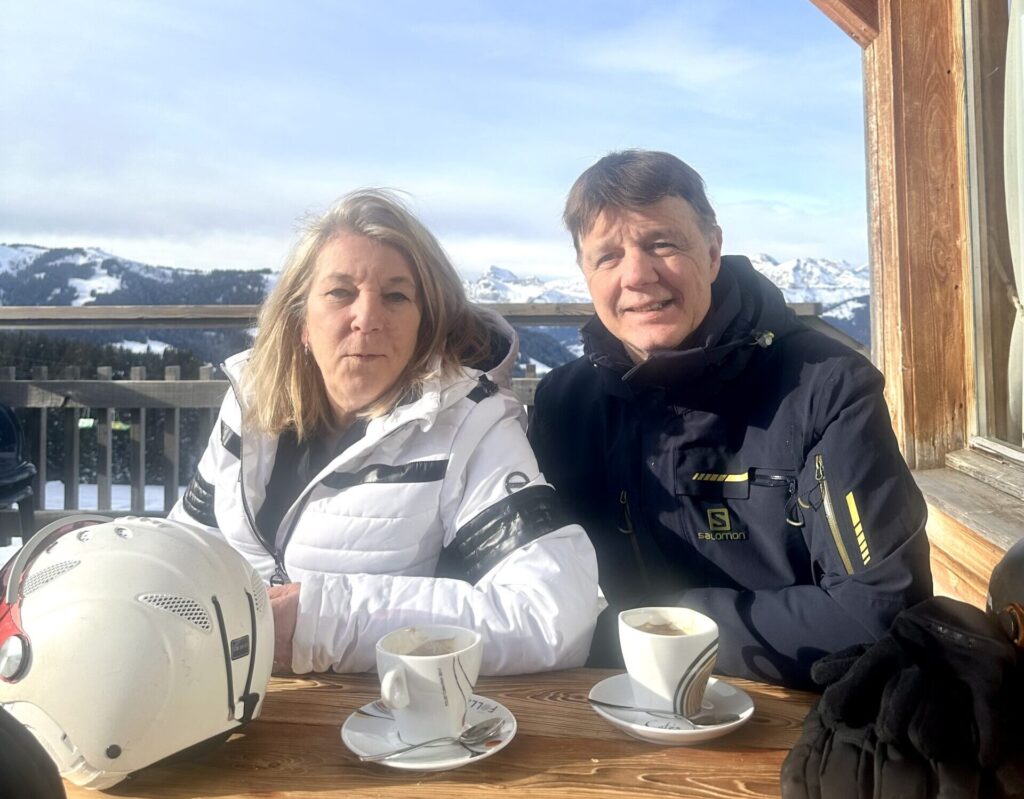
A winter ski season in the mountains.
A morning coffee in a local café.
A walk through a European village where we know the streets.
These are the moments that make slow travel special.
In this guide, we’ll share how we plan our year of slow travel in Europe, the systems that help us stay organised, and the lessons we’ve learned from creating a lifestyle that allows us to travel for longer.
Table of Contents
Living With the Seasons in Europe
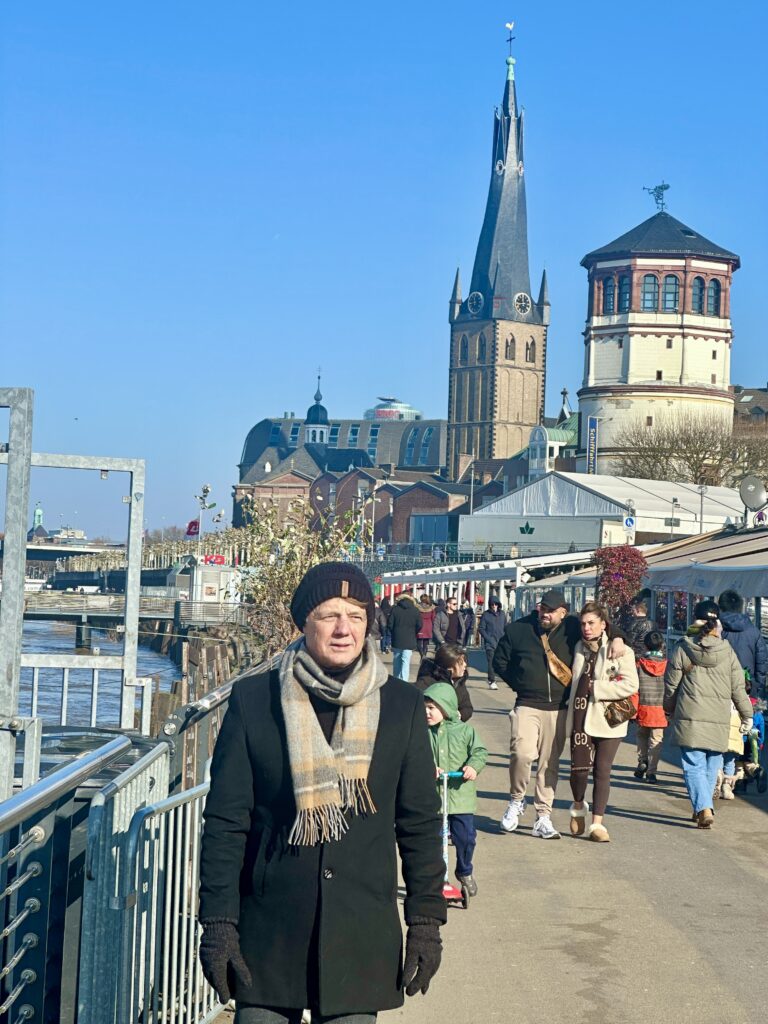
One of the biggest lessons we have learned from travelling through Europe is that timing can completely change your experience.
When people plan a holiday, they often start with the destination.
“We want to visit Italy.”
“We want to see France.”
“We want to explore Greece.”
But when you travel slowly, the seasons become just as important as the places themselves.
Instead of asking only:
“Where do we want to go?”
we ask:
“Where do we want to be during that time of year?”
This small change has completely changed the way we plan.
Planning Around Europe’s Seasons
One of the biggest lessons we’ve learned from travelling slowly through Europe is that the timing of your visit can be just as important as the destination itself.
Europe changes dramatically throughout the year, and the same destination can offer a completely different experience depending on the season.
Tuscany in spring brings green landscapes, wildflowers, and comfortable temperatures for exploring.
Summer brings long evenings, outdoor dining, and a wonderful energy — although we know the popular areas can become very busy.
Autumn is one of our favourite times, with harvest season, beautiful colours, and a slower pace returning to many towns and villages.
Winter takes us in a different direction, often towards the mountains and ski resorts we have loved for many years.
By following the seasons, we get to experience places when they feel at their best.
We Don’t Chase Summer Around Europe
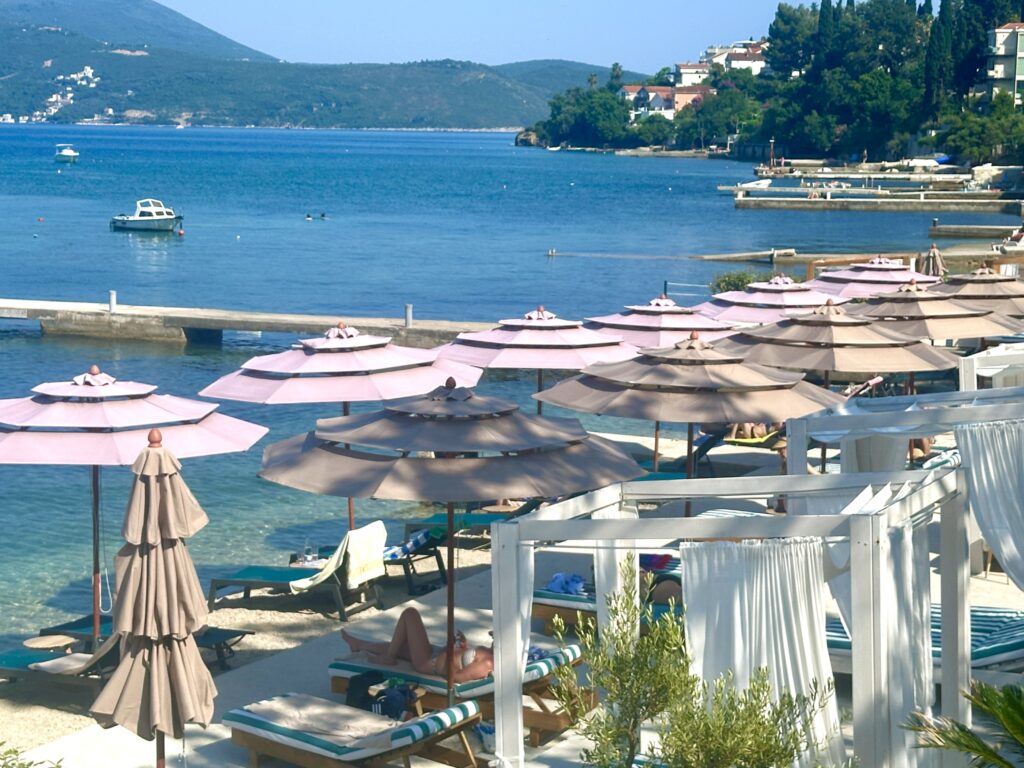
One mistake many long-term travellers make is trying to follow perfect weather all year.
It sounds appealing, but constantly moving becomes exhausting.
For us, slow travel is about creating balance.
We don’t need to be somewhere new every few days.
We would rather spend several weeks or months somewhere, understand the area, and enjoy everyday life.
A morning walk.
A favourite coffee shop.
A local market.
Recognising familiar faces.
Those simple routines are what make a place start to feel like home.
Seasons Help Us Decide Where to Go Next
Our planning usually begins with the bigger picture.
We look at:
- Where we want to spend different seasons
- The weather we enjoy most
- Where we have friends or connections
- Opportunities for housesitting
- Places we want to explore more deeply
Then we build around those priorities.
The plan gives us direction, but we always leave room for flexibility.
Because some of the best experiences come from opportunities we never expected.
Our Lesson Learned
After years of travelling Europe, we have realised that slow travel is not about finding more places to visit.
It is about finding the right place at the right time.
When you plan around the seasons, you stop fighting the pace of Europe and start moving with it.
We can help you plan your dream trip to Europe, with a personalised itinerary designed just for you.
After more than 30 years of travelling to Eurpe—and loving it so much we decided to make it our home—we now live here and explore at a relaxed, local pace.
Planning a trip to Europe is exciting, but choosing where to go, how long to stay, and how to get around can quickly become overwhelming.
That’s where we come in.
We offer a personalised planning service that helps you decide exactly how to explore Europe, based on your travel style, budget, and pace.
Plus, we can help you plan scenic drives, time in hilltop towns, food and wine experiences, and those small local moments that make a trip truly special—making your European holiday easier, smoother, and full of memories you’ll treasure long after you return home.
“Let us plan your perfect trip with a custom itinerary designed just for you.
Fill out the form and let’s begin your dream.”
We Choose Bases Instead of Constantly Moving
One of the biggest changes we made when we started travelling through Europe long-term was learning to stay longer in fewer places.
At first, it can be tempting to look at a map of Europe and think about all the places you want to visit.
Italy.
France.
Spain.
Greece.
Croatia.
There is so much to see that it feels impossible to choose.
But after years of travelling, we discovered something important:
The more we slowed down, the more we experienced.
Instead of changing accommodation every few days, we prefer creating bases.
A place where we can unpack our bags.
A place where we know the local bakery.
A place where we have a favourite coffee shop.
A place that starts to feel familiar.
That is when travel begins to feel less like a holiday and more like everyday life.
Why Having a Base Changes Everything
When you only stay somewhere briefly, you naturally focus on the highlights.
The famous sights.
The must-see attractions.
The places everyone recommends.
And while those experiences are wonderful, they only show one side of a destination.
When you stay longer, you start noticing the details.
The market that locals visit every week.
The quiet streets away from the crowds.
The restaurant where the owner remembers your name.
The walking paths you would never find in a guidebook.
These are the experiences that make a place memorable.
Lucca Became More Than Just a Destination
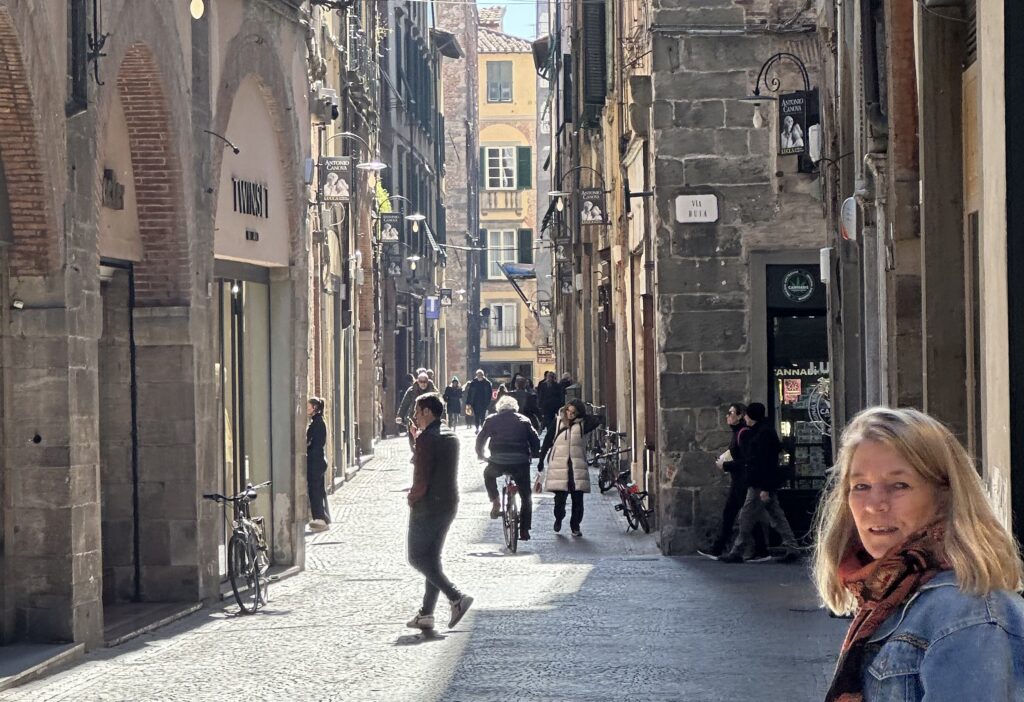
For us, Lucca in Tuscany is a perfect example of what a base can become. (Love Lucca)
Over the years, Tuscany has changed from somewhere we visit into somewhere we feel connected to.
Having a base gives us a sense of belonging while still allowing us to explore.
We can return after travelling elsewhere and immediately feel comfortable.
We know where to buy fresh bread.
We have favourite cafés.
We enjoy simple routines like walking along Lucca’s historic walls.
These everyday moments are exactly why we love slow travel.
A Base Gives You Freedom
Some people worry that staying longer means losing freedom.
For us, it has created more freedom.
Because we are not constantly organising the next move, we have more energy to enjoy where we are.
We can take a day trip because we want to, not because we feel pressure to see everything.
We can stay home and enjoy a quiet afternoon.
We can change plans when opportunities appear.
Having a base gives us an anchor while still allowing us to explore.
Our Lesson Learned
The goal of slow travel is not to collect more destinations.
It is to create deeper connections with the places you choose.
A base gives you something that constant movement rarely can:
The feeling of belonging, even when you are far from home.


How Housesitting Fits Into Our Year
Housesitting has become one of the most valuable parts of our slow travel lifestyle.
After more than three years and over 50 housesits across Europe, we have learned that it is about so much more than saving money on accommodation.
It has become a way to experience places differently.
Instead of simply visiting a destination, housesitting allows us to temporarily become part of a community.
We shop locally.
We discover neighbourhoods.
We create routines.
We experience the everyday side of a place that many travellers never see.
Housesitting Gives Us Flexibility
One of the reasons housesitting works so well with our lifestyle is the flexibility it provides.
Rather than planning an entire year around expensive accommodation, housesitting opportunities can become part of our bigger travel picture.
We look at:
- where we would like to spend time
- which seasons suit us best
- where opportunities are available
- how each stay fits into our overall plans
It becomes another option within our travel system.
Not the only option.
But an important one.
It Allows Us To Stay Longer
One of the biggest advantages of slow travel is having time.
Housesitting helps create that time.
A traditional holiday might involve visiting several destinations in a short period.
Our approach is different.
A housesit may allow us to spend weeks in one area, settle into a routine, and discover what everyday life feels like.
We have found that some of our favourite memories come from these longer stays.
Not from rushing to see another attraction, but from simply living somewhere for a while.

The Animals Become Part of Our Journey
Of course, the animals are a huge part of why we love housesitting.
Over the years, we have cared for wonderful dogs, cats, and other animals across Europe.
Each one has brought something different into our lives.
A daily dog walk becomes a way to explore a new area.
A pet’s routine creates a rhythm to your day.
A home becomes a place filled with personality.
These experiences have given us some of our most meaningful travel memories.
Housesitting Is About Trust
The reason housesitting works is because it is built on trust.
Homeowners are trusting us with their homes and beloved pets.
We take that responsibility seriously.
In return, we are given the opportunity to experience Europe in a much more personal way.
It is a relationship where everyone benefits.
Our Lesson Learned
Housesitting is not the reason we travel slowly.
It is one of the reasons we can continue travelling slowly.
It fits perfectly into our lifestyle because it allows us to stay longer, connect more deeply, and experience Europe one place at a time.
The 90-Day Slow Travel Starter Kit
Before the book — get the free kit. Everything you need to understand the basics and start planning with confidence.
FREE DOWNLOAD

How We Balance Travel With Everyday Life
One of the biggest misconceptions about long-term travel is that every day must feel like a holiday.
The reality is very different.
After years of travelling through Europe, we have learned that the secret to enjoying this lifestyle is creating a balance between exploring and everyday routines.
We still have normal days.
We shop for groceries.
We do laundry.
We work on our travel business and blog.
We take care of practical things.
And we wouldn’t have it any other way.
Those ordinary moments are actually what make slow travel feel so rewarding.
We Don’t Try To Be Tourists Every Day
When you first arrive somewhere new, it is natural to want to explore everything.
You want to see the famous sights.
Visit every attraction.
Try every restaurant.
But if you maintain that pace for months, it becomes exhausting.
Slow travel allows you to remove that pressure.
We don’t need to see everything immediately.
We know we have time.
A quiet morning with a coffee can be just as enjoyable as visiting a famous landmark.
A walk through a local neighbourhood can be just as memorable as a day trip.
Our Everyday Routines Become Part of The Experience
Some of our favourite moments in Europe are incredibly simple.
Walking along Lucca’s historic walls.
Stopping for coffee at a familiar café.
Buying fresh ingredients from a local market.
Taking a dog for a morning walk during a housesit.
Watching a town change throughout the seasons.
These routines connect us to a place.
They are the moments that make somewhere feel less like a destination and more like home.
We Make Time For Work, Rest, And Life
A sustainable travel lifestyle requires balance.
We still have responsibilities.
Running Timeless Wanderers and creating travel resources takes time and commitment.
We also need days where we slow down, recharge, and simply enjoy being where we are.
That is one of the greatest benefits of slow travel.
You don’t have to escape your normal life.
You can create a different version of it.
One where work, travel, and everyday experiences exist together.
We Leave Room For The Unexpected
Although we plan carefully, we never plan every moment.
Some of our favourite experiences happened because we had flexibility.
A recommendation from a local.
An unexpected invitation.
A place we decided to explore because we had extra time.
Having a slower pace gives you room for these moments.
And often, they become the memories you treasure most.
Our Lesson Learned
Long-term travel becomes enjoyable when you stop trying to make every day extraordinary.
The magic is often found in the ordinary.
A familiar café.
A quiet morning.
A local conversation.
A simple routine in a beautiful place.
That is what turns travelling through Europe into a lifestyle.

Our Slow Travel Planning System Step by Step
After years of travelling through Europe, we have learned that successful slow travel does not happen by accident.
It comes from having a simple system.
Not a rigid plan where every day is scheduled months in advance.
Not an itinerary that leaves no room for surprises.
A flexible framework that gives you direction while still allowing you to enjoy the journey.
Everyone’s slow travel lifestyle will look different.
Some people may want to spend three months exploring one country.
Others may prefer moving between several European regions throughout the year.
The important thing is creating a system that works for you.
Here is how we approach planning our year.
1. We Start With The Seasons
The first thing we consider is not the destination.
It is the season.
We ask:
Where do we want to be, and when does that place feel at its best?
Europe changes dramatically throughout the year.
A destination that is wonderful in spring may feel completely different in the height of summer.
A mountain region that is perfect in winter may not suit our plans during warmer months.
By following the seasons, we create a more enjoyable experience and avoid unnecessary pressure.
For us, this might mean:
- enjoying Tuscany during the seasons we love most
- spending winter months in the mountains for skiing
- choosing destinations based on weather, crowds, and experiences we enjoy
The season helps guide the decision.
2. We Choose Our Bases
Once we understand where we want to be during each season, we look at possible bases.
We prefer staying in one place longer rather than constantly moving.
A good base allows us to:
- settle into a routine
- explore the surrounding area slowly
- reduce travel fatigue
- experience everyday life
We don’t need to wake up somewhere new every morning.
We would rather know where to buy bread, where to have coffee, and which roads lead to beautiful walks.
A base gives us the freedom to explore without feeling like we are always packing.

3. We Plan Accommodation Strategically
Accommodation is one of the biggest parts of long-term travel planning.
We look at different options depending on the location and season.
This might include:
- housesitting opportunities
- longer-term rentals
- returning to places we already know and love
- staying with friends or connections
The goal is not always finding the cheapest option.
It is finding the option that allows us to live comfortably and continue enjoying the journey.
4. We Create A Realistic Budget
Long-term travel becomes much easier when you understand your numbers.
Before making plans, we consider:
- accommodation costs
- transport
- food
- experiences
- everyday expenses
The biggest lesson we have learned is that slow travel can actually reduce many costs because you are not constantly moving.
You spend less on transport.
You avoid expensive short stays.
You shop more like a local.
You create routines.
5. We Always Leave Room For Flexibility
This might be the most important part of our system.
The plan is a guide, not a rulebook.
Some of our best experiences have happened because we were willing to change direction.
A recommendation from someone we met.
An unexpected opportunity.
A place we loved so much we wanted to stay longer.
Slow travel works because it gives you time.
And time gives you choices.
Our Lesson Learned
The perfect slow travel plan does not exist.
The best plan is one that gives you enough structure to feel confident, but enough freedom to enjoy the unexpected.
After years of travelling Europe, we have learned that the secret is not planning every moment.
It is creating a lifestyle where you have the time and flexibility to make the most of every moment.
What We Would Do Differently If We Started Again
When we look back at our journey of slow travel through Europe, there are many things we are grateful we discovered along the way.
But there are also lessons we learned through experience.
The wonderful thing about time is that it teaches you what truly matters.
If we were starting our slow travel journey again, these are some things we would remind ourselves.
We Would Slow Down Even Earlier
When you first begin exploring Europe, it is easy to fall into the trap of trying to see everything.
There are so many incredible countries, cities, and regions that it feels impossible to choose.
But over time, we discovered that fewer places often create richer experiences.
Staying longer allows you to move beyond the famous sights and discover the everyday moments that make a place special.
A favourite café.
A local market.
A walking route you return to.
A conversation with someone who lives there.
These are the memories that stay with you.
We Would Worry Less About Having Everything Planned
Planning is important, especially for long-term travel.
But we have learned that the best experiences often happen when there is room for flexibility.
Some of our favourite moments came from unexpected opportunities.
A recommendation from a local.
A place we had not originally considered.
A housesit that opened the door to a new experience.
A slower pace gives you the freedom to say yes.
We Would Focus More On Experiences Than Destinations
When we started travelling, it was natural to think about destinations.
Where should we go next?
What should we see?
But now we think differently.
We think about experiences.
Where will we enjoy the season?
Where can we create a routine?
Where can we feel connected?
A destination is only part of the story.
The way you experience it is what creates the memories.
We Would Build The Lifestyle Around What Matters Most
One of the biggest lessons we have learned is that slow travel is not about copying someone else’s journey.
Your version might look completely different from ours.
Some people may love moving between countries.
Others may want one European base for several months.
Some may include housesitting.
Others may choose long-term rentals.
The important thing is understanding what makes travel meaningful for you.
We Would Start Before We Felt Completely Ready
This is probably the biggest lesson.
There will always be reasons to wait.
More savings.
Better timing.
The perfect opportunity.
More confidence.
But sometimes the only way to learn is to begin.
Our journey has been built one decision at a time.
One destination.
One housesit.
One experience.
One lesson.
Our Lesson Learned
If we could go back and give ourselves one piece of advice, it would be this:
Don’t wait for the perfect plan. Create a simple plan, take the first step, and allow the journey to teach you along the way.
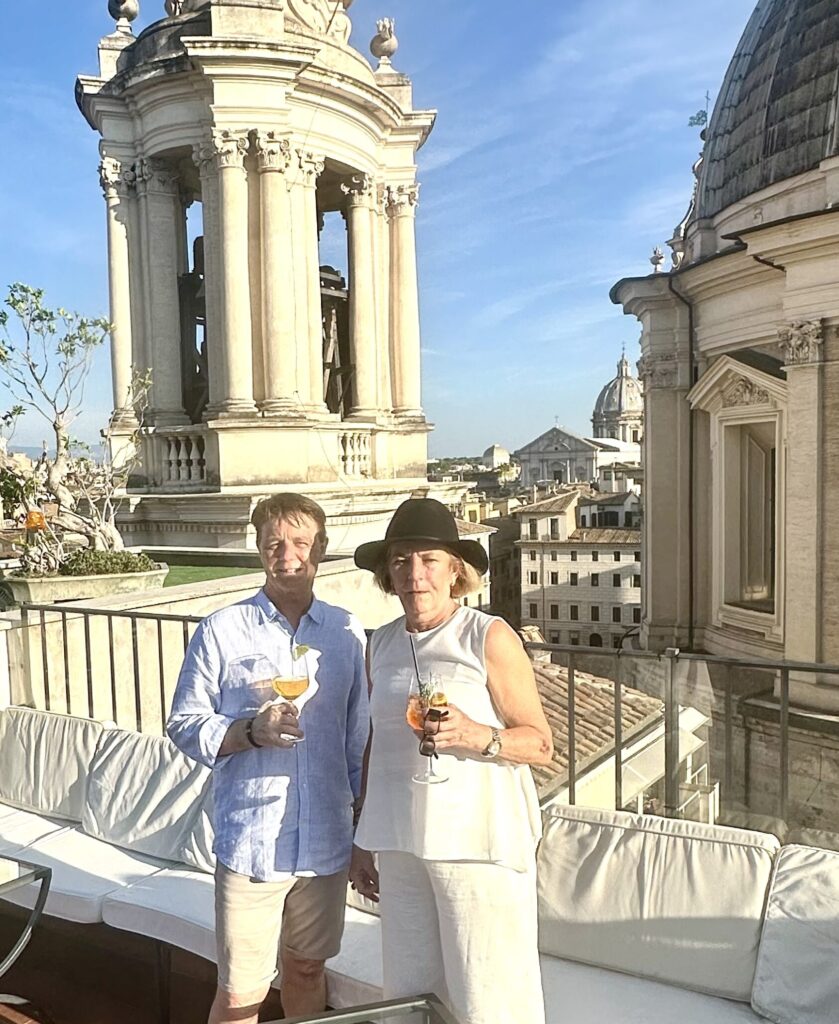
Final Thoughts: Creating a Slow Travel Life That Works For You
When we first dreamed about spending more time travelling through Europe, we thought the biggest challenge would be figuring out where to go.
Looking back now, we realise the destination was never the hardest part.
The real challenge was creating a lifestyle that allowed us the time and freedom to experience Europe differently.
After years of travelling slowly, we have learned that there is no single formula for long-term travel.
There is no perfect route.
No perfect itinerary.
No one right way to do it.
The beauty of slow travel is that you can create a version that fits your own life.
For us, that means following the seasons, creating bases, embracing housesitting, and allowing enough flexibility to enjoy the unexpected moments along the way.
It means staying somewhere long enough to know the local bakery.
Returning to a favourite café.
Recognising familiar faces.
Finding those small pieces of everyday life that make somewhere feel special.
Slow Travel Is About More Than Seeing Europe
After more than three years of housesitting, over 50 sits across Europe, and countless experiences along the way, we have realised that the greatest reward of slow travel is not the number of places we have visited.
It is the depth of the experiences we have collected.
The friendships.
The conversations.
The animals that became part of our journey.
The places that welcomed us.
The feeling of temporarily belonging somewhere new.
You Don’t Need To Copy Our Journey
One of the most important things we have learned is that slow travel looks different for everyone.
You don’t need to travel exactly like us.
You don’t need to spend years on the road.
You don’t need to visit dozens of countries.
Your slow travel journey might be three months in Italy.
A season in France.
A winter exploring European mountains.
Or simply taking more time to experience the places you already love.
The important thing is creating a travel style that gives you more of what matters most.
The First Step Is Often The Hardest
Many people tell us they would love to travel Europe slowly one day.
But they are waiting.
Waiting for the right time.
Waiting until everything is perfectly organised.
Waiting until they feel completely ready.
Our experience has taught us that the perfect moment rarely arrives.
The journey begins when you start planning.
One small decision at a time.
Our Final Lesson Learned
Slow travel is not about having more time than everyone else.
It is about choosing how you use the time you have.
For us, Europe has become more than a collection of beautiful destinations.
It has become a way of life.
And the greatest lesson we have learned is this:
You don’t need to rush through the world to experience it.
Sometimes the richest adventures begin when you slow down enough to truly be there.
Before the book — get the free kit. Everything you need to understand the basics and start planning with confidence.
Your First Step Towards Long-Term Travel in Europe
The moment everything changed was when we booked a place for a month instead of a week and discovered we were paying half the nightly rate. By the second week, the neighbour had invited us in for a drink, we knew the shortcut to the market, and we were, briefly and genuinely, part of the street.
The 90-Day Slow Travel Starter Kit
Start Your Slow Travel Journey With Our FREE 90-Day Slow Travel Starter Kit
If reading about our journey through Europe has made you wonder whether a slower way of travelling might be possible for you, we hope this article has shown you that long-term travel is not about having everything figured out from the beginning.
We certainly didn’t.
Our journey has been created through small decisions, new experiences, unexpected opportunities, and a willingness to adapt along the way.
The biggest change was not travelling further.
It was learning how to travel differently.
To stay longer.
To plan with purpose.
To create a lifestyle that allows more time for the places and experiences that matter most.
The Resource We Wish We Had When We Started
When we first began thinking about long-term travel in Europe, there were so many questions.
How do you plan your time?
How do you choose destinations?
How much does it really cost?
How do you make the practical pieces fit together?
Our FREE 90-Day Slow Travel Starter Kit was created to help answer those early questions.
It is designed to help you start thinking about your own slow travel journey, whether you are dreaming about a few months in Europe or a completely different way of exploring the world.
Inside, we share the foundations we have learned from years of travelling slowly:
- how to begin planning
- what to consider before you leave
- how to create a realistic approach
- how to start turning the idea into a possibility
Slow travel is not about following someone else’s path.
It is about discovering what works for you.
Your destinations may be different.
Your timeline may be different.
Your reasons may be different.
But every journey begins with the same thing:
The decision to start.
Start your slow travel journey with our FREE 90-Day Slow Travel Starter Kit and take the first step towards creating your own European adventure.

☕ Over Coffee with Sally & Gary
If we were sitting together over a coffee somewhere in Europe, talking about slow travel, we would probably tell you this:
The life we have created was never part of one perfect plan.
It happened through curiosity, small decisions, and being willing to try something different.
When we first started spending more time in Europe, we didn’t know exactly what the future would look like.
We didn’t have every destination mapped out.
We didn’t have a perfect system.
We simply knew we wanted to experience places more deeply.
And slowly, step by step, we created a way of travelling that felt right for us.
Over the years, we have learned that the moments we remember most are rarely the ones we planned months in advance.
They are the simple ones.
A morning walk through a quiet European village.
A conversation with a local shop owner.
A favourite coffee enjoyed at the same café.
A dog waiting excitedly for its morning walk during a housesit.
A beautiful view discovered because we had the time to take the slower road.
Those moments are the reason we continue to travel this way.
Slow travel has given us something we never expected.
Not just more destinations.
More connection.
More stories.
More appreciation for the everyday moments that make a place feel like home.
After more than three years of housesitting, over 50 sits across Europe, and countless kilometres travelled, we are still learning.
And that is one of the things we love most about this lifestyle.
There is always another village to discover.
Another local meal to enjoy.
Another conversation waiting to happen.
If you are dreaming about creating your own slow travel journey, we hope our experiences show you that it is possible to build something that fits your life.
It doesn’t have to look exactly like ours.
It just has to feel right for you.
Because the greatest gift of slow travel is not simply seeing more of the world.
It is having the time to truly experience it.
Until next time…
Happy travels,
Sally & Gary
Timeless Wanderers ☕
Frequently Asked Questions About Planning Slow Travel in Europe
1. How do you plan long-term travel in Europe?
Planning long-term travel in Europe starts with deciding what kind of experience you want rather than trying to see as many places as possible.
Our approach is to plan around seasons, choose longer stays, create bases, and leave room for flexibility.
Slow travel is less about creating a packed itinerary and more about building a lifestyle that allows you to enjoy each destination.
2. How far in advance should you plan slow travel in Europe?
The amount of planning depends on your travel style, but we believe the best approach is to plan the important details while leaving flexibility for unexpected opportunities.
For long-term travel, we usually consider seasons, accommodation options, budgets, and possible destinations, but we avoid planning every single day.
3. Is slow travel cheaper than regular travel in Europe?
Slow travel can often reduce costs because staying longer usually means fewer transport expenses, better accommodation options, and more opportunities to live like a local.
Instead of constantly moving between destinations, slow travellers can settle into routines, shop locally, and avoid many of the costs associated with short-term holidays.
4. How long should you stay in each place when travelling Europe slowly?
There is no perfect length of time, but slow travel usually works best when you stay long enough to experience everyday life.
For us, longer stays allow us to discover local communities, create routines, and explore beyond the main tourist attractions.
A few weeks, a month, or even several months in one place can completely change your travel experience.
5. How do you choose where to stay in Europe long-term?
We usually consider the season, the weather, the experiences we want, and whether a place feels like somewhere we could enjoy everyday life.
We look for destinations where we can create a comfortable routine, explore the surrounding area, and feel connected rather than simply passing through.
6. Can you work while travelling Europe long-term?
Yes, many people combine slow travel with remote work, online businesses, or flexible income streams.
For us, building Timeless Wanderers and our travel planning business has allowed us to combine work with our love of exploring Europe.
The key is creating a balance between earning, exploring, and having time to enjoy the places you visit.
7. Is slow travel suitable for retirees?
Absolutely. Slow travel can be a wonderful option for retirees because it removes much of the pressure of traditional holidays.
Instead of trying to fit everything into a short trip, you can take your time, travel at a comfortable pace, and create experiences that suit your lifestyle.
8. What is the biggest lesson you have learned from slow travel?
The biggest lesson we have learned is that you don’t need to see more places to have a richer travel experience.
After years of travelling Europe slowly, we have discovered that the most meaningful memories often come from staying longer, creating connections, and allowing yourself time to truly experience a place.
Before the book — get the free kit. Everything you need to understand the basics and start planning with confidence.
Europe looks complicated from the outside.
The Schengen rules. The visa questions. The accommodation puzzle. Where to base yourself, how long to stay, how to make the money work. The more you look into it, the more it seems like something that requires months of research and a perfect plan before you can even think about leaving.
The 90-Day Slow Travel Starter Kit
Inside the FREE 90-Day Slow Travel Starter Kit, You’ll Discover:
✓ How to begin thinking about a longer European adventure
✓ Questions to ask before choosing destinations
✓ How slowing down can transform your travel experience
✓ Ideas for planning your first 90 days in Europe
✓ Practical considerations before taking the next step
✓ The mindset shift that helped us create a slower, more meaningful way to travel
Your Journey Doesn’t Have to Begin Perfectly
One thing we have learned is that most people wait because they think they need the perfect plan.
The perfect budget.
The perfect itinerary.
The perfect time.
But most journeys don’t begin that way.
They begin with curiosity.
A question.
A conversation.
A small decision to explore what might be possible.
That is how ours began.
Not with every answer.
Just with the belief that there had to be another way to experience Europe.
Take the First Step
If you have ever dreamed about spending more time in Europe, experiencing places beyond the highlights, and creating memories at a slower pace, this is the perfect place to begin.
Download our FREE 90-Day Slow Travel Starter Kit and start exploring what your own European adventure could look like.
Ready to Turn Your Dream Into a Plan?
Inside you’ll discover:
 The first planning steps
Understanding the Schengen Rule
How we choose where to stay
Practical slow travel tips
 Download Your FREE Starter Kit
Want to Go Even Further?
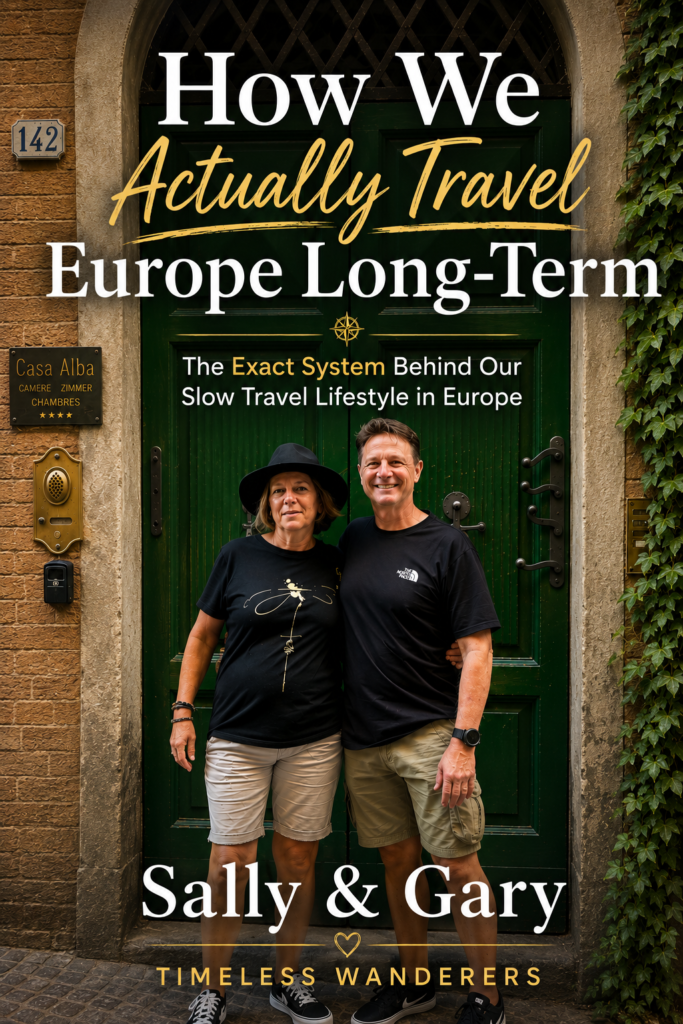
If you’d like to learn the complete system we’ve developed after years of travelling Europe full-time, take a look at our new book.
 How We Actually Travel Europe Long-Term
Discover the Book
Every long-term traveller remembers the day they finally decided to go.
We hope this is yours.
See you somewhere in Europe.
PLAN YOUR ADVENTURE
These are our favorite companies we use when planning a trip, they consistently have the best prices, great customer service, and overall, are better than their competitors.
BOOK YOUR FLIGHT – Going is a great search engine if you are flexible about your travel destination and dates. Sign up for their newsletter and get the latest deals on destinations around the world. GOING is our new go to.
TRAVEL OPTIONS
CAR RENTAL – We recommend using DISCOVER CARS when booking a RENTAL CARS, they work with hundreds of companies worldwide to help you find the best car for your needs.
TRAINS – TRAINLINE – is our favorite, this site is very reliable and easy to use.
BUS – OMIO – this website allows you to book train or bus tickets to travel from city to city the best and cheapest way. FLIXBUS is another terrific website with routes between 20 European countries.
ACCOMMODATIONS
BOOKING.com – is our go to for hotel searches around the world, we find they always have the cheapest rates and offer different payment options. In addition, VRBO is another terrific website for all types of accommodations.
HOSTELWORLD – is great if you’re traveling on a budget, and if you need a cheap place to stay.
TRAVEL INSURANCE
SAFETY WING – offer some of the most competitive and affordable plans tailored for your needs. SAFETY WING cover travellers from over 140 countries and make it easy to buy, extend and claim, even while travelling.
Check out our RESOURCE PAGE for more additional planning.