The Real Cost of Slow Travel in Europe: What We Spend and How We Plan
Timeless Wanderers: Posted July 31,2026
The Question Everyone Wants Answered
If you’ve ever dreamed about spending months exploring Europe, you’ve probably asked yourself one question more than any other:
“What does it actually cost?”
It’s one of the first questions people ask us.
And it’s completely understandable.
When you see people travelling through Europe for months at a time, it’s easy to imagine that it requires an enormous budget.
The reality is much more nuanced.
There isn’t one price for long-term travel.
The cost depends on where you travel, how you like to travel, the time of year, the type of accommodation you choose, how often you move between destinations, and the experiences that matter most to you.
In other words, there is no “average” budget that works for everyone.
What we can do is share how we approach it.
Over the years, we’ve learned that creating a realistic travel budget isn’t about cutting every expense.
It’s about understanding where your money goes and making intentional decisions about what matters most to you.
We don’t travel as backpackers.
We don’t travel in luxury.
Instead, we’ve found a comfortable middle ground that allows us to enjoy Europe for months at a time while creating a lifestyle we can sustain year after year.
In this article, we’ll explain the biggest expenses we plan for, the areas where we happily spend a little more, the places where we naturally save money, and the budgeting habits that have helped us continue travelling without constantly worrying about every euro.
Our goal isn’t to tell you exactly what your trip will cost.
It’s to help you understand the different pieces of the puzzle so you can build a budget that works for your own journey.
What You’ll Learn in This Guide
By the end of this article, you’ll understand:
- the biggest expenses to expect when travelling Europe long-term
- why your travel style has a bigger impact than your destination
- where we choose to spend a little more
- the areas where we naturally save money
- how we plan our travel budget without feeling restricted
- practical budgeting habits that make long-term travel more sustainable
Whether you’re planning your first three months in Europe or simply wondering if this lifestyle could fit your future, we hope this guide gives you a realistic picture of what long-term travel can look like.
Table of Contents
We can help you plan your dream trip to Europe, with a personalised itinerary designed just for you.
After more than 30 years of travelling to Eurpe—and loving it so much we decided to make it our home—we now live here and explore at a relaxed, local pace.
Planning a trip to Europe is exciting, but choosing where to go, how long to stay, and how to get around can quickly become overwhelming.
That’s where we come in.
We offer a personalised planning service that helps you decide exactly how to explore Europe, based on your travel style, budget, and pace.
Plus, we can help you plan scenic drives, time in hilltop towns, food and wine experiences, and those small local moments that make a trip truly special—making your European holiday easier, smoother, and full of memories you’ll treasure long after you return home.
“Let us plan your perfect trip with a custom itinerary designed just for you.
Fill out the form and let’s begin your dream.”

The Biggest Expenses You’ll Need to Plan For
When people think about the cost of travelling Europe for months at a time, they often imagine one large number.
But the reality is that long-term travel is made up of many smaller decisions.
Understanding where your money goes is the first step towards creating a realistic plan.
The good news is that you have far more control over your travel budget than you might think.
Your choices around accommodation, destinations, transport, food, and experiences will shape your overall costs far more than simply the length of your trip.
Accommodation Will Usually Be Your Biggest Expense
For most long-term travellers, accommodation takes up the largest portion of the budget.
Where you stay, how long you stay, and the type of accommodation you choose can make a significant difference.
A traveller staying in hotels and changing cities every few days will have a very different budget from someone renting an apartment for several weeks or combining travel with housesitting.
There is no right or wrong approach.
The key is choosing accommodation that matches the way you want to experience Europe.
Food Can Be Flexible
Food is one of the areas where slow travel gives you more choices.
Eating every meal in restaurants can quickly increase your costs, especially in popular European destinations.
But slow travel also gives you the opportunity to experience food differently.
Shopping at local markets.
Buying fresh regional ingredients.
Cooking simple meals at home.
Finding local cafés away from the busiest tourist areas.
These are not sacrifices.
For us, they have become some of the most enjoyable parts of travelling.
And of course, there are always moments when a special meal or local experience is absolutely worth including.
Transport Depends on Your Travel Style
How you move through Europe has a huge impact on your budget.
Travelling quickly between many destinations usually costs more.
More trains.
More flights.
More transfers.
More time spent getting from one place to another.
Slow travel naturally reduces many of these costs because you are not constantly moving.
Staying longer in one region often allows you to explore more deeply while spending less time and money on transportation.
Experiences Should Be Planned Around What Matters Most
One of the mistakes people make when budgeting for travel is assuming they need to do everything.
But some of our favourite European memories have come from simple experiences that cost very little.
A walk through a beautiful town.
A local market.
A scenic drive.
A quiet afternoon enjoying a view.
At the same time, there are experiences that are worth making room for.
A special meal.
A wine tasting.
A unique tour.
A cultural experience you will remember for years.
The goal is not to spend nothing.
It is to spend intentionally.
The Small Costs Are Easy to Forget
Long-term travel also includes many smaller expenses that can quietly add up.
Things like:
- mobile phone plans
- laundry
- coffee and small treats
- local transport
- entrance fees
- unexpected purchases
- replacing travel items
None of these expenses are usually significant on their own.
But planning for them helps avoid surprises and makes your budget much more realistic.
The Biggest Expense Isn’t Always Money
After years of travelling Europe, we’ve learned that the biggest cost is not always financial.
Sometimes it is the pressure to rush.
Trying to see too much.
Moving too often.
Turning every day into a checklist.
Slow travel changed our relationship with budgeting because it changed our relationship with time.
By staying longer and moving slower, we often found that we spent more wisely while enjoying the experience much more.
Our Lesson Learned
A successful long-term travel budget is not about spending the least amount possible. It is about understanding where your money goes and making choices that support the experience you want.

Accommodation: More Than Just a Place to Sleep
When planning long-term travel in Europe, accommodation is usually the first major expense people think about.
And for good reason.
Where you stay will have one of the biggest impacts on your overall travel budget.
But after years of travelling through Europe, we have learned that accommodation is about much more than finding the cheapest place to stay.
When you are travelling for weeks or months at a time, your accommodation becomes more than just somewhere to sleep.
It becomes your temporary home.
It is where you enjoy your morning coffee, prepare meals with local ingredients, plan your next adventure, do laundry, relax after a day exploring, and experience what everyday life feels like in a different country.
Choosing the right accommodation can make the difference between simply visiting Europe and actually experiencing it.
We Choose Value Over the Lowest Price
One of the biggest lessons we have learned is that the cheapest option is not always the best value.
A small saving on accommodation may not be worthwhile if it means staying far from the places you want to explore, spending more on transport, or living somewhere that doesn’t feel comfortable for a longer stay.
Instead, we think about what will make our time there easier and more enjoyable.
A kitchen where we can prepare meals.
A washing machine when we are travelling for longer periods.
A comfortable space to relax.
A location where we can walk to cafés, shops, markets, and local attractions.
These things may not always be the cheapest option, but they often provide much better value.
Staying Longer Can Reduce Costs
One of the biggest advantages of slow travel is that we are not trying to fit everything into a few days.
Moving constantly between destinations can become expensive.
There are more transport costs, more accommodation changes, and more pressure to choose convenience over value.
By staying longer, we can often find better accommodation options and settle into a more affordable rhythm.
Instead of paying for a new place every few nights, we can create a comfortable base and explore the surrounding area at a slower pace.
This is one of the reasons we love slow travel so much.
The longer we stay, the more connected we become to a place.
Housesitting Has Helped Us Travel Longer
Housesitting has also become an important part of our long-term travel lifestyle.
It has helped reduce one of the biggest costs of travelling — accommodation — while giving us something even more valuable.
The chance to experience everyday life in places we may never have discovered in the same way.
For us, housesitting is not simply about finding free accommodation.
It is about becoming part of a community for a while.
Walking local streets.
Shopping at neighbourhood markets.
Discovering favourite cafés.
Enjoying the routines of everyday life.
Many of our favourite memories have come from these quieter experiences.
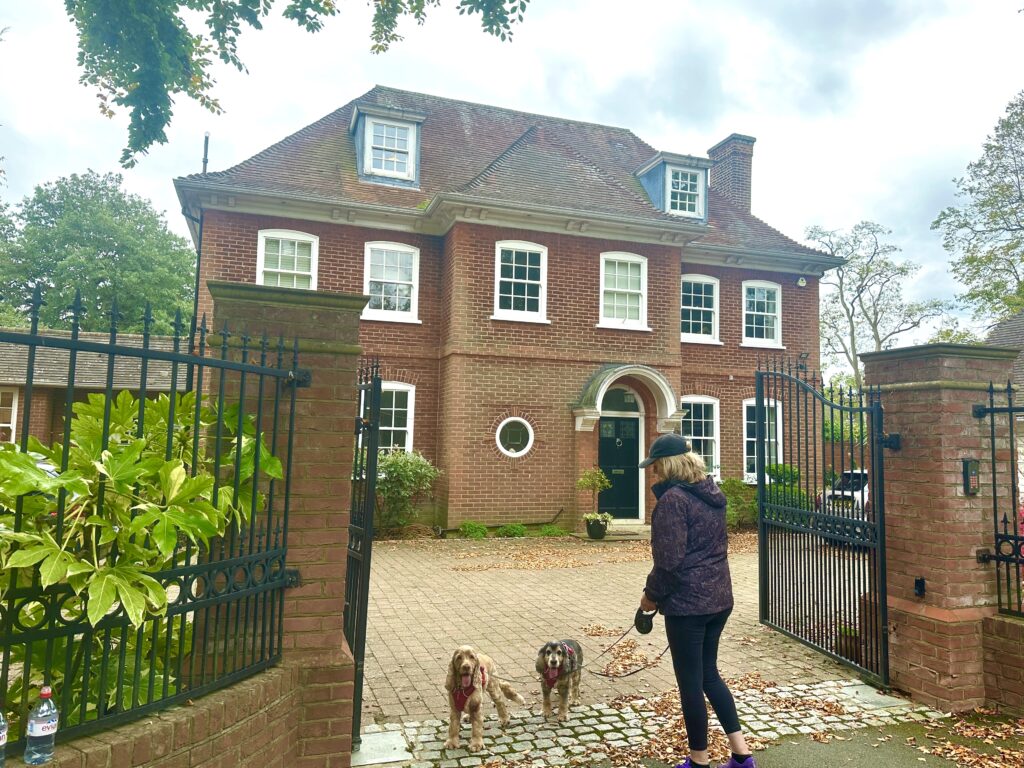
Housesitting Is About Trust, Not Just Saving Money
It is important to understand that housesitting is an exchange based on responsibility.
You are caring for someone’s home and often their much-loved pets.
It requires reliability, flexibility, and a genuine commitment to looking after things as if they were your own.
For the right traveller, it can be an incredible way to travel more slowly and experience Europe from a completely different perspective.
For us, it fits perfectly with the lifestyle we have created.
The Right Accommodation Supports the Way You Want to Travel
After years of travelling Europe, we have realised that accommodation is not just an expense to minimise.
It is part of the experience.
Sometimes the right choice is an apartment where we can settle into a village for a few weeks.
Sometimes it is a housesit that allows us to become part of a local community.
Sometimes it is simply choosing a location that makes everyday life easier and more enjoyable.
The goal is not to spend as little as possible.
The goal is to create a travel lifestyle that we can continue enjoying.
Our Lesson Learned
The best accommodation is not always the cheapest. It is the place that gives you comfort, connection, and the freedom to enjoy a destination at your own pace.
Food: One of the Greatest Joys of Slow Travel
Food is one of the areas where slow travel has completely changed the way we experience Europe.
When you’re travelling for a short holiday, it is easy to think about food as another expense to manage.
You have limited time, so you might eat out more often, choose restaurants close to major attractions, or simply try to fit in as many experiences as possible.
But when you are travelling for weeks or months at a time, food becomes part of everyday life.
And that is one of the things we love most.
We Don’t Eat Out Every Day — We Live Like Locals
One of the biggest misconceptions about long-term travel is that you have to sacrifice experiences to stay within a budget.
We have found the opposite.
Slow travel has allowed us to experience food in a completely different way.
Instead of only visiting restaurants, we shop where locals shop.
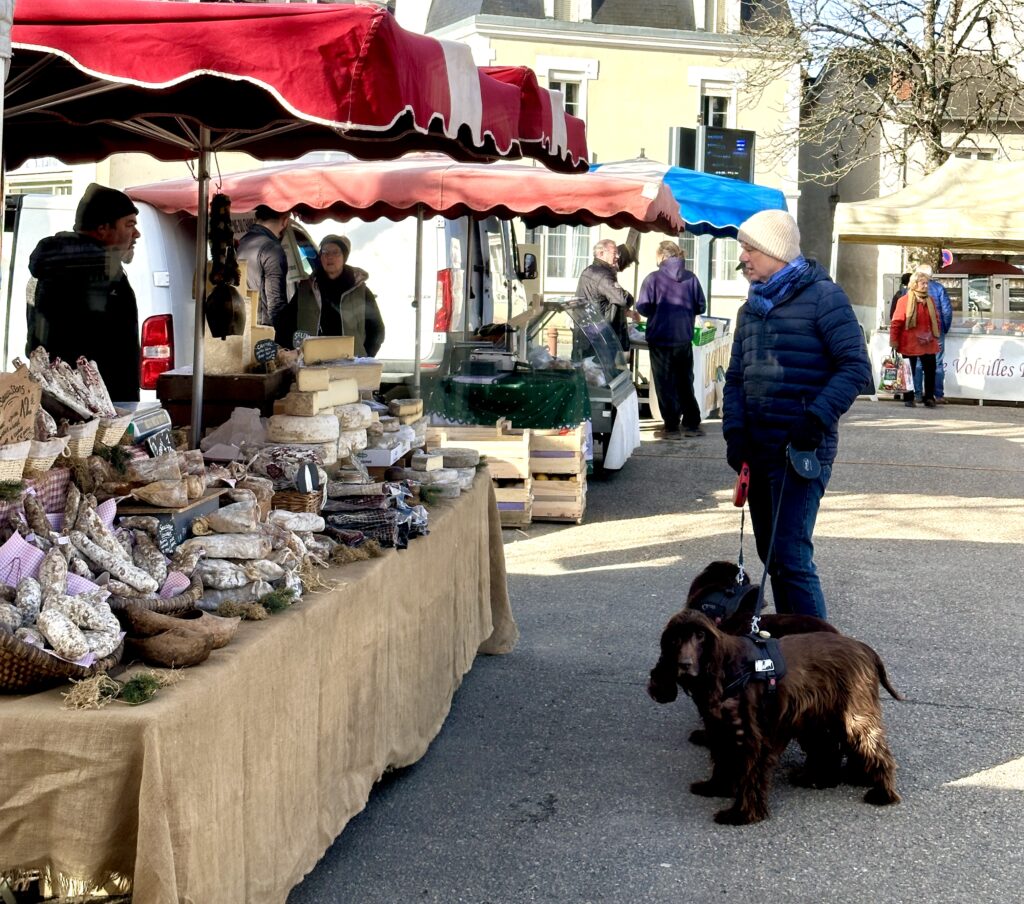
We visit markets.
We buy fresh bread, local cheeses, seasonal produce, and regional specialties.
We cook simple meals at home and enjoy the same ingredients that make each part of Europe unique.
These moments have become some of our favourite travel memories.
A morning wandering through an Italian market.
Fresh bread from the local bakery.
A coffee enjoyed slowly in a village square.
A simple meal made with ingredients bought that day.
These experiences often cost less than a restaurant meal, but they give us a much deeper connection to the place we are visiting.
We Still Love Memorable Meals
Saving money doesn’t mean saying no to the experiences that matter.
Some meals are worth making room for.
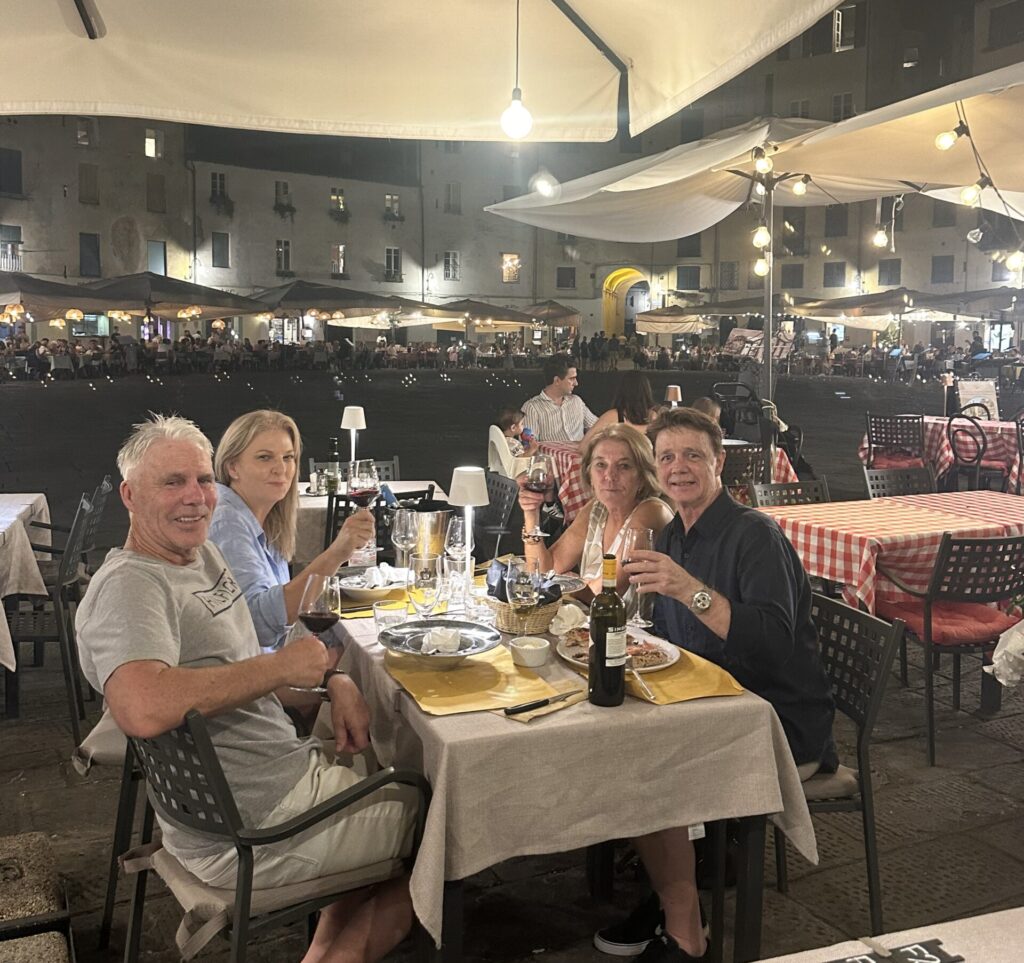
A family-run restaurant in Tuscany.
A special dinner overlooking a beautiful landscape.
A local dish we have always wanted to try.
A wine tasting that introduces us to the traditions of a region.
Those experiences become part of the story of a place.
The difference is that because we don’t spend heavily on every meal, we can appreciate those special moments even more.
Cooking Becomes Part of the Adventure
One unexpected joy of slow travel has been discovering that cooking can become part of the travel experience.
A kitchen in our accommodation gives us the opportunity to explore local ingredients and create a small piece of everyday life wherever we are.
We might visit a market, discover something new, and then return home to prepare a simple meal.
It feels less like cooking and more like participating in the culture around us.
Food becomes another way of understanding a destination.
Your Location Can Influence Your Food Budget
Where you stay can also make a big difference.
Staying in areas away from the busiest tourist streets often means discovering better value and more authentic food experiences.
Local cafés, family-run restaurants, and neighbourhood markets are often where some of the best memories are made.
Another reason we love staying longer is that we have time to find these places.
We don’t need to choose the first restaurant we see.
We can return to a favourite café.
Become familiar with the local bakery.
Find the places that make a town feel like home.
Food Is About More Than the Cost
After years of travelling Europe, we have learned that food is not simply something to budget for.
It is part of why we travel.
Yes, preparing some meals ourselves helps us manage our costs.
But more importantly, it allows us to experience Europe in a slower, more personal way.
The best food memories are not always the most expensive ones.
Sometimes they are the simplest.
A coffee shared in a quiet piazza.
A fresh pastry after a morning walk.
A picnic with local produce.
A meal prepared together after discovering ingredients at a village market.
These are the moments that make slow travel special.
Our Lesson Learned
Slow travel doesn’t mean spending less on food. It means experiencing food differently — enjoying local traditions, cooking with regional ingredients, and choosing the moments that are truly worth remembering.
The 90-Day Slow Travel Starter Kit
Before the book — get the free kit. Everything you need to understand the basics and start planning with confidence.
FREE DOWNLOAD
Transport: Moving Less, Experiencing More
Transport is one of the biggest expenses to consider when planning long-term travel in Europe.
But after years of travelling through Europe, we have learned that the biggest savings don’t always come from finding the cheapest ticket or the lowest car rental price.
Often, they come from simply moving less.
Slow travel has changed the way we think about getting around.
Instead of trying to see as many places as possible in a short amount of time, we focus on creating a journey that allows us to enjoy each destination properly.
Constant Movement Comes at a Cost
When people plan a traditional holiday, it is common to include several destinations in a short period.
A few days here.
A night or two there.
A quick trip across the country to see one more place.
When time is limited, that approach makes sense.
But over months of travel, constantly moving becomes expensive.
Every change of location can involve:
- transport costs
- accommodation changes
- booking fees
- fuel or transfers
- extra planning time
- the hidden cost of losing a day to travel
The more often you move, the more your budget can disappear into simply getting from one place to another.
We Prefer Bases Over Constant Travel
One of the biggest changes we made was learning the value of having a base.
Instead of packing up every few days, we prefer to stay somewhere longer and explore the surrounding area.
This allows us to experience a region more deeply while often reducing our overall costs.
A base gives us time to discover the places that many visitors miss.
A small village.
A local restaurant.
A walking trail.
A market we return to every week.
These are the experiences that usually happen when you stop rushing.
Choosing Between Trains, Cars, and Flights
Europe has many wonderful transport options, and the best choice depends on where you are travelling and what experience you want.
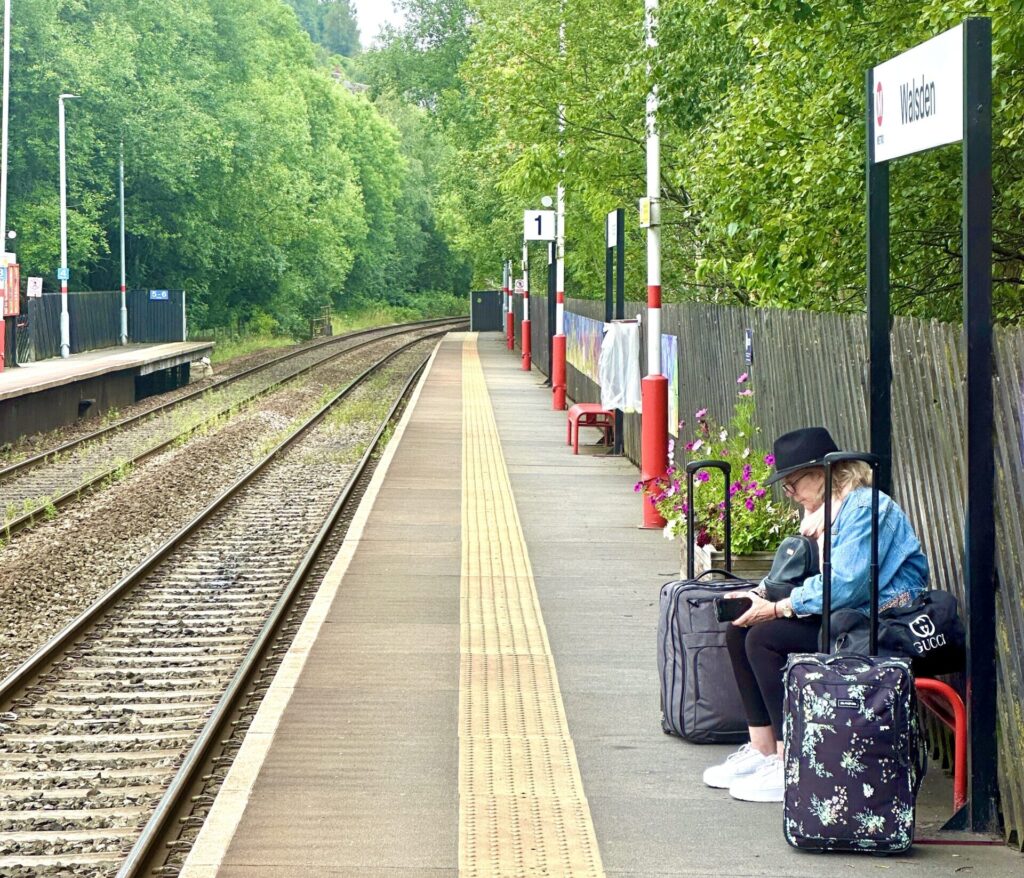
For some journeys, trains are the perfect option.
They allow you to relax, enjoy the scenery, and arrive directly into many city centres.
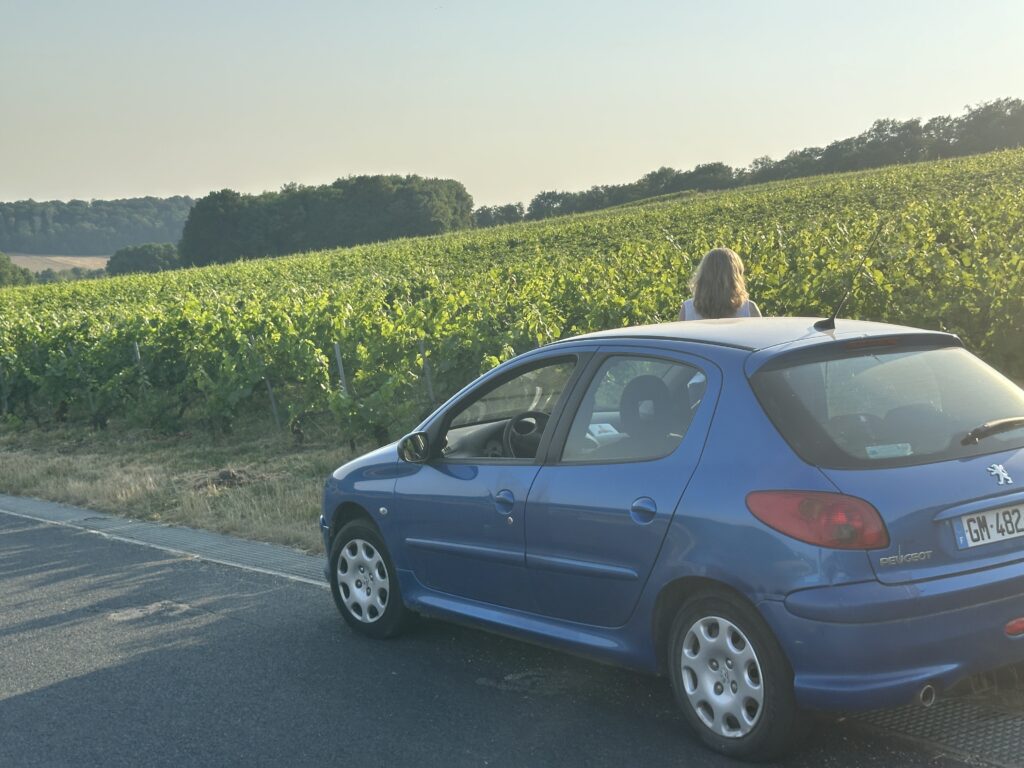
For others, especially in rural areas like Tuscany, having a car gives you the freedom to explore small villages, countryside roads, and places that are difficult to reach by public transport.
We have found that the best approach is not choosing one method for every trip.
It is choosing the right option for the destination.
Our Car Is About Freedom, Not Speed
When we drive through Europe, the goal is rarely to cover huge distances as quickly as possible.
We love the freedom a car provides.
It allows us to stop at a village we weren’t expecting to visit.
Take a scenic road.
Discover a local market.
Spend an afternoon somewhere simply because it looks interesting.
The car becomes part of the experience rather than just a way to get somewhere.
Slow Travel Reduces Transport Pressure
One of the greatest benefits of travelling slowly is that you don’t feel like you have to chase every destination.
You can say:
“We’ll come back another time.”
You can spend longer in one region.
You can choose quality over quantity.
And that doesn’t mean you experience less.
In many ways, you experience much more.
You notice the details.
You remember the places.
You create connections.
The Best Journey Isn’t Always the Fastest
Over time, we have learned that the fastest way between two places isn’t always the best way to travel.
Sometimes the scenic route creates the best memories.
Sometimes staying another week creates a deeper experience than adding another destination.
Sometimes the places we almost skipped become the places we remember most.
Our Lesson Learned
Travelling slowly doesn’t mean missing out. It means spending less time getting somewhere and more time experiencing where you are.
Travel Insurance: The Expense We Never Skip
When people are planning a long-term trip, travel insurance is often one of the expenses they hope they can reduce or avoid.
We understand why.
When you are looking at flights, accommodation, food, and experiences, insurance can feel like another cost added to the list.
But after years of travelling through Europe, it is one expense we would never remove from our budget.
For us, travel insurance is not about expecting something to go wrong.
It is about having peace of mind so we can enjoy the journey without constantly worrying about the unexpected.
Long-Term Travel Requires Different Thinking
A short holiday and a long-term travel lifestyle are very different.
When you are away for several months, there are more things to consider.
Medical emergencies.
Unexpected changes.
Lost belongings.
Travel disruptions.
The longer you are away from home, the more important it becomes to have protection in place.
The goal is not to spend your trip thinking about everything that could happen.
The goal is knowing you have a plan if something does.
It Is Part of Our Travel Budget
When we plan the cost of long-term travel, insurance is included from the beginning.
We don’t think of it as an optional extra.
We see it as part of the investment that allows us to travel with confidence.
Just like accommodation, transport, and food, it is one of the practical parts of creating a sustainable travel lifestyle.
The Cheapest Option Isn’t Always the Best Option
As with accommodation, we have learned that choosing the cheapest option is not always the best decision.
The most important thing is understanding what coverage you need for your own situation.
Different travellers will have different requirements depending on:
- how long they are travelling
- where they are travelling
- their planned activities
- their personal circumstances
Taking the time to understand the policy is just as important as comparing the price.
Peace of Mind Has Value
One of the greatest benefits of slow travel is being able to relax and enjoy where you are.
The last thing you want is to spend your journey worrying about what might happen if something unexpected occurs.
Having insurance gives us confidence to explore, drive through unfamiliar places, try new experiences, and enjoy the freedom that comes with travelling for longer.
It is one of those things you hope you never need.
But if you do need it, you will be very glad you have it.
The Costs We Choose to Prioritise
Long-term travel is about making choices.
There are areas where we naturally save money.
There are areas where we spend a little more because they improve our experience.
Travel insurance falls into the second category.
It is not the most exciting part of planning a European adventure.
But it is one of the decisions that allows us to travel with greater confidence.
Our Lesson Learned
Some expenses help you create experiences. Others protect those experiences. Travel insurance is one of the investments that allows you to enjoy the journey with greater peace of mind.
Read Our Full Guide On
How We Actually Travel Europe Long-Term (Our Simple System Explained)

Experiences: Choosing Quality Over Quantity
One of the biggest changes slow travel has made to the way we spend money is how we think about experiences.
When you only have a short holiday, there can be a feeling that you need to do everything.
Every attraction.
Every tour.
Every famous sight.
Every recommended restaurant.
And we completely understand that feeling.
When time is limited, you want to make the most of every moment.
But when you are travelling for longer, your approach naturally changes.
You no longer feel the need to collect experiences.
Instead, you start choosing the ones that genuinely matter to you.
We Spend Money on Moments We Will Remember
For us, the best experiences are the ones that create a connection with a place.
A wine tasting at a small Tuscan vineyard.
A cooking class learning about local traditions.
A memorable meal in a family-run restaurant.
A scenic drive through the countryside.
A special museum or cultural experience.
These moments may cost more than a simple day exploring on foot, but they often become the memories we talk about years later.
Not Every Great Experience Costs Money
One of the beautiful things about slow travel is discovering that some of the best experiences are completely free.
A morning walk through a historic town.
Watching the sunset from a village viewpoint.
Exploring a local market.
Sitting in a piazza with a coffee.
Driving through the countryside with no particular destination.
Some of our favourite European memories have come from simple moments that didn’t cost anything at all.
Slow travel gives you the time to notice these experiences.
We Choose Depth Over Checking Boxes
When we first travelled through Europe, like many people, we wanted to see as much as possible.
There is something exciting about visiting famous destinations and ticking places off your list.
But over time, we discovered that our favourite memories often came from staying longer and looking deeper.
Instead of visiting a region for one day, we can spend weeks discovering what makes it special.
We can return to places.
Learn the rhythm of an area.
Find the restaurants, walks, and viewpoints that don’t always appear on a typical itinerary.
That deeper connection is worth far more to us than simply visiting more places.
Experiences Are Part of the Budget
When we plan our travel expenses, experiences are not something we add at the end if there is money left over.
They are part of the journey from the beginning.
The difference is that we choose carefully.
We would rather have one meaningful experience that we remember for years than several activities that we quickly forget.
For us, the goal is not to spend more.
It is to spend better.
The Best Memories Are Usually the Ones You Didn’t Plan
Some of our favourite travel moments have happened unexpectedly.
A conversation with a local.
Finding a small restaurant while wandering through a village.
Stopping somewhere because a road looked interesting.
Discovering a place we had never heard of.
This is one of the greatest gifts of slow travel.
When you are not rushing, you leave room for these moments to happen.
Our Lesson Learned
The value of an experience isn’t measured by the price. It is measured by the memories, people you meet, and stories you carry with you.
Before the book — get the free kit. Everything you need to understand the basics and start planning with confidence.
Your First Step Towards Long-Term Travel in Europe
The moment everything changed was when we booked a place for a month instead of a week and discovered we were paying half the nightly rate. By the second week, the neighbour had invited us in for a drink, we knew the shortcut to the market, and we were, briefly and genuinely, part of the street.
The 90-Day Slow Travel Starter Kit
The Small Costs That Add Up
When people plan a long-term trip through Europe, they usually think about the big expenses first.
Accommodation.
Transport.
Food.
Flights.
Experiences.
And those are certainly the areas that shape your overall budget.
But there are also many smaller costs that can quietly add up over weeks and months.
None of them are significant on their own.
A coffee here.
A local bus there.
A few euros for laundry.
A small purchase you didn’t plan on making.
But when you are travelling for a longer period, these everyday expenses become part of the bigger picture.
Everyday Life Still Has Everyday Costs
One of the things we love about slow travel is that it feels more like living than taking a holiday.
But that also means we experience the normal costs of everyday life.
Things like:
- laundry
- mobile phone plans
- groceries
- local transport
- occasional parking fees
- entrance fees
- replacing travel items
- small comforts along the way
These aren’t exciting things to plan for, but including them in your budget helps create a more realistic picture of long-term travel.
The Little Moments Matter Too
The interesting thing is that many of these small expenses are actually part of what makes travel enjoyable.
A coffee at a local café.
A pastry from the bakery.
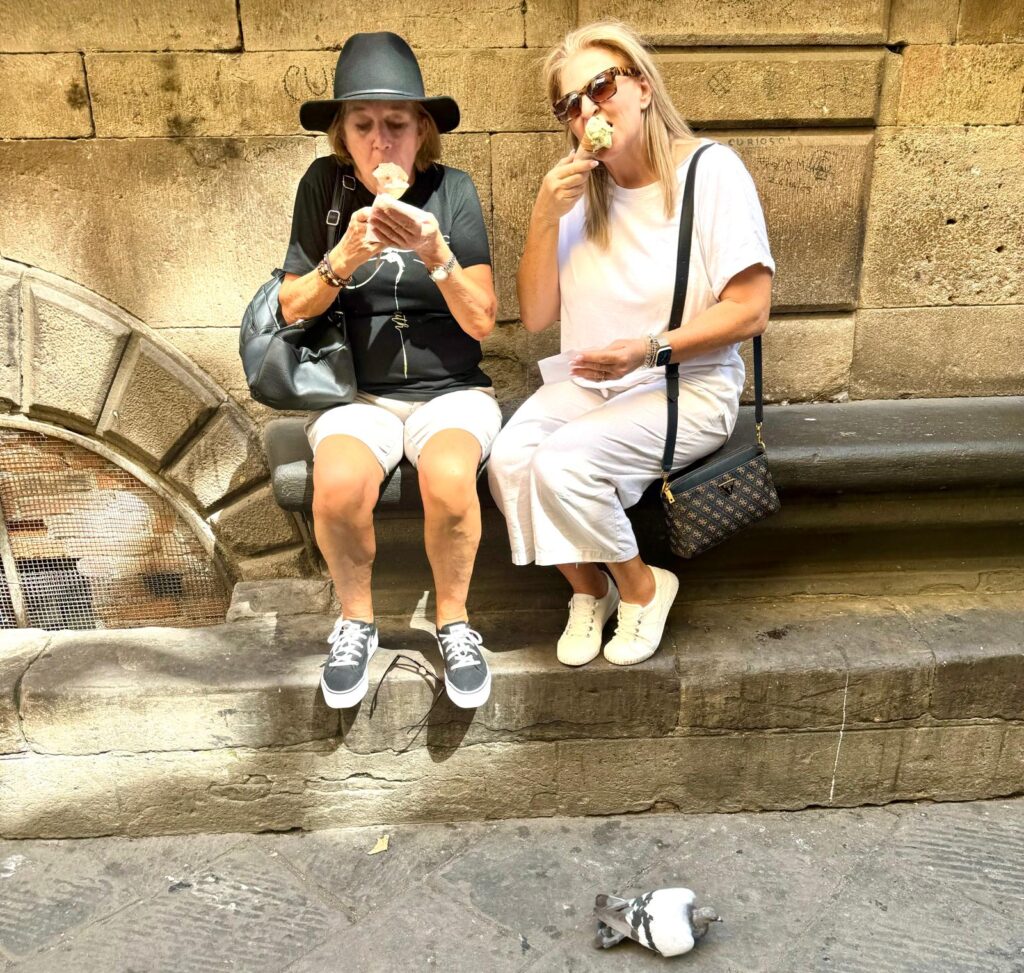
A gelato while walking through an Italian town.
A glass of wine while watching the evening unfold.
These moments may seem small, but they are often the experiences that make a place memorable.
We don’t want to remove all the little pleasures from our travels just to save a few euros.
For us, that would miss the point.
We Pay Attention Without Feeling Restricted
One of the biggest lessons we have learned is the difference between being mindful and being restrictive.
Being mindful means understanding where your money goes.
It means noticing your habits.
It means making choices that support the kind of travel lifestyle you want.
Being restrictive means constantly thinking about what you cannot do.
That is not how we want to travel.
We would rather make thoughtful choices in some areas so we have the freedom to enjoy the moments that matter.
Planning Helps Avoid Surprises
The small costs are also where a little preparation can make a big difference.
Before travelling, we think about the practical details:
How will we get around locally?
Will we need public transport or a car?
Are there additional accommodation costs?
How often will we eat out?
Are there experiences we already know we want to include?
Having a general idea helps us feel prepared without needing to plan every single day.
The Real Cost of Travel Is More Than a Number
After years of travelling Europe, we have learned that a travel budget is not just a spreadsheet.
It represents choices.
It represents priorities.
It represents the type of experience you want to create.
Some people will happily spend more on restaurants.
Others may prioritise unique experiences.
Some may choose more comfortable accommodation.
Others may prefer to travel for longer.
There is no single correct way.
The important thing is understanding your own priorities and building a budget around them.
Our Lesson Learned
The small costs of travel are not always things to avoid. They are often the little moments that become part of the story. The key is knowing what matters most to you.

How We Plan Our Monthly Travel Budget
One of the questions we are asked most often is:
“How do you actually plan your budget when travelling through Europe for months at a time?”
The truth is, we don’t approach it by trying to predict every single euro we will spend.
Travel is too unpredictable for that.
Prices change.
Plans change.
Unexpected opportunities appear.
Instead, we focus on creating a realistic framework that gives us confidence while still allowing room for flexibility.
For us, a travel budget is not about restricting our experience.
It is about creating the freedom to continue travelling.
We Start With the Big Picture
Before we begin a longer trip, we think about the overall journey first.
Where are we going?
How long will we stay?
What type of accommodation will suit that destination?
Will we need a car?
Are there particular experiences we want to include?
These decisions influence the budget far more than small daily expenses.
A few coffees or a meal out occasionally will not usually determine whether a trip is affordable.
The bigger choices make the biggest difference.
We Plan Around Seasons
One of the biggest advantages of slow travel is the ability to be flexible with timing.
Travelling outside the busiest periods can often make a significant difference.
Popular destinations during peak summer months can be much more expensive, while the same places may feel completely different in the shoulder seasons.
We love travelling when places are less crowded.
There is often a more relaxed atmosphere, better availability, and more opportunity to experience everyday life.
For us, choosing the right time to visit a place is just as important as choosing the place itself.
We Choose Destinations Carefully
Not every destination has the same cost of living.
One of the benefits of spending longer in Europe is that you have choices.
You can balance more expensive destinations with places that offer better value.
You can choose a smaller town instead of a major tourist centre.
You can stay outside the busiest areas and explore from a comfortable base.
Sometimes the best experiences come from places we originally knew very little about.
We Give Ourselves Flexibility
One of the biggest mistakes people make when planning long-term travel is creating a schedule that is too rigid.
When every day and every expense is planned months in advance, there is little room for the unexpected.
But some of our favourite experiences have come from being flexible.
Staying an extra few days because we love a place.
Changing plans because we discover something new.
Accepting an invitation or opportunity that wasn’t originally on our itinerary.
A little flexibility often leads to better experiences.
We Know What Matters Most to Us
Everyone’s travel budget will look different because everyone values different things.
For us, we are happy to spend money on:
- comfortable accommodation for longer stays
- memorable meals
- unique experiences
- exploring regions we love
But we are less interested in:
- constantly upgrading accommodation
- rushing between destinations
- paying for things that don’t add real value to our experience
Understanding our priorities makes budgeting much easier.
We Don’t Try to Have the Perfect Budget
After years of travelling Europe, we have learned that there is no perfect number.
There will always be unexpected expenses.
There will always be moments when you spend more than planned.
There will always be opportunities that are worth saying yes to.
The goal is not perfection.
The goal is creating a system that gives you confidence and allows you to enjoy the journey.
Our Lesson Learned
A good travel budget isn’t about controlling every expense. It is about making intentional choices that allow you to travel longer, experience more, and enjoy the freedom you created.

Why Flexibility Saves Us Money
One of the biggest advantages of slow travel is having the ability to adapt.
When you are travelling for a short holiday, every day is precious. You often need to book ahead, follow a schedule, and make decisions quickly.
But when you have more time, you gain something incredibly valuable:
choice.
And that choice can often help you create a more affordable and enjoyable journey.
Time Gives You More Options
When you are not rushing, you don’t have to make every decision based on convenience.
You can take the time to compare options.
You can wait for better accommodation opportunities.
You can choose a destination based on value rather than simply following the busiest travel season.
You can stay longer in places where you feel comfortable instead of constantly paying the cost of moving.
Time gives you flexibility, and flexibility often leads to better decisions.
We Can Follow Opportunities
Some of our favourite travel experiences have happened because we were open to changing our plans.
A destination we originally hadn’t considered.
An opportunity to stay somewhere longer.
A housesitting opportunity in a place we wanted to experience.
A road trip that allowed us to discover towns and regions we may otherwise have missed.
When you are travelling slowly, you leave room for these opportunities.
And sometimes the best decisions are the ones you didn’t plan months in advance.
Travelling Outside Peak Times
Flexibility with timing is one of the biggest ways slow travel can help your budget.
Being able to travel during shoulder seasons often means:
- fewer crowds
- more accommodation choices
- a more relaxed experience
- better value in many destinations
Europe changes throughout the year.
A town that feels overwhelming in July can feel completely different in spring or autumn.
For us, experiencing places when they are calmer is not only better for our budget — it is often a much more enjoyable way to travel.
Staying Longer Creates Better Value
Flexibility also allows us to stay longer when we find somewhere we love.
Instead of thinking:
“We need to leave because it is the next destination on our list,”
we can ask:
“Would we enjoy this place more if we stayed another week?”
Often the answer is yes.
And staying longer can mean:
- fewer transport costs
- better accommodation value
- more time to discover local places
- less pressure to constantly spend money on activities
Sometimes doing less creates a richer experience.
Flexibility Doesn’t Mean No Planning
It is important to say that flexibility does not mean travelling without a plan.
We still research destinations.
We still think carefully about timing.
We still make decisions based on our budget and priorities.
The difference is that we leave enough room for life to happen.
A plan should support your journey, not control it.
The Freedom to Choose Is Worth More Than Saving Every Euro
After years of travelling Europe, we have learned that flexibility is one of the greatest benefits of slow travel.
It allows us to make better choices.
It helps us avoid unnecessary expenses.
And most importantly, it allows us to enjoy the journey rather than constantly rushing toward the next destination.
Our Lesson Learned
Flexibility is one of the greatest advantages of long-term travel. Having more time gives you more choices, and those choices often lead to better experiences and smarter spending.

Our Best Budgeting Lessons After Years in Europe
After years of travelling through Europe, we have learned that creating a sustainable travel lifestyle is less about finding the cheapest way to travel and more about understanding what truly matters to you.
When we first started thinking about long-term travel, we thought the biggest challenge would be money.
Over time, we realised the bigger challenge was learning how to make intentional choices.
Where do we want to spend?
Where can we simplify?
What experiences are worth prioritising?
What kind of travel lifestyle do we actually want?
Those questions have shaped the way we travel today.
Slow Travel Is About Value, Not Just Cost
The cheapest option is not always the best option.
A cheaper accommodation far from everything may mean spending more on transport.
A cheaper experience may not create the memories you hoped for.
A faster itinerary may allow you to see more places, but it can also leave you feeling exhausted.
We have learned to look beyond the price tag.
We ask:
“Will this choice make our experience better?”
Sometimes the answer is yes, and it is worth spending more.
Sometimes the answer is no, and we happily choose a simpler option.
Spend Money on What You Love
One of the greatest advantages of knowing your travel style is that you can focus your budget on the things that matter most.
For us, that means:
- staying longer in places we love
- enjoying local food experiences
- exploring regions slowly
- creating meaningful memories
For someone else, the priorities may be completely different.
They may value luxury accommodation.
They may love adventure activities.
They may prefer visiting more destinations.
There is no single perfect travel budget.
The important thing is creating one that matches your own version of an ideal journey.
Avoid the Cost of Constant Rushing
One of the biggest financial lessons we have learned is that moving quickly often costs more.
Every extra destination can mean:
- more transport
- more planning
- more accommodation changes
- more time spent organising instead of experiencing
Slow travel naturally reduces some of those costs because the journey itself becomes simpler.
Instead of constantly asking:
“Where are we going next?”
we have learned to ask:
“How can we enjoy where we are right now?”
Build Flexibility Into Your Plans
A good travel budget needs room to breathe.
Unexpected opportunities will appear.
Plans will change.
Prices will vary.
Sometimes you will discover a place you love and want to stay longer.
Sometimes you will realise a destination is not right for you and change direction.
Having flexibility allows you to make better decisions without feeling like one change will ruin your entire plan.
Don’t Forget the Reason You Are Travelling
Perhaps the biggest lesson we have learned is that travel is not just about managing expenses.
It is about creating a life filled with experiences that matter.
A beautiful view.
A conversation with a local.
A meal shared together.
A quiet morning in a European village.
A place that feels familiar even though you are thousands of kilometres from home.
Those moments are the reason we choose this lifestyle.
Our Final Budgeting Advice
If you are dreaming about long-term travel through Europe, don’t start by asking:
“Can we afford everything?”
Start by asking:
“What kind of experience do we want to create?”
Once you understand that, the budgeting decisions become much clearer.
You may discover that some things matter less than you thought.
And other things become worth making room for.
Our Lesson Learned
Long-term travel is not about having unlimited money. It is about understanding your priorities, making thoughtful choices, and creating a lifestyle that allows you to experience more of what you love.
Start Your Slow Travel Journey With Our FREE 90-Day Slow Travel Starter Kit
After sharing the real costs of slow travel, we know there is probably one question still on your mind:
“Where do I actually begin?”
That is exactly how we felt when we first started exploring the idea of spending more time in Europe.
The dream was exciting, but there were so many things to consider.
Where should we go?
How long should we stay?
How do we plan around seasons?
How do we make this lifestyle work in a realistic way?
Over time, we learned that the biggest step was not having every answer.
It was simply starting to ask the right questions.
The Resource We Wish We Had at the Beginning
Our FREE 90-Day Slow Travel Starter Kit was created to help you begin thinking about your own journey.
It brings together the lessons we have learned from years of travelling Europe slowly and creating a lifestyle built around more freedom, flexibility, and meaningful experiences.
It is not a checklist telling you there is only one way to travel.
There isn’t.
Everyone’s journey will look different.
Instead, it is designed to help you think through the practical decisions that turn a travel dream into a realistic possibility.
Inside the FREE 90-Day Slow Travel Starter Kit, You’ll Discover:
✓ How to start planning a longer European adventure
✓ Important questions to ask before choosing destinations
✓ How to think about seasons, timing, and travel pace
✓ Ways to create a more sustainable travel lifestyle
✓ Practical ideas to help you take the first steps
✓ The mindset shifts that helped us change the way we experience Europe
Your Journey Starts With One Decision
One thing we have learned is that most people don’t begin because they have everything perfectly planned.
They begin because they allow themselves to imagine what could be possible.
That first step might be downloading a guide.
It might be researching a destination.
It might be having a conversation over coffee about a dream you’ve had for years.
Small steps create momentum.
And sometimes the biggest adventures begin with a simple decision to explore what might be possible.
Download our FREE 90-Day Slow Travel Starter Kit and start planning the European adventure you’ve been dreaming about.
☕ Over Coffee with Sally & Gary
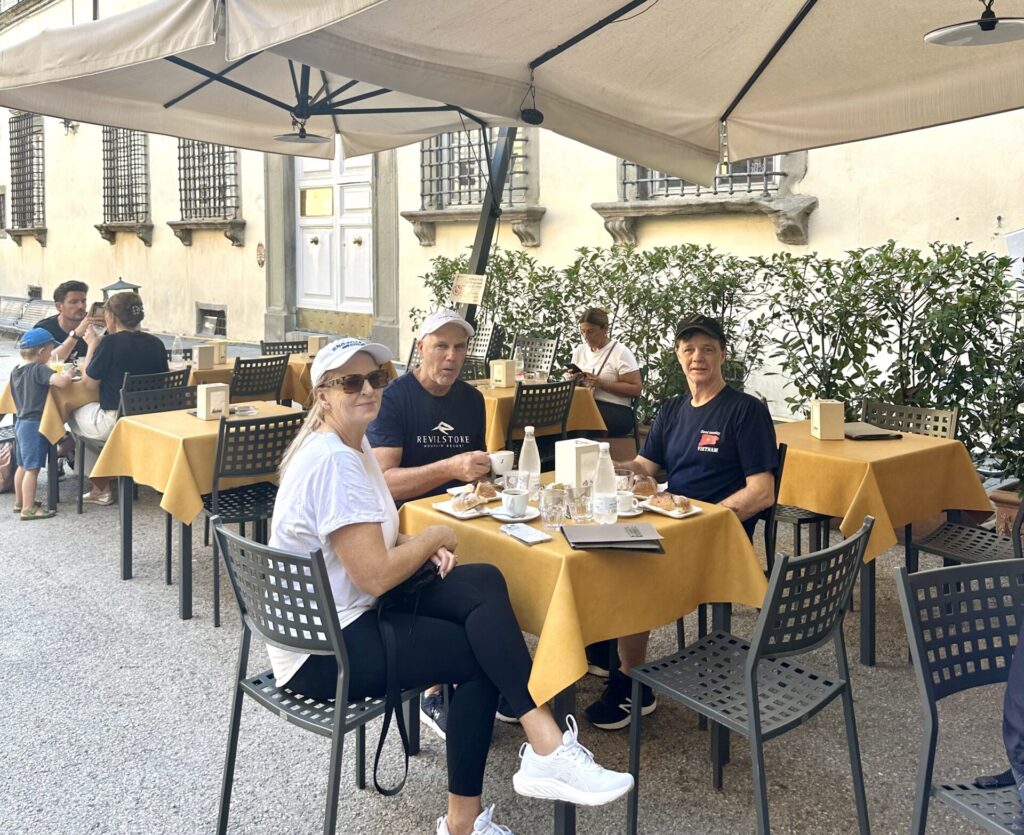
If we were sitting together over a coffee somewhere in Europe, talking about long-term travel, we would probably tell you this:
The question we hear most often is:
“How did you actually make this happen?”
And the truth is, there wasn’t one big moment where everything changed.
There was no magic formula.
No perfect time.
No point where we suddenly had every answer.
It happened slowly.
One decision at a time.
We learned that long-term travel is not just about money.
It is about deciding what matters most.
For us, it became about choosing experiences over possessions.
Time over rushing.
Connection over simply collecting destinations.
A slower pace over constantly trying to fit more in.
We also understand that this lifestyle is not everyone’s dream.
Some people love short holidays.
Some people enjoy returning home after a few weeks away.
Some people prefer having one place they call home.
And that is wonderful.
Travel should never be about following someone else’s version of the perfect life.
It should be about discovering what feels right for you.
But if you have ever looked at a map of Europe and wondered:
“What would it feel like to stay longer?”
We hope our story encourages you to explore that possibility.
You don’t need to plan the next ten years.
You don’t need every detail figured out.
You simply need to start.
Because the greatest journeys often begin with one simple question:
“What if?”
Ready to Turn Your Dream Into a Plan?
Inside you’ll discover:
 The first planning steps
Understanding the Schengen Rule
How we choose where to stay
Practical slow travel tips
 Download Your FREE Starter Kit
Want to Go Even Further?
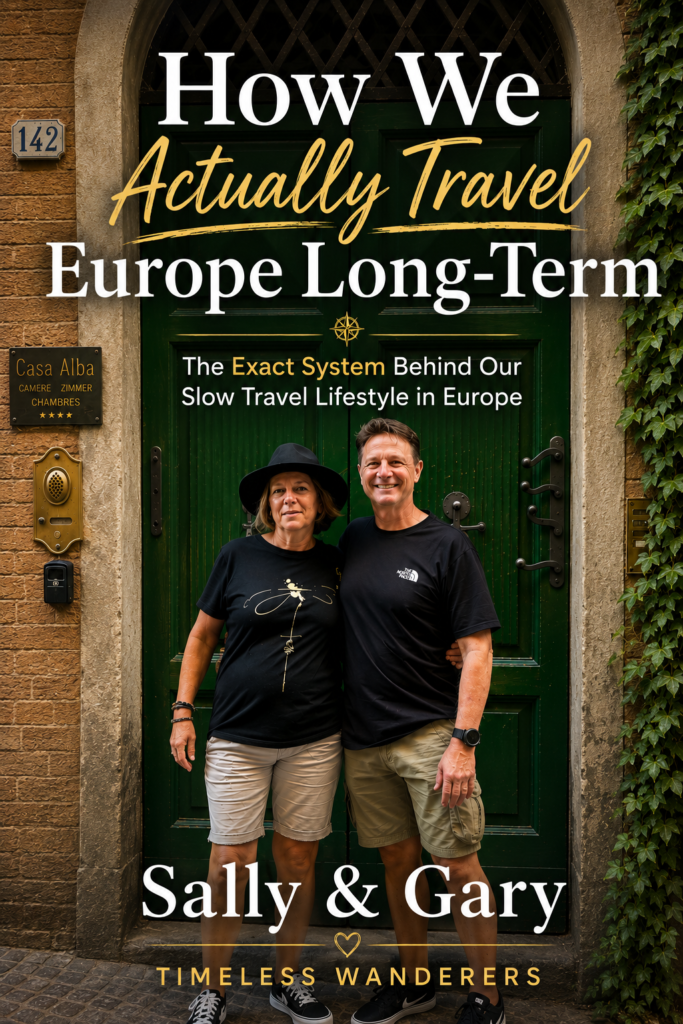
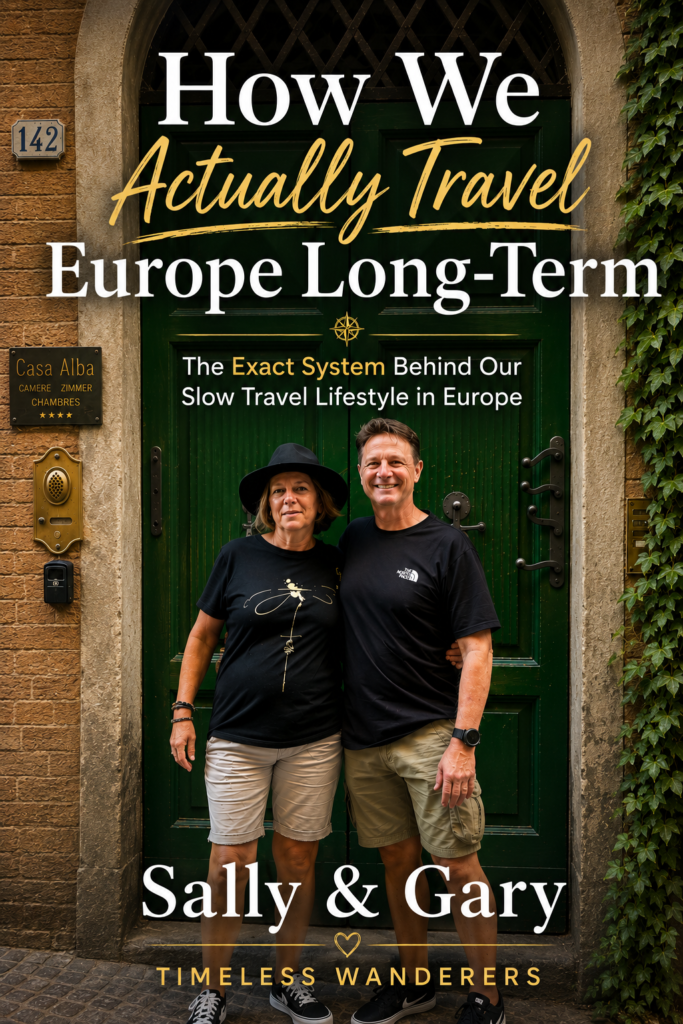
If you’d like to learn the complete system we’ve developed after years of travelling Europe full-time, take a look at our new book.
 How We Actually Travel Europe Long-Term
Discover the Book
Our Final Thought
The real cost of slow travel is not just measured in money.
It is measured in time.
The time to enjoy a morning coffee without rushing.
The time to return to a favourite café.
The time to know a place beyond the famous sights.
The time to create memories that stay with you long after you leave.
For us, that is what makes slow travel so valuable.
Europe is not a destination to complete.
It is a story to experience.
Until next time…
Happy travels,
Sally & Gary
Timeless Wanderers
Want to See the Complete System?
This article gives you an overview of the philosophy behind how we travel.
But if you’d like to see exactly how we put it into practice—from planning our year and managing the Schengen Rule to choosing accommodation, housesitting, budgeting and building a sustainable travel lifestyle—we’ve shared it all in our ebook:
How We Actually Travel Europe Long-Term
The Simple System Behind Our Slow Travel Lifestyle
Learn more about the book here.
Before the book — get the free kit. Everything you need to understand the basics and start planning with confidence.
Europe looks complicated from the outside.
The Schengen rules. The visa questions. The accommodation puzzle. Where to base yourself, how long to stay, how to make the money work. The more you look into it, the more it seems like something that requires months of research and a perfect plan before you can even think about leaving.
The 90-Day Slow Travel Starter Kit
Every long-term traveller remembers the day they finally decided to go.
We hope this is yours.
See you somewhere in Europe.
PLAN YOUR ADVENTURE
These are our favorite companies we use when planning a trip, they consistently have the best prices, great customer service, and overall, are better than their competitors.
BOOK YOUR FLIGHT – Going is a great search engine if you are flexible about your travel destination and dates. Sign up for their newsletter and get the latest deals on destinations around the world. GOING is our new go to.
TRAVEL OPTIONS
CAR RENTAL – We recommend using DISCOVER CARS when booking a RENTAL CARS, they work with hundreds of companies worldwide to help you find the best car for your needs.
TRAINS – TRAINLINE – is our favorite, this site is very reliable and easy to use.
BUS – OMIO – this website allows you to book train or bus tickets to travel from city to city the best and cheapest way. FLIXBUS is another terrific website with routes between 20 European countries.
ACCOMMODATIONS
BOOKING.com – is our go to for hotel searches around the world, we find they always have the cheapest rates and offer different payment options. In addition, VRBO is another terrific website for all types of accommodations.
HOSTELWORLD – is great if you’re traveling on a budget, and if you need a cheap place to stay.
TRAVEL INSURANCE
SAFETY WING – offer some of the most competitive and affordable plans tailored for your needs. SAFETY WING cover travellers from over 140 countries and make it easy to buy, extend and claim, even while travelling.
Check out our RESOURCE PAGE for more additional planning.