
How to Travel Europe Without a Car (Trains, Buses & Tips)
Timeless Wanderers: Posted April 12, 2026
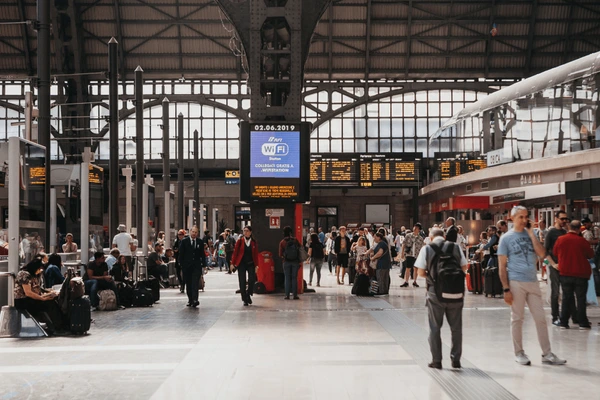
One of the biggest questions people have when planning long-term travel in Europe is:
👉 “Do we need a car?”
And it’s a fair question.
Because when you picture travelling through Europe — small towns, countryside stays, coastal villages — it can feel like having a car is essential.
We used to think the same.
On shorter trips, renting a car often felt like the easiest option.
More freedom.
More flexibility.
More control over where we went and when.
But when you start travelling for longer…
Things change.
Car rentals become expensive.
Parking becomes a hassle.
And navigating unfamiliar roads in different countries can quickly turn from exciting to exhausting.
That’s when we realised something important:
👉 You don’t actually need a car to travel through most of Europe.
In fact, in many cases, it’s easier without one.
With an extensive train network, reliable buses, and well-connected cities and towns, getting around Europe can be surprisingly simple.
In this guide, we’ll show you:
how to travel across Europe without a car
the best ways to get from place to place
and how to do it in a way that’s both affordable and stress-free
So instead of worrying about logistics…
👉 You can focus on enjoying the journey.
Table of Contents
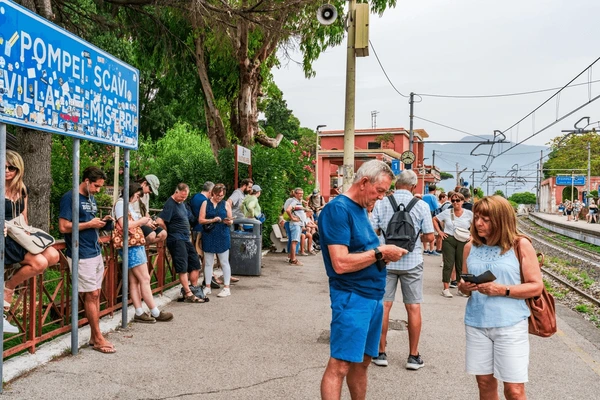
The Best Ways to Travel Around Europe Without a Car
Travelling around Europe without a car is not only possible — in many cases, it’s the easiest way to do it.
The key is knowing your options and using the right one for each type of journey.
👉 You don’t need just one method — most travellers use a mix.
Trains (The Easiest & Most Popular Option)
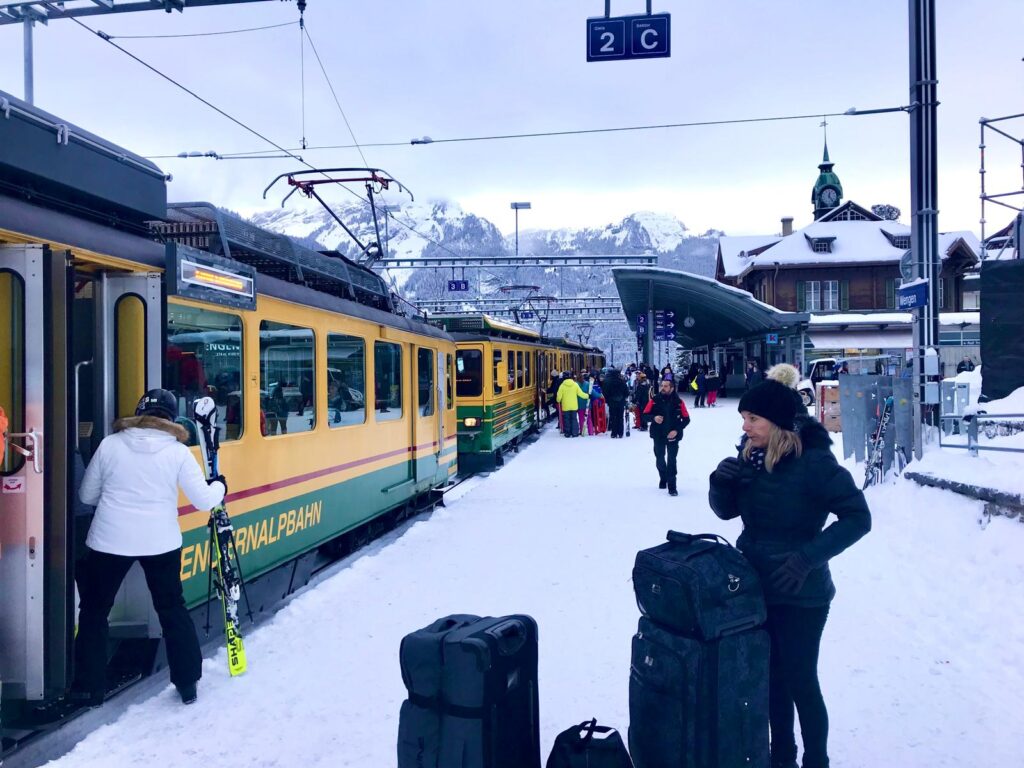
Train travel in Europe is one of the best ways to get around.
It’s:
comfortable
reliable
and often very scenic
You can travel between major cities — and even smaller towns — without needing to worry about traffic, parking, or navigation.
👉 For many routes, trains are the simplest and most stress-free choice.
They’re especially good for:
city-to-city travel
medium distances (1–5 hours)
relaxed, scenic journeys
Buses (Budget-Friendly & Underrated)
Buses are often overlooked — but they can be a great option.
They’re usually:
cheaper than trains
well-connected between cities
and surprisingly comfortable on longer routes
If you’re travelling on a budget, buses can save you a lot.
They work well for:
longer distances
less touristy routes
and flexible travel plans
Budget Flights (Best for Long Distances)
For longer distances, flying can sometimes be the most practical option.
Especially if you’re moving between:
different regions
or countries that are far apart
Budget airlines in Europe are:
frequent
competitive in price
and easy to book
👉 Just be mindful of extra costs (bags, transfers, etc.)
Local Transport (Getting Around Once You Arrive)
Once you’re in a destination, you’ll usually rely on:
buses
trams
metro systems
or simply walking
Most European cities and towns are:
well-connected
easy to navigate
and designed for public transport
👉 In many places, you won’t miss having a car at all.
A Simple Way to Think About It
Instead of asking:
👉 “What’s the best way to travel Europe?”
Think:
👉 “What’s the best option for this part of the journey?”
Train for comfort
Bus for budget
Flight for distance
👉 Mix and match — that’s what works best.
We can help you plan your dream trip to Tuscany, with a personalised itinerary designed just for you.
After more than 20 years of travelling to Tuscany—and loving it so much we decided to make it our home—we now live here and explore the region at a relaxed, local pace.
Planning a trip to Tuscany is exciting, but choosing where to go, how long to stay, and how to get around can quickly become overwhelming.
That’s where we come in.
We offer a personalised planning service that helps you decide exactly how to explore Tuscany, based on your travel style, budget, and pace.
Plus, we can help you plan scenic drives, time in hilltop towns, food and wine experiences, and those small local moments that make a trip truly special—making your Tuscany holiday easier, smoother, and full of memories you’ll treasure long after you return home.
“Let us plan your perfect trip with a custom itinerary designed just for you. Fill out the form and let’s begin.”


How to Plan Your Routes (Without Overcomplicating It)
Once you know how to get around Europe, the next question is:
👉 “How do we actually plan where to go?”
And this is where many people get stuck.
Trying to map out every stop…
Every connection…
Every detail of the journey.
But here’s the truth:
👉 You don’t need to plan everything in advance.
Start With Just One Destination
Instead of building a full itinerary, start simple.
Choose:
your first destination
how you’ll get there
and where you’ll stay
👉 That’s it.
Once you arrive, everything becomes clearer.
Think in Simple Routes
Rather than jumping across the map, try to move in a logical direction.
For example:
one region at a time
neighbouring cities or countries
routes that naturally connect
👉 This reduces travel time, cost, and stress.
Don’t Try to See Everything
It’s tempting to fit in as much as possible.
But more destinations usually means:
more transport costs
more time moving
and less time enjoying where you are
👉 Slower routes almost always work better.
Leave Room for Flexibility
One of the biggest advantages of travelling without a car is flexibility.
You can:
stay longer if you love a place
leave earlier if you don’t
adjust your route as you go
👉 You’re not locked into a fixed plan.
Use Simple Tools (Don’t Overthink It)
You don’t need complicated systems.
A few basic tools are enough to:
check routes
compare times
and plan your next move
👉 Keep it simple — that’s what works long-term.
A Better Way to Think About It
Instead of asking:
👉 “What’s the perfect route through Europe?”
Try asking:
👉 “Where do we want to go next?”
That one question is often all you need.
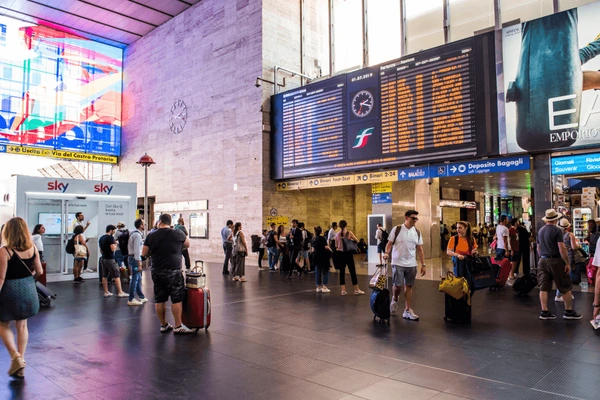
How Much Does Transport Cost in Europe?
One of the biggest concerns when travelling around Europe is cost.
👉 “Will getting around be expensive?”
The answer?
It depends on how you travel — but it’s often more affordable than people expect.
Typical Transport Costs (Simple Guide)
Here’s a rough idea of what you might pay:
- Trains: €20 – €80 for most routes
- Buses: €10 – €40 (often the cheapest option)
- Budget flights: €30 – €150 (depending on distance and timing)
👉 These are general ranges — not exact prices.
But they give you a realistic starting point.
What Affects the Price
Transport costs in Europe can vary depending on:
- how far you’re travelling
- how early you book
- the time of year
- and how flexible your dates are
👉 A little flexibility can save you a lot.
Why Slower Travel Saves Money
Just like with accommodation, how often you move makes a big difference.
If you:
- travel every few days → costs add up quickly
- stay longer in each place → transport costs drop
👉 Fewer travel days = lower overall spend
Trains vs Buses vs Flights
Each option has its place:
- Trains: more comfortable, slightly higher cost
- Buses: cheapest, great for budget travel
- Flights: best for long distances
👉 The key is choosing what works for each journey.
A Simple Way to Budget
Instead of trying to calculate every trip, keep it simple:
👉 Allow €100 – €300 per month for transport (for most long-term travellers)
This will vary depending on how often you move — but it’s a good general guide.
The Good News
Transport in Europe is:
- reliable
- easy to book
- and widely available
👉 Which makes travelling without a car not just possible — but practical.
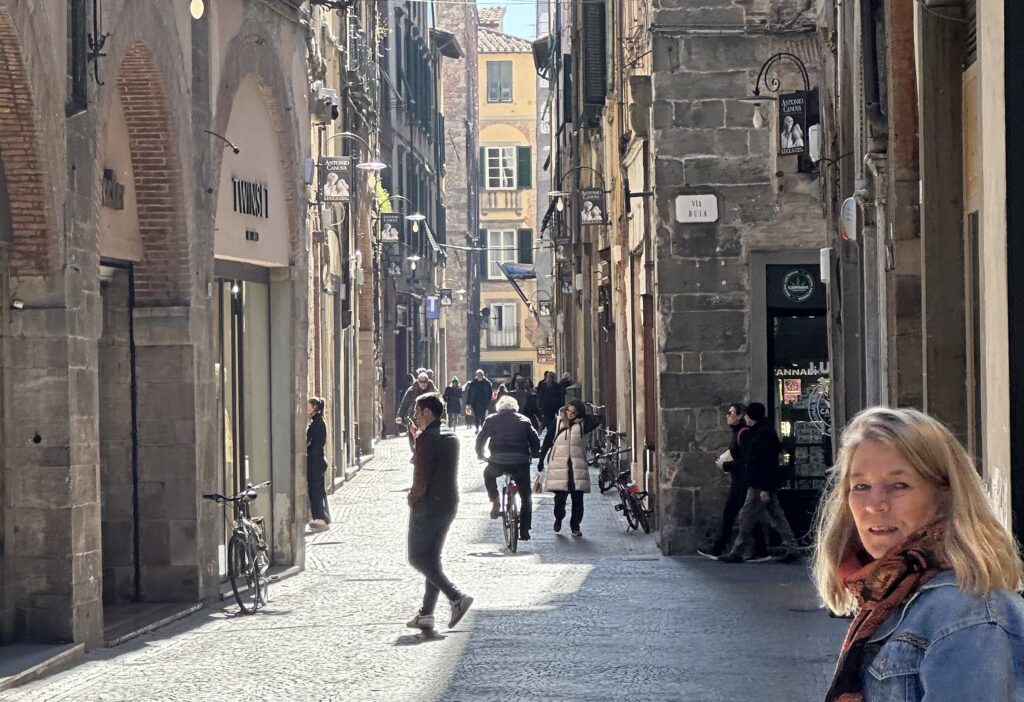
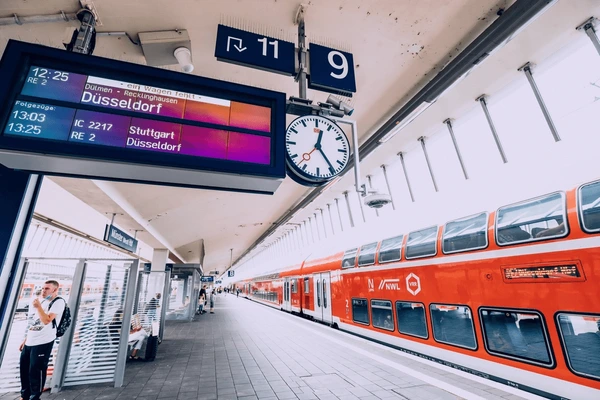
Tips for Travelling Europe Without a Car (What We’ve Learned)
Travelling Europe without a car is easier than most people expect.
But there are a few things we’ve learned along the way that make it even smoother.
Pack Lighter Than You Think
This makes a bigger difference than you realise.
When you’re:
- getting on and off trains
- walking to accommodation
- navigating stations
👉 lighter bags = less stress
You don’t need as much as you think.
Stay Close to Transport Links
When booking accommodation, location matters.
Look for places:
- near train stations
- close to bus routes
- or within walking distance of town centres
👉 This saves time, money, and effort.
Travel Outside Peak Times
If you can, avoid:
- peak summer travel
- busy weekends
- public holidays
You’ll often find:
- lower prices
- less crowded transport
- and a more relaxed experience
Book Some Things in Advance (But Not Everything)
You don’t need to plan every journey.
But for:
- popular train routes
- busy seasons
- longer trips
👉 booking ahead can save money and stress
Allow More Time Than You Think
Things usually run smoothly — but not always perfectly.
Give yourself:
- time between connections
- flexibility in your plans
- space to adjust if needed
👉 This keeps travel enjoyable, not rushed.
Use Travel Days Wisely
Moving between places doesn’t have to feel like “lost time.”
You can:
- enjoy the scenery
- relax
- or plan your next stop
👉 It becomes part of the experience.
You Won’t Miss Having a Car
This is something many people worry about.
But in most parts of Europe:
- transport is well-connected
- towns are walkable
- and everything is accessible
👉 After a while, not having a car feels easier.
 Want to make long-term travel in Europe feel simple?
Discover our guide
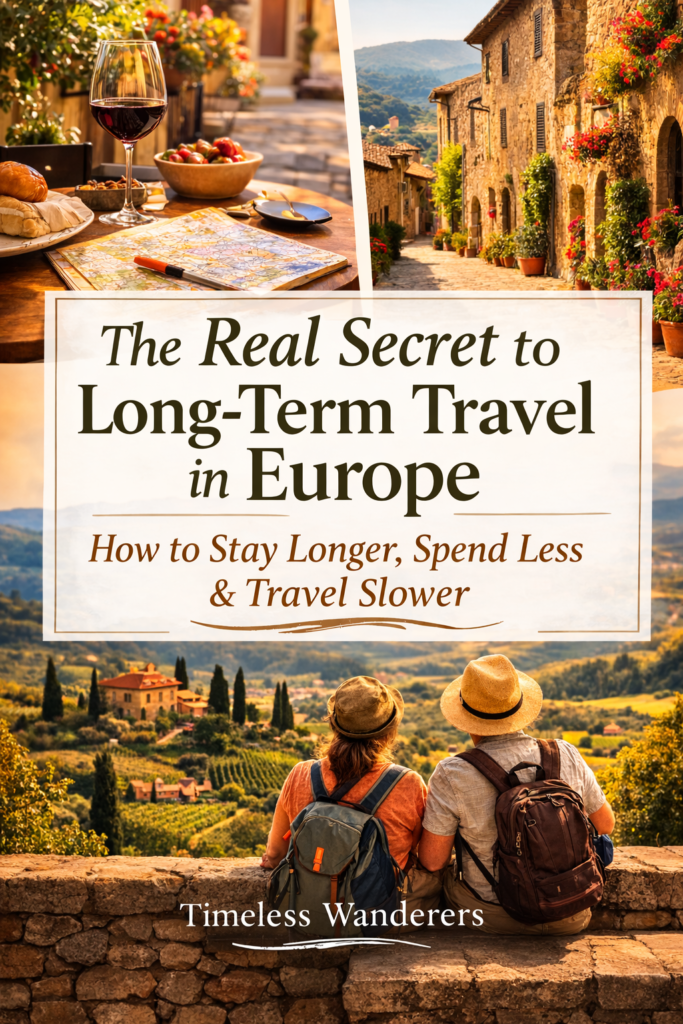
The Real Secret to Long-Term Travel in Europe
Finding the Right Travel Style (What Actually Works)
By now, you’ve seen that travelling Europe without a car isn’t just possible — it’s often the easier option.
But like everything with long-term travel, there’s no single “right” way to do it.
👉 What works best is finding a style that suits you.
Most Travellers Mix It Up
You don’t need to rely on just one way of getting around.
In reality, most long-term travellers use a combination of:
- trains for comfort and convenience
- buses for budget-friendly routes
- flights for longer distances
👉 It’s about using the right option at the right time.
Slower Travel Makes Everything Easier
When you slow down, everything improves.
You:
- travel less often
- spend less on transport
- and enjoy each place more
👉 Fewer travel days = less stress + lower costs
It Gets Simpler Over Time
Your first few journeys might take a bit more planning.
But after that:
👉 it becomes second nature
You’ll:
- recognise good routes
- understand timing
- and feel more confident moving around
You Don’t Need to Plan Everything
This is one of the biggest mindset shifts.
You don’t need:
- a perfect route
- every ticket booked
- or a fixed schedule
👉 You just need your next step.
Keep It Flexible
One of the biggest advantages of travelling without a car is flexibility.
You can:
- stay longer if you love a place
- change direction easily
- adjust plans as you go
👉 That freedom is part of what makes long-term travel so enjoyable.
The Real Goal
It’s not about finding the fastest or cheapest way to travel.
It’s about creating a way of moving through Europe that feels:
✔ simple
✔ comfortable
✔ and sustainable
How We Book Accommodation
Where to Stay for Long-Term Travel in Europe (Without Overspending)
Plan Your Travel in Europe With Confidence
By now, you’ve probably realised something important:
👉 Travelling around Europe without a car is not only possible — it’s often the easiest way to do it.
Once you understand how the transport system works, everything starts to feel much simpler.
You don’t need to:
- plan every route in advance
- figure out every connection
- or have everything perfectly organised
You just need a clear, simple approach.
Turning Plans Into Reality
It’s one thing to understand how trains, buses, and flights work.
It’s another to:
- know where to start
- plan your route
- and bring everything together into a trip that feels manageable
👉 That’s where many people get stuck.
That’s Why We Created This
👉 The Real Secret to Long-Term Travel in Europe
We created this guide to help you take everything you’ve learned — and turn it into a simple, step-by-step plan.
Inside, you’ll learn:
how to plan your route
how to manage your travel days
how to balance cost and comfort
and how to make long-term travel feel easy and stress-free
It’s not complicated.
👉 It’s just a clearer way to do it.
If You’re Ready to Take the Next Step
If you’re starting to think:
“We could actually do this…”
Then this is where everything begins to come together.
Because once you have a plan, travelling through Europe becomes a lot less overwhelming — and a lot more exciting.
Final Thoughts: Travel Without the Stress
Travelling through Europe without a car might feel unfamiliar at first.
But once you understand how it works, it quickly becomes one of the easiest and most enjoyable ways to travel.
It’s Simpler Than You Think
You don’t need complicated plans or perfect routes.
With:
- reliable trains
- affordable buses
- and well-connected destinations
👉 getting around Europe is far more straightforward than it first seems.
You’ll Find Your Rhythm
The first few journeys might take a bit more thought.
But after that:
👉 everything starts to feel natural
You’ll:
- move with more confidence
- make quicker decisions
- and enjoy the process much more
It’s About the Journey Too
When you’re not focused on driving, something shifts.
You:
- notice the scenery
- relax more
- and enjoy the travel days instead of rushing through them
👉 The journey becomes part of the experience.
You Don’t Need to Do It All at Once
You don’t need a perfect plan.
You don’t need every detail figured out.
You just need:
- a starting point
- a simple route
- and the confidence to begin
One Last Thought
Long-term travel in Europe isn’t about moving quickly.
It’s about moving in a way that feels:
✔ easy
✔ flexible
✔ and enjoyable
And once you realise you don’t need a car to do that…
👉 Everything starts to feel a lot more possible.
PLAN YOUR EUROPEAN ADVENTURE
These are our favorite companies we use when planning a trip, they consistently have the best prices, great customer service, and overall, are better than their competitors.
BOOK YOUR FLIGHT – Going is a great search engine if you are flexible about your travel destination and dates. Sign up for their newsletter and get the latest deals on destinations around the world. GOING is our new go to.
CAR RENTAL – We recommend using Discover Cars or Rental Cars when booking a car rental, they work with hundreds of companies worldwide to help you find the best car for your needs.
TRAINS – TRAINLINE – is our favorite, this site is very reliable and easy to use.
BUS – OMIO – this website allows you to book train or bus tickets to travel from city to city the best and cheapest way. FLIXBUS is another terrific website with routes between 20 European countries.
ACCOMMODATIONS
BOOKING.com – is our go to for hotel searches around the world, we find they always have the cheapest rates and offer different payment options. In addition, VRBO is another terrific website for all types of accommodations.
HOSTELWORLD – is great if you’re traveling on a budget, and if you need a cheap place to stay.
SIGHTSEEING TOURS
GET YOUR GUIDE – is our favorite; they have stacks of tours and excursions available in cities all over the world. VIATOR is another great website for all types of tours.
TAKE WALKS – This walking tour company provides inside access to attractions and places you can’t get elsewhere.
TRAVEL INSURANCE
SAFETY WING – is our go to travel medical insurance company, especially for longer trips. You can either purchase a monthly plan or a plan for specific trip dates (i.e. 1-2 week trips). They cover people from all over the world, while outside their home country.
ARC’TERYX – is a go to reliable brand for outdoor adventure and travel, their wide range includes light weight durable, easy to clean travel gear.
Check out our RESOURCE PAGE for more additional planning.
Other Popular Posts
5 Best Wineries in Tuscany to Visit 2025
Best Wine Tours in San Gimignano: 10 Beautiful Vineyard Experiences
The Ultimate Wine Lovers Guide To Tuscany
Discover The Best 5 Hilltop Towns In Tuscany
12 Amazing Day Trips From Florence.
A Perfect day trip From Florence To Pisa And Lucca