
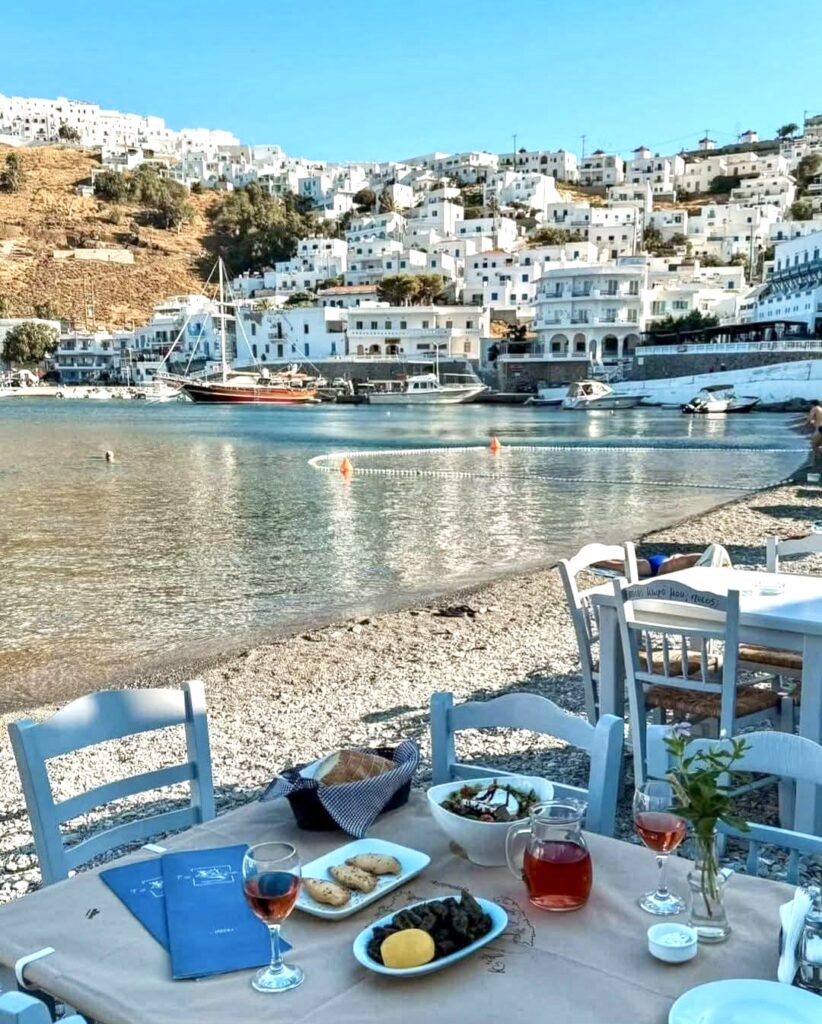
How to Spend 90 Days in Europe Without Feeling Rushed
Timeless Wanderers: Posted August 16, 2026
90 Days Sounds Like a Long Time… Until You Start Planning It
Imagine finally having 90 days to explore Europe.
For many people, it feels like a once-in-a-lifetime opportunity.
So they start making a list.
Paris.
Rome.
Florence.
The Swiss Alps.
The Greek Islands.
Croatia.
Spain.
Portugal.
Before long, those 90 days are completely full.
Every few days they’re packing another suitcase, catching another train or flight and wondering how they’re going to fit everything in.
We understand why.
When we first started travelling through Europe, we felt the same temptation.
There are so many incredible places to visit that it’s easy to think you need to see as many as possible.
But after years of travelling this way, we’ve discovered something that completely changed how we plan our trips.
The best 90 days in Europe aren’t the ones where you see the most.
They’re the ones where you enjoy the most.
For us, that means staying longer, unpacking properly, getting to know a place and leaving enough time for those unexpected moments that often become the best memories.
If you’ve got 90 days, you don’t need to rush.
In fact, that’s probably the biggest advantage you have.
This isn’t about seeing everything Europe has to offer.
It’s about experiencing Europe in a way that leaves you wanting to come back, not needing a holiday to recover.
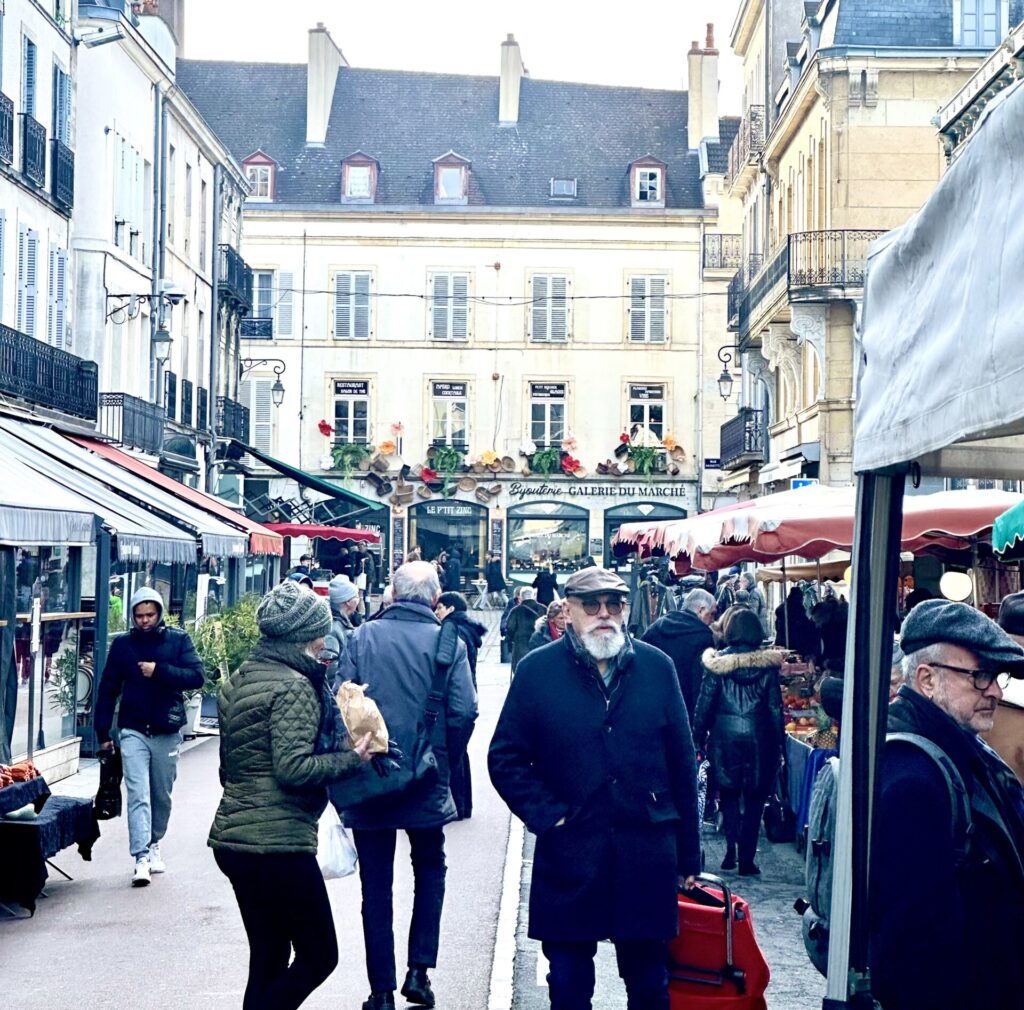
1. Stop Trying To See Everything
One of the biggest mistakes people make when planning 90 days in Europe is believing they finally have enough time to see it all.
The truth is, you don’t.
And that’s actually good news.
Europe is full of incredible countries, cities, villages and landscapes. No matter how much time you have, there will always be somewhere you haven’t visited yet.
Once we accepted that, planning became much easier.
Instead of asking ourselves, “How much can we fit in?” we started asking, “How much do we actually want to enjoy?”
That simple change completely transformed the way we travel.
Rather than racing from one famous destination to the next, we began choosing fewer places and spending more time in each one.
Instead of ticking off cities, we started getting to know them.
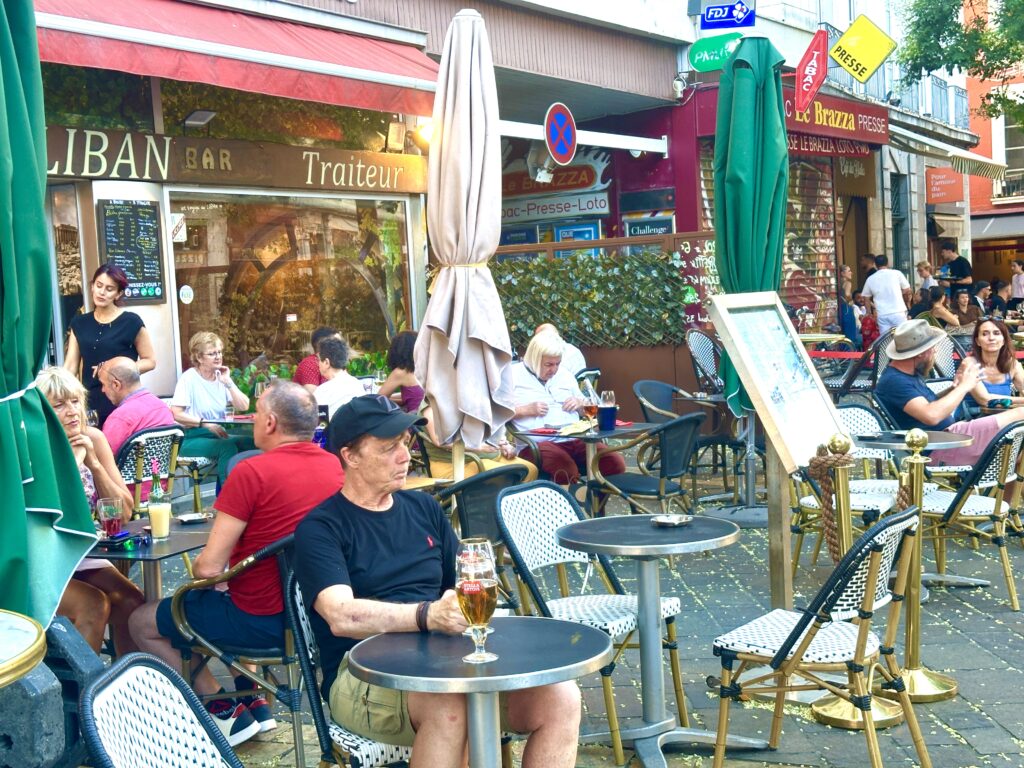
We found favourite cafés.
We shopped at local markets.
We discovered quiet streets that most visitors never see because they’re already on their way to the next destination.
And that’s one of the biggest advantages of having 90 days.
You have enough time to slow down.
You don’t have to treat every destination like it’s your only chance to see it.
If you fall in love with a place, stay a little longer.
If somewhere doesn’t quite suit you, move on.
There’s no prize for visiting the most countries.
Years later, we rarely talk about how many places we saw.
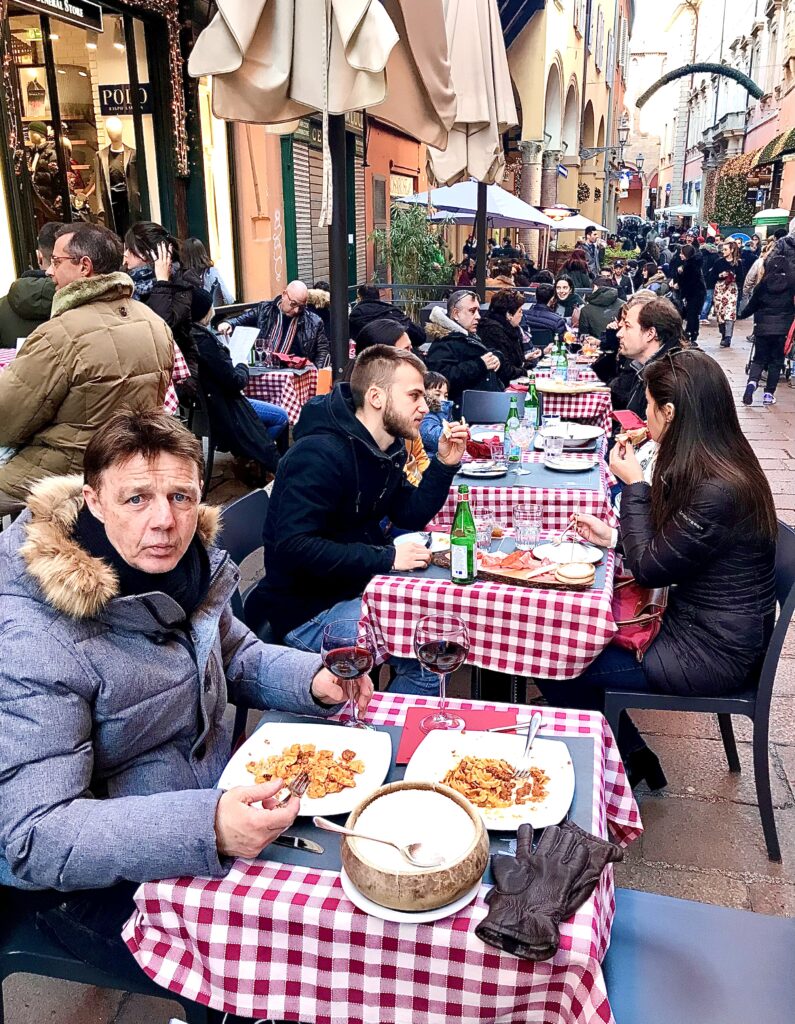
We remember the conversations, the unexpected discoveries, the little restaurants we stumbled across and the mornings when we had nowhere to be except the local café.
Those are the memories that stay with you.
If you’re lucky enough to have 90 days in Europe, give yourself permission to let go of the idea that you have to see everything.
Because you won’t.
And that’s perfectly okay.
The goal isn’t to see all of Europe.
The goal is to experience the parts you do see in a way you’ll never forget.
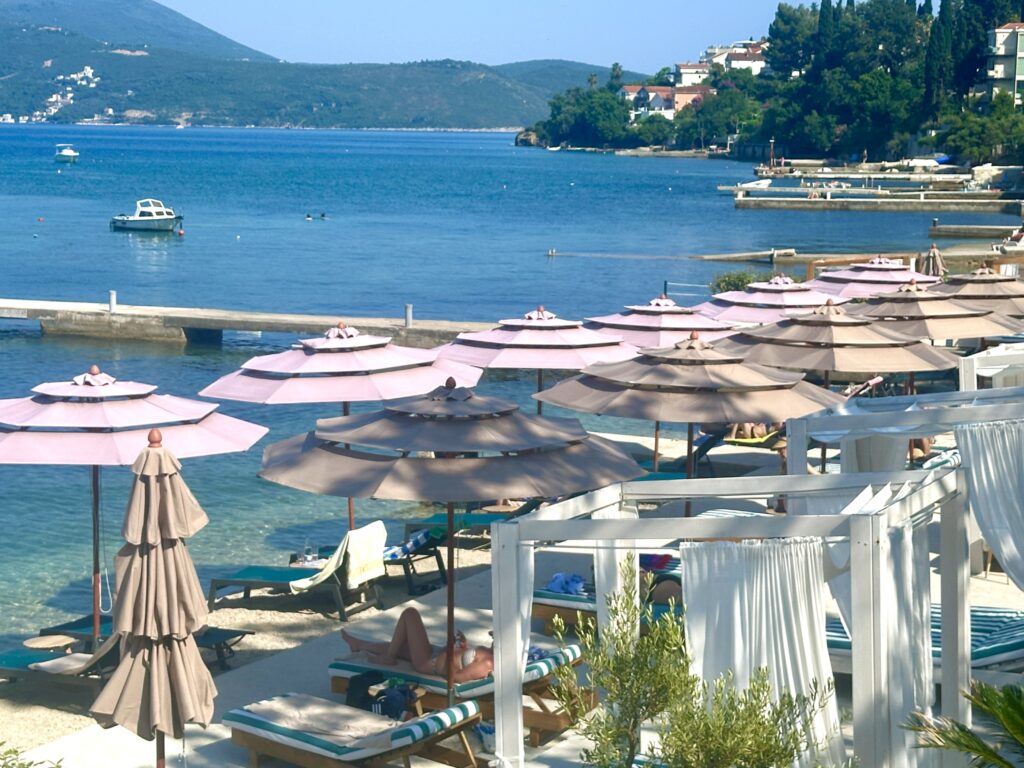
2. Choose Two or Three Bases Instead
One of the best decisions we’ve made over the years is choosing a few places to stay rather than constantly moving from one destination to the next.
It completely changes the way you experience Europe.
When you’re changing hotels every few days, a surprising amount of your trip is spent packing, unpacking, checking in, checking out and travelling to the next place.
Those days add up quickly.
By choosing two or three bases for your 90 days, you give yourself the chance to settle in.
You start recognising the streets.
The café owner remembers your coffee order.
You know which bakery has the best bread and which supermarket has everything you need.
Before long, you’re no longer feeling like a visitor.
You begin to feel like you belong there.
That’s one of the things we love most about slow travel.
Instead of constantly looking at a map and wondering where to go next, you already know where you’re coming home to each afternoon.
From each base, you can take day trips to nearby towns, villages and countryside without dragging your suitcase along every time you want to explore somewhere new.
That’s exactly how we’ve come to experience some of our favourite parts of Europe.
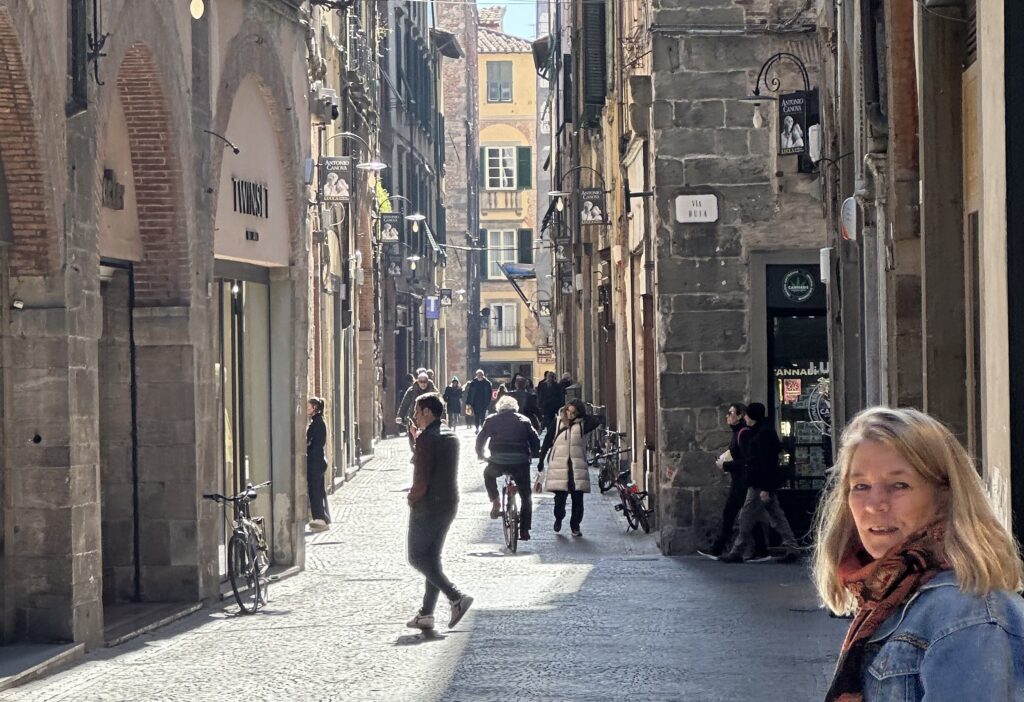
Our home in Lucca is a perfect example.
We can spend the day exploring Siena, San Gimignano, Pisa or the Tuscan countryside, then return home that evening.
There’s no rush to find the next hotel or work out tomorrow’s check-in time.
The same idea works almost anywhere in Europe.
Choose a place you’d genuinely enjoy living in for a few weeks.
Then use it as your base to discover everything around it.
You’ll often see far more than someone who’s constantly moving, simply because you’re not spending so much of your time in transit.
And perhaps more importantly, you’ll remember those places differently.
Not as somewhere you passed through.
But as somewhere you actually got to know.
Sometimes seeing less allows you to experience much more.
3. Think About Everyday Life, Not Just Sightseeing
When you’re planning a shorter holiday, it’s easy to focus on the famous attractions.
You look for the places you want to visit, the restaurants you want to try and the photographs you want to take.
But when you have 90 days, your priorities begin to change.
You’re not just visiting a place.
You’re living there for a while.
That means the little things suddenly become much more important.
Is there a supermarket nearby?
Can you walk to a bakery or a café?
Is there somewhere pleasant to go for a morning walk?
Will you enjoy coming back to your accommodation at the end of the day?
Those questions probably don’t matter very much if you’re only staying for two nights.
But they matter a lot if you’re staying for three or four weeks.
Over the years, we’ve realised that some of our happiest memories aren’t connected to famous landmarks at all.
They’re connected to everyday life.
Walking to buy fresh bread in the morning.
Sitting in our favourite café.
Cooking dinner with local ingredients.
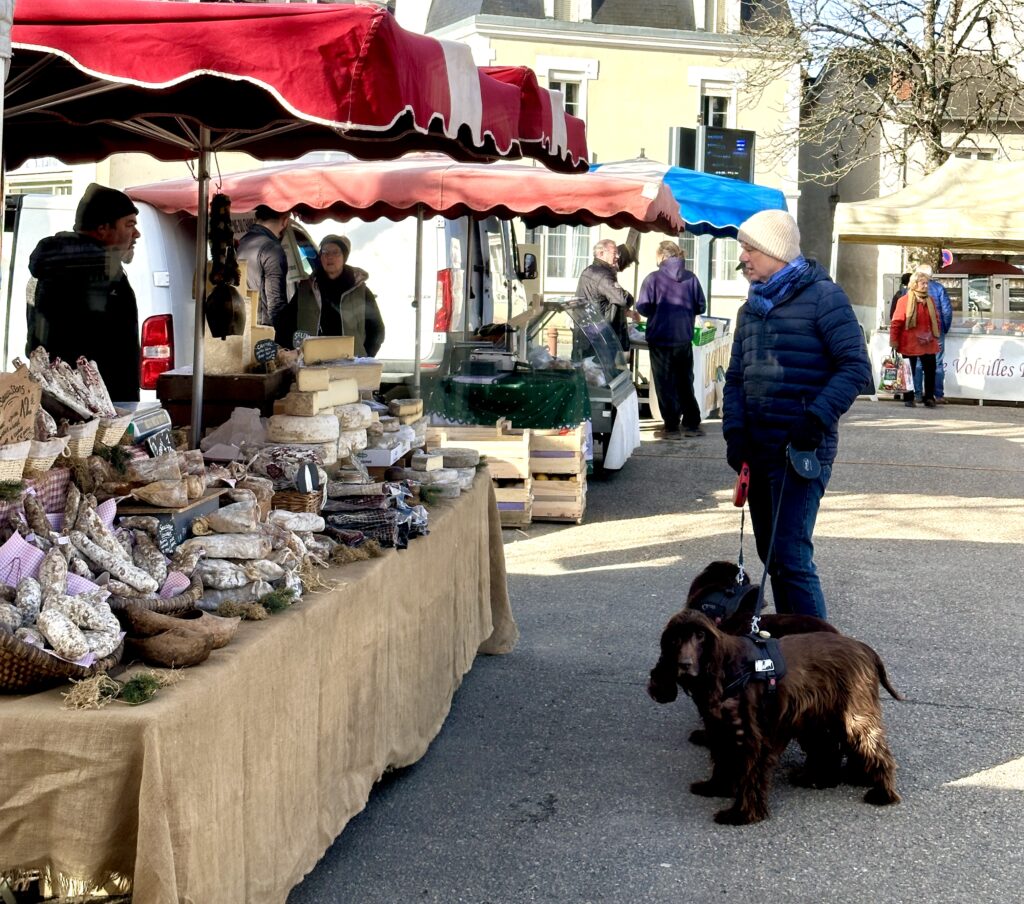
Browsing a weekly market.
Watching the world go by from a park bench with a coffee in hand.
Those are the moments that make a place feel familiar.
And that’s one of the biggest differences between a holiday and slow travel.
When you stop trying to fill every hour with sightseeing, you make room for everyday experiences that often become just as memorable.
We still love visiting museums, historic towns and famous attractions.
But we don’t feel like we have to do them all at once.
If we don’t visit somewhere this week, we can always go next week.
That’s one of the greatest luxuries of having 90 days.
You have time.
Time to slow down.
Time to settle in.
Time to enjoy the ordinary moments that so many travellers rush straight past.
Because when your trip is measured in months instead of days, everyday life becomes part of the adventure.
4. Leave Empty Days In Your Itinerary
This might sound a little strange, but one of the best things you can plan into a 90-day trip is… nothing at all.
Not every day needs an itinerary.
Not every morning needs an alarm.
And not every afternoon needs a famous attraction.
When people first start planning a long trip, they often feel they have to make every day count.
So they fill their calendar.
Monday: museum.
Tuesday: day trip.
Wednesday: wine tour.
Thursday: another town.
Friday: hiking.
Saturday: market.
Before they know it, their 90-day slow travel adventure starts looking just as busy as a two-week holiday.
We’ve learned that some of our favourite days have been the ones we never planned.
A lazy breakfast that turned into a three-hour conversation.
A walk through town that led us to a little restaurant we’d never noticed before.
A drive with no destination, simply because the weather was beautiful.
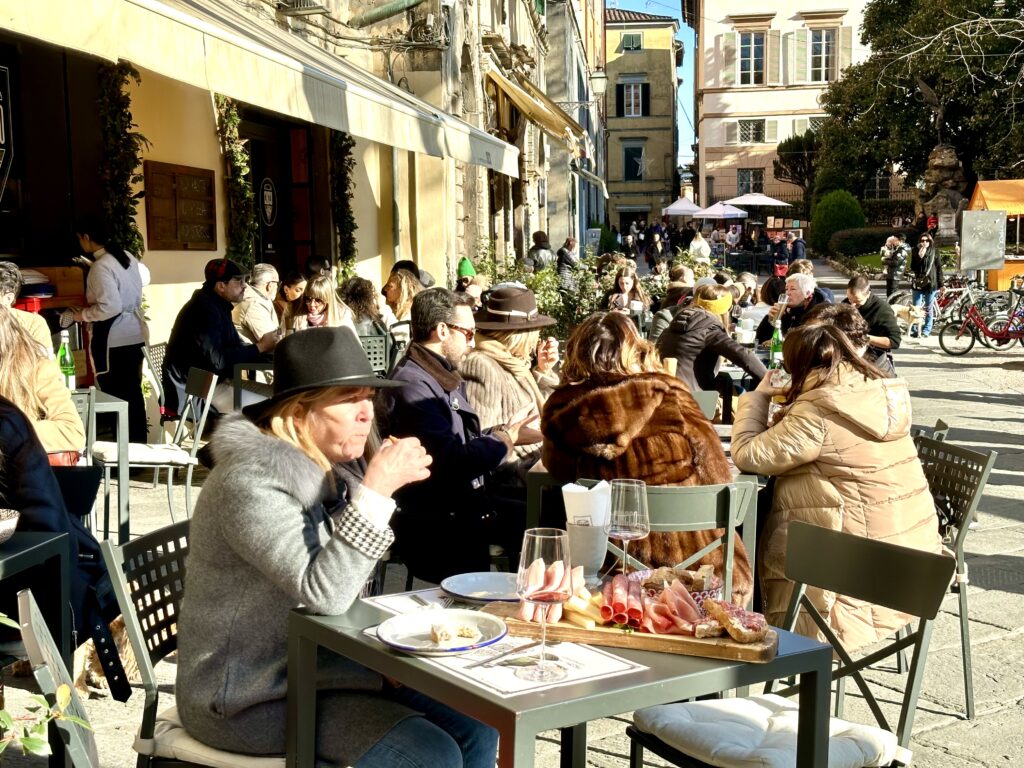
Or an afternoon spent sitting in a café watching everyday life go by.
Those moments don’t usually appear in guidebooks.
But they’re often the ones we remember most.
Leaving empty days also gives you flexibility.
If the weather isn’t great today, you can visit that beautiful village tomorrow.
If you discover somewhere you’d like to spend more time, you don’t have to rush away because your schedule says it’s time to leave.
Having room to change your plans is one of the biggest advantages of slow travel.
And honestly, sometimes you’ll wake up and simply feel like having a quiet day.
That’s perfectly okay.
You haven’t wasted a day.
You’ve simply given yourself the chance to enjoy Europe at a pace that feels right for you.
After all, if you’ve got 90 days, there’s no need to live every one of them as though you’re running out of time.
Sometimes the best plan is giving yourself permission not to have one.
5. Explore From One Place
One of the biggest advantages of choosing a base is that you can explore without constantly moving your luggage.
Instead of packing every few days, unpack once and use that town or city as your starting point. From there, take easy day trips by car or train before returning to the same accommodation each evening.
We’ve done this countless times in Europe, and it has completely changed the way we travel.
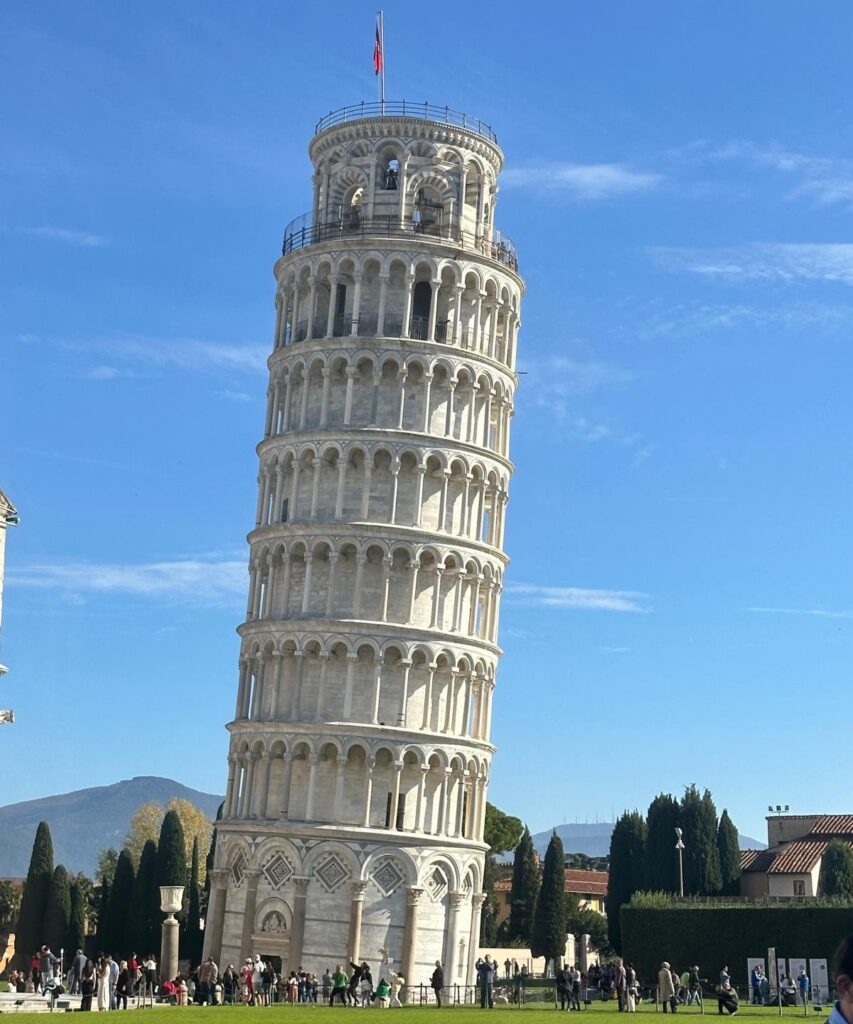
When we’re based in Lucca, for example, we can spend the day wandering through Siena, explore San Gimignano, visit Pisa or enjoy a drive through the Tuscan countryside before returning home that evening.
There’s something comforting about coming back to a place that already feels familiar.
You know where to park.
You know where to buy fresh bread.
You know your favourite café.
You know the quickest way home after a day out.
Those little routines make travelling feel less like a holiday and more like living in Europe.
Day trips also give you the freedom to follow your interests instead of following a rigid itinerary.
Love wine? Spend the day in Chianti.
Interested in history? Explore a nearby medieval town.
Feel like having a quiet day instead? Stay local, wander through the markets or enjoy a long lunch in your favourite café.
You don’t have to justify slowing down because tomorrow is another day.
We’ve found that exploring this way is far less tiring than constantly changing accommodation.
You spend less time packing, checking in and working out transport, and more time enjoying the places you’ve come all this way to experience.
For us, that’s one of the biggest secrets to making 90 days in Europe feel relaxed instead of rushed.
You don’t need ninety different beds.
You just need a few wonderful places to call home for a little while.
The less time you spend moving, the more time you have to enjoy where you are.
6. Travel At A Pace That Feels Right For You
One of the easiest things to do when planning a trip to Europe is compare yourself to everyone else.
You’ll see people visiting ten countries in a month.
Others spend three months in one village.
Some travellers are always on the move, while others are happy staying in the same apartment for weeks.
Who’s right?
The truth is, they all are.
The best way to spend 90 days in Europe is the way that makes you happy.
That’s something we’ve learned over the years.
There isn’t a perfect formula.
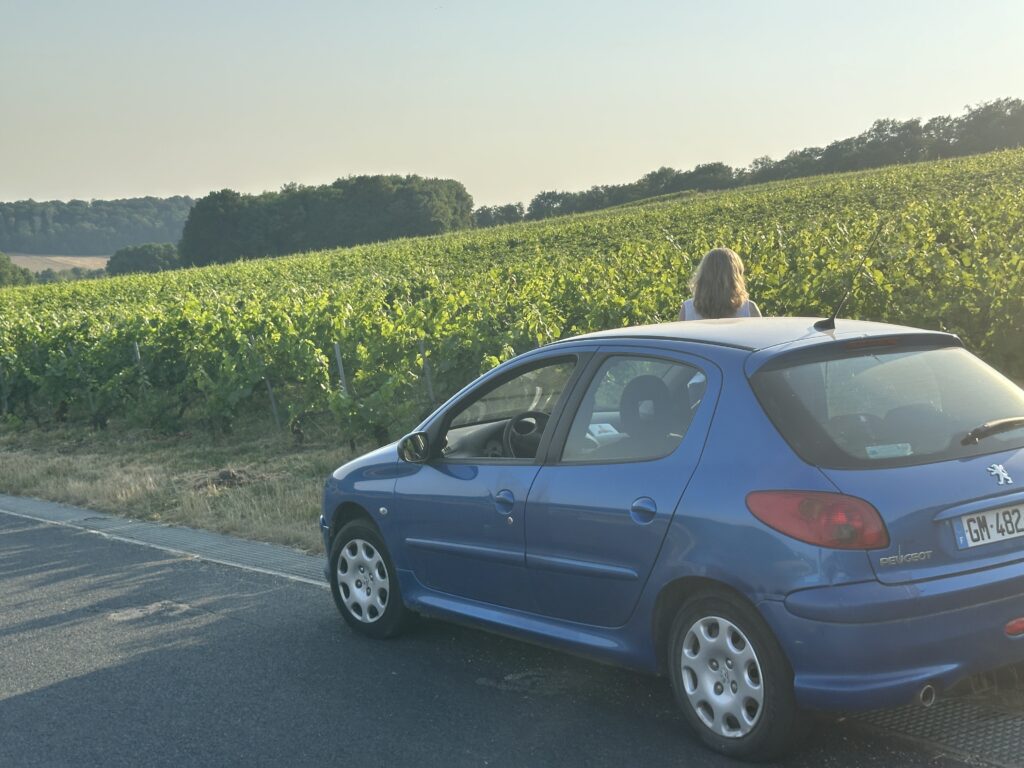
Some weeks we love getting in the car and exploring somewhere new every day.
Other weeks we’re quite happy staying close to home, enjoying our local café, walking through the markets or simply relaxing with a good book.
We’ve stopped worrying about whether we’re seeing enough.
We’re not travelling to impress anyone.
We’re travelling because we enjoy this lifestyle.
One of the biggest advantages of having 90 days is that you have choices.
If you’re loving where you are, stay another week.
If you’re ready for somewhere different, move on.
If you’re tired, have a quiet day.
If the weather is beautiful, head out and explore.
There’s no right or wrong.
That’s the freedom that comes with slow travel.
We’ve also learned not to compare our trips with other people’s social media.
It’s easy to look at someone else’s photos and think they’re having a better experience.
But those photos only show a tiny part of the story.
They don’t show the travel days, the laundry, the supermarket visits or the quiet afternoons sitting on a balcony with a cup of coffee.
And yet, those ordinary moments have become some of our favourites.
When you stop measuring your trip against everyone else’s, something changes.
You relax.
You notice more.
You enjoy where you are instead of thinking about where you should be next.
For us, that’s what 90 days in Europe is really about.
Not racing to keep up.
Not ticking off destinations.
Just travelling at a pace that feels right for you.
Because the best trip isn’t the busiest one—it’s the one you enjoy the most.
The 90-Day Slow Travel Starter Kit
Before the book — get the free kit. Everything you need to understand the basics and start planning with confidence.
FREE DOWNLOAD
7. Spend Less Time Packing And More Time Living
Have you ever noticed how much of a travel day disappears before you’ve even started exploring?
You pack your suitcase.
Check that you haven’t left anything behind.
Load the car or head to the train station.
Travel for a few hours.
Find your new accommodation.
Check in.
Unpack again.
By the time you’re ready to head out, half the day has gone.
Now imagine doing that every three or four days for three months.
That’s a lot of time spent moving instead of enjoying Europe.
We’ve done plenty of those travel days over the years, and while they’re sometimes necessary, we’ve learned not to make them the centre of our trip.
That’s one of the reasons we enjoy staying longer in each place.
Instead of spending our time living out of a suitcase, we unpack properly.
Our clothes go into the wardrobe.
The groceries go into the cupboard.
We settle into a routine.
Within a few days, it starts to feel less like we’re passing through and more like we’re living there.
And that’s a wonderful feeling.
The less often you move, the more time you have for the things you actually came to Europe to enjoy.
A slow breakfast.
A morning walk.
A local market.
A long lunch.
A scenic drive.
Or simply sitting in your favourite café watching everyday life unfold around you.
Those moments are much harder to enjoy when you’re constantly thinking about tomorrow’s check-in or the next train.
We’ve found that travelling less often doesn’t mean experiencing less.
In fact, it usually means the opposite.
When you’re not worrying about packing every few days, your mind relaxes.
You stop thinking about logistics and start paying attention to the place you’re in.
That’s when you notice the little things.
The church bells in the morning.
The smell of fresh bread from the bakery.
The owner of the local café greeting you with a smile because they recognise you.
Those are the memories that stay with us long after the trip is over.
If you have 90 days in Europe, use them wisely.
Not by squeezing in more destinations.
But by giving yourself the time to enjoy the ones you’ve already chosen.
Spend less time packing your suitcase and more time collecting memories.
8. Let Your Trip Change As You Go
When people start planning 90 days in Europe, it’s tempting to organise every detail before they leave home.
Every destination.
Every hotel.
Every train.
Every day.
On paper, it feels like the safest way to travel.
But we’ve found that some of the best experiences happen when you leave a little room for the unexpected.
After years of travelling around Europe, we’ve learned that plans change.
You might arrive somewhere and instantly fall in love with it.
You might discover a nearby village that wasn’t even on your radar.
Or you might decide that you’re ready to move on sooner than you expected.
That’s all part of the journey.
If every day is locked into a schedule, you don’t have the freedom to follow those opportunities.
One of the things we enjoy most about slow travel is being able to adapt.
If we’re enjoying ourselves, we’ll often stay a little longer.
If the weather isn’t ideal, we’ll swap our plans around.
If we hear about a local festival or market, we’ll make time for it.
Some of our favourite memories have come from plans we never made.
A scenic road that caught our attention.
A family-run restaurant recommended by a local.
A quiet town we stopped in for coffee and ended up spending the whole afternoon exploring.
Those moments are difficult to plan.
They simply happen when you give yourself the time and flexibility to notice them.
That doesn’t mean you shouldn’t plan at all.
We always organise the important things.
But we’ve stopped trying to control every single day.
Having a plan is helpful.
Being able to change it is even better.
That’s one of the greatest advantages of having 90 days instead of two weeks.
You’re not constantly racing the calendar.
You have the freedom to let your trip evolve as you go.
And sometimes, those unexpected changes become the stories you talk about for years afterwards.
Leave room in your itinerary for surprises—they often become the highlight of the journey.
9. It’s About Living in Europe, Not Racing Around It
If there’s one thing we’d love you to remember from this article, it’s this:
You don’t have 90 days to see Europe.
You have 90 days to experience it.
There’s a big difference.
When you’re racing from one destination to the next, it’s easy to spend your trip thinking about where you’re going tomorrow.
When you’re travelling more slowly, you start paying attention to where you are today.
That’s when Europe begins to feel different.
You notice the local bakery opening early each morning.
You recognise the faces in your favourite café.
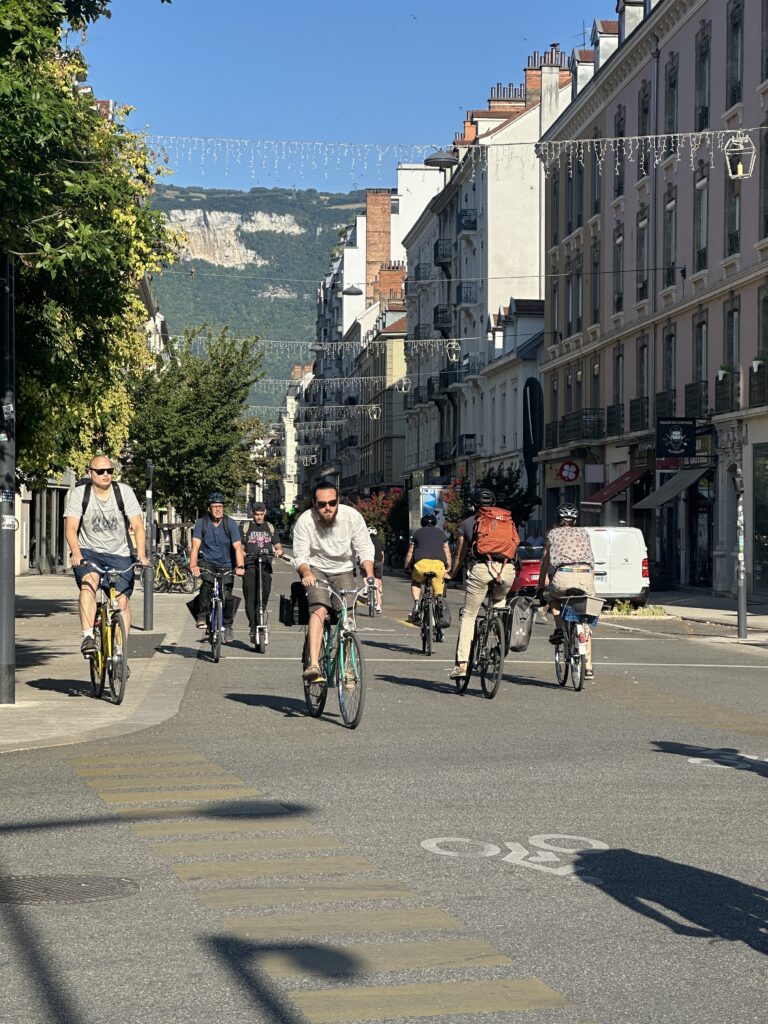
You find the quiet streets that most visitors never walk down.
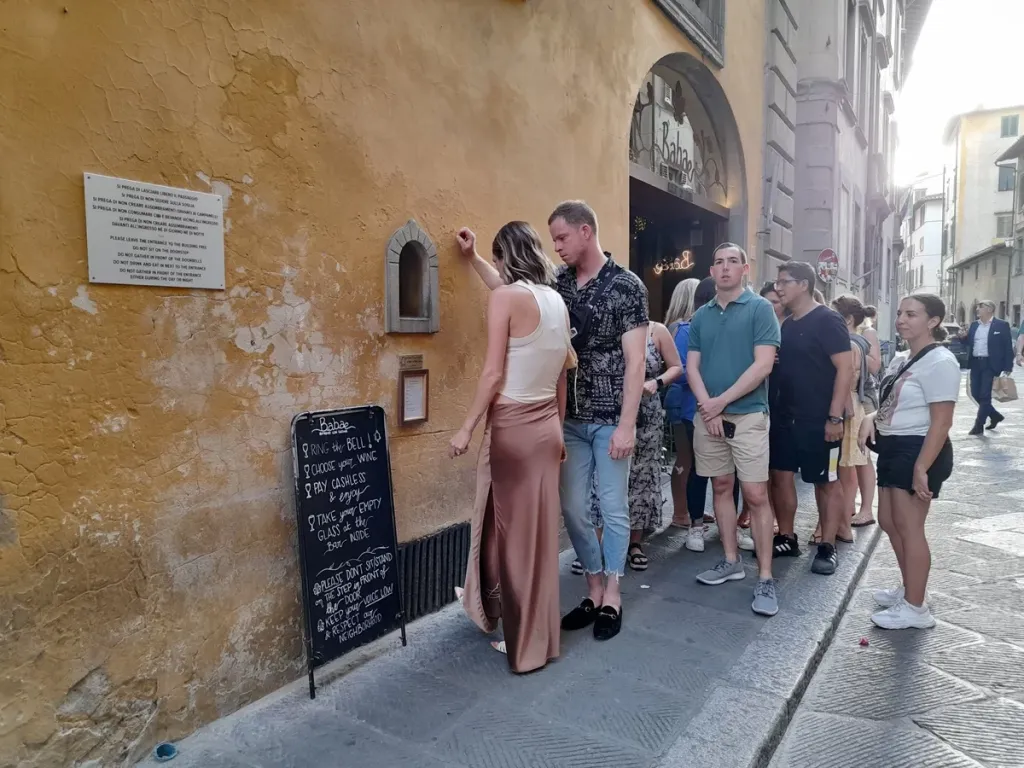
You discover little restaurants that weren’t in the guidebooks.
And before long, you stop feeling like a tourist.
You simply feel like you’re living there for a while.
That’s always been one of our favourite parts of slow travel.
We love the famous sights as much as anyone else.
But it’s often the ordinary moments that stay with us the longest.
Buying fresh fruit at the local market.
Walking through town before breakfast.
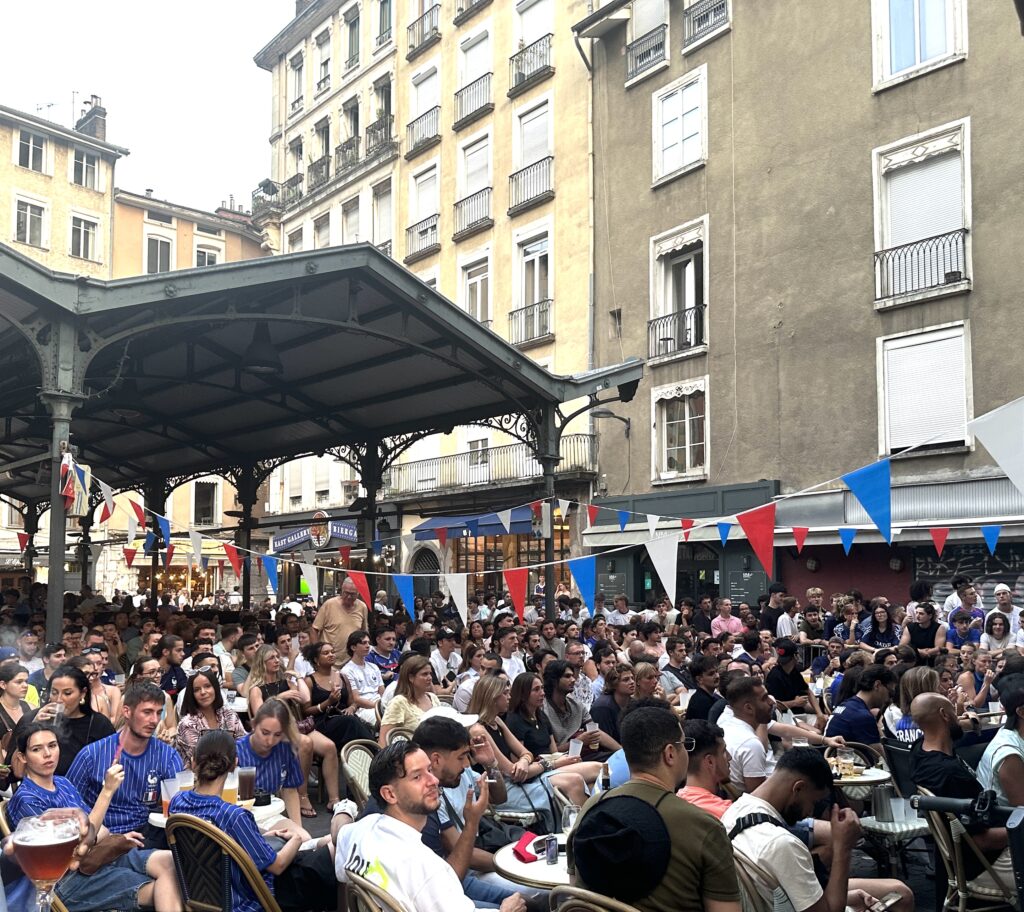
Watching children play in the village square.
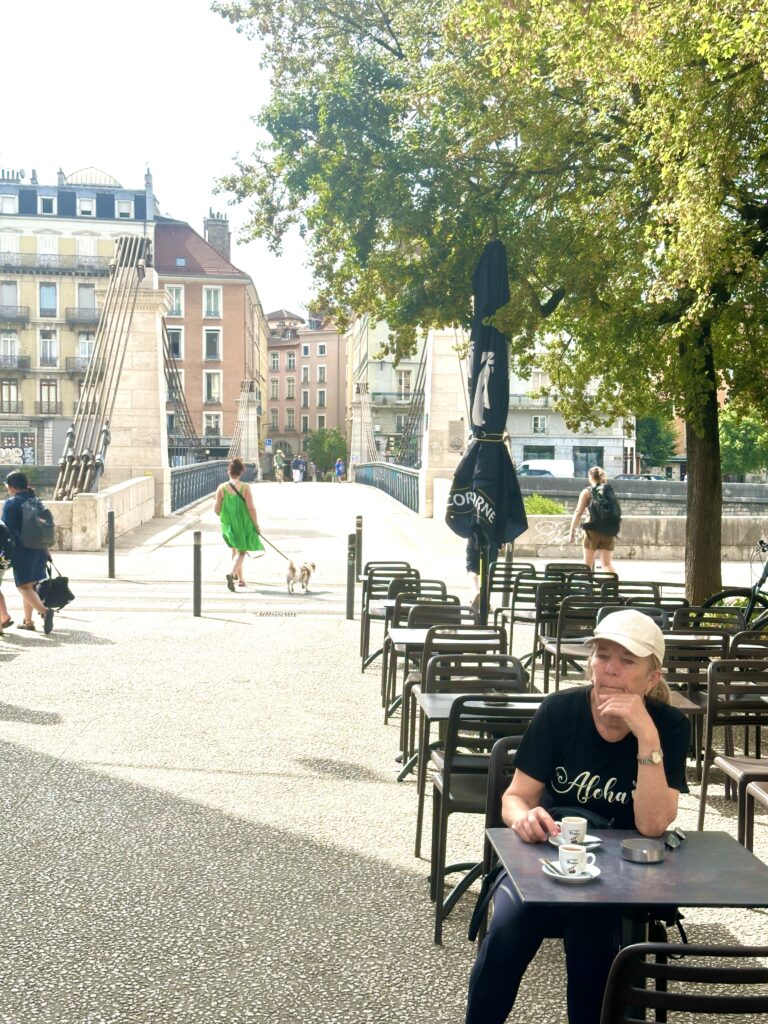
Sitting outside with a coffee and having nowhere else you need to be.
Those moments aren’t on anyone’s bucket list.
But they’re often the memories we treasure most.
We’ve realised over the years that we don’t remember every museum we visited or every road we drove.
What we remember is how a place made us feel.
That’s something you only discover when you give yourself enough time to settle in.
So don’t measure your trip by how many countries you visit or how many famous landmarks you tick off.
Measure it by how connected you felt to the places you experienced.
If you come home feeling like you truly got to know a handful of places instead of rushing through dozens, we’d call that a successful trip.
After all, Europe isn’t going anywhere.
There will always be another town to explore, another country to visit and another reason to come back.
Ninety days isn’t about seeing more of Europe. It’s about experiencing Europe in a way you’ll remember for the rest of your life.
10. If We Were Planning Our First 90 Days Again…
If we were planning our very first 90 days in Europe again, knowing what we know now, we’d do a few things differently.
First, we’d stop trying to fit so much into one trip.
When we first started, it was easy to think we had to see everything because we didn’t know when we’d be back.
Now we know that Europe will always give us another reason to return.
We’d choose fewer places and stay longer.
Instead of changing accommodation every few days, we’d pick two or three bases and really get to know them.
We’d spend less time looking at maps and more time wandering through local streets.
We’d worry less about ticking off famous sights and spend more time discovering the places that never appeared in the guidebooks.
We’d build quiet days into every week.
Not because we had to.
Because we’d want to.
We’ve learned that those slower days are often when we feel most connected to a place.
We’d also leave more room for the unexpected.
Some of our favourite memories have come from changing our plans, following a recommendation from a local or deciding to stay somewhere just a little longer.
You can’t plan those moments.
You simply have to leave space for them to happen.
Most importantly, we’d stop putting so much pressure on ourselves to make every day unforgettable.
The truth is, not every day will be.
Some days you’ll do the washing.
Some days you’ll go shopping.
Some days you’ll sit in a café for an hour doing absolutely nothing.
And that’s perfectly okay.
Those ordinary days aren’t interruptions to your trip.
They are part of it.
Looking back, we’ve realised that slow travel was never really about travelling more slowly.
It was about giving ourselves permission to enjoy Europe differently.
To stop rushing.
To stay curious.
To appreciate the little moments as much as the famous ones.
If you’re about to plan your own 90 days in Europe, that’s the advice we’d leave you with.
Don’t try to have the perfect trip.
Have the trip that feels right for you.
Because years from now, you probably won’t remember how many places you visited.
You’ll remember how those places made you feel.
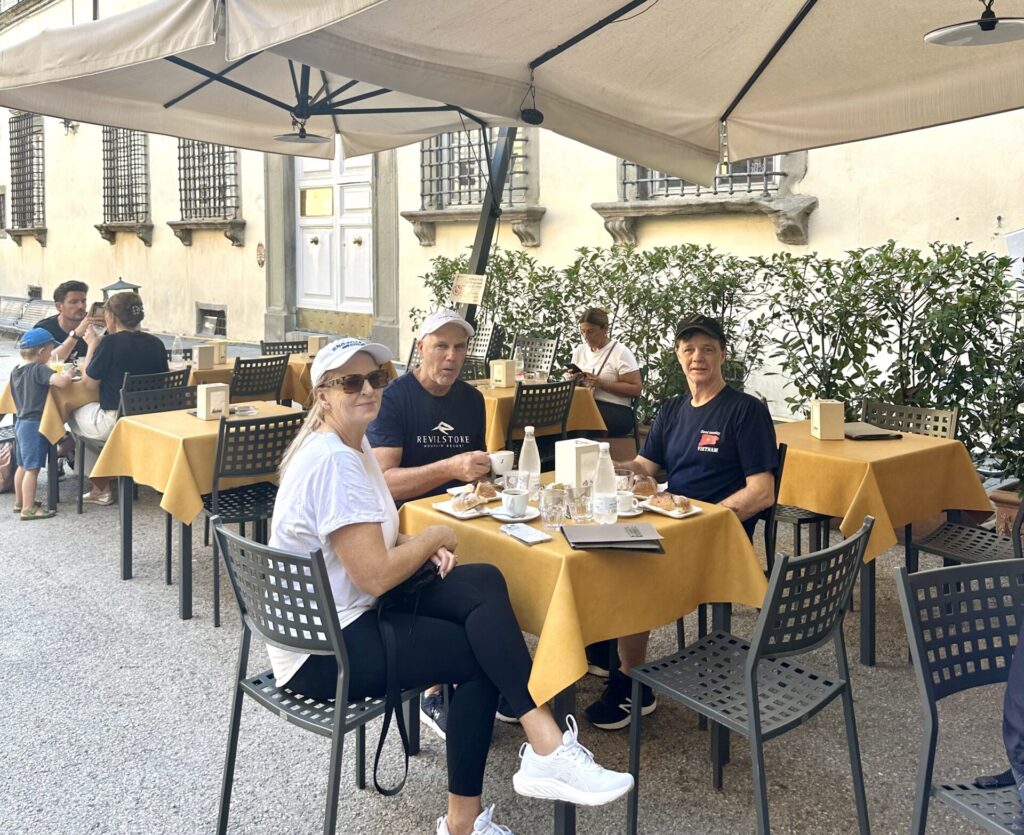
Over Coffee With Sally & Gary ☕
If we were sitting down together over coffee, there’s one thing we’d probably say before you started planning your 90 days in Europe.
Slow down.
Not because Europe is going anywhere.
But because your time there is too valuable to spend rushing from one place to the next.
When we first started travelling, we thought we needed to make every day count.
We wanted to see as much as possible and fit in every famous place we’d read about.
Looking back, we realise we were putting pressure on ourselves that didn’t need to be there.
These days, our favourite memories usually come from the days we never planned.
A conversation with a local.
A quiet morning wandering through a market.
Finding a little café we’d never noticed before.
Driving down a country road simply to see where it went.
Those moments can’t be scheduled.
They simply happen when you give yourself enough time.
If you’re lucky enough to have 90 days in Europe, don’t spend them worrying about what you’re missing.
Enjoy the place you’re in.
Have another coffee.
Take the longer walk.
Stay an extra day if you’re loving it.
Europe will still be there next time.
And trust us…
You’ll leave with better memories if you spend less time rushing and more time simply enjoying where you are.
That’s exactly what slow travel has taught us.
Before the book — get the free kit. Everything you need to understand the basics and start planning with confidence.
Your First Step Towards Long-Term Travel in Europe
The moment everything changed was when we booked a place for a month instead of a week and discovered we were paying half the nightly rate. By the second week, the neighbour had invited us in for a drink, we knew the shortcut to the market, and we were, briefly and genuinely, part of the street.
The 90-Day Slow Travel Starter Kit
Start Your Slow Travel Journey With Our FREE 90-Day Slow Travel Starter Kit
If reading this has you thinking, “I’d love to spend 90 days in Europe, but I have no idea where to begin,” we’d love to help.
We’ve created our FREE 90-Day Slow Travel Starter Kitusing everything we’ve learned after years of travelling throughout Europe.
Inside, we’ll help you think differently about planning your trip.
Instead of trying to see as much as possible, we’ll show you how to choose the right bases, create a relaxed itinerary and build a trip that feels enjoyable from beginning to end.
It’s the guide we wish we’d had when we first started.
Whether you’re planning your first long trip or simply looking for a calmer way to explore Europe, it’s designed to help you take that first step with confidence.
Download your FREE 90-Day Slow Travel Starter Kit and start planning the kind of European adventure you’ll still be talking about years from now.
Final Thoughts
If there’s one thing we hope you take away from this article, it’s that you don’t need to rush to have an incredible experience in Europe.
Ninety days might sound like a long time.
But instead of asking yourself how much you can fit into those three months, perhaps ask a different question.
How do I want to experience Europe?
For us, that simple change in thinking made all the difference.
We stopped measuring our trips by the number of countries we’d visited or the famous landmarks we’d seen.
Instead, we started measuring them by how connected we felt to the places we stayed.
The conversations we had.
The local cafés we returned to.
The markets we wandered through.
The quiet mornings that never appeared in our travel plans.
Those are the moments we still talk about today.
If you’re planning your own 90 days in Europe, don’t worry about creating the perfect itinerary.
Create one that leaves room to breathe.
Choose places that make you want to stay a little longer.
Allow yourself to change your plans.
And don’t feel guilty about having days where you simply enjoy being there.
Europe has been here for centuries.
You don’t have to see it all in one trip.
In fact, leaving a few places for next time might be the best reason of all to come back.
Wherever your journey takes you, we hope you discover the same thing we did.
Sometimes the greatest luxury isn’t having more money or seeing more places.
It’s having the time to truly enjoy where you are.
Happy travels,
Sally & Gary
Timeless Wanderers
FAQs About Spending 90 Days in Europe
How many countries can you realistically visit in 90 days in Europe?
There’s no perfect number. You could visit ten countries in 90 days, but you’ll spend a lot of time travelling. We prefer choosing two or three countries—or even two or three regions—and spending longer in each one. You’ll have a much more relaxed and rewarding experience.
Is 90 days enough time to travel around Europe?
Absolutely. Ninety days gives you enough time to experience Europe without feeling like you’re rushing from one place to the next. Instead of trying to see everything, focus on enjoying a handful of destinations properly.
Should I book all my accommodation before I leave?
That depends on your travel style. We like booking our first accommodation and any stays during busy periods, but we also leave some flexibility. It gives us the freedom to stay longer in places we love or change our plans if we discover somewhere unexpected.
Is it better to stay in hotels or apartments for a 90-day trip?
For longer stays, we usually prefer apartments. Having a kitchen, laundry facilities and a comfortable living space makes everyday life much easier, especially when you’re staying for several weeks.
How long should I stay in each place?
There’s no right answer, but we’ve found that staying two to four weeks in one location gives you enough time to settle in, explore nearby areas and enjoy everyday life without feeling rushed.
Should I hire a car for part of my trip?
It depends on where you’re travelling. Major cities are usually easy to explore by train or public transport, but having a car can be a wonderful way to discover smaller towns, villages and countryside that are difficult to reach otherwise.
How do I avoid feeling rushed during a 90-day trip?
Choose fewer destinations, stay longer in each place and don’t fill every day with sightseeing. Leave time for quiet mornings, local markets, long lunches and spontaneous discoveries. Those moments often become the most memorable.
How much luggage should I take for 90 days in Europe?
Less than you think. We recommend packing light enough that you can comfortably manage your own luggage. You’ll have opportunities to do laundry along the way, so there’s no need to pack for every day of the trip.
What if I fall in love with a place and want to stay longer?
That’s one of the biggest advantages of slow travel. If your plans allow, stay another few days or even another week. Some of our favourite memories have come from extending our stay instead of sticking to a rigid itinerary.
What’s the biggest piece of advice you’d give someone planning 90 days in Europe?
Don’t try to see everything.
Choose a few places that genuinely interest you, slow down and give yourself time to experience everyday life. Years from now, you’ll probably remember the conversations, cafés and quiet mornings just as much as the famous landmarks.
If you’re just starting to plan your trip, don’t forget to download our FREE 90-Day Slow Travel Starter Kit. It’s designed to help you build a relaxed itinerary and make the most of your time in Europe.
Before the book — get the free kit. Everything you need to understand the basics and start planning with confidence.
Europe looks complicated from the outside.
The Schengen rules. The visa questions. The accommodation puzzle. Where to base yourself, how long to stay, how to make the money work. The more you look into it, the more it seems like something that requires months of research and a perfect plan before you can even think about leaving.
The 90-Day Slow Travel Starter Kit
Ready to Turn Your Dream Into a Plan?
Inside you’ll discover:
 The first planning steps
Understanding the Schengen Rule
How we choose where to stay
Practical slow travel tips
 Download Your FREE Starter Kit
Want to Go Even Further?
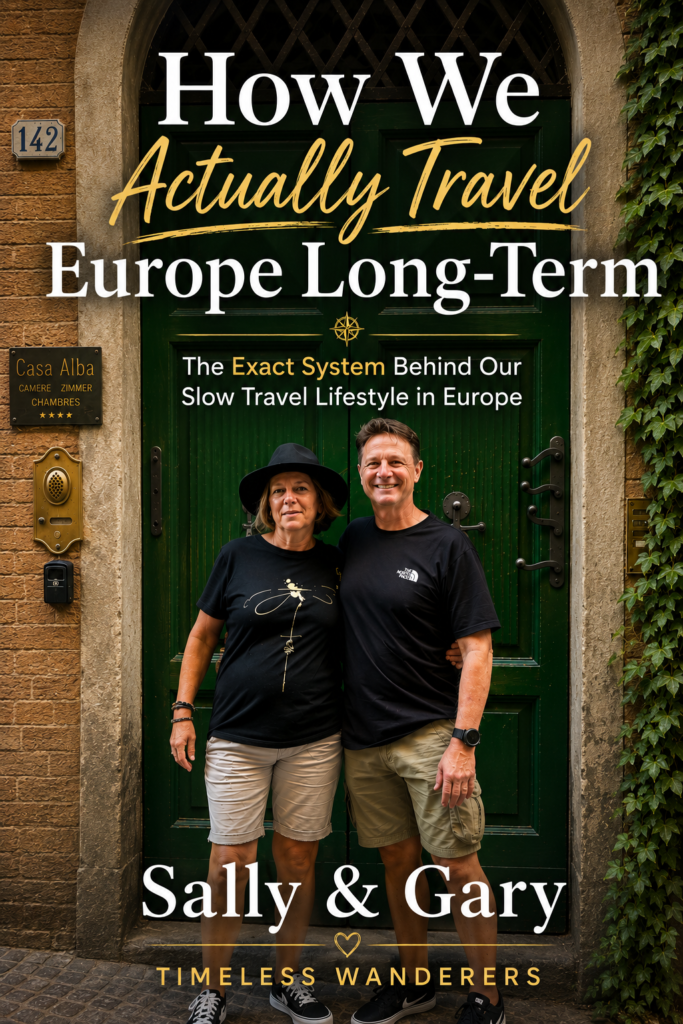
If you’d like to learn the complete system we’ve developed after years of travelling Europe full-time, take a look at our new book.
 How We Actually Travel Europe Long-Term
Discover the Book
Every long-term traveller remembers the day they finally decided to go.
We hope this is yours.
See you somewhere in Europe.
.
PLAN YOUR ADVENTURE
These are our favorite companies we use when planning a trip, they consistently have the best prices, great customer service, and overall, are better than their competitors.
BOOK YOUR FLIGHT – Going is a great search engine if you are flexible about your travel destination and dates. Sign up for their newsletter and get the latest deals on destinations around the world. GOING is our new go to.
TRAVEL OPTIONS
CAR RENTAL – We recommend using DISCOVER CARS when booking a RENTAL CARS, they work with hundreds of companies worldwide to help you find the best car for your needs.
TRAINS – TRAINLINE – is our favorite, this site is very reliable and easy to use.
BUS – OMIO – this website allows you to book train or bus tickets to travel from city to city the best and cheapest way. FLIXBUS is another terrific website with routes between 20 European countries.
ACCOMMODATIONS
BOOKING.com – is our go to for hotel searches around the world, we find they always have the cheapest rates and offer different payment options. In addition, VRBO is another terrific website for all types of accommodations.
HOSTELWORLD – is great if you’re traveling on a budget, and if you need a cheap place to stay.
TRAVEL INSURANCE
SAFETY WING – offer some of the most competitive and affordable plans tailored for your needs. SAFETY WING cover travellers from over 140 countries and make it easy to buy, extend and claim, even while travelling.
Check out our RESOURCE PAGE for more additional planning.