
Tuscany Wine Tasting for Beginners: A Complete First-Timer's Guide
Timeless Wanderers: Posted May 30, 2026
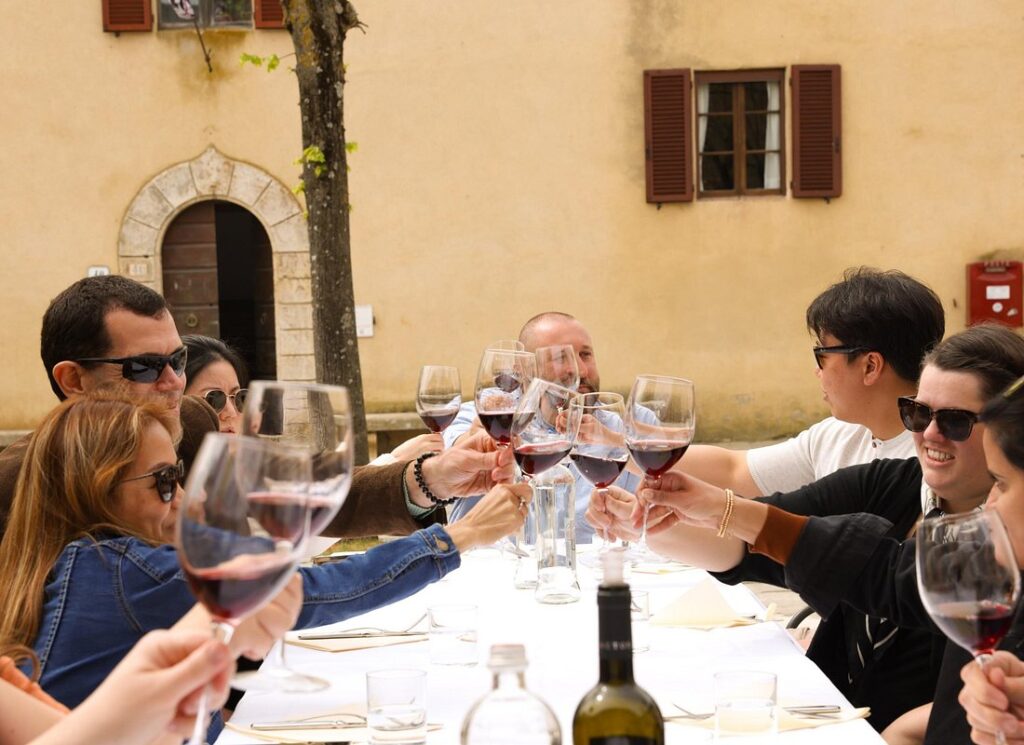
Your First Tuscany Wine Tasting Doesn’t Have to Be Intimidating
For many travellers, visiting Tuscany is as much about the wine as it is the scenery.
Rolling vineyards, medieval hill towns, and centuries-old wineries are all part of what makes Tuscany one of the world’s most famous wine destinations.
Yet if you’ve never visited a winery before, wine tasting can feel a little intimidating.
Do you need to know anything about wine?
Should you book in advance?
How many wineries can you visit in a day?
And what exactly happens during a tasting?
The good news is that Tuscany wine tasting is far more relaxed and welcoming than many first-time visitors expect.
Whether you’re exploring the vineyards of Chianti, discovering the famous Brunello wineries around Montalcino, or enjoying the cellar doors of Montepulciano, most wineries are designed to welcome visitors of all experience levels.
In this guide, we’ll explain exactly what to expect, how to plan your tastings, common mistakes to avoid, and how to get the most from your Tuscany wine adventure—even if it’s your very first winery visit.
Table of Contents
Why Tuscany Is One of the Best Wine Regions in the World
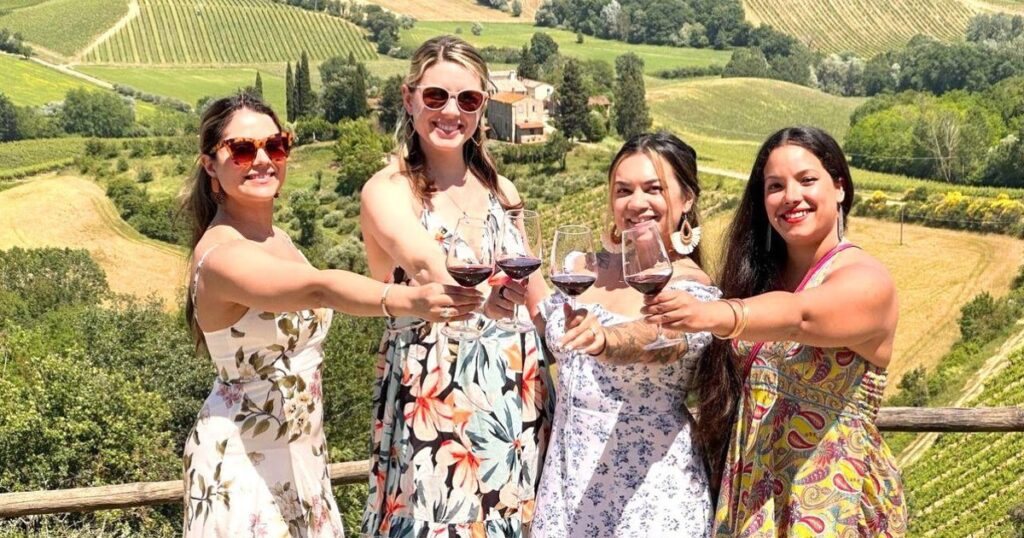
Few places combine wine, history, food, and scenery as beautifully as Tuscany.
For centuries, this region has been producing some of Italy’s most celebrated wines, attracting visitors from around the globe who come to experience its vineyards firsthand.
But what makes Tuscany so special isn’t just the wine itself—it’s the setting in which it’s produced.
Driving through the countryside, you’ll pass rolling hills covered in vines, medieval villages perched on hilltops, ancient stone farmhouses, and wineries that have been making wine for generations.
Wine tasting here feels less like a tourist activity and more like stepping into a way of life that has existed for hundreds of years.
Home to Some of Italy’s Most Famous Wines
Tuscany is responsible for several of Italy’s most prestigious wines, including:
- Chianti Classico from the Chianti region
- Brunello di Montalcino from Montalcino
- Vino Nobile di Montepulciano from Montepulciano
- Super Tuscan wines produced across various parts of the region
Each wine offers a different expression of Tuscany’s landscape, climate, and winemaking traditions.
Every Wine Region Has Its Own Personality
One of the reasons wine lovers return to Tuscany again and again is the variety.
- Chianti offers classic vineyard scenery and historic wineries.
- Montalcino is known for luxury wine estates and world-famous Brunello wines.
- Montepulciano combines excellent wines with one of Tuscany’s most beautiful hill towns.
- Val d’Orcia delivers spectacular landscapes alongside boutique wineries.
This diversity means no two Tuscany wine experiences are ever quite the same.
Wine Tasting Here Feels Authentic
Unlike some wine regions that focus heavily on tourism, many Tuscan wineries are still family-owned and actively involved in wine production.
Visitors often have the chance to:
- tour vineyards
- see working cellars
- learn directly from winery staff
- taste wines where they are produced
This creates a far more personal and memorable experience.
Wine, Food, and Scenery Go Together Perfectly
Another reason Tuscany stands out is how naturally wine fits into everyday life.
Many tastings include:
- local cheeses
- cured meats
- olive oils
- traditional Tuscan dishes
Combined with the scenery, it becomes much more than a wine tasting—it becomes a complete Tuscan experience.
Our Best Tuscany Wine Tours From Florence Experience The Highlights
- SMALL-GROUP Wine Safaris: Tuscan Wine Tasting Tours from Florence
- Day Trip from Florence: Siena, San Gimignano, Pisa and Lunch at a Winery
- Wine Tour: 2 Wineries & San Gimignano from Florence
- Self-Drive Vintage Fiat 500 Tour from Florence: Tuscan Wine Experience
- Tuscany Express Experience: Pasta Class & Wine Tour from Florence
- Small-Group Wine Tasting Experience in the Tuscan Countryside
- From Florence: Wine & Food Tour with Guide
We can help you plan your dream trip to Tuscany, with a personalised itinerary designed just for you.
After more than 20 years of travelling to Tuscany—and loving it so much we decided to make it our home—we now live here and explore the region at a relaxed, local pace.
Planning a trip to Tuscany is exciting, but choosing where to go, how long to stay, and how to get around can quickly become overwhelming.
That’s where we come in.
We offer a personalised planning service that helps you decide exactly how to explore Tuscany, based on your travel style, budget, and pace.
Plus, we can help you plan scenic drives, time in hilltop towns, food and wine experiences, and those small local moments that make a trip truly special—making your Tuscany holiday easier, smoother, and full of memories you’ll treasure long after you return home.
“Let us plan your perfect trip with a custom itinerary designed just for you.
Fill out the form and let’s begin your dream.”
What Happens During a Tuscany Wine Tasting?
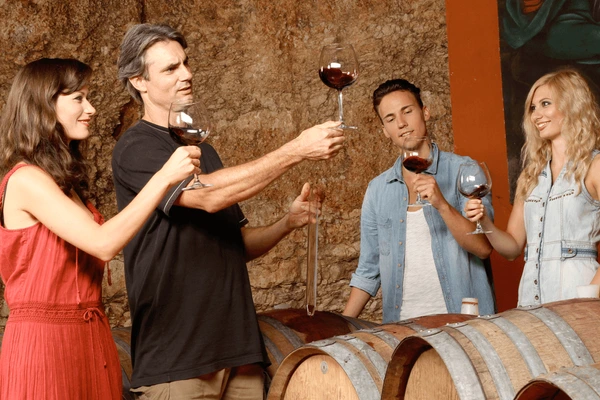
If you’ve never visited a winery before, you might be wondering what actually happens during a Tuscany wine tasting.
The good news is that most wineries are incredibly welcoming and designed for visitors of all experience levels.
You don’t need to be a wine expert, know complicated wine terminology, or have any special knowledge to enjoy the experience.
In fact, some of the best winery visits are enjoyed by people who simply love good wine, beautiful scenery, and learning something new.
Arrival at the Winery
When you arrive, you’ll usually check in at the winery reception or tasting room.
Depending on the winery, you may:
- join a small group tour
- have a private tasting experience
- meet directly with a winery host
- begin with a walk through the vineyards
Many wineries offer stunning views over the surrounding countryside, so it’s worth arriving a little early to enjoy the setting.
Learning About the Winery
Before the tasting begins, most wineries provide a brief introduction to their history, vineyards, and winemaking process.
You’ll often learn about:
- the estate’s history
- grape varieties grown on the property
- harvesting methods
- aging and production techniques
- what makes their wines unique
This helps you better understand the wines you’ll be tasting.
The Wine Tasting
The tasting itself usually includes between 3 and 6 wines, although premium experiences may include more.
A typical tasting might feature:
- a young red wine
- a reserve wine
- the estate’s flagship wine
- occasionally a white wine or rosé
- special vintages depending on availability
The host will explain each wine and suggest what flavours and characteristics to look for, but there’s no pressure to identify specific tasting notes.
The most important thing is whether you enjoy the wine.
Food Pairings
Many Tuscany wine tastings include local food pairings.
You may be served:
- pecorino cheese
- cured meats
- bruschetta
- olive oil
- fresh bread
- traditional Tuscan snacks
These pairings help showcase how local wines are traditionally enjoyed.
Buying Wine
At the end of the tasting, you’ll usually have the opportunity to purchase wines directly from the winery.
There is no obligation to buy anything, but many visitors enjoy taking home a bottle as a reminder of their trip.
Some wineries can also arrange international shipping.
Relax and Enjoy the Experience
One of the biggest surprises for first-time visitors is how relaxed Tuscany wine tastings are.
You don’t need to swirl perfectly, use technical wine language, or pretend to be an expert.
The goal is simple: enjoy the wine, learn a little about Tuscany’s wine culture, and soak up the atmosphere.
Car rental – If you plan to visit countryside towns and vineyards, a rental car is invaluable.

Do You Need to Book Tuscany Wine Tastings in Advance?
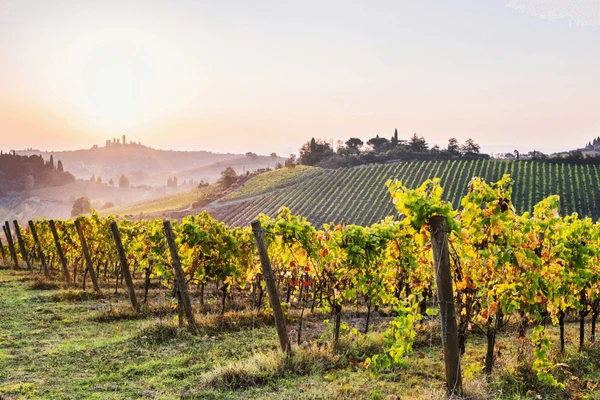
One of the most common questions first-time visitors ask is whether they need to reserve wine tastings before arriving in Tuscany.
The short answer is yes—whenever possible, book ahead.
While some wineries accept walk-in visitors, many of Tuscany’s most popular estates operate by appointment only, especially in regions like Chianti, Montalcino, and Montepulciano.
Booking in advance not only guarantees your place but often provides a much better experience.
Why Reservations Are Recommended
Most Tuscan wineries are working wine estates, not tourist attractions.
Staff often need to prepare:
- tasting rooms
- guides or hosts
- food pairings
- cellar tours
- private experiences
Without a reservation, there may be limited availability or no tastings scheduled when you arrive.
Peak Season Can Sell Out
During popular travel months, wineries can book out days or even weeks in advance.
This is especially true during:
- May
- June
- September
- October
Harvest season is one of the busiest and most popular times to visit Tuscany wine country.
If you’re travelling during these months, booking ahead is highly recommended.
How Far Ahead Should You Book?
As a general guide:
- Small wineries: 2–7 days ahead
- Popular wineries: 1–3 weeks ahead
- Luxury estates: several weeks or even months ahead during peak season
If there’s a specific winery you’ve always wanted to visit, reserve as soon as your travel dates are confirmed.
Planning Multiple Tastings
If you’re doing a self-drive wine trip, try not to over-schedule.
A common mistake is booking too many wineries in one day.
For most visitors:
- 2 wineries per day is ideal
- 3 wineries is usually the maximum
- leaving time for lunch and sightseeing makes the experience much more enjoyable
Remember, Tuscany is about slowing down and enjoying the journey.
Guests Staying at Vineyard Hotels
If you’re staying at a vineyard hotel or wine estate, many properties can arrange tastings directly for guests.
This often provides:
- easier booking
- exclusive experiences
- private cellar visits
- access to wines not available elsewhere
It’s worth asking your accommodation what experiences they offer.
Can You Just Turn Up?
Sometimes, yes.
Smaller wineries occasionally welcome walk-ins, particularly during quieter months.
However, relying entirely on walk-ins can lead to disappointment, especially if you’ve driven a long distance to visit a specific estate.
For the best experience, reservations are always the safer option.
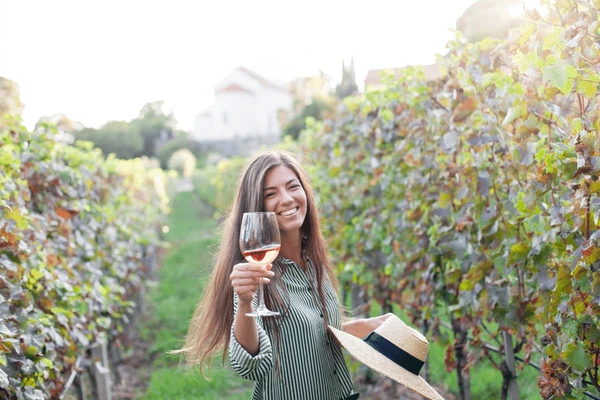

How Much Do Tuscany Wine Tastings Cost?
One of the pleasant surprises for many visitors is that Tuscany wine tastings are often more affordable than expected.
Prices vary depending on the winery, the wines included, and whether food, cellar tours, or private experiences are part of the tasting, but there are options for almost every budget.
From family-run wineries to world-famous Brunello estates, Tuscany offers excellent value compared to many other wine regions around the world.
Standard Wine Tastings
A typical tasting at a small or mid-sized winery usually includes:
- 3–5 wines
- introduction to the estate
- tasting notes from a host
- time to explore the property
Expect to pay approximately:
- €15–€30 per person
These tastings are common throughout Chianti and are ideal for first-time visitors.
Wine Tastings with Food Pairings
Many wineries offer upgraded experiences that include local food alongside the wines.
These often feature:
- Tuscan cheeses
- cured meats
- bruschetta
- olive oil tastings
- light lunches
Prices typically range from:
- €30–€60 per person
For many travellers, these experiences provide the best overall value.
Premium Winery Experiences
Prestigious estates in regions such as Montalcino and Montepulciano often offer more in-depth experiences.
These may include:
- vineyard tours
- cellar visits
- reserve wine tastings
- older vintages
- private hosts
Expect prices between:
- €60–€150+ per person
Some luxury experiences can cost even more depending on exclusivity and wine selection.
How Many Tastings Should You Budget For?
Most visitors find that:
- 1 winery = enjoyable
- 2 wineries = ideal
- 3 wineries = a full day
Trying to fit more than three tastings into a day often becomes rushed and reduces the enjoyment of the experience.
Quality is usually far more rewarding than quantity.
Is It Worth Paying More?
In many cases, yes.
Premium tastings often provide:
- smaller groups
- more personal interaction
- better wine selections
- access to special vintages
- deeper insight into Tuscan winemaking
If you’re visiting Tuscany specifically for wine, splurging on one memorable tasting can be well worth it.
Budget Tip
Consider mixing experiences throughout your trip.
Many seasoned wine travellers combine:
- one premium winery experience
- one mid-range tasting
- and one small family-run winery
This gives you a broader perspective on Tuscany’s wine culture while keeping costs reasonable.
Car rental – If you plan to visit countryside towns and vineyards, a rental car is invaluable.
Our Full Guide On
Best Wine Tours from Florence vs a Tuscany Self-Drive Road Trip

Tuscany Wine Terms Explained: Chianti, Brunello, Vino Nobile & Super Tuscans
When you start exploring wineries in Tuscany, you’ll quickly notice that wine labels can feel a little confusing at first.
Terms like Chianti, Brunello, and Vino Nobile aren’t just brand names—they refer to specific regions, grape styles, and strict production rules.
Understanding these basics will make your wine tastings much more enjoyable and help you choose wines with confidence.
Chianti Classico
Chianti Classico is Tuscany’s most famous wine and is produced mainly in the area between Florence and Siena, within the Chianti.
It is typically:
- medium-bodied red wine
- made mainly from Sangiovese grapes
- fruity, with cherry and earthy notes
- often marked with a black rooster symbol
This is usually the first wine most visitors try in Tuscany.
Brunello di Montalcino
Brunello di Montalcino is one of Italy’s most prestigious wines, produced only in and around Montalcino.
It is known for:
- full-bodied structure
- long aging process
- complex flavours (tobacco, leather, dark fruit)
- high-quality, premium production
This is often considered a “special occasion” wine.
Vino Nobile di Montepulciano
Vino Nobile di Montepulciano comes from Montepulciano and is another historic Tuscan wine with noble origins.
It is:
- smooth and elegant
- slightly lighter than Brunello
- made primarily from Sangiovese
- often very food-friendly
It’s a great introduction to southern Tuscany wines.
Super Tuscans
Super Tuscans are modern wines that don’t follow traditional Italian classification rules.
They often:
- blend Sangiovese with international grapes like Cabernet Sauvignon or Merlot
- come from various parts of Tuscany
- have bold, rich flavours
- are often premium or luxury wines
These wines helped redefine Tuscany’s global wine reputation.
Why This Matters for Wine Tastings
When you visit wineries, you’ll often see these names on tasting menus.
Understanding the difference helps you:
- know what you’re drinking
- compare regions
- choose wines you’ll enjoy more
- and follow conversations during tastings
It also makes the whole experience feel far less intimidating
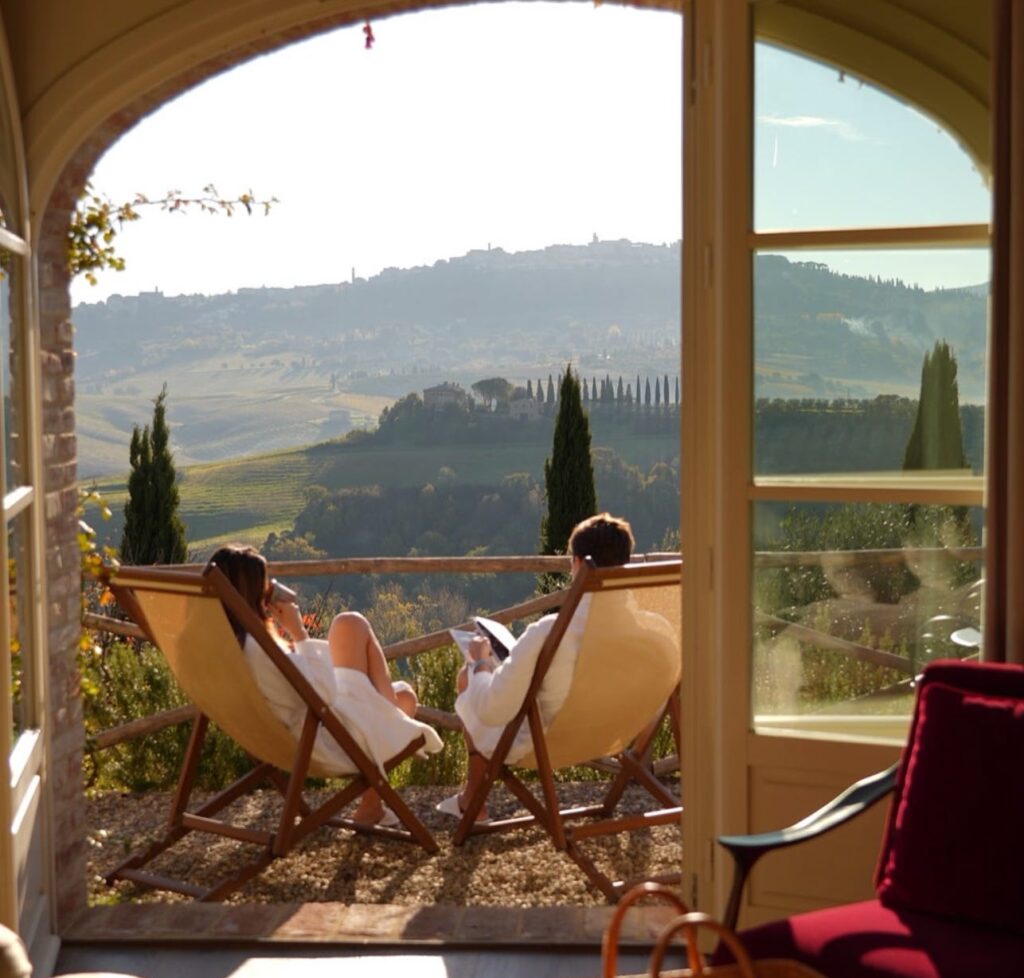
Where to Stay Near the Vineyards
Best Vineyard Hotels in Tuscany: Luxury Wine Stays in Chianti, Montalcino & Val d’Orcia
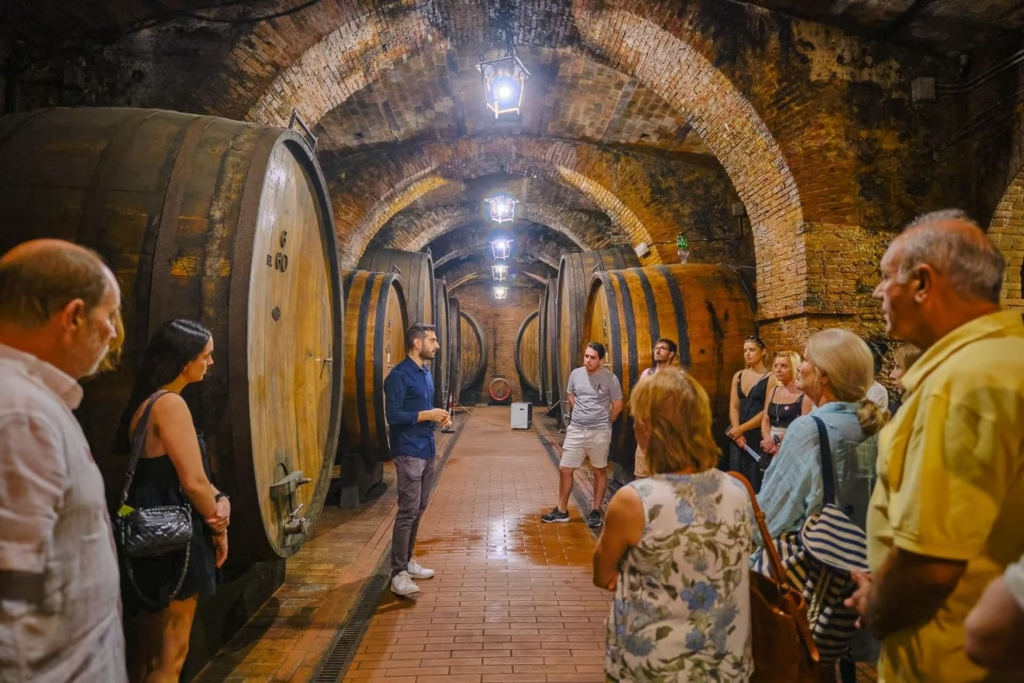
Wine Tasting Etiquette in Tuscany (What to Do & What Not to Do)
Wine tasting in Tuscany is relaxed, friendly, and welcoming—but there are still a few simple etiquette tips that will help you feel confident and make the most of the experience.
The good news is that you don’t need to be an expert.
Wineries are used to first-time visitors, especially in popular regions like Chianti, Montalcino, and Montepulciano.
Do: Relax and Enjoy the Experience
The most important rule is simple—there are no strict rules.
Wine tastings in Tuscany are designed to be:
- enjoyable
- educational
- relaxed
- and unhurried
You are not expected to be a wine expert, and there is no “right” way to taste wine.
Do: Smell and Sip Slowly
When tasting wine, take your time.
A simple approach:
- look at the wine
- gently smell it
- take a small sip
- think about whether you enjoy it
There is no pressure to identify complex flavours unless you want to.
Do: Ask Questions
Wineries appreciate curious visitors.
You can ask about:
- grape varieties
- how the wine is made
- ageing process
- differences between wines
- food pairing suggestions
Staff are usually passionate and happy to share their knowledge.
Don’t: Rush the Tasting
One of the biggest mistakes visitors make is trying to fit too many wineries into one day.
In Tuscany, especially in places like Val d’Orcia, the experience is meant to be slow and scenic.
Two wineries in a day is often the perfect balance.
Don’t: Feel Pressured to Buy Wine
At the end of tastings, wine is often available to purchase—but there is no obligation.
Buying is appreciated, but completely optional. Many visitors simply enjoy the experience and move on.
Do: Drink Responsibly
Wine tastings often include several glasses of wine, so pace yourself.
If you’re driving through Tuscany:
- consider spitting wine (completely normal in tastings)
- or choose designated driver days
- or plan tastings earlier in the day
Safety always comes first on a Tuscany road trip.
Do: Enjoy the Food Pairings
If food is included, take time to enjoy it.
Tuscan wines are designed to be enjoyed with:
- cheese
- cured meats
- bread
- olive oil
These pairings are part of the cultural experience.
Do: Be Polite and Friendly
Simple manners go a long way:
- say hello and thank you
- listen when the host is speaking
- respect other guests in group tastings
Tuscany wineries are warm and welcoming, and politeness is always appreciated.
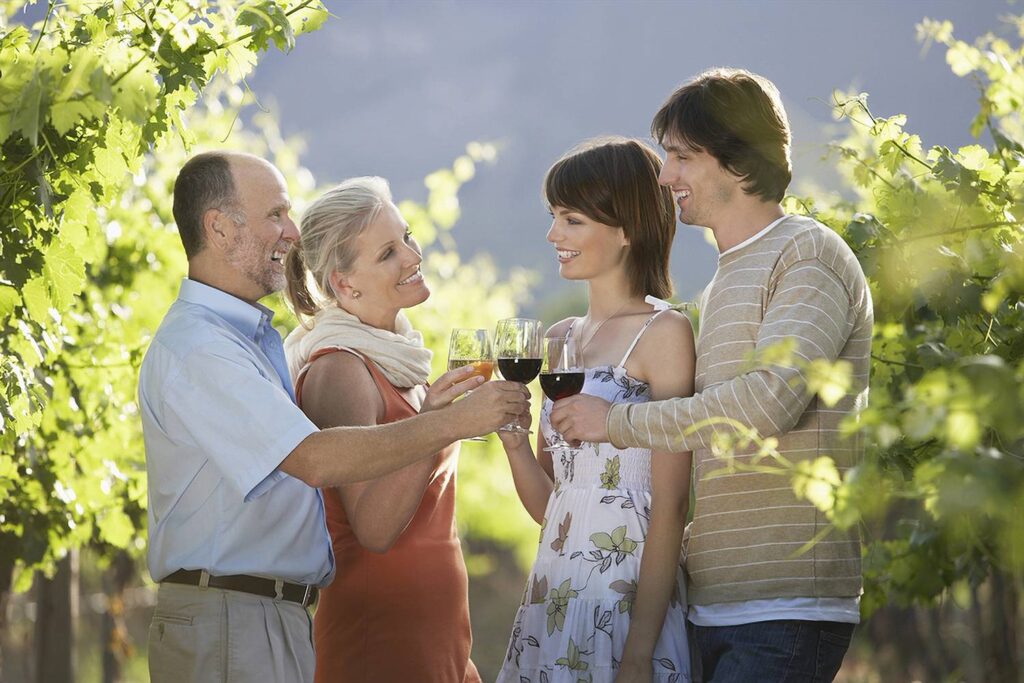
Should You Visit Small Family Wineries or Large Estates in Tuscany?
When planning your Tuscany wine tastings, one of the biggest choices you’ll make is whether to visit small family-run wineries or larger, more established wine estates.
Both offer excellent experiences, but they feel quite different—and understanding this helps you plan a more balanced and enjoyable wine trip.
Small Family-Run Wineries
Small wineries are often found throughout regions like Chianti and rural parts of Val d’Orcia.
These wineries are usually:
- family-owned and operated
- more personal and informal
- set in rural countryside locations
- focused on tradition and local production
What to Expect
At a small winery, you might:
- be welcomed by the owner or family member
- tour vineyards and production areas
- taste wines in a relaxed, home-style setting
- enjoy a more conversational experience
Why Visitors Love Them
Small wineries feel authentic and intimate. You often get a deeper connection to the people behind the wine and a more personal story behind each bottle.
Large Wine Estates
Larger estates are more common around areas like Montalcino and parts of southern Tuscany near Montepulciano.
These wineries are typically:
- professionally run and well-structured
- larger in scale with extensive vineyards
- equipped for tours and tastings
- sometimes paired with restaurants or hotels
What to Expect
At a large estate, you may experience:
- guided tours with structured explanations
- professional tasting rooms
- more formal wine presentations
- wider selection of wines, including premium labels
Why Visitors Love Them
Large estates often offer a more polished experience, with higher-end wines and beautifully designed facilities.
They’re ideal for learning about Tuscany’s top wine production at scale.
Which One Is Better?
The truth is: neither is better—it depends on what you want.
- Small wineries = authentic, personal, relaxed
- Large estates = structured, educational, premium
Most wine travellers find the best experience comes from combining both.
Best Approach for First-Time Visitors
If it’s your first trip to Tuscany, a good balance might be:
- 1 small family winery
- 1 mid-size estate
- 1 famous or luxury winery
This gives you a full picture of Tuscany’s wine culture—from traditional methods to world-class production.
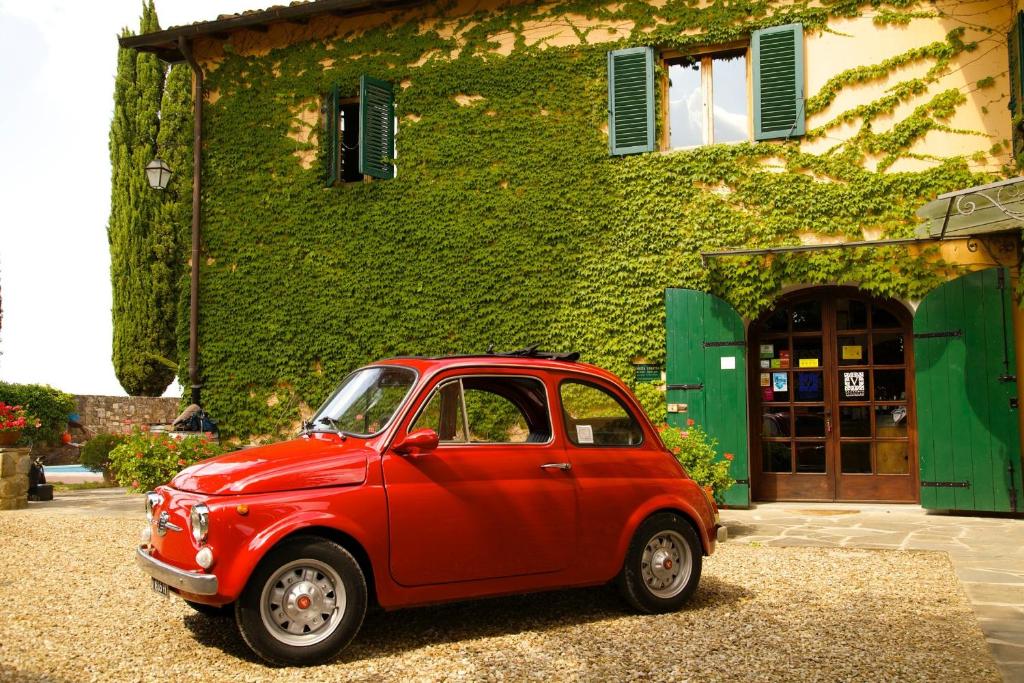
Best Itineraries for a Wine Trip
Tuscany Wine Road Trip: The Ultimate 3–10 Day Itinerary
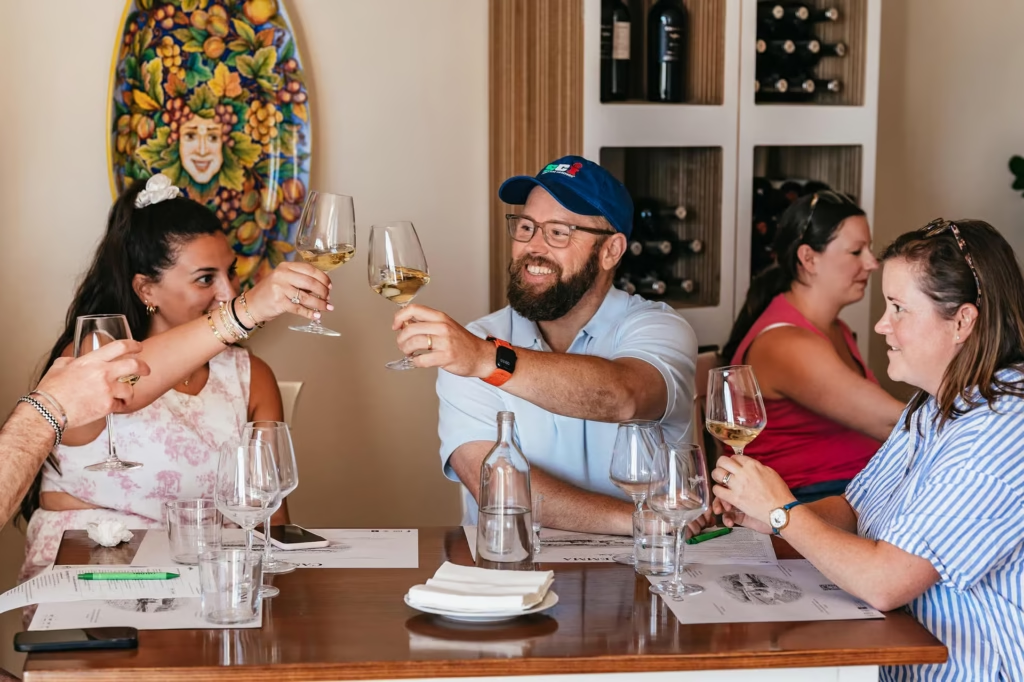
FAQs: Tuscany Wine Tasting for Beginners
Do I need wine knowledge to do a Tuscany wine tasting?
No. Wine tastings in Tuscany are designed for everyone, including complete beginners. You don’t need to know terminology or have any prior experience.
Do I need a car to visit wineries in Tuscany?
If you want flexibility, yes. A car is highly recommended for exploring regions like Chianti, Montalcino, and Montepulciano independently.
How many wineries should I visit in one day?
Two wineries per day is ideal. Three is possible, but anything more can feel rushed and reduce the enjoyment of the experience.
Do Tuscany wineries require reservations?
Yes, in most cases. Many wineries operate by appointment only, especially in popular regions like Chianti and Montalcino.
How much does a wine tasting cost in Tuscany?
Most tastings range from €15–€30 for standard experiences, while premium tastings can range from €60–€150+ depending on the winery and experience.
Is food included in wine tastings?
Often yes. Many wineries include light food pairings such as cheese, bread, olive oil, or cured meats, especially in upgraded tastings.
What wines will I taste in Tuscany?
Common wines include Chianti Classico, Brunello di Montalcino, Vino Nobile di Montepulciano, and various Super Tuscans.
Are Tuscany wine tastings suitable for beginners?
Absolutely. Wineries are welcoming and relaxed, and staff guide you through everything, making it perfect even for first-time visitors.
Car rental – If you plan to visit countryside towns and vineyards, a rental car is invaluable.
Ready to Turn Your Dream Into a Plan?
If you’ve ever dreamed of travelling Europe for longer than just a holiday, our FREE 90-Day Slow Travel Starter Kit is the perfect place to start.
Inside you’ll discover:
 The first planning steps
Understanding the Schengen Rule
How we choose where to stay
Practical slow travel tips
 Download Your FREE Starter Kit
Want to Go Even Further?
If you’d like to learn the complete system we’ve developed after years of travelling Europe full-time, take a look at our new book.
 How We Actually Travel Europe Long-Term
Discover the Book
Do You Need Travel Insurance for Tuscany?
(Short Answer: Yes — It’s Still a Smart Idea)
Travel insurance isn’t legally required to visit Tuscany, but it’s one of the smartest things you can have when travelling in Italy.
Even in a relaxed destination like Tuscany, things can go wrong — from delayed flights and lost luggage to medical issues, rental car damage, or unexpected trip cancellations.
And while Italy has excellent healthcare, medical treatment for visitors can still be costly without proper coverage.
As long-term travellers living in Italy, we’ve found SafetyWing to be a practical option for trips around Europe, offering coverage for medical care, travel delays, and lost belongings without complicated fine print.
SafetyWing
(Best for Long-Term Travel & Affordability)
We personally use SafetyWing, and have since 2019.
It’s perfect for travelling, spending multiple weeks or a whole year abroad.
You can get a Quote here.
It’s the kind of insurance you hope you never need—but you’ll be very glad you have if something unexpected happens.
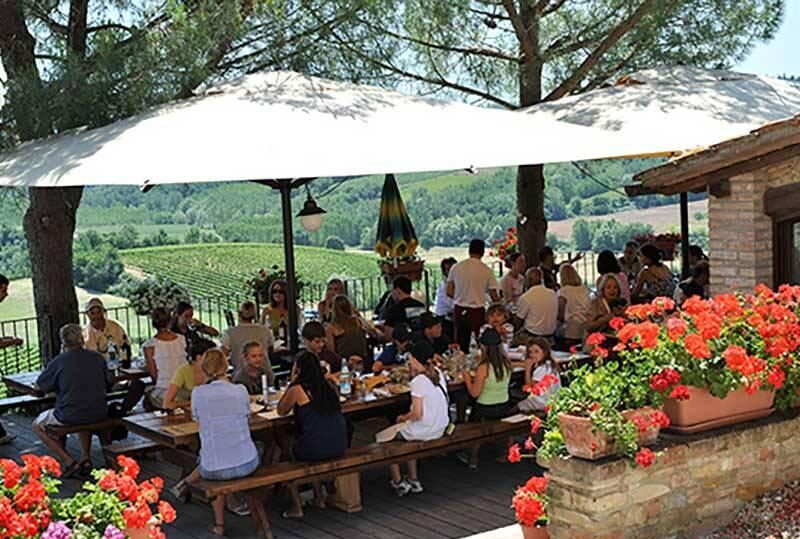
Final Thoughts: How to Make the Most of Your Tuscany Wine Experience
Wine tasting in Tuscany is one of the most enjoyable and accessible ways to experience Italy’s countryside.
Whether you’re exploring the vineyards of Chianti, discovering world-famous wines in Montalcino, or enjoying the hilltop charm of Montepulciano, the key is to slow down and enjoy the journey.
The best Tuscany wine experiences aren’t rushed or overly structured—they’re relaxed, scenic, and deeply connected to the land.
If you:
- book a few tastings in advance
- mix small family wineries with larger estates
- and allow time to enjoy the countryside
you’ll experience Tuscany at its very best.
At its heart, wine tasting here isn’t just about wine—it’s about landscape, tradition, and the simple pleasure of slowing down in one of the most beautiful regions in the world
PLAN YOUR TUSCANY ADVENTURE
These are our favorite companies we use when planning a trip, they consistently have the best prices, great customer service, and overall, are better than their competitors.
BOOK YOUR FLIGHT – Going is a great search engine if you are flexible about your travel destination and dates. Sign up for their newsletter and get the latest deals on destinations around the world. GOING is our new go to.
CAR RENTAL – We recommend using Discover Cars or Rental Cars when booking a car rental, they work with hundreds of companies worldwide to help you find the best car for your needs.
TRAINS – TRAINLINE – is our favorite, this site is very reliable and easy to use.
BUS – OMIO – this website allows you to book train or bus tickets to travel from city to city the best and cheapest way. FLIXBUS is another terrific website with routes between 20 European countries.
ACCOMMODATIONS
BOOKING.com – is our go to for hotel searches around the world, we find they always have the cheapest rates and offer different payment options. In addition, VRBO is another terrific website for all types of accommodations.
HOSTELWORLD – is great if you’re traveling on a budget, and if you need a cheap place to stay.
SIGHTSEEING TOURS
GET YOUR GUIDE – is our favorite; they have stacks of tours and excursions available in cities all over the world. VIATOR is another great website for all types of tours.
TAKE WALKS – This walking tour company provides inside access to attractions and places you can’t get elsewhere.
TRAVEL INSURANCE
SAFETY WING – is our go to travel medical insurance company, especially for longer trips. You can either purchase a monthly plan or a plan for specific trip dates (i.e. 1-2 week trips). They cover people from all over the world, while outside their home country.
ARC’TERYX – is a go to reliable brand for outdoor adventure and travel, their wide range includes light weight durable, easy to clean travel gear.
Check out our RESOURCE PAGE for more additional planning.