Self-Drive Wine Tours from Florence (2026): The Best 1, 2 & 3-Day Tuscany Wine Itineraries
Timeless Wanderers: Posted July 17, 2026
Your Complete Guide to Self-Drive Wine Tours from Florence
One of the things we love most about staying in Florence is how quickly you can escape into the Tuscan countryside.
Within an hour, the traffic disappears, the pace slows, and you’re driving through some of the most famous wine country in the world.
Some of Tuscany’s best wine regions are close enough for a relaxed day trip, while others deserve a little more time to explore.
Over the years, we’ve discovered that there isn’t just one perfect wine drive from Florence. It really depends on how much time you have.
If you’ve only got a day, head into the heart of Chianti and enjoy vineyard tastings, hilltop villages, and long lunches overlooking the vines.
If you have two days, you can slow the pace, spend a night in wine country, and explore places that many visitors rush past.
With three days, you can experience three of Tuscany’s most celebrated wine regions—Chianti, Montalcino, and Montepulciano—without feeling like you’re constantly in the car.
This guide brings together our favourite self-drive wine itineraries from Florence, along with practical driving tips, suggested stops, and ideas for where to stay.
Whether you’re visiting Tuscany for the first time or returning for another wine adventure, these routes are designed to help you enjoy the journey just as much as the destination.
Table of Contents
Why Florence Is the Perfect Starting Point for Tuscany Wine Tours
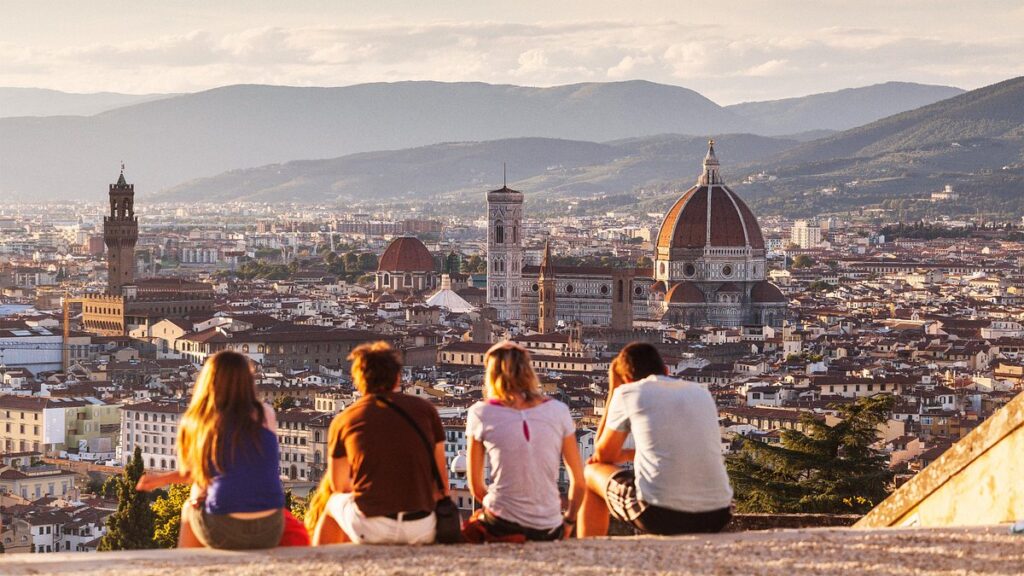
Florence isn’t just a cultural city break — it’s one of the best bases in Italy for exploring wine country.
In less than an hour, you can be in the heart of Chianti.
In under two hours, you can reach the rolling hills of Montalcino or the Renaissance town of Montepulciano.
Few places in Europe make it this easy to move between world-class wine regions in such a short space of time.
The other advantage is flexibility.
You can spend your mornings in Florence exploring museums or wandering the streets, then switch completely into countryside mode in the afternoon — driving quiet roads, stopping at vineyards, and sitting down for long lunches overlooking the hills.
Having a car gives you freedom that organised tours simply can’t match.
You can stop when you want, take scenic detours, visit smaller wineries, and move at your own pace.
And in Tuscany, that slower pace really matters.
We can help you plan your dream trip to Tuscany, with a personalised itinerary designed just for you.
After more than 20 years of travelling to Tuscany—and loving it so much we decided to make it our home—we now live here and explore the region at a relaxed, local pace.
Planning a trip to Tuscany is exciting, but choosing where to go, how long to stay, and how to get around can quickly become overwhelming.
That’s where we come in.
We offer a personalised planning service that helps you decide exactly how to explore Tuscany, based on your travel style, budget, and pace.
Plus, we can help you plan scenic drives, time in hilltop towns, food and wine experiences, and those small local moments that make a trip truly special—making your Tuscany holiday easier, smoother, and full of memories you’ll treasure long after you return home.
“Let us plan your perfect trip with a custom itinerary designed just for you.
Fill out the form and let’s begin your dream.”
Before You Go: Driving Tips for Tuscany Wine Country
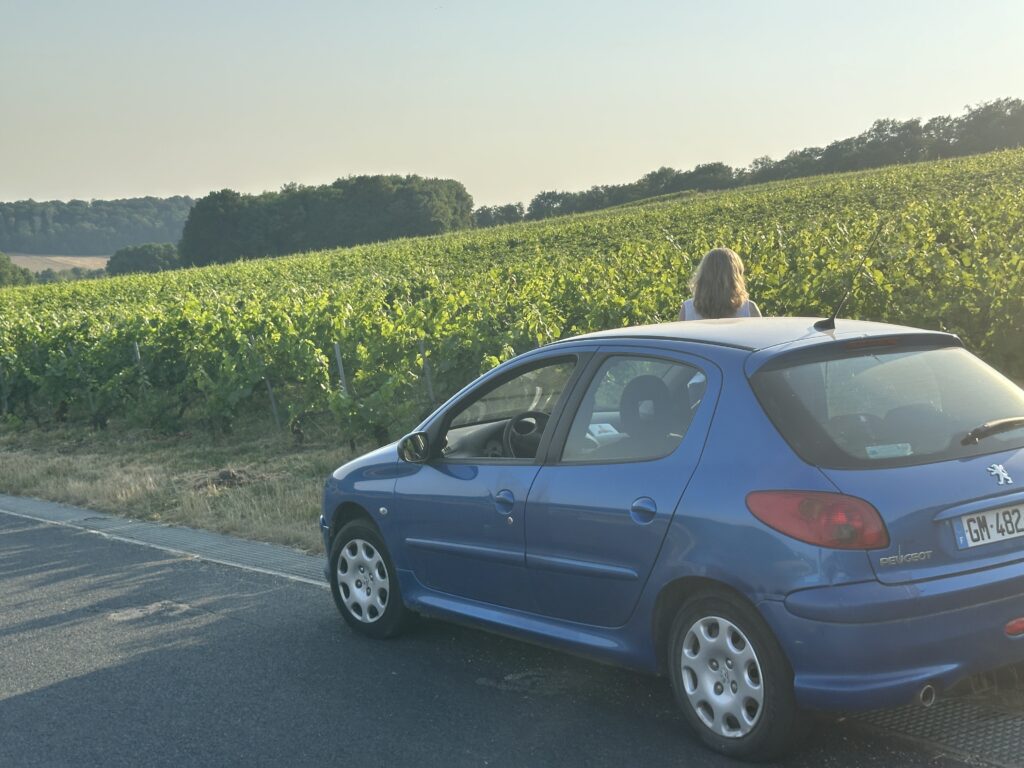
Driving in Tuscany is one of the easiest and most enjoyable ways to explore the region — but a little preparation goes a long way.
Once you leave Florence, the roads quickly become quieter and more scenic. You’ll pass vineyards, olive groves, and hilltop towns, often with very little traffic compared to the city.
That said, there are a few things worth knowing before you set off.
Pick Up Your Car at the Right Time
If you’re staying in central Florence, it’s usually best not to collect your hire car immediately.
The historic centre is not designed for driving, and the traffic zones can be confusing for first-time visitors.
Instead, enjoy Florence first, then collect your car from the airport or an out-of-town rental location on the morning you start your wine tour.
It makes the whole experience much smoother from the start.
Car rental – If you plan to visit countryside towns and vineyards, a rental car is invaluable.
Be Careful of ZTL Zones
Florence (and many Tuscan towns) have restricted driving areas known as ZTL zones.
These are monitored by cameras, and entering without permission can result in a fine.
The key is simple: don’t drive into the historic centre unless you are absolutely sure you are allowed to.
Set your navigation before leaving and follow main routes out of the city.
Keep Your Wine Visits Relaxed
It’s tempting to try and fit in as many wineries as possible, especially when everything looks so close on the map.
But Tuscany is best experienced slowly.
Two wineries in a day is usually perfect. Three is the absolute maximum if you want to actually enjoy each stop rather than rush through them.
Think of the day as a mix of:
- one or two tastings
- a long lunch
- scenic driving
- and spontaneous stops along the way
Take the Scenic Roads
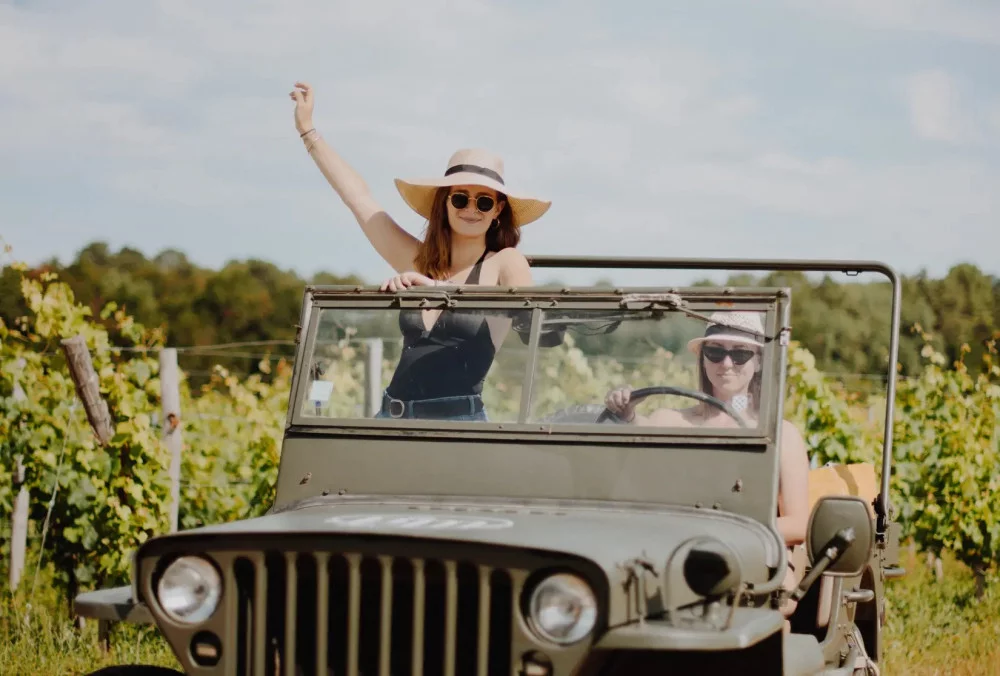
Google Maps will often suggest the fastest route, but in Tuscany, the fastest route is rarely the most rewarding.
Whenever possible, choose the smaller country roads that wind through the hills.
You’ll pass vineyards, stone farmhouses, and small villages you might otherwise miss completely.
Some of the best moments happen on these quieter roads between destinations.
Parking Is Simple Once You Know This
Most wine towns are not designed for cars in the centre.
Instead, you’ll find designated parking areas just outside the historic streets.
Park the car, then explore on foot — it’s the easiest way to experience places like Greve, Radda, Montalcino, and Montepulciano.
A Note on Wine Tasting & Driving
If you’re doing a self-drive wine tour, pacing is important.
Many wineries offer small tasting pours, and it’s common to share tastings or take your time rather than finishing everything.
Drink water between stops, enjoy long lunches, and don’t feel pressured to visit too many places in one day.
The goal is experience, not volume.
When to Go
Tuscany changes beautifully with the seasons:
- Spring: green vineyards, quiet roads, comfortable temperatures
- Summer: lively atmosphere, but hot afternoons
- Autumn: harvest season, warm colours, best overall experience
- Winter: quiet, relaxed, more local feel
If you can choose freely, spring and autumn tend to offer the best balance.
Car rental – If you plan to visit countryside towns and vineyards, a rental car is invaluable.
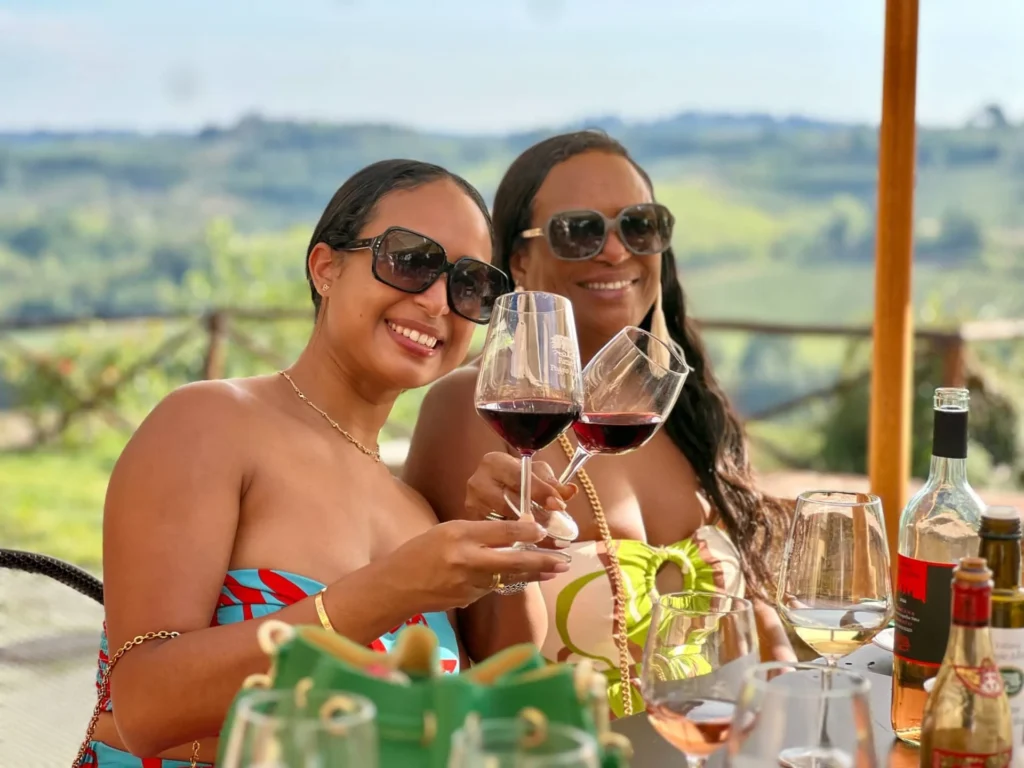
1-Day Self-Drive Wine Tour from Florence (Chianti Classico)
If you only have one day for a wine tour from Florence, Chianti Classico is the route we’d always recommend.
It’s close enough to do without rushing, but varied enough to feel like a proper journey through the Tuscan countryside.
Within an hour of leaving Florence, the scenery changes completely — city streets give way to winding country roads, vineyards, olive groves, and small stone villages sitting quietly on the hills.
This is Tuscany at its most classic.
Morning: Florence → Greve in Chianti
Start the day early and head south out of Florence towards the Chianti hills.
Your first stop is Greve in Chianti, often described as the gateway to the Chianti wine region.
The drive takes around 45 minutes, and it’s the perfect place to ease into the day.
Greve has a relaxed main square lined with arcades, cafés, and small wine shops. It’s not a place to rush — grab a coffee, take a walk, and enjoy the slower pace of life compared to Florence.
If you’re there on a Saturday, the local market is worth a look for regional produce and small artisan stalls.
Late Morning: First Winery Visit
From Greve, continue deeper into the Chianti countryside for your first winery experience.
There are many estates in this area, from well-known producers to smaller family-run vineyards.
The best approach here is simple: choose one winery and take your time.
A typical visit might include:
- a walk through the vineyards
- a cellar tour
- a guided tasting of Chianti Classico wines
- sometimes a small selection of local olive oil or cheese
This isn’t about rushing through tastings — it’s about slowing down and understanding the place behind the wine.
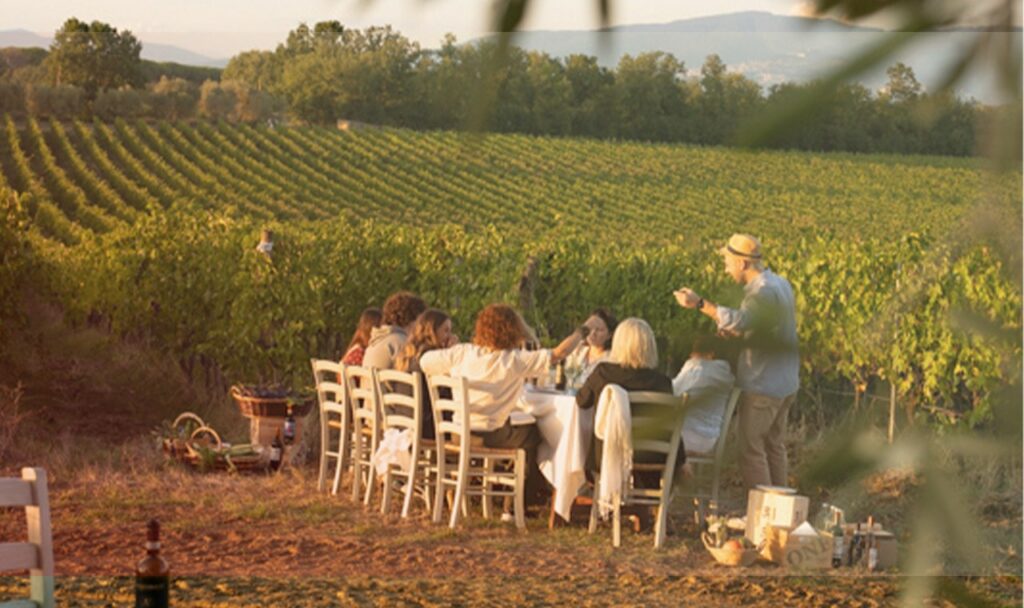
Lunch: Vineyard or Hilltop Restaurant
Lunch is one of the highlights of any Chianti day.
Many wineries offer simple lunches paired with their wines, while nearby villages have traditional trattorias serving local Tuscan dishes.
Expect things like handmade pasta, slow-cooked meats, pecorino cheese, and seasonal vegetables.
Sitting outside with a glass of wine and views over the hills is one of those moments that tends to stay with you long after the trip ends.
Afternoon: Castellina or Radda in Chianti
After lunch, continue along the scenic ridge roads deeper into Chianti.
You can choose between Castellina in Chianti or Radda in Chianti — both small, historic towns surrounded by vineyards.
Castellina feels slightly more open, with wide views across the valley and a lively main street.
Radda feels quieter and more tucked away, with stone buildings and narrow streets that invite you to slow down even more.
Either works well — there’s no need to try and do both in one day.
Late Afternoon: Return to Florence
On the way back to Florence, avoid the main motorway if you can and take the smaller country roads.
This is often one of the nicest parts of the day.
The light softens across the hills, the vineyards take on a golden tone, and the roads are quiet enough that you can simply enjoy the drive.
It’s a relaxed end to a simple but memorable day in the Tuscan countryside.
Our Advice
Don’t treat this as a checklist day.
One winery, one long lunch, and a couple of stops in villages is more than enough.
Chianti isn’t about how much you see — it’s about how slowly you experience it.
Car rental – If you plan to visit countryside towns and vineyards, a rental car is invaluable.
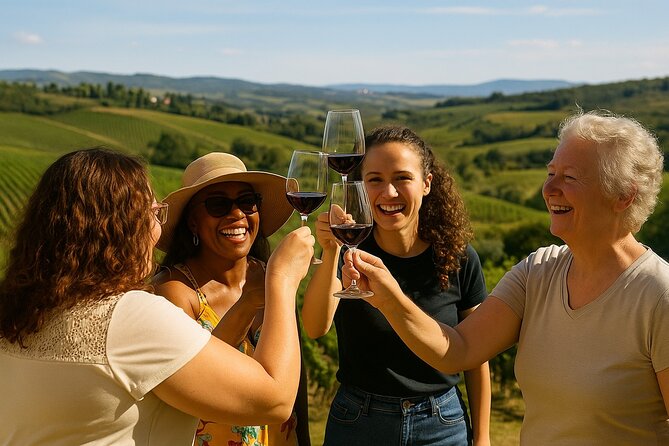
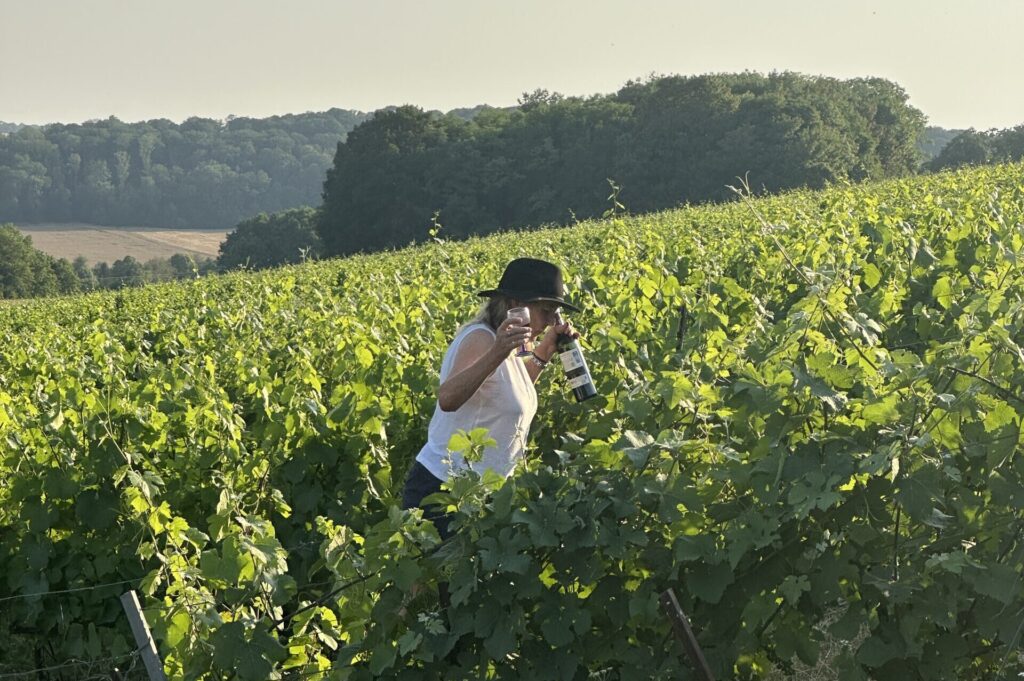
2-Day Self-Drive Wine Tour from Florence (Chianti + Overnight Stay)
If you can add an extra day to your wine tour, it makes a big difference.
Not because you’ll see dramatically more places, but because you’ll experience Tuscany when the day visitors have gone and the countryside quietens down.
Everything feels slower, more relaxed, and a lot more personal once you stay overnight in the wine region itself.
This itinerary keeps things simple — one full day exploring Chianti, followed by a night in the countryside, and a relaxed drive back to Florence.
Day 1: Florence → Greve → Radda in Chianti
Start the same way as the one-day route, leaving Florence and heading into the Chianti hills.
Your first stop is Greve in Chianti, where you can enjoy a coffee in the main square and ease into the day.
From here, continue deeper into the region towards Radda in Chianti.
The drive between the two is part of the experience — winding roads, vineyard views, and small villages along the way.
Radda is a good place to slow down for lunch or your first winery visit. It’s smaller and quieter than Greve, with stone streets and a calm atmosphere that suits a slower pace.
Afternoon: One Proper Winery Visit
With two days, there’s no need to rush.
Pick one winery and spend proper time there instead of trying to fit in multiple stops.
A typical visit includes:
- a vineyard walk
- cellar tour
- guided tasting of Chianti Classico wines
- time to sit and enjoy the setting
This is where the day naturally slows down.
Evening: Stay in the Chianti Countryside
After your winery visit, head to your accommodation for the night.
Staying in Chianti is one of the best parts of this type of trip.
Agriturismos, small hotels, and vineyard stays are dotted throughout the hills, often just a short drive from Radda or Castellina.
As evening arrives, the roads become quiet, the light softens, and the pace of life feels completely different from Florence.
Dinner is usually simple, local, and relaxed — often made with seasonal ingredients from the surrounding countryside.
It’s not about doing more; it’s about slowing down.
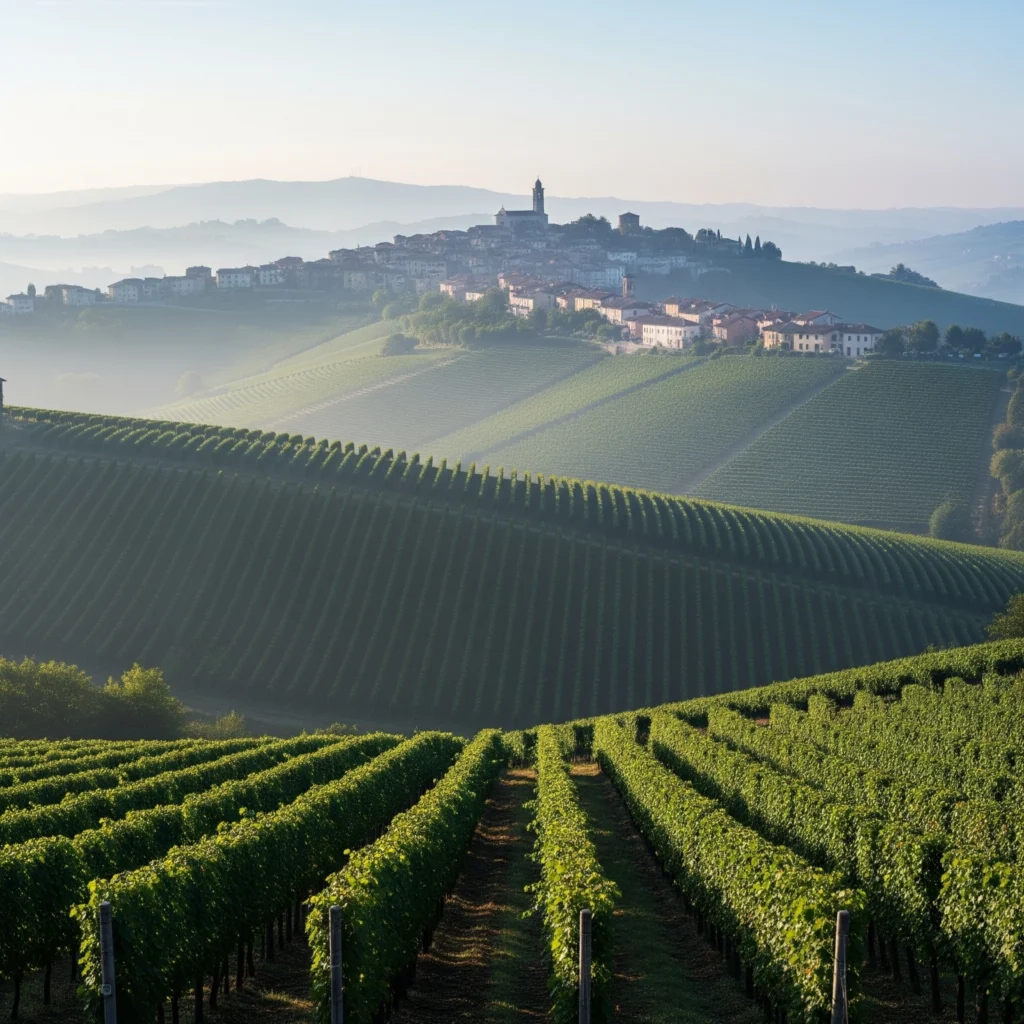
Day 2: Castellina → Scenic Drive → Return to Florence
After breakfast, make your way towards Castellina in Chianti.
It’s a good final stop before heading back towards Florence, with small streets, viewpoints, and a relaxed morning feel.
From here, begin your return journey.
There’s no need to rush — the roads through Chianti are just as enjoyable in the morning as they are in the afternoon.
If you feel like it, you can stop at one final winery along the way, but it’s just as nice to simply enjoy the drive.
Our Advice
The real difference with a two-day trip is space.
Space to slow down.
Space to enjoy a long lunch without checking the time.
Space to experience the countryside after the day-trippers have left.
It doesn’t feel like a packed itinerary — it feels like you’ve simply stepped into a different rhythm for a short time.

3-Day Self-Drive Wine Tour from Florence (Chianti → Montalcino → Montepulciano)
If you have three days, this is where Tuscany really starts to feel complete.
Instead of staying in one wine region, you connect three of the most important wine areas in the country — Chianti Classico, Brunello di Montalcino, and Vino Nobile di Montepulciano — into one relaxed road trip.
Each region has its own character, and part of the enjoyment is noticing how the landscape slowly changes as you move through them.
Day 1: Florence → Chianti (Greve → Radda → Countryside Stay)
Leave Florence in the morning and head south into the Chianti hills.
Your first stop is Greve in Chianti, a relaxed town that works well as an introduction to the region.
From here, continue towards Radda in Chianti, where the roads become quieter and the scenery more enclosed with vineyards and woodland.
This is a good area to slow down for lunch or a winery visit before checking into your accommodation for the night.
Staying in Chianti sets the tone for the trip — relaxed, rural, and away from the rush of Florence.
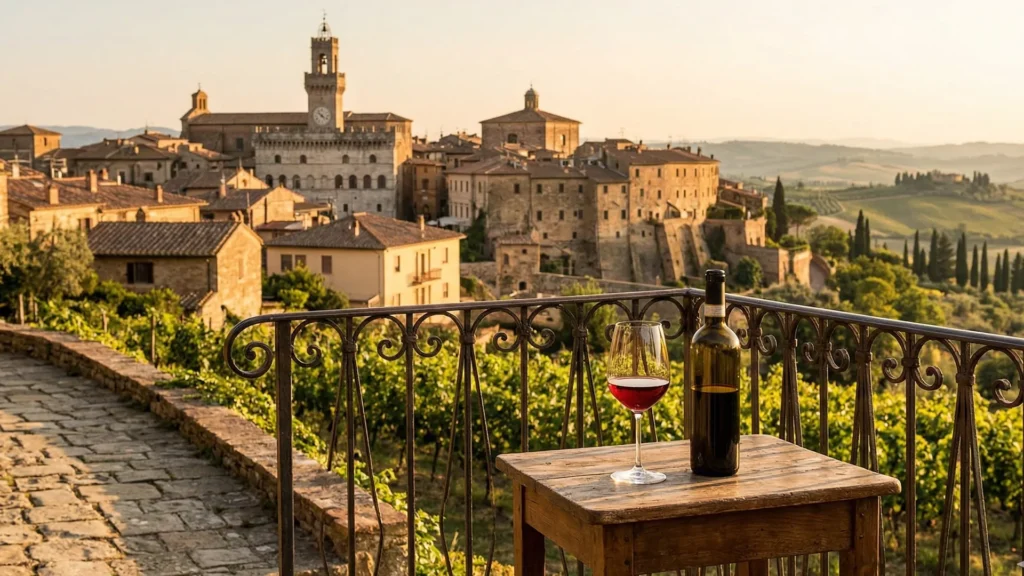
Day 2: Chianti → Montalcino (Brunello Country)
After breakfast, begin the drive south towards Montalcino.
As you approach Montalcino, the landscape opens up and becomes more dramatic — wider hills, fewer villages, and long views across the Val d’Orcia.
This is Brunello country, known for its structured wines and quiet, rural feel.
Spend your afternoon exploring the town, visiting a winery, or simply enjoying the views from the historic centre.
Unlike Chianti, everything here feels more still and contained.
Stay overnight in or near Montalcino to enjoy the calm atmosphere once the day visitors leave.
Day 3: Montalcino → Montepulciano → Return to Florence
On your final day, head east towards Montepulciano.
This hilltop town combines Renaissance architecture with sweeping views over vineyards and olive groves.
It’s a beautiful place to slow down in the morning, wander the historic streets, and visit one of the traditional underground wine cellars.
From here, begin your return journey to Florence.
If time allows, take the scenic roads through the countryside rather than the motorway — it’s a fitting way to end a Tuscany wine road trip.
Our Advice
The value of this route isn’t just in the destinations — it’s in how each region feels different even though they’re relatively close together.
Chianti is lively and classic.
Montalcino is quiet and focused.
Montepulciano feels elegant and open.
Together, they give you a complete picture of Tuscany’s wine culture without ever feeling rushed.
Car rental – If you plan to visit countryside towns and vineyards, a rental car is invaluable.
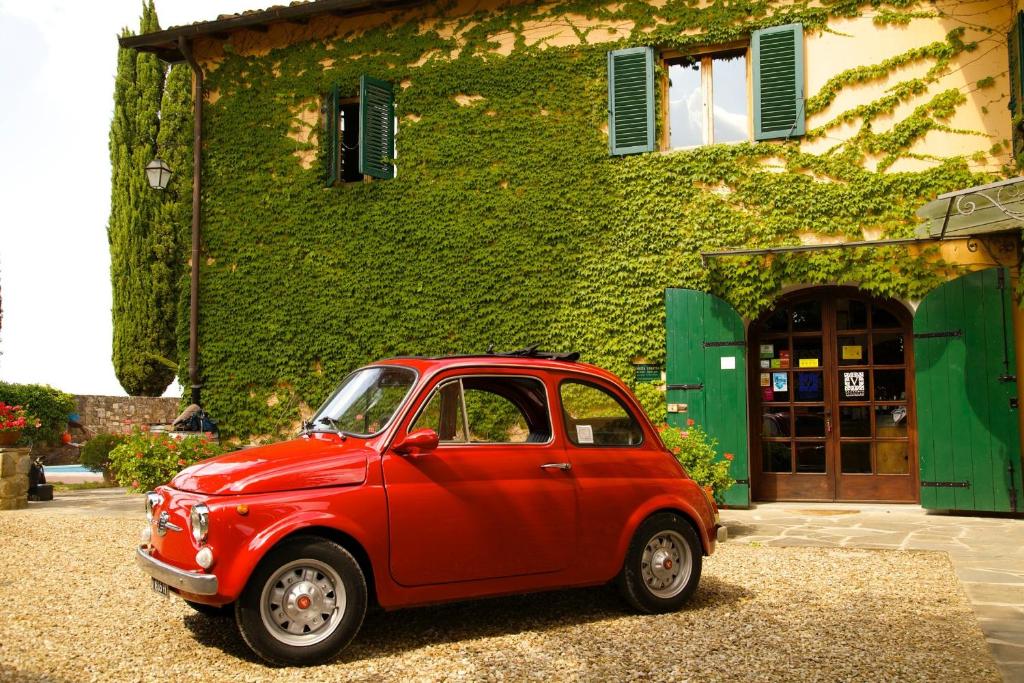
Where to Stay for Self-Drive Wine Tours from Florence
Where you stay can shape your entire Tuscany wine experience.
You can either base yourself in Florence and take day trips, or stay out in the countryside and immerse yourself more deeply in the wine regions.
Both work well — it just depends on the kind of trip you want.
Florence (best for flexibility)
Staying in Florence is ideal if you want variety.
You can spend one day exploring the city and the next driving into wine country without changing accommodation.
It also works well for shorter trips where you want to keep logistics simple.
Chianti countryside (best overall experience)
If you want the most authentic wine experience, staying in Chianti is the best option.
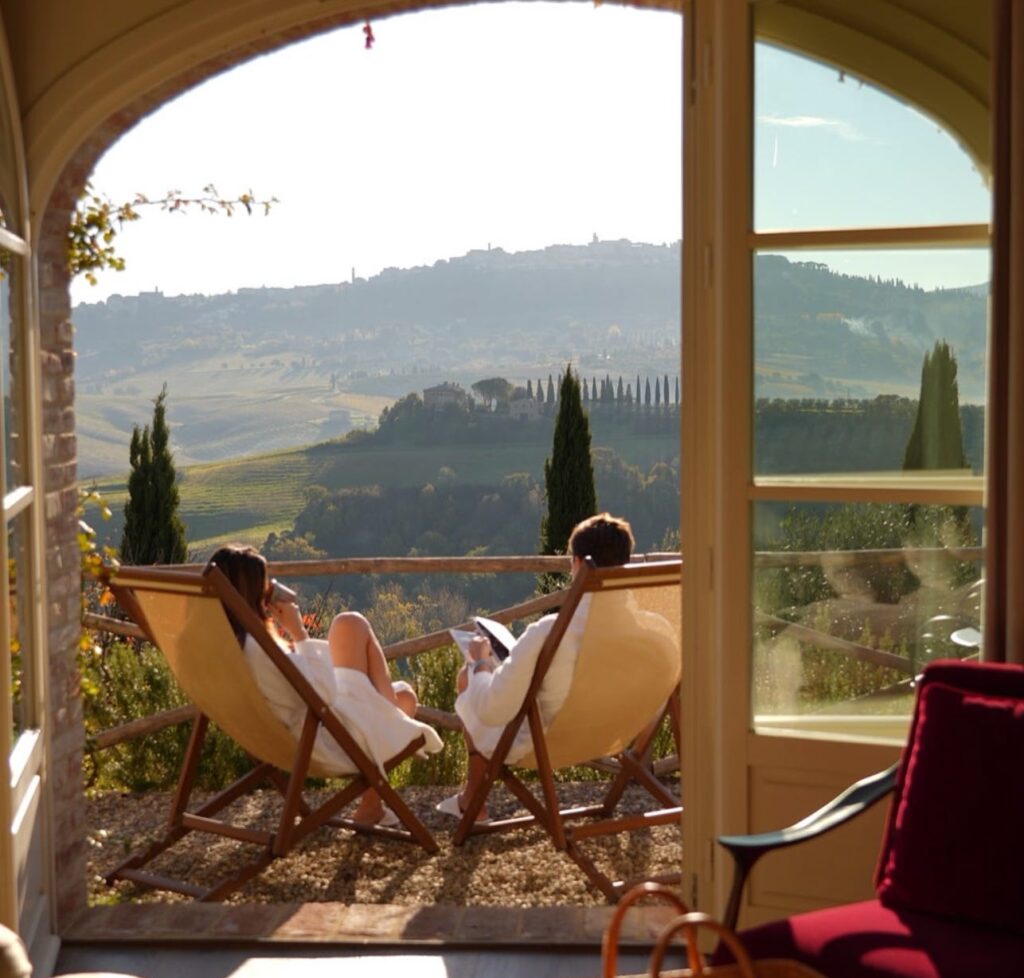
Agriturismos and vineyard stays are scattered throughout the hills, offering quiet surroundings, local food, and easy access to wineries.
Waking up in the middle of wine country changes the whole rhythm of the trip.
Montalcino & Montepulciano (best for longer trips)
For a 3-day itinerary, staying in Montalcino or Montepulciano gives you a very different experience again.
These hill towns are quieter in the evening, and you get a real sense of rural Tuscany once the day visitors leave.
It’s ideal if you want to slow things down and stay in historic towns rather than countryside farm stays.
Read our Full Guide On
Best Vineyard Hotels in Tuscany: Luxury Wine Stays in Chianti, Montalcino & Val d’Orcia
Best Time to Visit Tuscany for Wine Tours (By Season)
Tuscany is a region that changes beautifully throughout the year, and the experience of a wine tour can feel very different depending on when you visit.
Vineyards, light, temperatures, and even the pace of life in the countryside all shift with the seasons.
While there’s never really a bad time to explore, some months offer a more comfortable and memorable experience than others.
Spring (April – June): Fresh Landscapes & Perfect Driving Weather
Spring is one of the most enjoyable times for a self-drive wine tour.
The countryside is at its most vibrant, with green vineyards, wildflowers, and clear views across the hills.
Temperatures are usually mild, making it ideal for long drives and outdoor lunches without the intensity of summer heat.
Wineries are open and active, but the region still feels relatively calm before the peak tourist season begins.
If you prefer comfortable weather, quieter roads, and a more relaxed pace, spring is an excellent choice.
Summer (July – August): Long Days & Lively Atmosphere
Summer brings a very different energy to Tuscany.
Days are long, the sun is strong, and the region feels busy and vibrant — especially in well-known wine areas like Chianti and around major towns.
This is a great time if you enjoy lively villages, warm evenings, and a more social atmosphere in wineries and restaurants.
However, it’s important to plan your days carefully. Midday heat can be intense, so early morning drives and later afternoon tastings tend to work best.
Summer still works well for wine tours, but it suits a slower, more shaded approach.
Autumn (September – October): Harvest Season & Best Overall Experience
If there is a perfect time to visit Tuscany for wine tours, this is it.
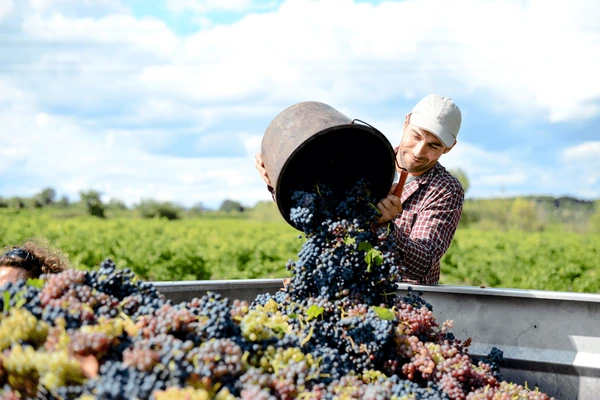
Autumn is harvest season, when vineyards are at their most active and the entire region feels alive with movement and energy.
Grapes are being picked, wineries are busy, and the countryside transforms into warm shades of gold, orange, and deep green.
It’s also one of the most comfortable times for driving — warm days, cooler evenings, and some of the most beautiful light of the year across the hills.
For many travellers, this is the season that leaves the strongest impression.
Winter (November – March): Quiet Roads & Authentic Experiences
Winter in Tuscany is much quieter and more local.
Some wineries reduce opening hours, but many remain open and offer more personal, unhurried tastings with winemakers.
The roads are peaceful, towns are less crowded, and there’s a slower rhythm to everything.
While you won’t see the vineyards at their most colourful, winter can offer a very authentic experience — especially if you prefer space, calm, and fewer tourists.
Our Advice
If you can choose freely, the best times for a self-drive wine tour from Florence are:
- 🌿 Late spring (May–June)
- 🍷 Early autumn (September–October)
These periods offer the best balance of weather, scenery, winery activity, and driving conditions.
But the truth is, Tuscany works year-round — it just gives you a different version of itself depending on the season.
Some travellers come for the vineyards.
Others come for the food, the roads, or the wine.
But almost everyone remembers the feeling of the countryside more than anything else.
FAQs – Self-Drive Wine Tours from Florence
These are some of the most common questions people have when planning a self-drive wine tour through Tuscany.
A little clarity here makes the whole experience much easier to plan.
Do I really need a car for wine tours in Tuscany?
Yes — if you want freedom and flexibility, a car makes a huge difference.
While organised tours from Florence are popular, they often follow fixed schedules and limited stops.
With your own car, you can explore smaller roads, visit family-run wineries, and take your time without watching the clock.
It also allows you to move between regions like Chianti, Montalcino, and Montepulciano at your own pace, which is really what makes this type of trip special.
Car rental – If you plan to visit countryside towns and vineyards, a rental car is invaluable.
How many wineries should I visit in one day?
Two wineries is usually the ideal balance.
It gives you enough variety without rushing, and still leaves time for a long lunch and scenic stops along the way.
Three can work if the visits are short, but Tuscany is not really a place to race between tastings.
The experience is just as much about the setting, the conversation, and the countryside as it is about the wine itself.
Most travellers find that slowing down actually makes the day more enjoyable and memorable.
Is it easy to drive in Tuscany for first-time visitors?
Yes — in most cases, driving in Tuscany is surprisingly straightforward.
Once you leave Florence, roads are generally quiet, well maintained, and clearly signposted.
The main adjustment is getting used to narrower country roads and occasional winding hill routes.
The biggest thing to be aware of is entering restricted traffic zones (ZTL) in towns and cities. Outside of that, driving in the wine regions is relaxed and very manageable, even for first-time visitors to Italy.
Can I still enjoy wine tasting if I’m driving?
Absolutely — you just need to pace the day sensibly.
Most wineries are used to self-drive visitors and offer tasting portions rather than full glasses.
It’s common to share tastings or sip slowly over time.
A good approach is to:
- plan one main winery visit in the morning
- enjoy a long lunch with wine
- keep afternoon tastings lighter or optional
The goal is not to taste as much wine as possible, but to enjoy the experience safely and comfortably.
What is the best time of year for a wine tour from Florence?
The best times are generally spring and autumn.
Spring (April–June) offers fresh green landscapes, mild temperatures, and quieter roads, making it ideal for relaxed driving.
Autumn (September–October) is harvest season, when vineyards are at their most active and the countryside is at its most atmospheric.
Summer is lively but hot, while winter is quieter and more local, with fewer crowds and a slower pace.
Each season has its own character, but spring and autumn offer the best overall balance.
Is it better to stay in Florence or in wine country?
Both work well — it depends on the type of experience you want.
Staying in Florence gives you flexibility and convenience, especially for shorter trips or first-time visits.
Staying in wine country, particularly Chianti, offers a much slower and more immersive experience.
Waking up surrounded by vineyards changes the rhythm of the trip completely.
For longer itineraries (like 2–3 days), splitting your stay between regions can give you the best of both worlds.
Final tip for planning your trip
Don’t try to see everything.
Tuscany is not a destination for rushing.
The best experiences often come from slowing down, choosing fewer stops, and leaving space in your day for unexpected discoveries.
A quiet road, a small village café, or an unplanned winery stop often becomes the moment you remember most.
Ready to Turn Your Dream Into a Plan?
If you’ve ever dreamed of travelling Europe for longer than just a holiday, our FREE 90-Day Slow Travel Starter Kit is the perfect place to start.
Inside you’ll discover:
 The first planning steps
Understanding the Schengen Rule
How we choose where to stay
Practical slow travel tips
 Download Your FREE Starter Kit
Want to Go Even Further?
If you’d like to learn the complete system we’ve developed after years of travelling Europe full-time, take a look at our new book.
 How We Actually Travel Europe Long-Term
Discover the Book
Choose Your Perfect Road Trip
Tuscany Wine Road Trip: The Ultimate 3–10 Day Itinerary
Do You Need Travel Insurance for Tuscany?
(Short Answer: Yes — It’s Still a Smart Idea)
Travel insurance isn’t legally required to visit Tuscany, but it’s one of the smartest things you can have when travelling in Italy.
Even in a relaxed destination like Tuscany, things can go wrong — from delayed flights and lost luggage to medical issues, rental car damage, or unexpected trip cancellations.
And while Italy has excellent healthcare, medical treatment for visitors can still be costly without proper coverage.
As long-term travellers living in Italy, we’ve found SafetyWing to be a practical option for trips around Europe, offering coverage for medical care, travel delays, and lost belongings without complicated fine print.
SafetyWing
(Best for Long-Term Travel & Affordability)
We personally use SafetyWing, and have since 2019.
It’s perfect for travelling, spending multiple weeks or a whole year abroad.
You can get a Quote here.
It’s the kind of insurance you hope you never need—but you’ll be very glad you have if something unexpected happens.
Final Thoughts
A self-drive wine tour from Florence is one of the best ways to experience Tuscany at your own pace.
It gives you the freedom to explore beyond organised routes and discover the countryside in a more personal way.
Whether you only have one day in Chianti or a full three-day road trip through multiple wine regions, the real magic of Tuscany is not just in the wineries — it’s in the journey between them.
Slow roads, long lunches, small villages, and quiet moments often become the parts you remember most.
And that’s what makes this part of Italy so special.
PLAN YOUR TUSCANY ADVENTURE
These are our favorite companies we use when planning a trip, they consistently have the best prices, great customer service, and overall, are better than their competitors.
BOOK YOUR FLIGHT – Going is a great search engine if you are flexible about your travel destination and dates. Sign up for their newsletter and get the latest deals on destinations around the world. GOING is our new go to.
CAR RENTAL – We recommend using Discover Cars or Rental Cars when booking a car rental, they work with hundreds of companies worldwide to help you find the best car for your needs.
TRAINS – TRAINLINE – is our favorite, this site is very reliable and easy to use.
BUS – OMIO – this website allows you to book train or bus tickets to travel from city to city the best and cheapest way. FLIXBUS is another terrific website with routes between 20 European countries.
ACCOMMODATIONS
BOOKING.com – is our go to for hotel searches around the world, we find they always have the cheapest rates and offer different payment options. In addition, VRBO is another terrific website for all types of accommodations.
HOSTELWORLD – is great if you’re traveling on a budget, and if you need a cheap place to stay.
SIGHTSEEING TOURS
GET YOUR GUIDE – is our favorite; they have stacks of tours and excursions available in cities all over the world. VIATOR is another great website for all types of tours.
TAKE WALKS – This walking tour company provides inside access to attractions and places you can’t get elsewhere.
TRAVEL INSURANCE
SAFETY WING – is our go to travel medical insurance company, especially for longer trips. You can either purchase a monthly plan or a plan for specific trip dates (i.e. 1-2 week trips). They cover people from all over the world, while outside their home country.
ARC’TERYX – is a go to reliable brand for outdoor adventure and travel, their wide range includes light weight durable, easy to clean travel gear.
Check out our RESOURCE PAGE for more additional planning.