
Tuscany’s Hidden Wineries: 10 Family-Owned Vineyards Worth Visiting
Timeless Wanderers: Posted September 6, 2026
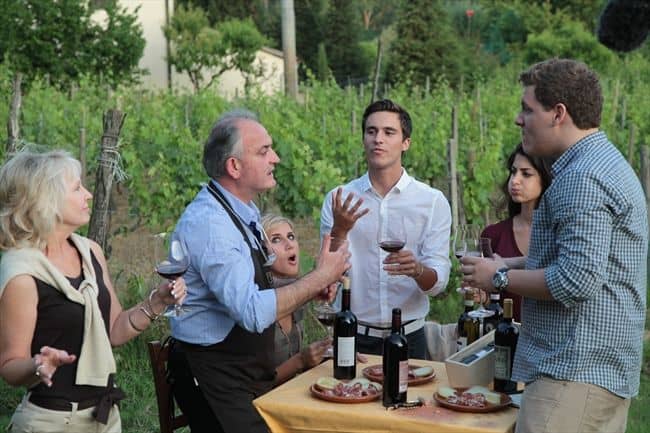
Why Family-Owned Wineries Are Worth Visiting in Tuscany
There’s something special about visiting a family-owned winery in Tuscany.
You’re not just turning up to taste a few glasses of wine and then getting back on the road.
Quite often, you’re meeting the people who have been making the wine for generations, walking through vineyards that have been part of the family for decades, and hearing the stories behind the bottles sitting on the table in front of you.
This is one of the things we love about travelling through Tuscany.
Some of our favourite wine experiences haven’t been at the biggest or most famous estates.
They’ve been at smaller wineries where you can sit down, take your time and actually talk to the people making the wine.
And Tuscany is full of them.
From the rolling vineyards of Chianti Classico to the hills around Montalcino and Montepulciano, you’ll find small producers making excellent wines without the crowds you can sometimes find at the better-known estates.
Some are tiny family operations.
Others have been producing wine for several generations but remain relatively small and personal.
Many welcome visitors by appointment, giving you the chance to see a different side of Tuscan wine country.
In this guide, we’re taking you to 10 family-owned wineries in Tuscany worth putting on your list.
We’ve chosen wineries across several of Tuscany’s best-known wine regions, so you can discover everything from Chianti Classico and Brunello di Montalcino to Vino Nobile di Montepulciano and some lesser-known Tuscan wines.
We’ll also show you what makes each winery worth visiting, what you can expect from a tasting, how to arrange your visit and a few things you should know before setting off.
So, if you’d rather spend an afternoon at a small Tuscan winery than join a large organised tour, let’s get started.
Table of Contents
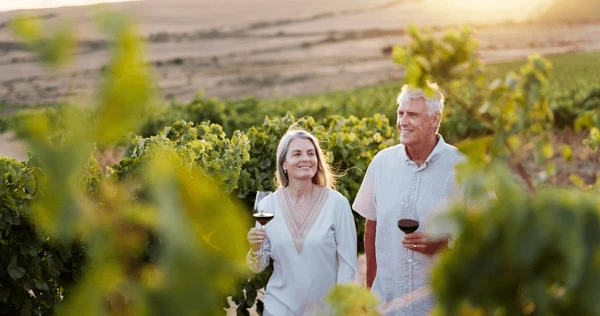
Where to Find These Family-Owned Wineries in Tuscany
Tuscany is a big wine region, and these family-owned wineries are spread across some of its best-known wine areas.
You’ll find a few around the hills of Chianti Classico, others near Montalcino and Montepulciano, and some further afield in places such as San Gimignano and the Tuscan coast.
We’ve deliberately chosen a mix of wineries rather than concentrating on one particular area.
That means you can use this guide whether you’re planning a dedicated Tuscany wine trip, adding a winery visit to a road trip, or simply looking for somewhere special to stop for a few hours.
One thing to keep in mind is that many smaller wineries don’t operate like large commercial estates.
Most visits need to be arranged in advance, which is actually part of what makes them so enjoyable.
You’re more likely to have time to talk, ask questions and get a real feel for the family behind the wine.
So, let’s look at the 10 family-owned wineries we’d put on your Tuscany list.
Quick Picks: 10 Family-Owned Wineries in Tuscany
Winery | Best For | Area |
|---|---|---|
| San Polino | Brunello di Montalcino | Montalcino |
| Sesta di Sopra | Small, traditional winery | Montalcino |
| Palagetto | Vernaccia di San Gimignano | San Gimignano |
| Guado al Melo | Bolgheri wines & wine museum | Bolgheri |
| I Vicini | Discovering Cortona wines | Cortona |
| Gabriele Mazzeschi | Organic & biodynamic wines | Castiglion Fiorentino |
| Manvi Wines | Vino Nobile | Montepulciano |
| Pieve di San Cresci | Historic family estate | Greve in Chianti |
| Podere San Michele | Wine near the coast | San Vincenzo |
| Montemorli | Historic cellar experience | Poggibonsi |
We can help you plan your dream trip to Tuscany, with a personalised itinerary designed just for you.
After more than 20 years of travelling to Tuscany—and loving it so much we decided to make it our home—we now live here and explore the region at a relaxed, local pace.
Planning a trip to Tuscany is exciting, but choosing where to go, how long to stay, and how to get around can quickly become overwhelming.
That’s where we come in. We offer a personalised planning service that helps you decide exactly how to explore Tuscany, based on your travel style, budget, and pace.
Plus, we can help you plan scenic drives, time in hilltop towns, food and wine experiences, and those small local moments that make a trip truly special—making your Tuscany holiday easier, smoother, and full of memories you’ll treasure long after you return home.
“Let us plan your perfect trip with a custom itinerary designed just for you.
Fill out the form and let’s begin your dream.”
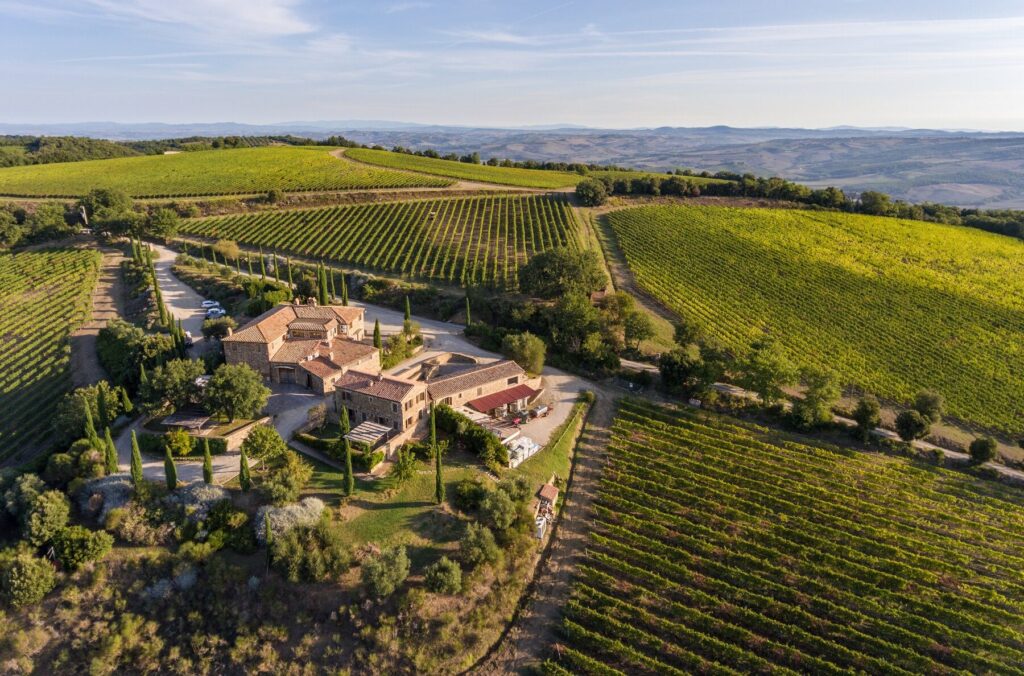
1. San Polino: A Small Family Winery Making Brunello in Montalcino
If you’re looking for a family-owned winery in Tuscany where the people and the place are just as important as the wine, San Polino is a wonderful place to start.
Set among vineyards, olive groves and woodland on the slopes of Montalcino, San Polino is a small, independent family winery with just 9.5 hectares of vines, five of which are registered for Brunello di Montalcino.
It feels very different from a large commercial wine estate, and that’s exactly what makes a visit here so appealing.
The story of San Polino began in 1990, when Luigi Fabbro and Katia Nussbaum bought the neglected estate after falling in love with the old farmhouse and the land around it.
At the time, the property had no electricity or running water and had been largely abandoned.
The land, however, had escaped intensive farming, leaving the couple with an opportunity to build something very different.
Their approach was shaped by Luigi’s interest in biodiversity and ecological farming, including ideas he had encountered while working in the Amazon.
Rather than treating the vineyard as something separate from the surrounding landscape, the family developed a more natural approach that remains central to San Polino today.
The first Sangiovese vines were planted in 1998, and the first Brunello followed in 2001.
Today, the family continues to work the vineyards by hand, with minimal intervention in both the vineyard and cellar.
The estate is also certified organic, and the wines are made from Sangiovese grown on the property.
What Wine Can You Taste at San Polino?
Naturally, Brunello di Montalcino is the star here.
San Polino produces several Brunellos, including its traditional Brunello di Montalcino, the Brunello di Montalcino Helichrysum and a Brunello di Montalcino Riserva in selected vintages.
The Helichrysum takes its name from the wild herb that grows naturally among the vines and comes from the estate’s higher vineyards.
The winery also produces a Rosso di Montalcino, which is a great option if you want to experience the estate’s style without going straight for the more serious Brunello.
All of the wines are made from Sangiovese grown by the family, with spontaneous fermentation using native yeasts.
It’s an approach that fits with the winery’s wider focus on the relationship between the vines, soil and surrounding environment.
What Is a Visit to San Polino Like?
This is where San Polino really fits the idea behind our family-winery guide.
Visits aren’t designed as large group tours.
The winery asks visitors to contact them in advance because, as a small family-run estate, they don’t always have someone available to welcome guests.
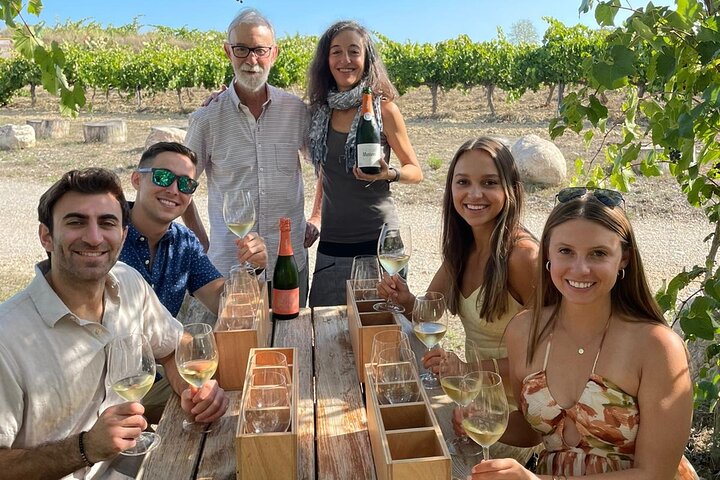
The standard visit takes around 1½ hours and includes a guided tour of the winery and estate followed by a tasting of three or more wines.
And there’s a lovely personal touch: you’ll spend the visit with one of the winemakers rather than simply being led around by a tour guide.
At the time of writing, the tasting costs €40 per adult, with the cost waived when purchasing 12 or more bottles.
That personal connection is one of the main reasons I’d put San Polino on your list.
You’re not simply tasting a Brunello. You’re learning about the land, the family’s way of working and the decisions that go into producing the wine.
Why We Think San Polino Is Worth Visiting
There are plenty of wineries around Montalcino where you can taste Brunello.
What makes San Polino different is its scale and its story.
It’s small enough that the family is still closely involved in the day-to-day running of the estate, while the focus on organic farming, biodiversity and minimal intervention gives you something interesting to talk about alongside the wine.
And then there’s the setting.
The old farmhouse sits among vineyards, olive trees and woodland, with the wine being made downstairs in the same property where the family lives.
It gives you a real sense that this isn’t simply a business built around wine.
This is their home.
For us, that’s exactly the sort of experience we’re looking for when we visit a family-owned winery in Tuscany.
Visiting San Polino: What You Need to Know
Location: Località Pod. S. Polino, 163, Montalcino, Siena
Wine region: Montalcino
Speciality: Brunello di Montalcino and Rosso di Montalcino
Visit: Guided winery and estate tour followed by a tasting
Duration: Approximately 1½ hours
Cost: €40 per adult at the time of writing
Booking: Advance contact is required
Best for: Wine lovers who want a small, personal winery experience rather than a large commercial tour
Because San Polino is a small operation, we’d recommend arranging your visit well before you arrive rather than simply turning up and hoping someone is there.
Contact: vino@sanpolino.it
San Polino is located at Località Pod. S. Polino, 163, Montalcino.
Where to Stay
If you’ve got specific dates in mind, don’t wait too long to secure your spot. Accommodation in Montalcino
Car rental – If you plan to visit countryside towns and vineyards, a rental car is invaluable.
2. Sesta di Sopra: A Small Family Winery in the Hills of Montalcino
If you like the idea of visiting a small Tuscan winery where the family story is still very much part of the experience, Sesta di Sopra is one to put on your list.
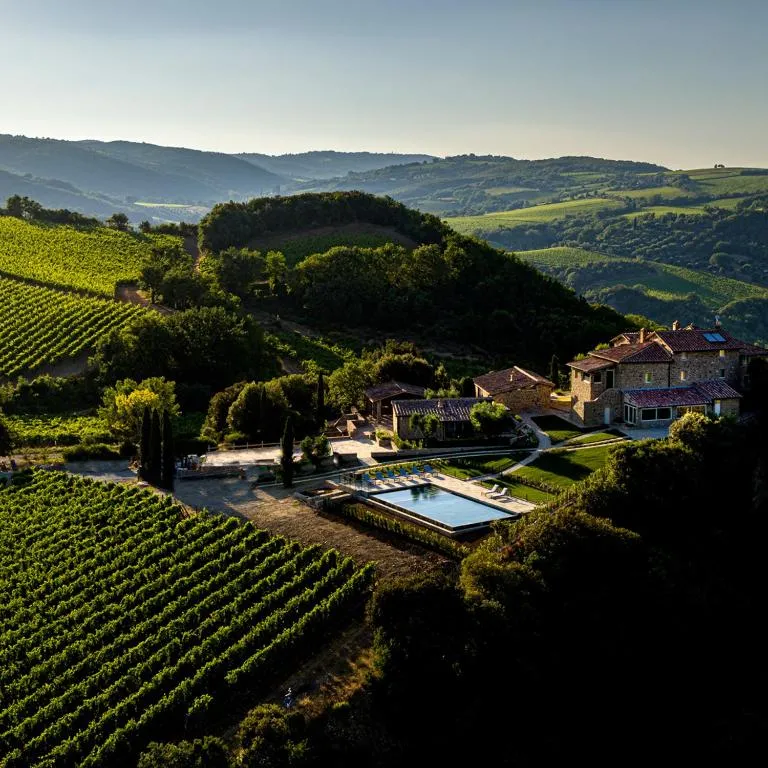
Located about 4 kilometres from Castelnuovo dell’Abate, south of Montalcino, this is a small family-run estate surrounded by vineyards and olive groves.
The property covers around 60 hectares, but only about 4 hectares are planted with vines, which gives you a good idea of its relatively small scale.
The family bought the estate in 1980 and began restoring the old farmhouse, which is thought to have once been a watchtower.
They also brought two hectares of olive groves back into production before planting the first vineyard in 1982.
A second vineyard was planted later, bringing the estate’s total vineyard area to around four hectares.
Today, Sesta di Sopra remains a family-run winery, producing wines from this small corner of the Montalcino appellation.
What Wine Can You Taste at Sesta di Sopra?
Naturally, Brunello di Montalcino is the wine most visitors will be interested in trying.
The winery produces Brunello di Montalcino, Rosso di Montalcino and its Brunello “Magistra”, along with IGT Toscana wines.
The current tasting experiences give you the chance to try several of these wines rather than concentrating on Brunello alone.
The classic tasting includes IGT, Rosso di Montalcino and Brunello di Montalcino, followed by a visit to the cellar.
For anyone particularly interested in Brunello, there’s also a vertical tasting, where different vintages are tasted side by side.
We think this is a particularly nice option if you’ve ever wondered how a wine changes from one vintage to another.
Sesta di Sopra explains that the experience looks at the influence of time and climate on different vintages, rather than simply deciding that one year is “better” than another.
What Is a Visit to Sesta di Sopra Like?
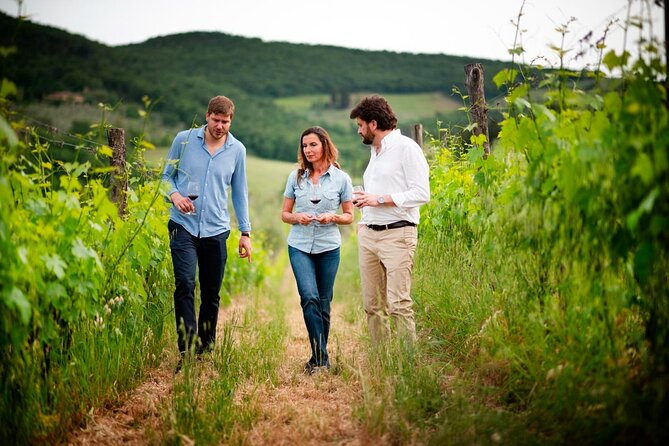
The classic wine tasting lasts around one hour and includes a visit to the winery.
You’ll taste three wines — IGT, Rosso di Montalcino and Brunello — while learning about the family business and the winemaking process in the cellar.
At the time of writing, the classic tasting costs €30 per person.
If you’re more serious about Brunello, the vertical tasting lasts around 1½ hours and costs €60 per person.
There’s also a Brunello Magistra vertical tasting at €85 per person, as well as tailor-made tastings featuring older vintages.
One thing we particularly like here is that the tastings aren’t simply about drinking the wine.
The winery talks openly about its family history and takes visitors into the cellar to explain how the wines are made. That gives you a much better understanding of what you’re actually tasting.
A Small Estate With a Long Connection to the Land
One of the things that makes Sesta di Sopra interesting is its scale.
Montalcino is home to some very well-known wineries, and it can be tempting to focus only on the biggest names when planning a wine trip.
Sesta di Sopra gives you another option.
The family has been working this property since 1980, and the vineyards remain relatively small.
The Brunello is produced from grapes grown on the estate, while the cellar uses both large Slavonian oak barrels and French oak barriques.
For visitors, that smaller scale can make the experience feel much more personal.
You’re not coming here simply to tick Brunello off your Tuscany list.
You’re getting an opportunity to hear about a family business, see the cellar and taste the wines in the place where they’re produced.
Why We Think Sesta di Sopra Is Worth Visiting
If you’re already spending a few days around Montalcino, we’d seriously consider adding Sesta di Sopra to your itinerary.
It doesn’t try to be a huge wine attraction.
Instead, its appeal is the small family-run setting, the history of the property and the chance to taste Brunello in the place where it’s made.
And if you’ve already visited one of the larger estates in Montalcino, a stop here gives you a useful comparison.
For us, that’s what makes this list interesting.
We’re not looking for ten wineries that all provide the same experience. We’re looking for places where you can see different sides of Tuscan wine country.
Sesta di Sopra gives us that smaller, family-run side of Montalcino.
Visiting Sesta di Sopra: What You Need to Know
Location: Podere Sesta di Sopra, Montalcino, Siena
Wine region: Montalcino
Speciality: Brunello di Montalcino
Other wines: Rosso di Montalcino and IGT Toscana
Classic tasting: Approximately 1 hour
Classic tasting price: €30 per person at the time of writing
Brunello vertical tasting: Approximately 1½ hours, €60 per person
Booking: Advance booking requested
Opening hours: The winery currently lists opening hours of 10:00–18:00
Best for: Wine lovers looking for a small family-run winery and anyone interested in learning more about Brunello and different vintages.
Because Sesta di Sopra is a small operation, we recommend booking before you arrive rather than simply turning up.
The winery provides online booking as well as email and WhatsApp contact.
Where to Stay
If you’ve got specific dates in mind, don’t wait too long to secure your spot. You’ll often get better rates by booking early to!
Where to Stay
More Accommodation in Montalcino
3. Palagetto: A Family-Run Winery Just Outside San Gimignano
If you’re visiting San Gimignano and want to combine your day of sightseeing with a proper Tuscan wine experience, Palagetto is an easy one to consider.
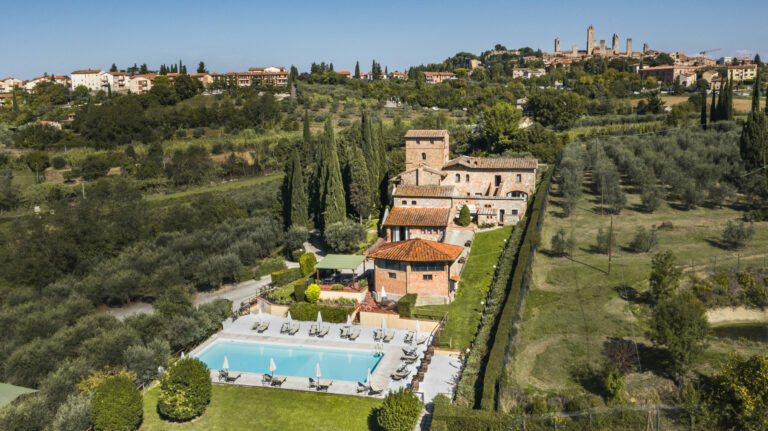
The winery is only about 1.5 kilometres from the historic centre of San Gimignano, so you don’t have to travel far to leave the crowds behind and find yourself among vineyards and olive groves.
Palagetto has been a family-run estate since the 1980s.
It was founded by Luano Niccolai, who gradually built the estate by acquiring land and vineyards around San Gimignano.
Today, his daughter Sabrina runs the estate, together with the next generation, Arianna and Niccolò.
That gives Palagetto a lovely sense of continuity, with more than 40 years of family involvement behind the winery.
The estate now covers more than 60 hectares, including around 42 hectares of vineyards, olive groves and woodland.
The vineyards are spread across the San Gimignano area, where the different soils and growing conditions help shape the wines.
What Wine Can You Taste at Palagetto?
For us, the obvious place to start is Vernaccia di San Gimignano.
This is the wine that makes the area so interesting.
While Tuscany is often associated with red wines such as Chianti and Brunello, Vernaccia gives you the chance to try a traditional Tuscan white in the place where it is produced.
Palagetto produces several versions, including its Vernaccia di San Gimignano DOCG and Vernaccia Riserva.
The estate also produces Chianti Colli Senesi, Tuscan IGT wines and other reds and whites, so a tasting here isn’t limited to one style of wine.
One of the current tasting experiences, for example, includes five estate wines, starting with a sparkling white and Vernaccia before moving on to Chianti Colli Senesi, another red and a Passito served with cantucci.
It’s a good introduction to the different types of wine being produced around San Gimignano.
What Is a Wine Tasting at Palagetto Like?
Palagetto has put quite a bit of thought into its visitor experiences.
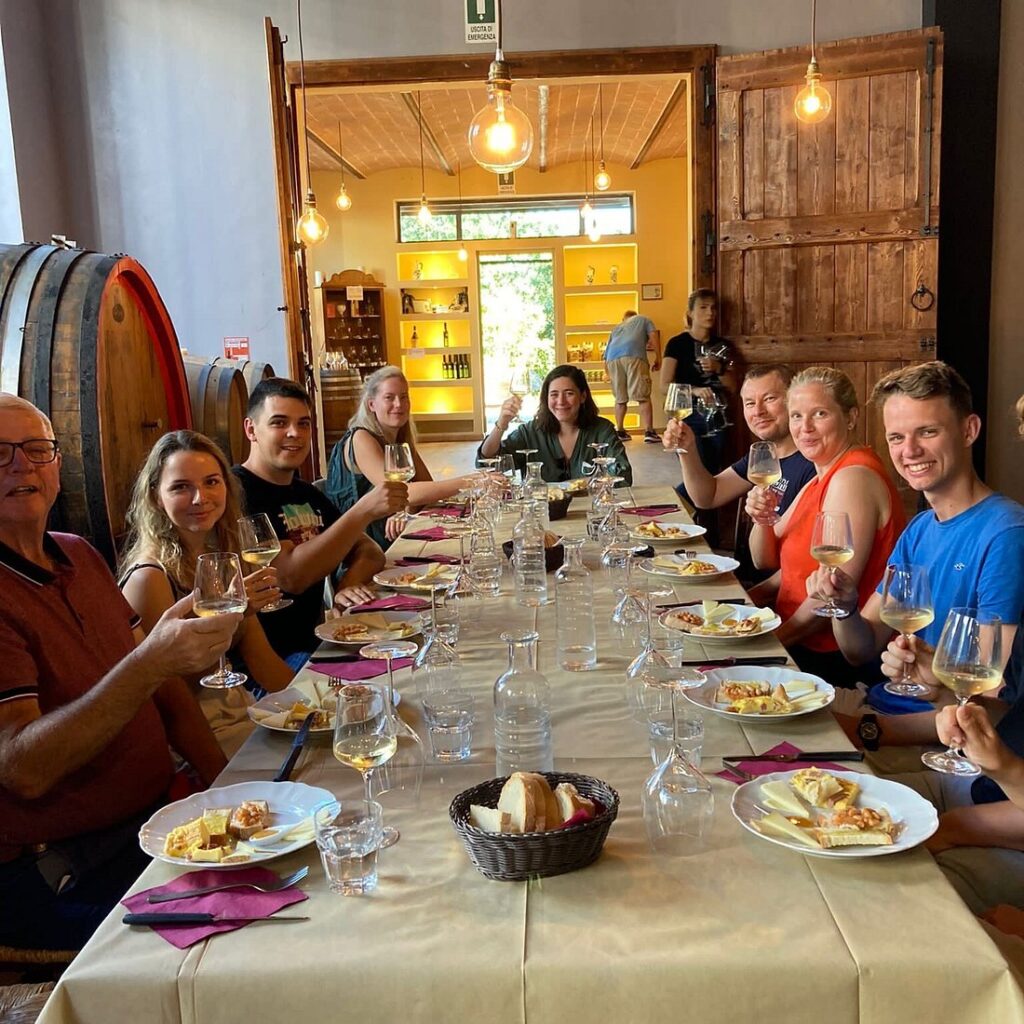
The current classic “San Gimignano” tasting costs €30 per person and includes five estate wines accompanied by a traditional Tuscan board of local cured meats, pecorino cheese and bruschette.
The tasting can take place in the historic cellar or in a vineyard setting.
There are also other tasting options, including experiences that combine wine with lunch or dessert pairings.
That makes Palagetto a particularly good choice if you don’t want your winery visit to be purely about standing at a tasting counter with a glass in your hand.
You can sit down, try several wines, have something to eat and spend a couple of hours enjoying the setting.
And if you’re travelling with someone who isn’t particularly interested in wine, that food element can make the experience much more appealing.
More Than Just a Winery
One thing that sets Palagetto apart from some of the other wineries on our list is the range of experiences available.
Alongside wine tastings, the estate offers vineyard picnics, truffle hunting, cooking classes and food-and-wine experiences.
There is also accommodation at the family’s properties, including Villa Palagetto and Villa Arnilù.
You certainly don’t need to book all of these, but it’s useful to know they’re available if you’re planning a longer stay around San Gimignano.
A vineyard picnic, for example, could work particularly well for a relaxed afternoon, while a wine tasting makes a simple addition to a day exploring the town.
Why We Think Palagetto Is Worth Visiting
We like Palagetto for a very simple reason: it gives you a chance to experience San Gimignano’s wine rather than just see San Gimignano’s towers.
It’s close enough to the town that you can easily combine the two, but once you’re at the estate you’re surrounded by vineyards and countryside.
The family connection also matters.
Palagetto isn’t a winery that was created yesterday to cater for tourists.
The Niccolai family has been building and developing the estate since the 1980s, and the next generation is now involved in taking it forward.
For a first introduction to Vernaccia di San Gimignano, this is a particularly good option because you can taste the wine alongside other Tuscan varieties and learn more about the estate at the same time.
And if you’re already planning to visit San Gimignano, the location makes it very easy to add to your day.
Visiting Palagetto: What You Need to Know
Location: Via Racciano 10, San Gimignano, Siena
Wine region: San Gimignano
Speciality: Vernaccia di San Gimignano DOCG
Other wines: Chianti Colli Senesi and Tuscan IGT wines
Classic tasting: Five estate wines with Tuscan cured meats, pecorino and bruschetta
Current tasting price: €30 per person
Location from San Gimignano: Approximately 1.5 km from the historic centre
Opening hours: Currently listed as 10:00–18:00 daily
Booking: Visits are by appointment only
Best for: First-time visitors to San Gimignano, couples, food and wine lovers, and anyone wanting to try Vernaccia where it is produced.
We’d recommend booking ahead, particularly during the busier spring, summer and autumn months. Palagetto currently provides direct booking through its website and can also be contacted by email at tasting@palagetto.it.
Where to Stay
You’ll often get better rates by booking early to! Accommodation in San Gimignano
Car rental – If you plan to visit countryside towns and vineyards, a rental car is invaluable.
Read This Next
Where to Stay in Tuscany for Wine Lovers (2026 Guide)
4. Guado al Melo: A Family Winery in the Hills of Bolgheri
If you’ve spent much time exploring Tuscan wine, you’ll probably have heard of Bolgheri.
The area, close to the Mediterranean coast, is particularly well known for its powerful red wines, but there’s much more to Bolgheri than famous names and expensive bottles.
One family winery we think deserves a place on your list is Guado al Melo.
Set among vineyards, woodland and Mediterranean vegetation, this small family-run estate is managed by Michele Scienza and Annalisa Motta. They began their project in 1998, bringing with them a strong family connection to winemaking.
Michele’s grandparents and great-grandparents were winemakers in Trentino, while his father, Professor Attilio Scienza, became a respected viticulture professor and had a long connection with the Bolgheri area.
It was his knowledge of the territory that helped Michele and Annalisa discover the potential of this particular property.
They bought the estate in 1998 and began turning it into the winery it is today.
What makes Guado al Melo particularly interesting is that the family hasn’t simply concentrated on making wine. They’ve built the winery around the history, landscape and traditions of Bolgheri.
And there’s a rather unusual part of the winery waiting below ground.
A Winery Built Into the Landscape
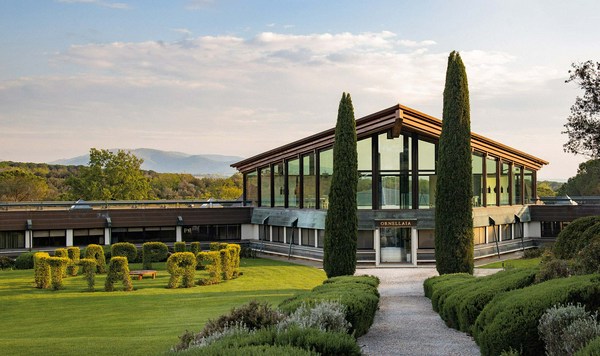
The winery itself is completely underground.
Designed using principles of bio-architecture, it sits beneath a low hill covered with olive trees and Mediterranean vegetation.
The design helps maintain a naturally cooler environment inside while also reducing the visual impact of the building on the surrounding landscape.
Rainwater is collected and reused, and natural light enters through skylights and patios.
It’s a clever combination of modern design and traditional ideas about how wine cellars can work with the natural environment.
But the underground cellar isn’t the only thing that makes a visit interesting.
Guado al Melo also houses a wine museum and an extensive wine library, built around the collection of Professor Attilio Scienza, Michele’s father.
So, rather than simply tasting wine, you can learn about the long history of wine growing and winemaking and see how some of those ancient traditions connect with what happens at the estate today.
What Wine Can You Taste at Guado al Melo?
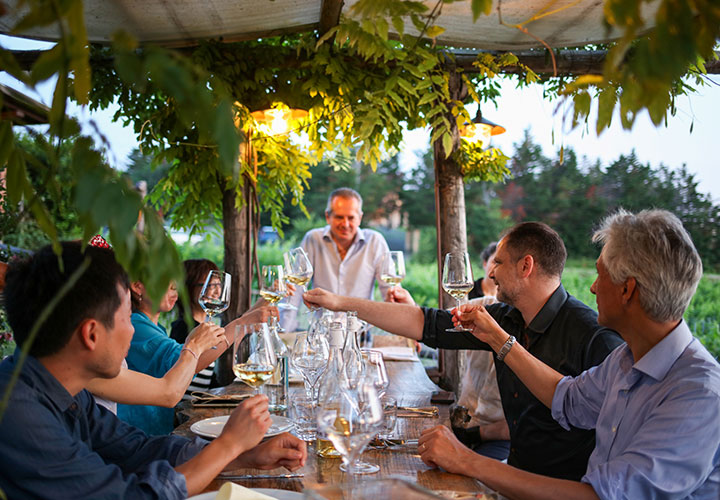
The winery produces a range of wines from grapes grown entirely on its own vineyards.
The heart of the collection is its Bolgheri DOC wines.
The top red is Atis Bolgheri DOC Superiore, made from carefully selected parcels of the estate’s vineyards.
There are also two Bolgheri Rosso wines, Antillo and Rute, each taking a slightly different approach to the area’s winemaking traditions.
Antillo, with its emphasis on Sangiovese, looks towards the older traditions of the territory, while Rute represents a more contemporary style of Bolgheri Rosso.
There’s also something rather different to try.
Criseo Bolgheri DOC Bianco is an unusual white wine made from an old field blend, while L’Airone is a Vermentino that makes a good introduction to the white wines of the area.
For us, this is one of the reasons Guado al Melo works so well in this article.
You’re not simply coming here to taste one famous Bolgheri red. There are several different wines that help tell the story of the estate and the region.
What Is a Visit to Guado al Melo Like?
The winery currently offers two main visitor experiences during its tourist season, and both need to be booked in advance.
The shorter Parva experience lasts around 40 minutes. It includes a presentation of the estate and a tasting of four wines, followed by the opportunity to explore the wine museum independently.
If you’d like a more complete experience, the Plena visit lasts around 1½ to 2 hours.
This includes a guided walk through the vineyards, a look at the underground cellar, the winemaking areas and the wine museum, followed by a tasting of four wines.
We particularly like the sound of the longer visit because it gives you a much better understanding of Bolgheri itself.
You’ll walk among the vineyards and learn about the history of the territory, sustainable viticulture and the ancient ways vines were grown here. The tour also includes a look at an Etruscan vineyard with wild vines, along with examples of older cultivation methods such as the Egyptian pergola and Greek tree systems.
It’s a very different winery visit from simply walking into a tasting room.
Why We Think Guado al Melo Is Worth Visiting
There are plenty of reasons to visit Bolgheri, but Guado al Melo gives you an opportunity to look beyond the area’s better-known wine estates.
The family story is one part of it. Michele and Annalisa created the winery themselves in the late 1990s, while Michele’s family background in winemaking and his father’s knowledge of Bolgheri have clearly influenced the direction they’ve taken.
The other part is the winery itself.
An underground cellar, a wine museum, an extensive library and vineyards surrounded by woodland and Mediterranean vegetation aren’t things you find at every Tuscan winery.
And then, of course, there is the wine.
If you’ve come to Bolgheri hoping to taste the area’s famous reds, you’ll certainly find them here.
But you’ll also discover some less familiar wines and get a better understanding of the area’s history and winemaking traditions along the way.
For us, that’s exactly what makes a family winery worth seeking out.
Visiting Guado al Melo: What You Need to Know
Location: Bolgheri, Castagneto Carducci, Livorno
Wine region: Bolgheri DOC
Specialities: Bolgheri Rosso and Bolgheri Superiore
Other wines: Vermentino and Bolgheri Bianco
Parva experience: Approximately 40 minutes, including four-wine tasting and wine museum
Plena experience: Approximately 1½–2 hours, including vineyard and cellar tour, four-wine tasting and museum
Booking: Advance reservation required
Tour season: Generally 1 April (or Easter if Easter falls in March) through 31 October for individual visitors
Languages: English and German
Best for: Wine lovers interested in Bolgheri, families, couples and anyone who enjoys learning about the history behind a wine as well as tasting it.
The winery’s current visitor information asks guests to contact them directly for availability and costs.
The wine shop is open from Monday afternoon through Saturday during the main tourist season, but wine tours and tastings are by reservation only.
We’d definitely arrange the visit before setting off, particularly if you’re travelling through Bolgheri during the busy summer or harvest season.
Where to Stay
If you’ve got specific dates in mind, don’t wait too long to secure your spot. You’ll often get better rates by booking early to! Accommodation in Bolgheri
5. I Vicini: A Family Winery Discovering Cortona’s Wine Country
Cortona is one of those parts of Tuscany that can sometimes get overlooked when people plan a wine trip.
Most visitors have heard of Chianti, Montalcino and Montepulciano, but Cortona has its own wine identity — and I Vicini is an interesting family-run winery to discover here.
The story of I Vicini goes back to 1978, when the Antonioli family bought an old ecclesiastical property in Pergo di Cortona.
The family already had a long connection with wine.
Their roots stretch to both Padua and Abruzzo, where earlier generations had made and enjoyed wine.
Tuscany had always fascinated them, and eventually they found the opportunity to establish their own vineyard in Cortona
They later acquired an old 20-hectare farm in Pietraia, on the hills opposite Cortona
The property already had vineyards, but many of the old vines were no longer productive.
Rather than simply carrying on as things were, the family gradually replanted the vineyards with Syrah, Cabernet Sauvignon, Merlot and Sangiovese Grosso.
The location also has an interesting influence. Lake Trasimeno is only about a kilometre away, and the family believes the local microclimate helps create the conditions for producing elegant wines.
The name I Vicini, which means “the neighbours”, comes from the winery’s proximity to the estates of some of Tuscany’s historic wine-producing families.
What Wine Can You Taste at I Vicini?
I Vicini is particularly interesting because Syrah plays an important role in its wines.
The winery produces Laudario Syrah Cortona DOP, made entirely from Syrah grown on the estate.
It’s a wine with ripe berry flavours and gentle spice, and it’s one of the wines that best represents the winery’s connection with Cortona audario Cabernet Sauvignon, Laudario Merlot and other Cortona DOP wines, along with the fresher Arengario IGP wines.
The winery’s approach to ageing is also worth knowing about. Its DOP wines spend around a year in stainless steel before moving into French oak barrels for between 16 and 18 months, followed by at least six months of bottle ageing.
That means these aren’t wines being rushed onto the market.
They’re given time to develop before they’re released.
What Is a Visit to I Vicini Like?
I Vicini keeps things fairly simple, which is one of the things we like about it.
The winery welcomes visitors for cellar visits and guided tastings, with visits preferably arranged between Friday and Sunday.
The family also asks visitors to give advance notice, which we’d definitely recommend.
The current tasting options listed by the local Terre di Arezzo wine route are particularly accessible.
A visit and tasting of one wine is currently listed at €5, two wines at €10, and four wines at €15 per person.
The four-wine tasting includes Syrah, rosé, Merlot and Cabernet Sauvignon.
That’s considerably less than many of the better-known winery experiences around Tuscany.
And while we’d never choose a winery simply because it’s inexpensive, it does make I Vicini an appealing option for travellers who want to visit a smaller producer without committing to an expensive formal wine experience.
A Different Side of Tuscan Wine
One of the best things about including I Vicini in this guide is that it reminds us that Tuscan wine isn’t just about Sangiovese.
Cortona has developed a particularly strong reputation for Syrah, and I Vicini gives visitors the chance to explore that side of the region.
The family also produces Cabernet Sauvignon and Merlot, so the tasting can be quite different from what you might experience at a traditional Chianti or Montalcino estate.
For anyone already familiar with Tuscany’s famous red wines, that makes a visit here a chance to try something a little different.
And if you’re planning a trip around Cortona , it’s an easy way to add wine to your itinerary without spending the entire day at a large estate.
Why We Think I Vicini Is Worth Visiting
For us, the appeal of I Vicini is the combination of family history, a smaller winery and Cortona’s distinctive wine style.
The Antonioli family has been involved in wine for generations, but their Tuscan story is relatively recent compared with some of the historic estates around the region.
They arrived in Cortona, found an old agricultural property and gradually developed the vineyards into the winery they have today.
We also like the fact that the family has chosen to embrace grapes such as Syrah, Cabernet Sauvignon and Merlot alongside Sangiovese Grosso.
It gives you a chance to see another side of Tuscany’s wine production and, perhaps more importantly, to discover a wine area that many first-time visitors completely miss.
If you’re staying in or around Cortona, we’d definitely put I Vicini on the list.
Visiting I Vicini: What You Need to Know
Location: Case Sparse Pietraia 38/A, Cortona, Arezzo
Wine region: Cortona
Specialities: Syrah, Cabernet Sauvignon, Merlot and Sangiovese Grosso
Family: Antonioli family
Visit: Cellar visit and guided wine tasting
Tasting: Current local wine-route information lists €5 for one wine, €10 for two wines and €15 for four wines
Best visiting days: Friday to Sunday preferred
Booking: Advance notice is recommended
Languages: English and French
Best for: Travellers exploring Cortona, wine lovers interested in Syrah and anyone looking for a smaller family-run winery away from Tuscany’s busiest wine routes.
Because I Vicini is a small operation, don’t just turn up expecting a tasting. Contact the winery first and arrange a time that works for them.
The winery can be contacted at info@ivicinicortona.it or by telephone on +39 0575 678507.
Where to Stay
If you’ve got specific dates in mind, don’t wait too long to secure your spot. You’ll often get better rates by booking early to! Accommodation in Cortona
Car rental – If you plan to visit countryside towns and vineyards, a rental car is invaluable.
6. Gabriele Mazzeschi: Generations of Organic Farming in the Val di Chio
If you’re looking for a family winery where wine is just one part of the story, Gabriele Mazzeschi is well worth knowing about.
The estate sits in the Val di Chio countryside around Castiglion Fiorentino, between Arezzo and Cortona.
More than 100 hectares of land make up the family property, including vineyards, olive groves, farmland and oak woodland.
The Mazzeschi family has been farming this land for generations, and today Gabriele Mazzeschi is carrying that tradition forward.
After studying Agricultural Science and Technology, Gabriele returned to the family business in 2012, combining his university education with the farming experience passed down through the family.
Today the estate produces wine, olive oil and cereals.
What particularly caught our attention is the family’s approach to the land.
Their vineyards, olive groves and crops have been certified organic since 1996, and the estate also uses biodynamic farming practices.
The family says it avoids synthetic chemical pesticides and fertilisers, choosing instead to work with the natural environment around the farm.
That gives this winery a very different feel from simply visiting somewhere to taste wine.
You’re visiting a working family farm where wine, olive oil, agriculture and the surrounding landscape are all connected.
What Wine Can You Taste at Gabriele Mazzeschi?
The estate has around eight hectares of vineyards, planted with Sangiovese, Syrah, Trebbiano, Malvasia, Cabernet Sauvignon and Canaiolo.
The wines include several Toscana IGP and Valdichiana DOC bottles.
There are reds such as Foramacchie, made with 95% Sangiovese and 5% Cabernet Sauvignon, and Anfora, which is made entirely from Canaiolo and fermented and aged in traditional terracotta amphorae.
The winery also produces Commendatore, a Toscana IGP Syrah, along with the Primo rosé and Mezzavia white.
One thing we particularly like is that some of the wines have a genuine connection to the family.
For example, Foramacchie is named after Gabriele’s great-grandfather Vincenzo Mazzeschi, who was a wood trader and had the nickname “Fora Macchie”. Primo was named after Gabriele’s first son Giovanni, as well as his grandfather.
Little details like that make the wines much more interesting when you’re sitting down to taste them.
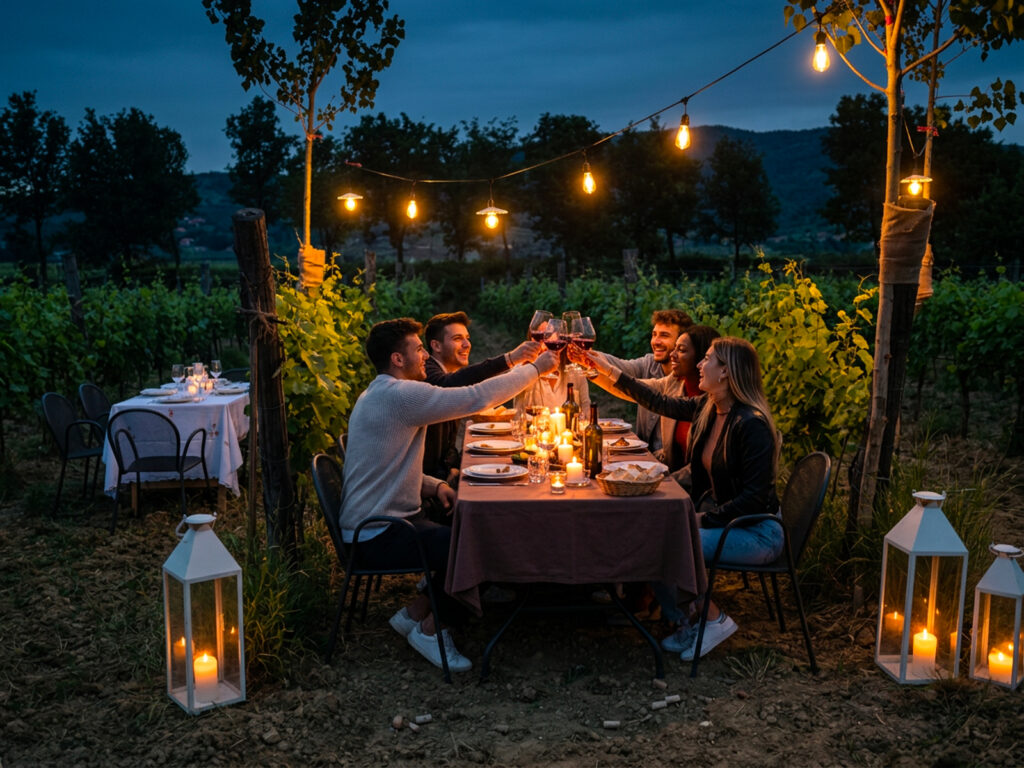
The Anfora: A Wine Made in Terracotta
If you’re looking for something a little different to try, we’d keep an eye out for Anfora.
This 100% Canaiolo wine is fermented and macerated with its skins for at least four months in seven-hectolitre, unglazed terracotta amphorae made in Impruneta.
The wine is then returned to the amphora to finish its ageing. Native yeasts are used throughout the process.
It’s a good example of the way the winery combines traditional methods with its natural approach to winemaking.
And it gives visitors something interesting to talk about beyond the usual Sangiovese versus Cabernet conversation.
What Is a Visit to Gabriele Mazzeschi Like?
This is one of the reasons we wanted to include the winery in our family-owned list.
The current Wine Experience & Tasting takes place at the family estate, where visitors are welcomed by Irene.
The experience starts in the vineyard, where you’re introduced to the family’s history and their approach to organic cultivation. You then visit the wine cellar before sitting down to taste the estate’s wines alongside locally produced food.
There are currently two main tasting options.
The Tonneau Wine Tasting costs €25 per person and includes a vineyard visit, cellar visit, five wines and bruschetta with the family’s organic extra-virgin olive oil and cheese.
The Botte Wine Tasting costs €30 per person and includes seven wines, together with a light lunch of bruschetta, organic olive oil, cheese, cold cuts and cantucci.
There is also the option of a dinner in the vineyard, arranged on request.
This includes the estate’s wines and Vin Santo alongside a Tuscan-style menu agreed when you make the reservation.
For us, the combination of wine, food, olive oil and family farming makes this a particularly appealing experience.
You’re not simply tasting the wine.
You’re getting a little taste of the whole farm.
Wine, Olive Oil and Life on the Family Estate
The connection between the different parts of the estate is something we really like about Gabriele Mazzeschi.
The family also produces organic Tuscan extra-virgin olive oil from thousands of olive trees growing across the property.
The olives are harvested by hand and processed within 24 hours of picking.
That means a visit here can introduce you to more than Tuscan wine.
You can taste the family’s olive oil alongside the wines, hear about the way they work the land and see how the different parts of the farm fit together.
For anyone who enjoys food as much as wine, that’s a big part of the appeal.
Why We Think Gabriele Mazzeschi Is Worth Visiting
We like wineries where you feel there’s a genuine story behind what you’re tasting, and this is certainly one of them.
The Mazzeschi family has farmed this property for generations, and Gabriele has chosen to continue that tradition while bringing his own agricultural training and ideas into the business.
The organic certification dating back to 1996 is another important part of the story.
And then there’s the location.
Castiglion Fiorentino sits between Arezzo and Cortona, putting the estate in a part of Tuscany that many visitors simply drive through on their way somewhere else.
That’s precisely the sort of place we wanted to bring into this guide.
If you’re travelling around Cortona, Arezzo or the Val di Chiana, Gabriele Mazzeschi gives you the opportunity to stop at a working family farm, taste its wines and olive oil, and meet the people continuing the family tradition.
Visiting Gabriele Mazzeschi: What You Need to Know
Location: Santa Lucia 26, Castiglion Fiorentino, Arezzo
Wine region: Val di Chiana / Castiglion Fiorentino
Specialities: Sangiovese, Syrah, Canaiolo and Valdichiana wines
Other products: Organic extra-virgin olive oil and cereals
Farming: Certified organic since 1996, with biodynamic practices
Tonneau tasting: €25 per person, five wines
Botte tasting: €30 per person, seven wines and a light lunch
Vineyard dinner: Available on request
Booking: Advance reservation required
Best for: Food and wine lovers, couples, travellers exploring Cortona or Arezzo, and anyone interested in organic farming and smaller family estates.
Because this is a working family estate rather than a large commercial winery, we’d definitely arrange your visit in advance.
The current winery contact details are +39 392 6190027, +39 333 3066637 and info@gabrielemazzeschi.com.
Where to Stay
If you’ve got specific dates in mind, don’t wait too long to secure your spot. You’ll often get better rates by booking early to! Accommodation in Castiglion Fiorentino
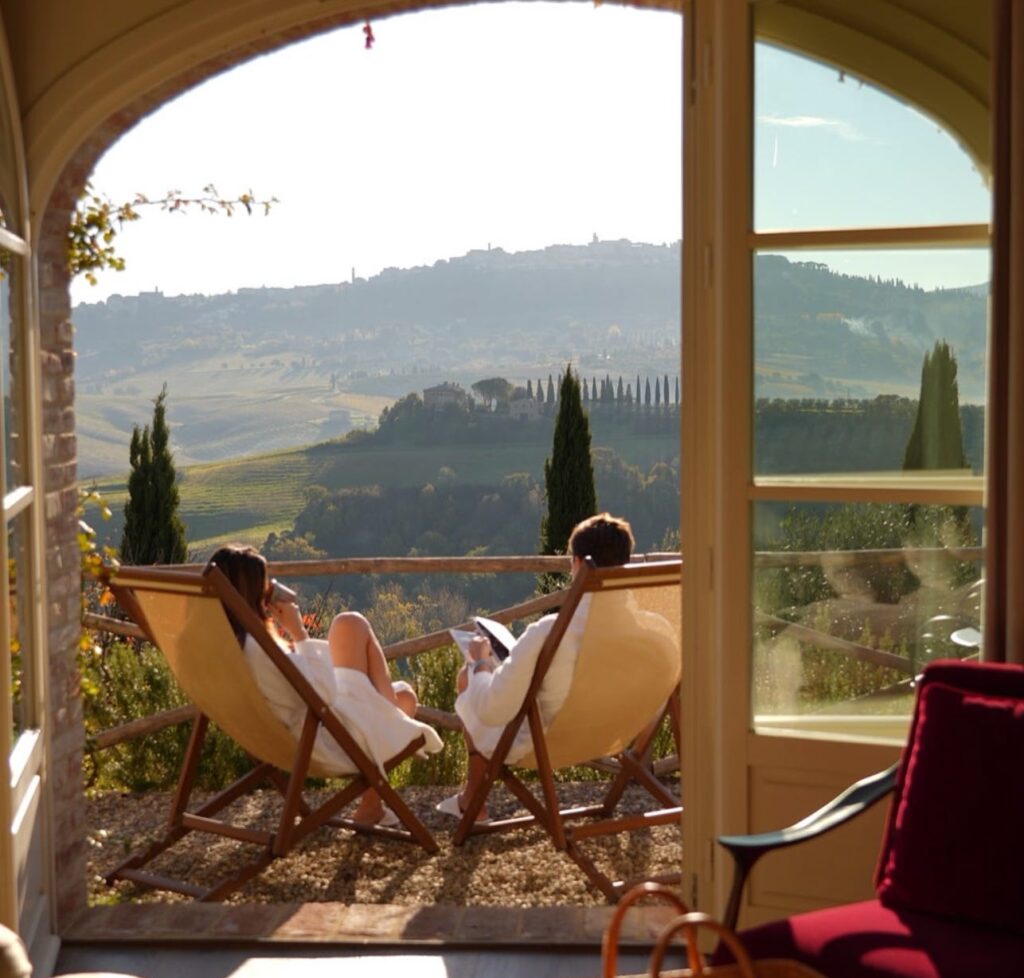
7. Manvi Wines: A Small Family Winery in Montepulciano
If you’re looking for a small, family-run winery where you can meet the people behind the wine, Manvi Wines is one we think is well worth knowing about.
Located in the hills around Montepulciano, Manvi is run by Puru and Sudha Manvi, a Canadian/Swiss couple of Indian origin who left successful banking careers to move to Italy and follow their passion for wine and yoga.
What started as a dream became reality in 2015, when they established their winery in the Tuscan countryside.
Today, Manvi remains a small family-run farm producing organic wines using a mixture of traditional methods and more modern ideas.
It’s a very different story from some of Tuscany’s historic estates, and that’s part of what makes visiting Manvi interesting.
The Wines at Manvi
Manvi concentrates on the wines of Montepulciano, with around 20 acres of vineyards spread across two different areas of the region.
The main grape is Prugnolo Gentile, the local clone of Sangiovese used for Vino Nobile di Montepulciano.
They also grow smaller amounts of Merlot, Cabernet Sauvignon, Malvasia and Trebbiano.
The winery produces Rosso di Montepulciano DOC, Vino Nobile di Montepulciano DOCG, Vino Nobile di Montepulciano Riserva DOCG, Vin Santo di Montepulciano DOC and several IGT wines.
One of their best-known wines is Arya, a 100% Sangiovese Vino Nobile aged in French oak.
Their Ojas Riserva is also made entirely from Sangiovese and is produced only in good vintages.
They also make Happiness, a limited-production Super Tuscan blending Sangiovese, Cabernet Sauvignon and Merlot.
Something particularly interesting for wine lovers is that the family’s vineyards sit in two different historic areas of Montepulciano — the Pieve of Gracciano and the Pieve of Valardegna. Since 2024,
Manvi has been producing two Pieve Vino Nobile wines that showcase the differences between these two areas.
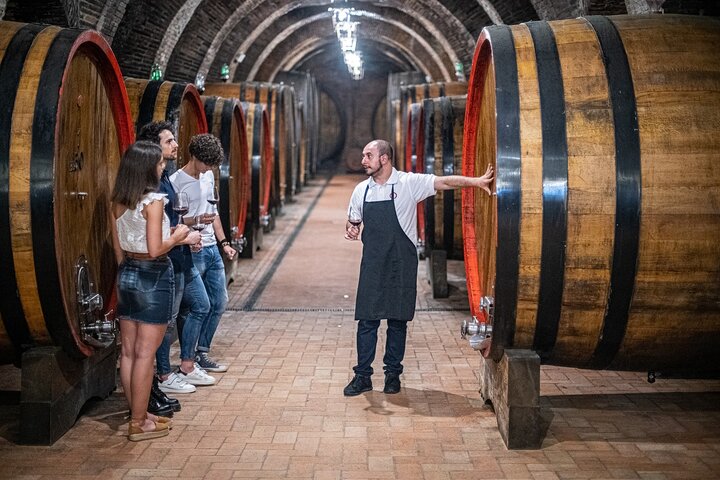
What Can You Expect When Visiting Manvi?
This is where Manvi really fits the idea behind this guide.
You don’t simply arrive, taste a couple of wines and leave.
There are several different experiences available depending on how much time you have.
If you’re short on time, the three-wine tasting takes around 30 minutes and includes Rosso di Montepulciano, Vino Nobile and Riserva.
The five-wine tasting takes around 45 minutes and also includes a tasting of Manvi’s extra virgin olive oil with bread.
For us, though, the vineyard and winery tour would be the better choice.
The private one-hour experience takes you through the vineyards, where you’ll hear about Manvi’s sustainable approach to growing the vines, before heading into the cellar to see how the wine is produced.
The tour finishes with a tasting of three of the winery’s Montepulciano wines.
There’s also a longer 75-minute version with five wines and olive oil.
And if you have plenty of time, you can turn your visit into lunch.
Manvi offers a tour followed by either a light Tuscan lunch or a longer three-course meal with five wines.
The food includes local cold cuts, cheese, bread and olive oil, with the longer lunch also including homemade pasta, dessert and coffee.
Why We Think Manvi Is Worth Visiting
For a guide like this, Manvi is exactly the sort of winery we want to include.
It’s small, family-run and organic, and the people behind the winery are still very much involved in the business.
The family describes it as a boutique winery rather than a big commercial operation, and their wines aren’t sold in supermarkets.
We also like the fact that their story isn’t the usual Tuscan wine story passed down through countless generations.
Puru and Sudha came to wine from completely different careers and built the business themselves.
That gives a visit here a more personal feel.
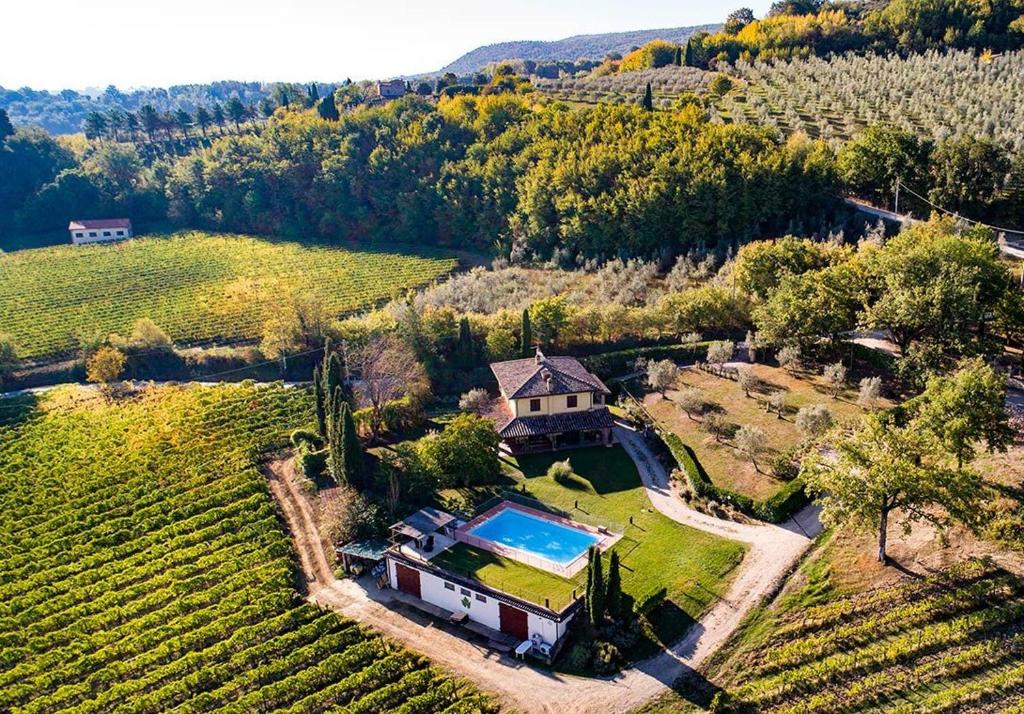
And if you’re travelling slowly through the Montepulciano area, you can even stay at The Grapevine by MANVI, the family’s small four-room B&B surrounded by vineyards.
It has a swimming pool, views across the Tuscan countryside and direct access to the winery experience.
Manvi Wines: At a Glance
- Location: Montepulciano, Tuscany
- Family-run: Yes
- Farming: Certified organic since 2003
- Main wines: Vino Nobile, Vino Nobile Riserva, Rosso di Montepulciano and Vin Santo
- Other wines: Rosé, Merlot, Cabernet Sauvignon and Super Tuscan IGT
- Tours: Vineyard and winery tours available
- Tastings: Three- and five-wine options
- Longer experiences: Light lunch or three-course lunch with wine
- Booking: Recommended for tours and lunch experiences
- Languages: Italian and English
- Best for: Wine lovers looking for a small, personal and genuinely family-run winery experience
Manvi is a lovely choice if you’d like to experience Vino Nobile di Montepulciano away from the larger estates, while still having the chance to meet the people who actually make the wine
Where to Stay
If you’ve got specific dates in mind, don’t wait too long to secure your spot. Accommodation in Montepulciano
Car rental – If you plan to visit countryside towns and vineyards, a rental car is invaluable.
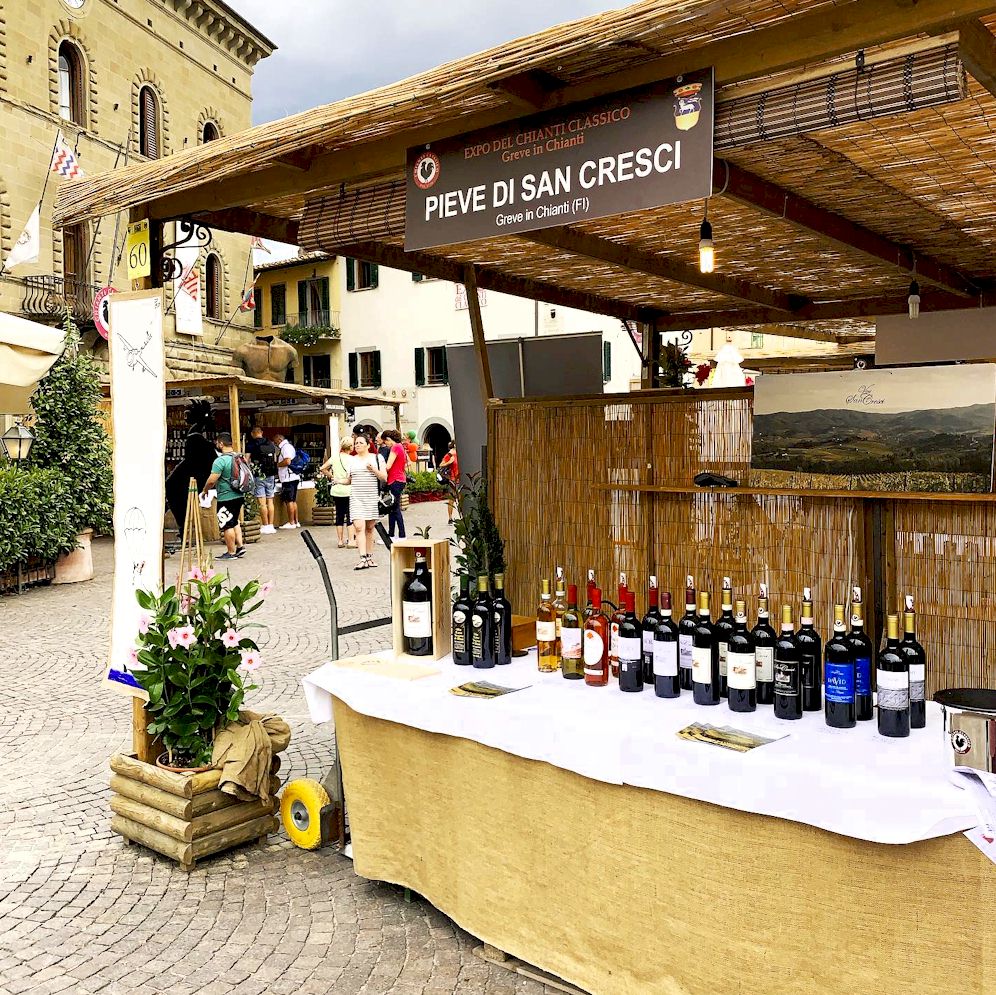
8. Pieve di San Cresci: A Family Winery With Almost 200 Years of History
If you’d like to visit a family winery with a real connection to the land, Pieve di San Cresci is one to put on your list.
Located in the hills above Greve in Chianti, just outside the little village of Montefioralle, this small estate has been managed by the Ballini family for almost two centuries.
The family has continued to work the vineyards and olive groves here through generations, producing organic wines while keeping the estate relatively small and personal.
There’s also something rather special about the setting.
The winery takes its name from the historic Pieve di San Cresci, an ancient parish church that shares one of its walls with the estate.
The wine cellars are located underneath the church itself, giving the winery a setting that is quite different from the modern tasting rooms you’ll find at some of Tuscany’s larger estates.
The Wines at Pieve di San Cresci
The Ballini family produces a range of organic wines, with Chianti Classico at the centre of the collection.
Their wines include Chianti Classico DOCG, Chianti Classico Riserva and Chianti Classico Gran Selezione, along with several Tuscan IGT wines, Vin Santo and organic extra virgin olive oil.
The estate grows several traditional and international grape varieties, including Sangiovese, Cabernet Franc, Cabernet Sauvignon, Merlot, Trebbiano, Malvasia and Traminer.
One of the wines worth looking out for is their San Cresci Chianti Classico Gran Selezione “David”, made from carefully selected grapes from the estate.
The blend is based on Sangiovese with native Tuscan varieties, with the exact percentages varying according to the vintage.
Their Chianti Classico Riserva combines Sangiovese with Merlot, Cabernet Franc and Cabernet Sauvignon, while the organic Becherale is made from Cabernet Franc, Cabernet Sauvignon and Merlot.
This gives visitors the opportunity to taste more than just the classic Chianti Classico style and see how different grapes are used within the estate.
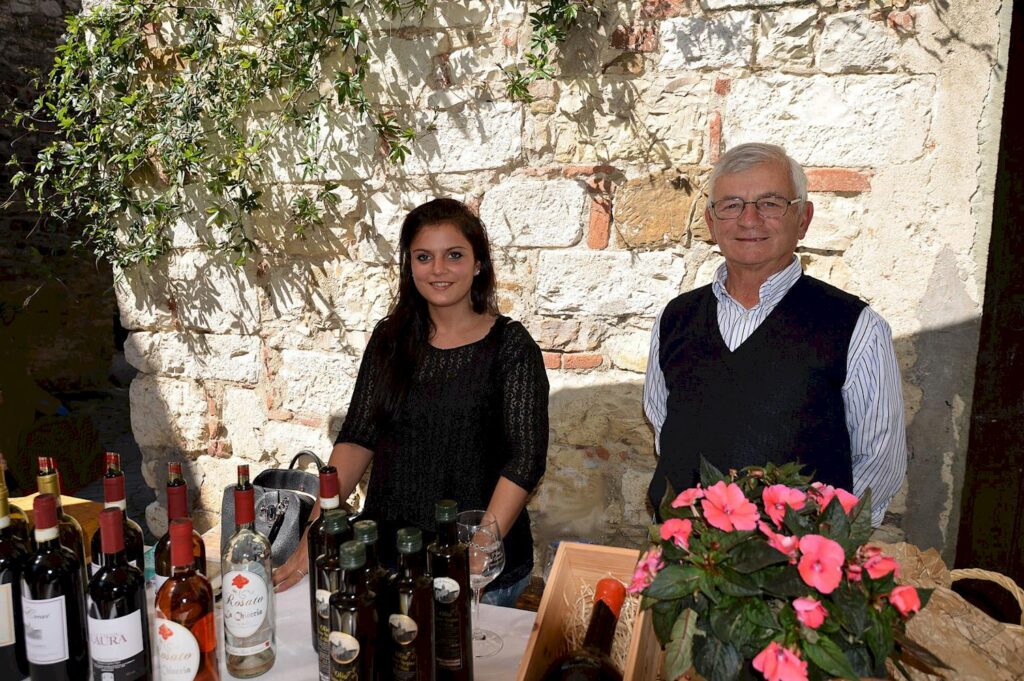
What Can You Expect When Visiting Pieve di San Cresci?
The winery offers wine tastings by reservation, giving visitors the chance to discover the wines while enjoying the setting of the estate and the surrounding vineyards.
The experience takes place in a particularly interesting part of the property, with the historic church and the winery’s cellars forming part of the visit.
You can expect to learn more about the family’s vineyards, how they work the land and how the grapes are transformed into wine.
The winery also highlights its organic farming practices and the connection between the vineyards and the family’s long history here.
For us, the setting alone makes this one worth considering.
You’re not simply visiting another winery in the Chianti countryside.
You’re arriving at an old Tuscan estate where the family has been producing wine for generations, with the cellar tucked beneath a historic church.
The winery’s current website asks visitors to contact them in advance to enquire about tasting availability, so this isn’t somewhere we’d recommend turning up at without making arrangements first.
Why We Think Pieve di San Cresci Is Worth Visiting
What we like about Pieve di San Cresci is that it feels like a working family estate rather than a large wine attraction.
The Ballini family has been looking after the property for around 200 years, and that long connection is still very much part of the winery’s identity.
They’re producing certified organic wines, working their vineyards and continuing a family tradition that has lasted through several generations.
It’s also in a great part of Chianti for travellers.
Pieve di San Cresci is just outside Montefioralle, one of the small hilltop villages near Greve in Chianti, so it would be easy to combine a winery visit with time exploring the village and surrounding countryside.
If you’re already planning a day around Greve and Montefioralle, this could be a much more personal alternative to visiting one of the larger, better-known Chianti estates.
Pieve di San Cresci: At a Glance
- Location: Greve in Chianti, Chianti Classico
- Family-run: Yes, Ballini family
- Family history: Almost 200 years
- Farming: Organic
- Main wines: Chianti Classico DOCG, Riserva and Gran Selezione
- Other wines: Tuscan IGT, Vin Santo and organic olive oil
- Tours and tastings: Available by reservation
- Unique feature: Wine cellars beneath the historic Pieve di San Cresci church
- Booking: Contact the winery in advance
- Best for: Wine lovers looking for a small family estate with a long history and an unusual setting
Pieve di San Cresci is a lovely choice if you’d like to experience Chianti Classico at a small family estate, particularly if you’re exploring Greve and Montefioralle at the same time.
Where to Stay
If you’ve got specific dates in mind, don’t wait too long to secure your spot. You’ll often get better rates by booking early to! Accommodation in Greve
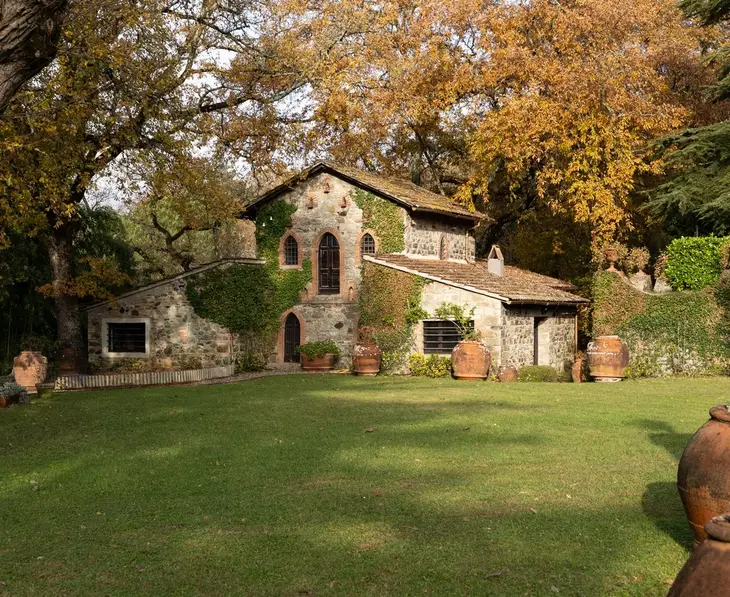
9. Podere San Michele: A Family Winery Near the Tuscan Coast
If you fancy combining wine with a little time by the Tuscan coast, Podere San Michele is a family-run winery worth knowing about.
The estate is in the countryside around San Vincenzo, between the ancient Via Aurelia and the sea, in the Upper Maremma.
It has been owned by the Socci family since the 1950s, when the family began developing the small agricultural estate.
Today, the winery is managed by the third generation, who continue the family’s work in wine and olive oil.
This is a much smaller operation than some of the famous estates around Bolgheri and Suvereto, which is exactly what makes it interesting for this guide.
The family still has a very hands-on approach to the vineyards and winery, with grapes harvested by hand and sustainable farming methods used throughout the estate.
The Wines at Podere San Michele
The vineyards cover around 5.5 hectares and include several grape varieties suited to this part of the Tuscan coast.
You’ll find Sangiovese, Syrah, Viognier and Cabernet Sauvignon, with the winery producing both red and white wines as well as olive oil and Grappa Riserva.
Among the wines you’ll come across are Allodio Bianco, made from Viognier, along with Allodio Rosso, Alaterno and Le Corbe.
The winery’s wines have a strong connection to the coastal landscape, with the combination of the Mediterranean climate, vineyards and nearby sea helping to give the wines their own character.
The current range also includes wines made from Syrah and Cabernet Sauvignon, while the winery continues to use oak ageing for some of its wines.
What Can You Expect When Visiting Podere San Michele?
This is one of those wineries where the experience is about more than simply sitting down for a wine tasting.
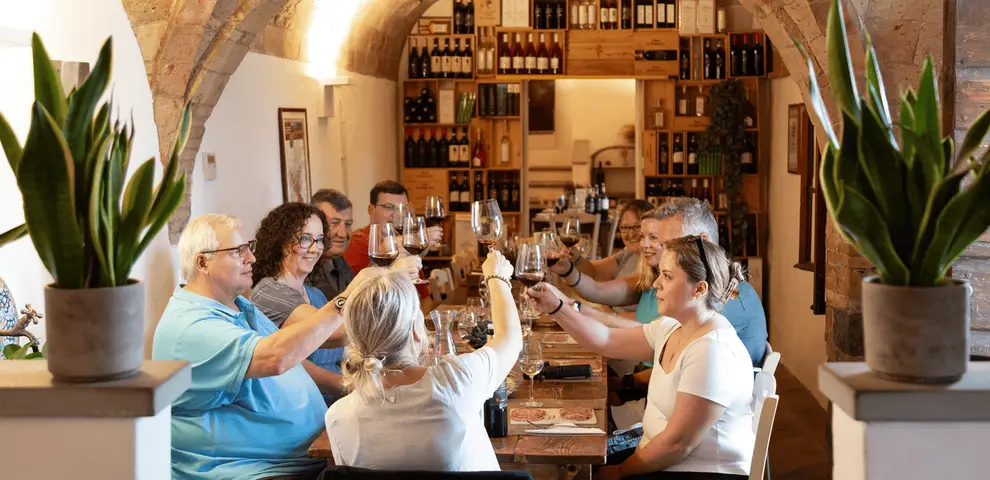
Visitors can arrange guided tastings of the estate’s wines, extra virgin olive oil and Grappa Riserva, accompanied by local Tuscan products such as cheeses, cured meats and other seasonal foods.
Winery visits and tastings are available by reservation for both individuals and groups.
The experience gives you the opportunity to learn about the family estate, how the vineyards are managed and how the wines are produced.
There’s also the chance to visit the vineyards and winery, making it a good option if you’d like to understand a little more about what goes into the bottle rather than simply turning up for a tasting.
And because Podere San Michele also has an agriturismo on the property, you can make it part of a longer stay in the area. The accommodation has a small number of rooms, giving it a more personal feel than a larger hotel.
Why We Think Podere San Michele Is Worth Visiting
What we like about Podere San Michele is its small-scale, family feel.
The Socci family has been working this land for decades, and the winery hasn’t lost that connection as the generations have changed.
You’re visiting a working family estate where wine, olive oil and hospitality are all part of the same business.
We also like the location.
San Vincenzo is on the Tuscan coast, so a winery visit here can easily be combined with a day exploring the Costa degli Etruschi, a trip to the beach or a drive through the Upper Maremma.
It’s also not far from the better-known wine areas around Bolgheri and Suvereto, making it an interesting stop if you’re putting together a coastal Tuscany wine itinerary.
And if you enjoy staying somewhere small and family-run, the estate’s agriturismo gives you the option of sleeping among the vineyards and olive groves rather than driving back to a larger town after your tasting.
Podere San Michele: At a Glance
- Location: San Vincenzo, Upper Maremma
- Family-owned: Yes, Socci family
- Family history: Since the 1950s
- Current generation: Third generation
- Vineyards: Around 5.5 hectares
- Main grapes: Sangiovese, Syrah, Viognier and Cabernet Sauvignon
- Wines: Allodio, Alaterno, Le Corbe and other estate wines
- Also produced: Extra virgin olive oil and Grappa Riserva
- Visits: Vineyard and winery experiences available
- Tastings: Wine, olive oil and Grappa with local food
- Booking: Advance reservation required
- Best for: Travellers combining a Tuscan wine experience with the coast and Upper Maremma
Podere San Michele is a lovely choice if you’d like to get away from Tuscany’s better-known wine routes and discover a small family winery near the sea.
It’s particularly easy to combine with a coastal road trip through San Vincenzo, Bolgheri and Suvereto.
Where to Stay
If you’ve got specific dates in mind, don’t wait too long to secure your spot. You’ll often get better rates by booking early to! Accommodation in Maremma
Car rental – If you plan to visit countryside towns and vineyards, a rental car is invaluable.
10. Montemorli: Seven Generations of Family Winemaking Since 1756
For our final winery, we’re heading to the hills around Poggibonsi, just a short drive from San Gimignano, to visit Montemorli.
This is one of those estates where the family history is impossible to separate from the wine.
The Conforti family has been making wine here for seven generations, continuing a tradition that dates back to the 1800s.
The estate itself has an even older connection to wine, with an underground cellar dating back to 1756, when it was dug by Olivetan monks.
Today, the family continues to produce its own wines from the estate vineyards, with organic certification and a strong focus on keeping the whole process connected to the land.
And that historic cellar makes a visit here rather special.
The Wines at Montemorli
Montemorli produces a range of wines with Chianti and Chianti Riserva at the heart of the collection.
The estate also produces Tuscan IGT wines, including Super Tuscan blends, as well as white and rosé wines and Vin Santo del Chianti DOC.
The family also produces its own extra virgin olive oil from around nine hectares of olive groves.
The vineyards sit on Pliocene soils at around 210 metres above sea level, and the family farms them using certified organic methods.
One thing we particularly like about Montemorli is that the family doesn’t buy in grapes from outside producers.
The wines come from their own vineyards, giving them control over the process from the vineyard right through to bottling.
Their range gives you the chance to try several different styles during a visit, from lighter whites and rosés through to Chianti, Riserva, Super Tuscan wines and Vin Santo.
What Can You Expect When Visiting Montemorli?
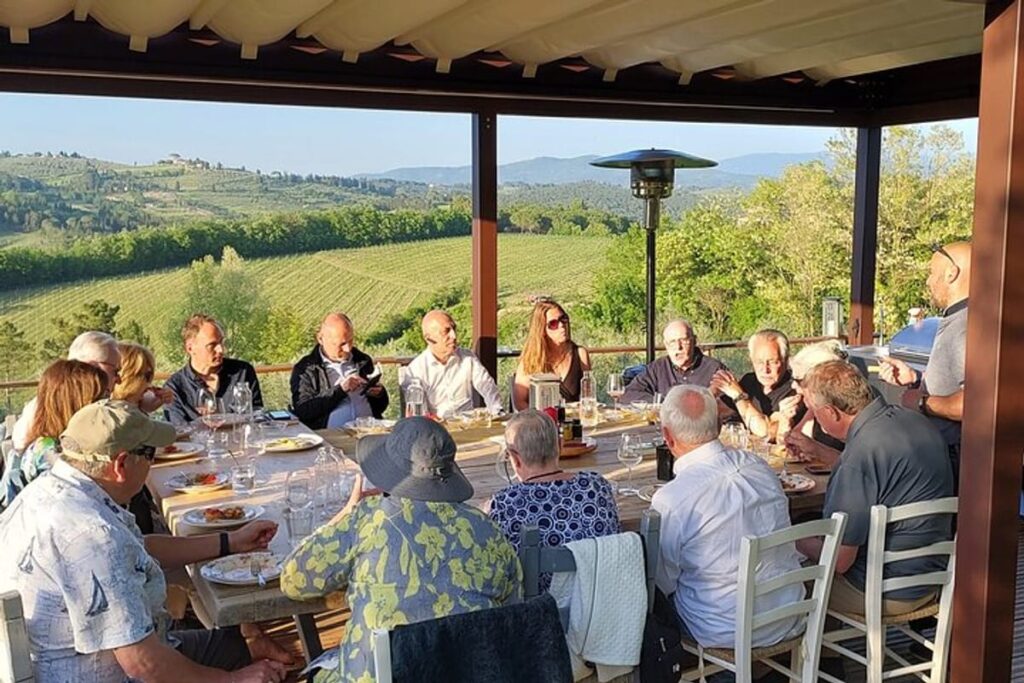
Montemorli has put together several different wine experiences, so you can choose how much time you want to spend at the estate.
For a quick introduction, the Essentials tasting takes around 30–45 minutes and includes three wines with an explanation of the grapes, winemaking methods and food pairings.
If you have a little longer, the Winemaking Discovery takes you into the working fermentation cellar, where you’ll see the concrete and stainless-steel tanks used during production.
The experience includes four wines accompanied by a Tuscan tasting board.
But if you’re going to make the trip, we’d be tempted by the 1756 Experience.
This 90-minute experience takes you through both of the estate’s cellars.
You’ll see where the wines ferment before heading underground into the historic cellar dug by the monks in 1756, where some of the estate’s wines age in French oak barrels.
You’ll also taste five wines accompanied by a Tuscan board, while the family shares the story of its seven generations of winemaking. The current price is €55 per person.
And for anyone who really wants to make an afternoon of it, there’s the Full Experience.
This lasts around three hours and includes a vineyard walk, both cellars, seven wines, an olive oil tasting and a traditional three-course Tuscan lunch. The current price is €75 per person.
Why We Think Montemorli Is Worth Visiting
For us, Montemorli is a fitting winery to finish this list because it brings together so many of the things we were looking for when choosing these ten wineries.
There’s a genuine family story, wine made from the estate’s own vineyards, organic farming and a historic cellar that you can actually visit.
It’s also a working winery rather than a polished tourist attraction.
The family uses its own production spaces for the experiences, so you’re seeing where the wine is actually made and aged rather than simply being shown around a tasting room.
And then there’s that 1756 cellar.
Walking underground through a cellar originally dug by monks nearly 270 years ago, while tasting wines made by the same family that has worked this land for generations, gives the visit a real sense of history.
The location is another bonus.
Montemorli sits on the hills near Poggibonsi and is close enough to San Gimignano to combine with a day exploring the famous medieval town.
So you could spend the morning wandering through San Gimignano, have lunch in the area and then head to Montemorli for an afternoon wine experience.
Montemorli: At a Glance
- Location: Poggibonsi, near San Gimignano
- Family-run: Yes, Conforti family
- Family history: Seven generations
- Historic cellar: Dating to 1756
- Farming: ICEA-certified organic
- Main wines: Chianti DOCG and Chianti Riserva
- Other wines: Tuscan IGT, Super Tuscan, white, rosé and Vin Santo
- Also produced: Estate extra virgin olive oil
- Tastings: From short three-wine tastings to full-day-style experiences
- 1756 Experience: 90 minutes, five wines and Tuscan food board, €55 per person
- Full Experience: Around 3 hours, seven wines, olive oil and three-course lunch, €75 per person
- Languages: Italian and English
- Booking: Advance booking recommended
- Best for: Wine lovers who enjoy family history, organic wine and historic cellars
If you’re looking for a family winery with history you can actually see and experience, Montemorli is a wonderful place to finish our list.
Seven generations of winemaking, an underground cellar dating back to 1756 and a genuine working estate make this much more than just another wine tasting.
Where to Stay
You’ll often get better rates by booking early to! Accommodation in San Gimignano
How to Plan Your Visit to a Family-Owned Winery in Tuscany
Visiting a small family-owned winery in Tuscany is usually a little different from visiting a large commercial estate.
Many of the wineries on our list are working farms where the same people looking after the vineyards are also involved in welcoming visitors.
That means you can’t always just turn up and expect someone to be available.
Booking ahead is one of the most important things you can do.
We’ve included this throughout our guide because several of these wineries specifically ask visitors to arrange their visit in advance.
Some only welcome a small number of groups each day, while others organise their tastings around the family’s work in the vineyards and cellar.
Book Your Visit Before You Arrive
Don’t assume that because a winery has a tasting room, you can simply walk in.
For the smaller estates, it’s much better to contact the winery a few days ahead, particularly if you’re travelling during the busy summer months.
When booking, let them know:
- The date you’d like to visit
- Your approximate arrival time
- How many people are travelling
- Whether you’d like a simple tasting or a vineyard and cellar tour
- If you’d like lunch or food with your tasting
- Any dietary requirements
Some wineries have online booking systems, while others prefer an email or phone call.
Follow the instructions on the winery’s own website rather than relying on the opening hours you might find on Google.
How Much Time Should You Allow?
A basic wine tasting might take 30–60 minutes, while a proper vineyard and cellar experience can easily take 1–2 hours.
If you’ve chosen one of the longer experiences that includes lunch, we’d allow at least half a day.
And honestly, that’s how we’d recommend approaching it.
Don’t squeeze a winery visit into a packed itinerary between three villages and a museum visit.
One of the best things about visiting a small Tuscan winery is having time to sit down, talk to the people making the wine and enjoy the countryside without watching the clock.
What Happens During a Winery Visit?
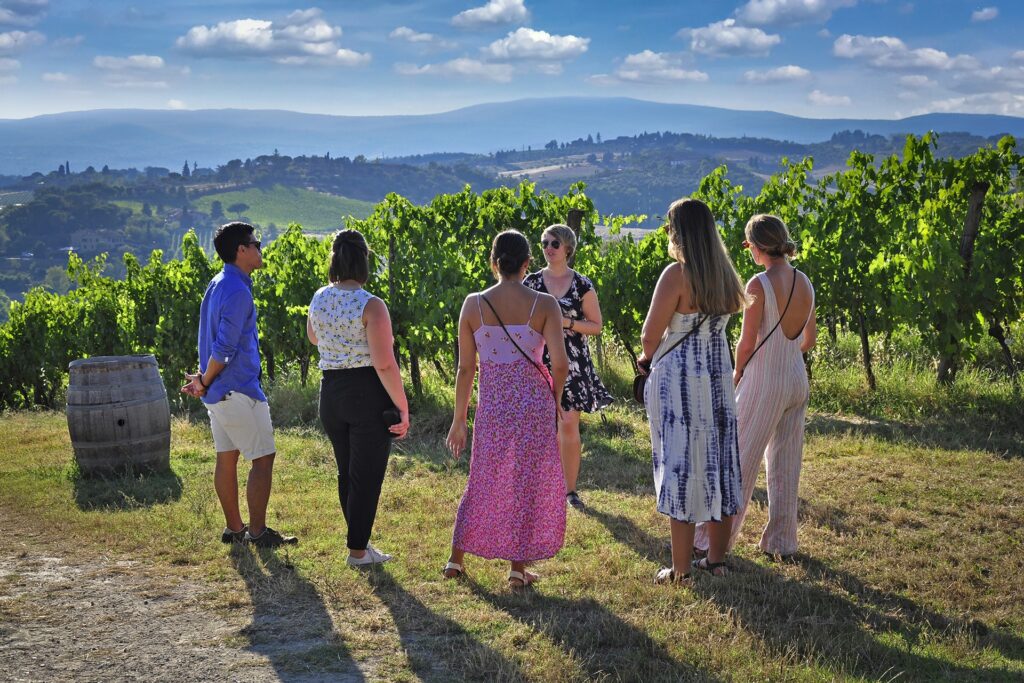
Every winery does things a little differently, but a typical visit might include a walk through the vineyards, a look inside the cellar and an explanation of how the wine is produced.
Then comes the tasting.
Depending on the experience you’ve booked, you might taste two or three wines or work your way through a larger selection, sometimes accompanied by local cheese, cured meats, bruschetta or a full Tuscan lunch.
The Movimento Turismo del Vino Toscana specifically promotes winery visits as a way to meet the people behind the wine and learn about everything from the vineyard through to fermentation and ageing.
That’s one of the reasons we prefer these smaller experiences. You’re not just tasting the finished product. You get to understand a little more about where it came from.
Don’t Worry If You’re Not a Wine Expert
You don’t need to know the difference between every Tuscan grape variety before you arrive.
If you’re new to wine tasting, just tell your host.
Ask questions. Find out which wine they are most proud of.
Ask which bottle they’d open at home with dinner. And if you like one wine more than another, say so.
We’ve found that wine tasting is much more enjoyable when you don’t feel like you have to sound like an expert.
You’re there to enjoy the wine and learn something along the way.
Think About Who Is Driving
This is particularly important if you’re visiting wineries independently.
Many of Tuscany’s family wineries are in rural areas where having your own car makes getting around much easier.
But if you’re planning several tastings in one day, someone needs to remain the designated driver.
Our advice would be to visit one winery properly rather than trying to fit several tastings into a single day.
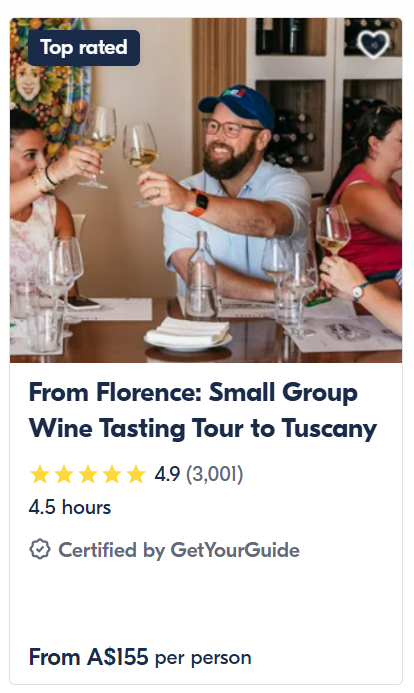
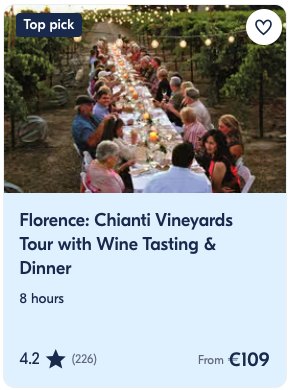
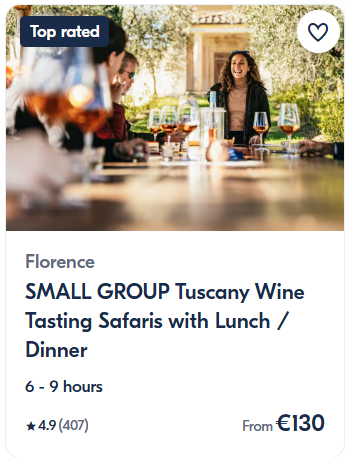
Alternatively, book a private driver or organised wine tour so everyone can enjoy the tasting without worrying about driving afterwards.
Wine Tours Of Tuscany
Can You Buy Wine at the Winery?
Usually, yes.
Many Tuscan wineries have a small wine shop where you can buy bottles directly from the producer.
Some also sell olive oil and other products from the estate.
It’s worth asking about shipping if you’re travelling for a long time and don’t want to carry bottles around Europe.
And if you find a wine you really love, buying a few bottles directly from the family who made it is a lovely way to remember the visit.
What Should You Wear?
You don’t need to dress up for a winery visit.
Comfortable clothes and sensible shoes are your best bet, particularly if your experience includes walking through the vineyards or visiting an older cellar.
Remember that some cellars can be cool even when it’s hot outside, so a light layer is useful.
And if you’re visiting during harvest, expect a working farm rather than a perfectly clean tourist attraction. That’s part of the experience.
Give Yourself Time to Enjoy It
This is probably our biggest piece of advice.
Don’t rush your winery visit.
Tuscany is not somewhere we’d want to experience by racing from one attraction to the next, and that is especially true when visiting a small family winery.
Sit down. Taste the wine. Talk to the family. Ask about the vineyard. Have some local food if it’s available.
These are often the moments you’ll remember long after you’ve forgotten which village you visited at 10am that morning.
And that’s really the beauty of choosing a small family-owned winery in Tuscany.
You’re not simply checking another attraction off your itinerary. You’re spending a little time with the people who grow the grapes, make the wine and have often been doing it for generations.
Car rental – If you plan to visit countryside towns and vineyards, a rental car is invaluable.

Best Time to Visit Tuscany’s Family-Owned Wineries
There really isn’t one single month that’s perfect for visiting Tuscany’s family-owned wineries. It depends on what sort of experience you’re looking for.
That said, September and October are hard to beat if wine is one of the main reasons you’re coming to Tuscany.
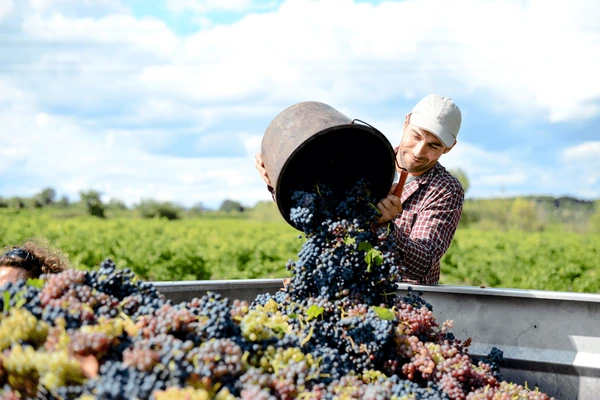
This is harvest time, or vendemmia, and the vineyards are at their busiest.
Grapes are being picked, tractors are moving between the vineyards and the first stages of the new vintage are getting underway in the cellars.
In Tuscany, the main harvest period generally runs through September and into October, although the exact timing changes from year to year and from one vineyard to another.
But there are some good reasons to consider visiting at other times of the year too.
April and May: Great for Quiet Winery Visits
Spring is a lovely time to explore Tuscany’s wine country.
The vineyards are green and fresh, the countryside is coming back to life and the weather is usually comfortable for driving between wineries and spending time outdoors.
It’s also before the busiest summer months, so smaller wineries can feel particularly relaxed.
If you’d rather sit down with the family, take your time over a tasting and have a proper conversation without being surrounded by other visitors, spring is an excellent choice.
June and Early July: Long Days and Outdoor Tastings
Early summer brings long days and warm weather without the extreme heat you can sometimes get later in the season.
This can be a particularly good time for a winery that offers vineyard walks, outdoor lunches or tastings overlooking the countryside.
Just remember that temperatures can climb during the afternoon, so an earlier winery visit is often more comfortable.
August: Beautiful, But Not Our First Choice
August can look tempting on paper.
The vineyards are full, the weather is hot and there are plenty of long summer evenings to enjoy.
But it’s not our favourite month for a dedicated Tuscany wine trip.
Ferragosto and the Italian summer holidays can affect opening hours, and some smaller family businesses take a break themselves.
The heat can also make spending an afternoon walking through vineyards less enjoyable.
If August is the only time you can travel, it’s still possible to have a great wine holiday.
Just check directly with each winery before making your plans.
September and October: Best for the Harvest
If you’ve always wanted to see Tuscany’s wine country at work, this is the time to September is generally the main month for the grape harvest, with October continuing the vendemmia in some areas and at some estates.
The exact timing depends on the weather, the grape variety and the vineyard’s altitude and location.
You’ll see the vineyards looking very different from summer, and there is a real sense of activity around the wineries.
There is one important thing to remember, though.
Harvest is a busy time for winemakers.
Some smaller wineries may reduce or pause visitor experiences while they’re dealing with the grapes coming into the cellar.
Others offer special harvest visits, but these can book up quickly.
So if you’re travelling in September or October, book your winery visits earlier than you normally would.
For us, the second half of September and early October would be particularly appealing.
You get the excitement of harvest, generally more comfortable temperatures than midsummer and the changing colours beginning to appear across the countryside.
November to March: A Quieter Side of Tuscany
Winter is often overlooked by wine travellers, but it can be a lovely time to visit if you prefer quiet roads and smaller crowds.
You won’t get the same vineyard activity as during harvest, and some wineries reduce their opening hours or operate by appointment only.
But that’s not necessarily a bad thing.
For travellers who enjoy slow travel, a private cellar visit followed by a relaxed tasting can be a wonderful way to spend a winter day in Tuscany.
Just make sure you arrange everything in advance rather than assuming a winery will be open.
So, When Would We Choose?
If we were planning a Tuscany wine trip specifically around these family-owned wineries, September and early October would be our first choice.
But if you don’t need to see the harvest, we’d also happily choose May, June or early July for the combination of comfortable weather, green countryside and relaxed winery visits.
The most important thing is not simply choosing the right month.
It’s choosing wineries that are actually open when you’re travelling and booking your visits before you arrive.
That’s especially important with the small family estates we’ve featured in this guide.
Their tasting rooms don’t operate like large tourist attractions, and that’s exactly what makes them worth visiting.come.
Car rental – If you plan to visit countryside towns and vineyards, a rental car is invaluable.
Read Our Full Guide On The Best
Tuscany Wine Regions Explained: Chianti vs Montalcino vs Montepulciano
How Much Does a Winery Visit in Tuscany Cost?
One of the nice things about visiting smaller family-owned wineries in Tuscany is that you don’t necessarily have to spend a fortune to have a great experience.
Prices vary depending on the winery, how many wines you’re tasting and whether your visit includes a vineyard tour, cellar visit, food or lunch.
From the wineries we’ve featured in this guide, you can expect a simple tasting to start at around €15–€30 per person, while more detailed vineyard and cellar experiences are generally around €30–€60 per person.
Once you add a proper Tuscan lunch, a larger selection of wines or a longer private experience, you’re more likely to be looking at €60–€80 or more per person.
Simple Wine Tastings
If you’re travelling on a budget, you don’t have to book the most elaborate experience.
Several of the family wineries on our list offer relatively simple tastings where you’ll try a few wines and learn a little about the estate.
These are usually around 30–60 minutes and can be a good choice if you’re fitting a winery into a busy day of exploring.
For example, Manvi offers a short tasting of three wines, while Sesta di Sopra’s classic tasting includes three wines and a cellar visit.
Vineyard and Cellar Tours
If wine is one of the main reasons you’re visiting, we’d spend a little more and book an experience that includes the vineyards and cellar.
These visits generally last around an hour or more and give you a much better understanding of how the wine is actually produced.
You’ll usually learn about the grape varieties, farming methods, harvesting and ageing before sitting down to taste several wines.
Expect to pay roughly €30–€60 per person for this type of experience, although prices vary considerably between wineries.

Wine Tastings With Food
This is where prices start to increase, but it’s also where a winery visit can turn into a proper Tuscan afternoon.
Many family estates serve their wines with local products such as pecorino, cured meats, bread, bruschetta and extra virgin olive oil.
Some also offer a full lunch with several wines.
For these longer experiences, allow around €50–€80 per person, with more elaborate private experiences potentially costing more.
Montemorli, for example, currently offers a longer experience that includes seven wines, olive oil and a three-course Tuscan lunch for €75 per person.
What About Private Tastings?
If you’re travelling as a couple or small group, don’t assume a private experience will be out of reach.
Some of the smaller wineries organise visits specifically for small groups, and the price can depend on the number of people and what you’d like included.
If you have something particular in mind — perhaps a private vineyard walk, a vertical tasting of different vintages or lunch with the winemaker — it’s worth asking the winery directly.
You may find they can put something together that isn’t listed as a standard experience on their website.
Is a Winery Visit Worth the Money?
We think it is, particularly if you’re interested in wine.
A €20 tasting and a €70 lunch experience are obviously very different things, but you’re paying for more than the wine itself.
At a family-owned estate, you’re often spending time with the people who grow the grapes and make the wine.
You’re seeing their vineyards, learning about their methods and tasting wines that you may not come across in a supermarket or ordinary wine bar.
And if you’re travelling through Tuscany slowly, we’d rather spend an afternoon doing one really good winery visit than trying to squeeze three quick tastings into the same day.
A Quick Guide to Winery Costs
Type of experience | Typical price per person |
|---|---|
| Simple wine tasting | €15–€30 |
| Tasting + cellar visit | €25–€45 |
| Vineyard + cellar + several wines | €30–€60 |
| Wine tasting + local food | €40–€60 |
| Winery experience + full lunch | €60–€80+ |
| Private or specialist experience | €60+ |
These are general guide prices rather than fixed prices. Winery prices can change, and some experiences are only available by advance arrangement.
Always check the winery’s own website before booking, particularly if you’re travelling outside the main season.
For the family-owned wineries in this guide, we’d also recommend looking at what is included in the price, rather than simply choosing the cheapest tasting.
Sometimes spending another €10 or €20 means you get the vineyard walk, cellar visit and a proper food pairing, which can make a big difference to the overall experience.
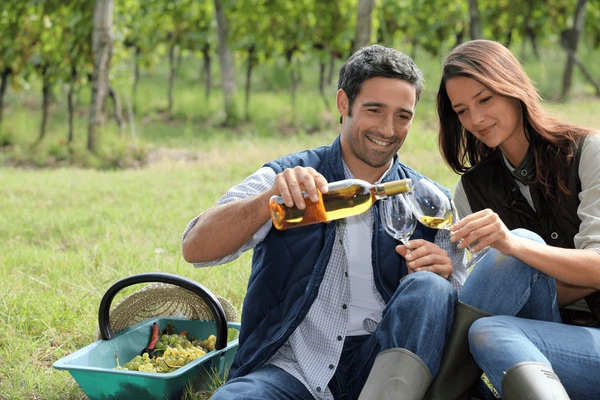
Which Family-Owned Winery in Tuscany Is Right for You?
With ten wineries to choose from, you might be wondering which one is actually right for your Tuscany trip.
There isn’t a single winner.
Each of these family-owned estates has something different going for it, so the best choice really depends on the wine you enjoy, where you’re travelling and how much time you have.
Here’s how we’d narrow it down.
Best for Brunello: San Polino
If Brunello di Montalcino is at the top of your list, we’d start with San Polino.
It’s a small organic family estate with a strong focus on biodiversity and traditional Sangiovese, and the tasting experience gives you the opportunity to learn about both the vineyard and the wines.
It’s a particularly good choice if you’re already spending time around Montalcino.
Best for a Small, Traditional Montalcino Experience: Sesta di Sopra
Sesta di Sopra is another excellent choice for Brunello lovers, but the experience feels a little different.
The estate is small, family-run and surrounded by the hills south of Montalcino.
If you’re interested in comparing different vintages, the vertical tasting experiences make this one particularly interesting.
Choose Sesta di Sopra if you’d like to spend more time exploring the wines themselves.
Best for Vernaccia: Palagetto
If you’re visiting San Gimignano, Palagetto is an easy choice.
Its main focus includes Vernaccia di San Gimignano, the white wine that the town is famous for, and the estate is only around 1.5 kilometres from the historic centre.
It’s a great option if you’re combining sightseeing with a winery visit rather than planning an entire day around wine.
Best for Bolgheri Wine: Guado al Melo
For lovers of the wines of Bolgheri, we’d put Guado al Melo high on the list.
The family-run estate has a strong connection to the region and produces several Bolgheri DOC wines.
The underground winery, wine museum and library also make the visit different from a straightforward vineyard and tasting experience.
It’s a particularly good choice for anyone interested in both wine and winemaking history.
Best for Exploring Cortona Wine Country: I Vicini
If your Tuscany itinerary takes you towards Cortona and the Val di Chiana, I Vicini is worth considering.
The Antonioli family has been connected with wine and agriculture in the area for decades, and the winery gives visitors the chance to discover wines from a part of Tuscany that doesn’t get nearly as much attention as Montalcino or Chianti.
It’s a good choice if you’re putting together a slower road trip through eastern Tuscany.
Best for Organic and Biodynamic Wine: Gabriele Mazzeschi
If organic farming is important to you, Gabriele Mazzeschi is one to look at closely.
The family estate has been organically farmed since 1996, with biodynamic practices also used in the vineyards.
The setting in the Val di Chio, between Arezzo and Cortona, is another reason we’d choose it.
It feels very much like a working Tuscan farm where wine is one part of a much larger family operation.

Best for Vino Nobile: Manvi Wines
For Vino Nobile di Montepulciano, Manvi is an excellent choice.
It’s a small family-run organic winery with a very different backstory from many traditional Tuscan estates.
Puru and Sudha Manvi came to wine later in life after careers in banking and built the winery themselves.
If you enjoy meeting the people behind the wine and prefer smaller tastings rather than large commercial tours, Manvi is a great fit.
Best for a Historic Family Estate: Pieve di San Cresci
Pieve di San Cresci is the one we’d choose if family history and setting are high on your list.
The Ballini family has been connected with the estate for almost 200 years, and the historic church and wine cellars make this a particularly interesting place to visit.
It’s also perfectly placed for combining with Montefioralle and Greve in Chianti.
Best for Wine Near the Tuscan Coast: Podere San Michele
If you’re heading towards the Tuscan coast, you don’t need to give up your winery visit.
Podere San Michele near San Vincenzo has been in the Socci family since the 1950s and combines wine, olive oil and accommodation on the same estate.
It’s a great option if you’re travelling through the Costa degli Etruschi and want to experience a smaller family winery away from the main inland wine routes.
Best for History and a Full Wine Experience: Montemorli
And finally, if you love history, Montemorli is hard to beat.
Seven generations of the Conforti family have been involved in winemaking, while the estate’s underground cellar dates back to 1756.
The longer experiences combine the vineyards, historic cellar, several wines, olive oil and Tuscan food, making this a good choice if you’d rather spend a whole afternoon at one winery.
The good news is that you really can’t go too far wrong with any of them.
The important thing is to choose one or two that fit naturally into your Tuscany itinerary, book ahead and give yourself enough time to enjoy the experience.
You don’t need to visit five wineries in one day to have a great wine trip. In fact, we’d say the opposite.
Choose one good family winery, slow down and enjoy it.
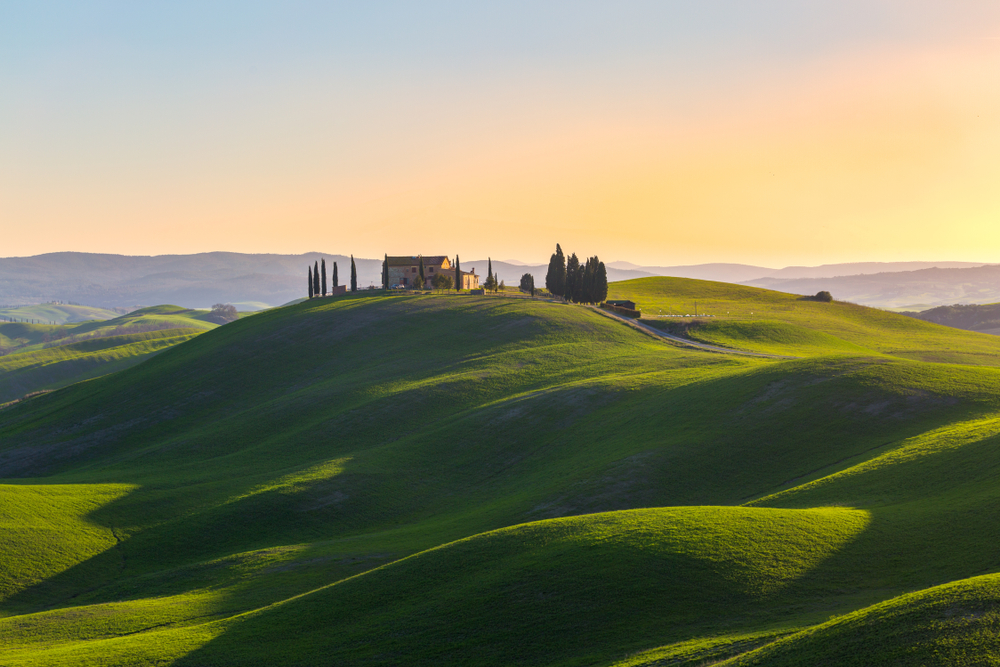

Frequently Asked Questions About Family-Owned Wineries in Tuscany
Do I need to book a winery visit in Tuscany in advance?
Yes, especially when visiting a small family-owned winery.
Many of the estates in this guide operate by appointment rather than having a tasting room open all day.
Contact the winery before you arrive and confirm the date, time and type of experience you’d like.
How much does a wine tasting in Tuscany cost?
It varies depending on the winery and what’s included.
A simple tasting can cost around €15–€30 per person, while vineyard and cellar tours are often €30–€60. Experiences that include several wines and a full Tuscan lunch can cost €60–€80 or more.
What is the best month for a Tuscany wine tour?
September and early October are particularly good if you’d like to see the grape harvest, although spring and early summer are also excellent for visiting wineries.
If you’re travelling during harvest, book early because some smaller wineries are very busy with the vendemmia.
Can I visit a Tuscan winery without drinking wine?
Usually, yes. Many wineries welcome non-drinkers and can include them in the tour and food experience.
When booking, simply let the winery know that someone in your group won’t be drinking so they can explain the options.
Can children visit family-owned wineries in Tuscany?
Many wineries allow children, but policies and experiences vary. It’s best to check when booking, particularly if you’re planning a long tasting or vineyard tour.
Some estates also have outdoor spaces and food experiences that can work well for families.
How many wineries should I visit in one day?
We’d recommend one or two at most if you’re driving yourself.
A proper winery visit can take anywhere from an hour to half a day, particularly when food is included.
Trying to fit four or five tastings into one day usually means spending more time in the car than actually enjoying the wineries.
Can I buy wine directly from a Tuscan winery?
Yes.
Most of the wineries featured here sell their wines directly to visitors, and some also sell olive oil and other products from the estate.
If you’re travelling around Europe for several weeks or months, ask whether they can arrange shipping rather than carrying bottles with you.
Do I need to be a wine expert to enjoy a winery visit?
Not at all.
You don’t need to know your Sangiovese from your Cabernet Sauvignon before you arrive. The whole point of a winery visit is to learn, ask questions and discover what you enjoy.
If you’re unsure about wine, tell your host. They’ll usually be more than happy to explain things without making you feel like you should already know the answers.
Car rental – If you plan to visit countryside towns and vineyards, a rental car is invaluable.
Ready to Turn Your Dream Into a Plan?
Inside you’ll discover:
 The first planning steps
Understanding the Schengen Rule
How we choose where to stay
Practical slow travel tips
 Download Your FREE Starter Kit
Want to Go Even Further?
If you’d like to learn the complete system we’ve developed after years of travelling Europe full-time, take a look at our new book.
 How We Actually Travel Europe Long-Term
Discover the Book
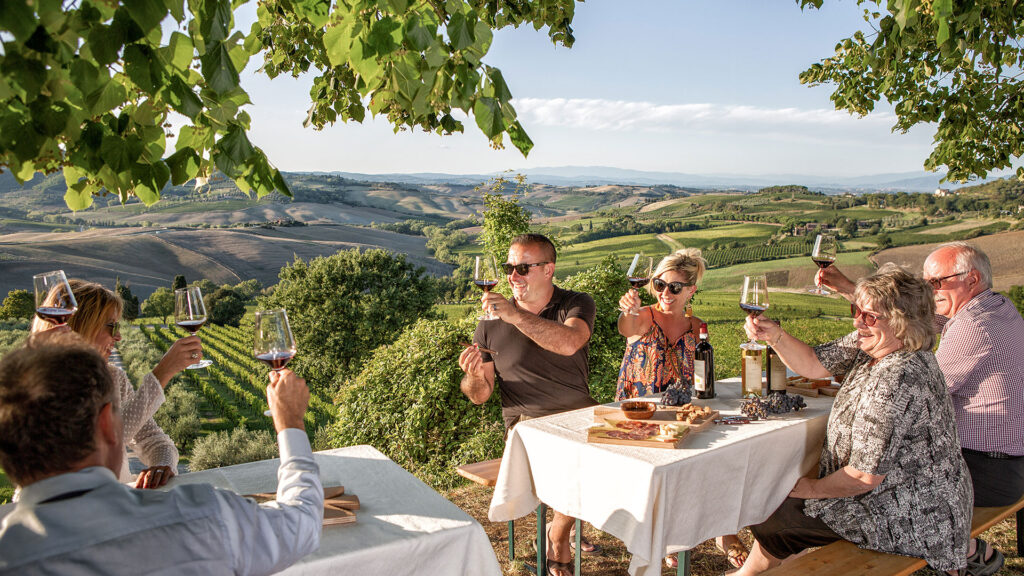
Final Thoughts: Take Your Time and Enjoy Tuscany’s Wine Country
There are plenty of famous wineries in Tuscany, and many of them are well worth visiting.
But if you ask us, some of the most interesting wine experiences can be found at the smaller family-owned estates.
These are the places where you can meet the people behind the wine, hear how their family became connected with the land and understand a little more about what goes into every bottle.
That’s what we love about travelling through Tuscany.
It’s not always about finding the biggest or most famous place.
Sometimes it’s about turning down a country road, arriving at a small winery and spending a couple of hours talking, tasting wine and enjoying some local food.
From Brunello in Montalcino and Vino Nobile in Montepulciano to Chianti Classico, Vernaccia and the wines of the Tuscan coast, these ten wineries give you plenty of ways to experience Tuscany beyond the usual tourist routes.
You don’t need to visit all ten.
Choose one that’s close to where you’re staying, book ahead, leave yourself plenty of time and enjoy the experience without rushing off to the next attraction.
And if you find a bottle you really love, take one home with you.
Every time you open it, you’ll have a little reminder of that afternoon in Tuscany.
That’s what good wine travel is really about.
PLAN YOUR TUSCANY ADVENTURE
These are our favorite companies we use when planning a trip, they consistently have the best prices, great customer service, and overall, are better than their competitors.
BOOK YOUR FLIGHT – Going is a great search engine if you are flexible about your travel destination and dates. Sign up for their newsletter and get the latest deals on destinations around the world. GOING is our new go to.
CAR RENTAL – We recommend using Discover Cars or Rental Cars when booking a car rental, they work with hundreds of companies worldwide to help you find the best car for your needs.
TRAINS – OMIO – is our favorite, this site is very reliable and easy to use.
BUS – OMIO – this website allows you to book train or bus tickets to travel from city to city the best and cheapest way. FLIXBUS is another terrific website with routes between 20 European countries.
ACCOMMODATIONS
BOOKING.com – is our go to for hotel searches around the world, we find they always have the cheapest rates and offer different payment options. In addition, VRBO is another terrific website for all types of accommodations.
HOSTELWORLD – is great if you’re traveling on a budget, and if you need a cheap place to stay.
SIGHTSEEING TOURS
GET YOUR GUIDE – is our favorite; they have stacks of tours and excursions available in cities all over the world. VIATOR is another great website for all types of tours.
TAKE WALKS – This walking tour company provides inside access to attractions and places you can’t get elsewhere.
TRAVEL INSURANCE
SAFETY WING – is our go to travel medical insurance company, especially for longer trips. You can either purchase a monthly plan or a plan for specific trip dates (i.e. 1-2 week trips). They cover people from all over the world, while outside their home country.
ARC’TERYX – is a go to reliable brand for outdoor adventure and travel, their wide range includes light weight durable, easy to clean travel gear.
Check out our RESOURCE PAGE for more additional planning.