
What It’s Really Like to Live in Europe Long-Term (The Truth No One Tells You)
Timeless Wanderers: Posted April 19, 2026
Long-term travel in Europe sounds like a dream.
And in many ways, it is.
Waking up in beautiful places, wandering through historic towns, long lunches, new scenery — it’s everything people imagine when they think about slowing down and travelling differently.
But there’s another side to it as well.
Not bad — just real.
When you travel long-term, it stops feeling like a holiday.
The pace changes, the excitement settles, and everyday life quietly finds its way back in.
There are routines, quieter days, and moments where nothing much happens at all.
We’ve experienced both sides.
The incredible highs — discovering places we’d only ever dreamed about — and the quieter, more ordinary moments that don’t often get talked about.
Sitting with a coffee in the morning, figuring out where to go next, or simply taking a day to do very little.
And over time, we’ve realised something important.
Those slower, more ordinary moments are just as much a part of the experience as the highlights.
In this guide, we’re sharing what it’s really like to live and travel in Europe long-term — the parts that inspire you, the parts that challenge you, and the parts that make this way of travelling feel so different from anything else.
Table of Contents
The Reality of Slower Days
One of the first things that changes with long-term travel is the pace.
In the beginning, it’s easy to fill your days — exploring, sightseeing, moving from place to place.
But after a while, that rhythm naturally slows.
You start having days where there’s nothing planned, nowhere you need to be, and no real structure to follow.
At first, that can feel a little strange.
There’s often a quiet pressure to be doing more — to make the most of where you are, especially when you’re in places people dream about visiting.
It can feel like you should be out exploring every day.
But that feeling doesn’t last.
Over time, those slower days begin to feel normal.
You wake up without a plan, take your time with the morning, maybe go for a walk, stop for a coffee, or simply stay in and rest.
The need to constantly “see things” fades, and something much calmer takes its place.
These quieter days are where long-term travel starts to feel different from a holiday.
They give you space — to think, to rest, and to experience a place without always trying to capture it.
And often, they’re the days you remember in a completely different way.
Not because of what you did, but because of how they felt.
We can help you plan your dream trip to Tuscany, with a personalised itinerary designed just for you.
After more than 20 years of travelling to Tuscany—and loving it so much we decided to make it our home—we now live here and explore the region at a relaxed, local pace.
Planning a trip to Tuscany is exciting, but choosing where to go, how long to stay, and how to get around can quickly become overwhelming.
That’s where we come in.
We offer a personalised planning service that helps you decide exactly how to explore Tuscany, based on your travel style, budget, and pace.
Plus, we can help you plan scenic drives, time in hilltop towns, food and wine experiences, and those small local moments that make a trip truly special—making your Tuscany holiday easier, smoother, and full of memories you’ll treasure long after you return home.
“Let us plan your perfect trip with a custom itinerary designed just for you.
Fill out the form and let’s begin your dream.”
The Unexpected Challenges of Long-Term Travel
Long-term travel has its moments, but it also comes with challenges that aren’t always talked about.
They’re not dramatic — just part of real life.
One of the biggest surprises is how quickly travel starts to feel normal.
The excitement of arriving somewhere new doesn’t disappear, but it softens. You’re no longer on holiday — you’re simply living, just in a different place.
There can also be moments of uncertainty.
Figuring out where to go next, managing logistics, and constantly making small decisions can become tiring over time.
Even simple things — like finding a place to stay, navigating a new town, or adjusting to different routines — take more energy than expected.
And then there are the quieter challenges.
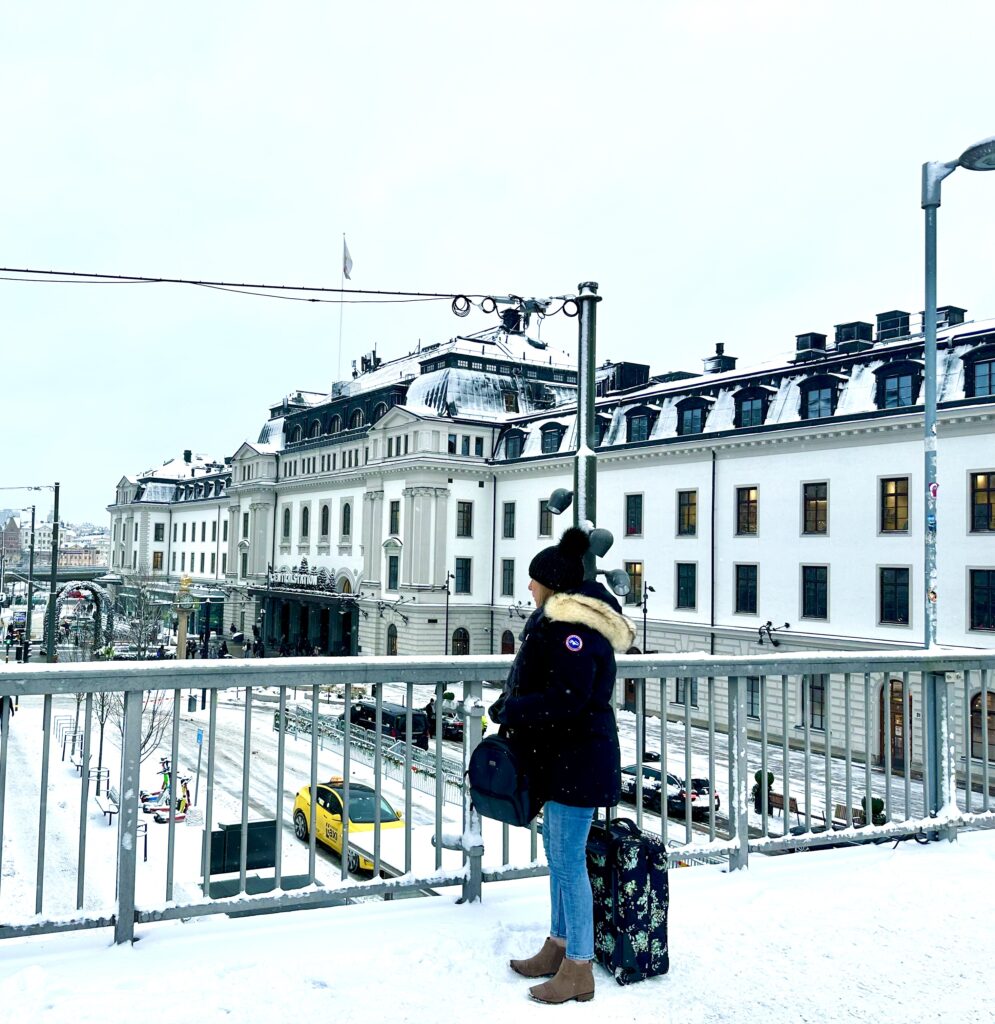
Days when the weather turns, plans change, or you simply don’t feel like doing much at all.
Moments of loneliness can appear, especially when you’re moving between places or away from familiar surroundings.
But none of this means something is wrong.
It’s just part of the experience.
In many ways, these challenges are what shift long-term travel from being a constant highlight into something deeper and more real.
You begin to adapt, to slow down, and to find your own rhythm within it.
And that’s when things start to feel more sustainable — and far more meaningful.
The Unexpected Joys of Long-Term Travel
For all the quieter moments and challenges, there are just as many unexpected joys.
Often, they’re the things you never planned for.
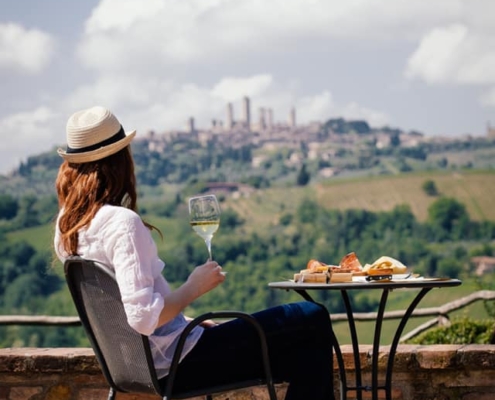
There’s a simple kind of happiness that comes from having nowhere you need to be.
Waking up slowly, taking your time with the day, and knowing you’re not rushing off to catch a train or tick something off a list.
It’s a different way of experiencing travel.
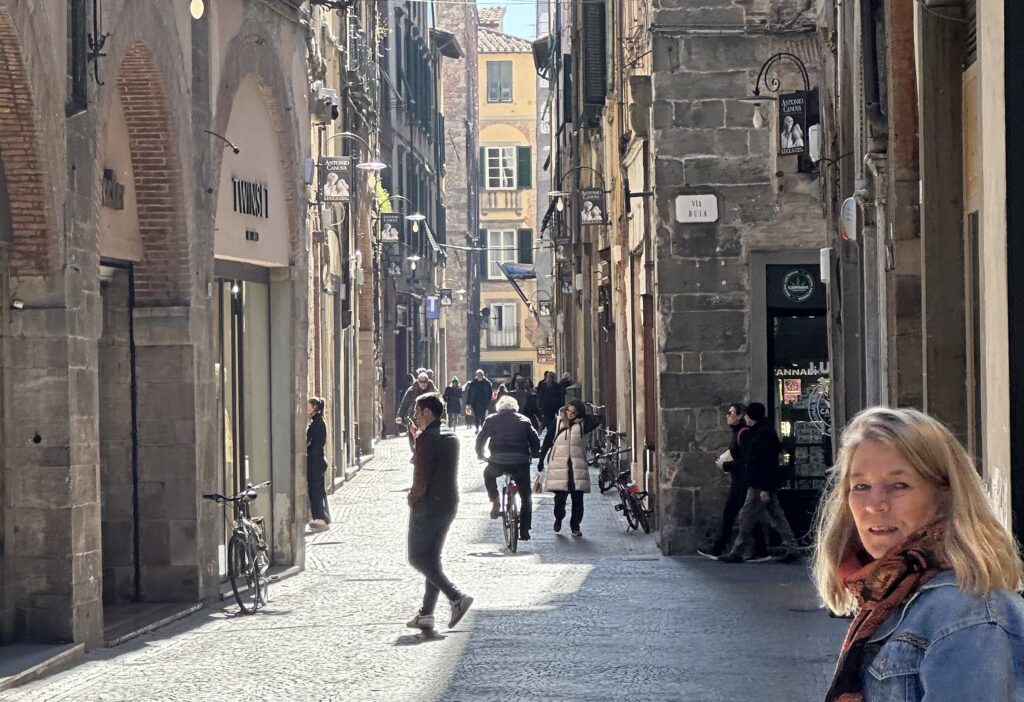
You start to notice small things — the way a place feels in the morning, the rhythm of a local café, the familiarity of streets that were once completely new.
Over time, places stop feeling like destinations and begin to feel, in a small way, like home.
There’s also a quiet satisfaction in figuring things out as you go.
Finding a place to stay, settling into a new town, creating a routine — these small wins build confidence.
What once felt uncertain starts to feel manageable, even easy.
And then there are the moments that stay with you.
A conversation you didn’t expect.
A view you weren’t looking for. A simple evening that turns into something memorable without trying too hard.
These are the moments that don’t always make it into travel plans — but they’re often the ones you remember most.
Want to make long-term travel in Europe feel simple?
Discover our guide
The Real Secret to Long-Term Travel in Europe
What Becomes Normal When You Travel Long-Term
One of the most surprising parts of long-term travel is how quickly things that once felt new begin to feel… normal.
At the beginning, everything stands out.
Every street, every café, every view feels different and exciting.
But over time, those things become part of your everyday life.
You find yourself doing ordinary things in unfamiliar places.
Grocery shopping in a small local store, doing laundry, cooking simple meals, or sitting with your laptop planning the next move.
The novelty fades slightly, but in its place comes something more comfortable.
You stop feeling like a visitor all the time.
Instead, you begin to feel more settled — even if you’re only somewhere for a short while.
You start recognising streets, returning to the same places, and falling into small routines without even realising it.
Travel becomes less about constant discovery and more about everyday living.
And that’s not a bad thing.
In fact, it’s often what makes long-term travel sustainable.
You’re not relying on constant excitement — you’re creating a way of living that feels natural, even in different surroundings.
That shift — from travel to living — is one of the biggest changes of all.
What We Would Do Differently
Looking back, there are a few things we would approach differently.
Nothing major — but small changes that would have made the experience easier, especially in the beginning.
We would have slowed down sooner.
At first, it’s natural to want to see as much as possible.
You’re in Europe, surrounded by places you’ve always wanted to visit, and it feels like you should make the most of every moment.
But moving too quickly can become tiring, and it takes time to realise that you don’t need to see everything at once.
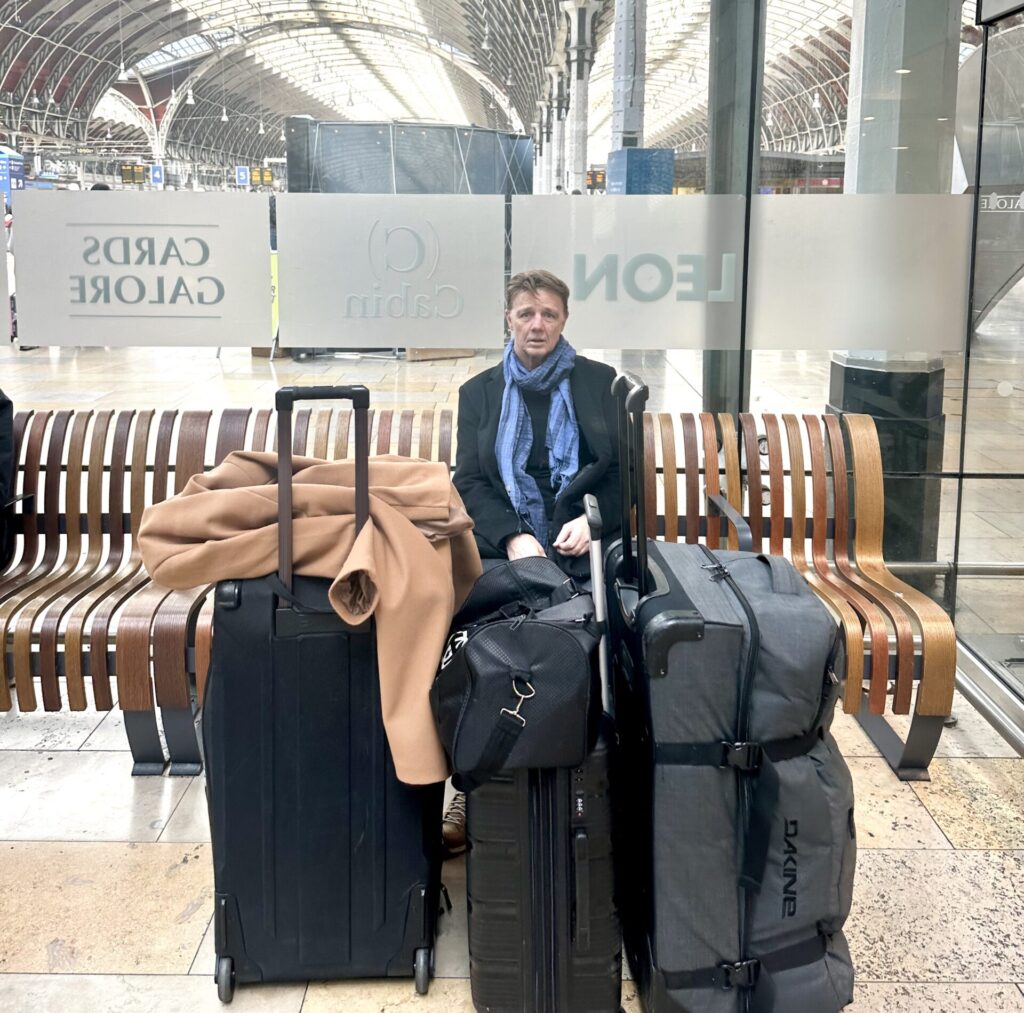
We would have travelled lighter.
This is something almost everyone learns along the way.
Carrying too much makes moving between places harder than it needs to be, and it limits flexibility.
The simpler your setup, the easier everything becomes.
We would have worried less about getting it “right.”
There’s no perfect way to do long-term travel.
Plans change, places don’t always feel the way you expect, and sometimes the best decisions are the ones you didn’t plan at all.
Learning to adapt — rather than trying to control everything — makes the experience far more enjoyable.
And finally, we would have trusted the slower pace earlier.
It’s easy to think that slowing down means missing out.
But in reality, it’s often the opposite.
The longer you stay, the more you begin to see — not just the place, but how it feels to be there.
Is Long-Term Travel in Europe Worth It?
For us, the answer is simple — yes.
But not for the reasons you might expect.
Long-term travel in Europe isn’t about constantly seeing new places or chasing one highlight after another.
Over time, those things become part of the background.
What stays with you is something quieter.
It’s the feeling of having time.
Time to move at your own pace, to stay longer in places that feel right, and to experience travel in a way that doesn’t feel rushed or overwhelming.
It’s the freedom to change plans, to slow down when you need to, and to create a rhythm that works for you.
Of course, it’s not always easy.
There are moments of uncertainty, quieter days, and times when things don’t go exactly as planned.
But those moments are part of what makes the experience real — and, in many ways, more meaningful.
Because in the end, long-term travel isn’t just about where you go.
It’s about how you live while you’re there.
And for us, that’s what makes it worth it.
FAQs About Long-Term Travel in Europe
How long is considered long-term travel in Europe?
Most people consider long-term travel to be anything from a few months to a year or more.
It’s less about a fixed timeframe and more about travelling slowly enough to settle into a place.
Is long-term travel in Europe expensive?
It can be, but it doesn’t have to be.
Staying longer in one place, using options like housesitting, and avoiding constant movement can significantly reduce costs.
Do I need a visa to travel long-term in Europe?
If you’re from outside the Schengen Area, you can usually stay for up to 90 days within a 180-day period.
Many travellers plan their time around this rule by including non-Schengen countries in their itinerary.
Is long-term travel lonely?
It can be at times, especially when moving between places.
But many travellers find a balance by staying longer in one place and building simple routines.
What is the best way to start planning long-term travel?
Start simple.
Choose a few locations, think about your budget, and focus on staying longer rather than trying to see everything at once.
Do You Need Travel Insurance
(Short Answer: Yes — It’s Still a Smart Idea)
Travel insurance isn’t legally required to visit Europe, but it’s one of the smartest things you can have when travelling in Europe.
Even in a relaxed destination like Europe, things can go wrong — from delayed flights and lost luggage to medical issues, rental car damage, or unexpected trip cancellations.
And while Parts of Europe have excellent healthcare, medical treatment for visitors can still be costly without proper coverage.
As long-term travellers living in Italy, we’ve found SafetyWing to be a practical option for trips around Europe, offering coverage for medical care, travel delays, and lost belongings without complicated fine print.
SafetyWing
(Best for Long-Term Travel & Affordability)
We personally use SafetyWing, and have since 2019.
It’s perfect for travelling, spending multiple weeks or a whole year abroad.
You can get a Quote here.
It’s the kind of insurance you hope you never need—but you’ll be very glad you have if something unexpected happens.
Final Thoughts
Long-term travel in Europe isn’t about creating a perfect journey.
It’s about finding a way of travelling that feels sustainable, enjoyable, and real.
There will be moments that stand out — the places you’ve always dreamed of, the views you’ll never forget. But just as important are the quieter days, the routines, and the simple experiences that become part of everyday life.
That’s where this way of travelling feels different.
It’s not just about where you go, but how you choose to live while you’re there.
And for us, that’s what makes it so worthwhile.
Plan Your Europe Trip the Right Way
If you’re starting to plan your own trip and want to experience Europe this way — without rushing, overplanning, or missing the moments that really matter — we’ve put together a simple starting point for you:
Download the 5 Costly Mistakes- FREE GUIDE
And if you’re thinking about staying longer in Europe and building a slower, more sustainable way of travelling, we share exactly how we do it — from choosing the right base to housesitting and managing the 90-day rule — in our book:
PLAN YOUR EUROPE ADVENTURE
These are our favorite companies we use when planning a trip, they consistently have the best prices, great customer service, and overall, are better than their competitors.
BOOK YOUR FLIGHT – Going is a great search engine if you are flexible about your travel destination and dates. Sign up for their newsletter and get the latest deals on destinations around the world. GOING is our new go to.
CAR RENTAL – We recommend using Discover Cars or Rental Cars when booking a car rental, they work with hundreds of companies worldwide to help you find the best car for your needs.
TRAINS – OMIO– is our favorite, this site is very reliable and easy to use.
BUS – OMIO – this website allows you to book train or bus tickets to travel from city to city the best and cheapest way. FLIXBUS is another terrific website with routes between 20 European countries.
ACCOMMODATIONS
BOOKING.com – is our go to for hotel searches around the world, we find they always have the cheapest rates and offer different payment options. In addition, VRBO is another terrific website for all types of accommodations.
HOSTELWORLD – is great if you’re traveling on a budget, and if you need a cheap place to stay.
SIGHTSEEING TOURS
GET YOUR GUIDE – is our favorite; they have stacks of tours and excursions available in cities all over the world. VIATOR is another great website for all types of tours.
TAKE WALKS – This walking tour company provides inside access to attractions and places you can’t get elsewhere.
TRAVEL INSURANCE
SAFETY WING – is our go to travel medical insurance company, especially for longer trips. You can either purchase a monthly plan or a plan for specific trip dates (i.e. 1-2 week trips). They cover people from all over the world, while outside their home country.
ARC’TERYX – is a go to reliable brand for outdoor adventure and travel, their wide range includes light weight durable, easy to clean travel gear.
Check out our RESOURCE PAGE for more additional planning.