"Ultimate Guide to Skiing in Zell am See: What to Expect On and Off the Slopes. (2026/27)
Timeless Wanderers: Updated September 22, 2026
Why Skiing in Zell am See Is So Popular
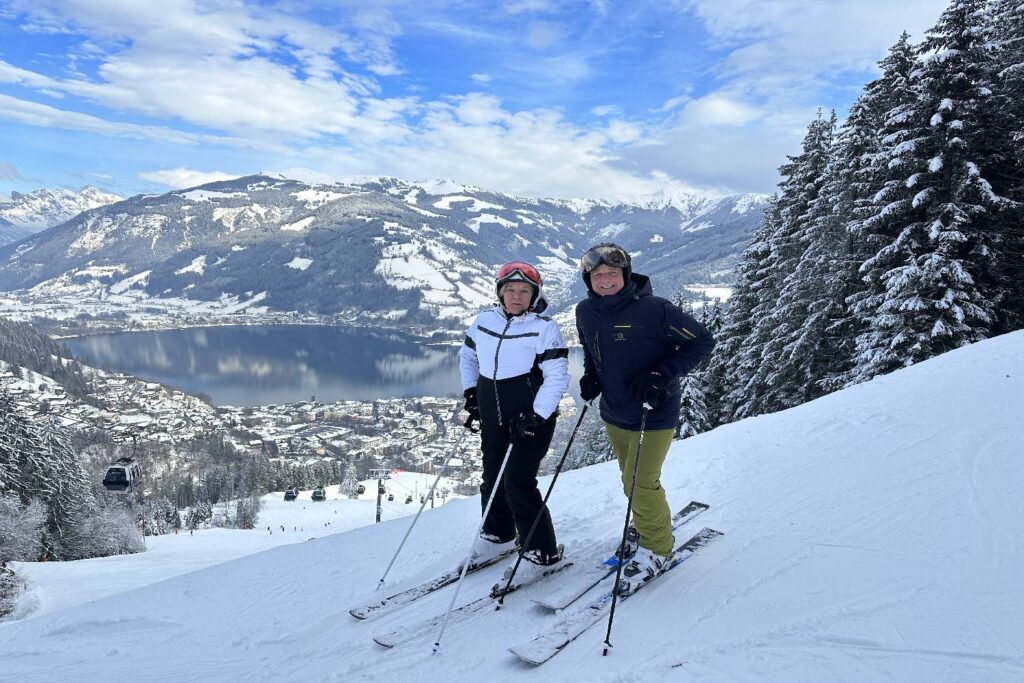
Zell am See is one of those Austrian ski destinations where the setting makes an impression before you’ve even put your ski boots on.
Sitting beside the beautiful Lake Zell, with the mountains rising behind the town and the Kitzsteinhorn Glacier nearby, it’s a destination that combines spectacular scenery with a proper winter ski holiday.
What makes Zell am See particularly appealing is the variety.
Whether you’re a beginner finding your confidence, an intermediate skier looking for long cruising runs, or an experienced skier wanting more challenging terrain, there is plenty to explore.
The town itself is another big part of the attraction.
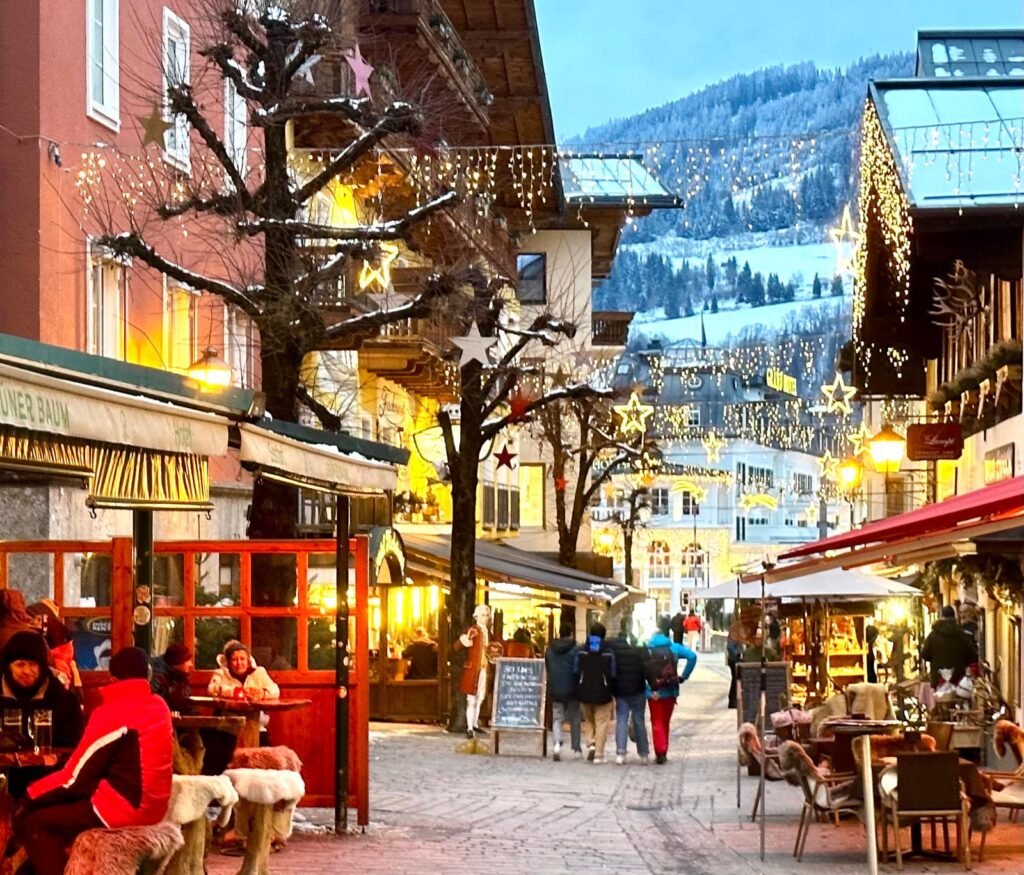
Unlike some purpose-built ski resorts, Zell am See has a traditional Austrian centre, with pedestrian streets, cafés, restaurants and shops.
After a day on the slopes, you can wander through town, enjoy a meal or settle in for a drink overlooking the lake.
And then there’s the wider ski region. With access to the Schmittenhöhe, the Kitzsteinhorn Glacier in nearby Kaprun and the Maiskogel area, visitors have several different ski experiences within easy reach.
For us, that’s what makes Zell am See worth considering for an Austrian ski holiday. You have mountain scenery, a lively town, skiing for different abilities and plenty to enjoy away from the pistes.
In this guide, we’ll look at everything you need to know about skiing in Zell am See, including the ski areas and passes, where to stay, where to eat, après-ski and how to get there.
Table of Contents
We can plan your Dream Ski Trip to Europe: Custom Itineraries for the Perfect winter Holiday.
With over 25 years of experience skiing in over 50 different ski resorts in Europe, we can help you plan your perfect winter escape.
Planning a ski trip to Europe can be exciting, but choosing the right resort and organising the perfect itinerary can quickly become overwhelming.
That’s where we come in.
We offer a personalised planning service that helps you decide exactly where to ski, based on your style, budget, and experience.
“Plus, we can help you plan a fun week of European sightseeing around your ski trip, making your winter holiday easier, smoother, and full of unforgettable memories.”
“Let us plan your perfect trip with a custom itinerary designed just for you.
Fill out the form and let’s begin your dream.”
What to Expect in Zell am See
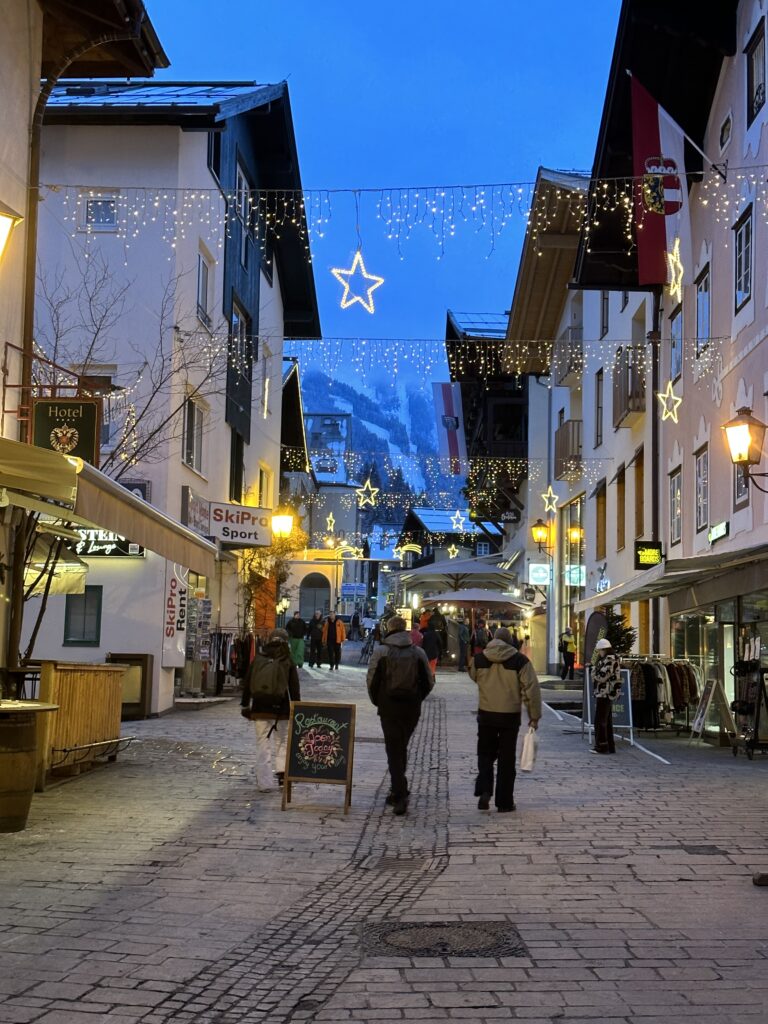
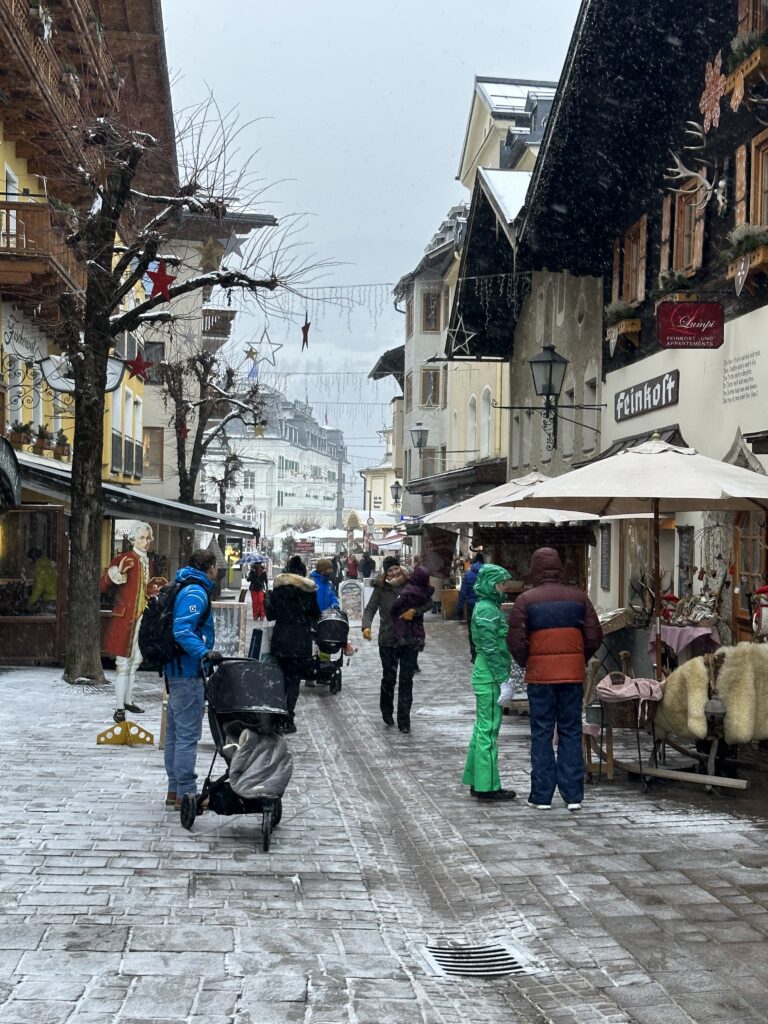
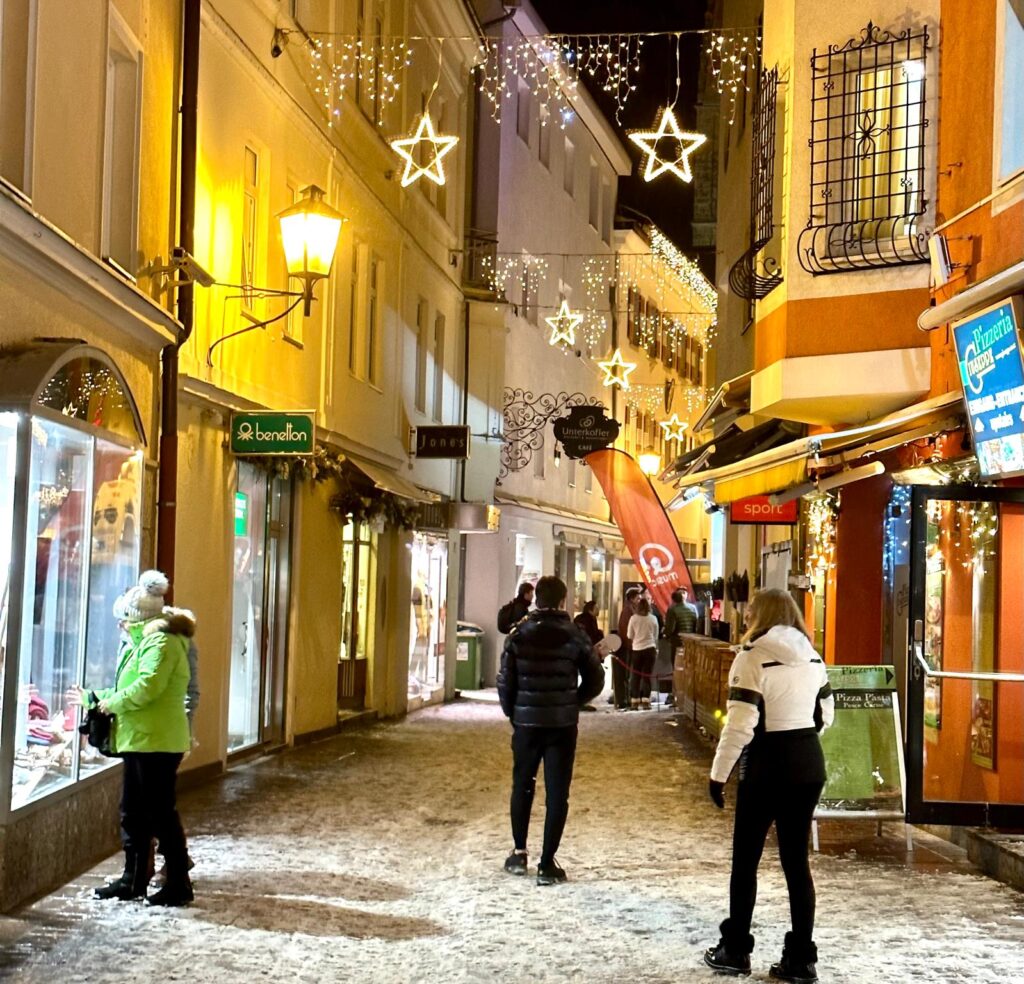
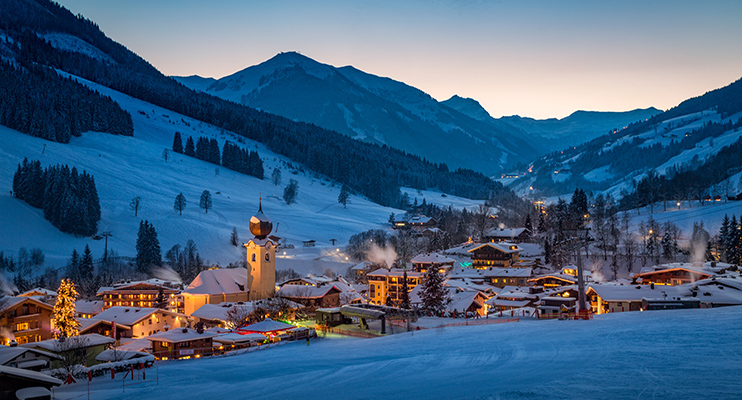
Zell am See has that traditional Austrian alpine feel, with its historic town centre, mountain views and beautiful lakeside setting.
It’s a town where you can spend the morning skiing, enjoy a leisurely lunch, then head back into the centre for a wander through the shops or a drink in one of the local bars.
What we particularly like about Zell am See is that it isn’t just somewhere to sleep between ski days.
There is plenty happening away from the slopes, making it a good choice for families, couples and visitors travelling with non-skiers.
We Love
Lake Zell
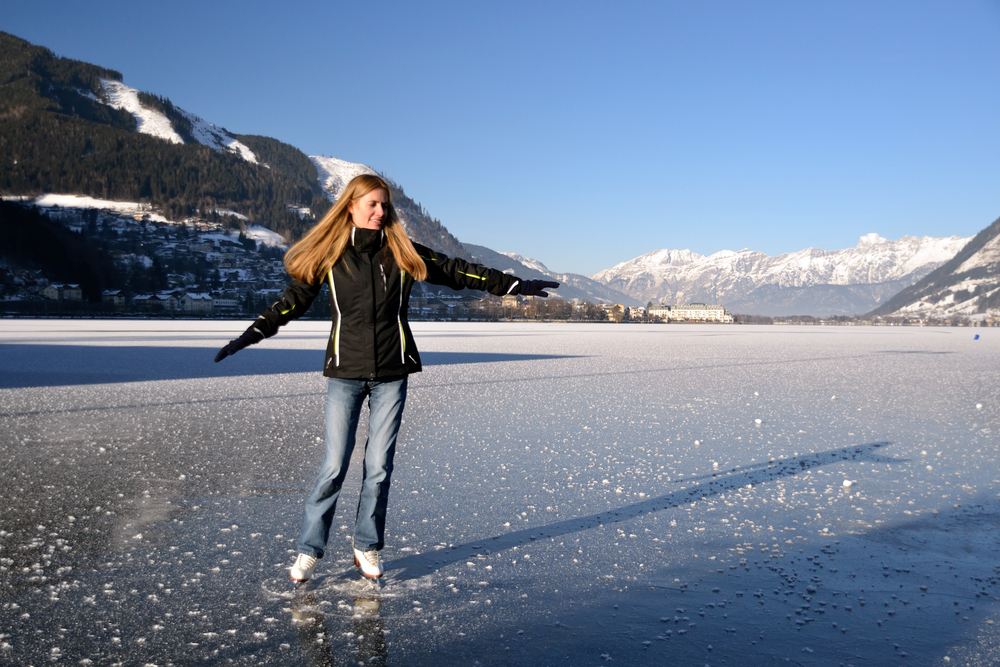
Lake Zell is a big part of what makes this resort so memorable. In winter, when conditions allow, the frozen lake provides opportunities for activities such as ice skating and curling.
Even if you don’t take part in any activities, the lakeside views are worth enjoying. With the mountains surrounding the water, it’s a lovely place for a walk or simply to stop and take in the scenery.
Historical Charm
The town centre has traditional Austrian buildings, narrow streets and the historic St Hippolyte’s Church, whose origins date back to the early medieval period.
There is a lovely contrast between the old town and the modern facilities, hotels and shops.
You can enjoy the traditional side of Zell am See without giving up the conveniences you’d expect from a popular ski resort.
Family-Friendly Atmosphere
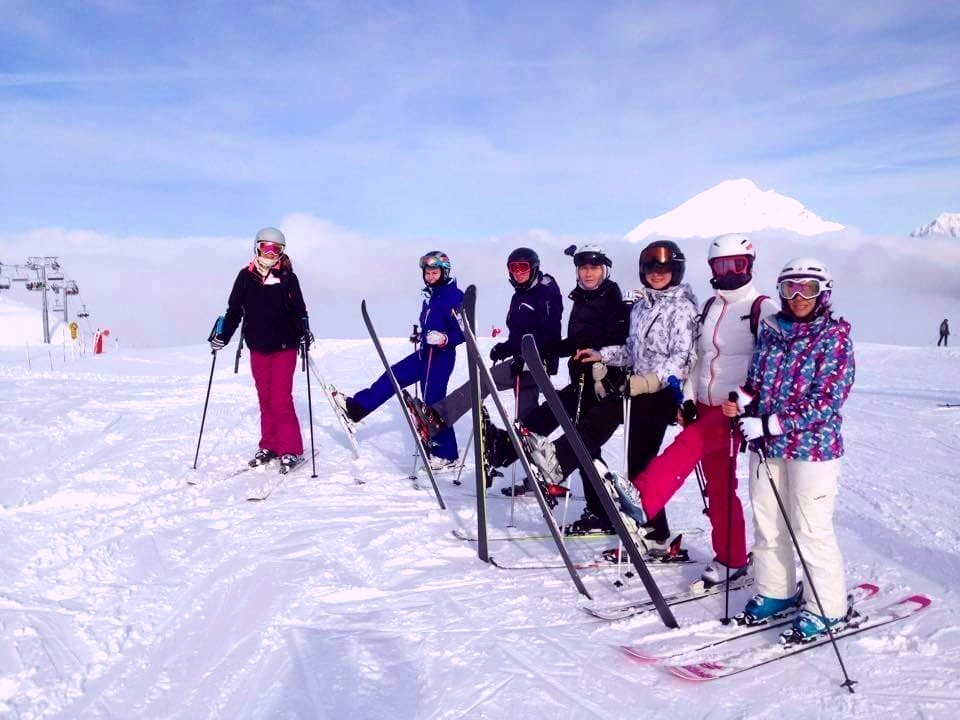
Zell am See is well suited to families, with ski schools, beginner areas and activities away from the pistes.
The town also gives families plenty to do after skiing, whether that’s enjoying a hot chocolate, browsing the shops or heading out for dinner together.
Shops, Restaurants and Lively Bars
You’ll find a good selection of shops, cafés, restaurants and bars throughout the town.
There is a relaxed atmosphere during the day, while evenings can be livelier, particularly during the busy winter weeks.
Whether you fancy a quiet meal or a drink after skiing, there are plenty of places to choose from.
Our Thoughts
Zell am See has a friendly, relaxed feel, with enough going on to keep non-skiers occupied while the skiers are on the mountain.
For us, that combination of skiing, lakeside scenery and a traditional Austrian town is what makes it such an appealing base for a winter holiday.
I always carry a DAY BACKPACK when skiing, as well as a WATER BOTTLE. It keeps me hydrated all day long on the slopes.
Ski Area and Ski Passes
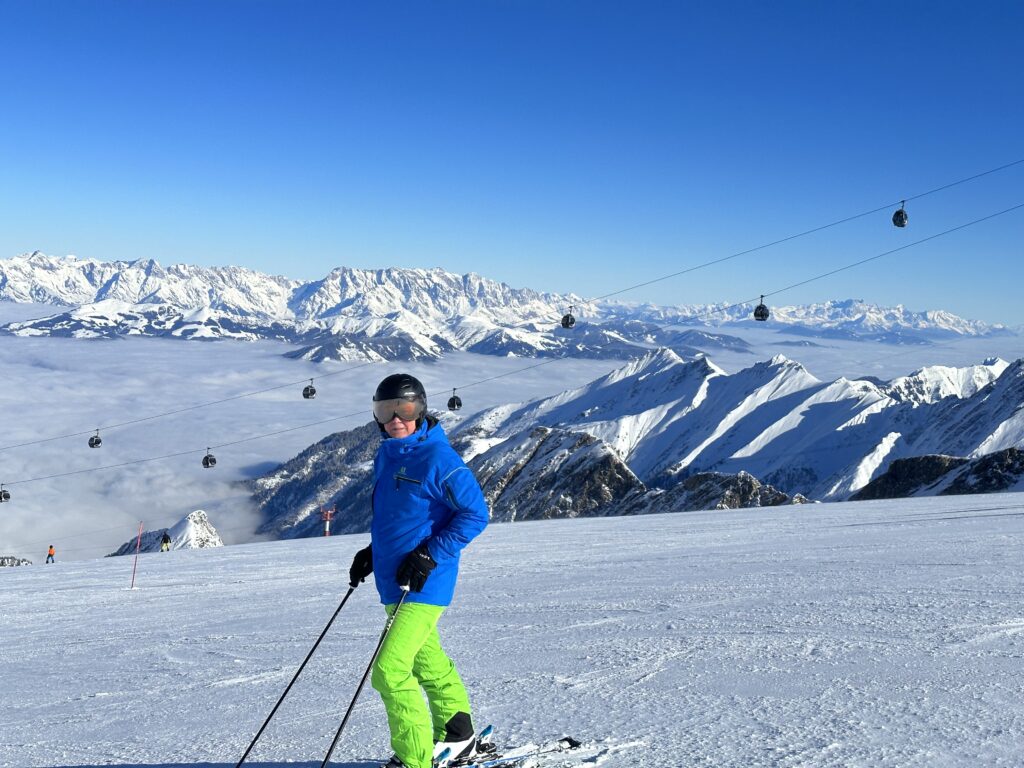
One of the biggest attractions of skiing in Zell am See is the variety of terrain available.
The resort is part of the Ski ALPIN CARD network, which connects three major ski regions: Schmittenhöhe in Zell am See, the Kitzsteinhorn and Maiskogel areas in Kaprun, and the Skicircus Saalbach Hinterglemm Leogang Fieberbrunn.
Together, these ski areas provide access to around 408 kilometres of pistes, giving skiers plenty of choice for a week-long holiday.
Whether you’re travelling with beginners, intermediate skiers or more experienced members of the family, there is a good range of terrain to explore.
A Quick Look at the Ski Areas
Schmittenhöhe – Zell am See
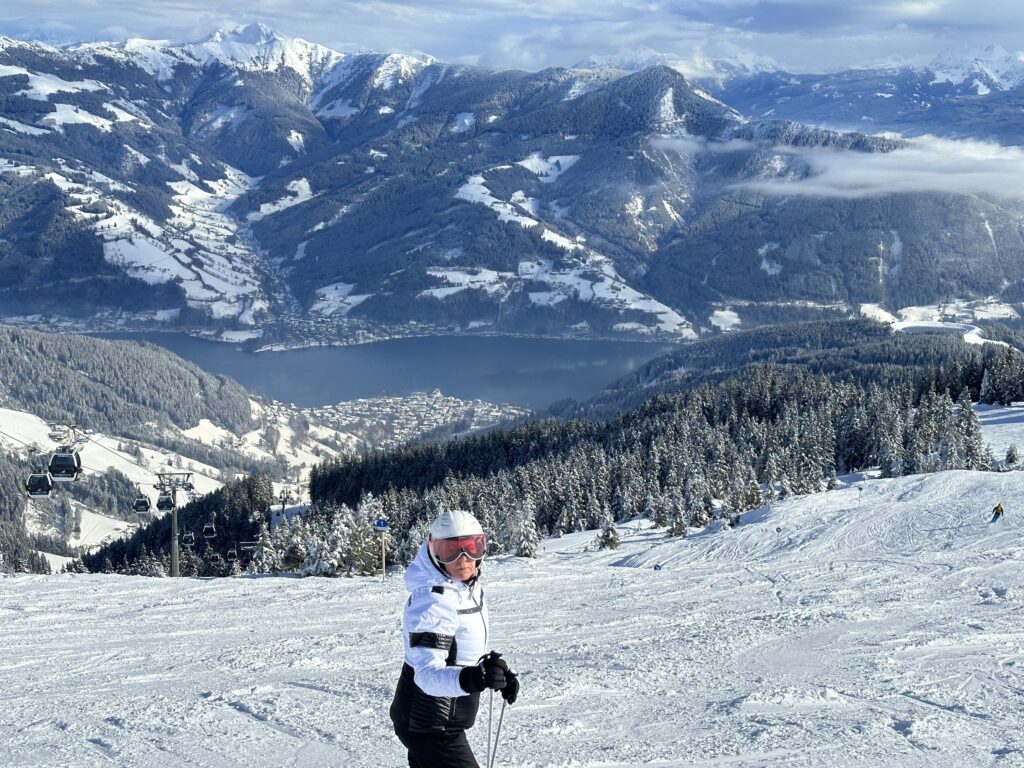
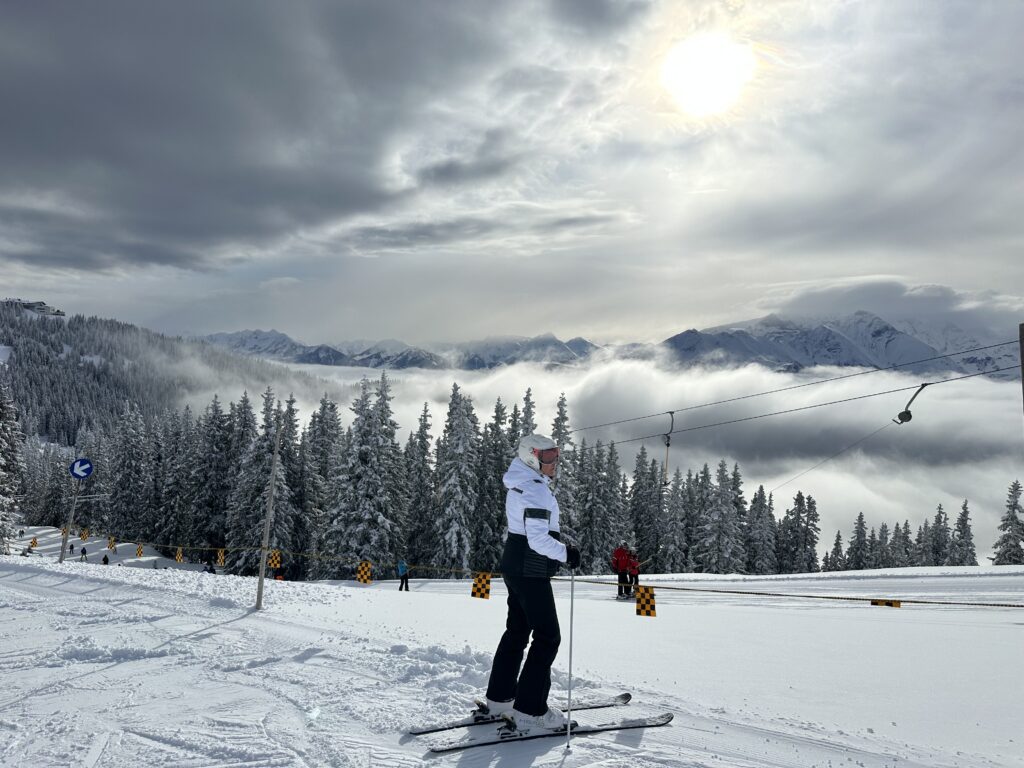
Schmittenhöhe is the main ski mountain above Zell am See and is particularly well known for its spectacular views across Lake Zell.
The mountain has a mixture of blue, red and black runs, making it suitable for different skiing abilities.
Beginners can use the gentler areas to build confidence, while more experienced skiers have steeper pistes to explore.
Families will also find dedicated children’s areas and fun slopes, making Schmittenhöhe a convenient choice when staying in Zell am See.
Kitzsteinhorn Glacier – Kaprun
The Kitzsteinhorn Glacier is the high-altitude skiing area above Kaprun and is particularly useful for visitors looking for skiing outside the main winter months.
With slopes reaching above 3,000 metres, it provides a different experience from the lower mountain areas.
There are wide pistes, challenging terrain and freeride opportunities for experienced skiers.
The glacier is also known for its impressive mountain scenery and extensive snow-covered landscape.
Although glacier skiing can provide a longer season, actual opening dates and available pistes depend on snow and operating conditions.
Skicircus Saalbach Hinterglemm Leogang Fieberbrunn
The Skicircus is a large interconnected ski area offering extensive terrain for skiers who enjoy exploring different mountains throughout the day.
You’ll find long cruising runs, tree-lined pistes, challenging descents and freestyle parks. It is particularly appealing to intermediate and advanced skiers who want plenty of variety.
The Skicircus is not directly connected to Schmittenhöhe by ski pistes, so check the transport arrangements and your pass coverage before planning a day there.
Which Ski Pass Do You Need?
There are several ski pass options available around Zell am See, and the right one depends on how much skiing you intend to do.
Ski ALPIN CARD
The Ski ALPIN CARD provides access to all three ski regions:
- Schmittenhöhe in Zell am See
- Kitzsteinhorn and Maiskogel in Kaprun
- Skicircus Saalbach Hinterglemm Leogang Fieberbrunn
For visitors staying a week and wanting to explore beyond Zell am See itself, this is the pass to consider.
Zell am See-Kaprun Ski Pass
If you intend to ski mainly around Zell am See and Kaprun, the Zell am See-Kaprun ticket options may be sufficient.
Check the specific pass conditions before purchasing, as coverage can vary according to ticket type and duration.
Beginner and Short-Stay Passes
If you’re new to skiing, travelling with young children or only planning a couple of days on the slopes, you may not need access to the entire ski region.
Smaller-area and beginner ticket options can be worth considering, particularly around the Maiskogel learning area.
Ski Pass Prices
Prices depend on the season, duration and ticket category, with different rates for adults, children and young people.
For the latest prices, operating dates and ticket coverage, check the official <a href=”https://www.ski-alpin-card.com/en/“>Ski ALPIN CARD website</a> before booking.
Our Tip
If you’re staying in Zell am See for a full week, having access to the wider ski region gives you the flexibility to explore different mountains during your holiday.
However, if you’re travelling with beginners or younger children, don’t feel you have to buy the biggest pass available.
Think about where you’ll actually ski and choose your ticket accordingly.
Read This Next
7 Best Beginner Ski Resorts in Austria (2026/27 Guide)
When Is the Best Time to Ski in Zell am See?
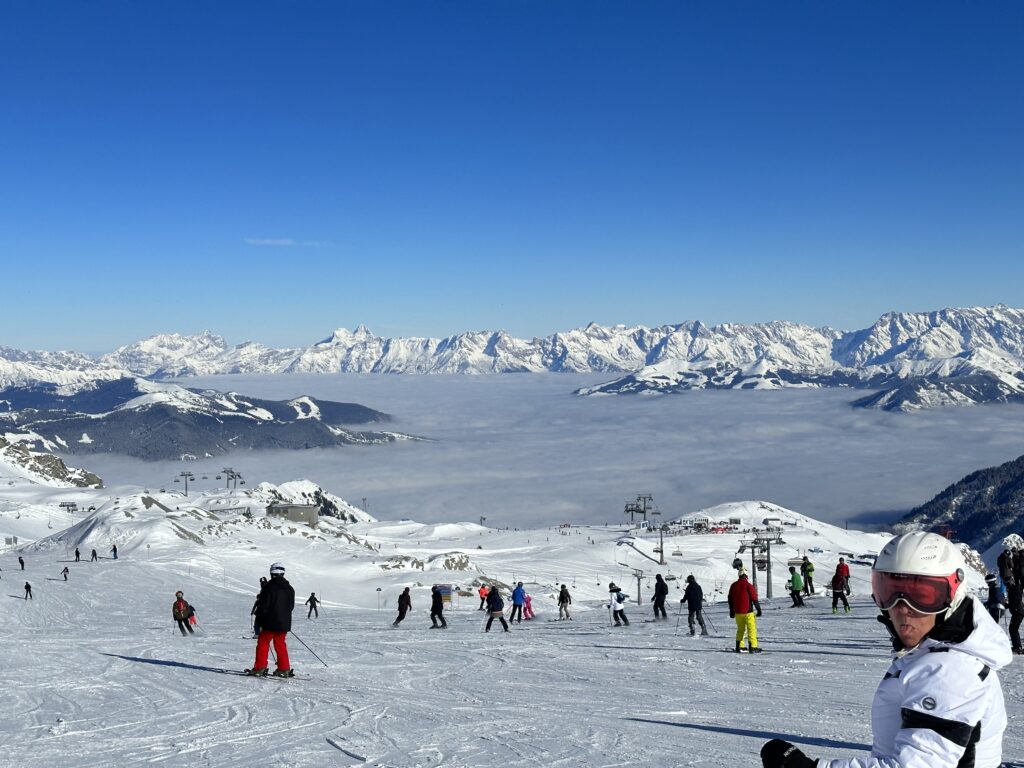
One of the advantages of Zell am See is that you have more than one ski area to choose from.
The Schmittenhöhe is the main ski mountain above the town, while the Kitzsteinhorn Glacier in nearby Kaprun provides a much longer ski season.
For the 2026/27 season, Schmittenhöhe is planned to open on 4 December 2026, while the Kitzsteinhorn Glacier is scheduled to begin its season from 10 October 2026, depending on snow and weather conditions.
So when is the best time to visit? That really depends on what you’re looking for from your ski holiday.
December – Christmas in Zell am See
December is a lovely time to visit if you want a traditional Austrian Christmas atmosphere.
The main Schmittenhöhe season is planned to begin in early December, while the Kitzsteinhorn gives you an additional high-altitude option.
Christmas itself is one of the busiest periods, so expect higher accommodation prices and more people around the resort.
If you’re travelling over Christmas, we’d book accommodation and ski passes well ahead of time.
January – Cold Snow and Quieter Slopes
January is often a good month for skiers who are more interested in skiing than Christmas festivities.
The temperatures are generally colder than December, and once the Christmas and New Year crowds have gone home, the resort becomes noticeably quieter.
It’s also a good time to explore the different ski areas if you’re staying for a week and have the Ski ALPIN CARD.
February – Peak Winter
February is the heart of the ski season and is particularly popular with families because of the school holidays.
The slopes can be busy during half-term weeks, and accommodation and lift passes are likely to be more expensive than during quieter periods.
The advantage is that you’re right in the middle of winter, with plenty of snow-covered scenery and the full range of winter activities available.
If you’re travelling with children, we’d book early rather than leaving it until the last minute.
March – Our Pick
For us, March is one of the months we’d look at first for a Zell am See ski holiday.
You still have good winter skiing possibilities, but the days are getting longer and you can often enjoy more sunshine on the mountain.
The higher Kitzsteinhorn Glacier is particularly useful later in the season, with its 2026/27 planned ski season running through to May, subject to conditions.
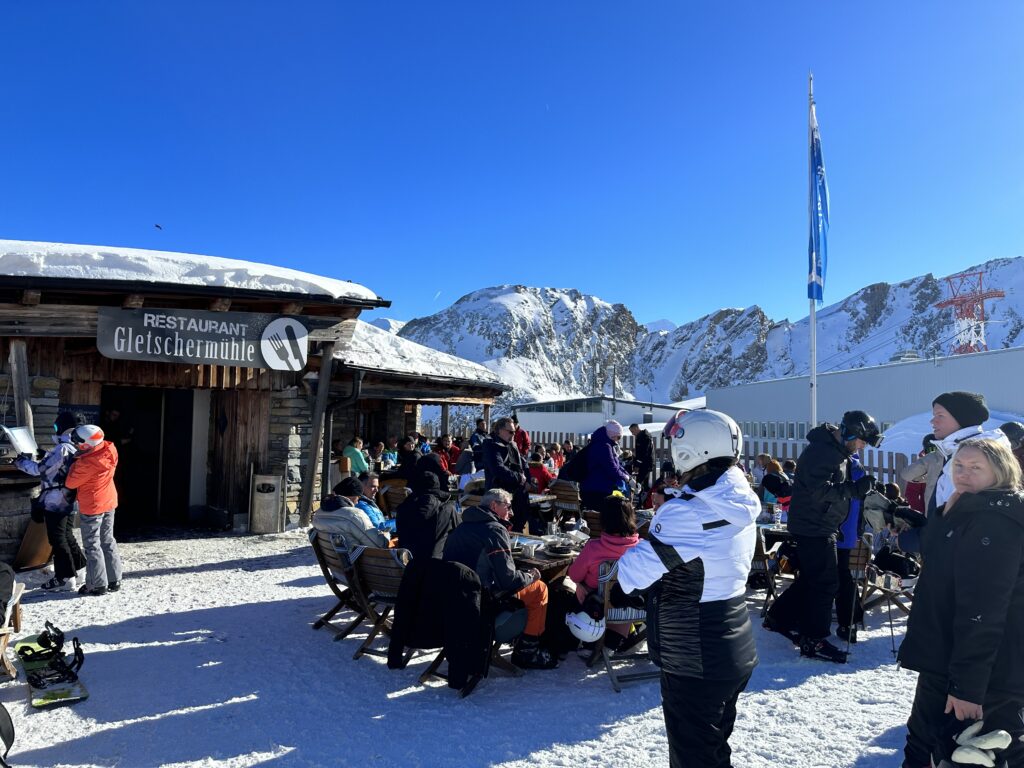
March can also be a great month if you want to combine skiing with sitting outside for lunch and enjoying some of the mountain restaurants.
April – Spring Skiing
April is where the altitude of the Kitzsteinhorn really becomes useful.
The Schmittenhöhe’s planned winter operating dates don’t extend as far into spring on all lifts and sectors, whereas Kitzsteinhorn is planned to continue skiing into May, depending on snow and weather conditions.
If you’re considering Zell am See for an April ski holiday, we’d concentrate on the higher slopes and check the current lift and piste information before travelling.
Our Recommendation
If we were planning a ski trip to Zell am See, March would be our first choice.
You get longer days, a good chance of enjoying some sunshine and plenty of skiing options, while the Kitzsteinhorn Glacier gives you a high-altitude alternative later in the season.
For Christmas, December is a great choice if the festive atmosphere is part of the holiday for you.
January is worth considering if you’d rather have colder conditions and fewer crowds, while April is best approached as a spring-skiing trip with the glacier playing an important role.
As always in the Alps, conditions can vary from year to year, so check the latest snow, piste and lift information before booking your trip.
For more comfort and convenience, compare these car rentals: DISCOVER CARS
Wear to Stay in Zell am See.
Luxury Hotels
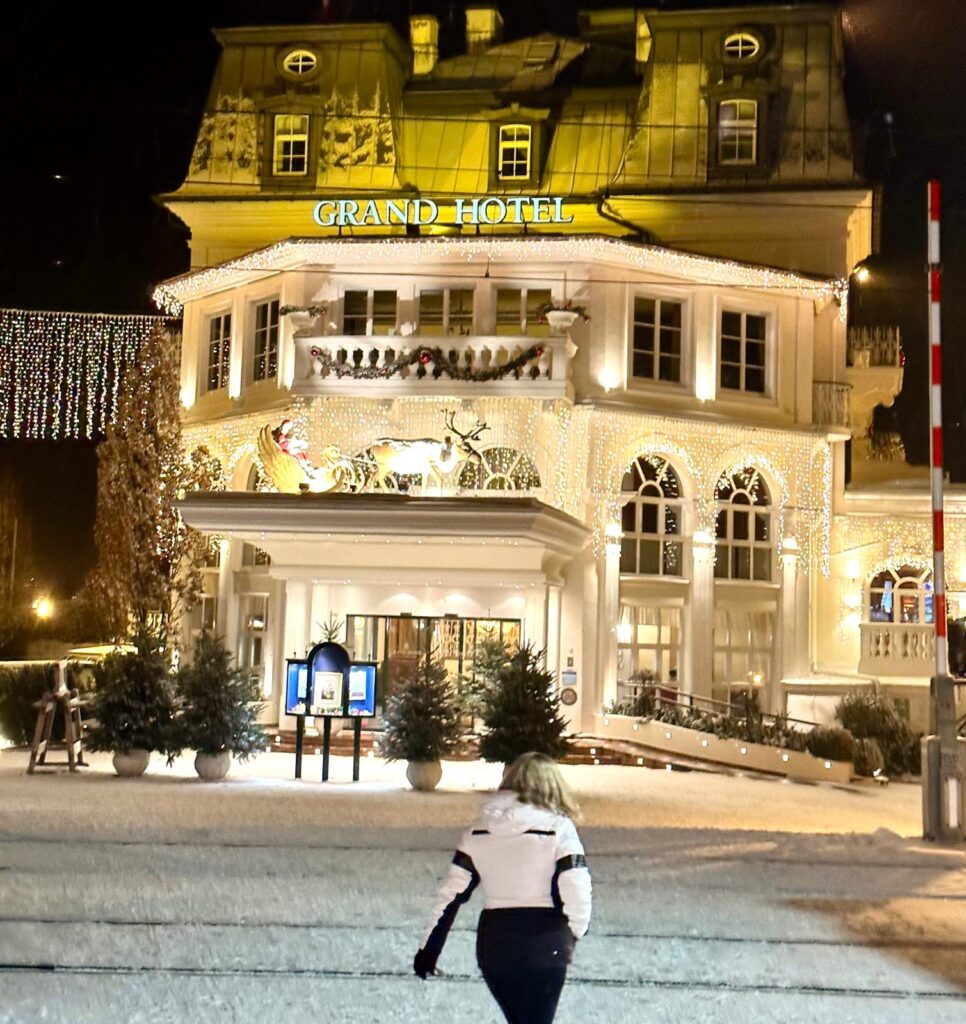
- Grand Hotel Zell am See: This is where we stayed on our last visit, we did spoil ourselves with this stunning lakeside hotel.
- Hotel Salzburgerhof: A five-star property known for its exceptional service, wellness offerings, and fine dining.
- Tauren Spa Zell am See-Kaprun: A modern spa resort with ski shuttle service and luxurious amenities.
Mid-Range.
- Hotel Stadt Wein: A family-run hotel offering cosy rooms and easy access to the slopes.
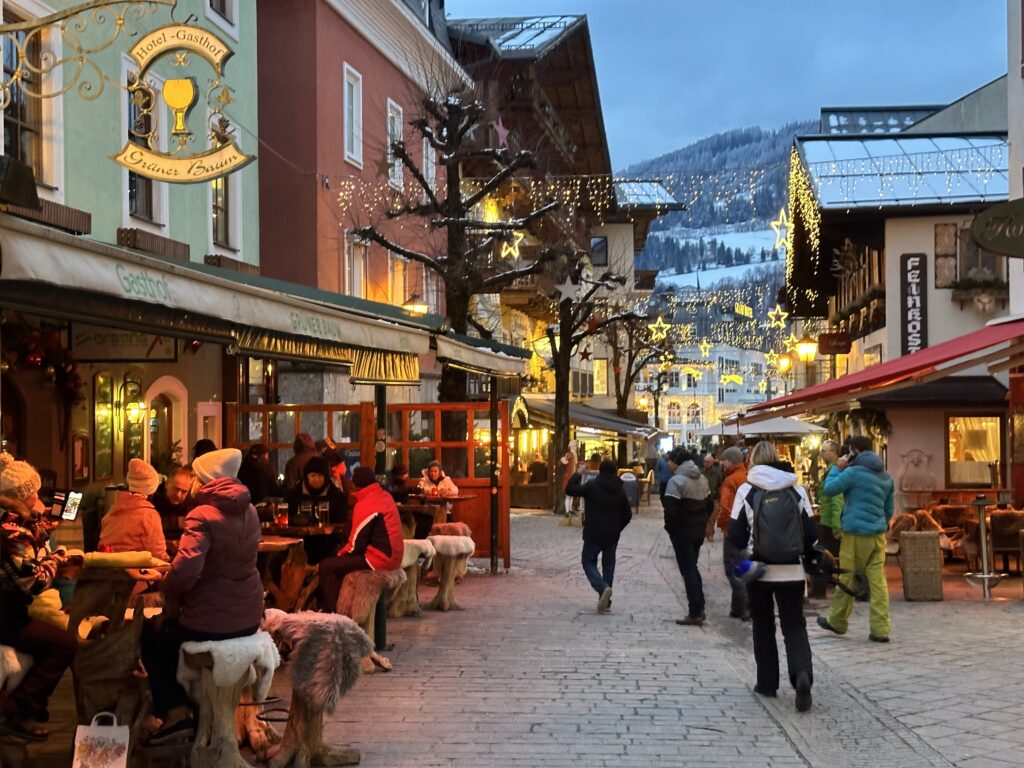
- Hotel Gruner Baum: Centrally located with comfortable accommodation and a welcoming atmosphere.
- Boutique Hotel Martha: offers a quiet location with views of Lake Zell and the Alps. The Roman-style spa area includes two saunas.
Budget-Friendly
Pension Andrea: A friendly guesthouse with affordable rate and a central location.
JUFA Hotel Kaprun: A great option for families and groups, located near the lifts
More Accommodation: Check Rates and Book Your Stay here.
Where to Eat
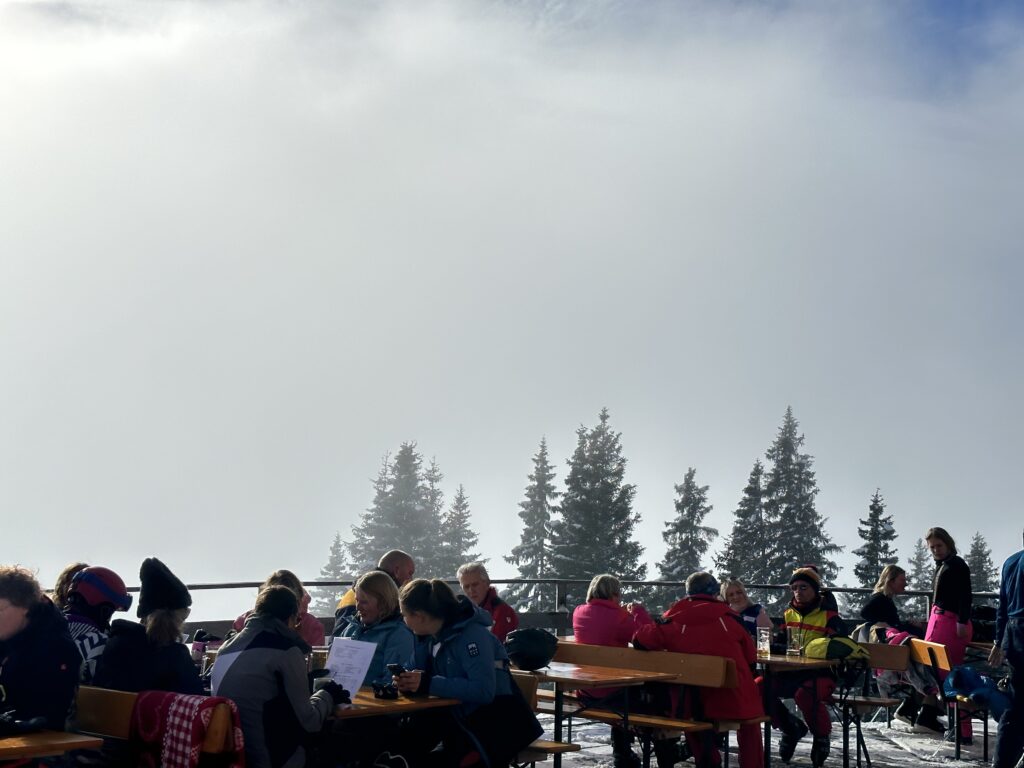
Mountain Dining:
Berghotel Schmittenhohe:
known for its hearty alpine and panoramic views and meals.
AreitAlm:
A cosy mountain hut offering local specialities and warm drink.
Gipfel Restaurant:
Located at the summit of the Kitzteinhorn Glacier diming.
In-Town Restaurants
Kupferkessel;
A Family-Friendly restaurant known for its Pizza’s and Austrian dishes.
Dorfstadl:
A rustic eatery serving traditional Styrian cuisine and schnitzels.
Steinerwirt 1493:
Combines contemporary flair with authentic Austrian recipes.
Apres-Ski and Bars
Zell am See’s apres-ski scene is lively with an abundance of bars and nightspots.
Crazy Daisy:
Popular spot for cocktails and live music.
Ginhous:
Kneown for its extensive gin selections and vibrant atmosphere.
Castle Bar:
Located in the Grand Hotel, offering a more sophisticated apres experience
How to Get to Zell am See
Zell am See is easily accessible by plane, train, car, and bus, making it convenient for visitors from across Europe and beyond.
By Plane:
The closest airports are:
Salzburg Airport: 80 Kilometres (1.5 hours by car
Munich Airport: 200 Kilometres (2.5 hours by car)
SHUTTLE services and CAR RENTALS are available from both airports.
Compare and book your flights here.
BY TRAIN:
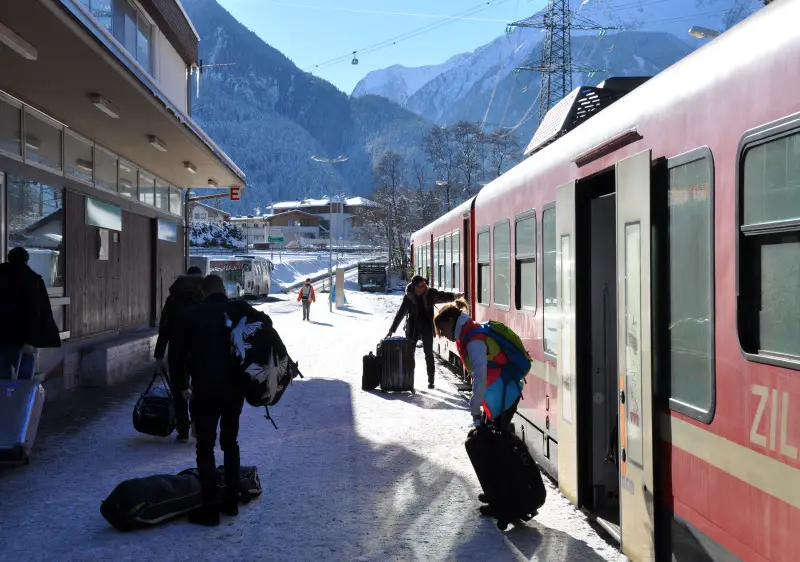
Zell am see has its own train station, offering excellent rail connections.
Direct trains run from Salzburg and Innsbruck.
International trains connect Zell am See to Munich and other European cities.
You can BOOK YOUR TRAIN HERE.
BY CAR:
Zell am See is well connected by Austria’s efficient road network
From Salzburg: Take the A10 motorway, followed by regional roads to Zell am See.
Ample parking is available in town and near lifts.
For more convenience and flexibility, compare these car rental rates, DISCOVER CARS or RENTAL CARS.com
Transfer with ALPS2ALPS
Getting to Austria’s best ski resorts couldn’t be easier than ALPS2ALPS with offering both airport and train station transfers.
Private transfers are a popular choice, as you will not be sharing with others or waiting at the airport, as your driver will be waiting for you.
BY BUS:
Regional buses operate between Zell am See, nearby ski areas, and major cities, offering an affordable alternative to private transfers.
For more comfort and convenience, compare these car rentals: DISCOVER CARS
Zell am See Ski Holiday Checklist
Planning a ski holiday involves more than booking your accommodation and buying a lift pass. Here’s our simple checklist of the things we’d sort out before travelling to Zell am See.
Before You Go
☐ Book your accommodation – Decide whether you want to stay in Zell am See itself or in nearby Kaprun, depending on which ski areas you want to use.
☐ Choose your ski pass – If you’re planning to explore several areas, look at the Ski ALPIN CARD. If you’re mainly skiing Schmittenhöhe, you may not need the full pass.
☐ Book ski lessons – If you’re a beginner or haven’t skied for a while, booking lessons before you arrive is a good idea, particularly during Christmas and school holidays.
☐ Arrange ski hire – You can hire skis, boots, poles and snowboards locally, and equipment can also be booked online before your trip.
☐ Consider a ski depot – If you don’t want to carry your equipment backwards and forwards every day, ski depots are available near several lift stations.
☐ Check your travel insurance – Make sure your policy covers skiing and any activities you plan to take part in.
What to Pack
☐ Ski jacket and trousers
☐ Base layers
☐ Warm mid-layer or fleece
☐ Ski socks
☐ Waterproof gloves or mittens
☐ Hat or beanie
☐ Ski helmet
☐ Ski goggles
☐ Sunglasses
☐ High-factor sunscreen and lip balm
☐ Comfortable clothes for the evenings
☐ Walking shoes or winter boots
And don’t forget that sun protection is important even on cold winter days, particularly at higher altitude.
Before Each Ski Day
☐ Check the weather and snow conditions
☐ Check which lifts and pistes are open – conditions and lift operations can change, so don’t assume that everything will be open every day.
☐ Check your route – particularly if you’re planning to ski somewhere outside Zell am See itself.
☐ Charge your phone – The Zell am See-Kaprun app provides current information on lift operations, piste conditions, weather and ski buses, so it’s useful to have it available during your holiday.
☐ Have your ski pass ready – Zell am See-Kaprun now supports smartphone ski passes for eligible tickets, so you can use your phone rather than a physical keycard.
Our Final Tip
Don’t try to plan every minute of your ski holiday before you arrive.
Have your accommodation, ski passes, lessons and equipment organised, then leave yourself some flexibility once you’re there.
Check the mountain conditions each morning and decide where to ski based on the weather and what you feel like doing that day.
That’s one of the great things about Zell am See – you have several different ski areas to choose from, so you don’t have to ski the same mountain every day.
Wear a SKI-HELMET, especially if you’re a beginner or in the snow parks and don’t forget your SKI-GOGGLES for Zell am See.
Planning Your Trip
Timing:
The ski season in Zell am See runs from late November to early April, with peak snow conditions from January to March. Early and late-season skiing is often possible on the nearby Kitzsteinhorn Glacier in Kaprun.
Booking:
Zell am See is a popular family resort, so book accommodation early, especially during Christmas and February school holidays. Options range from family-run guesthouses to lakeside hotels like Seevilla Freiberg or Hotel Tirolerhof.
Transport:
Fly into Salzburg Airport (1.5 hours) or Munich Airport (2.5 hours). Trains run directly to Zell am See from both cities. The village itself is walkable, with free ski buses connecting to Kaprun and Saalbach.
For more comfort and convenience, compare these car rentals: DISCOVER CARS
Ski Passes:
Choose the Ski ALPIN Card, which covers over 400 km of slopes across Zell am See, Kaprun, and Saalbach-Hinterglemm—ideal for families or mixed-ability groups.
Packing:
Bring warm ski clothing, layered thermals, snow boots, and après-ski wear. Don’t forget swimwear if your hotel has a spa or access to the lake’s wellness areas.
Activities:
Beyond skiing, try ice-skating on Lake Zell, winter hiking, or a day trip to Kaprun Glacier. Families will love the Alpine Coaster Maisiflitzer and snow parks for kids.
Dining:
Expect hearty Austrian fare like schnitzel, goulash, and Kaiserschmarrn. Popular family-friendly spots include Kupferkessel and Steinerwirt 1493 for traditional mountain meals.
Local Tips:
Purchase a Zell am See-Kaprun Card for discounts on lifts and attractions. Check weather and avalanche updates daily, especially if heading toward the glacier areas.
FREQUENTLY ASKED QUESTIONS
1. When is the best time to ski in Zell am See?
January to March offers the most reliable snow, but nearby Kaprun Glacier ensures skiing even in early winter and late spring.
2. Is Zell am See good for families?
Yes — it’s one of Austria’s best family ski destinations, with dedicated beginner zones, ski schools, and kid-friendly activities like tobogganing and ice-skating.
3. How do I get from Zell am See to Kaprun or Saalbach?
Regular ski buses connect Zell am See with Kaprun (15 minutes) and Saalbach-Hinterglemm (30–40 minutes), included with most ski passes.
4. Can non-skiers enjoy Zell am See?
Absolutely. There’s plenty to do, from lake walks and shopping to spas and scenic train rides through the Pinzgau region.
5. Are lift passes expensive?
Zell am See is reasonably priced compared to major Alpine resorts. The Ski ALPIN Card offers great value for access to three major ski regions.
6. What level of skier is Zell am See best for?
Zell am See caters to all levels, with gentle slopes for beginners, tree-lined runs for intermediates, and challenging red runs on Schmittenhöhe.
7. Is Zell am See accessible without a car?
Yes — the town is well connected by train, and the ski bus network is efficient. A car is convenient but not necessary.
8. What’s the après-ski scene like?
Lively but relaxed, with pubs, mountain huts, and lakeside bars offering live music, Austrian beer, and warm glühwein.
For more comfort and convenience, compare these car rentals: DISCOVER CARS
Should You Get Ski Travel Insurance?
(Short Answer: YES)
While ski resorts in Europe don’t legally require you to have travel insurance, buying ski-specific travel insurance is one of the smartest decisions you can make.
Mountain travel comes with real risks — from injuries on icy slopes to delayed flights, lost luggage, or damaged ski gear.
One accident or missed connection can cost far more than a full year of coverage.
If you want peace of mind on and off the mountain, ski travel insurance is essential.
As a traveller and skier myself, I’ve consistently found SafetyWing offers some of the best winter-sports coverage for international ski trips.
Best Ski Travel Insurance Companies for 2025/26
Two companies consistently stand out for skiers, each for different reasons.
1. SafetyWing
(Best for Long-Term Ski Travel & Affordability)
We personally use SafetyWing, and have since 2019.
It’s perfect for skiers spending multiple weeks or a whole season abroad.
You can get a Quote here.
When my wife broke her ankle skiing in Wengen, they were fantastic, they paid for all our expenses without any delay.
2. World Nomads
(Best for Adventure Coverage)
If you’re planning a trip that includes off-piste skiing with a guide, winter hiking, or multiple snow sports, World Nomads often provides broader adventure coverage.
They’re a favourite among travellers who want all activities covered under one policy.
Even experienced skiers will tell you — it only takes one icy patch to ruin both a knee and a bank account.
Resort Activities
Zell am See is as appealing off the slopes as it is on them, with plenty of activities for non-skiers or those seeking a break from Skiing.
Ice Skating:
Lake Zell freezes in winter, creating a natural ice-skating rink.
Snowshoeing:
Explore the scenic trails around the resort.
Spa and Wellness:
Relax in luxury spas like the TAUERN SPA.
Tobogganing:
Fun for all ages, with illuminated runs for night sledding.
Winter Hiking:
Enjoy breath taking views on well-maintained trails.
*Handy Tip*
Make sure you have TRAVEL INSURANCE before hitting the slopes.
We Can Help Plan Your Adventure
Custom Ski Itineraries in Europe Designed For You
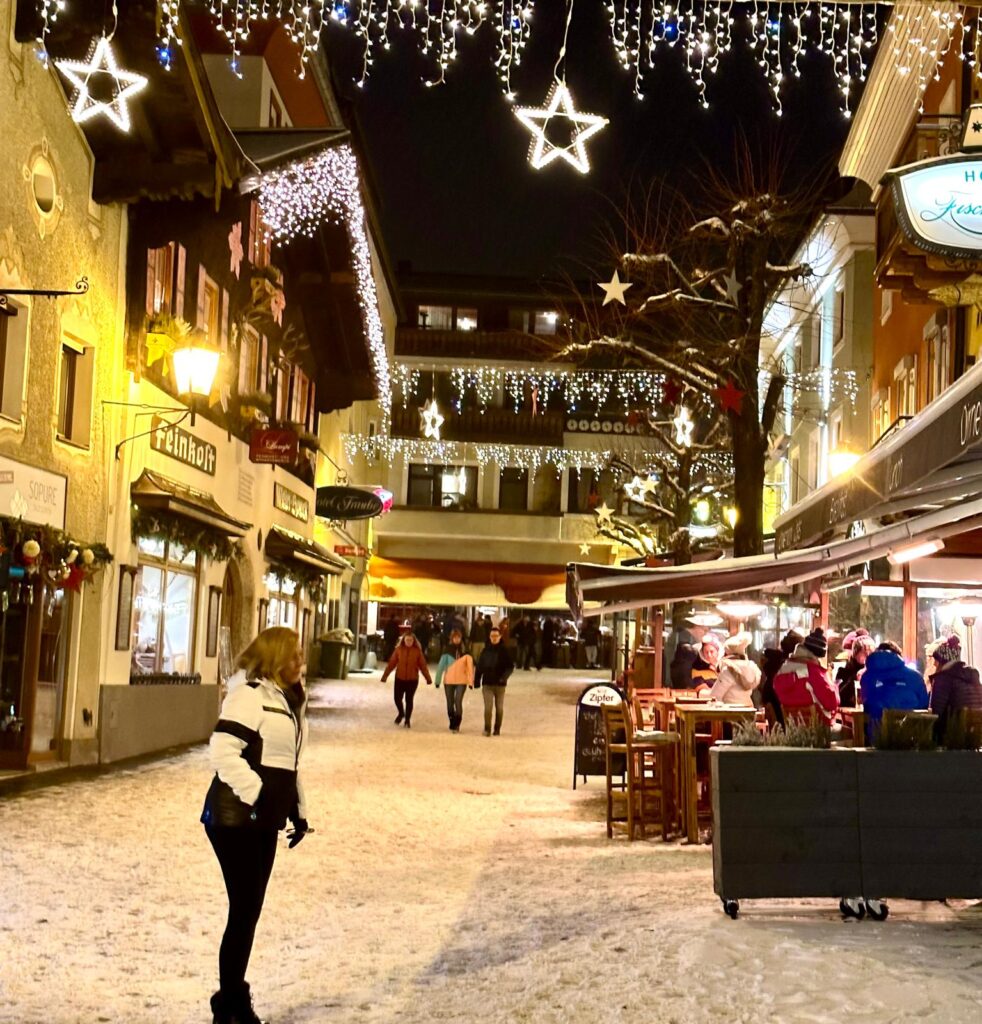
Final Thoughts
Zell am See offers perfect scenic beauty, diverse skiing opportunities, and traditional alpine charm.
Whether you’re skiing down the slopes of Schmittenhohe, enjoying the snow-sure terrain of the Kitzsteinhorn Glacier, or enjoying a meal at a traditional mountain hut, Zell am See provides an unforgettable alpine experience.
Its excellent accommodations, vibrant dining scenes, and family-friendly atmosphere make it a top choice as one of our favorite ski resorts.
Happy skiing!
Gary & Sally
Timeless Wanderers
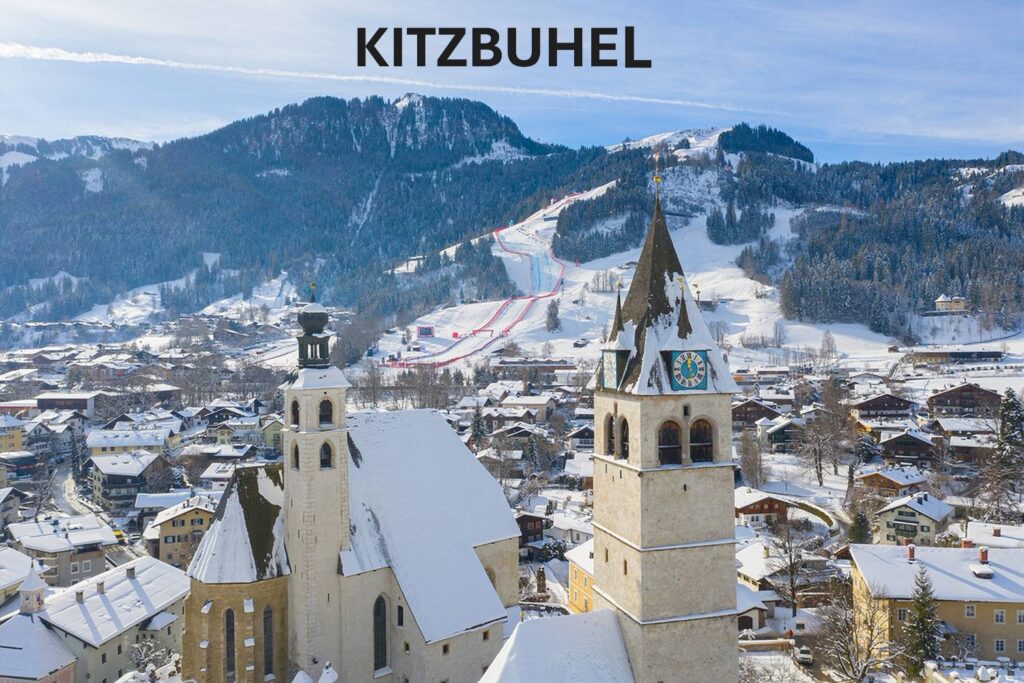
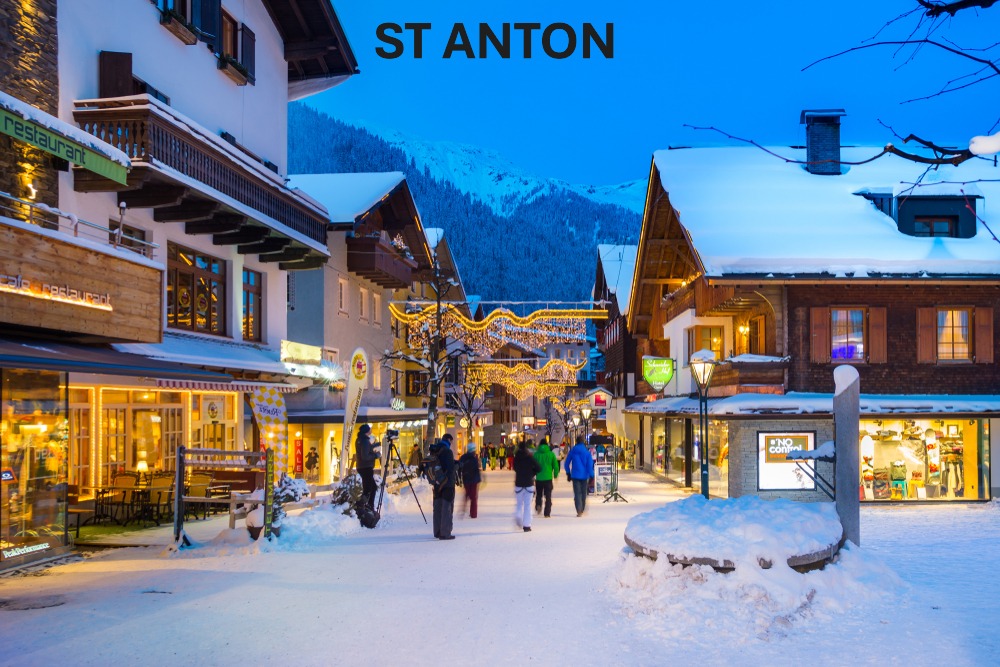
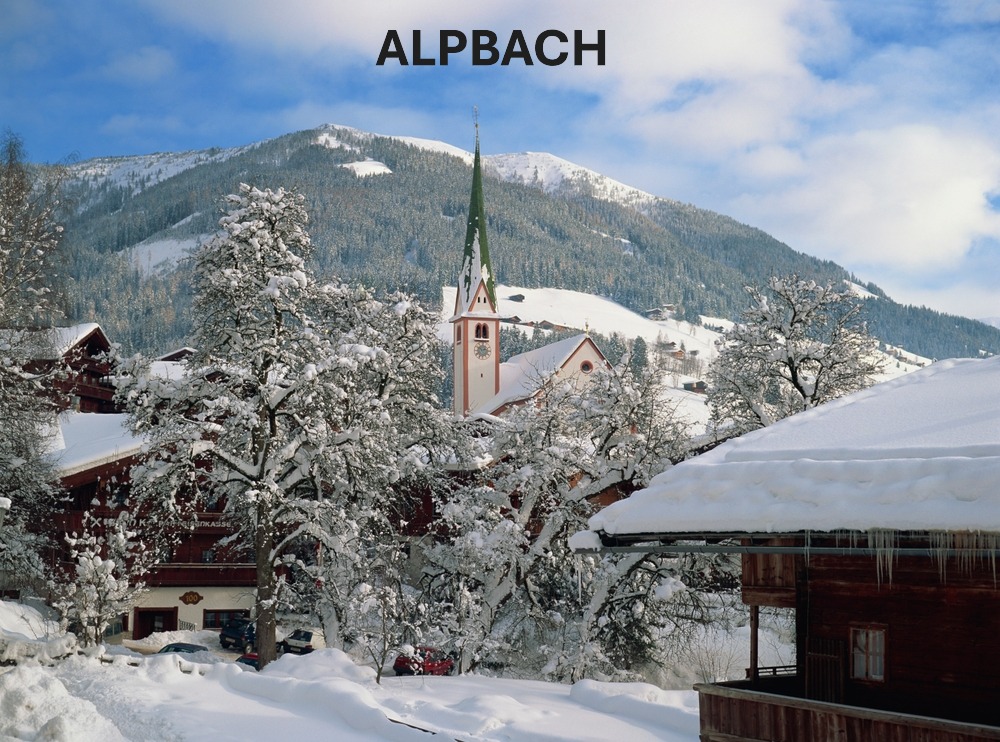
Other favourites in Austria
PLAN YOUR SKI ADVENTURE
Booking a ski trip involves a range of reliable resources to ensure a smooth and enjoyable experience. I have listed below our favorite companies we use when we plan our ski holiday.
Ski World – They have been taking customers to the best ski resorts in Europe, the US and Canada for more than 36 years.
BOOK YOUR FLIGHT – GOING is a great search engine if you are flexible about your travel destination and dates. Sign up for their newsletter and get the latest deals on destinations around the world. GOING is our new go to.
Booking.com– for accommodation, we rely on Booking.com for its extensive options and user reviews. We find they have the cheapest rates and offer payment options. In addition, VRBO is another terrific website for all types of accommodations.
Train Travel– to European ski resorts is convenient and scenic, popular trips include Glacier express to Zermatt, the Eurostar from London to the French Alps. We find Omio or Rail Europe are the best sites for booking trains in Europe.
Car Hire – we usually hire a car it offers us flexibility and convenience, allowing easy access to most resorts. Companies like Discover Cars or Rentalcars.com provide reliable options with winter equipment.
Travel insurance– Don’t ski without it. If you get hurt on the mountain it could cost, you a small fortune if you’re not insured. We use SAFETYWING when my wife broke her ankle a few years ago in Wengen they were terrific.
Ski Equipment. – Bring your own ski gear, its usually cheaper and much better than renting, it ensures you have a perfect fit. Owning also saves time and money in the long run. Equipment like Skis, Pants and Jackets, Gloves, Ski-helmets and Thermal underwear” can all be bought online. You can purchase everything you need from BACKCOUNTRY
ARC’TERYX – is a go to reliable brand for outdoor adventure and travel, their wide range includes light weight durable, easy to clean travel gear.
Check out our RESOURCE PAGE for more additional planning.