
“What to Eat in Tuscany: Traditional Dishes, Seasonal Foods & Tips”
Timeless Wanderers: Posted February 7, 2026
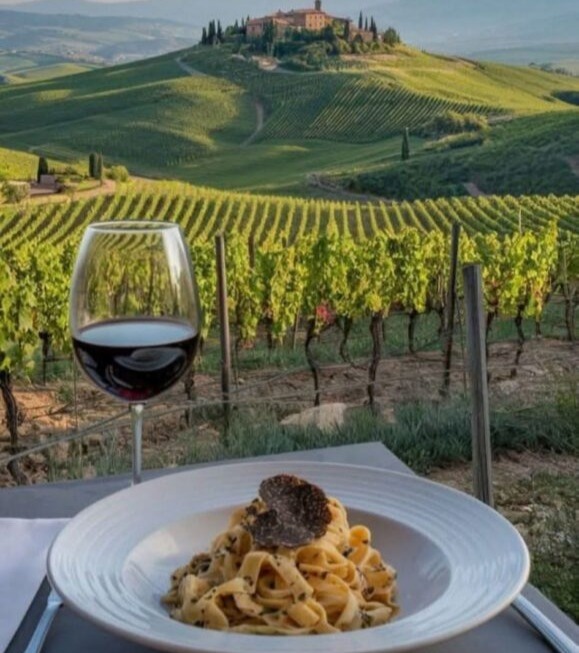
“Must-Try Tuscan Dishes: Traditional Foods You Can’t Miss”
Food in Tuscany is often described as simple, but that simplicity is exactly what makes it unforgettable.
Meals here are shaped by the seasons, local ingredients, and traditions that have remained largely unchanged for centuries.
You won’t find overly complicated recipes or fancy presentation;
Tuscan food is about making the most of what’s available — bread, beans, vegetables, olive oil, and a handful of well-loved dishes that appear across towns and villages.
For first-time visitors, this can be surprising.
Menus might look similar from Florence to Siena, and many dishes may sound unfamiliar.
But once you understand how Tuscan food works — what to eat, when to eat it, and why locals eat the way they do — it all starts to make sense.
This guide breaks it down clearly, so you know what to expect, what to order, and how food fits into everyday life in Tuscany.
Table of Contents
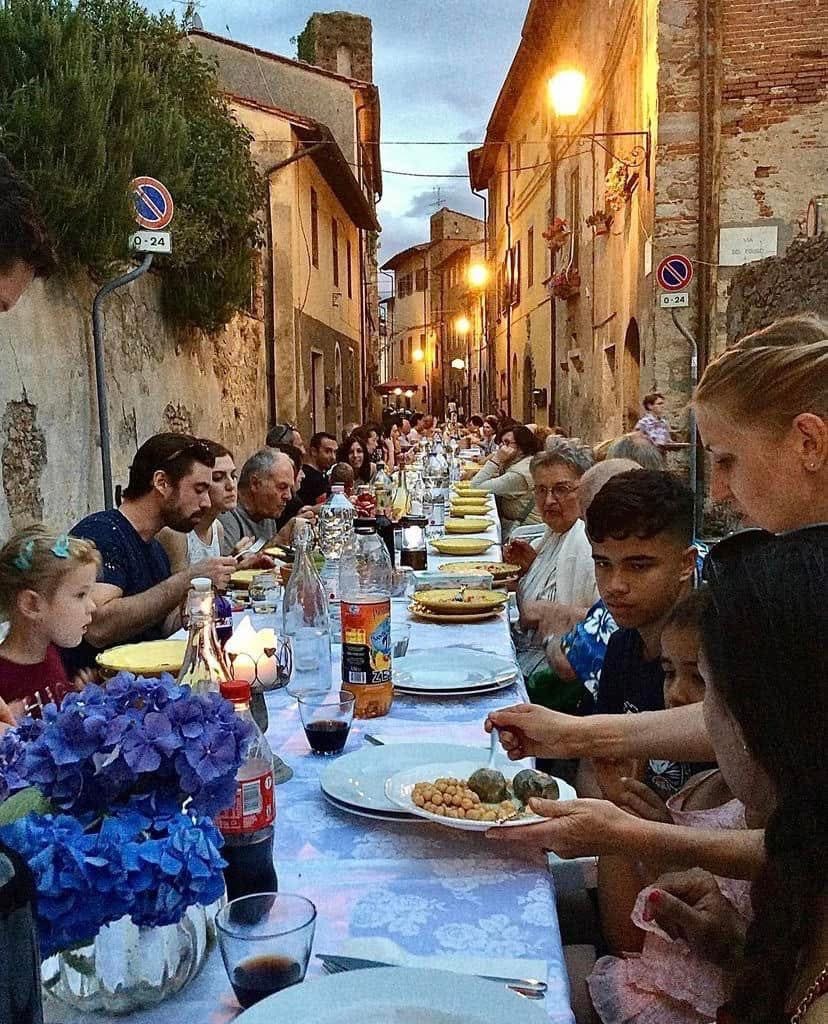
“What Makes Tuscan Food Unique”
Tuscan cuisine is rooted in cucina povera, literally meaning “poor cooking.”
Historically, this was food made by farmers and rural families using inexpensive, local ingredients.
Nothing was wasted, bread was reused, and meals were built around what the land provided rather than imported goods.
Even today, that mindset shapes how people eat. Tuscan food relies heavily on:
Seasonal vegetables
Legumes, especially beans
Bread as an ingredient, not just a side
Olive oil as the primary fat
Simple preparation rather than heavy sauces
Across the region — from Florence and Siena to Lucca, the Val d’Orcia, and the northern mountains — the same core principles apply.
What changes are the ingredients available in each area, influenced by climate, terrain, and proximity to the coast.
We can help you plan your dream trip to Tuscany, with a personalised itinerary designed just for you.
After more than 20 years of travelling to Tuscany—and loving it so much we decided to make it our home—we now live here and explore the region at a relaxed, local pace.
Planning a trip to Tuscany is exciting, but choosing where to go, how long to stay, and how to get around can quickly become overwhelming.
That’s where we come in.
We offer a personalised planning service that helps you decide exactly how to explore Tuscany, based on your travel style, budget, and pace.
Plus, we can help you plan scenic drives, time in hilltop towns, food and wine experiences, and those small local moments that make a trip truly special—making your Tuscany holiday easier, smoother, and full of memories you’ll treasure long after you return home.
“Let us plan your perfect trip with a custom itinerary designed just for you.
Fill out the form and let’s begin your dream.”
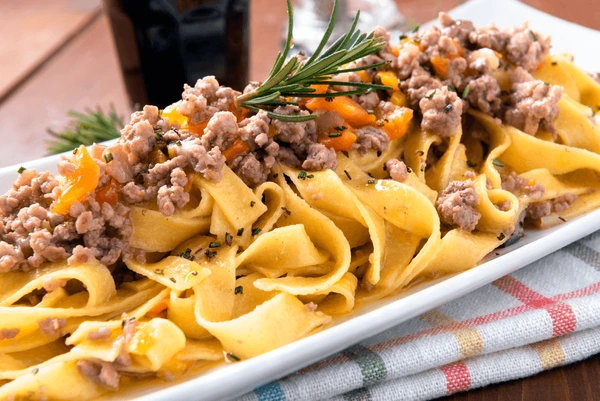
A Taste of Tuscany, Region by Region
While Tuscan food shares the same core principles — simplicity, seasonality, and local ingredients — each area has its own specialties shaped by landscape, climate, and history.
Understanding these regional differences helps first-time visitors know what to expect and what to try as they travel through the region.
Here’s a closer look at the highlights from Florence to the coast.
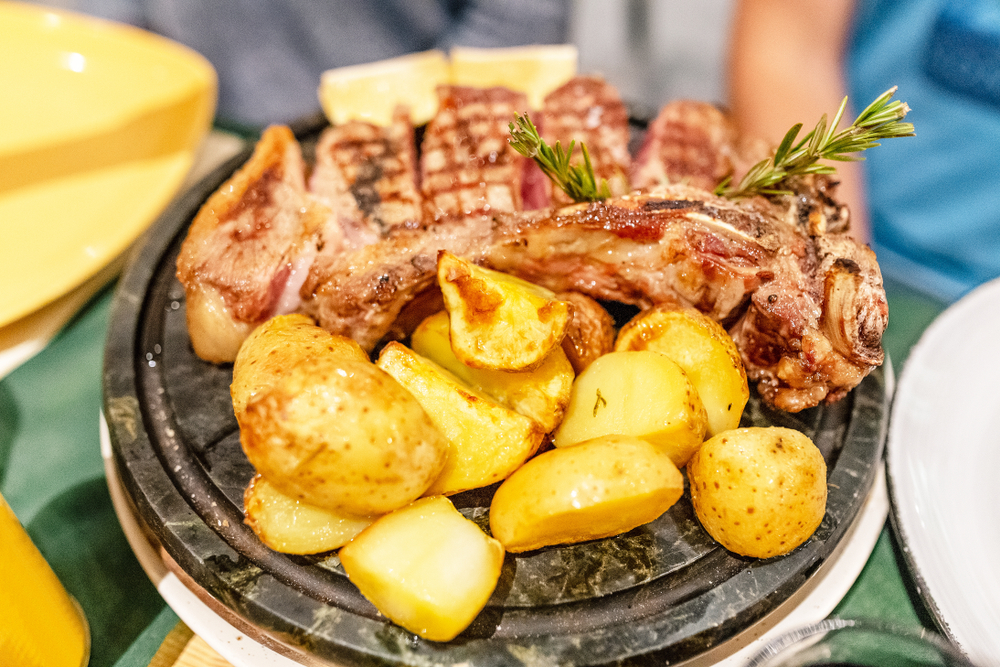
Florence and Central Tuscany
Florence is famous for Bistecca alla Fiorentina, a thick T-bone steak seasoned simply with salt, pepper, and olive oil, then grilled over a wood or charcoal fire.
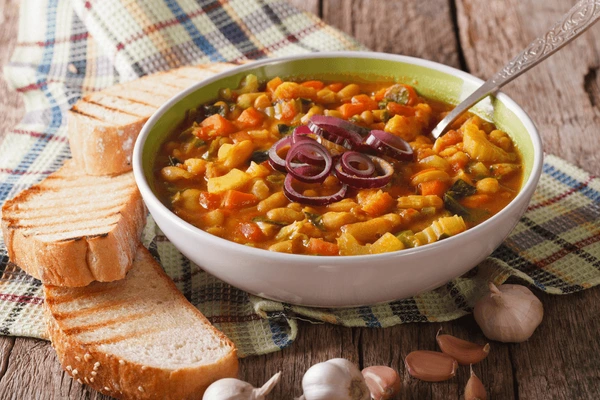
Beyond steak, central Tuscany serves hearty soups like ribollita and pappa al pomodoro, made from bread, beans, and seasonal vegetables.
Bread is often unsalted, and olive oil is used generously, reflecting the region’s culinary philosophy.
Florence blends iconic dishes with everyday simplicity, making it a must-visit for any food lover exploring Tuscany.
5 Great Places to Eat in Florence (Summer-Friendly)
1. Il Santo Bevitore
A favourite for seasonal Tuscan cooking with a lighter touch.
The menu changes often, portions are balanced, and it works well for a relaxed summer dinner.
2. Cammillo
Classic Florentine cuisine done properly.
It’s popular for a reason — reliable, unfussy, and a good choice if you want traditional dishes without tourist shortcuts.
3. La Ménagère
Part café, part restaurant, part flower shop.
Ideal for breakfast, brunch, or a light lunch when the heat is high and you want something fresh and stylish.
4. Trattoria Sostanza (Il Troia)
Simple, iconic, and fast-moving.
Best for lunch or an early dinner — famous for butter chicken and spinach, and refreshingly straightforward.
5. Vini e Vecchi Sapori
Tiny, no-frills, and very Florentine.
Expect seasonal dishes, local wines, and a lively atmosphere — go early or be prepared to wait.
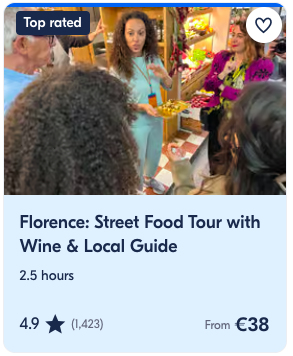
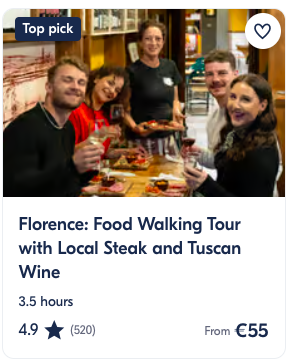
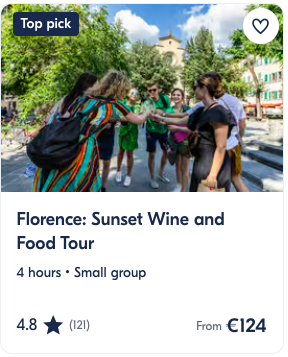
Go shopping in the central market in Florence and then learn how to cook a Tuscan meal.
This tour gets nothing but rave reviews. Take a food tour of Florence.
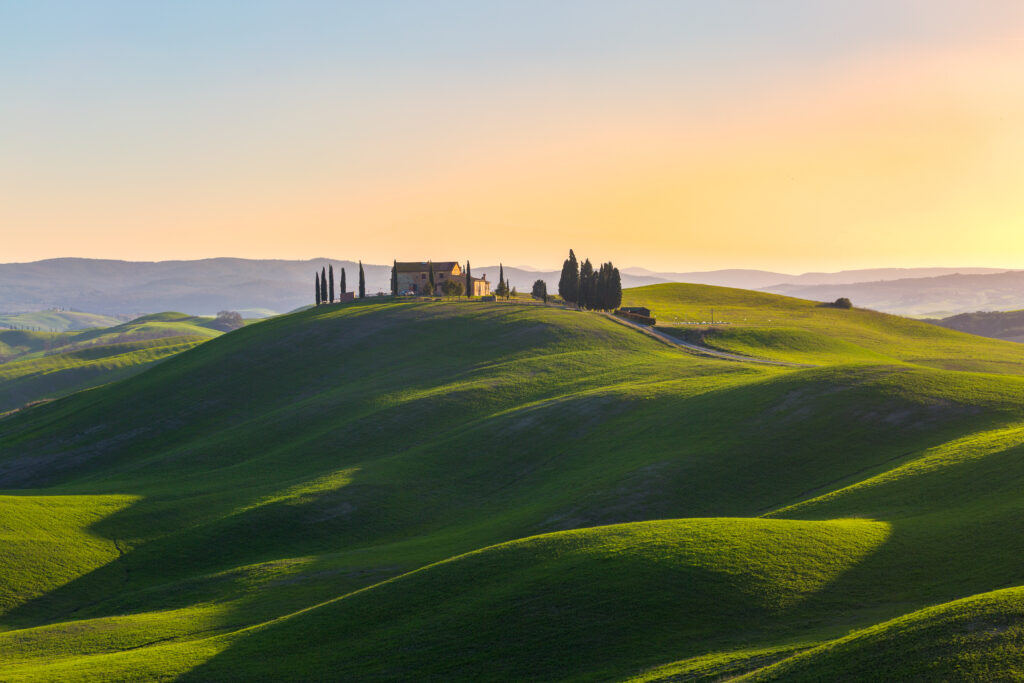
Siena and the Val d’Orcia
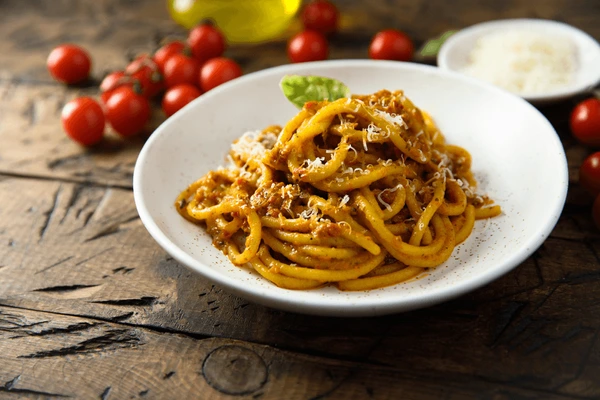
Southern Tuscany, including Siena and the Val d’Orcia, is known for pici pasta, thick hand-rolled noodles typically served with garlic, tomato, or meat sauces.
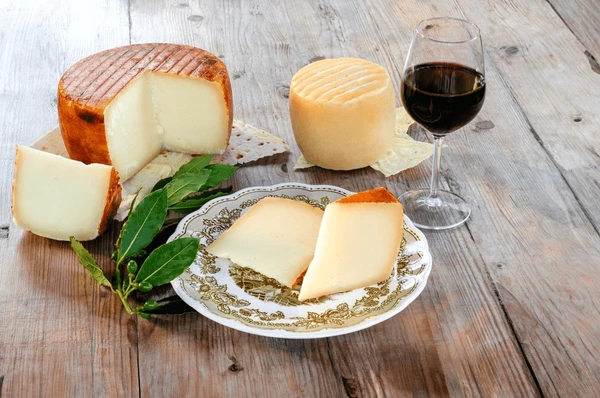
Pecorino cheese, made from sheep’s milk, is produced across the region and enjoyed in everything from snacks to hearty meals.
Rustic breads, bean-based soups, and slow-cooked stews reflect the countryside’s traditions, while sweets like ricciarelli and panforte offer a taste of local history.
Top Traditional & Tuscan Favorites in Siena
1. Osteria La Sosta di Violante
A highly beloved osteria with classic Tuscan dishes, seasonal menus, and great value. Perfect for lunch or dinner in a welcoming atmosphere.
2. Osteria degli Svitati
Casual but refined osteria featuring inventive takes on Tuscan classics — ideal for relaxed meals with excellent wine pairings.
3. Ristorante La Locanda dei Tintori Siena
Hidden gem on a side street; excellent regional dishes with local ingredients in a cozy setting.
4. Osteria Permalico
One of Siena’s most popular spots for hearty Tuscan cuisine — try their house-made pasta or regional meat dishes.
5. La Taverna di San Giuseppe
A classic trattoria housed in a historic building with warm interiors and rich Tuscan flavors.
6. Ristorante Campo Cedro
For something a step up — elegant plating, refined local ingredients, and excellent service in a stylish setting.
Best Places to Eat in Val d’Orcia
Val d’Orcia is packed with culinary gems — from rustic trattorie in San Quirico d’Orcia to elegant countryside restaurants that pair local fare with Brunello or Vino Nobile wines.
1. Ristorante Trattoria Toscana al Vecchio Forno – Borgo Capitano Collection (San Quirico d’Orcia)
Iconic Val d’Orcia trattoria for classic Tuscan cuisine in a beautiful historic setting — great for lunch after exploring the town.
2. Locanda Val d’Orcia (Campiglia d’Orcia)
Small, highly rated restaurant with refined interpretations of local dishes — perfect for leisurely dining.
3. Relais Osteria dell’Orcia (near Castiglione d’Orcia)
Part of a restored relais with excellent food emphasizing local produce and a lovely rustic ambience.
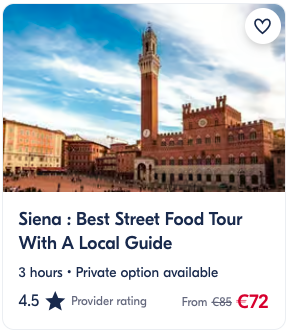
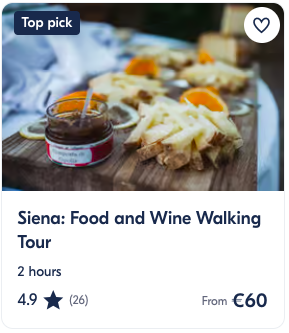
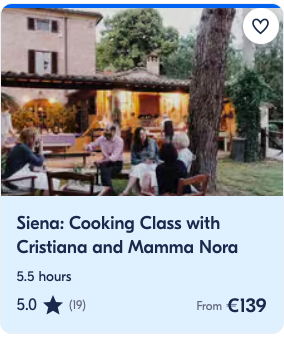
Take a food tour or cooking class in Siena.
Lucca and Garfagnana
Northern Tuscany is home to farro, an ancient wheat grain used in soups, salads, and side dishes, and a variety of chestnut-based specialties, highlighting the mountainous terrain.
Garfagnana’s cuisine emphasizes legumes, seasonal vegetables, and hearty breads.
Desserts such as castagnaccio, a chestnut flour cake, remain popular locally.
With fewer tourists, the food here feels authentic and tied directly to the pace of daily life.
This area offers a taste of Tuscany that is rustic, nourishing, and deeply traditional.
What to Try in Lucca
Lucca has its own local specialties worth seeking out:
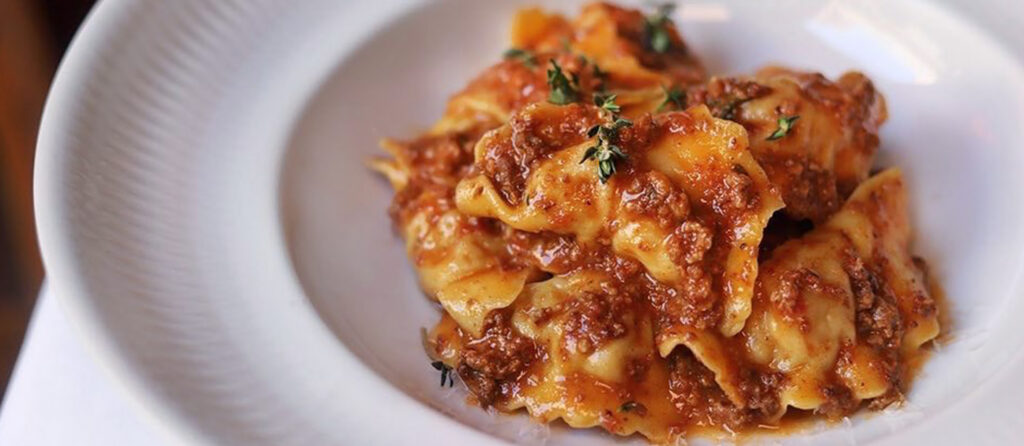
Tortelli Lucchesi – rich stuffed pasta native to this area.
Pappa al pomodoro & farro soup – hearty Tuscan classics.
Local desserts like buccellato di Lucca — a sweet bread with raisins and anise.
Must-Try Traditional & Local Favorites
• Osteria da Pasquale –
One of Lucca’s most celebrated restaurants, known for exceptional Italian and Tuscan cooking with local wines and warm service. Popular — reservations recommended.
• Buca di Sant’Antonio –
Historic Lucca institution with classic Tuscan and regional dishes in a refined atmosphere.
• Da Rosolo –
Great local favorite with high ratings and a relaxed atmosphere — ideal for traditional Italian fare.
• In Pasta – Cibo e Convivio –
Casual, highly-rated spot perfect for lunch or dinner with pasta and Italian classics.
• Gigi Trattoria –
Traditional trattoria near Piazza del Carmine with authentic Lucchese dishes and friendly service.
• Trattoria Da Ubaldo –
Local favorite with classic Italian plates and a lively ambience right by the historic center.
What to Try in Lucca
Lucca has its own local specialties worth seeking out:
Tortelli Lucchesi – rich stuffed pasta native to this area.
Pappa al pomodoro & farro soup – hearty Tuscan classics.
Local desserts like buccellato di Lucca — a sweet bread with raisins and anise.
Take this highly rated food tour in Lucca.
Coastal Tuscany
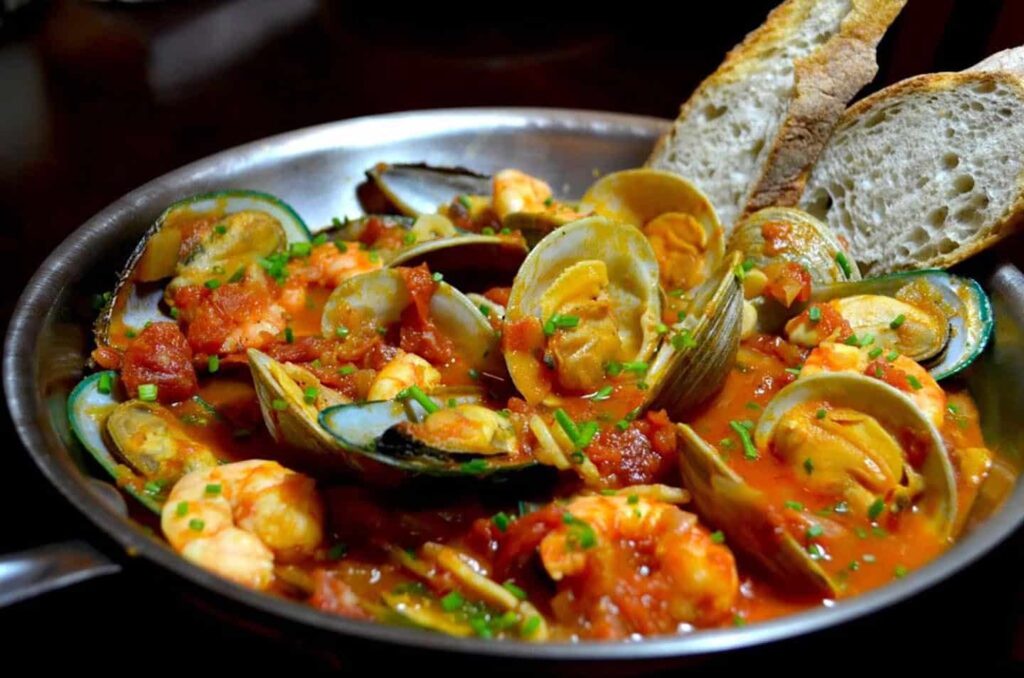
The coast offers lighter dishes with a strong seafood influence, including fish stews, grilled seafood, and pasta with clams or mussels, often seasoned with fresh herbs and local olive oil.
While meals remain simple, flavors are fresher and more delicate than inland dishes.
Coastal towns also produce salt and anchovy-based specialties and celebrate seasonal vegetables.
Dining here emphasizes freshness and balance, allowing travelers to experience Tuscany’s culinary diversity from land to sea.
Top Seafood Picks in Viareggio
1. Osteria Pivot bistrò di mare –
Stylish seafood bistro with creative seasonal dishes, excellent fish and shellfish prepared with local flair. Highly rated for dinner.
2. L’angolino –
Classic seafood trattoria loved for fresh catches and traditional preparations; great choice for lunch or dinner near the centre.
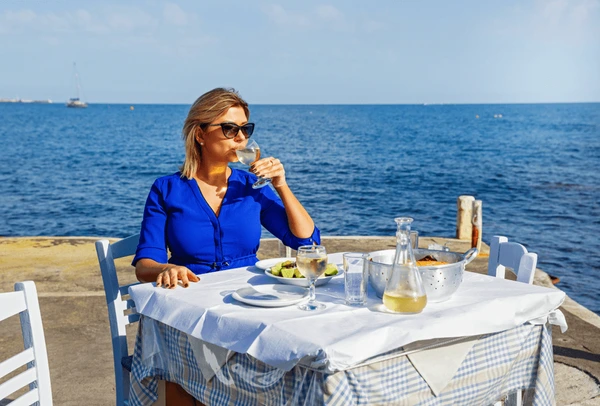
3. Ristorante Il Porto –
Popular seafood restaurant on the port quay with scenic views — ideal for seafood risotto, grilled fish and local Tuscan seafood classics.
4. Trattoria Da Cicero –
Traditional seafood trattoria with a long local reputation and excellent fresh fish dishes.
5. Bar Trattoria Nostromo –
Great value and generous portions; a local favourite for seafood mains and mixed fish plates.
6. Trattoria Fronte Del Porto –
Classic seafood restaurant close to the harbour with fresh catches and pasta ai frutti di mare.
7. Osteria Gli Amici Del Gusto –
Well-liked spot for seafood with Mediterranean influences — excellent fish dishes and wine pairings.
8. Ristorante Trattoria Da Miro –
Classic Italian seafood with a local feel and solid reviews for freshness and flavour.
Tuscan Street Food and Everyday Eating
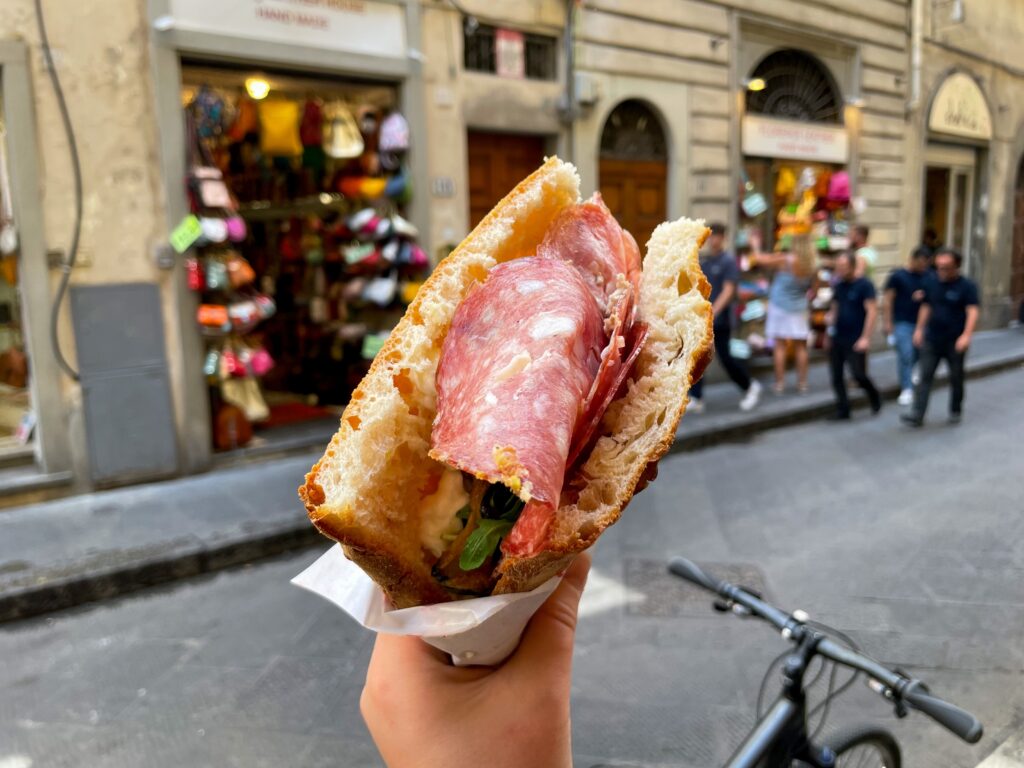
Street food in Tuscany isn’t flashy, but it’s an important part of daily life, especially in cities like Florence and Pisa.
One of the most well-known examples is lampredotto, a Florentine specialty made from the fourth stomach of a cow.
It’s typically served in a bread roll, often dipped in broth and topped with green sauce.
While it may sound intimidating, it’s a staple for locals grabbing a quick lunch.
Bakeries are another cornerstone of everyday eating. You’ll see locals stopping in for:
Schiacciata (a flatbread similar to focaccia but less oily)
Simple sandwiches filled with cured meats or cheese
Sweet pastries in the morning
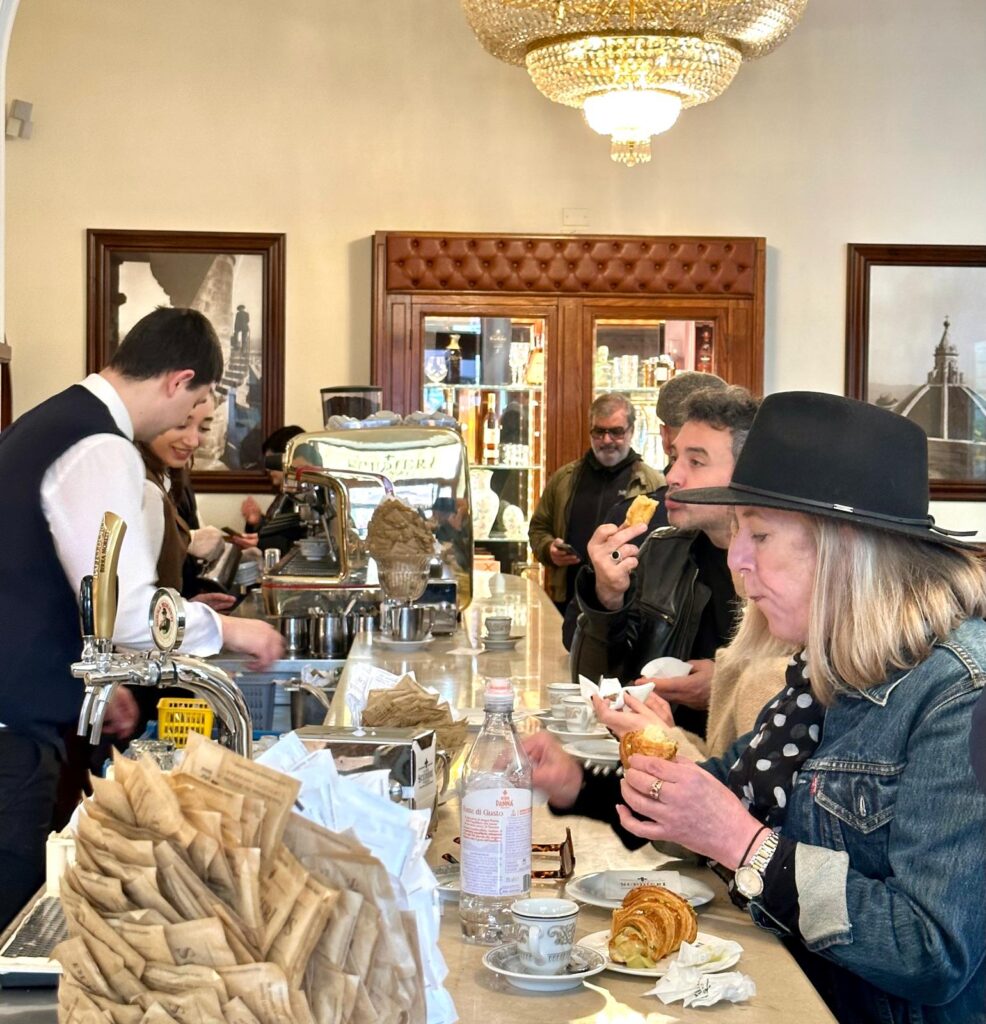
Bars (which function as cafés) are where breakfast usually happens.
A coffee and pastry eaten standing at the counter is far more common than a long sit-down meal.
You can take this street food tour in Florence.
Seasonal Eating in Tuscany: Why Timing Matters
One of the most important things to understand about food in Tuscany is that it changes with the seasons.
Locals don’t expect to eat the same dishes year-round, and menus often reflect what’s available at that moment.
Spring
Fresh vegetables and lighter dishes dominate.
You’ll see more salads, artichokes, and fresh greens, especially around Florence and Chianti.
Summer
Meals are simpler and lighter: tomatoes, bread salads, cold pasta dishes.
Pappa al pomodoro shines in the summer heat.
Autumn
Mushrooms, game, chestnuts, and hearty sauces appear again.
Rural areas serve filling soups and slow-cooked stews.
Winter
Soups, beans, and slow-cooked dishes return.
Thick, hearty meals like ribollita warm locals and visitors alike.
Eating seasonally isn’t a trend here — it’s the way things have always been done.
Suggested Itineraries
3-Day City Food Break
Day 1: Florence – Uffizi, Ponte Vecchio, sunset market stroll.
Day 2: Day trip to Siena for the market and Gothic architecture.
Day 3: Lucca’s city walls by bicycle and a Aperitif in Piazza dell’Anfiteatro.
5-Day Countryside Food Tasting Escape
Days 1–2: Florence highlights.
Day 3: Chianti for food and winery tastings and olive oil sampling.
Day 4: Val d’Orcia—Pienza and Montepulciano under a golden sunset.
Day 5: Finish with a hot spring soak in Bagno Vignoni.
How to Spend 7 Magical Days in Tuscany by Car
Car rental – If you plan to visit countryside towns and vineyards, a rental car is invaluable in August.
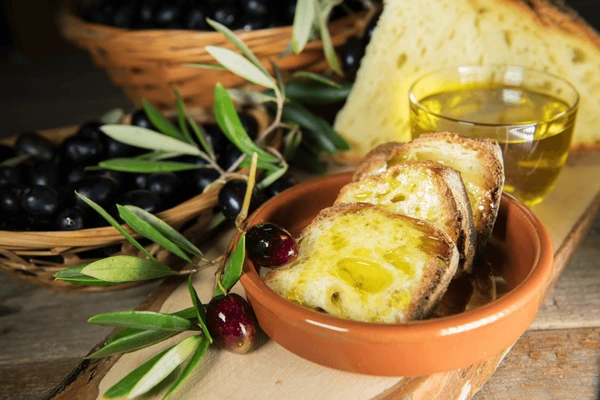
Bread, Olive Oil, and Cheese: The Tuscan Staples
Certain ingredients appear at almost every meal:
Bread: Often unsalted, perfect for soups and pairing with cheese.
Olive Oil: Used generously as the main cooking fat.
Cheese: Pecorino and other sheep’s milk cheeses are common, eaten with bread, vegetables, or as part of desserts.
These staples link every dish across the region and are part of what makes Tuscan food instantly recognizable.
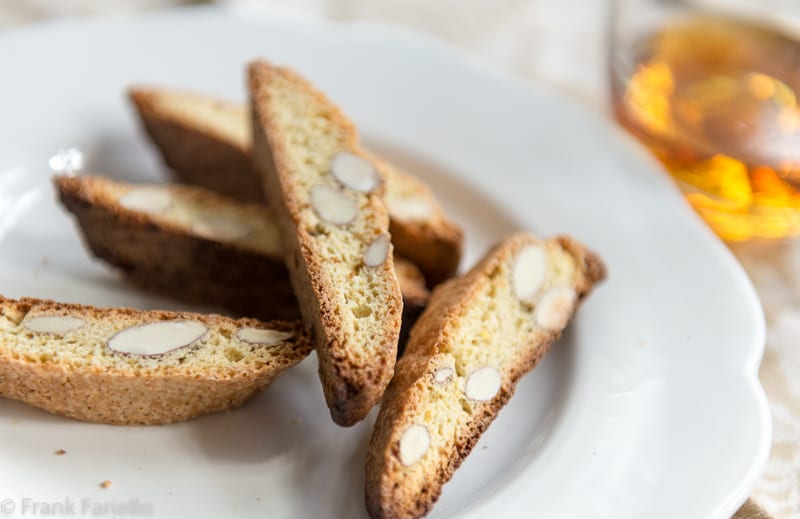
Desserts and Sweet Traditions in Tuscany
Desserts are simple, seasonal, and often tied to specific towns:
Cantucci: Almond biscuits, traditionally dipped in Vin Santo (dessert wine).
Ricciarelli: Soft almond cookies from Siena.
Castagnaccio: Chestnut flour cake, popular in northern mountainous regions.
Dessert isn’t expected after every meal, but when it appears, it’s deeply tied to local tradition.
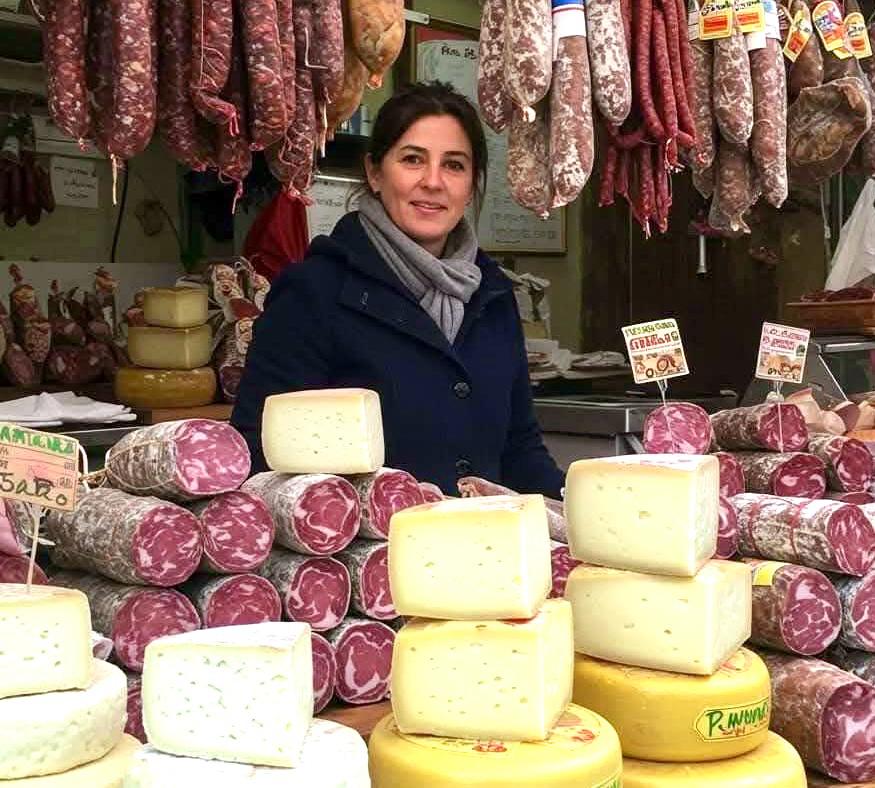
Food Markets and Local Shopping
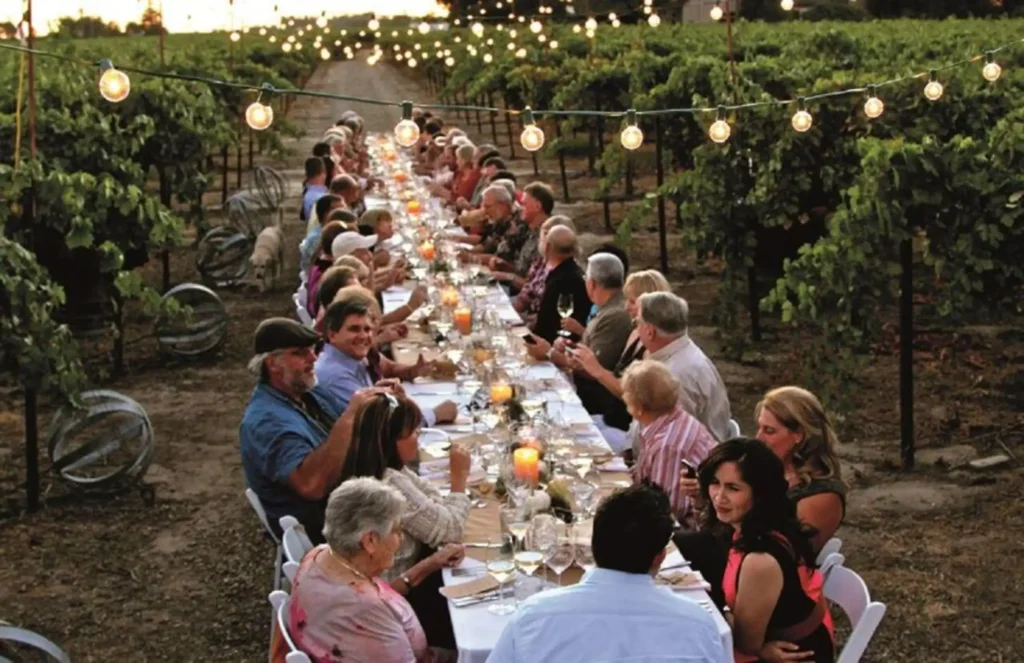
Markets are central to Tuscan food culture.
Daily or weekly markets sell vegetables, fruit, bread, cheese, and other staples, giving visitors insight into what locals actually eat.
Smaller towns have weekly markets, which are as social as shopping events.
Seasonal produce dominates, reflecting the time of year rather than trends.
For visitors, markets are the best place to experience real Tuscan food culture.
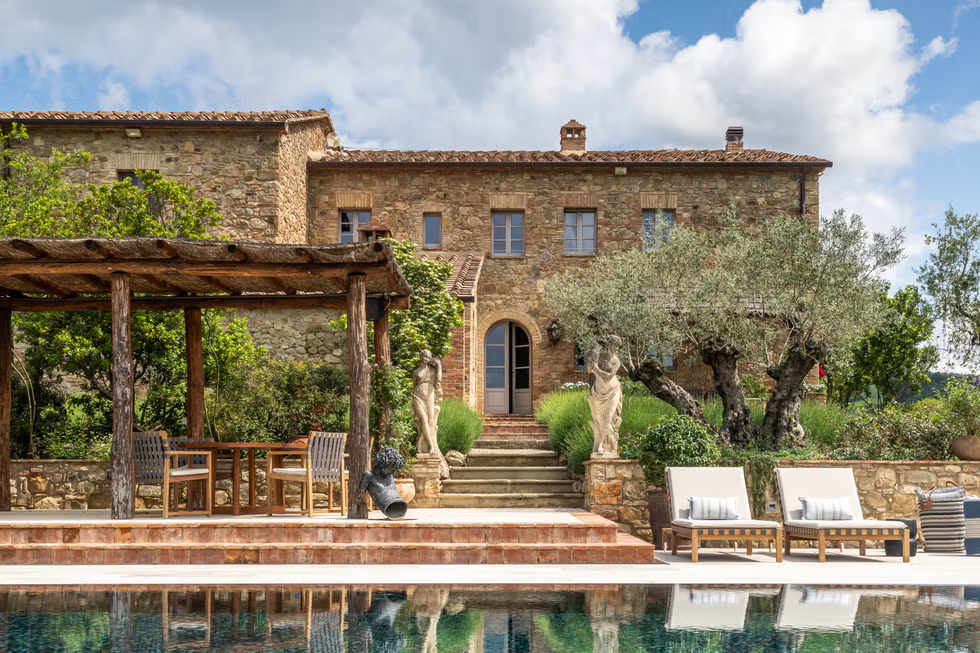
Why Food Matters So Much in Tuscany
Tuscan food isn’t about novelty or indulgence — it’s about continuity.
Dishes have been passed down for generations because they work: they suit the climate, the land, and the rhythm of daily life.
Understanding local food makes meals more meaningful.
You stop chasing “the best dish” and start appreciating how food fits into everyday routines.
Once you eat the way locals do — simply, seasonally, and without rush — Tuscan food becomes part of the experience itself.
Frequently Asked Questions About Food in Tuscany
What food is Tuscany famous for?
Tuscany is known for simple, traditional dishes rooted in cucina povera.
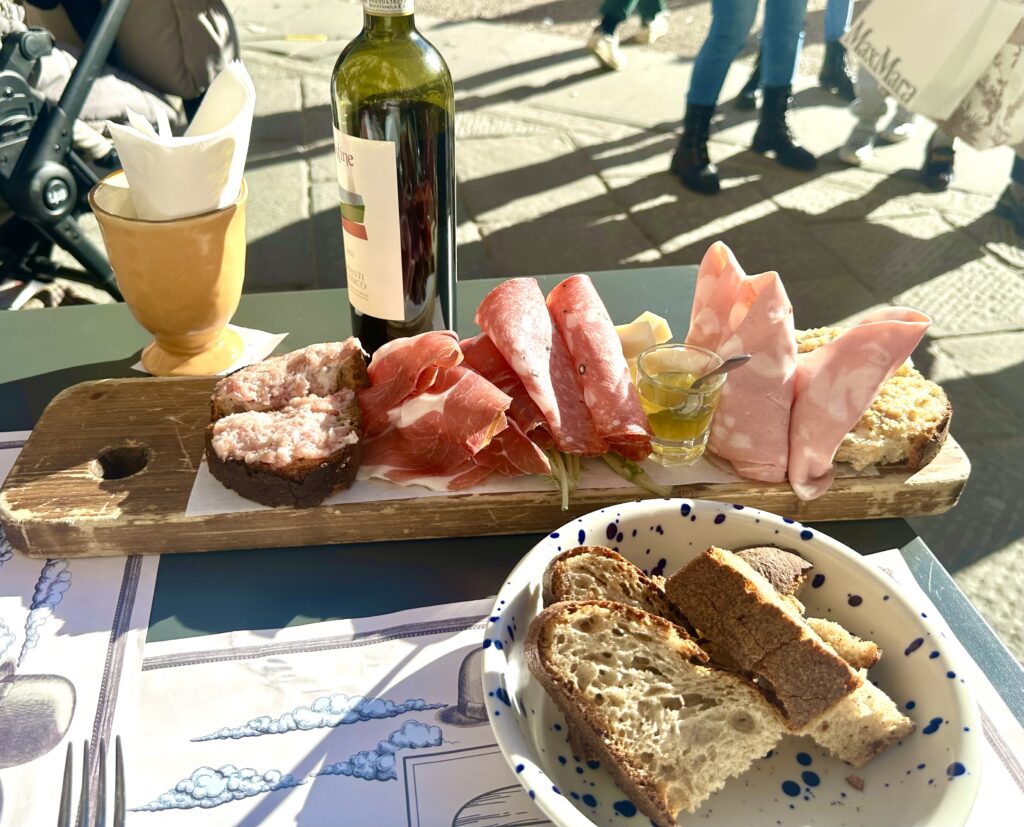
Popular foods include ribollita, pappa al pomodoro, pici pasta, crostini Toscani, unsalted bread, olive oil, beans, and sheep’s milk cheese.
Meals focus on seasonal ingredients rather than complex recipes.
What are the different regions of Tuscany famous for food-wise?
Florence and central Tuscany are known for bread-based dishes and Bistecca alla Fiorentina.
Siena and the Val d’Orcia are famous for pici pasta and pecorino cheese.
Lucca and Garfagnana are associated with farro and chestnut-based dishes, while coastal Tuscany features lighter meals with more seafood influences.
What should first-time visitors eat in Tuscany?
Try ribollita, pappa al pomodoro, pici pasta, crostini Toscani, schiacciata, pecorino cheese, and cantucci.
These dishes are widely available and offer an authentic taste of everyday Tuscan cuisine.
Is Tuscan food the same everywhere?
While Tuscan food follows the same principles of simplicity and seasonality, dishes vary slightly by area.
Inland and rural areas rely more on soups, beans, and bread, while coastal areas include more fish and lighter meals.
Why is Tuscan bread unsalted?
Tuscan bread is traditionally unsalted due to historic salt taxes.
This has become a culinary tradition, pairing perfectly with salty foods like cured meats and cheese, and works beautifully in soups and bread-based dishes.
What is cucina povera in Tuscany?
Cucina povera is traditional peasant cooking that uses inexpensive, local ingredients and avoids waste.
In Tuscany, this includes dishes made with bread, beans, vegetables, and olive oil.
Many of the region’s most famous dishes come from this tradition.
What time do people eat in Tuscany?
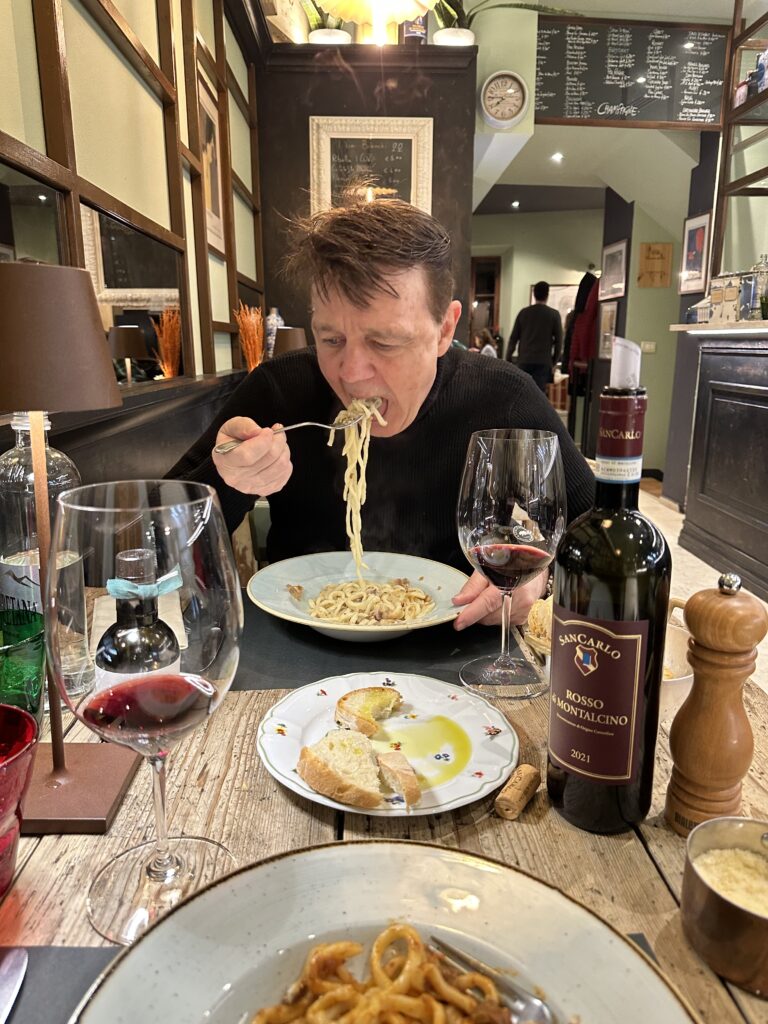
Lunch is usually eaten between 1:00–2:30 pm, while dinner begins around 7:30 pm or later.
Breakfast is light and often consists of coffee and a pastry at a local bar rather than a full meal.
What food is best to eat in Tuscany by season?
Spring and summer focus on vegetables, tomatoes, salads, and lighter dishes.
Autumn brings mushrooms, game, chestnuts, and hearty sauces, while winter features soups, beans, and warming stews.
Eating seasonally is central to Tuscan food culture.
Do You Need Travel Insurance for Tuscany?
(Short Answer: Yes — It’s Still a Smart Idea)
Travel insurance isn’t legally required to visit Tuscany, but it’s one of the smartest things you can have when travelling in Italy.
Even in a relaxed destination like Tuscany, things can go wrong — from delayed flights and lost luggage to medical issues, rental car damage, or unexpected trip cancellations.
And while Italy has excellent healthcare, medical treatment for visitors can still be costly without proper coverage.
As long-term travellers living in Italy, we’ve found SafetyWing to be a practical option for trips around Europe, offering coverage for medical care, travel delays, and lost belongings without complicated fine print.
SafetyWing
(Best for Long-Term Travel & Affordability)
We personally use SafetyWing, and have since 2019.
It’s perfect for travelling, spending multiple weeks or a whole year abroad.
You can get a Quote here.
It’s the kind of insurance you hope you never need—but you’ll be very glad you have if something unexpected happens.
Final Thoughts
For first-time visitors, Tuscan food may feel understated, but that understatement is exactly the point.
Meals are shaped by history, geography, and habit — not trends.
Knowing what to expect, when to eat certain dishes, and why food is prepared the way it is will help you enjoy it more deeply.
Tuscany invites you to slow down, taste thoughtfully, and experience food as locals do.
PLAN YOUR TUSCANY ADVENTURE
These are our favorite companies we use when planning a trip, they consistently have the best prices, great customer service, and overall, are better than their competitors.
BOOK YOUR FLIGHT – Going is a great search engine if you are flexible about your travel destination and dates. Sign up for their newsletter and get the latest deals on destinations around the world. GOING is our new go to.
CAR RENTAL – We recommend using Discover Cars or Rental Cars when booking a car rental, they work with hundreds of companies worldwide to help you find the best car for your needs.
TRAINS – TRAINLINE – is our favorite, this site is very reliable and easy to use.
BUS – OMIO – this website allows you to book train or bus tickets to travel from city to city the best and cheapest way. FLIXBUS is another terrific website with routes between 20 European countries.
ACCOMMODATIONS
BOOKING.com – is our go to for hotel searches around the world, we find they always have the cheapest rates and offer different payment options. In addition, VRBO is another terrific website for all types of accommodations.
HOSTELWORLD – is great if you’re traveling on a budget, and if you need a cheap place to stay.
SIGHTSEEING TOURS
GET YOUR GUIDE – is our favorite; they have stacks of tours and excursions available in cities all over the world. VIATOR is another great website for all types of tours.
TAKE WALKS – This walking tour company provides inside access to attractions and places you can’t get elsewhere.
TRAVEL INSURANCE
SAFETY WING – is our go to travel medical insurance company, especially for longer trips. You can either purchase a monthly plan or a plan for specific trip dates (i.e. 1-2 week trips). They cover people from all over the world, while outside their home country.
ARC’TERYX – is a go to reliable brand for outdoor adventure and travel, their wide range includes light weight durable, easy to clean travel gear.
Check out our RESOURCE PAGE for more additional planning.