“Val d’Isère Ultimate Ski Guide 2026/27: Best Slopes, Après & Places to Stay”
Timeless Wanderers: Updated October 19, 2026
Why Ski in Val d’Isère? Our Guide to One of the French Alps’ Best Resorts
Val d’Isère is one of our favourite ski resorts in Europe, so forgive us if we sound a little biased.
We love this place, and we would happily argue that it’s one of the best ski resorts in the world.
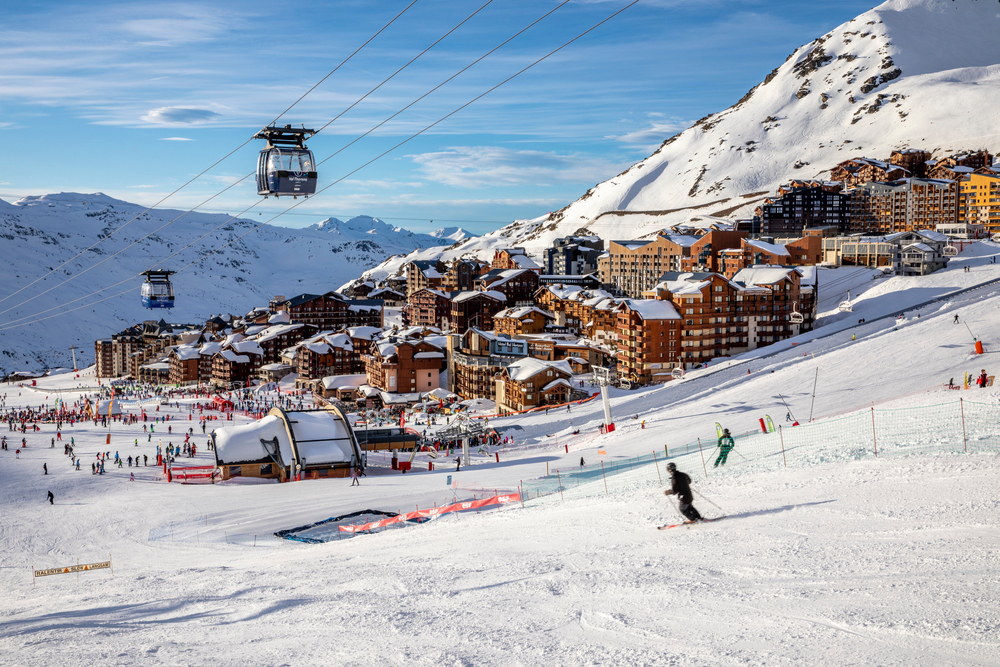
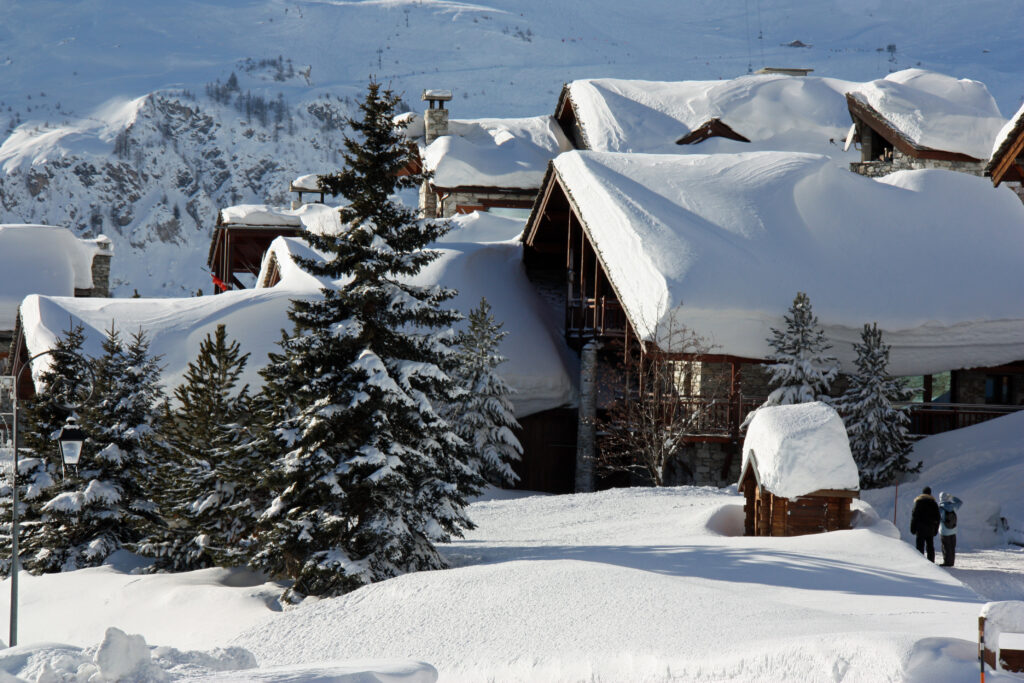
Set high in the French Alps, Val d’Isère combines extensive high-altitude skiing with a traditional Alpine village, excellent restaurants, stylish shops and a lively après-ski scene.
It has plenty going on away from the pistes, too, making it a resort we keep coming back to.
Val d’Isère forms part of the Tignes–Val d’Isère ski area, formerly known as Espace Killy.
Together with neighbouring Tignes, it provides an extensive network of pistes for skiers of different abilities, from confident beginners to experienced skiers looking for more challenging terrain.
The village itself is another reason we love Val d’Isère.
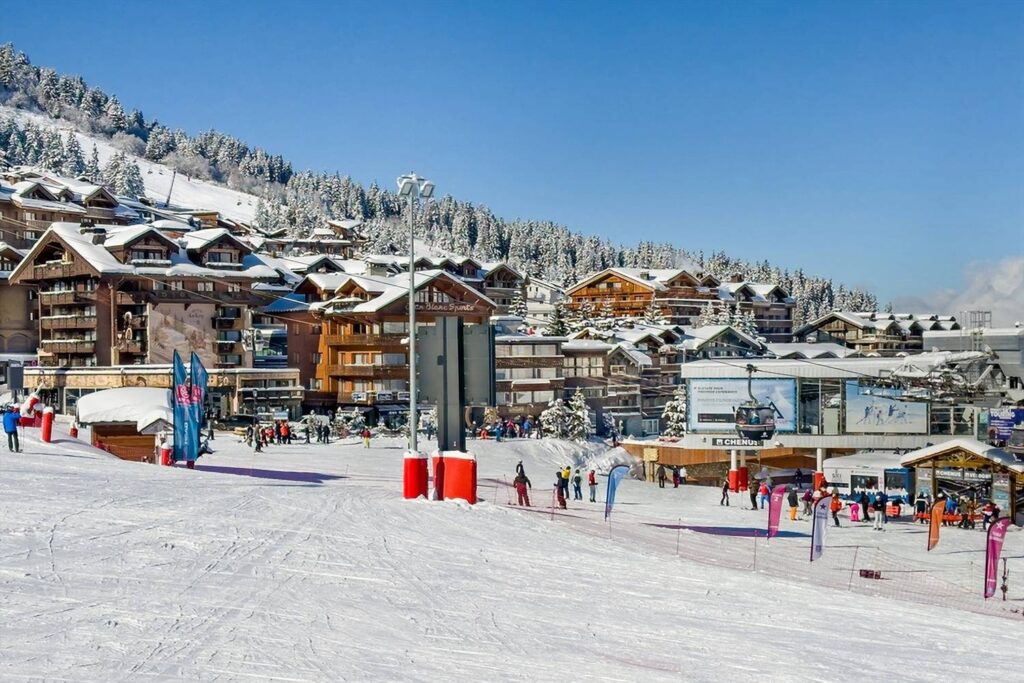
The centre is compact and easy to explore on foot, with traditional Alpine buildings alongside hotels, boutiques, cafés and restaurants.
It has a lively atmosphere, but it still feels like a real mountain village where residents and visitors share the same streets.
There’s a great choice of places to eat, from relaxed mountain-style restaurants to more upmarket dining, as well as bars that keep the après-ski going once the lifts close.
With accommodation across a range of styles and budgets, you can plan a trip that suits the kind of ski holiday you’re after.
In this guide, we’ll cover everything you need to plan your Val d’Isère ski holiday for 2026/27, including the ski area, lift passes, the best time to visit, where to stay, restaurants, après-ski and how to get there.
Table of Contents

Understanding the Val d’Isère Ski Area
One of the reasons we love Val d’Isère is that there’s so much more to the skiing than the slopes immediately around the village.
The resort forms part of the extensive Tignes–Val d’Isère ski area, giving you a huge network of pistes to explore across two well-known Alpine destinations.
For a first-time visitor, the size of the area can feel a little overwhelming.
Different sectors have their own character, and knowing where to start can help you make the most of your time on the mountain.
Some areas are better suited to cruising blue and red runs, while others are known for steeper terrain and more demanding skiing.
Before planning your days, it’s worth getting familiar with the main sectors, the lift connections and the different types of terrain available.
That way, you can choose routes that suit your ability and gradually explore more of the mountain throughout your stay.
Let’s take a closer look at the Val d’Isère ski area, including its terrain, snow conditions, lift system and options beyond the pistes.

Val d’Isère Ski Area
The Tignes–Val d’Isère ski area is one of the major skiing destinations in the French Alps, with around 300 km of marked pistes linking the two resorts.
The skiing ranges from approximately 1,550 metres to more than 3,400 metres, giving visitors access to high mountain terrain and a wide choice of runs.
For us, one of the great things about Val d’Isère is the variety. You can spend the morning cruising a well-groomed piste, venture into a different sector after lunch and still find new runs to explore several days into your holiday.
With so much terrain available, it pays to look at the piste map before setting off, particularly if you’re planning to ski across to Tignes.
Ski Terrain for Different Ability Levels
The linked area caters for a broad range of abilities, from beginners finding their feet to confident skiers looking for steeper descents.
Beginners:
Val d’Isère has designated easy-skiing areas where newcomers can practise and build confidence.
The Solaise sector is worth looking at, and the resort provides facilities intended to help beginners and families get back to the village conveniently.
Check the current piste map and ask your ski school which runs are best for your level.
Intermediate skiers:
Blue and red pistes give intermediates plenty of choice, with opportunities to progress to longer and more demanding runs.
Exploring different sectors over several days is a good way to make the most of the linked area.
Advanced skiers:
Experienced skiers can seek out steeper pistes, moguls and more challenging routes.
Val d’Isère is also well known for its off-piste opportunities, but these bring additional risks.
Check avalanche conditions and use a qualified mountain guide if you don’t have the training and equipment to assess the terrain safely.
Snow Conditions and Altitude
Altitude is a major advantage here.
Much of the skiing is above 2,000 metres, and the upper slopes can retain snow when conditions lower down are less reliable.
However, snow cover and piste quality still depend on weather, temperatures and the time of season, so it’s best to check current conditions rather than assume every run will be open.
Modern Lifts and Connections
The linked Tignes–Val d’Isère area has 71 ski lifts, connecting a broad network of pistes across both resorts.
This makes it possible to explore beyond Val d’Isère itself, although you should allow enough time to return before lifts close and check the status of connecting lifts during unsettled weather.
Before heading out each morning, check the official piste map and live lift information. You can find these on the Val d’Isère official website.
Activities Beyond the Pistes
If you fancy a break from downhill skiing, Val d’Isère has other winter activities to investigate, including snowshoeing, dog sledding and ice climbing, depending on the season and local availability.
Some activities are weather-dependent or need to be booked in advance, so check current options before building them into your plans.
With such a large linked ski area, it’s easy to fill a week in Val d’Isère without skiing the same runs every day.
Take time to explore the different sectors, choose routes that match your ability and leave yourself room to discover a few favourites along the way.
We can plan your Dream Ski Trip to Europe: Custom Itineraries for the Perfect winter Holiday.
With over 25 years of experience skiing in over 50 different ski resorts in Europe, we can help you plan your perfect winter escape.
Planning a ski trip to Europe can be exciting, but choosing the right resort and organising the perfect itinerary can quickly become overwhelming.
That’s where we come in.
We offer a personalised planning service that helps you decide exactly where to ski, based on your style, budget, and experience.
“Plus, we can help you plan a fun week of European sightseeing around your ski trip, making your winter holiday easier, smoother, and full of unforgettable memories.”
“Let us plan your perfect trip with a custom itinerary designed just for you.
Fill out the form and let’s begin your dream.”

Val d’Isère Ski Passes: Which One Should You Choose?
Choosing the right ski pass can make a noticeable difference to the cost of your holiday, particularly if you’re staying for a week.
Val d’Isère offers passes covering its own ski area, as well as a pass for the full linked Tignes–Val d’Isère domain.
Before buying, think about how many days you plan to ski, your ability level and whether you want to explore neighbouring Tignes.
If this is your first visit, the larger area gives you plenty of choice, but you may not need access to every sector if you intend to stay close to Val d’Isère.
Tignes–Val d’Isère Ski Pass
The full-area pass covers approximately 300 km of pistes across Val d’Isère and Tignes.
It’s a good option for confident skiers and anyone who enjoys exploring different parts of a ski area during their holiday.
For the main winter period, from 12 December 2026 to 23 April 2027, the published prices are:
| Pass duration | Adult (19–64) | Child or senior (8–18 / 65–74) |
|---|---|---|
| 1 day | €78 | €63 |
| 3 days | €234 | €189 |
| 5 days | €390 | €315 |
| 6 days, valid for 7 | €468 | €378 |
| 7 days, valid for 8 | €546 | €441 |
Prices are for the main winter period; early- and late-season rates differ.
Children under 8 and adults aged 75 or over can receive a free pass with proof of age. Check the official terms before purchasing.
Val d’Isère-Only Ski Pass
If you expect to spend most of your time skiing in Val d’Isère, the local pass may be the better-value option.
It covers around 150 km of pistes within the Val d’Isère area.
For the main winter period, the published adult price is €70 for one day, compared with €78 for the full Tignes–Val d’Isère pass.
Reduced rates are available for eligible children and seniors.
Multi-day and other ticket options may vary, so check the official price list for your dates.
Which Ski Pass Is Best for You?
-
Choose the full-area pass if you want to ski in both Val d’Isère and Tignes, explore widely and make the most of a longer stay.
-
Choose the Val d’Isère-only pass if you plan to concentrate on the local slopes and would rather pay less for access to a smaller area.
-
Beginners should check lesson arrangements first. Some beginner areas and lift options have specific ticket arrangements, so ask your ski school which pass you actually need.
-
Families should compare the available offers. The resort advertises a €330 discount on qualifying simultaneous purchases of four or more passes of the same duration, including at least two adults and two children aged 8–18, subject to the official conditions.
Where to Buy Your Ski Pass
The easiest option is to buy online through the official Val d’Isère ski-pass website.
You can select your dates, choose between the Val d’Isère and full-area passes, and check the applicable prices before paying.
Buying ahead can save time at the ticket office, particularly during busy holiday periods.
Remember to check the dates carefully: the full-area pass and local pass have different prices, and early- and late-season rates can be lower.
Our advice is to choose your pass based on the skiing you genuinely expect to do.
The full linked area is a big attraction, but the most expensive option isn’t automatically the best one for every visitor.
Wear a SKI HELMET, especially if you’re a beginner or in snow parks and remember to pack your SKI GOGGLES for VaI d’Isere.

Best Time to Ski in Val d’Isère
One of the things that makes Val d’Isère such an appealing ski destination is its long winter season.
For 2026/27, the resort plans to open from 28 November 2026 to 2 May 2027, giving skiers the chance to visit from early winter through to spring.
Around 60% of the slopes are above 2,200 metres, which helps support skiing later into the season, although conditions always depend on the weather
The best time to visit depends on what you’re looking for. If Christmas in the Alps is your dream, December has a lovely festive atmosphere.
January and February are popular for winter skiing, while March and April can be excellent for longer days and spring sunshine.
December: Christmas Skiing in Val d’Isère
December is a wonderful time to experience the festive side of Val d’Isère.
The village takes on a winter-holiday atmosphere, with seasonal events, restaurants and bars adding to the appeal.
The resort is scheduled to open on 28 November, with the Christmas programme beginning in December.
Early-season conditions can vary, so don’t assume every piste will be open at the start of December.
If you’re planning a Christmas or New Year trip, book accommodation early and check the latest snow report before travelling.
January: Winter Conditions and Quieter Weeks
January is a good month to consider if your priority is spending time on the slopes rather than enjoying the Christmas festivities.
After the New Year rush, some weeks can be quieter, although this depends on school holidays and the dates you choose.
Cold weather can help preserve snow, and Val d’Isère’s higher slopes provide plenty of options when conditions are suitable.
If your dates are flexible, compare prices and availability across several weeks rather than assuming the whole month is equally quiet.
February: A Busy Month for Families
February is one of the busiest periods in many French ski resorts because of school holidays.
Val d’Isère is popular with families, experienced skiers and groups who want a large area to explore, so accommodation, lessons and equipment hire can book up quickly.
Snow conditions are often good in midwinter, but they can never be guaranteed.
If you’re travelling during half-term, reserve the important parts of your holiday in advance and allow extra time for busy lift stations.
March: Longer Days and Excellent Skiing
March is a great option for skiers who want a combination of winter mountain conditions and longer daylight hours.
You can enjoy a full morning on the pistes, stop for lunch on the mountain and still have time to explore the village afterwards.
Temperatures may rise during the month, so lower slopes can become softer later in the day.
Higher runs may hold their snow for longer, but always check the current piste conditions before deciding where to ski.
April: Spring Skiing in Val d’Isère
Val d’Isère’s planned season runs into early May, making April an appealing choice for a spring ski holiday.
The resort highlights its high-altitude terrain and extended spring season as key advantages.
April can bring sunnier afternoons and a more relaxed atmosphere, particularly outside the school holidays.
Snow conditions tend to change more through the day, so an early start is often worthwhile.
Check which lifts and pistes are operating for your dates, as the full area may not remain open in every condition.
So, When Would We Choose?
For a traditional midwinter ski holiday, I’d compare January and February dates.
December is ideal if the festive atmosphere matters most, while March and April are worth looking at if you enjoy longer days and spring skiing.
Whatever month you choose, check the official Val d’Isère live conditions and snow report before setting off.
It provides current information on snow cover, weather, webcams and lift conditions, helping you make the most of your time in the mountains.
Read This Next
7 Best Snow-Sure Ski Resorts in France (2026/27 Guide)

Accommodation in Val d’lsere
Val d’lsere offers luxurious hotels to traditional mountain style self-catered chalets and apartments.
Luxury Hotels
HOTEL LES BARMES de I’OURS:
Luxury rooms, high-end spa and exceptional dining, this luxurious hotel offers ski-in/ski-out access and top-notch amenities.
Airlles Val d’Isere:
located in the center of the village, this chic hotel combines traditional alpine style with rustic ambience, a lavish spa, spacious rooms and a renowned restaurant for those looking to indulge.
Le Blizzard:
With a cozy, rustic ambience and ski-in/ski-out access, Le Blizzard is a four-star hotel with luxurious, a heated outdoor pool, and a wellness center.
Mid-Range
HOTEL AVENUE LODGE:
This contemporary four-star hotel in the heart of Val d’Isere offers comfortable rooms, offering comfortable rooms, a chic spa and an on-site restaurant. Ideal if you’re looking for style at a reasonable price.
CHALET SKADI:
Apartment style accommodation CHALET SKADI is perfect for families or groups, spacious units with kitchens and located close to the main lifts.
HOTEL AVANCHER:
This charming lodge offers cozy rooms, stunning views, and a convenient location to the slopes.
Budget-Friendly
La SAVOYARDE:
In the village center, LA SAVOYARDE offers comfortable rooms and a friendly atmosphere at reasonable prices.
Residence LES JARDINS de VAL et LES VERDETS:
These self- catered apartments offer basic, affordable accommodation with easy access to the slopes.
More Accommodation: Check Rates and Book Your Stay.


Where to Eat in Val d’Isere
From high-end restaurants to rustic mountain huts and traditional eateries here are some must-try options.
On the Mountain
La Peau de Vache:
This rustic mountain restaurant on the Bellevarde slope, serves hearty dishes like burgers, steaks, and fondue. It’s cozy ambience and stunning views make it a favorite among skiers.
L’Etincelle:
known for its wood-fired pizzas and authentic Savoyard dishes, located near the foot of the slopes, a popular spot for a mid-day break.
Le Signal:
Situated at the top of the Fornet cable car, breathtaking views and a diverse menu with options for both quick bites and gourmet meals.
In the Village
L’Atelier d’Edmund:
Situated in Le Fornet, this two-star Michelin restaurant offers an exquisite dining experience with a creative menu that highlight local flavors.
Chez Paola:
One of our favorites, ideal for Italian food lovers, Chez Paolo offers wood fired pizzas, home-made pasta, and warm hospitality right in the heart of Val d’lsere.
Le Trifollet:
Another Favorite, known for its authentic Savoyard specialties like fondue and raclette, Le Trifollet is a rustic, traditional restaurant near the foot of the slopes.

Apres-ski Bars
La Folie Douce:
A place to be seen, a well-known apres-ski spot on the slopes, featuring live music, DJ’s and lively entertainment.
A must do on an afternoon, even if it’s only once.
Bananas:
(our favorite after skiing) A casual, friendly bar with a Mexican-inspired menu, known for its fun apres-ski vibe, yummy cocktails and laid-back setting.
Dick’s Tea Bar:
For those who want to keep the party going late into the night, Dick’s Tea Bar is an iconic nightlife spot, a favorite for late night fun.
Cocorico
Cocorico is great for a lively yet relaxed vibe at the base of the slopes. (Another favorite)
How to get to Val d’Isere
From most parts of Europe, Val d’Isere is easily accessible by car, train, or plane.
By Plane
Geneva Airport (about 3 hours by car)
Lyon-Saint Exupery Airport (about 3 hours by car)
Chambery Airport (about 2.5 hours by car)
Grenoble airport (about 2.5 hours)
From these airports, you can take PRIVATE transfers, SHUTTLE TRANSFER, or RENTAL cars to reach the resort.
By Train
Paris, Lyon, and other major French cities connect to Bourg-Saint-Maurice, the closest train station to Val d’lsere.
From Bourg-Saint-Maurice there are buses, taxis, and private transfers to take you to Val d’Isere. Book Your TRAIN HERE
By Car
If you’re coming from within France or nearby countries, the main route is via the A43 and A430 highways, followed by the D902 road leading to Val d’lsere.
Parking is plentiful, with both covered and uncovered spots.
For more comfort and convenience, compare these car rentals: DISCOVER CARS
ALPS2ALPS
Getting to France’s best ski resorts couldn’t be easier than with Alps2Alps Transfers offering both airport and train station transfers.
Private transfers are a popular choice, as your not sharing with others or waiting at the airport as your driver will be waiting on your arrival.

Planning Your Trip – Val d’Isère
-
Timing: The ski season runs from late November to early May, offering one of the longest and most reliable snow seasons in the Alps.
-
Getting There: The nearest airports are Geneva (3 hours), Lyon (3 hours), and Chambéry (2.5 hours). From Bourg-Saint-Maurice, regular buses and private transfers run directly to the resort.
-
Accommodation: Book early — popular choices include Hôtel Les Barmes de l’Ours (luxury), Avenue Lodge (boutique), and Hotel Kandahar (mid-range).
-
Ski Passes: The Tignes–Val d’Isère Pass gives access to over 300 km of slopes, suitable for all levels, with excellent off-piste terrain for advanced skiers.
-
Transport: The resort is walkable, with a free shuttle bus linking the main villages of Val Village, La Daille, and Le Fornet.
-
For more comfort and convenience, compare these car rentals: DISCOVER CARS
-
Activities Beyond Skiing: Try dog sledding, ice diving, or visit the Centre Aquasportif for swimming and spa facilities.
-
Dining Tips: For fine dining, book La Table de l’Ours or L’Atelier d’Edmond; for cozy après-ski, try Cocorico or Le Petit Danois.
-
Local Tip: Mid-January and mid-March often offer the best snow with fewer crowds—perfect for a more relaxed alpine escape.
-
I always carry a DAY BACKPACK when skiing, as well as a WATER BOTTLE. It keeps me hydrated all day long on the slopes.

Frequently Asked Questions About Val d’Isère
Is Val d’Isère suitable for beginners?
Yes. Val d’Isère has beginner areas and ski schools where newcomers can build confidence.
The Solaise sector is worth investigating, but beginners should check the current piste map and ask their instructor which slopes suit their ability.
What is the best airport for Val d’Isère?
Geneva, Chambéry, Lyon and Grenoble are possible arrival airports.
The best choice depends on flight availability, transfer costs and road conditions.
Compare the complete journey rather than choosing an airport based on driving time alone.
Can non-skiers enjoy Val d’Isère?
Yes. Non-skiers can explore the village, visit cafés and shops, enjoy the leisure centre and look into activities such as snowshoeing or ice skating.
Availability varies by season and weather, so check local information before travelling.
Is Val d’Isère expensive?
Val d’Isère is generally an expensive ski destination, particularly during Christmas, New Year and February school holidays.
Booking early, comparing accommodation and considering self-catering can help manage costs without sacrificing time on the mountain.
Is Val d’Isère good for families?
Yes. Families can find ski schools, beginner areas and activities away from the pistes.
February is particularly busy during school holidays, so it’s sensible to book accommodation, lessons and equipment hire in advance.
When is the best time to ski in Val d’Isère?
December appeals to visitors who want a festive Alpine holiday, while January and February offer midwinter skiing.
March and April bring longer days, although snow and lift conditions vary. Check the latest resort report before choosing your dates.
How do you get around Val d’Isère?
The village centre is walkable, and resort shuttle buses connect the main areas.
Check the current shuttle routes and timetable when you arrive, particularly if your accommodation is in La Daille, Le Fornet or another outlying area.
Where can you enjoy après-ski in Val d’Isère?
La Folie Douce is known for its lively mountain après-ski, while Cocorico offers music and drinks near the foot of the slopes.
Check current opening dates and event details, as schedules can change throughout the season.

Should You Get Ski Travel Insurance?
(Short Answer: YES)
While ski resorts in Europe don’t legally require you to have travel insurance, buying ski-specific travel insurance is one of the smartest decisions you can make.
Mountain travel comes with real risks — from injuries on icy slopes to delayed flights, lost luggage, or damaged ski gear.
One accident or missed connection can cost far more than a full year of coverage.
If you want peace of mind on and off the mountain, ski travel insurance is essential.
As a traveller and skier myself, I’ve consistently found SafetyWing offers some of the best winter-sports coverage for international ski trips.
Best Ski Travel Insurance Companies for 2026/27
Two companies consistently stand out for skiers, each for different reasons.
1. SafetyWing
(Best for Long-Term Ski Travel & Affordability)
We personally use SafetyWing, and have since 2019.
It’s perfect for skiers spending multiple weeks or a whole season abroad.
You can get a Quote here.
When my wife broke her ankle skiing in Wengen, they were fantastic, they paid for all our expenses without any delay.
2. World Nomads
(Best for Adventure Coverage)
If you’re planning a trip that includes off-piste skiing with a guide, winter hiking, or multiple snow sports, World Nomads often provides broader adventure coverage.
They’re a favourite among travellers who want all activities covered under one policy.
Even experienced skiers will tell you — it only takes one icy patch to ruin both a knee and a bank account.
We Can Help Plan Your Adventure
Custom Ski Itineraries in Europe Designed For You

Resort Activities
Ice Skating
Glide across the outdoor ice rink in the heart of the village, surrounded by the stunning alpine scenery.
Dog Sledding
Embark on a ride through snowy trails with a team of huskies leading the way.
Snowshoeing
Explore the winter wilderness on snowshoeing excursions, with trails suited for all skill levels.
Leisure and Sports Centre
Visit the Centre Aquasportif, featuring swimming pools, climbing walls, a fitness centre, and spa facilities for relaxation.
Tobogganing
Enjoy the fun of sledding down the specially designed toboggan tracks, ideal for families and friends.
Helicopter Rides
Take to the skies for a breathtaking helicopter tour, offering panoramic views of the French Alps and surrounding valleys.
*Handy Tip*
Make sure you have TRAVEL INSURANCE before hitting the slopes.
Final Thoughts: Is Val d’Isère Worth Visiting?
For us, Val d’Isère is one of those ski resorts that keeps drawing you back.
We love the skiing, the village atmosphere and the sheer choice of things to do once the lifts close.
It has the scale of a major Alpine destination, yet the village centre still gives you somewhere to wander, browse the shops, enjoy a good meal and catch up over a drink after a day on the mountain.
The linked ski area with Tignes means you can spend a week exploring different pistes without running short of options.
Beginners can find places to build confidence, intermediates have plenty of runs to discover, and experienced skiers can seek out steeper terrain and guided off-piste adventures.
Val d’Isère isn’t the cheapest place for a ski holiday, particularly during Christmas and February half-term.
But if skiing is your priority and you want a resort with extensive terrain, a long planned season and plenty happening away from the slopes, it’s well worth putting on your list.
Choose your dates carefully, book accommodation early for peak weeks and check the latest snow and lift reports before travelling.
We may sound a little biased, but we think Val d’Isère has earned its reputation as one of the great ski destinations in the French Alps.
If you love spending your days on the mountain and your evenings enjoying a lively Alpine village, we can certainly see why people return year after year.
Happy skiing,
Gary & Sally
Timeless Wanderers 
PLAN YOUR SKI ADVENTURE
Booking a ski trip involves a range of reliable resources to ensure a smooth and enjoyable experience. I have listed below our favorite companies we use when we plan our ski holiday.
Ski World – They have been taking customers to the best ski resorts in Europe, the US and Canada for more than 36 years.
BOOK YOUR FLIGHT – Going is a great search engine if you are flexible about your travel destination and dates. Sign up for their newsletter and get the latest deals on destinations around the world. GOING is our new go to.
Booking.com– for accommodation, we rely on Booking.com for its extensive options and user reviews. We find they have the cheapest rates and offer payment options. In addition, VRBO is another terrific website for all types of accommodations.
Train Travel– to European ski resorts is convenient and scenic, popular trips include Glacier express to Zermatt, the Eurostar from London to the French Alps. We find Omio or Rail Europe are the best sites for booking trains in Europe.
Car Hire – we usually hire a car it offers us flexibility and convenience, allowing easy access to most resorts. Companies like Discover Cars or Rentalcars.com provide reliable options with winter equipment.
Travel insurance– Don’t ski without it. If you get hurt on the mountain it could cost, you a small fortune if you’re not insured. We use SAFETYWING when my wife broke her ankle a few years ago in Wengen they were terrific.
Ski Equipment. – Bring your own ski gear, its usually cheaper and much better than renting, it ensures you have a perfect fit. Owning also saves time and money in the long run. Equipment like Skis, Pants and Jackets, Gloves, Ski-helmets and Thermal underwear” can all be bought online. You can purchase everything you need from BACKCOUNTRY
ARC’TERYX – is a go to reliable brand for outdoor adventure and travel, their wide range includes light weight durable, easy to clean travel gear.
Check out our RESOURCE PAGE for more additional planning.