Val Thorens Ski Resort Guide 2026/27: Everything You Need to Know
Timeless Wanderers: Updated August 19, 2026:
Why Ski Val Thorens?
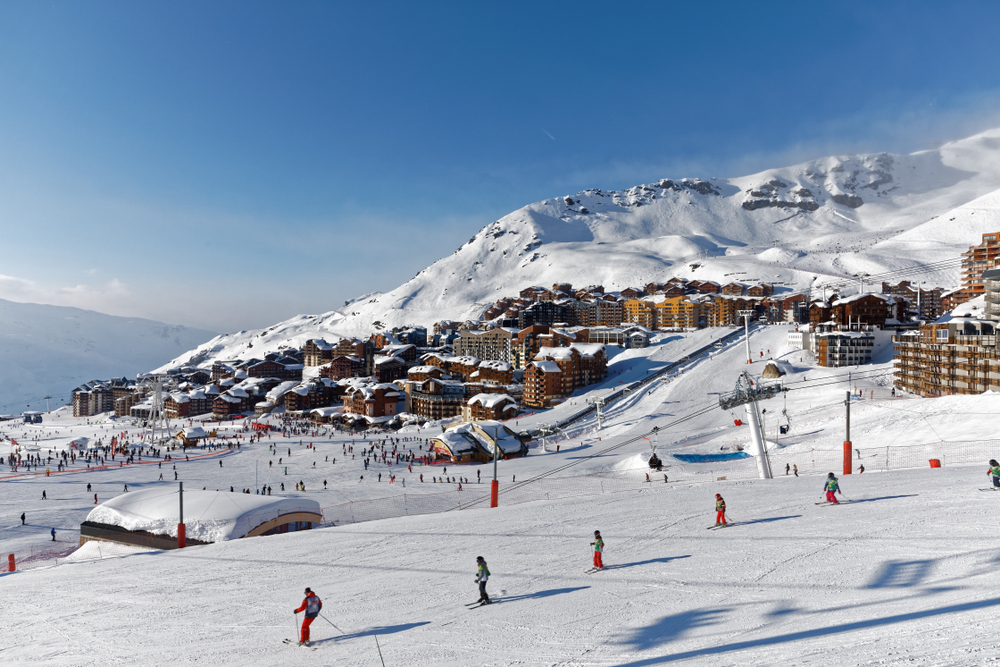
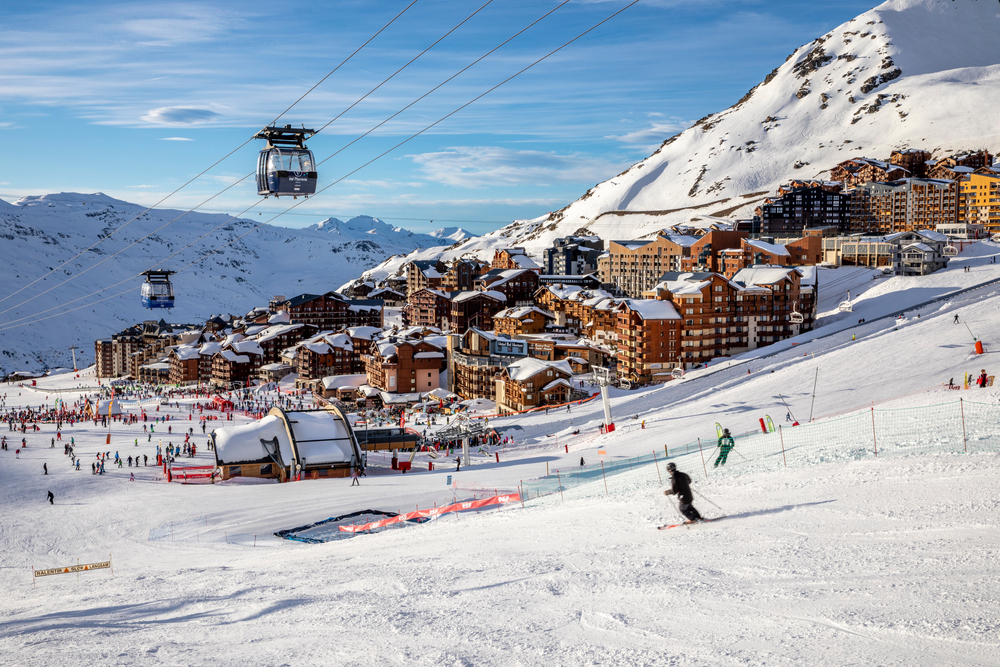
Val Thorens is one of those ski resorts that makes a strong first impression.
Sitting at 2,300 metres, it is the highest resort in Europe and forms part of the huge Les 3 Vallées ski area, with 600 kilometres of connected pistes.
The local Val Thorens-Orelle area alone has around 150 kilometres of skiing.
But the altitude isn’t the only reason we keep coming back to this part of the French Alps.
Val Thorens has skiing for all levels, excellent lift connections, a long season and plenty to do when you take your skis off.
It’s also a good option for families and mixed groups where everyone doesn’t necessarily want to spend the whole day on the slopes.
We’ve skied in many of the major resorts across the Alps, so in this guide we’re going beyond simply listing pistes and hotels.
We’ll look at what Val Thorens is actually like, who it’s best suited to, when to go, where to stay, how to get there and whether you really need a Three Valleys ski pass.
So, if you’re considering Val Thorens for the 2026/27 ski season, here’s everything you need to know before you book.
Table of Contents
We can plan your Dream Ski Trip to Europe: Custom Itineraries for the Perfect winter Holiday.
With over 25 years of experience skiing in over 50 different ski resorts in Europe, we can help you plan your perfect winter escape.
Planning a ski trip to Europe can be exciting, but choosing the right resort and organising the perfect itinerary can quickly become overwhelming.
That’s where we come in.
We offer a personalised planning service that helps you decide exactly where to ski, based on your style, budget, and experience.
“Plus, we can help you plan a fun week of European sightseeing around your ski trip, making your winter holiday easier, smoother, and full of unforgettable memories.”
“Let us plan your perfect trip with a custom itinerary designed just for you.
Fill out the form and let’s begin your dream.”
The Val Thorens Ski Area
One of the biggest advantages of staying in Val Thorens is that you don’t have to choose between a great local ski area and access to a much larger one.
You have both on your doorstep.
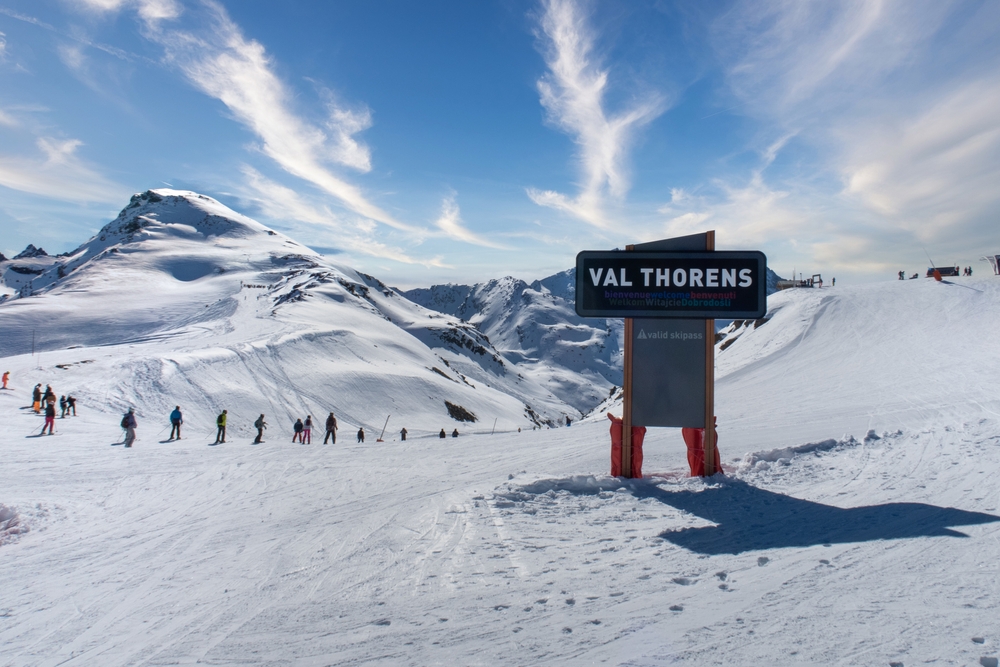
The Val Thorens–Orelle ski area has around 150 kilometres of pistes, with 12 green, 35 blue, 28 red and 8 black runs.
Around 90% of the area is above 2,000 metres, which is a big part of its appeal for anyone looking for good snow conditions throughout a long season.
But this is where things get really interesting.
Val Thorens is part of Les 3 Vallées, the world’s largest interconnected ski area, with around 600 kilometres of pistes spread across seven resorts.
With the full Three Valleys pass, you can ski across Val Thorens, Méribel, Courchevel, Les Menuires, Saint-Martin-de-Belleville, Orelle and Brides-les-Bains without taking your skis off between the connected areas.
That gives you an enormous amount of choice.
You could spend several days skiing around Val Thorens and Orelle without feeling that you’ve run out of terrain, or use the Three Valleys pass to venture further into the neighbouring valleys.
Val Thorens–Orelle: 150 km
For many people, the local pass will be more than enough.
The skiing ranges from gentle green and blue pistes to steeper red and black runs, with plenty of terrain for intermediate and advanced skiers.
It’s also a good option if you’re skiing for just a few days or don’t particularly want to spend your holiday covering huge distances.
Les 3 Vallées: 600 km
If you’re staying for a week and enjoy exploring, the full Three Valleys area is where Val Thorens really earns its reputation.
You can ski over to Méribel and Courchevel, explore the Belleville Valley or head towards Les Menuires and Saint-Martin-de-Belleville.
The scale of the area means you can ski somewhere different almost every day.
And you don’t need to be an expert to enjoy it.
Around half of the pistes in Les 3 Vallées are classified as green or blue, so there is plenty of easier terrain alongside the more challenging runs.
So, which ski area should you choose?
This is something we’ll come back to in more detail when we look at Val Thorens vs the Three Valleys ski pass, because you don’t necessarily need to pay for the biggest pass simply because it’s available.
If you’re staying for a few days, are a beginner or prefer to stay close to the resort, Val Thorens–Orelle may be all you need.
If you’re an intermediate or advanced skier staying for a week and want to explore, the Three Valleys pass gives you a huge amount of terrain to discover.
And that’s one of the things I really like about Val Thorens — you can make the ski holiday as big or as relaxed as you want.
Wear a SKI HELMET, especially if you’re a beginner or in the snow parks and remember to pack your SKI GOGGLES
What Is the Skiing Like in Val Thorens?
One of the best things about Val Thorens is the variety.
You can be a complete beginner, an intermediate skier who wants to explore for a week, or an experienced skier looking for steeper terrain, and there is plenty to keep you busy.
The resort also makes it relatively easy to progress.
Beginners have dedicated areas and free covered magic carpets to get started, while more experienced skiers can quickly move into the wider Val Thorens-Orelle area and, with the right lift pass, explore the rest of Les 3 Vallées.
More than half of the pistes across the Three Valleys are green or blue.
Skiing for Beginners
Yes, Val Thorens can be a very good choice for beginners — although I wouldn’t say it’s the only resort I’d recommend for a first ski holiday.
The resort has dedicated beginner areas with wide, gentle slopes, and four covered magic carpets that beginners can use free of charge while they learn their first turns.
Once you’re ready to progress, the EasyRider beginner pass gives access to additional lifts and suitable green and blue runs.
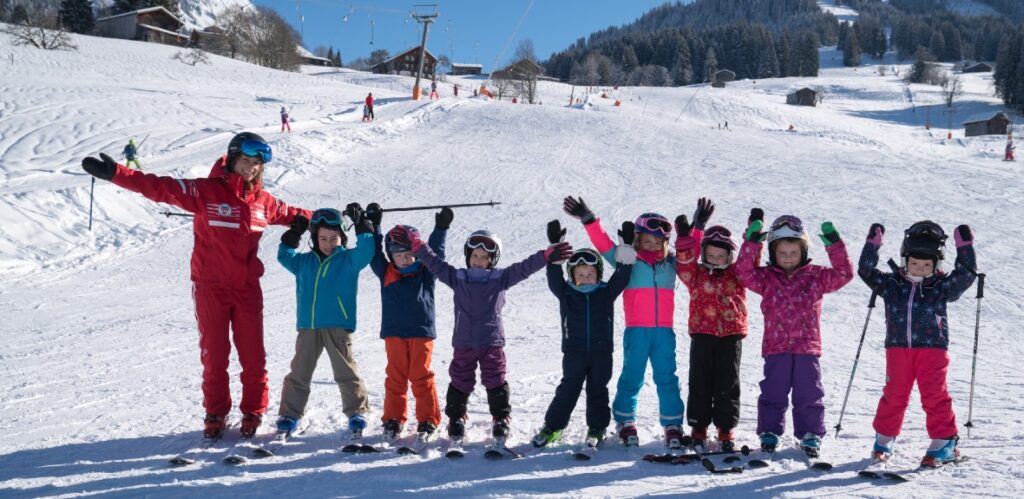
There are also several ski schools offering lessons for adults and children, including ESF, Prosneige and Evolution 2.
During school holidays, lessons can be in high demand, so booking ahead is sensible.
For a first-timer, I’d take lessons rather than trying to learn from family or friends.
It makes those first few days much easier and, more importantly, helps you build confidence safely.
Skiing for Intermediate Skiers
This is where Val Thorens really starts to shine.
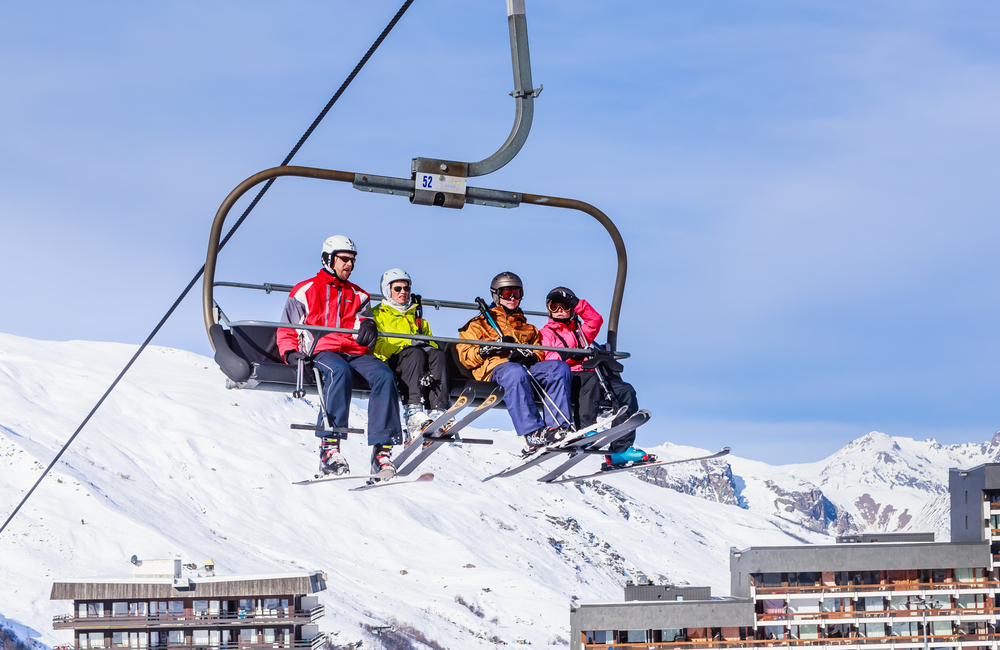
If you’re comfortable on blue runs and beginning to enjoy reds, you’ll have a huge amount of terrain to explore.
The local Val Thorens-Orelle area gives you around 150 km of pistes, while the full Three Valleys pass opens up approximately 600 km across seven interconnected resorts.
For us, this is one of the biggest attractions.
You can spend a day exploring Val Thorens, head across to Les Menuires another day and then make your way towards Méribel or Courchevel when you fancy a change.
You don’t need to be an expert to enjoy the Three Valleys.
A confident intermediate skier can spend a week exploring without coming close to skiing everything.
Skiing for Advanced Skiers
Experienced skiers won’t be short of challenges either.
Val Thorens has steeper pistes, high-altitude terrain and access to a huge amount of more demanding skiing throughout Les 3 Vallées.
There are also off-piste opportunities, although these are best tackled with a qualified guide or instructor if you’re unfamiliar with the area.
One thing I particularly like about skiing here is that you don’t have to spend every day chasing difficult runs.
You can mix challenging skiing with long cruising days and explore a different part of the Three Valleys when the legs need a break.
So, Who Is Val Thorens Best For?
I’d say Val Thorens is particularly good for intermediate skiers and mixed groups, where everyone has slightly different abilities.
Beginners have dedicated areas and ski schools, intermediates have an enormous amount of terrain to explore, and advanced skiers have plenty of challenging options.
And because there are activities, restaurants, spas and other things to do away from the slopes, non-skiers don’t have to feel as though they’ve been dropped into a resort where everyone disappears onto the mountain at 8.30 every morning.
Val Thorens or the Three Valleys Ski Pass: Which Do You Need?
One of the first decisions you’ll need to make when booking a ski holiday in Val Thorens is which lift pass to buy.
And this is where it can get confusing.
You can ski the Val Thorens–Orelle area with a local pass, or pay more for access to the entire Les 3 Vallées ski area, which includes Val Thorens, Méribel, Courchevel, Les Menuires, Saint-Martin-de-Belleville, Orelle and Brides-les-Bains.
The full area has around 600 kilometres of pistes.
Val Thorens–Orelle Ski Pass
For many visitors, this is all you’ll need.
The local ski area has around 150 kilometres of pistes, and you can spend several days skiing here without feeling that you’ve missed out.
I’d particularly consider this pass if you’re:
- A beginner or still building confidence
- Staying for only a few days
- Travelling with children
- Happy to ski mainly around Val Thorens
- Looking to keep the cost of your holiday down
You don’t have to buy the biggest pass simply because you’re staying in the biggest ski area.
Three Valleys Ski Pass
The full Three Valleys pass gives you access to the 600 km interconnected ski area, including Méribel and Courchevel.
I’d choose this if you’re a confident intermediate or advanced skier, staying for a week or longer and want to explore as much of the area as possible.
For us, this is where the Three Valleys really makes sense. You can ski somewhere different almost every day and still have plenty left to explore.
The full Three Valleys area is scheduled to operate from 5 December 2026 to 18 April 2027, while Val Thorens and Orelle have the longer season, from 21 November 2026 to 2 May 2027.
Which Pass Would We Choose?
For a first-time visitor staying a week, I’d base the decision on your skiing ability rather than simply buying the Three Valleys pass because it’s the famous option.
Beginners: Val Thorens–Orelle is likely to be plenty.
Intermediate skiers: If you’re staying for a week, I’d seriously consider the Three Valleys pass. The extra terrain gives you much more freedom to explore.
Advanced skiers: The Three Valleys pass is the obvious choice if you want to make the most of the whole area.
Short stay: Stick with Val Thorens–Orelle unless you specifically want to explore beyond the local area.
And there’s another thing worth knowing: prices and special offers change, so check the official lift-pass website before booking rather than relying on an old price from a travel blog.
The official 2026/27 Three Valleys site currently lists a 6-day adult pass at €421, while shorter and special-rate passes are also available.
I always carry a DAY BACKPACK when skiing, as well as a WATER BOTTLE. It keeps me hydrated all day long on the slopes.
Best Time to Ski Val Thorens
One of the big advantages of Val Thorens is its long season.
Because the resort sits at 2,300 metres, it tends to hold its snow well into spring, and the 2026/27 Val Thorens-Orelle season is scheduled to run from 21 November 2026 to 2 May 2027.
But the best time to visit depends on what you’re looking for.
Do you want a Christmas ski holiday, the best possible snow, quieter slopes, sunny spring skiing, or better prices?
Here’s how we’d break it down.
December – Best for Christmas
If you’ve always fancied spending Christmas in the mountains, Val Thorens is one of the better choices.
The high altitude gives you a good chance of snow around the resort, although no Alpine resort can guarantee natural snowfall on a particular date.
Christmas and New Year are also among the busiest and most expensive weeks of the season, so you’ll want to book accommodation and ski school well ahead.
Best for: Christmas atmosphere, families and festive ski holidays.
January – Our Pick for Skiing
January is one of our favourite times to ski in Val Thorens.
Once the Christmas and New Year crowds have gone home, the resort becomes noticeably quieter, while the cold temperatures are generally good for maintaining the snow.
It’s also a great time if you’re trying to keep the cost of your ski holiday under control, as accommodation and lift passes can be better value outside the school holidays.
The official Val Thorens site currently highlights January as a quieter period with good snow conditions.
The downside?
It can be very cold. At 2,300 metres, winter temperatures can drop well below freezing, so good layers, gloves and a decent neck warmer are essential.
Best for: Snow quality, quieter slopes, confident skiers and better value.
February – Best for Families
February is the classic family ski month, largely because of the European school holidays.
Snow conditions are generally excellent, but this is also when Val Thorens gets busy.
The official resort information specifically highlights Christmas/New Year and February as the busiest periods.
If you’re travelling with children, book ski lessons and accommodation early. The most popular weeks can fill up well in advance.
Best for: Families tied to school holidays and anyone who enjoys a lively resort atmosphere.
March – Best All-Rounder
March is a lovely time to ski in Val Thorens.
The days are getting longer, temperatures are usually more pleasant and, once the February school holidays have finished, the slopes can become considerably quieter.
You also still have the advantage of Val Thorens’ high altitude and its long-lasting snow cover.
Early March is particularly appealing if you want a balance between winter snow and longer, sunnier days.
Best for: A mix of good snow, longer days and more comfortable temperatures.
April – Best for Spring Skiing
Don’t overlook April.
This is actually one of the periods I’d seriously consider for Val Thorens.
The days are longer, there’s more sunshine and you can sit outside for lunch without feeling as though you’re wrapped up for an Arctic expedition.
The resort’s altitude means skiing can remain very good late into the season, and the official resort highlights April for good snow, quieter slopes, longer days and end-of-season offers.
The snow will often be firmer early in the morning and softer later in the day, so get out early and make the most of the higher slopes before settling down for a long lunch in the sunshine.
Best for: Spring skiing, sunshine, quieter slopes and a more relaxed holiday.
So, When Would We Go?
If snow reliability is your number-one priority, I’d choose January through early March.
If you’re tied to Christmas, Val Thorens is one of the resorts we’d consider because of its altitude.
If you want the best balance of skiing, sunshine and longer days, I’d seriously look at March or early April.
And if you’re not tied to school holidays, January is probably our sweet spot — good snow, fewer people and generally better value.
Car rental – If you plan to visit the snow, a rental car is invaluable.
At a Glance
| Month | Best for | Crowds | Our take |
|---|---|---|---|
| December | Christmas | High | ⭐⭐⭐⭐ |
| January | Snow & quieter slopes | Low | ⭐⭐⭐⭐⭐ |
| February | Families | High | ⭐⭐⭐⭐ |
| March | Best all-rounder | Medium | ⭐⭐⭐⭐⭐ |
| April | Spring skiing | Lower | ⭐⭐⭐⭐⭐ |

Is Val Thorens Right for You?
Families
Val Thorens can be a very good choice for families, particularly if skiing is the main reason for the trip.
The resort has dedicated beginner areas, ski schools for children and plenty of accommodation close to the slopes.
Not having to walk a long distance or catch a bus every morning can make a big difference when you’re carrying skis, boots and tired children.
The high altitude is another advantage if you’re travelling during the Christmas or Easter holidays, when snow conditions lower down the mountain can be less predictable.
That said, Val Thorens isn’t the cheapest family ski resort in the Alps, particularly during school holidays. I’d book accommodation and ski lessons well in advance if you’re travelling at Christmas or in February.
Couples
For couples, it really depends on the type of ski holiday you want.
If you both enjoy skiing and like having a huge amount of terrain to explore, Val Thorens is an excellent choice.
You can ski together during the day, head over to another part of the Three Valleys for lunch and then come back for après-ski.
There are also plenty of restaurants, bars and spas, so you don’t have to spend every evening sitting in your hotel.
If, however, you’re looking for a romantic old Alpine village, Val Thorens probably wouldn’t be our first choice. It’s a modern, purpose-built resort, and there are prettier villages in the French Alps.
Beginners
Beginners are well catered for, with dedicated learning areas, gentle slopes and several ski schools.
I’d still say choose your accommodation carefully. Staying close to the beginner slopes and ski school meeting points can make those first few days much easier.
And don’t feel pressured into buying the full Three Valleys pass on day one.
You can learn perfectly well around Val Thorens before deciding whether you want to explore further.
Intermediate & Advanced Skiers
This is where Val Thorens really comes into its own.
Confident intermediates can spend days exploring the local area and then venture into Méribel, Courchevel and the other Three Valleys resorts.
Advanced skiers have challenging pistes and access to off-piste terrain, although I’d always recommend using a qualified local guide if you’re unfamiliar with the mountain.
For a week-long ski holiday, we’d say confident intermediates are probably the biggest winners here.
Non-Skiers
And this is something I think is often overlooked.
You don’t have to ski every day to enjoy Val Thorens.
There are spas and wellness centres, snowshoeing, sledging, ice driving, the Cosmojet toboggan run and the La Tyrolienne zip line, along with plenty of restaurants and cafés.
So if you’re travelling with someone who skis all day while you’d rather have a slower morning, long lunch or spa afternoon, there are plenty of ways to spend your time.
Who Might Not Love Val Thorens?
I’d think twice about choosing Val Thorens if:
- You want a traditional French Alpine village
- You don’t enjoy busy resorts
- You’re looking for a budget ski holiday
- You’re travelling mainly for nightlife rather than skiing
- You don’t like being at high altitude
For us, Val Thorens is about the skiing first. The altitude, huge connected ski area and long season are the main reasons we’d choose it.
If your priority is a beautiful village, quiet evenings and traditional Alpine architecture, there are other resorts we’d put ahead of it.
Val Thorens Après-Ski: What Is It Really Like?
Val Thorens has one of the liveliest après-ski scenes in the French Alps, so if you enjoy finishing your ski day with music, drinks and a bit of a party, you’ll have plenty of choice.
But you don’t have to be a party animal to enjoy it.
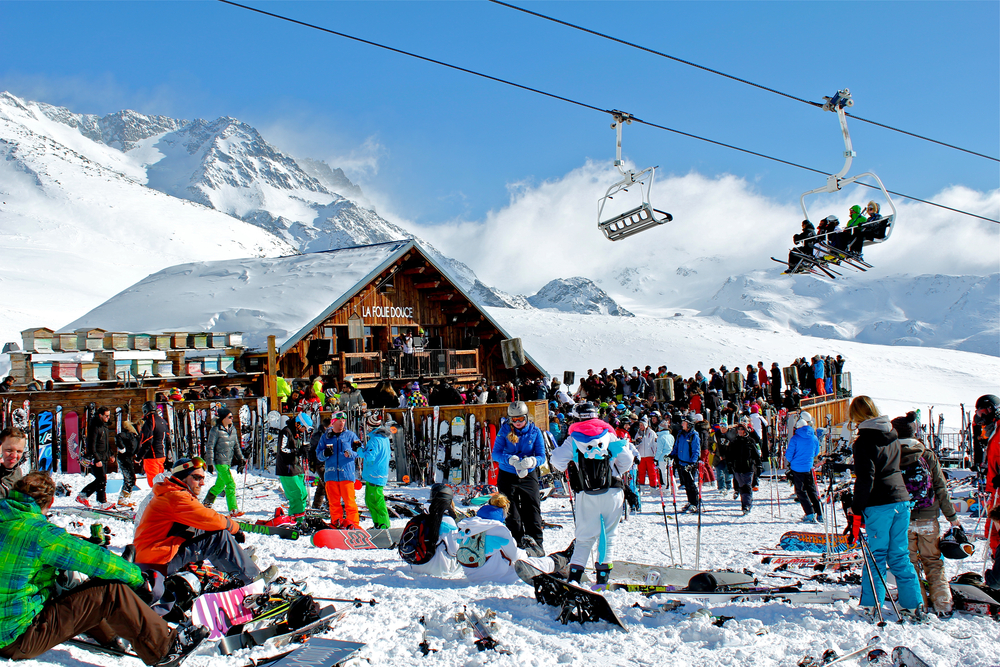
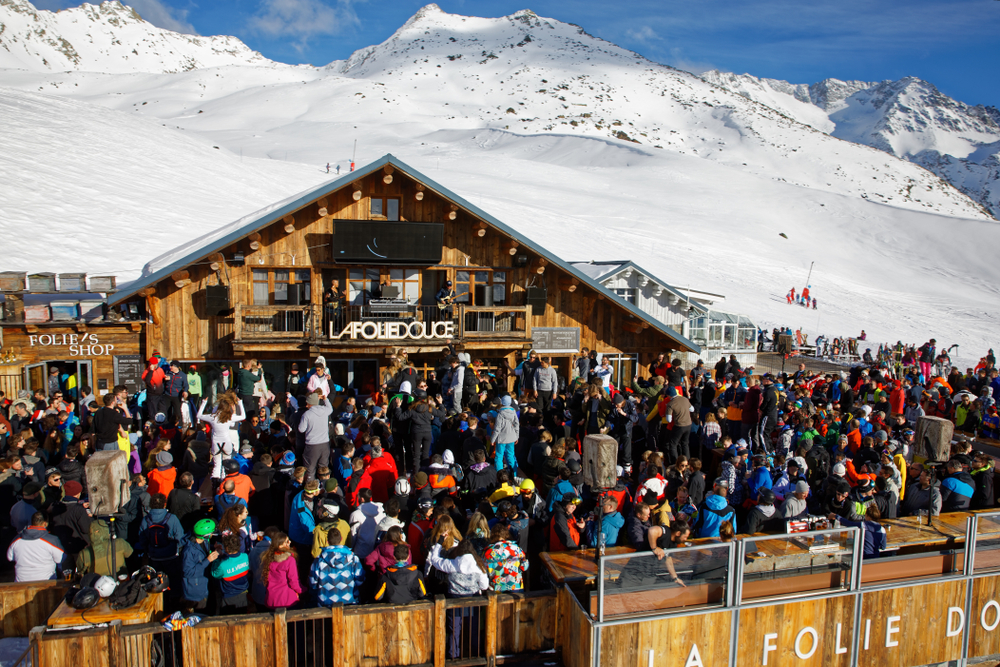
La Folie Douce
La Folie Douce is probably the name you’ll hear most often.
Located up on the mountain, it’s famous for its afternoon music, DJs, dancing and live performances.
On a sunny day, the terrace can turn into a full-on party while you’re still wearing your ski boots.
It’s definitely worth experiencing at least once, even if you’re not someone who normally goes looking for après-ski.
Our tip:
don’t leave it until the last minute. Check the lift closing times and make sure you know how you’re getting back to the resort afterwards.
360 Bar
If you want something lively but with a great mountain setting, 360 Bar is another popular choice.
It’s a good place to stop for a drink after skiing and enjoy the views before heading back into the resort.
Malaysia
For those who want to carry the night on, Malaysia is one of Val Thorens’ best-known late-night venues.
It’s very different from a quiet Alpine bar and is aimed squarely at people who want to keep the party going after the lifts have closed.
What If You Don’t Want a Party?
This is where I think Val Thorens gets a little misunderstood.
You don’t have to spend your evenings in nightclubs.
There are plenty of bars, restaurants and hotel lounges where you can have a quiet drink or dinner, and the resort has enough choice that couples, families and mixed groups can easily do their own thing.
For us, that’s the ideal situation. A lively après-ski scene is great to have, but we don’t necessarily want to be dancing on a table every afternoon.
Is Val Thorens Good for Après-Ski?
If après-ski is important to you, yes.
It’s one of the resort’s strengths.
But I’d describe it as lively rather than sophisticated.
If you’re looking for a quiet glass of wine beside a roaring fire in a traditional mountain village, we’d choose somewhere else.
If you want skiing during the day and plenty happening afterwards, Val Thorens is a very good fit.
Things to Do in Val Thorens Besides Skiing
One of the things we like about Val Thorens is that you don’t have to spend every day skiing from the first lift opening until the last one closes.
Whether you’re travelling with a non-skier, have young children, or simply fancy giving your legs a day off, there are plenty of other things to do around the resort.
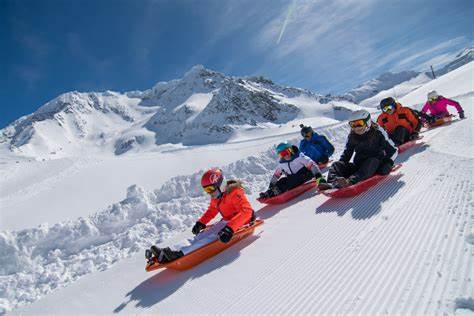
Cosmojet Toboggan Run
If you want something that’s a little more exciting than simply taking a walk through the snow, Cosmojet is a great option.
The 6-kilometre toboggan run winds down the mountain, making it one of the resort’s most popular activities away from skiing.
It’s a good choice for families and anyone who wants a bit of adrenaline without putting on a pair of skis.
Ice Driving
Fancy trying something completely different?
Val Thorens has an ice driving circuit, where you can get behind the wheel and try driving on a specially prepared icy track.
It’s particularly fun if you’re travelling with someone who isn’t interested in skiing but still wants a proper winter activity.
Snowshoeing
For something much quieter, snowshoeing lets you explore the mountains away from the pistes.
You can join a guided outing or follow designated routes around the resort, depending on conditions.
This would be one of our choices for a slower afternoon. There’s something nice about getting away from the lifts and simply enjoying the mountain scenery.
Spa & Wellness
After a few days of skiing, a spa afternoon can sound very appealing.
Val Thorens has a good selection of hotels and wellness centres with facilities such as saunas, steam rooms, pools and treatments.
And if you’re travelling with a non-skier, this can easily become part of the holiday rather than simply something to do when the weather is bad.
La Tyrolienne Zip Line
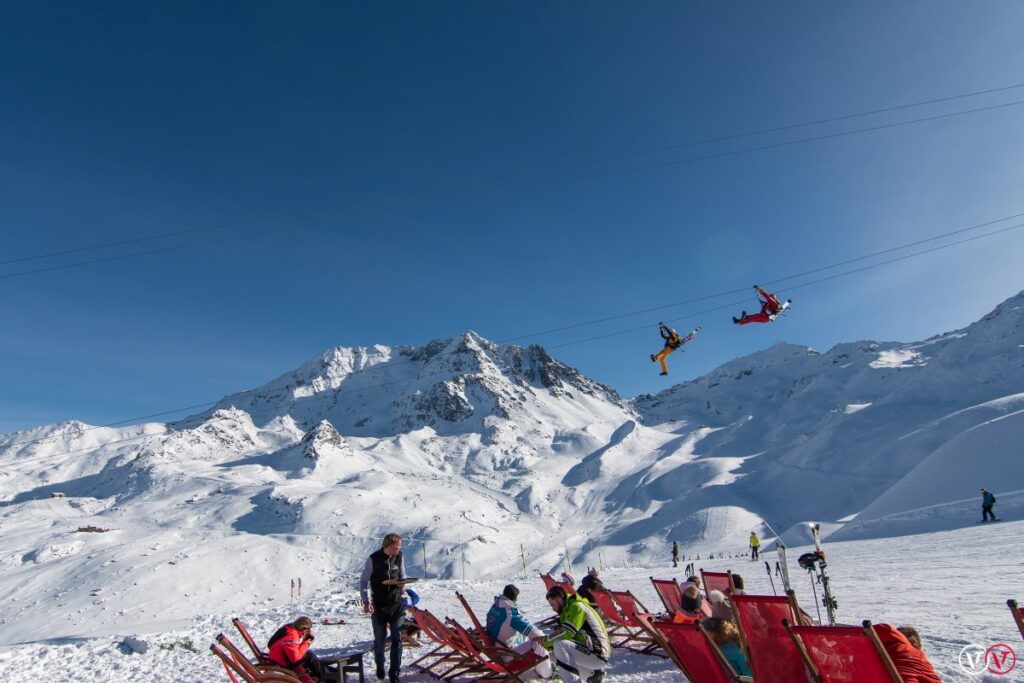
For something more adventurous, La Tyrolienne is a high-altitude zip line crossing the mountain between Val Thorens and Orelle.
It’s certainly not for anyone nervous about heights, but if you’re looking for something different from skiing, it’s quite an experience.
Simply Enjoy the Resort
And sometimes you don’t need to book an activity at all.
Have a long lunch, wander around the resort, sit in a sunny café or enjoy the views from one of the mountain terraces.
A ski holiday doesn’t have to be a competition to see how many hours you can spend on the slopes.
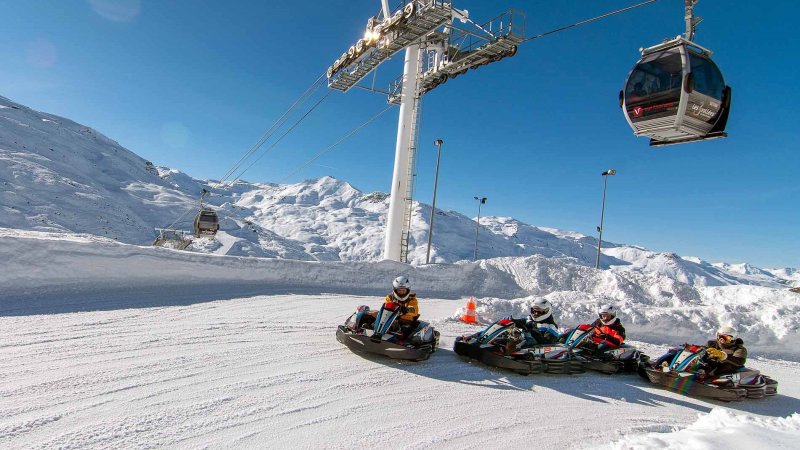
Where to Stay in Val Thorens
One of the easiest things about staying in Val Thorens is that you don’t have to spend your holiday travelling back and forth to the slopes.
The resort was built with skiing in mind, and a large amount of the accommodation is ski-in/ski-out or very close to the pistes.
The bigger question is where in Val Thorens should you stay?
The resort is compact, but it is built on a series of slopes and different areas have a slightly different feel.
If you’re here for the après-ski and want restaurants and bars on your doorstep, I’d look around the centre.
If getting onto the slopes as quickly as possible is your priority, look for accommodation directly on the piste.
Stay Near the Centre – Best for Restaurants and Après-Ski
The Grande Rue and Place Caron area is the heart of Val Thorens, with restaurants, shops, ski hire and much of the nightlife within easy reach.
This is where I’d look if it’s your first visit, you’re travelling with friends, or you don’t want to walk far for dinner or a drink after skiing.
The trade-off is that the most central accommodation can be in high demand during the busiest weeks.
Ski-In/Ski-Out – Best for Skiers
If convenience is your number-one priority, look for genuine ski-in/ski-out accommodation.
There are plenty of hotels and residences directly beside the slopes, meaning you can put your skis on and head straight out rather than carrying your equipment across the resort.
This is particularly useful for families, beginners and anyone who doesn’t fancy a daily hike in ski boots.
Balcons and the Quieter Areas – Best for a More Relaxed Stay
The higher areas and Balcons side can be a good choice if you’d prefer a quieter base with good access to the slopes.
You’re still close to the action, but you’re not necessarily right in the middle of the bars and restaurants.
I’d particularly consider this for families, couples or anyone who’d rather have a quieter evening after a full day on the mountain.

Our Val Thorens Hotel Picks
Rather than giving you a huge list of hotels, I’d keep this to around five or six really good choices and give each one a clear reason for being there.
Best Luxury: Hotel Pashmina Le Refuge
Hotel Pashmina Le Refuge is a strong luxury choice, with ski-to-door access, a spa and high-end facilities. It currently has a 9.5/10 guest score on Booking.com, based on more than 100 reviews.
Best Ski-In/Ski-Out Luxury: Altapura
Altapura is another excellent option if you want to make skiing as easy as possible. The official Val Thorens accommodation listings include it among the resort’s slopeside properties.
Best for Après-Ski: Fahrenheit Seven
Fahrenheit Seven Val Thorens is right in the resort and combines ski access with a livelier atmosphere. It’s a good option if you want to be close to the action rather than retreating somewhere quiet after skiing.
Best for Families and Groups
For families and groups, apartments can make a lot of sense in Val Thorens. You get more space, kitchen facilities and the option of preparing some meals yourself, which can help keep the cost of a ski holiday under control.
Booking tip:
Don’t just filter for “ski-in/ski-out.” Check exactly where the property sits on the resort map and how you’ll get to the ski school, lifts, restaurants and shops. A property can be technically ski-in/ski-out and still be less convenient for your particular holiday.
At a Glance
First visit? Stay central.
Want true ski-in/ski-out? Prioritise slopeside accommodation.
Travelling with family? Look at apartments and quieter areas.
Want nightlife? Stay near Place Caron.
Want peace and views? Look towards Balcons.

Where to Eat in Val Thorens
For a ski resort of its size, Val Thorens has a surprisingly good choice of places to eat, from simple mountain lunches to Savoyard favourites, more upmarket restaurants and lively spots where lunch can easily turn into après-ski.
The big decision is where you want to eat.
If you’ve got your skis on and want to maximise your time on the mountain, there are plenty of restaurants directly on the pistes.
If you’re staying in the village, you’ll find everything from casual cafés to restaurants serving traditional Alpine dishes.
Best Mountain Restaurants
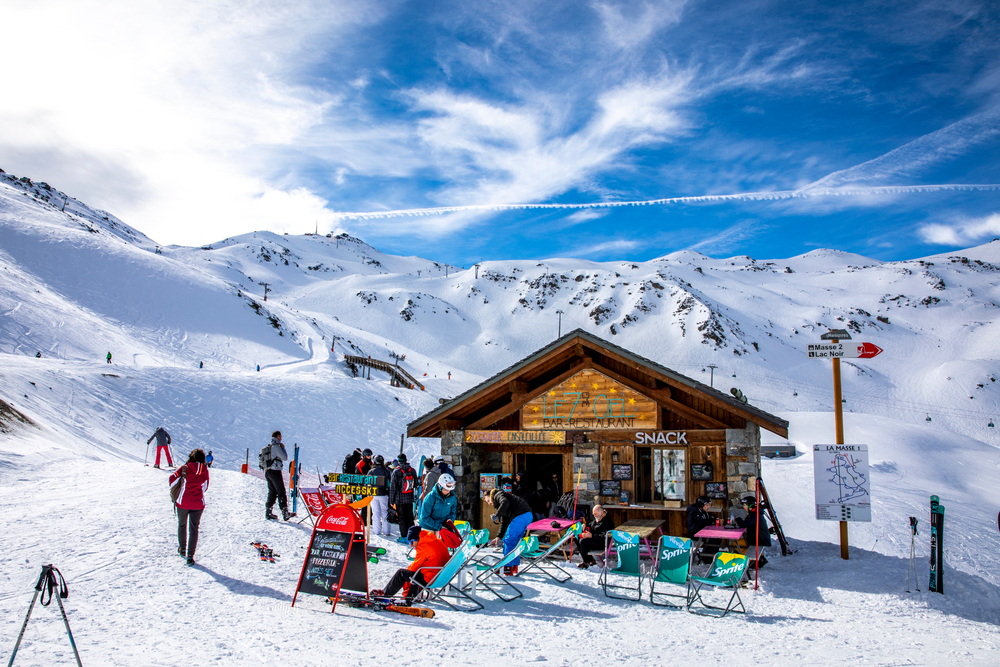
One of the best things about skiing in Val Thorens is being able to stop for lunch without having to ski all the way back to the resort.
The official resort currently lists a wide choice of altitude restaurants, including La Fruitière, Chalet de la Marine, Les Chalets du Thorens and Chalet des 2 Lacs.
Chalet de la Marine is one I’d put high on the list for a special lunch.
At 2,500 metres, it combines a more refined restaurant with a simpler bistro option, so you don’t necessarily have to commit to a long gourmet lunch. It’s also accessible on skis.
If you want something more lively, La Fruitière at La Folie Douce combines food with the famous après-ski atmosphere.
The restaurant has a panoramic terrace, while La Folie Douce itself brings music and entertainment into the afternoon.
Traditional Savoyard Food
You can’t come to the French Alps without trying some of the local dishes.
Look out for fondue, raclette, tartiflette and other hearty mountain dishes.
After several hours skiing in the cold, these are exactly the sort of meals that make sense.
Restaurant Chez Pépé Nicolas is one worth considering if you want a more traditional mountain setting away from the busiest part of the resort.
Eating in the Resort
If you’d rather stay in the village after skiing, there are plenty of choices around the centre.
La Maison is a popular central option, while Alpen Art is another restaurant worth considering around Place de Caron.
For something a little more casual, Winter Café is another option for lunch or an evening meal.
A Special-Occasion Dinner
If you’re celebrating something or simply want a more memorable evening, I’d look at one of the resort’s higher-end restaurants rather than automatically choosing the busiest après-ski venue.
Le Diamant Noir is one of the more upmarket options in the resort.
Book ahead during Christmas, New Year and the February school holidays. Popular restaurants can get very busy during these weeks.
Our Tip for Eating in Val Thorens
Don’t make the mistake of thinking every ski lunch has to be a long, expensive affair.
Some days you’ll want a proper mountain lunch with a glass of wine and a view.
Other days, you’ll just want something quick so you can get back on the slopes.
That’s why I like having a mixture of options.
Special lunch: Chalet de la Marine
Après-ski lunch: La Fruitière / La Folie Douce
Traditional Alpine food: Chez Pépé Nicolas
Central evening meal: La Maison or Alpen Art
And I’d definitely book your favourite restaurants before you arrive if you’re travelling during a peak week.
Some mountain restaurants also have specific access arrangements or require advance booking, so don’t leave it until you’re already halfway up the mountain.

How to Get to Val Thorens
Val Thorens is high in the Alps, but getting there is fairly straightforward once you know which route makes the most sense for you.
You can arrive by plane, train, bus or car, with several airports serving the resort. The nearest railway station is Moûtiers–Salins–Brides-les-Bains, about 37 km from Val Thorens.
Flying to Val Thorens
The four main airports are:
- Chambéry – 122 km
- Grenoble – 194 km
- Lyon Saint-Exupéry – 199 km
- Geneva – 201 km
From all four, you can continue by shared shuttle, private transfer, taxi or rental car.
For most international visitors, Geneva and Lyon are likely to be the most practical choices, simply because they have a much wider range of flights.
During winter, transfers can take considerably longer than the road distance suggests, particularly on Saturdays and when there is heavy snow or traffic.
So don’t plan your arrival based solely on the advertised driving time.
Taking the Train to Val Thorens
If you prefer not to drive in the mountains, I’d seriously consider the train.
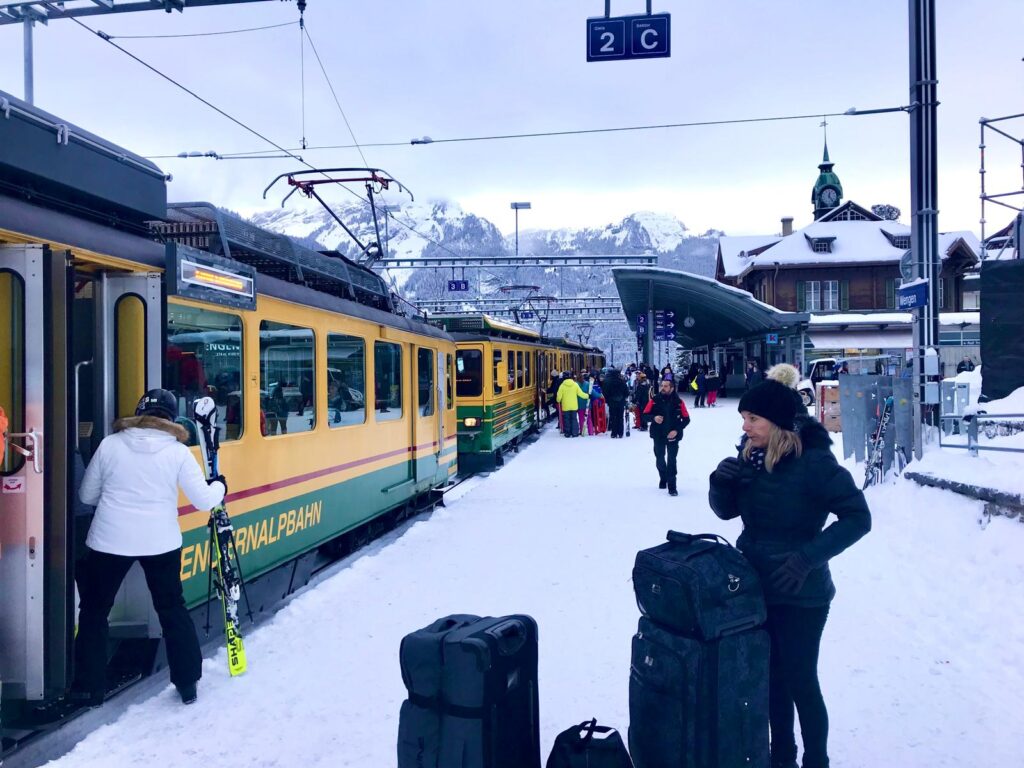
Your destination is Moûtiers–Salins–Brides-les-Bains, the closest railway station to Val Thorens. From there, regular shuttle services connect with the resort, and taxis and private transfers are also available.
The official Val Thorens site currently lists Moûtiers as just 37 km from the resort, with the S63 shuttle connecting the station with Val Thorens.
This can be a particularly good option if you’re travelling from elsewhere in France or arriving by train from London or other European cities.
Driving to Val Thorens
If you’re driving, the usual route is via Albertville and Moûtiers, followed by the D117 up to Val Thorens.
And this is one place where I wouldn’t take chances.
Winter equipment is compulsory in French mountain areas, with either suitable winter tyres or approved snow chains/socks required.
The resort recommends being properly equipped throughout the winter season.
If there’s heavy snow, the final climb can be slow, so allow plenty of extra time.
There are covered car parks in Val Thorens, and the resort recommends reserving parking in advance during busy periods.
Getting From Orelle to Val Thorens
There’s another interesting option if you’re approaching from the Maurienne Valley.
You can drive to Orelle, park there and use the lifts to reach Val Thorens. The journey takes around 45 minutes by the connected lifts, including the route over Cime Caron.
This isn’t the option I’d recommend for everyone with luggage, but it’s worth knowing about if you’re approaching from that side of the Alps.
What’s the Best Way to Get to Val Thorens?
For us, I’d break it down pretty simply:
Flying: Geneva or Lyon + pre-booked transfer
Travelling by train: Train to Moûtiers + shuttle or private transfer
Driving from elsewhere in Europe: Drive via Albertville and Moûtiers, but make sure your car has the required winter equipment
Want the easiest option: Pre-book a private transfer directly to your accommodation
And I’d book your onward transfer before you arrive, particularly if you’re travelling during Christmas, New Year or the February school holidays.
Car rental – If you plan to visit the snow, a rental car is invaluable.
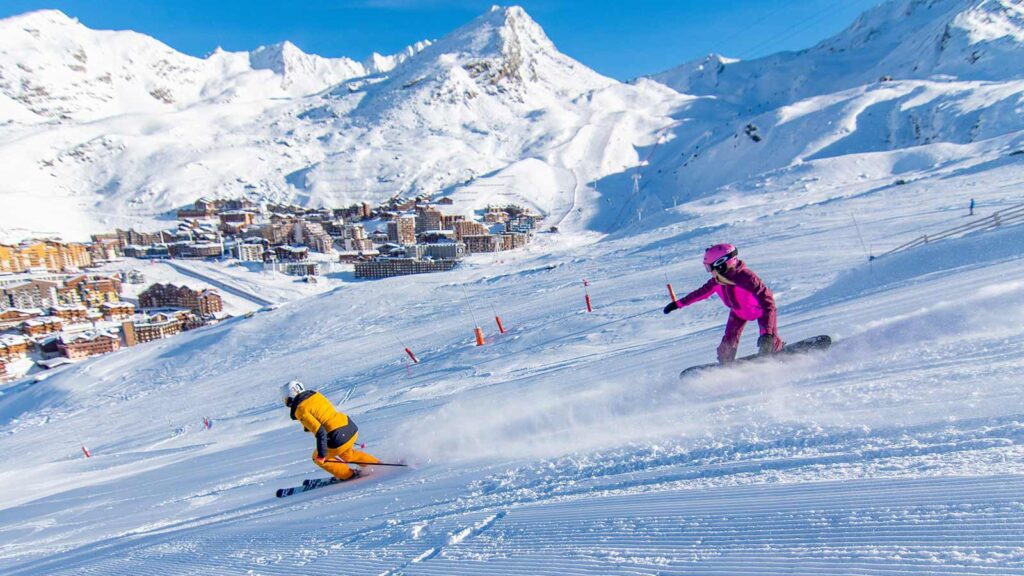
Planning Your Val Thorens Ski Holiday
Once you’ve chosen Val Thorens, there are a few things worth sorting out before you arrive.
A little planning can make the difference between spending your first morning skiing and spending it queuing for equipment, lift passes or ski school.
Book Early for Peak Weeks
If you’re travelling over Christmas, New Year or the February school holidays, don’t leave everything until the last minute.
Accommodation, ski schools, equipment hire and popular restaurants can fill quickly during these periods.
If you’re travelling outside the school holidays, you’ll generally have more flexibility and may find better deals, particularly for midweek stays.
Choose Your Ski Pass Carefully
Don’t automatically buy the full Three Valleys pass.
If you’re a beginner or staying for only a few days, the Val Thorens–Orelle pass may be all you need.
Confident intermediates and advanced skiers staying for a week will probably get much more from the full Three Valleys pass.
Book Ski School in Advance
If you’re a beginner or travelling with children, book ski lessons before you arrive.
This is especially important during Christmas and February, when the popular lesson times can disappear quickly.
And if you’re an adult beginner, don’t be embarrassed about taking lessons. A couple of days with a good instructor can make a huge difference to your confidence.
Don’t Forget the Altitude
Val Thorens sits at 2,300 metres, which is considerably higher than many Alpine resorts.
If you’re not used to altitude, take it a little easier on your first day.
Drink plenty of water, don’t try to ski from the first lift until the last on day one, and give yourself time to adjust.
You may notice the altitude more than you expect, particularly when you’re exercising.
Pack for the Conditions
You’ll want proper winter clothing rather than relying on layers of everyday clothes.
I’d make sure you have:
- A good waterproof ski jacket and trousers
- Thermal base layers
- Warm, waterproof gloves
- Ski socks
- Helmet
- Goggles
- Sunscreen
- Lip balm
- Warm après-ski boots
- A small backpack for the mountain
And don’t underestimate the sun.
At this altitude, UV exposure can be strong even when the temperature is well below freezing. Sunscreen and good sunglasses or goggles aren’t just for sunny days.
Check the Weather Before You Travel
Mountain weather can change quickly.
Check the forecast and live lift and piste information before heading out each morning, particularly if you’re planning to ski across the Three Valleys.
It’s also worth remembering that lifts can close temporarily because of high winds or poor weather.
That’s mountain skiing — sometimes you have to change your plans.
Consider Ski Insurance
This is something I would never leave without.
Regular travel insurance doesn’t necessarily cover skiing, and policies vary considerably when it comes to piste skiing, off-piste skiing, rescue costs, equipment and medical expenses.
Make sure your policy specifically covers the activities you’re planning to do.
We never ski without appropriate cover.
Car rental – If you plan to visit the snow, a rental car is invaluable.

Is Val Thorens Snow-Sure?
If snow reliability is high on your list when choosing a ski resort, Val Thorens is one of the safest choices in the Alps.
The resort sits at 2,300 metres, making it the highest ski resort in Europe, while 99% of the Val Thorens ski area is above 2,000 metres.
The ski area reaches around 3,200 metres, which is a major advantage when temperatures rise later in the season.
This is one of the main reasons we would consider Val Thorens for an early or late-season ski trip.
Why Is Val Thorens So Snow-Sure?
It’s mainly about altitude.
Higher slopes generally have better conditions for retaining snow, and Val Thorens has an unusually high proportion of its skiing at altitude.
The resort also has snowmaking covering around 40% of its ski area, providing additional support when natural snowfall is limited.
The local Val Thorens–Orelle ski area is scheduled to open from November 21, 2026, until May 2, 2027, giving it one of the longest ski seasons in Europe.
But there’s an important distinction here.
Snow-sure doesn’t mean guaranteed perfect skiing every single day.
Weather, wind and temperatures can still affect lift operations and snow conditions.
What Val Thorens gives you is a much better chance of finding good snow than many lower-altitude resorts.
What About Christmas?
This is one of the reasons Val Thorens is so popular for Christmas skiing.
At 2,300 metres, the resort has a strong advantage over lower resorts when you’re booking a holiday several months ahead and simply don’t know what the weather will bring.
If Christmas skiing is your priority, I’d put Val Thorens very high on the list.
What About April?
This is where the high altitude becomes particularly useful.
Spring skiing can be fantastic in the sunshine, but lower resorts can start to struggle as temperatures rise.
Val Thorens’ elevation means you can often continue skiing well into April, with the local season scheduled to run until May 2, 2027.
The resort even has a snow guarantee scheme for eligible six-day-or-longer ski passes. Under its conditions, if another European ski area has more connected slopes open because of lack of snow, eligible customers can receive credit for unused days.
That’s a pretty good indication of how confident Val Thorens is in its snow conditions.
So, Is Val Thorens Really Snow-Sure?
For us, yes — it’s one of the first resorts we’d look at if snow reliability was the priority.
It’s particularly attractive for:
- Christmas skiing
- Early-season skiing
- January and February
- March and April
- Skiers who don’t want to gamble on a low-altitude resort

Frequently Asked Questions About Val Thorens
Is Val Thorens good for beginners?
Yes. Val Thorens has dedicated beginner areas, gentle pistes and several ski schools. Beginners can start close to the resort before progressing onto longer blue runs as their confidence improves.
Is Val Thorens snow-sure?
Val Thorens is considered one of the most snow-reliable resorts in the Alps because of its high altitude. The village sits at 2,300 metres, with much of the ski area above 2,000 metres.
However, no ski resort can guarantee perfect conditions every day.
What is the best month to ski in Val Thorens?
January, March and early April are among our favourite times.
January is excellent for snow and quieter slopes, while March and early April bring longer days and more sunshine without giving up the advantages of Val Thorens’ high altitude.
Is Val Thorens good for Christmas skiing?
Yes. Its high altitude makes it one of the resorts we’d consider for a Christmas ski holiday.
Christmas and New Year are also extremely popular, though, so expect higher prices and busier slopes. Book accommodation, ski school and transfers well ahead.
How high is Val Thorens?
Val Thorens sits at 2,300 metres (7,546 feet) above sea level, making it the highest ski resort in Europe.
The lifts take skiers considerably higher, with the ski area reaching around 3,200 metres.
Is Val Thorens expensive?
Yes, it can be.
Val Thorens is not a budget ski destination, particularly during Christmas, New Year and the February school holidays.
You can reduce costs by travelling outside peak periods, staying in an apartment, cooking some meals yourself and choosing the Val Thorens–Orelle lift pass rather than automatically buying the full Three Valleys pass.
Can you ski from Val Thorens to Méribel and Courchevel?
Yes.
With the Three Valleys ski pass, you can ski between Val Thorens and the neighbouring resorts of Méribel and Courchevel using the interconnected lift and piste network.
Just keep an eye on the time when you’re exploring. You don’t want to discover you’ve missed the final lift back to Val Thorens!
Is Val Thorens good for non-skiers?
Yes. There are spas, restaurants, snowshoeing, sledging, ice driving, the Cosmojet toboggan run and the La Tyrolienne zip line.
It isn’t a resort I’d choose purely for a non-skiing holiday, but there’s enough to keep a non-skier occupied while the rest of the group is on the mountain.
How do you get to Val Thorens?
The nearest railway station is Moûtiers–Salins–Brides-les-Bains, around 37 km away.
You can also fly into Geneva, Lyon, Grenoble or Chambéry and continue by private transfer, shuttle or car.
Car rental – If you plan to visit the snow, a rental car is invaluable.
Is Val Thorens a good choice for a ski holiday?
If skiing and snow reliability are your priorities, absolutely.
It’s particularly strong for intermediate skiers, mixed-ability groups and anyone wanting access to the enormous Three Valleys ski area.
The main drawbacks are the price, busy peak periods and the fact that it’s a purpose-built resort rather than a traditional French Alpine village.

Ski Travel Insurance: Don’t Skip It
Skiing is one of those holidays where we really don’t think insurance is optional.
A normal travel insurance policy doesn’t automatically mean you’re covered for everything you might do on the mountain.
Check that your policy specifically covers skiing, medical treatment, mountain rescue, equipment and any activities you’re planning to take part in.
This becomes particularly important if you’re planning to ski off-piste, take part in snow sports or travel with expensive equipment, as the conditions and exclusions can vary considerably between policies.
We know from personal experience how important this can be.
When my wife broke her ankle skiing in Wengen, our insurance company was fantastic. They covered our expenses and made what could have been a very stressful situation much easier to deal with.
We’ve used SafetyWing for our own long-term travels since 2019, and it’s one of the companies we recommend travellers look at. But insurance isn’t one-size-fits-all, so read the policy carefully and make sure it covers the skiing you’re actually going to do.
Before You Buy Ski Insurance, Check:
- Piste skiing is covered
- Off-piste skiing is covered if you plan to do it
- Mountain rescue and evacuation are included
- Medical expenses are adequately covered
- Your ski equipment is covered
- Lift pass and equipment costs are covered if an accident prevents you skiing
- Travel delays and cancellations are covered
- Any pre-existing conditions are dealt with according to the policy terms
One important point: don’t assume that because a policy says it covers winter sports, every type of skiing is included. Always check the exclusions and conditions before you buy.
Check SafetyWing ski and travel insurance options
Our Advice
Don’t wait until you’re standing at the airport to think about insurance.
Sort it out when you book the holiday. It is one less thing to worry about, and if something goes wrong on the mountain, you’ll be very glad you did.
Final Thoughts
Val Thorens isn’t the prettiest ski resort in the French Alps, and we wouldn’t pretend that it is.
But that’s not really why you come here.
You come for the altitude, the long ski season, the reliable snow and the enormous amount of terrain on your doorstep.
For us, that’s what makes Val Thorens such an easy resort to recommend to confident intermediate skiers.
You can spend a week exploring the local mountain or buy the Three Valleys pass and head off towards Méribel and Courchevel.
Beginners are well catered for, families have plenty of options and non-skiers won’t be completely stuck for things to do.
And if you’re choosing a resort for Christmas or late-season skiing, the altitude gives Val Thorens another important advantage.
It may not be the traditional Alpine village you picture when you dream of a French ski holiday, but if your priority is getting on the snow and having a huge amount of skiing to explore, Val Thorens is difficult to beat.
PLAN YOUR SKI ADVENTURE
Booking a ski trip involves a range of reliable resources to ensure a smooth and enjoyable experience. I have listed below our favorite companies we use when we plan our ski holiday.
BOOK YOUR FLIGHT – Going is a great search engine if you are flexible about your travel destination and dates. GOING is our new go to.
Booking.com- for accommodation, we rely on Booking.com for its extensive options and user reviews. In addition, VRBO is another terrific website for all types of accommodations.
Train Travel- to European ski resorts is convenient and scenic, popular trips include Glacier express to Zermatt, the Eurostar from London to the French Alps. We find Omio or Rail Europe are the best sites for booking trains in Europe.
Car Hire – we usually hire a car it offers us flexibility and convenience, allowing easy access to most resorts. Companies like Discover Cars or Rentalcars.com provide reliable options with winter equipment.
Travel insurance- Don’t ski without it. If you get hurt on the mountain it could cost you a small fortune, if you’re not insured. We use SAFETYWING
Ski Equipment. – Bring your own ski gear, its usually cheaper and much better than renting, it ensures you have a perfect fit.
Check out our RESOURCE PAGE for more additional planning.
Our tip:
Don’t try to organise everything at once. Book your accommodation first, then your travel and transfers, followed by ski school and equipment hire. Once those are sorted, the rest of your holiday can start to take shape.
Other Favorites in France