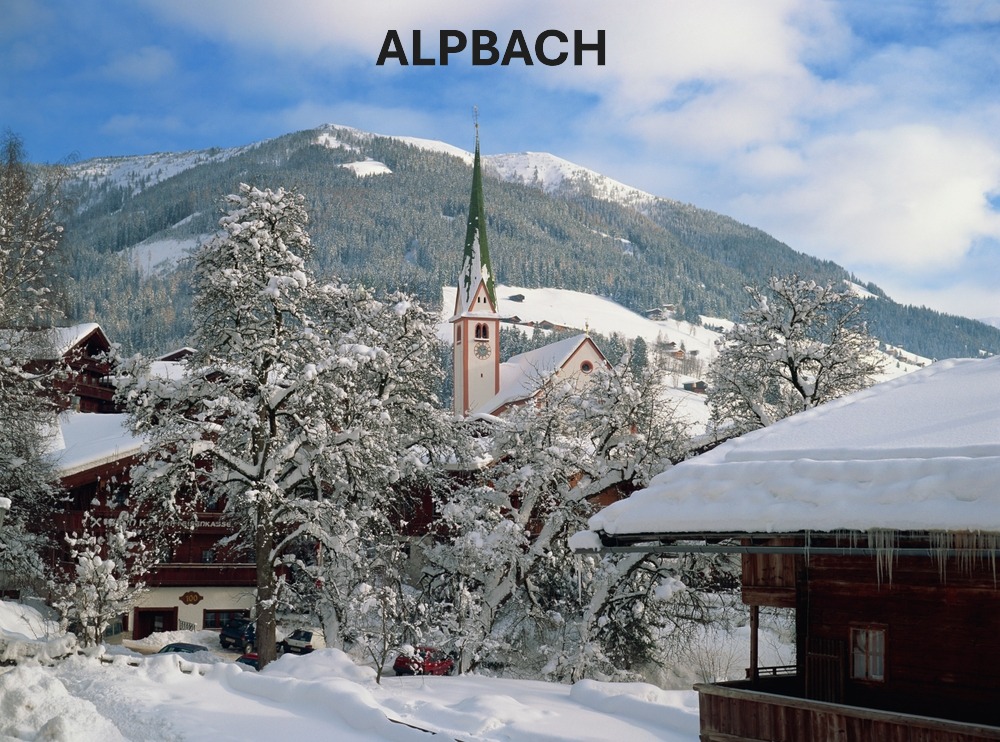
Skiing in Kitzbühel, Austria: The Complete Ski Guide for 2026/27
Timeless Wanderers: Updated September 27, 2026

Why Ski in Kitzbühel? World-Class Slopes and an Historic Alpine Town
Kitzbühel is one of Austria’s best-known ski destinations, famous for its challenging Hahnenkamm downhill course, extensive ski terrain and historic town centre.
But there’s much more to skiing here than the annual World Cup race.
Set in the Tyrolean Alps, Kitzbühel combines a varied ski area with a town that has plenty of character.
Its colourful historic buildings, cobbled streets, hotels, restaurants and lively après-ski scene give it a different feel from the smaller, quieter villages found elsewhere in the Austrian Alps.
The skiing is a major attraction.
Experienced skiers can test themselves on demanding runs, including the legendary Streif downhill course, while intermediate skiers have a wide choice of pistes to explore.
Beginners and families can also find suitable learning areas, making Kitzbühel a destination for more than just expert skiers.
Away from the slopes, you can spend time exploring the old town, enjoying traditional Tyrolean food or settling into one of the resort’s mountain restaurants.
Accommodation ranges from more affordable places to stay to luxury hotels, although prices can rise considerably during busy winter weeks and major events.
In this guide, we’ll cover the Kitzbühel ski area, lift passes, the best time to visit, where to stay, restaurants, après-ski and how to get there, so you can plan your 2026/27 ski holiday with confidence.
Table of Contents

Exploring the Kitzbühel Ski Area: Pistes, Peaks and Terrain
The Kitzbühel ski area has around 230 kilometres of marked pistes, giving skiers plenty of terrain to explore across its connected mountain sectors.
There is a good mix of blue, red and black runs, from gentle slopes for building confidence to demanding descents that test experienced skiers.
Three areas worth getting to know are the Hahnenkamm, the Kitzbüheler Horn and the Pengelstein–Resterhöhe sector.
Each has its own character, so knowing what to expect can help you plan your days on the mountain.
Hahnenkamm: Home of the Famous Streif
The Hahnenkamm is Kitzbühel’s most famous mountain, best known for hosting the annual men’s World Cup downhill race on the legendary Streif.
This challenging course is renowned for its steep sections and demanding terrain, making it a name that experienced ski fans will recognise.
You don’t have to be a World Cup racer to enjoy this part of the resort.
There are other pistes to explore, although the Streif itself is a serious challenge and should only be attempted by skiers with the ability and conditions to handle it.
Pengelstein and Resterhöhe: A Great Choice for Intermediate Skiers
The Pengelstein and Resterhöhe sectors offer a wide selection of blue and red pistes, making them appealing to intermediate skiers who enjoy covering plenty of ground during the day.
The open mountain slopes provide room to find your pace, with impressive views across the surrounding Tyrolean Alps.
This is a good area to explore if you’re comfortable on red runs and want to spend more time cruising across the mountain rather than tackling steep, technical descents.
Kitzbüheler Horn: Skiing for Beginners and Freestyle Fans
The Kitzbüheler Horn is another part of the resort worth exploring, with a range of pistes and facilities for different abilities.
Beginners can use the designated learning areas to build confidence, while more experienced skiers can find runs to suit their level.
Freestyle skiers and snowboarders should also check the current park facilities and opening information before their visit, as features and operating arrangements can change from season to season.
Snow Conditions and the Ski Season
Kitzbühel sits at a lower altitude than some of Austria’s highest Alpine resorts, so natural snow conditions can vary throughout the winter.
Snowmaking helps maintain key pistes when temperatures allow, but it cannot guarantee ideal conditions across the entire ski area.
The season usually runs from late autumn into spring, depending on snow conditions and lift opening dates.
If you’re booking for early December or late March, check the latest resort snow report and planned lift operations before choosing your dates.
We can plan your Dream Ski Trip to Europe: Custom Itineraries for the Perfect winter Holiday.
With over 25 years of experience skiing in over 50 different ski resorts in Europe, we can help you plan your perfect winter escape.
Planning a ski trip to Europe can be exciting, but choosing the right resort and organising the perfect itinerary can quickly become overwhelming.
That’s where we come in.
We offer a personalised planning service that helps you decide exactly where to ski, based on your style, budget, and experience.
“Plus, we can help you plan a fun week of European sightseeing around your ski trip, making your winter holiday easier, smoother, and full of unforgettable memories.”
“Let us plan your perfect trip with a custom itinerary designed just for you.
Fill out the form and let’s begin your dream.”

Best Time to Ski in Kitzbühel: Month-by-Month Guide
Kitzbühel has a long winter season, but the best time to visit depends on what matters most to you.
Some skiers want the festive atmosphere of Christmas, others prefer the colder months of January and February, while spring visitors often enjoy milder afternoons and longer days on the mountain.
KitzSki has planned its main connected ski area to operate from 11 December 2026 until 29 March 2027, with some areas opening earlier and the season finale scheduled for early April.
These dates depend on snow and weather conditions, so check the official lift and piste information before travelling.
December: Christmas Markets and Festive Skiing
December is an appealing time to visit if you want to combine skiing with the atmosphere of an Austrian Christmas.
Kitzbühel’s historic town centre takes on a festive feel, and the run-up to Christmas can make a ski holiday feel like a proper winter escape.
Early December can be less predictable for skiing, as not every lift or piste may be open.
The main connected KitzSki area is planned to open from 11 December for the 2026/27 season, subject to conditions.
Christmas and New Year are busy periods, so book accommodation well ahead and expect higher prices.
If skiing is your priority, check how much of the mountain is open before choosing an early-December trip.
January: Colder Weather and Quieter Weeks
January is a good choice for skiers who prefer to avoid the main Christmas crowds.
After the New Year holiday period, midweek visits can feel quieter, particularly outside school holidays and major events.
Cold weather can help preserve piste conditions, while KitzSki’s snowmaking facilities support prepared runs when temperatures allow.
Natural snowfall and conditions can still vary, however, so no month guarantees perfect snow.
If your dates are flexible, consider a midweek stay after the New Year rush.
You may find it easier to book accommodation and enjoy more space on the slopes than during peak holiday weeks.
February: A Popular Month for Families
February is one of the busiest periods of the ski season, particularly when European school holidays overlap.
It can be a great time for families, with a lively resort atmosphere and plenty of winter activities away from the pistes.
Conditions are often suitable for a full week of skiing, but crowds can build around popular lifts and restaurants during school holidays.
Book your accommodation, ski lessons and equipment in advance if you’re travelling at this time.
For a quieter experience, check school-holiday dates in your home country and in Austria before deciding which week to visit.
*Handy Tip*
Don’t forget your GOPRO or your INSTA360 for all those action shots of family and friends.


March: Longer Days and Spring Skiing
March can be an excellent option if you enjoy longer days, brighter weather and the chance to relax on a sunny mountain terrace after skiing.
The mornings can offer good piste conditions, although lower and more sun-exposed slopes may soften as temperatures rise.
KitzSki plans to keep its main connected ski area operating until 29 March 2027, followed by a season finale in selected areas from 30 March to 4 April.
These dates may change depending on conditions.
If you plan to visit late in the month, check which lifts and runs are scheduled to remain open.
Choosing accommodation with convenient access to the operating ski area can also make your holiday easier.
April: Check Before You Book
Early April can still offer some skiing in selected parts of KitzSki, but it is not the safest choice if you want the full resort experience.
The planned season finale for 2026/27 runs from 30 March to 4 April in the Hahnenkamm, Fleckalm and Pengelstein areas.
For a late-season trip, check the latest operating schedule and snow report before booking.
If you want the widest choice of pistes, a visit earlier in the season is generally a more sensible plan.
So, When Should You Visit Kitzbühel?
For a first ski holiday in Kitzbühel, I’d look at January or early March, ideally outside school holidays.
January suits skiers who prefer the heart of winter, while March can be attractive if you enjoy longer days and a more relaxed spring atmosphere.
Choose December for the festive setting or February if school holidays are your only option.
Whichever dates you select, remember that snow conditions vary from year to year.
Check the official KitzSki operating calendar before making your final plans.
For more comfort and convenience, compare these car rentals: DISCOVER CARS

Kitzbühel Ski Passes: Which Ticket Is Best for Your Holiday?
Choosing the right ski pass in Kitzbühel depends on how long you’re staying, where you plan to ski and whether you want to explore beyond the local resort.
Most visitors will find a local multi-day pass sufficient, while frequent skiers or those planning to visit several resorts may benefit from a wider regional ticket.
KitzSki Pass: Best for Skiing in Kitzbühel
The KitzSki pass gives access to the KitzSki ski area, covering the connected skiing around Kitzbühel and Kirchberg, including a wide choice of pistes for different ability levels.
Depending on your holiday plans, you can usually choose from day tickets and multi-day options.
For most visitors staying in Kitzbühel, this is the most straightforward option.
It lets you concentrate on exploring the local ski area without paying for access to a much wider region you may not have time to visit.
SuperSkiCard: For Exploring More Than One Resort
If you’re planning to ski in several resorts during your holiday, look into the SuperSkiCard.
This wider regional ticket covers participating ski areas across parts of Austria, with access depending on the ticket and current terms.
It may suit visitors staying longer or those who want to experience different mountains during the same trip.
Check the current list of participating resorts and the ticket conditions before buying.
Tirol Snow Card: For Frequent Skiers
The Tirol Snow Card is a seasonal option designed for people who expect to ski regularly across Tyrol.
It covers a large network of participating ski areas, making it more suitable for frequent visitors or those spending an extended period in the region than for a typical week-long holiday.
Because a seasonal pass costs more upfront, compare its current price with the cost of the day or multi-day tickets you would otherwise buy.
Also check the valid dates, participating resorts and any restrictions that apply.
Family Discounts and Special Offers
Families should check the current KitzSki ticket prices and offers before booking. Child and youth rates may be available, and some family products have specific eligibility rules or conditions.
Don’t assume every family, group or weekend ticket is automatically discounted. Compare the total cost for everyone in your party, and check the age categories and proof-of-age requirements when purchasing.
How to Choose the Right Kitzbühel Ski Pass
For a holiday spent mainly skiing Kitzbühel, start by comparing the standard KitzSki day and multi-day passes.
If you want to visit other resorts, check whether a wider regional pass offers genuine value for your itinerary.
Before buying, confirm the official 2026/27 prices, the lifts and areas included, the ticket’s validity dates and any restrictions.
Pass names, prices and offers can change, so use the current official ticket information rather than relying on last season’s prices.
Wear a SKI HELMET, especially if you’re a beginner or in the snow park and remember to pack your SKI GOGGLES for your trip to Kitzbuhel.

Where to Stay
Kitzbuhel has a wide range of accommodation options, from Luxury hotels to cozy chalets and budget-friendly lodges.
Luxury Hotels
HOTEL TENNERHOF:
A luxurious, five-star boutique hotel with a blend of historic charm and modern amenities. Hotel Tennerhof offers fine dining, a full-service spa, and stunning views of the Alps.
A-ROSA KITZBUHEL:
styled after a Tyrolean castle, A-ROSA is a resort with luxury rooms, an extensive spa, and an impressive indoor/outdoor pool. In a prime location close to the slopes.
HOTEL KITZHOF MOUNTAIN DESIGN RESORT:
Just outside the town center, this hotel combines modern design with alpine charm. It features elegant rooms, a beautiful spa and is known for its attention to detail.

Mid-Range Hotels
Q! RESORT HEALTH & SPA:
This stylish four-star hotel has a focus on wellness, offering a range of health and spa treatments. Located a short walk from the town centre, its popular with travellers looking for relaxation and easy ski access.
HOTEL KAISERHOF:
located near the Hahnenkamm gondola, known for its welcoming atmosphere, traditional alpine décor and stunning views of the mountains. It’s ideal for families and couples.
Budget-Friendly and Self-catering.
PENSION RAINHOF:
This family-run guesthouse offers budget-friendly with a cozy atmosphere and friendly service. It’s close to the centre of town and is a popular choice for budget-conscious skiers.
APPARTMENT KITZBUHEL:
For those who prefer self-catering, Apartments KITZBUHEL offers fully equipped apartments near the ski lifts, providing flexibility and convenience for groups and families.
More Accommodation: Check Rates and Book Your Stay.
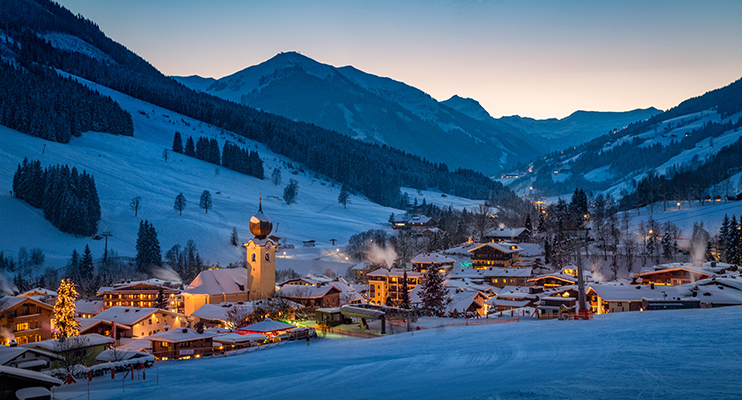

Where To Eat in Kitzbuhel
Kitzbuhel food scene is diverse and renowned, offering traditional Tyrolean cuisine to fine dining. Here are some suggestions.
Restaurant Neuwirt: Located within the HOTEL SCHWARZER ADLER, Neuwirt serves gourmet Tyrolean dishes with a modern twist. This makes it a top choice for dining in Kitzbuhel.
Petit Tirolia: A Michelin-starred restaurant at the Grand Tirola Hotel, Petit Tirola is celebrated for its European cuisine and intimate atmosphere.
Traditional Austrian Cuisine
Gasthof Eggerwirt: Known for its cozy, traditional décor, Eggerwirt serves classic Tyrolean dishes like Weiner Schnitzel and hearty stews. It’s a great spot to experience local flavors.
Huberbrau-Stubert: In the town center, this classic beer hall offers a rustic ambience and traditional Austrian dishes, from sausages to roasted meats. It’s a lively spot popular with locals and visitors.
Mountain Huts.
Sonnleitner Hutte: located on the slopes, this mountain hut is perfect for a ski-break, serving hearty dishes like dumpling, sausages, grilled meats and warm drinks. The sunny terrace is popular on clear days.
BichIAlm: A chic and modern mountain hut with stunning views of Kitzbuhel, BichIAlm is known for its ambience and gourmet menu.

Apres-Ski in KItzbuhel
Kitzbuhel’s apres-ski scene is Lively and diverse, offering everything from classic bars to sophisticated lounges. Here are some top spots
The Londoner: Probably Kitzbuhel most famous apres-ski bars, known for its British pub vibe, live music, and bustling atmosphere. It’s a must-visit for a lively apres-ski experience.
Streifalm: Near the Hahnenkamm gondola, Streifalm is popular with skiers looking to unwind after a day on the slopes, Fun atmosphere with DJ’s and extensive drink menu.
Pavillion: This bar is known for its cozy, welcoming ambience and outdoor terrace, where skiers can enjoy a drink while soaking up the mountain views. It’s a more relaxed apres-ski spot ideal for families and groups.
Club take Five: For those who want to keep the party going late into the night, Club Take Five is Kitzbuhel’s most popular night spot.
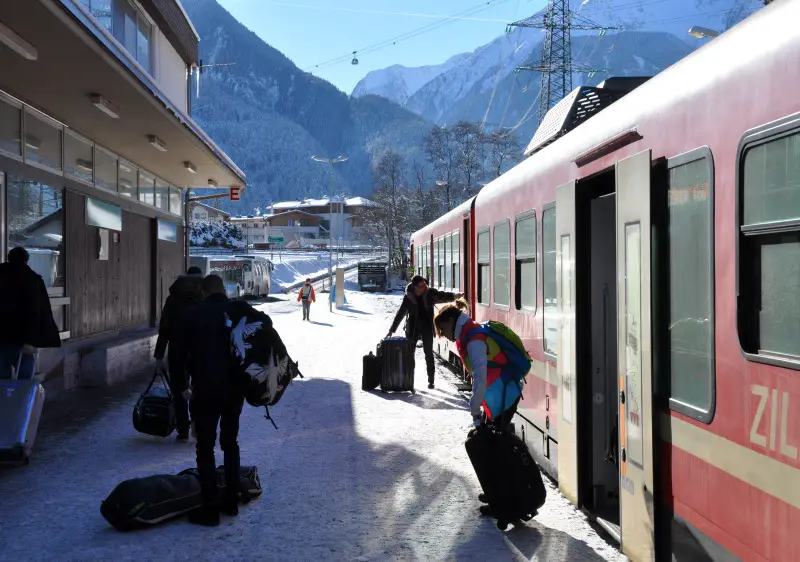
Getting to Kitzbuhel
Kitzbuhel is well connected, making it easy to reach from most European cities.
By Plane
Innsbruck Airport: located about 90-kilometers from Kitzbuhel , Innsbruck is the closest major airport, with direct flights from European cities. From Innsbruck you can take shuttle, train, or “RENT A CAR”.
Salzburg Airport: Situated 80-kilometers away, Salzburg offers both domestic and international flights. “Trains and shuttles” from Salzburg to Kitzbuhel make a relaxing journey.
- Munich Airport: About 160-kilometers from Kitzbuhel, Munich Airport is an option for international travelers. From Munich you can reach Kitzbuhel by TRAIN, RENTAL CAR or SHUTTLE TRANSFER in around 2.5 hours.
By Train
Kitzbuhel’s train station is well connected with regular services from Innsbruch, Salzburg, and Munich.
If you’re traveling from Munich, a scenic train route runs through the Bavarian Alps to Kitzbuhel. BOOK YOUR TRAIN HERE
By Car
Driving to Kitzbuhel offers flexibility and convenience, especially if you’re bringing ski equipment.
The main route from Munich is the A12 motorway in Austria then the B161 towards Kitzbuhel.
Note that Austrian highways require a toll sticker, which can be purchased at gas stations near the border.
For more comfort and convenience, compare these car rentals: DISCOVER CARS
Ski Lifts
Getting to Austria’s best ski resorts couldn’t be easier than with Ski-Lifts, offering both airport and train station transfers.
Private transfers are a popular choice, as you’re not sharing with others or waiting at the airport as your driver will be waiting for you on arrival.

Planning Your Trip – Kitzbühel
Timing: The ski season runs from early December to mid-April, with the best snow conditions between January and March.
Getting There: Closest airports are Innsbruch (1.5 hours) and Salzburg (1.5 hours) Munick Airprt is about 2 hours away. Trains connect all major cities directly to Kitzbuhel.
Accommodation: Book early for popular stays – include Hotel Tiefenbrunner, Hotel Kaiserhof, and Tennerhof Gourmet & Spa de Charme Hotel.
Ski Passes: The KitzSki Pass covers over 230 km of slopes and includes access to nearby Kirchberg and Jochberg.
Transport: The town is compact—most hotels are within walking distance of the lifts. Free ski buses connect all major areas.
For more comfort and convenience, compare these car rentals: DISCOVER CARS
Activities Beyond Skiing: Try winter hiking, tobogganing, or a visit to the Aquarena Spa for a relaxing afternoon.
Dining Tips: Reserve tables for après-ski at The Londoner Pub or enjoy Tyrolean fare at Hinterstadt 24 and Rosi’s Sonnbergstuben.
Local Tip: Don’t miss the Hahnenkamm Race Week in January—an electric atmosphere that defines Kitzbühel’s ski culture.
I always carry a DAY BACKPACK when skiing, as well as a WATER BOTTLE to keep me hydrated all day long on the slopes.
Read Our Full Guide On The
7 Best Snow-Sure Ski Resorts in Austria (2026/27): Your Ultimate Winter Guide

FAQs – Kitzbühel Ski Resort
Is Kitzbühel suitable for beginners?
Yes, it offers gentle learning slopes and great ski schools, especially near the Hahnenkamm gondola.What makes Kitzbühel special?
It combines world-class skiing with charming medieval streets, luxury hotels, and lively après-ski.How expensive is Kitzbühel?
It’s on the pricier side, but mid-range options and guesthouses outside the main town offer better value.Can you visit Kitzbühel without skiing?
Absolutely—there are winter walks, boutique shops, horse-drawn sleigh rides, and cozy cafés.Is Kitzbühel family-friendly?
Yes, with gentle slopes, kids’ zones, and family-friendly accommodations, it’s ideal for all ages.What’s the best time to avoid crowds?
Late January and mid-March typically see fewer crowds while still offering great snow.How do I get around Kitzbühel?
Everything is walkable, but ski buses and taxis are also available for convenience.Are there good après-ski options?
Yes—The Londoner, Pavillon, and Schneebar Oberkaslach are among the most popular.

Should You Get Ski Travel Insurance?
(Short Answer: YES)
While ski resorts in Europe don’t legally require you to have travel insurance, buying ski-specific travel insurance is one of the smartest decisions you can make.
Mountain travel comes with real risks — from injuries on icy slopes to delayed flights, lost luggage, or damaged ski gear.
One accident or missed connection can cost far more than a full year of coverage.
If you want peace of mind on and off the mountain, ski travel insurance is essential.
As a traveller and skier myself, I’ve consistently found SafetyWing offers some of the best winter-sports coverage for international ski trips.
Best Ski Travel Insurance Companies for 2025/26
Two companies consistently stand out for skiers, each for different reasons.
1. SafetyWing
(Best for Long-Term Ski Travel & Affordability)
We personally use SafetyWing, and have since 2019.
It’s perfect for skiers spending multiple weeks or a whole season abroad.
You can get a Quote here.
When my wife broke her ankle skiing in Wengen, they were fantastic, they paid for all our expenses without any delay.
2. World Nomads
(Best for Adventure Coverage)
If you’re planning a trip that includes off-piste skiing with a guide, winter hiking, or multiple snow sports, World Nomads often provides broader adventure coverage.
They’re a favourite among travellers who want all activities covered under one policy.
Even experienced skiers will tell you — it only takes one icy patch to ruin both a knee and a bank account.

Resort Activities
Winter Hiking and Snowshoeing
Explore Kitzbühel’s picturesque trails on foot or with snowshoes, immersing yourself in the serene alpine landscapes.
Tobogganing
Race down one of Kitzbühel’s thrilling toboggan runs, such as the Gaisberg run, perfect for families and friends.
Horse-Drawn Sleigh Rides
Experience the charm of a traditional horse-drawn sleigh ride through snow-covered meadows and forests.
Relax at Aquarena Spa
Unwind at this wellness center offering pools, saunas, and spa treatments, a great way to recharge after outdoor adventures.
Shopping in the Old Town
Stroll through Kitzbühel’s quaint cobblestone streets, visiting boutique shops, art galleries, and local craft stores.
Ice Skating and Curling
Enjoy a fun session at the local ice-skating rink or try curling, a unique alpine winter activity.
*Handy Tip*
Make sure you have TRAVEL INSURANCE before hitting the slopes.
We Can Help Plan Your Adventure
Custom Ski Itineraries in Europe Designed For You
Final Thoughts on Skiing in Kitzbühel
Kitzbühel has earned its reputation as one of Austria’s best-known ski destinations, and it’s easy to see why it attracts skiers from around the world.
The mountain has plenty to offer, from the famous Hahnenkamm and its challenging descents to the wide choice of pistes for intermediate skiers and the learning areas available for beginners.
What sets Kitzbühel apart is the town itself. Rather than returning to a small purpose-built ski village at the end of the day, you can wander through the historic centre, enjoy a traditional Austrian meal or settle into one of the local bars for après-ski.
There’s a good choice of accommodation too, although staying here can be expensive during peak weeks and major events.
Our advice is to think carefully about when you visit, choose your accommodation based on access to the slopes and the town, and check the snow report before travelling.
If you’re planning a Christmas or late-season holiday, pay particular attention to which lifts and pistes are expected to be operating.
Whether you’re visiting for the skiing, the atmosphere or a chance to experience one of the Alps’ most famous resorts, Kitzbühel deserves a place on your Austrian ski-holiday list.
Happy Skiing! ⛷️
Gary and Sally
Timeless Wanderers
Plan your Ski Adventure
Booking a ski trip involves a range of reliable resources to ensure a smooth and enjoyable experience. I have listed below our favorite companies we use when we plan our ski holiday.
Ski World– They have been taking customers to the best ski resorts in Europe, the US and Canada for more than 36 years.
BOOK YOUR FLIGHT – Going is a great search engine if you are flexible about your travel destination and dates. Sign up for their newsletter and get the latest deals on destinations around the world. GOING is our new go to.
Booking.com– for accommodation, we rely on Booking.com for its extensive options and user reviews. We find they have the cheapest rates and offer payment options. In addition, VRBO is another terrific website for all types of accommodations.
Train Travel– to European ski resorts is convenient and scenic, popular trips include Glacier express to Zermatt, the Eurostar from London to the French Alps. We find Omio or Trainline are the best sites for booking trains in Europe.
Car Hire – we usually hire a car it offers us flexibility and convenience, allowing easy access to most resorts. Companies like Discover Cars or Rentalcars.com provide reliable options with winter equipment.
Travel insurance– Don’t ski without it. If you get hurt on the mountain it could cost, you a small fortune if you’re not insured. We use SAFETYWING when my wife broke her ankle a few years ago in Wengen they were terrific.
Ski Equipment. – Bring your own ski gear, its usually cheaper and much better than renting, it ensures you have a perfect fit. Owning also saves time and money in the long run. Equipment like Skis, Pants and Jackets, Gloves, Ski-helmets and Thermal underwear” can all be bought online. You can purchase everything you need from BACKCOUNTRY
ARC’TERYX – is a go to reliable brand for outdoor adventure and travel, their wide range includes light weight durable, easy to clean travel gear.
Check out our RESOURCE PAGE for more additional planning.
Other favorites in Austria