
How Much Does Long-Term Travel in Europe Cost? (Realistic Guide)
Timeless Wanderers: Posted April 9, 2026
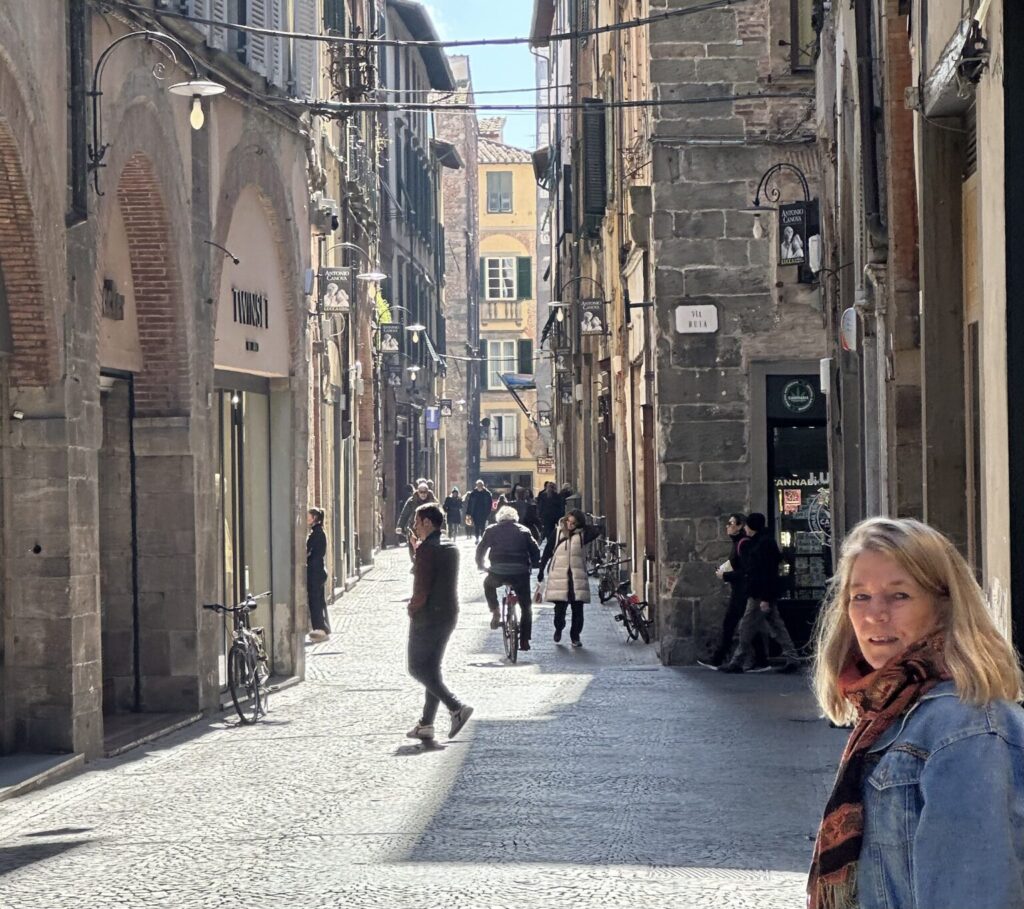
Real Cost of Long-Term Travel in Europe
One of the first questions people ask when they start thinking about long-term travel in Europe is:
👉 “Can we actually afford this?”
And it’s a fair question.
Because when you picture Europe — places like Italy, France, or Switzerland — it’s easy to assume that travelling for months at a time must cost a small fortune.
We used to think the same.
For years, Europe felt like a destination for short trips.
A couple of weeks here and there, carefully planned, with a budget that always seemed to stretch a little further than expected.
So the idea of staying longer?
That felt unrealistic.
Too expensive.
Too complicated.
Something for “other people.”
But what we discovered — and what surprises most people — is this:
👉 Long-term travel in Europe doesn’t always cost more.
In fact, when you slow down and travel differently, it can often cost less per day than a typical short trip.
Because you’re not rushing.
You’re not constantly moving.
And you’re not paying “tourist prices” every single day.
Instead, you start to travel in a way that feels more like living.
And that changes everything — including your budget.
In this guide, we’re going to break it all down for you.
Realistic costs.
Simple examples.
And a clear idea of what long-term travel in Europe actually looks like financially.
So you can move from:
“This sounds amazing, but probably too expensive…”
to
“Okay… this might actually be doable.”
Table of Contents

What Long-Term Travel in Europe Really Costs
Before we get into numbers, it’s important to understand one thing:
👉 There is no single “set cost” for long-term travel in Europe.
How much you spend depends on:
- how fast you travel
- where you stay
- which countries you visit
- and your overall travel style
But to make this simple, we’ll break it down into realistic ranges — based on how most people actually travel.
A Simple Monthly Budget Guide
For most couples travelling through Europe, a rough monthly budget looks like this:
👉 Budget travel: €1,800 – €2,500 per month
👉 Mid-range travel: €2,500 – €4,000 per month
👉 Comfortable travel: €4,000+ per month
That’s for two people, not per person.
And this usually includes:
- accommodation
- groceries + some meals out
- transport between destinations
- day-to-day living costs
Why Long-Term Travel Can Cost Less
At first glance, those numbers might still feel high.
But here’s where it changes:
👉 When you travel slower, your daily costs drop.
Instead of paying:
- high nightly hotel rates
- constant train or flight tickets
- eating out every meal
You start to:
- book longer stays (lower nightly rates)
- cook more meals
- reduce how often you move
And those small shifts add up quickly.
We can help you plan your dream trip to Tuscany, with a personalised itinerary designed just for you.
After more than 20 years of travelling to Tuscany—and loving it so much we decided to make it our home—we now live here and explore the region at a relaxed, local pace.
Planning a trip to Tuscany is exciting, but choosing where to go, how long to stay, and how to get around can quickly become overwhelming.
That’s where we come in.
We offer a personalised planning service that helps you decide exactly how to explore Tuscany, based on your travel style, budget, and pace.
Plus, we can help you plan scenic drives, time in hilltop towns, food and wine experiences, and those small local moments that make a trip truly special—making your Tuscany holiday easier, smoother, and full of memories you’ll treasure long after you return home.
“Let us plan your perfect trip with a custom itinerary designed just for you. Fill out the form and let’s begin.”
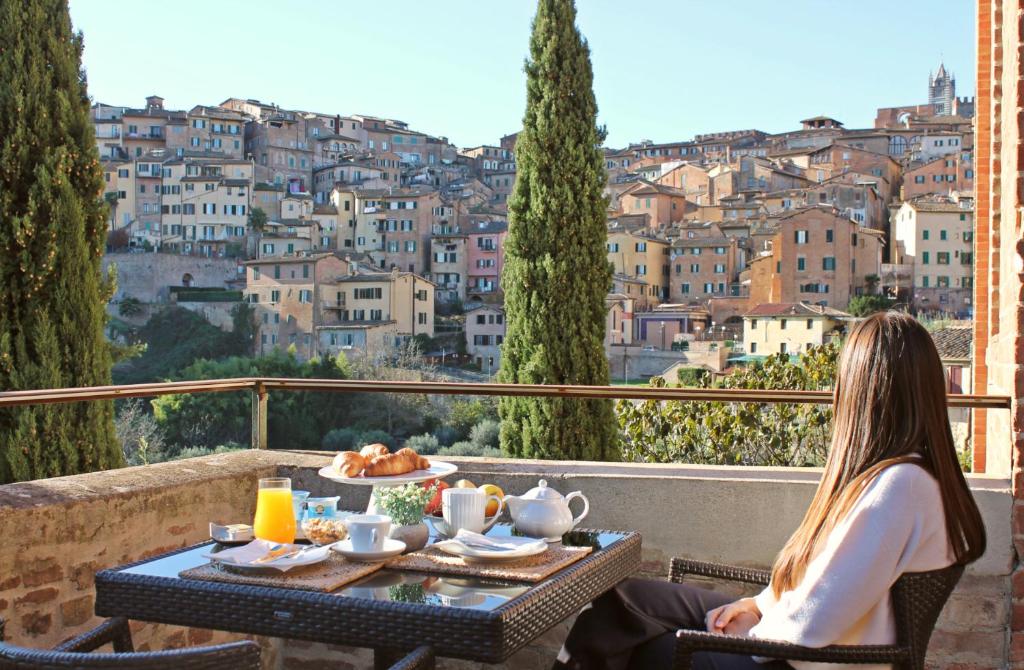
The Biggest Cost: Accommodation
Accommodation will almost always be your biggest expense.
But it’s also where you have the most control.
Staying in:
- apartments
- Airbnbs
- or longer-term rentals
…can significantly reduce your costs compared to hotels.
👉 Especially if you stay for a few weeks or more.
Generally, we usually stay in a location for a month, which is usually the same price as staying 2 weeks, depending on season.
Country Matters More Than You Think
Not all of Europe costs the same.
There’s a big difference between:
Higher-cost countries:
- Switzerland
- France
- Italy (popular areas)
More affordable options:
- Portugal
- Spain
- Greece
- Eastern Europe
👉 Mixing destinations is one of the easiest ways to manage your budget.
A Quick Reality Check
Long-term travel in Europe isn’t “cheap” in the sense of ultra-budget backpacking.
But it also isn’t out of reach.
It sits somewhere in the middle:
👉 A lifestyle choice — not a luxury splurge.
And for many people, it ends up costing less than living at home, especially when you factor in everyday expenses you’re not paying while away.
For us, being from Australia, we find it’s about 30% cheaper in just about all of Europe.


Example Monthly Budget for Europe (Real Breakdown)
To make this more real, let’s break down what a typical month of long-term travel in Europe might actually look like for a couple.
This is based on a comfortable but mindful travel style — not ultra-budget, but not luxury either.
Monthly Budget Example (for 2 people)
👉 Total: Around €3,000 – €3,500 per month
Here’s how that might break down:
Accommodation: €1,200 – €1,800
A one-bedroom apartment or Airbnb for a longer stay (2–4 weeks)
Groceries + Eating Out: €600 – €900
A mix of cooking at home and enjoying local restaurants
Transport: €100 – €300
Occasional trains, buses, or fuel if you’re driving
Activities & Experiences: €200 – €400
Museums, day trips, local experiences
Miscellaneous: €200 – €300
Coffee, markets, small daily expenses
What This Actually Looks Like
This kind of budget doesn’t mean cutting back on everything.
It means:
- staying in one place for a few weeks
- shopping at local markets
- enjoying meals out without doing it every day
- choosing experiences that matter most
👉 It’s about balance — not restriction.
How This Compares to Short Trips
On a typical 1–2 week trip, you might spend:
- more on hotels
- more on transport
- more on eating out
- and more on activities crammed into a short time
👉 Which often pushes your daily cost much higher
With long-term travel, you’re spreading those costs out — and removing the pressure to do everything at once.
You Can Adjust This Easily
The beauty of long-term travel is flexibility.
You can lower this budget by:
- choosing more affordable countries
- staying longer in each place
- cooking more meals
Or increase it by:
- staying in boutique hotels
- dining out more often
- adding guided tours and experiences
👉 It’s completely adaptable to your lifestyle.
How to Plan Your Own Long-Term Travel Budget
Once you’ve seen a rough monthly budget, the next step is making it work for your own situation.
The good news?
👉 You don’t need a complicated spreadsheet or perfect numbers to get started.
You just need a simple way to estimate what your version of long-term travel might cost.
Step 1: Decide Your Travel Style
Start by asking:
👉 Do we want to travel on a budget, mid-range, or comfortably?
There’s no right answer — just what feels realistic for you.
- Budget: more cooking, simpler stays, slower movement
- Mid-range: a balance of comfort and cost
- Comfortable: more dining out, higher-end stays, more flexibility
👉 This decision shapes everything else.
Step 2: Choose a Rough Monthly Budget
Using the ranges from earlier, pick a number that feels achievable.
For example:
- €2,500/month
- €3,000/month
- €3,500/month
👉 This becomes your guide — not a strict limit.
Step 3: Multiply by Your Timeframe
Now take your monthly budget and multiply it by how long you want to travel.
For example:
- 3 months → €7,500 – €10,500
- 6 months → €15,000 – €21,000
👉 This gives you a realistic total to work toward.
Step 4: Factor in Flights & Extras
Don’t forget to add:
- international flights
- travel insurance
- any one-off costs before you leave
👉 These are usually separate from your monthly budget.
Step 5: Look at Your Current Spending
This is something most people skip — but it’s powerful.
Ask yourself:
👉 What are we currently spending at home each month?
When you compare that to your travel budget, you might realise:
- some expenses disappear (utilities, commuting, subscriptions)
- others reduce significantly
👉 And suddenly, long-term travel doesn’t feel so far away.
Keep It Flexible
Your budget doesn’t need to be perfect from the start.
You’ll adjust as you go.
You’ll learn what works.
You’ll find ways to save — or where you want to spend more.
👉 That’s part of the process.
The Goal Isn’t Precision
You’re not trying to calculate every euro.
We started with a mid-range monthly budget of about 2500 Euros, we now spend about 1000-1500 Euros a month. But we also do a lot of Housesitting, and have our own homebase. It is possible to live even Cheaper depending on country and season.
👉 You’re simply proving to yourself that this is possible.

How to Travel Europe for Less (Our Best Tips)
One of the biggest surprises about long-term travel in Europe is how much control you actually have over your costs.
Small changes in how you travel can make a big difference to your overall budget.
Here are some of the simple strategies that have helped us keep costs down — without sacrificing the experience.
Stay Longer in One Place
This is one of the easiest ways to reduce your daily costs.
Instead of moving every few days, stay for a few weeks at a time.
You’ll often:
- get better accommodation rates
- reduce transport costs
- and settle into a more affordable routine
👉 Slower travel almost always means better value.
Mix Expensive & Affordable Destinations
Not every stop needs to be in a high-cost country.
You can balance your trip by combining:
- places like Italy or France
with - more affordable destinations like Portugal, Spain, or parts of Eastern Europe
👉 This keeps your overall budget in check.
Cook More Than You Think
Eating out every day adds up quickly.
But shopping at local markets and cooking a few meals each week can make a big difference.
It also:
- gives you a more local experience
- and helps you feel less like a tourist
👉 It’s one of the easiest ways to save without missing out.
Travel Less Often
Every time you move, you spend money.
Transport, accommodation changes, and often higher short-term costs.
By staying longer and moving less frequently, you:
- reduce expenses
- and make travel feel more relaxed
👉 Less movement = lower costs
Book Smarter, Not Earlier
For long-term travel, flexibility is your advantage.
Booking:
- longer stays
- mid-week arrivals
- or slightly outside peak seasons
…can often save you more than booking everything far in advance.
Don’t Try to Do Everything
This is a big one.
Trying to see and do everything can quickly blow your budget.
Instead:
- choose a few meaningful experiences
- skip what doesn’t matter as much
👉 You’ll spend less — and enjoy more.
A Simple Shift That Changes Everything
When you stop travelling like you’re on a short holiday, your spending naturally changes.
You:
- slow down
- become more selective
- and focus on what really matters
👉 And that’s where long-term travel starts to feel both affordable and sustainable.
Plan Your Long-Term Travel With Confidence
By now, you’ve probably realised something important:
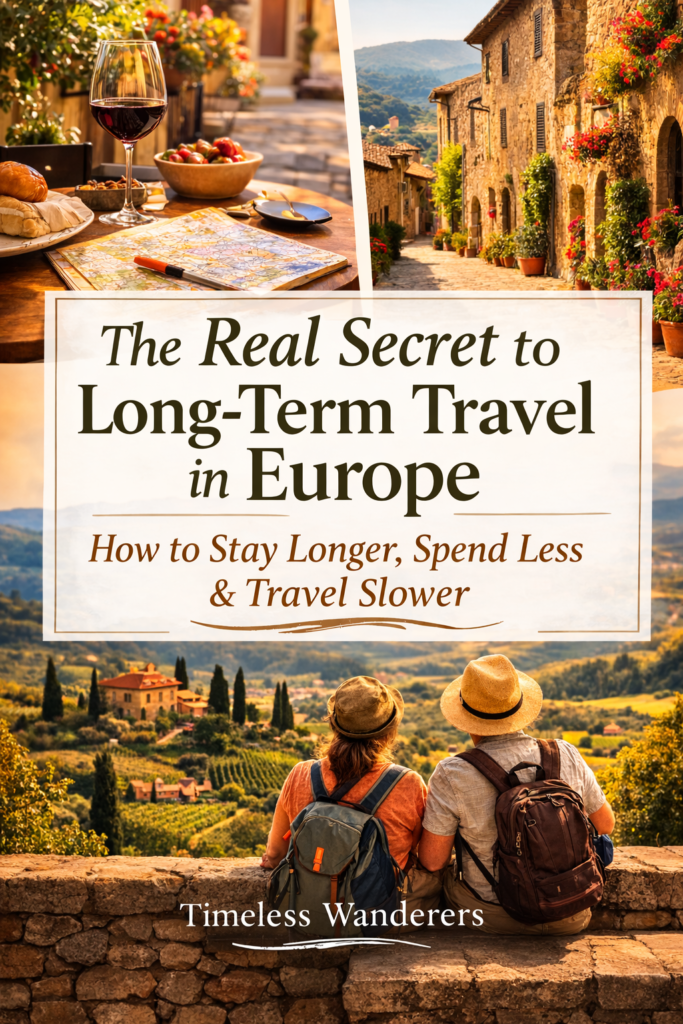
👉The Real Secret to Long-Term Travel isn’t just a dream — it’s something you can actually plan for.
You’ve seen the numbers.
You understand how the costs work.
And you know that with the right approach, it can be far more manageable than it first seems.
But there’s still one challenge most people face:
👉 Bringing it all together into a clear, simple plan.
From Ideas to a Real Plan
It’s one thing to understand budgets and travel styles.
It’s another to know:
- where to start
- how to structure your trip
- and how to make it all work day to day
That’s exactly where most people get stuck.
That’s Why We Created
👉 The Real Secret to Long-Term Travel in Europe
We created this guide to take everything we’ve learned — and turn it into a simple, step-by-step approach you can actually follow.
Inside, you’ll find:
- how to plan your timeline
- how to build a realistic budget
- where to stay (without overspending)
- and how to make long-term travel feel easy and sustainable
- House-sitting in Europe
It’s not complicated.
👉 It’s just a clearer way to do it.
If You’re Serious About Making This Happen
If you’ve been thinking about long-term travel for a while…
And this guide has helped you start to see how it could work…
👉 This is your next step.
Because once you have a plan, everything becomes easier.
Final Thoughts: It Might Be More Affordable Than You Think
The Real Secret to Long-Term Travel often sounds like a luxury.
Something that requires a big budget, perfect timing, and a lot of planning.
But when you break it down, it’s usually not as out of reach as it first seems.
Because it’s not about spending more.
👉 It’s about spending differently.
A Different Way of Thinking About Money
When you travel slower, your priorities shift.
You’re not trying to:
- fit everything into a short trip
- spend on every experience
- or make every day feel “packed”
Instead, you:
- choose what matters
- spread your costs out
- and settle into a more balanced way of travelling
👉 And that naturally changes how much you spend.
It Doesn’t Have to Be Perfect
You don’t need the exact budget.
You don’t need every detail planned.
And you don’t need to commit to months and months straight away.
You can start with:
- a rough plan
- a simple budget
- and a shorter timeframe
👉 Then build from there.
The Real Takeaway
If there’s one thing to take from all of this, it’s this:
👉 The Real Secret to Long-Term Travel is far more flexible than most people think.
And once you understand how the costs actually work…
It stops feeling like something unrealistic —
and starts feeling like something you could genuinely do.
One Last Thought
You don’t have to figure everything out today.
But you can start thinking about what it might look like for you.
Because sometimes, all it takes is a clearer picture…
👉 to turn “maybe one day” into “let’s plan this.”
PLAN YOUR EUROPEAN ADVENTURE
These are our favorite companies we use when planning a trip, they consistently have the best prices, great customer service, and overall, are better than their competitors.
BOOK YOUR FLIGHT – Going is a great search engine if you are flexible about your travel destination and dates. Sign up for their newsletter and get the latest deals on destinations around the world. GOING is our new go to.
CAR RENTAL – We recommend using Discover Cars or Rental Cars when booking a car rental, they work with hundreds of companies worldwide to help you find the best car for your needs.
TRAINS – TRAINLINE – is our favorite, this site is very reliable and easy to use.
BUS – OMIO – this website allows you to book train or bus tickets to travel from city to city the best and cheapest way. FLIXBUS is another terrific website with routes between 20 European countries.
ACCOMMODATIONS
BOOKING.com – is our go to for hotel searches around the world, we find they always have the cheapest rates and offer different payment options. In addition, VRBO is another terrific website for all types of accommodations.
HOSTELWORLD – is great if you’re traveling on a budget, and if you need a cheap place to stay.
SIGHTSEEING TOURS
GET YOUR GUIDE – is our favorite; they have stacks of tours and excursions available in cities all over the world. VIATOR is another great website for all types of tours.
TAKE WALKS – This walking tour company provides inside access to attractions and places you can’t get elsewhere.
TRAVEL INSURANCE
SAFETY WING – is our go to travel medical insurance company, especially for longer trips. You can either purchase a monthly plan or a plan for specific trip dates (i.e. 1-2 week trips). They cover people from all over the world, while outside their home country.
ARC’TERYX – is a go to reliable brand for outdoor adventure and travel, their wide range includes light weight durable, easy to clean travel gear.
Check out our RESOURCE PAGE for more additional planning.
Other Popular Posts
5 Best Wineries in Tuscany to Visit 2025
Best Wine Tours in San Gimignano: 10 Beautiful Vineyard Experiences
The Ultimate Wine Lovers Guide To Tuscany
Discover The Best 5 Hilltop Towns In Tuscany
12 Amazing Day Trips From Florence.
A Perfect day trip From Florence To Pisa And Lucca