Best Intermediate Ski Resorts in Austria: 7 Fantastic Destinations
Timeless Wanderers: Posted October 31, 2026
Why Austria Is Great for Intermediate Skiers
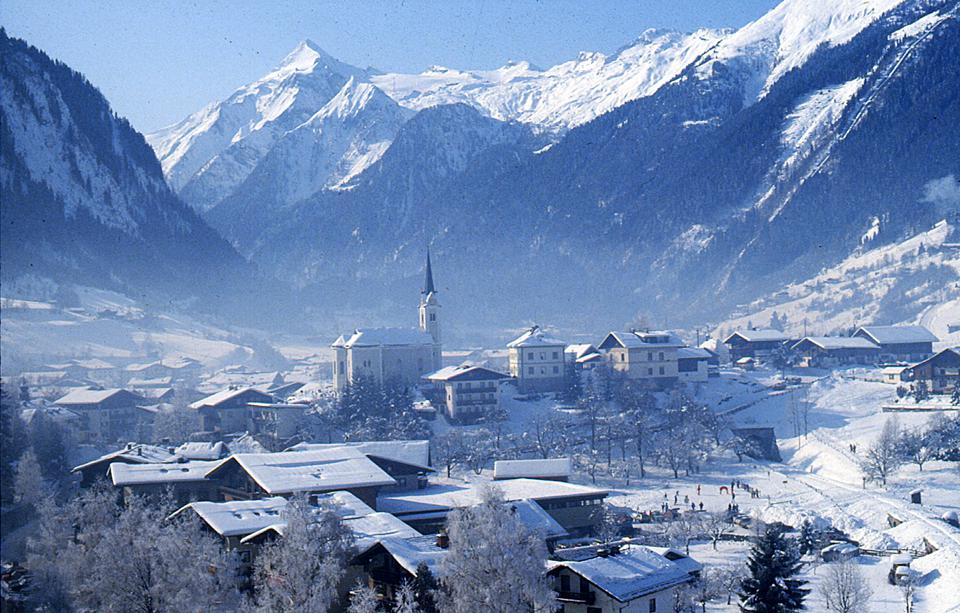
Austria has some fantastic ski resorts for intermediate skiers.
From long, sweeping red runs to wide blue pistes and enormous linked ski areas, there’s plenty of choice whether you’re building confidence or already comfortable on more challenging slopes.
One of the things we love about skiing in Austria is the variety.
Some resorts are perfect for spending the day cruising between mountain villages, while others offer higher-altitude skiing, spectacular views and plenty of long descents.
We’ve chosen seven Austrian resorts that we think are well worth considering for an intermediate ski holiday.
Each offers something a little different, and we’ll look at the skiing, what you can expect on the slopes and where to stay.
So, let’s take a closer look.
What Makes a Great Ski Resort for Intermediate Skiers?
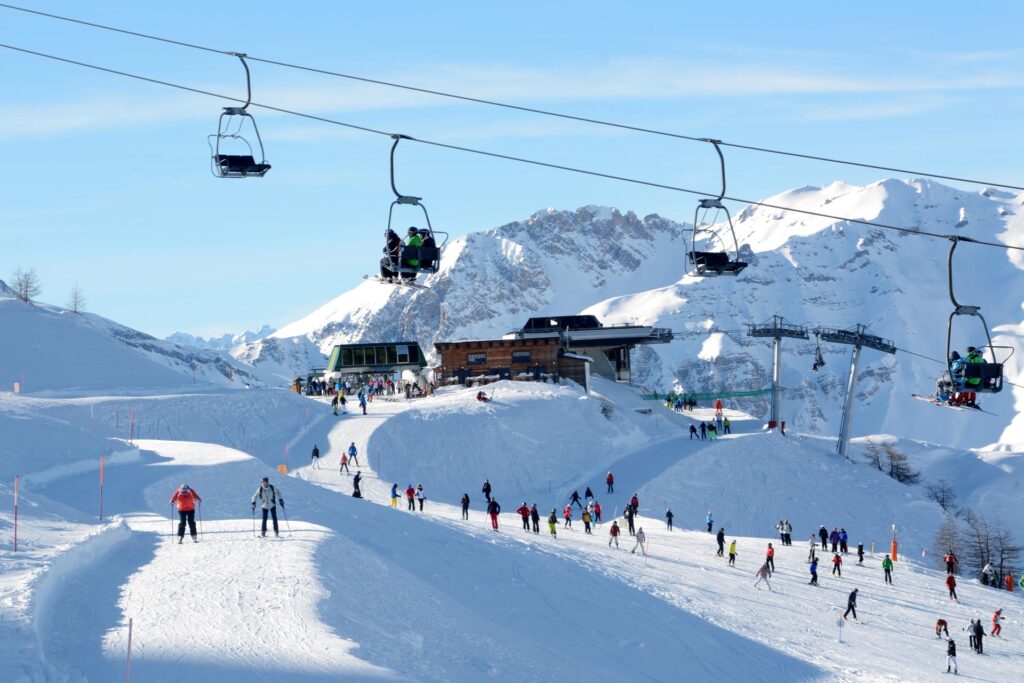
Not all ski resorts are the same, and what suits one intermediate skier might not suit another.
Some people are happy cruising blue runs all day, while others prefer longer reds and more challenging terrain.
When choosing a resort, it’s worth looking at a few things:
A good mix of blue and red runs:
Plenty of blue pistes to enjoy relaxed skiing, alongside reds that allow you to build confidence and improve your technique.
Long, well-groomed pistes:
Wide, flowing runs are great for practising turns and enjoying longer descents without constantly stopping.
A variety of terrain:
A mixture of open mountain slopes, tree-lined runs and steeper sections keeps each day interesting.
Good lift connections:
Larger linked ski areas make it easier to explore different mountains and villages without spending too much time travelling between runs.
Suitable skiing for your ability:
Some resorts have plenty of gentle terrain, while others are better suited to confident intermediates who are comfortable on steeper red runs.
Reliable snow conditions:
Higher-altitude skiing and good snowmaking facilities can make a difference, particularly early and late in the season.
For us, a great intermediate ski resort is somewhere you can enjoy the skiing without feeling restricted, while still having opportunities to try something a little more challenging.
We can plan your Dream Ski Trip to Europe: Custom Itineraries for the Perfect winter Holiday.
With over 25 years of experience skiing in over 50 different ski resorts in Europe, we can help you plan your perfect winter escape.
Planning a ski trip to Europe can be exciting, but choosing the right resort and organising the perfect itinerary can quickly become overwhelming.
That’s where we come in.
We offer a personalised planning service that helps you decide exactly where to ski, based on your style, budget, and experience.
“Plus, we can help you plan a fun week of European sightseeing around your ski trip, making your winter holiday easier, smoother, and full of unforgettable memories.”
“Let us plan your perfect trip with a custom itinerary designed just for you.
Fill out the form and let’s begin your dream.”
Best Time to Ski in Austria
Austria’s ski season generally runs from late November or early December through to April, although opening and closing dates vary between resorts depending on altitude, snowfall and weather conditions.
For intermediate skiers, January, February and March are usually the best months to visit.
You’ll generally find good snow cover, plenty of open pistes and a great choice of skiing across Austria’s mountain resorts.
Here’s a closer look at what to expect throughout the season.
December – Festive Ski Holidays and Early-Season Snow
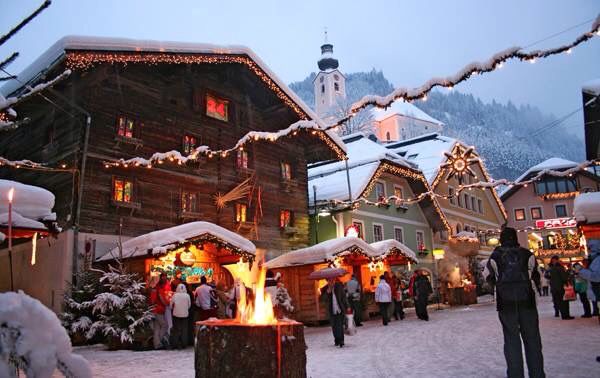
December is a lovely time to visit Austria, particularly in the lead-up to Christmas.
The villages are decorated for the festive season, mountain huts are open and there’s a wonderful atmosphere across the resorts.
Early-season snow can be variable, especially at lower elevations.
Higher resorts such as Sölden and Obergurgl–Hochgurgl are generally better choices if snow reliability is important.
If you’re planning a December ski holiday, I’d aim for the second half of the month when more of the ski areas are likely to be operating.
January – Excellent Skiing and Fewer Crowds
January is often one of the best months for intermediate skiers.
Once the Christmas and New Year holidays are over, the slopes tend to become quieter, particularly during the middle of the month.
Colder temperatures help maintain good piste conditions, and you’ll often find excellent skiing on both blue and red runs.
Saalbach, Zell am See–Kaprun, Schladming and Mayrhofen are all worth considering, depending on the conditions that season.
February – The Heart of the Ski Season
February is one of Austria’s busiest ski months.
Snow cover is usually well established, most lifts and pistes are operating, and the resorts are in full winter mode.
It’s an excellent month for exploring larger ski areas and enjoying a good variety of terrain.
The main drawback is the school holiday period, when accommodation prices can increase and popular slopes become busier. If possible, avoid the busiest holiday weeks.
March – Longer Days and Spring Sunshine
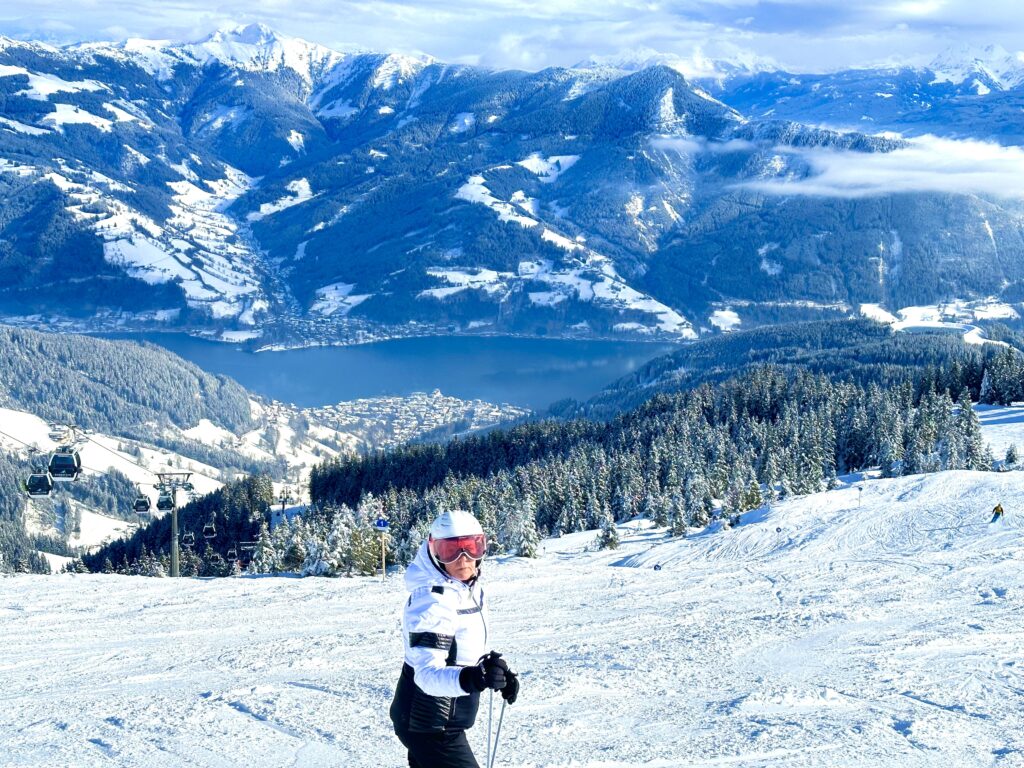
March is one of my favourite months for a European ski holiday.
The days are longer, there’s often more sunshine, and you can enjoy a leisurely lunch on a mountain terrace.
Snow conditions are usually very good at the beginning of March, although lower pistes can become softer during warmer afternoons.
Higher resorts such as Sölden and Obergurgl–Hochgurgl are particularly good choices as the season progresses.
April – Spring Skiing at Higher Altitudes
April brings warmer temperatures, sunny afternoons and a more relaxed feel on the slopes.
However, snow conditions become increasingly dependent on altitude.
Lower resorts may have fewer open pistes, particularly towards the end of the month.
Sölden and Obergurgl–Hochgurgl are worth considering for late-season skiing, but always check lift opening dates before booking.
So, When Is the Best Time to Ski in Austria?
For the best all-round skiing, I’d recommend January to March.
These months generally provide a good combination of established snow cover, well-maintained pistes and plenty of terrain to explore.
If you’re planning a Christmas or Easter ski holiday, I’d give preference to higher-altitude resorts for better snow reliability.
And if you enjoy sunny afternoons, longer days and a more relaxed atmosphere, March is hard to beat.
For more comfort and convenience, compare these car rentals: DISCOVER CARS

Saalbach – Best for Endless Cruising and Exploring
Saalbach is a fantastic choice for intermediate skiers who enjoy exploring a large ski area.
Part of the Skicircus Saalbach Hinterglemm Leogang Fieberbrunn, it has an extensive network of pistes, with plenty of blue and red runs to keep you busy throughout your holiday.
One of the best things about skiing here is the variety.
You can spend the day cruising between different mountains, discovering new runs and stopping at traditional mountain huts along the way.
The Skiing in Saalbach
The Skicircus has approximately 270 kilometres of pistes, with a particularly good selection of intermediate terrain.
There are plenty of wide, well-groomed blue runs for relaxed cruising, while the red pistes provide opportunities for more confident skiers to stretch themselves.
The runs around the Schattberg, Bernkogel and Kohlmais areas are particularly worth exploring.
With so many lift connections, you can cover a lot of ground without repeatedly skiing the same slopes.
Intermediates who enjoy a full day on the mountain will appreciate the linked ski area, although it’s worth planning your route so you don’t find yourself rushing back to your starting village at the end of the day.

Who Is Saalbach Best For?
Saalbach is particularly suited to intermediate skiers who are comfortable on blue runs and happy tackling a variety of red pistes.
It’s also a great choice for couples and groups with slightly different skiing abilities, thanks to the range of terrain and the number of mountain restaurants and places to stop along the way.
Why Intermediate Skiers Will Love Saalbach
Saalbach is particularly good for intermediates who enjoy spending the day exploring different mountains rather than staying on the same few runs.
The extensive network of blue and red pistes gives you plenty of choice, whether you prefer relaxed cruising or want to challenge yourself on longer, steeper descents.
The lift connections make it easy to move between Saalbach, Hinterglemm, Leogang and Fieberbrunn, so there’s always somewhere different to explore.
You can also plan longer routes around the ski area, stopping for lunch at one of the many mountain restaurants along the way.
For confident intermediates, it’s a resort where you can really cover some distance and make the most of your time on the slopes.
Our Verdict
Saalbach is one of Austria’s best choices for intermediate skiers who enjoy variety, long days on the mountain and exploring a large linked ski area.
It’s particularly suited to confident beginners moving on to red runs, as well as more experienced intermediates who want plenty of pistes to choose from.
If you enjoy cruising between mountain villages, discovering new runs and stopping at mountain huts for lunch, Saalbach deserves a place on your shortlist.
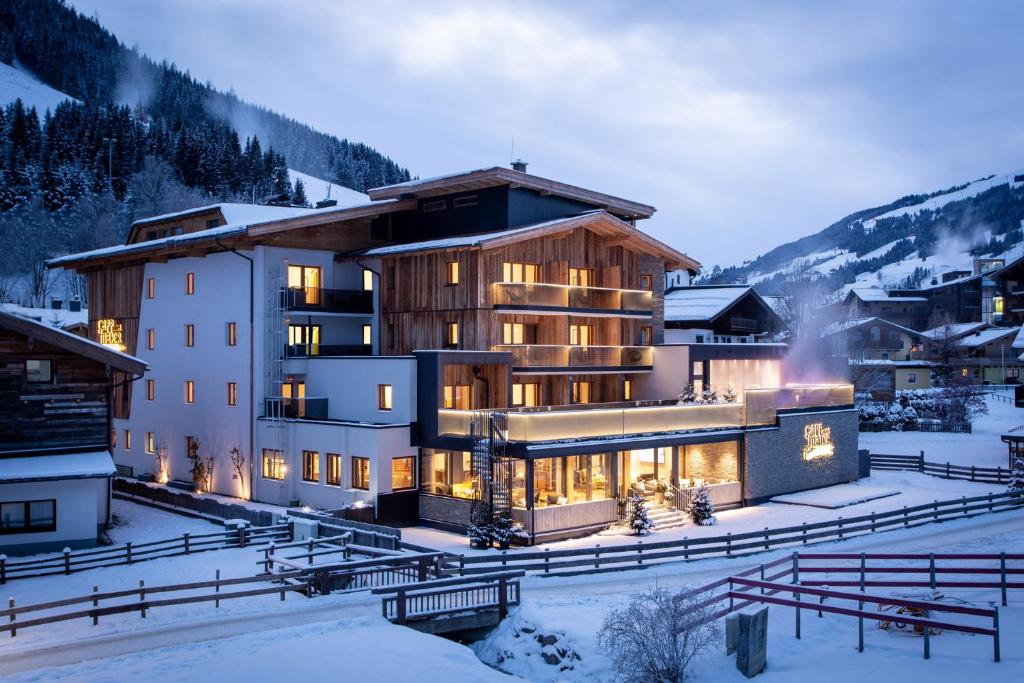
Where to Stay in Saalbach
I’d also give the hotels a little more description so readers understand why we’ve selected them.
Luxury – Hotel Gappmaier – Saalbach Hinterglemm
Mid-range – JUFA Alpenhotel Saalbach
Located in the centre of Saalbach, this hotel is convenient for the lifts, restaurants and village shops. It’s a practical option for skiers who want to be close to everything and enjoy a comfortable stay.
Budget – Pension Lederergütl
A simpler guesthouse option for travellers who would rather spend more of their budget on skiing. It is outside the centre of Saalbach, so check the location and ski-bus arrangements before booking.
If you’ve got specific dates in mind, don’t wait too long to secure your spot. You’ll often get better rates by booking early to! More Accommodation in Saalbach
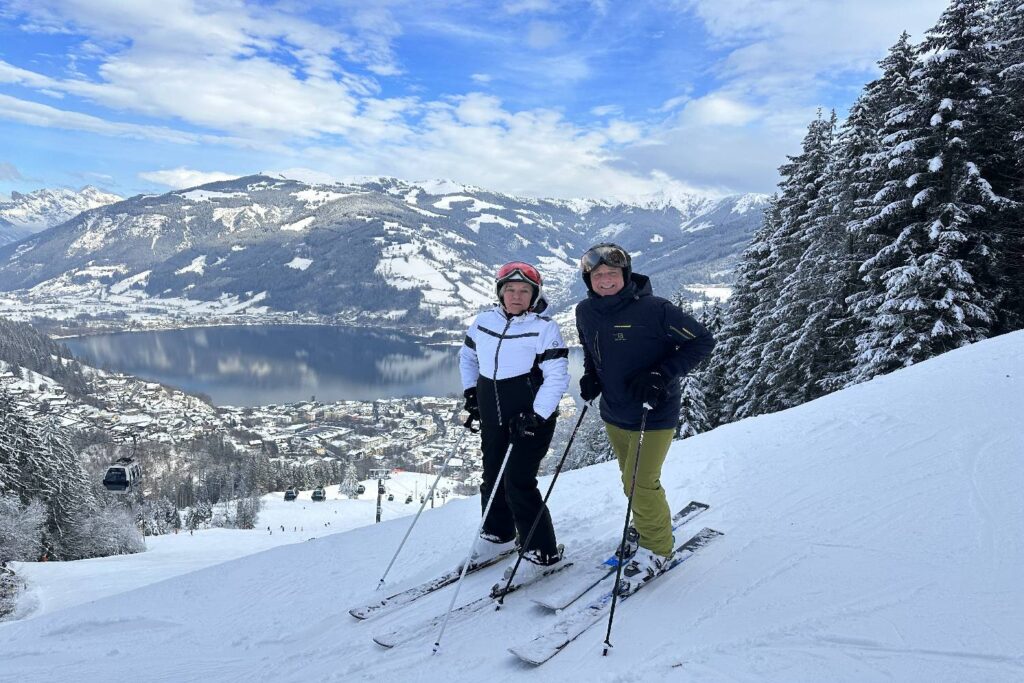
Zell am See–Kaprun – Best for Lake Views and High-Altitude Skiing
Zell am See–Kaprun is a fantastic choice for intermediate skiers who enjoy a bit of variety.
With a beautiful lakeside town, traditional Austrian villages and the high-altitude Kitzsteinhorn glacier, it’s a destination where you can experience quite different types of skiing during the same holiday.
The region has two main ski mountains: the Schmittenhöhe above Zell am See and the Kitzsteinhorn above Kaprun, with the family-friendly Maiskogel also part of the ski offering.
The Skiing in Zell am See–Kaprun
The Schmittenhöhe is a particularly good choice for intermediate skiers, with 77 kilometres of pistes, including 28 kilometres of red runs and 30 kilometres of blue runs.
You’ll find plenty of enjoyable cruising, with beautiful views across Lake Zell and the surrounding mountains.
There are several areas to explore, including the runs around Sonnkogel, Ketting and the Schmittenhöhe summit.
The long Tannwaldabfahrt is another run worth looking out for.
The Kitzsteinhorn glacier offers a different experience.
Sitting high above Kaprun, it has 61 kilometres of pistes, with wide slopes, high-altitude skiing and a longer season than many lower resorts.
There are plenty of opportunities for intermediates, although some of the terrain is more challenging.
The Maiskogel is gentler and better suited to relaxed skiing.
One important point: the Ski ALPIN CARD gives access to 408 kilometres of pistes across three ski regions, including Saalbach’s Skicircus.
These aren’t all one continuously connected ski area, so you’ll need to use the available lift and ski-bus connections to explore them.
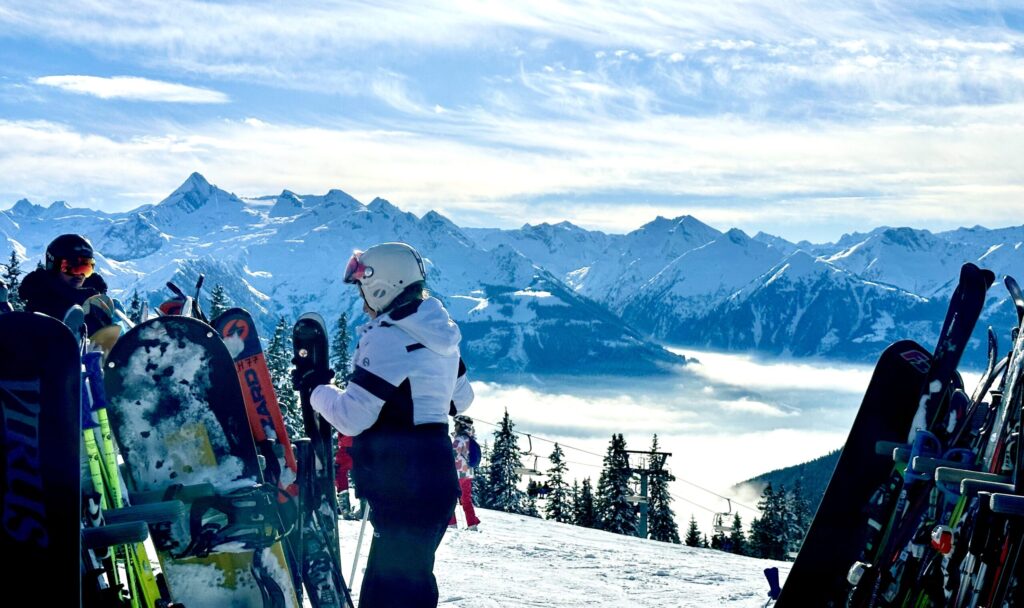
Who Is Zell am See–Kaprun Best For?
Zell am See–Kaprun is a great choice for intermediate skiers who enjoy a mixture of cruising blue runs, challenging red pistes and the option of skiing higher up the mountain when conditions are good.
It’s also a wonderful choice for couples and families who want more than just skiing, with the beautiful lake, a traditional Austrian town, restaurants and plenty to do when you come off the slopes.
Why Intermediate Skiers Will Love Zell am See–Kaprun
The biggest attraction is the choice of skiing.
You can enjoy scenic red runs on the Schmittenhöhe one day and head up to the glacier for a completely different mountain experience the next.
We also love the idea of staying in Zell am See, with its lake, restaurants and traditional town centre, while having access to the higher slopes at Kaprun.
It’s a particularly good option for intermediates who enjoy a mixture of cruising, exploring and trying different terrain rather than skiing the same mountain every day.
Our Verdict
Zell am See–Kaprun is an excellent choice for intermediate skiers who want variety, beautiful scenery and the option of high-altitude skiing.
The Schmittenhöhe is likely to be the main attraction for many intermediates, while the Kitzsteinhorn adds something special for those looking for longer-season skiing and a higher mountain experience.
It’s also a lovely destination if you enjoy having a proper Austrian town to return to after a day on the slopes.
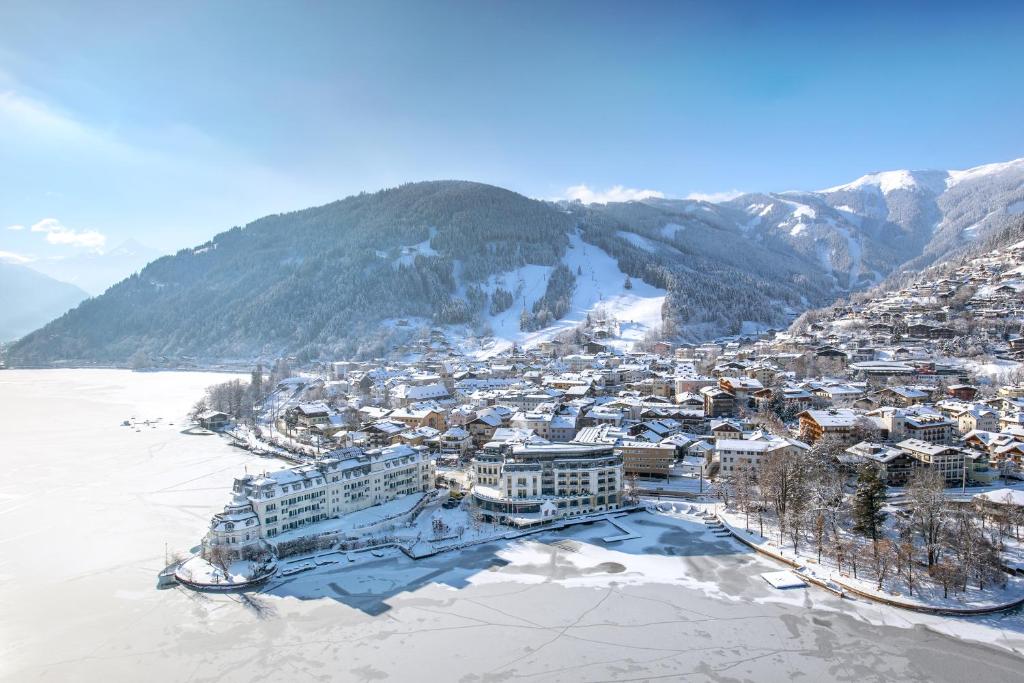
Where to Stay in Zell am See–Kaprun
I’d look at both Zell am See and Kaprun when choosing accommodation.
Zell am See is ideal if you enjoy restaurants, shops and lakeside surroundings, while Kaprun is a good base for access to the Maiskogel and Kitzsteinhorn.
Luxury – Grand Hotel Zell am See
A beautiful lakeside hotel with an elegant traditional interior, spa facilities and lovely views across Lake Zell. A good choice for a special ski holiday, with the town and ski access nearby.
Mid-range – Hotel Tirolerhof
A comfortable hotel in a central position, with spa facilities and easy access to the town’s restaurants, shops and ski lifts. A practical choice if you want to stay in Zell am See rather than further out.
Good value – Hotel Latini
If you’ve got specific dates in mind, don’t wait too long to secure your spot. Other Accommodation in Zell am See
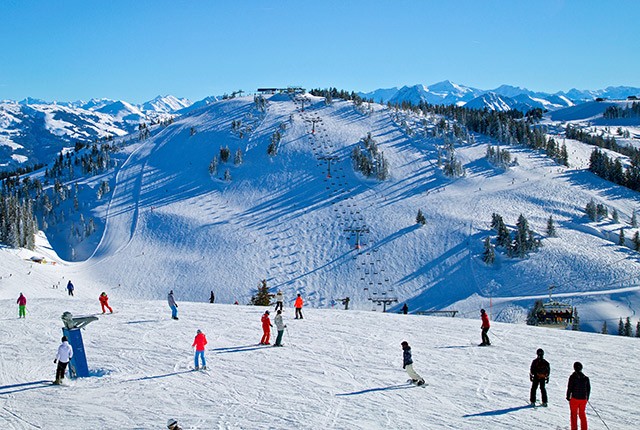
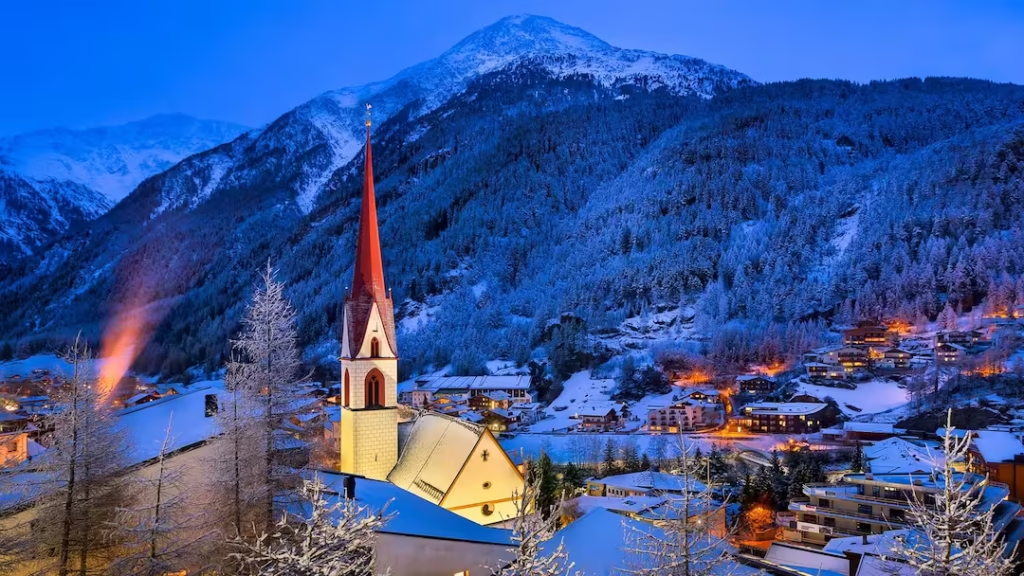
Sölden – Best for High-Altitude Skiing and Long Descents
Sölden is one of Austria’s best-known ski resorts, and it’s easy to see why.
Sitting in the Ötztal Valley in Tyrol, it has a fantastic high-altitude ski area, two glaciers and plenty of long runs to explore.
For intermediate skiers, there’s a good choice of blue and red pistes, with some more challenging terrain for those who enjoy pushing themselves.
The resort also has a longer ski season than many Austrian destinations, making it a particularly good option for early and late-season holidays.
The Skiing in Sölden
Sölden has approximately 147 kilometres of pistes, served by 31 lifts, with skiing between 1,350 and 3,340 metres.
The ski area is divided into three main sectors: Giggijoch, Gaislachkogl and the two glacier areas, Rettenbach and Tiefenbach.
Giggijoch is a great place for intermediates to start exploring. It has a good selection of wide, groomed pistes, with plenty of blue and red runs for relaxed cruising and longer descents.
Gaislachkogl offers more variety, including some steeper sections for confident intermediates.
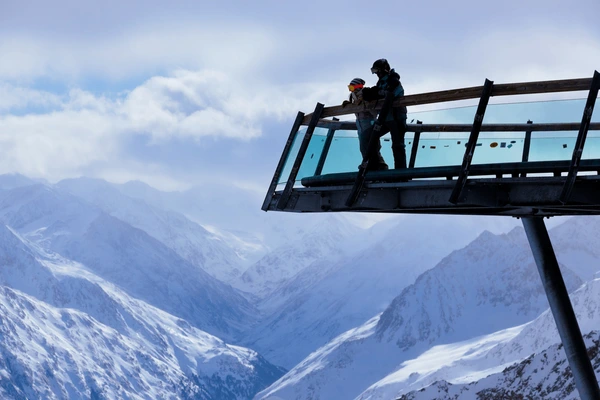
The mountain is also home to the famous BIG3 viewing points, with spectacular views across the surrounding peaks.
The Rettenbach and Tiefenbach glaciers provide high-altitude skiing and are particularly useful earlier and later in the season.
There are some lovely wide pistes here, although you’ll also find more demanding terrain.
One of the highlights is the BIG3 Rally, a route taking skiers across Sölden’s three mountains above 3,000 metres.
It’s a fantastic challenge for confident intermediates who want to explore more of the ski area.
Who Is Sölden Best For?
Sölden is particularly suited to intermediate skiers who are comfortable on red runs and enjoy long descents, varied terrain and skiing at higher altitudes.
It’s also a great choice for those who want reliable snow conditions and plenty of mountain to explore, with the glaciers, spectacular views and lively resort adding to the appeal of a ski holiday here.
Why Intermediate Skiers Will Love Sölden
Sölden is a great choice if you enjoy covering plenty of ground and having different mountains to explore.
The wide pistes, long descents and high-altitude skiing make it particularly appealing for confident intermediates.
We also like the fact that the three main ski sectors are connected, allowing you to move around the area without having to return to the village between each mountain.
The glacier skiing is another big attraction, particularly if you’re planning a holiday towards the beginning or end of the winter season.
Our Verdict
Sölden is an excellent choice for confident intermediate skiers who enjoy long runs, high-altitude skiing and a little more variety in their ski days.
It’s perhaps not the best match for someone who is only just beginning to tackle red runs, as some parts of the mountain are more challenging.
But if you’re comfortable on reds and enjoy exploring different areas, Sölden deserves a place on your Austrian ski holiday shortlist.
Where to Stay in Sölden
Sölden has a good selection of accommodation, from luxury wellness hotels to smaller guesthouses.
I’d particularly look at staying near the Giggijochbahn or Gaislachkoglbahn lifts to make getting onto the mountain easier.
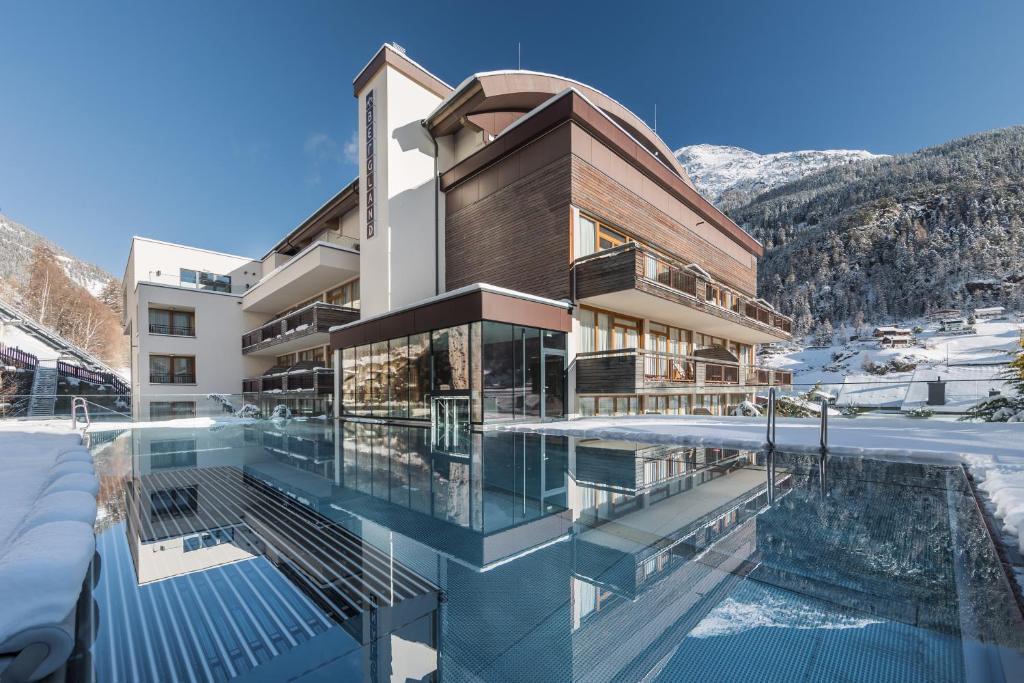
Luxury – Bergland Design- und Wellnesshotel
A stylish five-star hotel in the centre of Sölden, with an impressive rooftop spa, outdoor pool and mountain views. It’s a lovely choice if you want to combine excellent skiing with a little luxury and relaxation after a day on the slopes.
Mid-range – Hotel Bäckelar Wirt
A comfortable hotel close to the Gaislachkoglbahn, making it particularly convenient for skiers. It has a restaurant, wellness facilities and easy access to the village centre. A good option if you want to spend less time getting to the lifts.
Good value – Hotel Das Zentrum
A practical choice in the centre of Sölden, with comfortable accommodation, free parking and easy access to the Giggijochbahn, around a five-minute walk away. Worth considering if you want a central location without choosing one of the resort’s more expensive spa hotels.
You’ll often get better rates by booking early to! More Accommodation in Solden
For more comfort and convenience, compare these car rentals: DISCOVER CARS
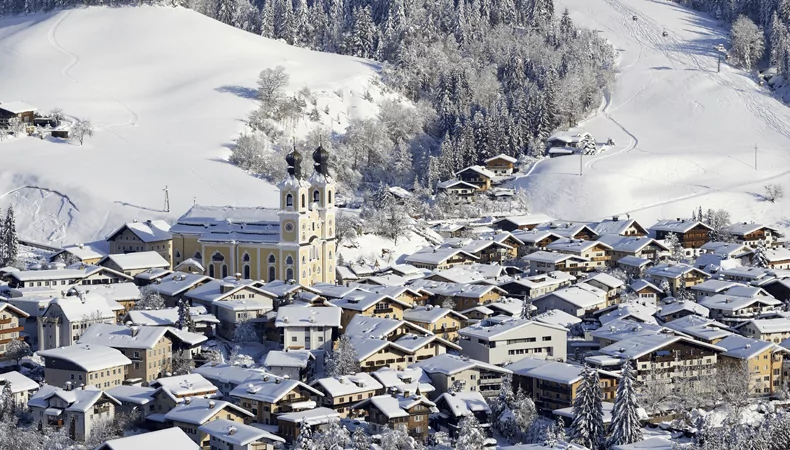
SkiWelt Wilder Kaiser – Söll: Best for Tree-Lined Runs and Exploring
SkiWelt Wilder Kaiser–Brixental is one of Austria’s largest linked ski areas, with several traditional villages connected by an extensive network of lifts and pistes.
Söll is one of the main starting points, and a lovely base for exploring the wider area.
With plenty of blue and red runs, long descents and beautiful tree-lined slopes, SkiWelt is particularly appealing to intermediate skiers.
It’s also a great choice if you enjoy stopping at mountain huts along the way, with plenty of places to take a break and enjoy some traditional Austrian food.

The Skiing in SkiWelt
SkiWelt has around 275 kilometres of pistes, served by 81 lifts. The terrain includes approximately 115 km of blue runs, 121 km of red runs and 10 km of black runs, giving intermediate skiers plenty of choice.
From Söll, the Hexenwasser gondola takes you up towards Hochsöll, where you can begin exploring the surrounding slopes and connections to the rest of the ski area.
The Hohe Salve is one of the highlights, with some lovely long runs and wonderful views across the surrounding mountains.
You’ll find a mixture of blue and red pistes here, making it a good area for confident intermediates.
The wider SkiWelt also takes you towards Scheffau, Ellmau, Going, Brixen im Thale and Westendorf.
Each area has its own character, and the linked pistes make it possible to cover a lot of ground during a week’s holiday.
One thing we particularly like about SkiWelt is the tree-lined skiing. When the weather closes in, having runs through the trees can make a real difference to visibility.
Who Is SkiWelt Wilder Kaiser – Söll Best For?
SkiWelt Wilder Kaiser is particularly suited to intermediate skiers who enjoy cruising blue runs, tackling comfortable red pistes and exploring a large ski area with plenty of variety.
It’s also a great choice for couples, families and groups with different skiing abilities, thanks to its wide range of runs, tree-lined pistes, mountain restaurants and the many villages connected throughout the ski area.
Why Intermediate Skiers Will Love SkiWelt
SkiWelt is a great choice if you enjoy variety without needing to tackle lots of difficult terrain.
There are plenty of wide, well-groomed pistes, and the large number of red runs gives confident intermediates room to develop their skiing.
We also like the opportunity to explore different villages and mountains throughout the week.
You can spend one day skiing around Söll and the Hohe Salve, then head towards Ellmau or Westendorf on another.
And with more than 80 mountain huts and restaurants across the area, there are plenty of places to stop for lunch or a coffee between runs.
Our Verdict
SkiWelt is an excellent choice for intermediate skiers who enjoy exploring a large ski area, cruising long blue and red runs and discovering different mountain villages.
It’s not as high as some of Austria’s glacier resorts, so snow conditions can be more variable, particularly at the beginning and end of the season.
However, the extensive snowmaking facilities help, and the scenery and variety make it a very appealing destination.
If you enjoy spending your ski days exploring rather than repeating the same runs, SkiWelt is well worth considering.
Where to Stay in Söll
Söll has a good selection of hotels and guesthouses, with options in the village centre and closer to the gondola.
One thing worth knowing is that the main gondola station is at Stampfanger, just outside the village centre.
Check the location of your accommodation and its ski-bus arrangements before booking.
Luxury – Hotel Der Greil
A lovely four-star hotel in the village, known for its welcoming atmosphere, excellent food and indoor swimming pool. It’s a good choice if you want somewhere comfortable to return to after skiing, with the added benefit of being close to the village’s restaurants and ski-bus connections.
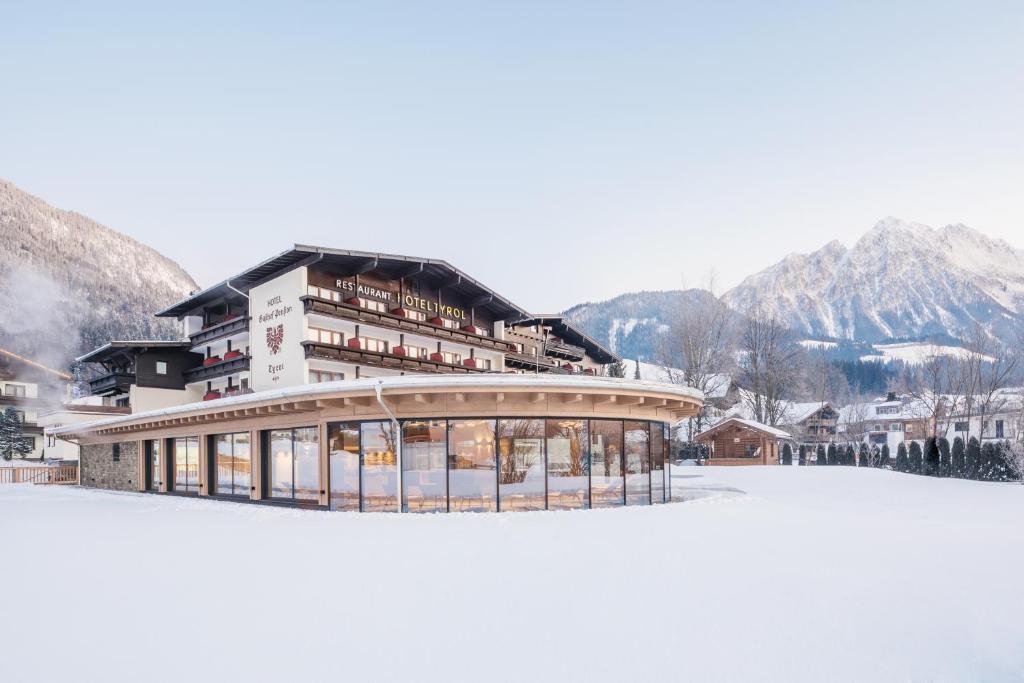
Mid-range – Hotel Tyrol
Located in the centre of Söll, Hotel Tyrol is a convenient option for enjoying the village as well as the skiing. Rooms have mountain-view balconies, and there’s a ski-bus stop nearby, making the journey to the lifts straightforward.
Good value – Hotel Eggerwirt
A smaller, family-run hotel in the village, offering a comfortable base for a ski holiday. It’s close to the pedestrian area, restaurants and shops, and around 500 metres from the ski-school area. A good option if you prefer a simpler stay in a central location.
If you’ve got specific dates in mind, don’t wait too long to secure your spot. You’ll often get better rates by booking early to! More Accommodation in Soll
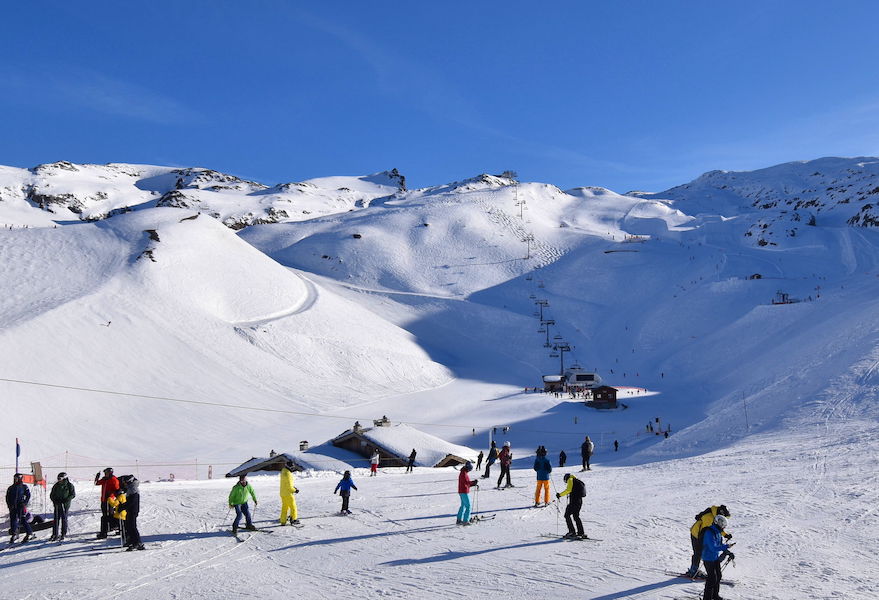

Mayrhofen – Best for Varied Skiing and Confident Intermediates
Mayrhofen is a lively Austrian ski resort in the Zillertal Valley, surrounded by impressive mountain scenery and offering access to some excellent skiing.
It’s particularly appealing to confident intermediates, with a good mix of wide cruising pistes, longer red runs and more challenging slopes for those who want to test themselves.
The main skiing is spread across two mountains, Penken and Ahorn.
They have quite different characters, which gives you a good choice depending on how you feel about your skiing that day.
The Skiing in Mayrhofen
The Mayrhofen ski area has approximately 142 kilometres of pistes and 61 lifts, covering the Ahorn and Penken areas as well as the wider linked mountain terrain towards Finkenberg, Rastkogel and Eggalm.
Penken is where confident intermediates will probably spend most of their time.
It has a varied selection of blue and red runs, with plenty of opportunities to enjoy longer descents and explore different parts of the mountain.
The Horberg and Finkenberg areas add even more variety, with some lovely pistes and connections to explore throughout the day.
Ahorn has a gentler feel, with wide, sunny slopes that are particularly good for relaxed skiing.
It’s a nice alternative if you fancy an easier day or simply want to enjoy the mountain scenery.
Mayrhofen is also home to the famous Harakiri, one of Austria’s steepest groomed pistes, with a gradient of 78%.
This is definitely one for expert skiers rather than something most intermediates will want to tackle!
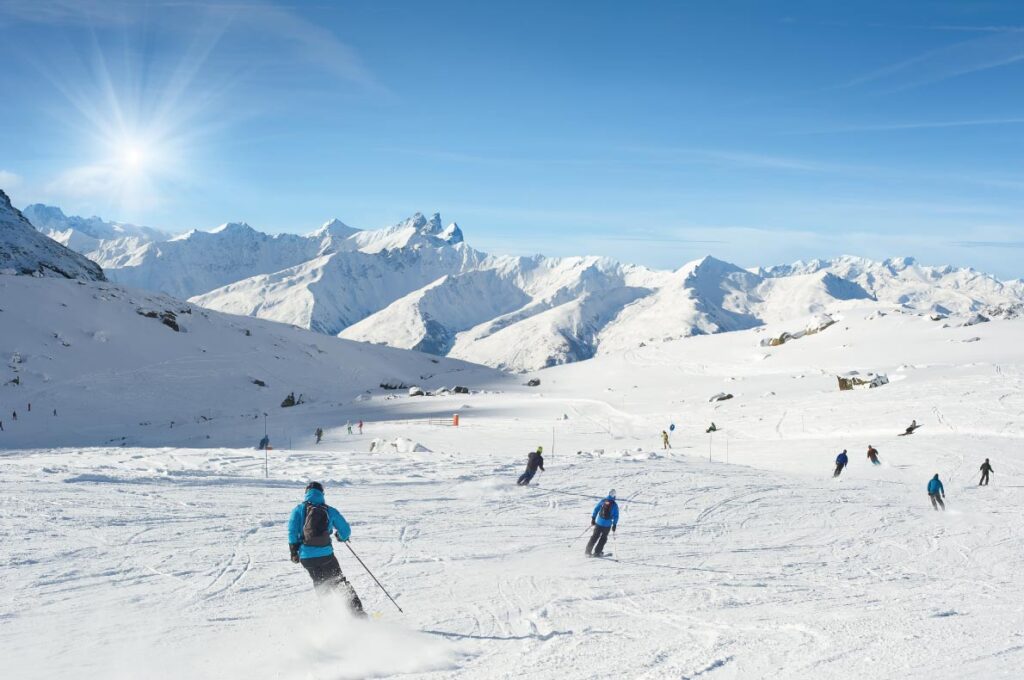
Who Is Mayrhofen Best For?
Mayrhofen is particularly suited to intermediate skiers who are comfortable on red runs and enjoy a little more challenge, along with plenty of varied terrain to explore.
It’s also a great choice for couples and groups of confident skiers who enjoy a lively resort, a good selection of mountain restaurants and the option to explore different areas of the Zillertal, with plenty happening off the slopes too.
Why Intermediate Skiers Will Love Mayrhofen
Mayrhofen has plenty to keep confident intermediates entertained.
Penken offers a good mixture of runs, and the connections towards Horberg and Finkenberg make it easy to explore different slopes during your holiday.
We also like having Ahorn as an alternative.
Not every day needs to be about challenging yourself, and it’s nice to have a mountain with gentler pistes when you fancy a more relaxed day.
If you’re comfortable skiing red runs and enjoy a little variety, Mayrhofen is a very good option.
Our Verdict
Mayrhofen is best suited to confident intermediate skiers who enjoy varied terrain and don’t mind a few more challenging sections along the way.
It’s not necessarily the easiest resort for someone who is just moving from blue to red runs, but there’s plenty to enjoy if you’re already comfortable on intermediate terrain.
The lively village, excellent mountain restaurants and access to the wider Zillertal ski region are added attractions.
Where to Stay in Mayrhofen
Mayrhofen has a good range of accommodation, from traditional Austrian hotels to more luxurious spa properties.
Staying near the Penkenbahn or in the village centre makes getting to the lifts and restaurants convenient.
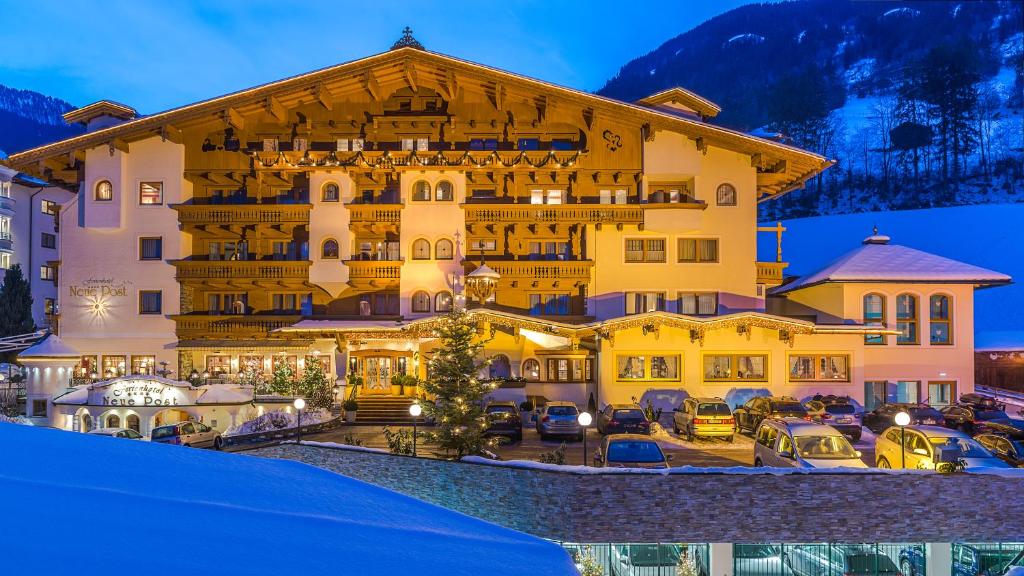
Luxury – Hotel Neue Post
A lovely four-star superior hotel in the centre of Mayrhofen, with an indoor swimming pool, spa facilities, restaurant and comfortable rooms. It’s a good choice if you want a little luxury after a day on the slopes, while still being close to the village’s shops and restaurants.
Mid-range – Hotel Rose
A popular hotel in a central location, with comfortable rooms and a restaurant serving half-board options. It’s a good choice if you like having everything within easy walking distance, including the village centre and the ski lifts.
Good value – Hotel Garni Obermair
A family-run hotel offering a comfortable stay with breakfast, a swimming pool and parking. It’s a little away from the busiest part of the village, making it worth considering if you’d prefer somewhere quieter while still being within reach of the lifts and local amenities.
Browse For More Accommodation In Mayrhofen

Schladming – Best for Long Red Runs and Exploring Four Mountains
Schladming is one of Austria’s best-known ski destinations, and it’s easy to see why.
Set in the beautiful Styrian region, it has a lovely traditional town, excellent mountain scenery and a fantastic linked ski area.
For intermediate skiers, the big attraction is the Schladming 4-Mountain Ski Area.
Four mountains are connected by lifts and pistes, giving you plenty of terrain to explore without having to take off your skis.
It’s particularly good for those who enjoy long red runs, well-groomed pistes and spending the day discovering different parts of the mountain.
The Skiing in Schladming
The Schladming 4-Mountain Ski Area connects Hauser Kaibling, Planai, Hochwurzen and Reiteralm, with approximately 123 kilometres of continuous pistes.
The breakdown is particularly appealing for intermediates:
Blue runs: 47.3 km
Red runs: 67.3 km
Black runs: 8.4 km
Planai is the best-known mountain and the heart of Schladming’s skiing.
It has a good selection of red and blue runs, although some sections are quite steep. It’s also famous for hosting the annual World Cup night slalom.
Hauser Kaibling has some lovely wide pistes and is a great place to enjoy longer descents. It’s also the highest of the four mountains, reaching 2,015 metres.
Hochwurzen is known for its long runs through the trees, making it a lovely choice when you want a change of scenery. There are some excellent cruising opportunities here.
Reiteralm offers a good mixture of blue and red pistes, with plenty of options for confident intermediates looking to explore further.
The beauty of this ski area is that you can move between all four mountains on skis, making it easy to enjoy a different part of the resort each day.

Who Is Schladming Best For?
Schladming is particularly suited to intermediate skiers who enjoy long, well-groomed red runs and exploring different mountains without having to ski the same slopes every day.
It’s also a great choice for couples and groups who enjoy a traditional Austrian ski town, with plenty of mountain restaurants, a lively town centre and four connected mountains to explore.
Why Intermediate Skiers Will Love Schladming
Schladming is particularly good for skiers who are comfortable on red runs and enjoy exploring a large connected ski area.
There’s enough variety to keep you busy for a week, with wide cruising pistes, longer descents and some more challenging sections when you feel like pushing yourself.
We also like the fact that each mountain has a slightly different feel.
You can spend the morning on Planai, head towards Hauser Kaibling for the afternoon and explore the tree-lined runs on Hochwurzen another day.
And with more than 50 mountain huts across the four-mountain area, there are plenty of places to stop for lunch along the way.
Our Verdict
Schladming is a fantastic choice for confident intermediate skiers who enjoy long red runs and exploring different mountains.
It’s not necessarily the easiest resort for someone who is just starting to progress beyond blue runs, but there is plenty of enjoyable terrain for those who are already comfortable on reds.
The traditional town, excellent lift connections and variety of skiing make it one of our strongest choices in Austria.
Where to Stay in Schladming
Schladming has a good range of accommodation, and I’d recommend staying close to the Planai gondola if you want easy access to the main ski area.
The town centre is also a great base, with restaurants, cafés and shops within walking distance.
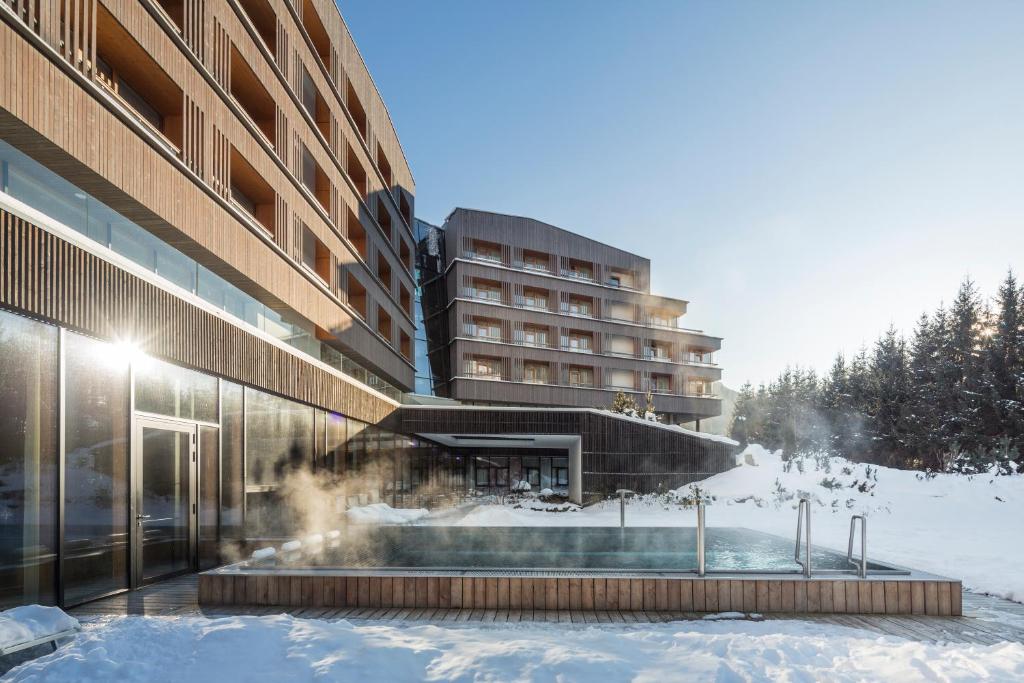
Luxury – Falkensteiner Hotel Schladming
A stylish four-star superior hotel with an impressive 1,500 m² spa, indoor and outdoor pools and a lovely restaurant. It’s around 450 metres from the Planai cable car, and the hotel also provides a complimentary ski shuttle. A great choice if you enjoy a little luxury after a day on the slopes.
Mid-range – B&B Hotel Die Barbara
One of the best-located options for skiers, sitting directly opposite the Planai cable car. It has comfortable rooms, a good breakfast, heated ski lockers and a sauna area. You can also walk into the town centre in just a few minutes.
Good value – JUFA Hotel Schladming
A practical option in the pedestrian area of Schladming, around 200 metres from the Planai cable car. It has comfortable rooms, a restaurant, sauna and ski storage. It’s particularly worth considering if you want a central location without paying for a luxury hotel.
If you’ve got specific dates in mind, don’t wait too long to secure your spot. You’ll often get better rates by booking early to! More Accommodation in Schladming
Our Full Guide On The
8 Best Snow-Sure Ski Resorts in Europe: Ultimate Guide 26/27
Obergurgl–Hochgurgl – Best for Snow Reliability and High-Altitude Skiing
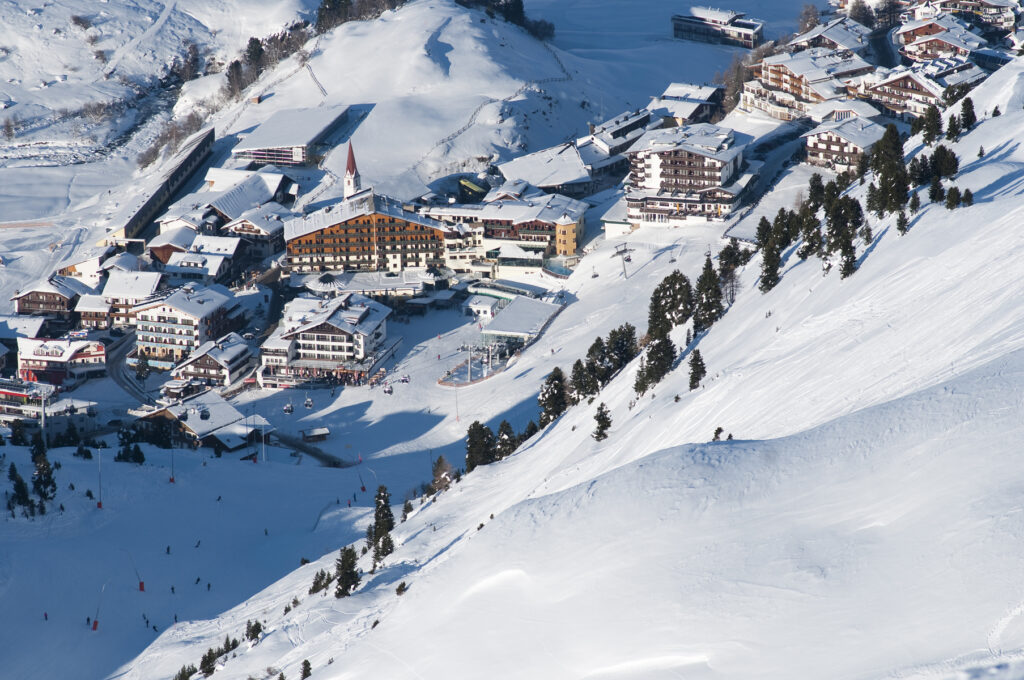
Obergurgl–Hochgurgl, often simply called Gurgl, sits at the end of the Ötztal Valley in Tyrol.
It’s one of Austria’s highest ski resorts, with a peaceful village atmosphere, impressive mountain scenery and a ski area that reaches over 3,000 metres.
For intermediate skiers, there are plenty of wide, well-groomed pistes, long descents and some lovely cruising terrain.
It’s also a particularly good option for anyone planning a ski holiday early or late in the season, when snow conditions can be less reliable at lower resorts.
The Skiing in Obergurgl–Hochgurgl
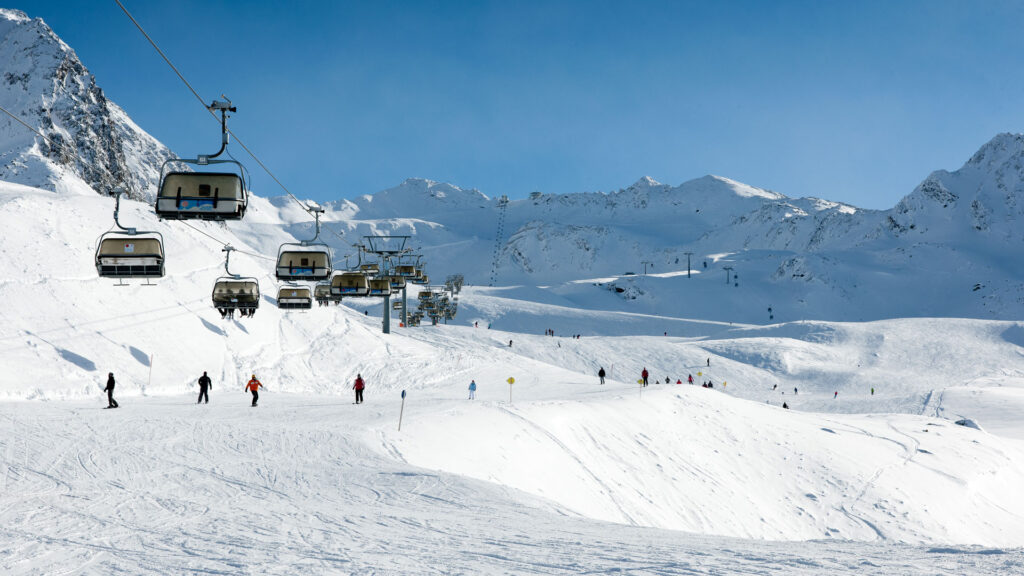
The ski area has approximately 112 kilometres of pistes, served by 25 lifts, with skiing between 1,800 and 3,030 metres.
Obergurgl and Hochgurgl are connected by the Top Express gondola, making it easy to explore both areas during the day.
Obergurgl has a lovely selection of wide pistes, with some particularly enjoyable skiing around Festkogl.
The runs here suit confident intermediates who enjoy longer descents and a little variety.
Hochgurgl sits higher and is known for its wide, open slopes and excellent snow conditions.
There are some lovely blue and red runs, making it a great area for cruising and enjoying the mountain scenery.
One of the highlights is the Wurmkogl descent, an approximately 8-kilometre run with a vertical drop of around 1,260 metres. It’s a fantastic long run for confident intermediates who enjoy covering plenty of ground.
And if you fancy a break, the Top Mountain Star panoramic bar at 3,030 metres is well worth a visit for its spectacular mountain views.
Who Is Obergurgl–Hochgurgl Best For?
Obergurgl–Hochgurgl is particularly suited to intermediate skiers who enjoy well-groomed pistes, quieter slopes and skiing at higher altitudes, with a good mix of blue and red runs.
It’s also a great choice for couples and families looking for a more relaxed ski holiday, with reliable snow conditions, lovely mountain restaurants and a traditional Austrian village atmosphere.
Why Intermediate Skiers Will Love Obergurgl–Hochgurgl
Obergurgl–Hochgurgl is particularly appealing if you enjoy wide pistes, long cruising runs and plenty of space on the mountain.
The high altitude is another big advantage.
The ski season generally runs from mid-November until late April, making it one of the better choices for early and late-season skiing in Austria.
We also like the fact that the two ski areas offer slightly different experiences.
You can spend one day exploring Obergurgl and another skiing around Hochgurgl, without needing to change resorts.
Our Verdict
Obergurgl–Hochgurgl is a fantastic choice for intermediate skiers who enjoy high-altitude skiing, wide pistes and a quieter resort atmosphere.
It’s particularly well suited to confident intermediates, although there are also plenty of easier blue runs for those who prefer more relaxed skiing.
If snow reliability is high on your list, especially for a December or March holiday, this is one Austrian resort we’d certainly consider.
Where to Stay in Obergurgl–Hochgurgl
One of the advantages of staying in Gurgl is the excellent access to the slopes.
Many hotels are close to the lifts or offer ski-in/ski-out access, so you won’t spend much time travelling to the mountain.
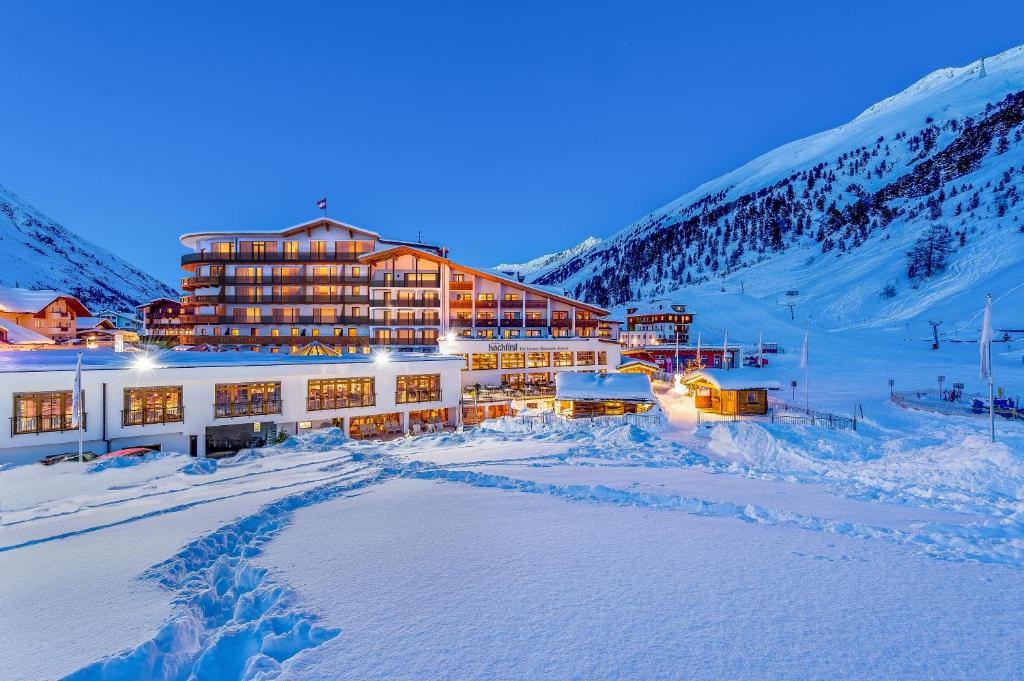
Luxury – Alpen-Wellness Resort Hochfirst
A five-star luxury hotel with direct access to the slopes, an extensive wellness area and excellent dining. The Festkogl gondola is just a short walk away, making this a wonderful choice if you want a high-end ski holiday with everything close at hand.
Mid-range – Hotel Gurglhof
A comfortable four-star superior hotel with a lovely wellness area, swimming pool and restaurant. Its position close to the pistes and lifts makes it a convenient base for a week of skiing, while the half-board dining is another plus after a full day on the mountain.
Good value – All Inclusive Hotel Lohmann
A family-friendly option offering comfortable accommodation and an all-inclusive arrangement. It has useful facilities for skiers, including heated ski storage and an on-site sports shop. Worth considering if you want to keep meals and practical ski arrangements simple.
If you’ve got specific dates in mind, don’t wait too long to secure your spot. Other Accommodation In Obergurgl
Which Austrian Ski Resort Is Best for Intermediate Skiers?
Choosing the right Austrian ski resort really depends on the type of skiing you enjoy.
Some offer enormous linked ski areas where you can spend the week exploring, while others are better suited to long red runs, high-altitude skiing or quieter mountain surroundings.
We’ve selected seven resorts, each with something different to offer.
Here’s how we’d narrow down the choice.
Our Top Picks
– Best all-round resort – Saalbach:
With its huge linked ski area, long red runs and plenty of blue pistes, Saalbach is hard to beat for confident intermediates who enjoy exploring.
– Best for a huge choice of blue and red runs – SkiWelt Wilder Kaiser:
Ideal if you like covering plenty of ground, skiing through the trees and visiting different mountain villages.
– Best for long red runs – Schladming:
The four connected mountains offer excellent skiing for confident intermediates who enjoy longer descents and varied terrain.
– Best for scenery and glacier skiing – Zell am See–Kaprun:
A lovely combination of lake views, mountain skiing and the higher-altitude Kitzsteinhorn glacier.
– Best for high-altitude skiing – Sölden:
A great option for confident intermediates who enjoy long descents, glacier skiing and exploring different mountain areas.
– Best for confident intermediates – Mayrhofen:
Penken offers plenty of varied skiing and more challenging runs, while Ahorn provides gentler terrain for a change of pace.
– Best for snow reliability – Obergurgl–Hochgurgl:
A particularly good choice for early and late-season holidays, with high-altitude pistes and plenty of enjoyable cruising.
So, Which One Would We Choose?
If we had to choose just one, we’d put Saalbach at the top of our list for an all-round intermediate ski holiday.
The size of the ski area, variety of pistes and connections between the different villages make it a fantastic place to spend a week.
However, if snow reliability is your biggest concern, we’d look closely at Sölden or Obergurgl–Hochgurgl.
For those who prefer long red runs and exploring different mountains, Schladming would be a strong contender.
The good news is that Austria has plenty of excellent options for intermediate skiers.
Whether you’re happy cruising blue runs or confidently tackling reds, there’s a resort here to suit the way you like to ski.
How to Get to the Austrian Ski Resorts
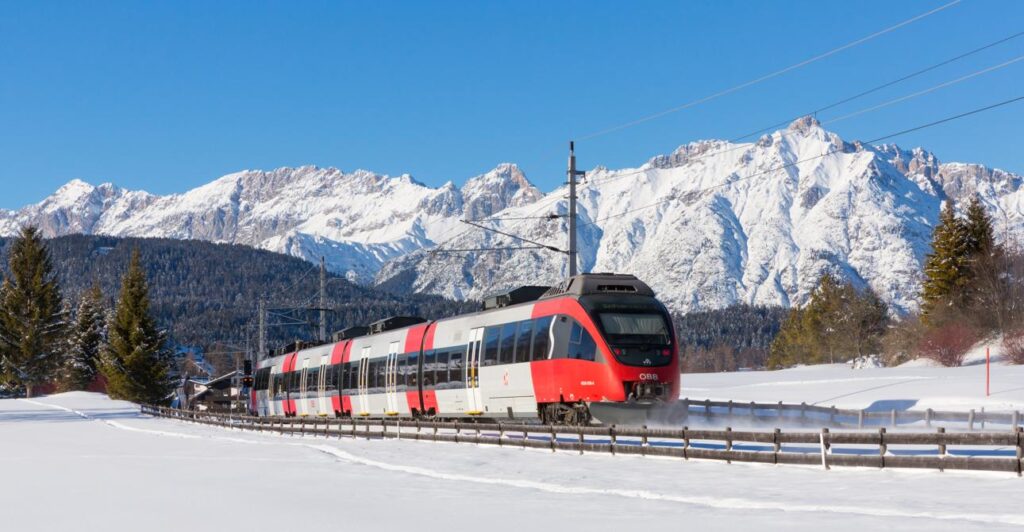
Getting to Austria’s ski resorts is relatively straightforward, with several international airports, excellent rail connections and plenty of airport transfer options.
The best airport will depend on which resort you’re visiting.
Salzburg is particularly convenient for the eastern resorts, while Innsbruck is a good choice for destinations in the Tyrol region.
If you’re travelling from the UK, it’s worth comparing flights into both airports, as well as Munich, which can be a useful alternative.
Which Airport Should You Fly Into?
Here is a quick guide to the best airports for our seven Austrian ski resorts.
Ski resort | Best airport | Approx. transfer by road |
|---|---|---|
Saalbach | Salzburg | 1 hr 30 min |
Zell am See–Kaprun | Salzburg | 1 hr 30 min |
Sölden | Innsbruck | 1 hr 15–30 min |
SkiWelt – Söll | Salzburg or Innsbruck | 1 hr 15–30 min |
Mayrhofen | Innsbruck | 1 hr |
Schladming | Salzburg | 1 hr 15–30 min |
Obergurgl–Hochgurgl | Innsbruck | 1 hr 30–45 min |
These are approximate driving times in normal conditions. Snowfall, traffic and busy Saturday changeover days can add considerably to your journey.
Getting to Each Resort
Saalbach
Salzburg Airport is the most convenient option, approximately 90 minutes away by road. If travelling by train, take a service to Zell am See and continue by bus or taxi to Saalbach.
Zell am See–Kaprun
Salzburg Airport is again the easiest choice.
Zell am See has its own railway station, making this one of the more straightforward resorts to reach without a car. Kaprun is a short bus or taxi journey from the station.
Sölden
Innsbruck Airport is the closest major airport, with a road transfer of around 75–90 minutes.
If travelling by train, take the train to Ötztal Bahnhof and continue by bus or taxi up the valley to Sölden.
SkiWelt – Söll
Both Salzburg and Innsbruck are useful airports for Söll. By train, travel to Kufstein and continue by bus or taxi to the village.
Mayrhofen
Innsbruck Airport is the most convenient, approximately one hour away by road.
Mayrhofen also has its own railway station. From Jenbach, you can catch the Zillertalbahn train which travels up the valley to the resort.
Schladming
Salzburg Airport is a good option, with a road transfer of approximately 75–90 minutes.
Schladming also has its own railway station in the town, with train connections from Salzburg and other Austrian cities.
Obergurgl–Hochgurgl
Innsbruck Airport is the best option, although the journey is a little longer than to Sölden. By train, travel to Ötztal Bahnhof and continue by bus or taxi up to Obergurgl.
For more comfort and convenience, compare these car rentals: DISCOVER CARS
Can You Ski in Austria Without Hiring a Car?
Zell am See and Schladming have railway stations in the towns themselves, while Mayrhofen is connected by the Zillertalbahn.
For Sölden and Obergurgl, regular bus connections from Ötztal Bahnhof make travelling without a car possible.
Saalbach and Söll also have bus connections from nearby railway stations.
Austria’s public transport network is generally very good, and many resorts provide local ski buses to help you get between your accommodation and the lifts.
Should You Book an Airport Transfer?
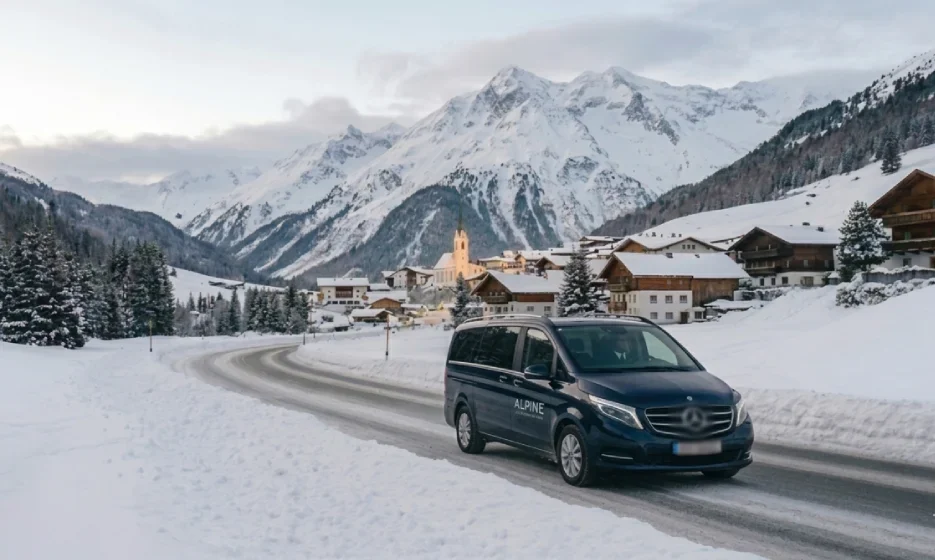
If you’re travelling with ski equipment, luggage or a group, an airport transfer can make the journey much easier.
You can choose between shared shuttles, private transfers, taxis and car hire.
Private transfers are usually more expensive, but they take you directly to your accommodation without having to worry about train changes or bus connections.
If you decide to hire a car, remember that winter driving in the Austrian Alps can be challenging.
Make sure your vehicle meets Austria’s winter equipment requirements and check the weather before setting off.
For train journeys and connections, visit Omio. For flights and airport information, check Salzburg Airport and Innsbruck Airport.
For more comfort and convenience, compare these car rentals: DISCOVER CARS
Frequently Asked Questions
1. Which Austrian ski resort is best for intermediate skiers?
Saalbach is our top all-round choice, with a huge linked ski area, plenty of blue and red runs and lots of terrain to explore. Schladming is another excellent option for confident intermediates.
2. Which Austrian ski resort has the most blue and red runs?
SkiWelt Wilder Kaiser–Brixental has an excellent selection of both, with approximately 115 km of blue pistes and 121 km of red runs.
3. Is Austria good for intermediate skiers?
Absolutely! Austria has some fantastic resorts for intermediate skiers, with wide groomed pistes, long red runs, excellent lift systems and plenty of mountain restaurants.
4. Which Austrian ski resort is best for confident intermediate skiers?
Sölden, Mayrhofen and Schladming are particularly good choices for confident intermediates who enjoy longer descents and more challenging red runs.
5. Which Austrian ski resorts are best for snow reliability?
Obergurgl–Hochgurgl and Sölden are two of the strongest choices, thanks to their high-altitude skiing and glacier access at Sölden. Zell am See–Kaprun is another good option because of the Kitzsteinhorn glacier.
6. When is the best month to ski in Austria?
January, February and March are generally the best months for an Austrian ski holiday. January and February usually bring reliable winter conditions, while March offers longer days and more sunshine.
7. Are Austrian ski resorts suitable for intermediate skiers travelling with beginners?
Yes. Resorts such as Saalbach, Zell am See–Kaprun and SkiWelt have a good range of easier blue pistes alongside more challenging red runs, making them worth considering for mixed-ability groups.
Should You Get Ski Travel Insurance?
(Short Answer: YES)
While ski resorts in Europe don’t legally require you to have travel insurance, buying ski-specific travel insurance is one of the smartest decisions you can make.
Mountain travel comes with real risks — from injuries on icy slopes to delayed flights, lost luggage, or damaged ski gear.
One accident or missed connection can cost far more than a full year of coverage.
As a traveller and skier myself, I’ve consistently found SafetyWing offers some of the best winter-sports coverage for international ski trips.
Best Ski Travel Insurance Companies for 2025/26
Two companies consistently stand out for skiers, each for different reasons.
1. SafetyWing
(Best for Long-Term Ski Travel & Affordability)
We personally use SafetyWing, and have since 2019.
It’s perfect for skiers spending multiple weeks or a whole season abroad.
You can get a Quote here.
When my wife broke her ankle skiing in Wengen, they were fantastic, they paid for all our expenses without any delay.
2. World Nomads
(Best for Adventure Coverage)
If you’re planning a trip that includes off-piste skiing with a guide, winter hiking, or multiple snow sports, World Nomads often provides broader adventure coverage.
They’re a favourite among travellers who want all activities covered under one policy.
Even experienced skiers will tell you — it only takes one icy patch to ruin both a knee and a bank account.
We Can Help Plan Your Adventure
Custom Ski Itineraries in Europe Designed For You
Final Thoughts
Austria has some wonderful ski resorts for intermediate skiers, and choosing between them really comes down to the kind of holiday you’re looking for.
If you love exploring a big ski area, Saalbach and SkiWelt are excellent choices. If long red runs are more your thing, we’d look at Schladming or Mayrhofen.
And if skiing at higher altitudes with good snow conditions is important, Sölden and Obergurgl–Hochgurgl are well worth considering.
We’ve spent many years skiing in the European Alps, and one thing we’ve always enjoyed about Austria is the combination of good skiing, traditional mountain villages and those lovely mountain restaurants where you can stop for lunch.
You don’t need to be an expert to enjoy a fantastic ski holiday here.
If you’re comfortable on blue runs and starting to enjoy your reds, Austria has plenty of mountains waiting to be explored.
We hope this guide helps you find the right resort for your next Austrian ski holiday.
Happy skiing!
Gary & Sally
Timeless Wanderers
PLAN YOUR SKI ADVENTURE
Booking a ski trip involves a range of reliable resources to ensure a smooth and enjoyable experience. I have listed below our favorite companies we use when we plan our ski holiday.
BOOK YOUR FLIGHT – GOING is a great search engine if you are flexible about your travel destination and dates. GOING is our new go to.
Booking.com– for accommodation, we rely on Booking.com for its extensive options and user reviews. We find they have the cheapest rates and offer payment options. In addition, VRBO is another terrific website for all types of accommodations.
Train Travel– to European ski resorts is convenient and scenic, popular trips include Glacier express to Zermatt, the Eurostar from London to the French Alps. We find Omio or Rail Europe are the best sites for booking trains in Europe.
Car Hire – we usually hire a car it offers us flexibility and convenience, allowing easy access to most resorts. Companies like Discover Cars or Rentalcars.com provide reliable options with winter equipment.
Travel insurance– Don’t ski without it. If you get hurt on the mountain it could cost you a small fortune if you’re not insured. We use SAFETYWING when my wife broke her ankle a few years ago in Wengen they were terrific.
Ski Equipment. – Bring your own ski gear, its usually cheaper and much better than renting, it ensures you have a perfect fit. Owning also saves time and money in the long run. Equipment like Skis, Pants and Jackets, Gloves, Ski-helmets and Thermal underwear” can all be bought online. You can purchase everything you need from BACKCOUNTRY
ARC’TERYX – is a go to reliable brand for outdoor adventure and travel, their wide range includes light weight durable, easy to clean travel gear.
Check out our RESOURCE PAGE for more additional planning.