
How We Afford Long-Term Travel in Europe (Without Being Wealthy)
Timeless Wanderers: Posted July 28, 2026
The Question We’re Asked More Than Any Other
If there’s one question we’re asked more than any other, it’s this:
“How do you afford to travel Europe for so long?”
It’s a fair question.
When people see photos of beautiful villages, mountain views, local cafés, and months spent exploring Europe, it’s easy to assume there must be a secret.
Some people imagine we won the lottery.
Others think we must have an unlimited travel budget.
The reality is much less exciting—but hopefully much more encouraging.
We are not wealthy.
We don’t travel in luxury.
And there isn’t a magic formula that suddenly made long-term travel affordable.
What changed wasn’t our income.
It was the way we looked at travel.
Over time, we realised that travelling for longer didn’t necessarily mean spending more.
In many cases, it meant spending differently.
Instead of trying to squeeze everything into an expensive two-week holiday, we began creating a lifestyle built around longer stays, slower travel, and making thoughtful choices about where our money would have the greatest impact.
That shift completely changed what we believed was possible.
Today, people often assume that long-term travel is only for retirees with large savings, digital nomads earning high incomes, or people with unlimited budgets.
Our experience has been very different.
We’ve learned that long-term travel is often less about how much money you have and more about how you choose to travel.
In this article, we’ll share the principles that have helped us spend months at a time exploring Europe—without living a luxury lifestyle or feeling like we need an endless budget.
Because while everyone’s financial situation is different, the mindset behind affordable long-term travel is something anyone can learn from.
What you’ll discover in this guide
In this article, we’ll share:
why long-term travel isn’t always as expensive as people think
how staying longer can actually reduce your travel costs
the everyday choices that have helped us travel for months at a time
how housesitting has become an important part of our journey
why changing the way you think about travel can be just as important as changing your budget
Whether you’re planning a three-month European adventure or simply wondering if long-term travel could one day become part of your life, we hope this guide helps you see what’s possible.
Table of Contents
We can help you plan your dream trip to Europe, with a personalised itinerary designed just for you.
After more than 30 years of travelling to Eurpe—and loving it so much we decided to make it our home—we now live here and explore at a relaxed, local pace.
Planning a trip to Europe is exciting, but choosing where to go, how long to stay, and how to get around can quickly become overwhelming.
That’s where we come in.
We offer a personalised planning service that helps you decide exactly how to explore Europe, based on your travel style, budget, and pace.
Plus, we can help you plan scenic drives, time in hilltop towns, food and wine experiences, and those small local moments that make a trip truly special—making your European holiday easier, smoother, and full of memories you’ll treasure long after you return home.
“Let us plan your perfect trip with a custom itinerary designed just for you.
Fill out the form and let’s begin your dream.”
People Often Assume You Need to Be Rich
One of the biggest misconceptions about long-term travel is that it is only possible if you are wealthy.
We understand why people think that.
Social media is full of luxury hotels, business-class flights, expensive restaurants, and picture-perfect holidays that make travel seem out of reach for many people.
When someone sees us spending months in Europe, it’s easy to assume we must have an unlimited budget.
The truth is much simpler.
We don’t travel that way.
Our goal has never been to travel luxuriously.
Our goal has always been to travel sustainably.
We wanted to create a lifestyle we could enjoy for months at a time, not just for a special holiday.
That meant making different choices.
Long-Term Travel Doesn’t Mean Unlimited Spending
One of the first things we realised was that travelling for longer doesn’t mean spending money every day like you’re on a two-week holiday.
When people go away for a short break, it’s natural to treat every day as something special.
You might eat out for every meal.
Book expensive tours.
Visit multiple attractions each day.
Buy souvenirs.
Move frequently between destinations.
There’s absolutely nothing wrong with that—it’s part of making the most of limited holiday time.
But long-term travel naturally becomes different.
After a while, you begin living more like a local than a tourist.
You shop at supermarkets and local markets.
You cook many of your own meals.
You enjoy free experiences like walking through villages, hiking scenic trails, visiting local markets, or relaxing in a town square with a coffee.
Those everyday choices can make a remarkable difference over time.
We Focus on Value Rather Than Luxury
One of the biggest changes in our thinking was learning to separate value from luxury.
Luxury often comes with a higher price tag.
Value comes from experiences that genuinely enrich your journey.
For us, value might mean staying in a comfortable apartment for a month instead of a luxury hotel for a few nights.
It might mean choosing accommodation with a kitchen so we can enjoy cooking with fresh local ingredients.
It might mean spending an afternoon exploring a beautiful village rather than paying for an expensive attraction.
Some of our favourite memories have cost very little.
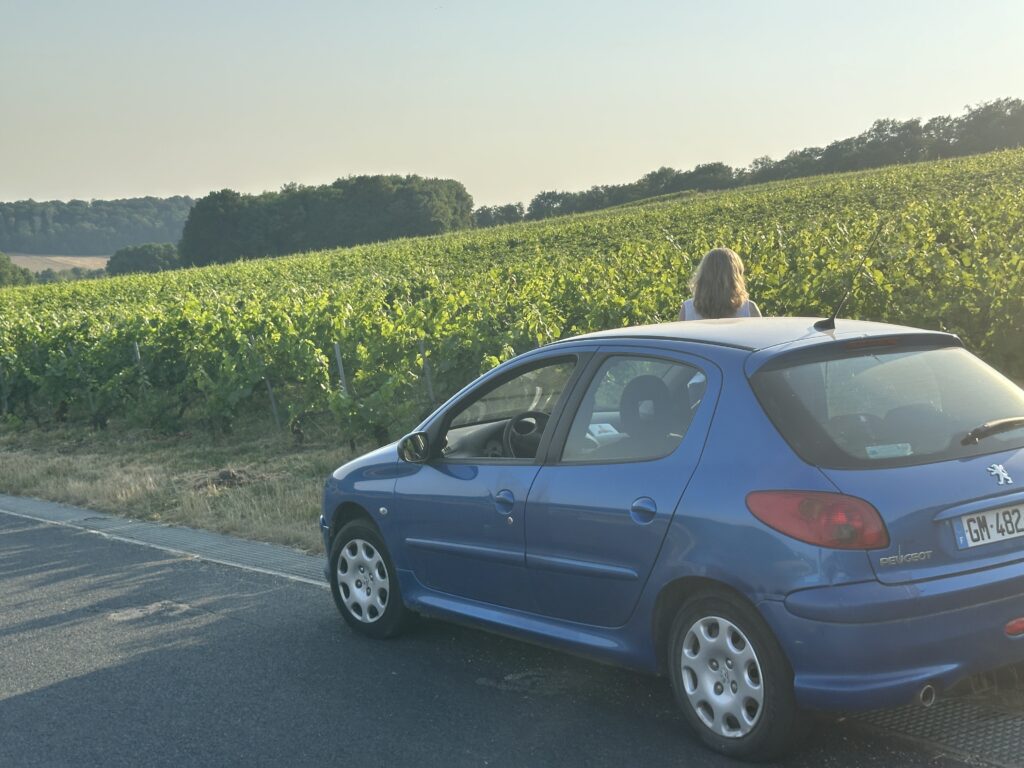
A walk through vineyard-covered hills.
A picnic beside a lake.
A local market on a Saturday morning.
Watching the sunset from a quiet town square.
Those experiences remind us that the best parts of travel are not always the most expensive.
We Prioritise What Matters Most
Like everyone else, we have a budget.
We simply choose to spend it on the things that matter most to us.
We are happy to spend money on experiences that will create lasting memories.
At the same time, we look for sensible ways to reduce costs in areas that are less important to us.
That balance allows us to keep travelling without feeling like we are constantly sacrificing or constantly overspending.
It isn’t about being cheap.
It’s about being intentional.
Every euro we save in one area gives us the opportunity to stay a little longer, explore another region, or enjoy another unforgettable experience.
Everyone’s Journey Will Look Different
One thing we’ve learned over the years is that there is no single budget for long-term travel.
Some people travel with backpacks.
Others enjoy boutique hotels.
Some travel by train.
Others hire a car.
Some travel for one month.
Others travel for a year.
The important thing isn’t comparing your budget with someone else’s.
It’s creating a travel lifestyle that works for you.
That is exactly what we have tried to do.
Our Lesson Learned
Long-term travel isn’t about having unlimited money. It’s about making thoughtful choices that allow you to keep travelling for longer.
Our Mindset Changed Before Our Budget Did
Looking back, the biggest change we made wasn’t opening a new savings account or finding a clever way to reduce our travel expenses.
It was changing the way we thought about travel itself.
For years, we planned our European holidays the same way many people do.
We had a limited amount of time, so we tried to make every day count.
We wanted to see as much as possible, fit in as many experiences as we could, and return home feeling like we had made the most of our holiday.
That approach made perfect sense.
When you only have two or three weeks, every day feels precious.
But when we began thinking about travelling for months instead of weeks, we realised that approach no longer worked.
We weren’t planning a holiday anymore.
We were creating a lifestyle.
We Stopped Thinking Like Holidaymakers
One of the biggest shifts was understanding that long-term travel isn’t simply a longer version of a traditional holiday.
The priorities are different.
On holiday, it’s easy to spend money for convenience because time is limited.
You might eat every meal in a restaurant, stay in hotels, or fill each day with organised activities because you want to make the most of your trip.
Long-term travel encourages a different rhythm.
You begin asking different questions.
How can we stay here a little longer?
Would renting an apartment make more sense?
Could we cook a few meals at home?
What free experiences are available in this area?
The focus moves from squeezing as much as possible into each day to creating a lifestyle that feels comfortable and sustainable.
We Learned That Slowing Down Often Saves Money
One of the biggest surprises was discovering that many of the choices that made travel more enjoyable also helped reduce our costs.
Staying longer often meant paying lower nightly accommodation rates.
Cooking at home became part of everyday life.
Walking through towns, hiking scenic trails, and exploring local markets became some of our favourite activities—and many of them cost very little.
The slower we travelled, the less pressure we felt to constantly spend money on entertainment.
We realised that enjoying Europe doesn’t always require opening your wallet.
Sometimes the greatest experiences are completely free.
We Started Spending With Purpose
Changing our mindset also changed the way we spent money.
Instead of asking, “Can we afford this?” we started asking, “Will this add real value to our experience?”
Sometimes the answer was yes.
A special meal celebrating an anniversary.
A wine tasting in Tuscany.
A scenic train journey we had always wanted to take.
Those moments were worth every cent.
Other times, we were happy to save money on things that didn’t matter as much to us because we knew it gave us more freedom later in our journey.
That balance has become one of the keys to travelling for longer.
Freedom Became More Valuable Than Luxury
Perhaps the biggest change of all was what we valued.
Instead of dreaming about luxury hotels or expensive holidays, we found ourselves dreaming about something much simpler.
More time.
More flexibility.
More opportunities to stay a little longer when we discovered somewhere we loved.
That freedom has become one of the greatest luxuries in our lives.
It allows us to travel at our own pace, make decisions without feeling rushed, and enjoy Europe in a way that feels authentic to us.
Looking back, we didn’t just change our travel budget.
We changed our priorities.
And that made all the difference.
Our Lesson Learned
The biggest investment we made wasn’t in travel—it was in changing the way we thought about what makes travel truly valuable.
The 90-Day Slow Travel Starter Kit
Before the book — get the free kit. Everything you need to understand the basics and start planning with confidence.
FREE DOWNLOAD
We Spend Differently, Not Necessarily More
One of the biggest surprises we discovered was that travelling for longer did not automatically mean spending dramatically more money.
That might sound difficult to believe.
After all, if you’re travelling for three months instead of three weeks, surely your costs must be much higher.
The reality is a little more complicated.
Of course, travelling for longer means you will spend more overall.
You’re paying for more days away from home, more meals, and more accommodation.
But what often changes is how much you spend each day.
And that’s where long-term travel can become far more affordable than many people imagine.
Short Holidays Often Encourage Bigger Spending
Think about a typical two-week holiday.
You’ve spent months looking forward to it.
You know your time is limited.
Naturally, you want to make every day count.
That often means:
- Eating out for most meals.
- Booking tours and attractions.
- Moving regularly between destinations.
- Choosing convenience over cost because time is more valuable than money.
- Packing as many experiences into each day as possible.
There’s nothing wrong with travelling this way.
In fact, we’ve done exactly the same.
But when you’re travelling for months rather than weeks, maintaining that pace simply isn’t realistic.
Long-Term Travel Naturally Finds Its Own Rhythm
One of the things we noticed was that our travel gradually became more like everyday life.
Instead of constantly eating in restaurants, we enjoyed shopping at local markets and cooking with fresh ingredients.
Instead of trying to visit every attraction, we spent more time walking through villages, exploring neighbourhoods, or simply enjoying where we were.
We stopped feeling as though every day had to justify the cost of our trip.
Some days were busy.
Some days were wonderfully quiet.
And that balance became one of the greatest pleasures of slow travel.
We Spend Where It Matters Most
Travelling differently doesn’t mean never treating ourselves.
Far from it.
We still enjoy memorable meals, wine tastings, scenic drives, and experiences that make a destination special.
The difference is that we choose those moments carefully.
Rather than spending freely every day, we focus on the experiences that will genuinely stay with us.
That approach makes those special moments feel even more meaningful.
Simple Choices Add Up
Many of the decisions that help us travel longer are surprisingly ordinary.
Cooking breakfast instead of eating out every morning.
Staying in one place for several weeks instead of changing accommodation every few days.
Walking whenever we can.
Visiting local markets instead of shopping in tourist areas.
Enjoying the many parks, beaches, hiking trails, and historic streets that Europe offers free of charge.
None of these choices feel like sacrifices.
They have simply become part of the way we travel.
And over weeks and months, they can make a significant difference.
It’s About Creating a Sustainable Lifestyle
For us, the goal has never been to spend as little as possible.
It has been to create a travel lifestyle that we can continue enjoying year after year.
That means making choices that feel comfortable rather than restrictive.
Some days we spend more.
Some days we spend very little.
Over time, it all balances out.
That flexibility allows us to keep travelling without constantly worrying about the next expense.
Our Lesson Learned
Long-term travel isn’t about spending less on everything. It’s about spending wisely on the things that matter most while creating a lifestyle you can sustain.
How Housesitting Has Helped Us Travel Longer
One of the questions we’re often asked is whether housesitting has helped us afford long-term travel.
The answer is yes.
But probably not in the way many people imagine.
Housesitting didn’t suddenly make long-term travel possible on its own.
It became one piece of a much bigger puzzle.
Like many aspects of slow travel, it worked because it complemented the lifestyle we had already chosen to create.
Housesitting Is More Than Free Accommodation
When people first hear about housesitting, they often focus on one thing.
Saving money on accommodation.
And while that is certainly one of the benefits, it is far from the only reason we enjoy it.
For us, housesitting offers something even more valuable.
It allows us to slow down.
To live in a neighbourhood rather than simply visit it.
To settle into a daily routine.
To experience everyday life in a way that is difficult to achieve when you’re constantly moving from one hotel to another.
In many ways, housesitting fits naturally with everything we love about slow travel.
It Allows Us to Stay Longer
One of the biggest advantages of housesitting is that it often encourages longer stays.
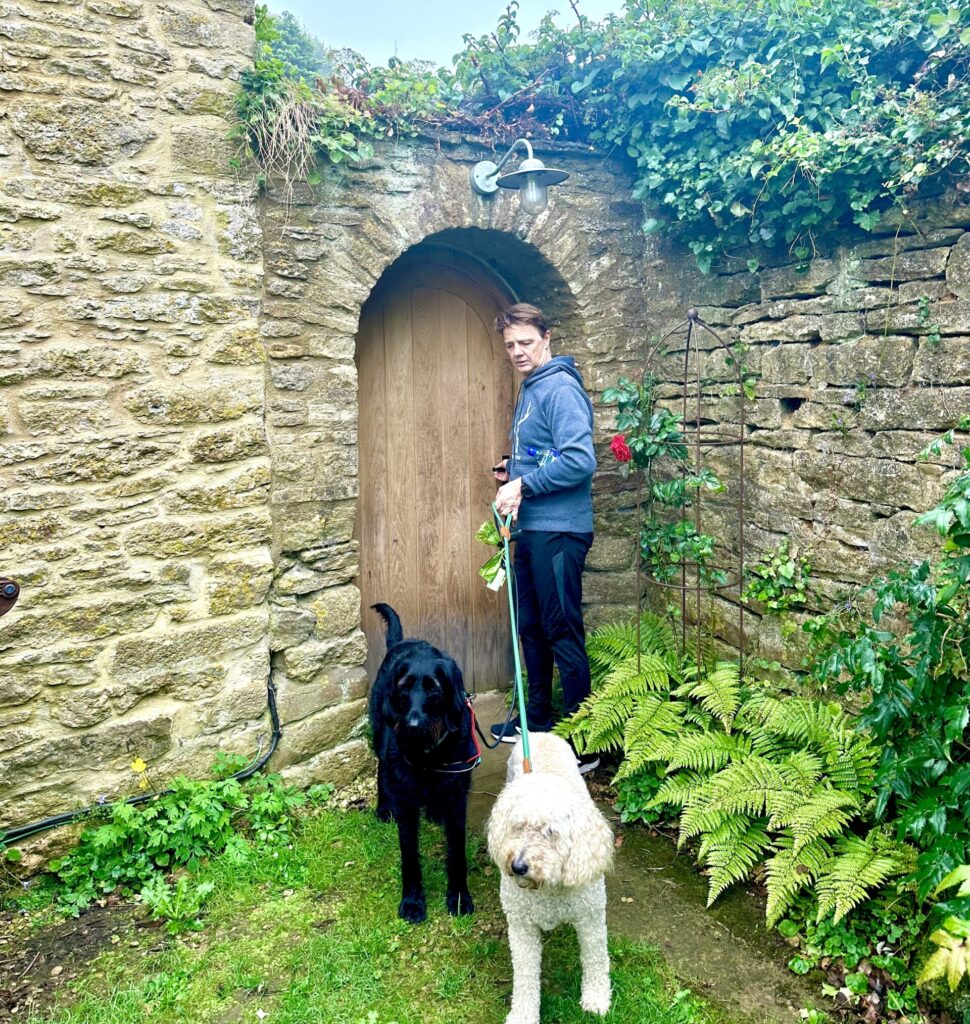
Instead of spending just a few nights in one destination, we may spend several weeks caring for a home and, in many cases, some wonderful pets.
That extra time allows us to become familiar with an area.
We discover local cafés, walking trails, markets, and neighbourhoods that we might never have found on a shorter visit.
The experience becomes less about sightseeing and more about living.
Some of Our Favourite Memories Have Come From Housesitting
Over the years, we’ve cared for homes in places we may never have otherwise experienced in the same way.
We’ve enjoyed peaceful mornings with a coffee in the garden.
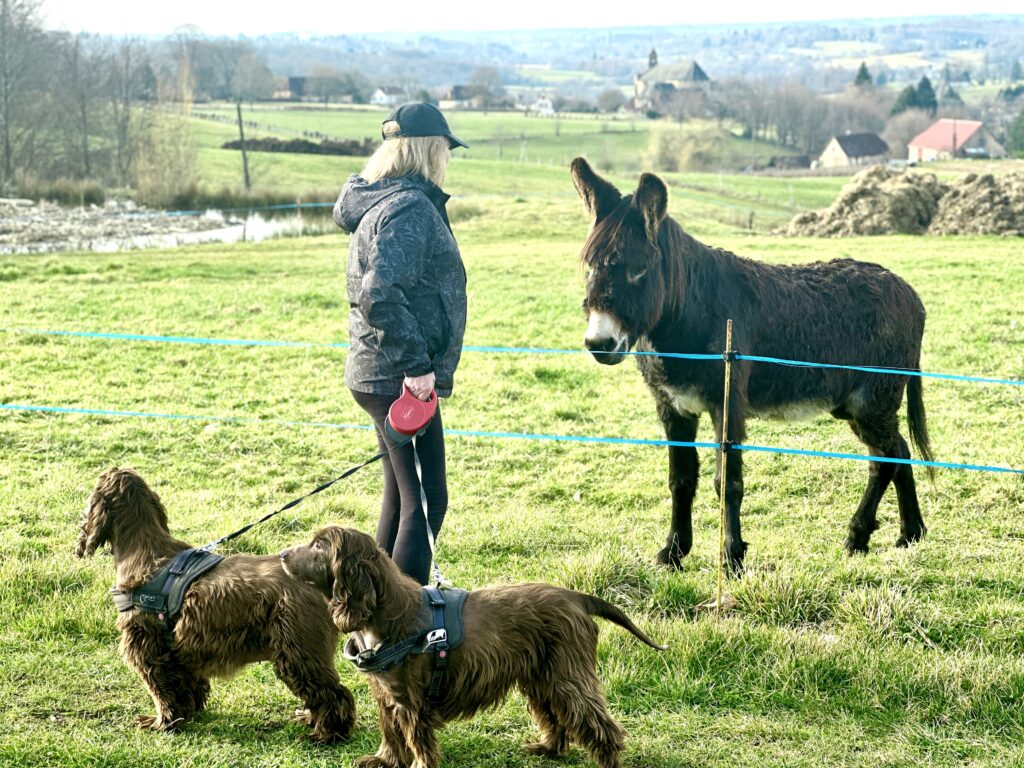
Taken dogs for walks through beautiful local parks and countryside.
Shopped at neighbourhood markets.
Became part of the daily rhythm of communities that welcomed us, even if only for a short time.
Those experiences have given us memories that go far beyond simply finding somewhere to sleep.
Housesitting Isn’t the Right Fit for Everyone
We also believe it’s important to be honest.
Housesitting isn’t for every traveller.
It comes with responsibilities.
You are caring for someone’s home and, often, much-loved pets.
That means being reliable, flexible, and committed to looking after both with care and respect.
For us, those responsibilities have always been part of what makes the experience rewarding.
But it’s important to understand that housesitting is an exchange based on trust, not simply a way to reduce travel costs.
It Became Part of Our Slow Travel Lifestyle
Looking back, housesitting didn’t change the way we travelled.
It supported the way we already wanted to travel.
It encouraged longer stays.
It helped us experience local communities.
It allowed us to spend more time in places we enjoyed.
And yes, it also helped us manage one of the biggest expenses of long-term travel.
That combination has made housesitting an important part of our European journey.
Our Lesson Learned
Housesitting isn’t just about saving money. It’s about creating the time and opportunity to experience a place more like a local than a visitor.
Planning Ahead Saves Us Money
If there is one habit that has consistently helped us travel for longer, it is planning ahead.
That doesn’t mean we plan every day of every trip months in advance.
In fact, one of the things we love most about slow travel is having the flexibility to change our plans.
But the bigger decisions are rarely left until the last minute.
A little planning has allowed us to make better choices, avoid unnecessary expenses, and enjoy far less stress along the way.
We Plan the Bigger Picture
Rather than planning every sightseeing stop, we focus on the bigger decisions first.
Which countries make sense to visit during different seasons?
How long would we like to stay in each region?
Will we need a car, or is public transport the better option?
Could housesitting fit naturally into part of the journey?
By thinking about these questions early, we can build an itinerary that suits both our travel style and our budget.
It also helps us avoid expensive last-minute decisions that don’t always offer the best value.
We Love Travelling in the Shoulder Seasons
One of the biggest advantages of having flexibility is that we don’t always have to travel during peak holiday periods.
Whenever possible, we choose the shoulder seasons.
Spring and autumn often offer everything we love about Europe—pleasant weather, beautiful scenery, and a more relaxed atmosphere.
Popular destinations are generally less crowded, accommodation can be easier to find, and prices are often more reasonable than during the busiest summer months.
For us, it creates a more enjoyable experience as well as helping our travel budget stretch further.
Longer Stays Often Make Better Financial Sense
One lesson we learned quite quickly is that moving less frequently can benefit both our experience and our budget.
Staying in one place for several weeks often opens up accommodation options that aren’t available for shorter stays.
It also means fewer transport costs, less time packing and unpacking, and more opportunities to settle into a comfortable routine.
Instead of constantly paying to move from one destination to another, we spend more time enjoying where we already are.
Flexibility Can Open Unexpected Opportunities
Not every part of our journey follows a fixed timetable.
Sometimes the best opportunities appear because we’re willing to be flexible.
A housesit becomes available.
We discover a town we love and decide to stay longer.
The weather encourages us to change direction.
Rather than seeing these changes as disruptions, we’ve learned to see them as part of the adventure.
Some of our favourite experiences have happened because we left room for the unexpected.
Good Planning Creates More Freedom
It might sound surprising, but we’ve found that planning actually gives us more flexibility, not less.
When the important decisions are already taken care of, we can relax.
We don’t spend every day worrying about where we’ll sleep next week or how much we’ll need to spend tomorrow.
Instead, we have the freedom to enjoy where we are.
For us, that’s one of the greatest benefits of planning ahead.
It removes stress and creates space for the spontaneous moments that make slow travel so rewarding.
Our Lesson Learned
Planning isn’t about controlling every detail. It’s about creating the freedom to enjoy the journey with confidence.
The Real Secret Isn’t Money
If you’ve read this far, you may have noticed something.
We’ve talked about accommodation.
Planning.
Longer stays.
Housesitting.
Cooking at home.
Travelling in the shoulder seasons.
All of those things have helped us make long-term travel more affordable.
But none of them are the real secret.
The real secret is that we stopped thinking about travel as something we squeezed into our lives.
Instead, we began shaping our lives around the kind of travel we wanted to experience.
That change influenced every decision we made.
We Started Investing in Time
For many people, travel is something that happens once a year.
A holiday you save for, enjoy, and then return home from.
There is absolutely nothing wrong with that.
For many years, that was us too.
But eventually, we realised that what we wanted most wasn’t another busy holiday.
We wanted more time.
Time to stay longer.
Time to explore more deeply.
Time to enjoy everyday life in Europe.
Once we understood that, our priorities naturally began to change.
We Learned That Freedom Has Its Own Value
One of the greatest rewards of this lifestyle isn’t something you can easily measure in dollars or euros.
It’s freedom.
Freedom to stay another week because we’ve fallen in love with a place.
Freedom to change our plans when an unexpected opportunity appears.
Freedom to spend an afternoon in a village café without feeling guilty that we’re “wasting” precious holiday time.
That kind of freedom has become far more valuable to us than luxury.
We Didn’t Change Everything Overnight
It’s important to say this because we don’t want this article to give the impression that one day we simply packed our bags and left.
Our journey happened over time.
We learned.
We adjusted.
We made mistakes.
We changed our priorities.
Every trip taught us something new, and every experience helped shape the lifestyle we enjoy today.
You don’t have to change your life overnight to move towards long-term travel.
Sometimes it starts with one decision.
One longer trip.
One different way of planning.
One conversation about what might be possible.
Small steps can lead to remarkable journeys.
Could This Lifestyle Work for You?
Only you can answer that question.
Your budget, commitments, and goals will be different from ours.
But we hope this article has shown you that long-term travel isn’t reserved for a lucky few.
It isn’t about having unlimited money.
It’s about understanding what matters most to you and making choices that support that vision.
Your version of long-term travel might look completely different from ours.
And that’s exactly how it should be.
Our Final Thought
If there is one lesson we hope you take away from our journey, it is this:
Long-term travel isn’t built on one big secret.
It’s built on hundreds of small decisions.
Choosing experiences over possessions.
Choosing time over rushing.
Choosing flexibility over perfection.
Choosing meaningful moments over ticking boxes.
Those choices have allowed us to spend months at a time exploring Europe in a way we once thought was only a dream.
Not because we are wealthy.
But because we discovered a different way to travel.
Our Lesson Learned
The greatest investment we ever made wasn’t in flights or accommodation. It was in creating a lifestyle that gave us more time to experience the Europe we had always dreamed about.
Start Your Slow Travel Journey With Our FREE 90-Day Slow Travel Starter Kit
By now, you may be thinking:
“This all sounds amazing, but where do I actually begin?”
We understand that feeling.
When we first started exploring the idea of spending more time in Europe, there were so many questions.
How long should we stay?
Where should we go?
How do we plan around seasons?
How do we make the most of our time without feeling overwhelmed?
The dream was exciting, but turning that dream into a realistic plan took time.
That is why we created our FREE 90-Day Slow Travel Starter Kit.
The Resource We Wish We Had When We Started
When we began creating our own slow travel lifestyle, we learned many lessons along the way.
Some came from years of travelling Europe.
Some came from trial and error.
Some came from simply discovering what worked best for the way we wanted to travel.
The Starter Kit brings those lessons together in one place.
It is not about telling you there is only one way to travel.
There isn’t.
Your journey will look different from ours.
Instead, it is designed to help you start thinking through the important decisions that turn a travel dream into a real possibility.
Inside the FREE 90-Day Slow Travel Starter Kit, You’ll Discover:
✓ How to begin thinking about a longer European adventure
✓ Questions to ask before choosing destinations
✓ How slowing down can transform your travel experience
✓ Ideas for planning your first 90 days in Europe
✓ Practical considerations before taking the next step
✓ The mindset shift that helped us create a slower, more meaningful way to travel
Your Journey Doesn’t Have to Begin Perfectly
One thing we have learned is that most people wait because they think they need the perfect plan.
The perfect budget.
The perfect itinerary.
The perfect time.
But most journeys don’t begin that way.
They begin with curiosity.
A question.
A conversation.
A small decision to explore what might be possible.
That is how ours began.
Not with every answer.
Just with the belief that there had to be another way to experience Europe.
Take the First Step
If you have ever dreamed about spending more time in Europe, experiencing places beyond the highlights, and creating memories at a slower pace, this is the perfect place to begin.
Download our FREE 90-Day Slow Travel Starter Kit and start exploring what your own European adventure could look like.
Ready to Turn Your Dream Into a Plan?
Inside you’ll discover:
 The first planning steps
Understanding the Schengen Rule
How we choose where to stay
Practical slow travel tips
 Download Your FREE Starter Kit
Want to Go Even Further?
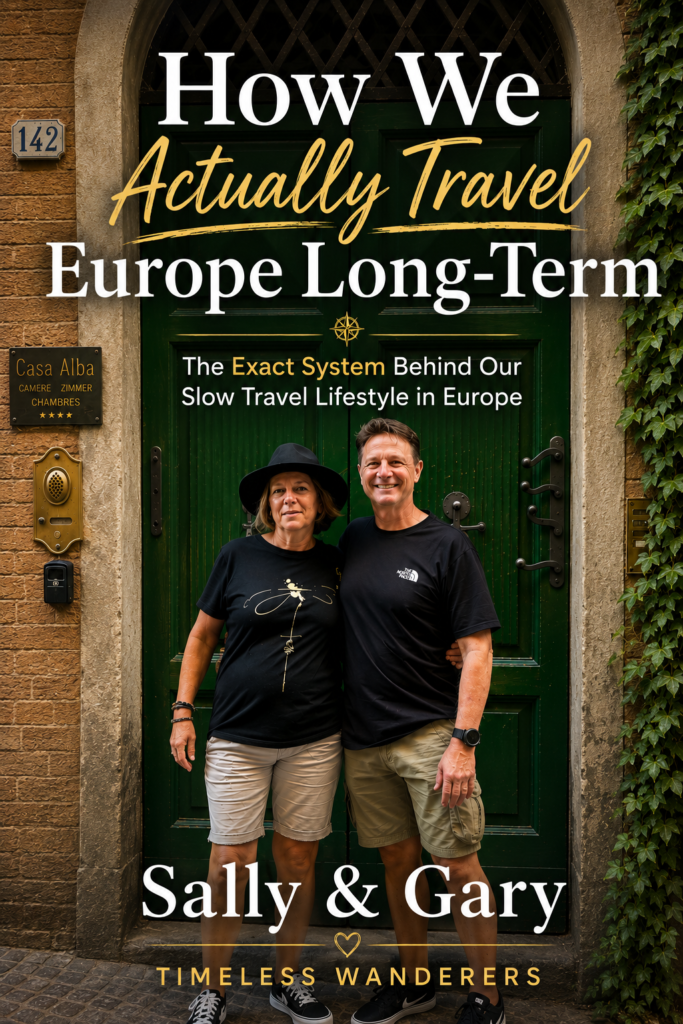
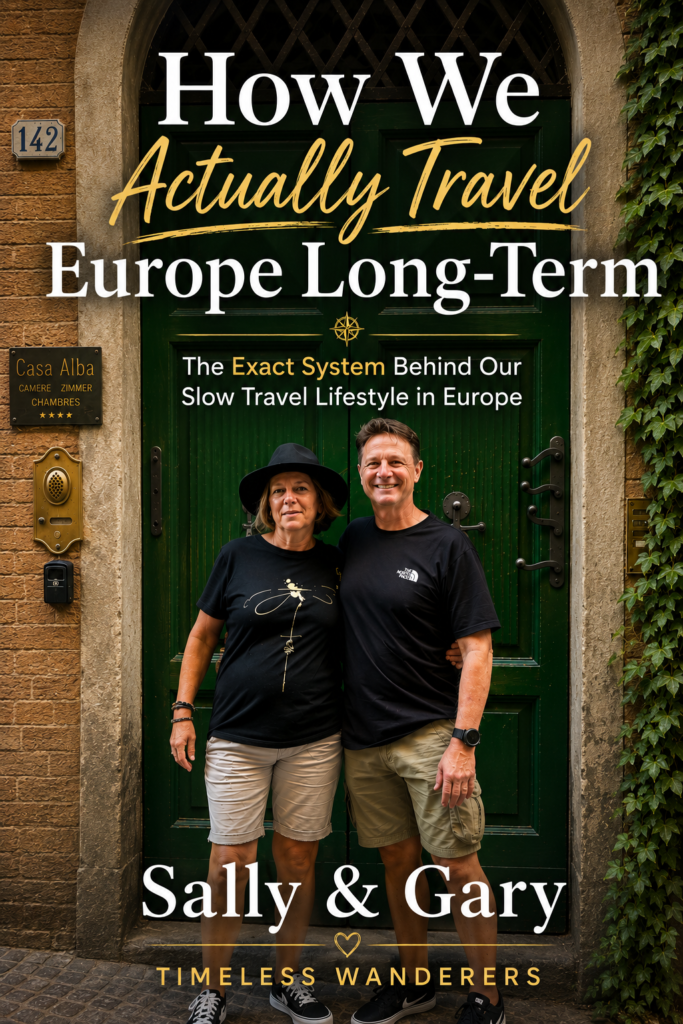
If you’d like to learn the complete system we’ve developed after years of travelling Europe full-time, take a look at our new book.
 How We Actually Travel Europe Long-Term
Discover the Book
Inside, we share the lessons we learned from years of travelling Europe, including the mistakes we made, what we changed, and how we created a slower, more enjoyable way to experience the places we love.
Because long-term travel is not about having a perfect itinerary.
It is about creating a travel style that fits your life.
And once you understand the principles behind it, the possibilities become much greater.
Whether your dream is spending a month exploring Tuscany, travelling through Europe season by season, or simply giving yourself more time to discover the places you love, the first step is always the same:
Start planning.
Your European adventure does not need to begin tomorrow.
But it does need a beginning.
Frequently Asked Questions About Affording Long-Term Travel in Europe
1. Can you really afford to travel Europe long-term without being wealthy?
Yes, long-term travel is possible without being wealthy.
The key is understanding your priorities, making thoughtful choices, and creating a travel style that fits your lifestyle.
For us, slow travel, careful planning, and flexibility have made travelling Europe sustainably possible.
2. How do people afford to travel Europe for several months?
Many long-term travellers make it possible by reducing unnecessary expenses, staying longer in fewer places, choosing affordable accommodation options, and planning carefully.
Slow travel often helps because you spend less on constant transport and rushed experiences.
3. Is slow travel cheaper than taking regular holidays?
Slow travel can often provide better value because you are not constantly paying for flights, short hotel stays, and frequent changes of location.
Staying longer allows you to settle into a place, shop locally, cook some meals, and experience destinations at a more relaxed pace.
4. Does housesitting help make long-term travel more affordable?
Housesitting can significantly reduce accommodation costs while offering a unique way to experience Europe like a local.
For us, it has become part of our slow travel lifestyle, allowing us to spend more time in communities while caring for homes and pets.
5. Do you need a large savings account to travel Europe long-term?
There is no single amount of money required because everyone’s travel style is different.
Long-term travel is about understanding your expenses, planning realistically, and making choices that align with your priorities rather than trying to copy someone else’s budget.
6. What is the biggest mindset shift needed to afford long-term travel?
The biggest change is realising that long-term travel is not about spending more money — it is about spending differently.
Many travellers discover they can create a sustainable lifestyle by prioritising experiences, time, and meaningful connections over unnecessary expenses.
7. How can couples afford to travel Europe together?
Travelling as a couple can actually make long-term travel more achievable because many costs, such as accommodation, transport, and everyday expenses, can be shared.
The most important thing is having shared goals and agreeing on the type of lifestyle you want to create.
8. What is the secret to making long-term travel sustainable?
The secret is creating a system that works for you.
For us, that means travelling slowly, staying longer, choosing experiences carefully, and remaining flexible.
Sustainable travel is not about temporary sacrifice — it is about building a lifestyle you genuinely enjoy.
Before the book — get the free kit. Everything you need to understand the basics and start planning with confidence.
Your First Step Towards Long-Term Travel in Europe
The moment everything changed was when we booked a place for a month instead of a week and discovered we were paying half the nightly rate. By the second week, the neighbour had invited us in for a drink, we knew the shortcut to the market, and we were, briefly and genuinely, part of the street.
The 90-Day Slow Travel Starter Kit
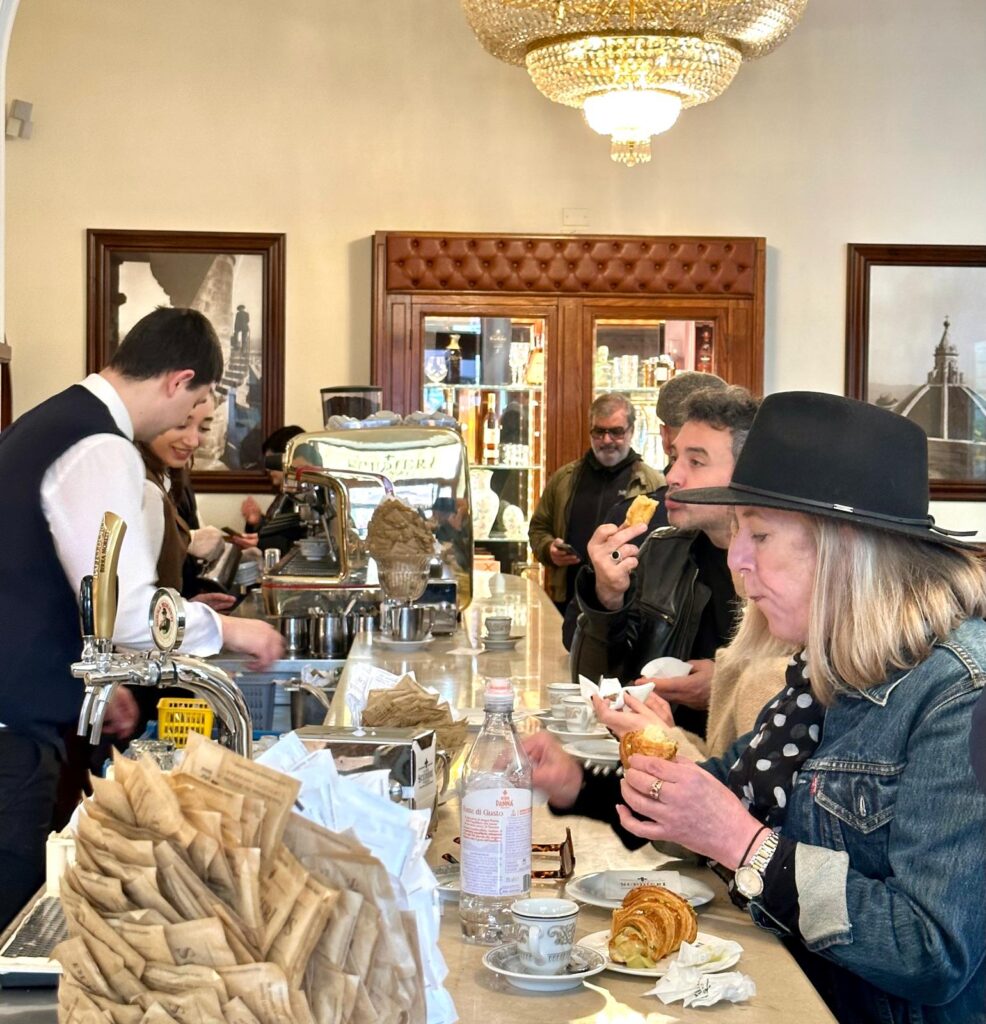
☕ Over Coffee with Sally & Gary
If we were sitting together over a coffee somewhere in Europe, talking about long-term travel, we would probably tell you this:
The question we are asked most often is not really about money.
It is usually about possibility.
People want to know:
“Could we really do something like this?”
And our answer is always the same.
Maybe.
Because everyone’s circumstances are different.
But we believe far more is possible when you start asking better questions.
For us, long-term travel didn’t happen because we suddenly discovered a secret formula.
It happened because, over time, we changed what mattered most.
We started valuing experiences over possessions.
Time over rushing.
Freedom over convenience.
Connection over simply collecting destinations.
And those choices slowly shaped the lifestyle we enjoy today.
We also know this way of travelling isn’t for everyone.
Some people love short holidays.
Some people love returning home after a few weeks away.
And that’s wonderful.
Travel should never be about following someone else’s idea of the perfect journey.
It should be about discovering what feels right for you.
But if there is a part of you that has always wondered:
“What would it feel like to spend more time in Europe?”
We hope our story encourages you to explore that possibility.
You don’t need to have every answer today.
You don’t need to plan your entire future.
Sometimes the biggest journeys begin with a simple question:
“What if?”
Our Final Thought
The greatest lesson we have learned is this:
Long-term travel is not just about seeing more of the world.
It is about creating more time to experience it.
The places we remember most are not always the ones we visited fastest.
They are the ones where we slowed down enough to connect.
And that is why we continue to choose slow travel.
Because Europe is not a destination to complete.
It is a story to experience.
Until next time…
Happy travels,
Sally & Gary
Timeless Wanderers
Want to See the Complete System?
This article gives you an overview of the philosophy behind how we travel.
But if you’d like to see exactly how we put it into practice—from planning our year and managing the Schengen Rule to choosing accommodation, housesitting, budgeting and building a sustainable travel lifestyle—we’ve shared it all in our ebook:
How We Actually Travel Europe Long-Term
The Simple System Behind Our Slow Travel Lifestyle
Learn more about the book here.
Before the book — get the free kit. Everything you need to understand the basics and start planning with confidence.
Europe looks complicated from the outside.
The Schengen rules. The visa questions. The accommodation puzzle. Where to base yourself, how long to stay, how to make the money work. The more you look into it, the more it seems like something that requires months of research and a perfect plan before you can even think about leaving.
The 90-Day Slow Travel Starter Kit
Every long-term traveller remembers the day they finally decided to go.
We hope this is yours.
See you somewhere in Europe.
PLAN YOUR ADVENTURE
These are our favorite companies we use when planning a trip, they consistently have the best prices, great customer service, and overall, are better than their competitors.
BOOK YOUR FLIGHT – Going is a great search engine if you are flexible about your travel destination and dates. Sign up for their newsletter and get the latest deals on destinations around the world. GOING is our new go to.
TRAVEL OPTIONS
CAR RENTAL – We recommend using DISCOVER CARS when booking a RENTAL CARS, they work with hundreds of companies worldwide to help you find the best car for your needs.
TRAINS – TRAINLINE – is our favorite, this site is very reliable and easy to use.
BUS – OMIO – this website allows you to book train or bus tickets to travel from city to city the best and cheapest way. FLIXBUS is another terrific website with routes between 20 European countries.
ACCOMMODATIONS
BOOKING.com – is our go to for hotel searches around the world, we find they always have the cheapest rates and offer different payment options. In addition, VRBO is another terrific website for all types of accommodations.
HOSTELWORLD – is great if you’re traveling on a budget, and if you need a cheap place to stay.
TRAVEL INSURANCE
SAFETY WING – offer some of the most competitive and affordable plans tailored for your needs. SAFETY WING cover travellers from over 140 countries and make it easy to buy, extend and claim, even while travelling.
Check out our RESOURCE PAGE for more additional planning.