“Skiing in Zermatt: The Ultimate Guide to Switzerland’s Most Iconic Resort”
Timeless Wanderers: Updated September 26, 2026

Explore Zermatt’s Top Ski Runs, Accommodation, and Winter Activities
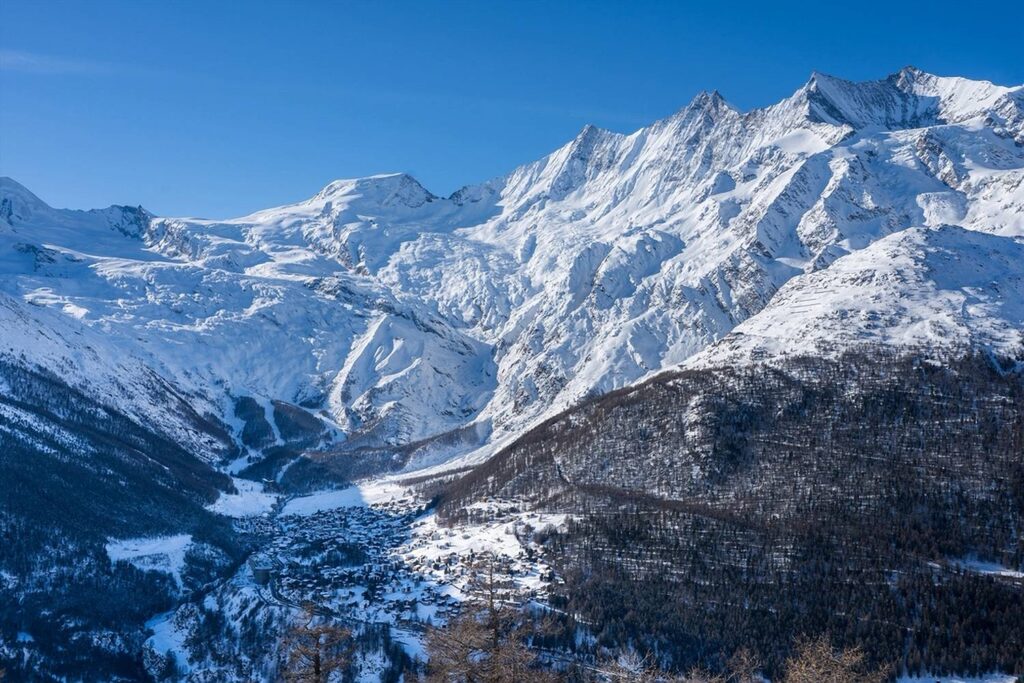
Zermatt, sitting beneath the iconic Matterhorn in the Swiss Alps, is one of the world’s most celebrated ski destinations.
Its dramatic mountain scenery, extensive ski area and traditional Alpine village make it a favourite with skiers who want more than just a few days on the slopes.
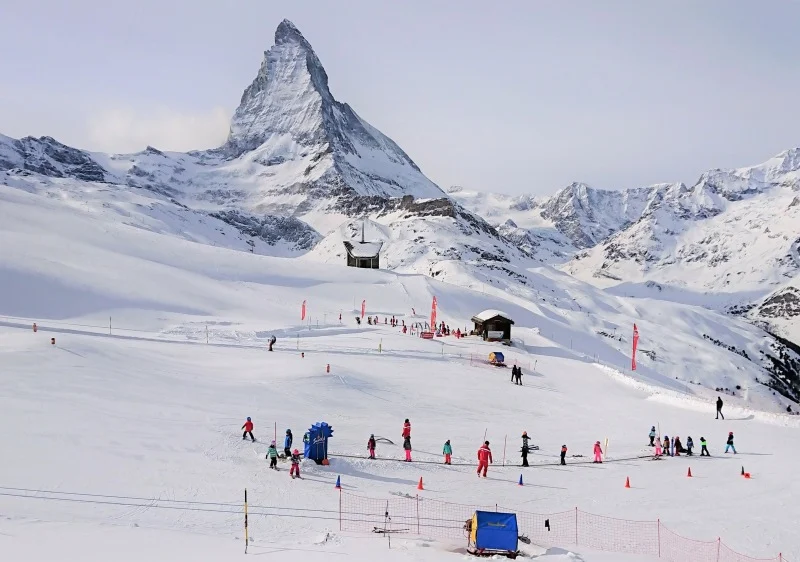
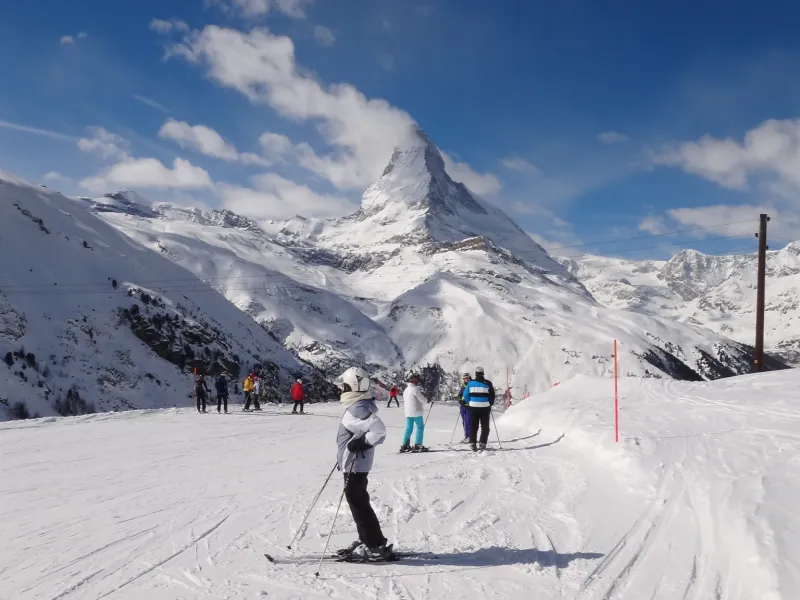
The Matterhorn dominates the view from many parts of the village, giving Zermatt a setting that’s hard to forget.
The resort’s high-altitude skiing also makes it a strong choice for those looking for good snow conditions throughout the winter season, with skiing often continuing well into spring and glacier skiing available at other times of the year, subject to operating conditions.
One of Zermatt’s biggest attractions is the international ski area linking Switzerland with Cervinia in Italy.
With hundreds of kilometres of pistes across the wider area, there’s plenty to explore, from easier runs for less experienced skiers to long descents and more challenging terrain for confident visitors.
Non-skiers can also enjoy mountain excursions, panoramic viewpoints and restaurants high above the village.
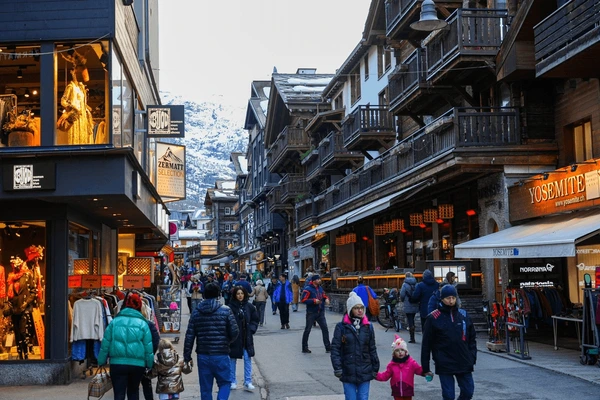
Down in Zermatt itself, the atmosphere is just as much a part of the experience as the skiing.
The central streets are lined with hotels, restaurants, cafés and bars, while quieter lanes lead past traditional wooden barns and chalets.
Some of these older buildings sit near the fast-flowing Gornera river, which runs through the village.
What we particularly like about Zermatt is that, despite its international reputation, it remains a working village.
You may see schoolchildren making their way through the streets and residents going about their daily routines alongside the visitors.
Tourism is a major part of local life, of course, but the village still has a character of its own.
In this guide, we’ll explore the Zermatt ski area, lift passes, accommodation, restaurants, après-ski and how to get there, along with practical advice to help you plan your Swiss ski holiday.
Table of Contents

Ready to Explore the Slopes?
The Matterhorn may steal the show, but Zermatt’s high-altitude ski area is the real draw for many visitors.
With extensive pistes and skiing across the Swiss–Italian border, there’s plenty to discover.
Of course, the Matterhorn and the village are only part of what makes Zermatt such a special ski destination.
The real highlight for many visitors is the vast mountain playground above the village, with high-altitude pistes, spectacular views and the opportunity to ski across the border into Italy.
Let’s take a closer look at the ski area, the terrain and what you can expect on the slopes.
We can plan your Dream Ski Trip to Europe: Custom Itineraries for the Perfect winter Holiday.
With over 25 years of experience skiing in over 50 different ski resorts in Europe, we can help you plan your perfect winter escape.
Planning a ski trip to Europe can be exciting, but choosing the right resort and organising the perfect itinerary can quickly become overwhelming.
That’s where we come in.
We offer a personalised planning service that helps you decide exactly where to ski, based on your style, budget, and experience.
Plus, we can help you plan a fun week of European sightseeing around your ski trip, making your winter holiday easier, smoother, and full of unforgettable memories.”
“Let us plan your perfect trip with a custom itinerary designed just for you.
“Fill out the form and let’s begin your dream.”

Zermatt Ski Area
Zermatt has one of the most spectacular ski areas in the Swiss Alps, with skiing reaching from the village at around 1,620 metres to approximately 3,883 metres at Matterhorn Glacier Paradise.
The high altitude, extensive lift network and dramatic views of the Matterhorn make it a favourite with skiers from around the world.
The ski area extends across several mountain sectors, with a connection to Cervinia in Italy when the cross-border lifts and pistes are operating.
Together, the wider area offers an enormous amount of terrain to explore, from gentler runs for confident beginners and intermediate skiers to long descents and challenging pistes for more experienced visitors.
High-Altitude Skiing and Snow Conditions
One of Zermatt’s biggest advantages is its altitude.
The higher slopes and glacier area can provide good skiing conditions over a longer season than many lower resorts, although snowfall, temperatures, wind and lift operations all affect what is available on any particular day.
The Matterhorn Glacier Paradise area is especially well known for its high-altitude skiing and panoramic mountain views.
Skiing can continue into the summer months, but the terrain available changes with conditions and the operating schedule, so it’s always sensible to check the latest information before planning a trip outside the main winter season.
Skiing for Different Ability Levels
Zermatt has plenty to offer different types of skiers, but it’s important to choose your routes carefully.
Beginners and those still building confidence should look for designated learning areas and easier pistes, while intermediate skiers can enjoy a wider choice of runs across the mountain.
More experienced skiers will find longer descents and more demanding terrain, along with opportunities to explore the wider ski area towards Cervinia.
As the resort is spread across several sectors, checking the piste map before setting off helps you plan your day and avoid ending up on runs that are beyond your ability.
Modern Lifts and Mountain Experiences
Zermatt’s lift network connects the village with its high mountain ski areas using cable cars, gondolas and other mountain lifts.
These make it possible to reach spectacular viewpoints and mountain restaurants, even for visitors who aren’t skiing.
For non-skiers, a trip into the mountains can be a highlight in its own right.
The views of the Matterhorn and the surrounding peaks are a major part of Zermatt’s appeal, although sightseeing access depends on the lifts operating and the appropriate ticket being available.
Another distinctive feature is the village itself. Zermatt is car-free, so visitors generally arrive by train and get around using electric taxis, local transport and walking.
This gives the village a different feel from resorts where private cars are part of everyday traffic.
Wear a SKI HELMET, especially if you’re a beginner or in the snow parks and remember to pack your SKI GOGGLES.

Zermatt Ski Passes
Choosing the right ski pass for Zermatt depends on where you plan to ski and how much of the mountain you want to explore.
If you’re staying for several days, it’s worth deciding whether you’ll concentrate on the Swiss side or cross into Cervinia in Italy.
Zermatt Ski Pass
The Zermatt ski pass gives you access to the ski areas covered by the local pass, making it a good option if you plan to spend most of your time skiing in Switzerland.
You’ll still have plenty of terrain to explore, from easier pistes to long, high-altitude runs.
International Zermatt–Cervinia Ski Pass
If you’d like to ski across the border into Italy, look at the international pass covering the Zermatt–Cervinia area.
This opens up a wider choice of pistes and gives you the chance to enjoy a different mountain setting during your holiday.
Keep in mind that the cross-border connection depends on weather and lift operations.
If you’re planning to ski over to Cervinia, check the latest conditions and make sure your pass includes the areas you intend to visit.
Which Zermatt Ski Pass Should You Choose?
If you’re happy exploring the Swiss side, the local pass may be all you need.
If you want to experience both Zermatt and Cervinia, the international option is the one to investigate.
Pass prices can vary according to the dates, duration and age category, so check the official Zermatt lift-ticket website before booking.
Also confirm which lifts and ski areas are included in your chosen ticket, particularly if you want to visit mountain viewpoints without skiing.
Handy Tip:
Don’t forget your GOPRO or your INSTA360 for all those action shots of family and friends.
Read This Next
7 Best Snow-Sure Ski Resorts in Switzerland (2026/27)

Best Time to Ski in Zermatt
One of Zermatt’s biggest attractions is its high-altitude skiing, which can provide good snow conditions over a longer season than many lower Alpine resorts.
The main winter season generally runs from late autumn into spring, while glacier skiing may be available during the summer months.
The exact dates and terrain depend on snow, weather and lift operations.
The best time to visit depends on whether you want the festive atmosphere of Christmas, reliable midwinter conditions, quieter slopes or the chance to enjoy spring sunshine.
December: Christmas and Festive Skiing
December is a popular time to visit Zermatt, particularly around Christmas and New Year.
The village has a festive atmosphere, with restaurants, hotels and bars busy with winter visitors.
The high mountain terrain can offer good skiing, although snow conditions lower down the mountain can be less settled early in the season.
Our tip:
If you’re planning a Christmas or New Year ski holiday, book accommodation well in advance. These are busy and expensive weeks in Zermatt.
January: Midwinter Skiing
January is a good choice for skiers who want to concentrate on the slopes after the Christmas and New Year rush.
Temperatures are generally colder, and the high-altitude ski areas can offer excellent winter conditions.
The village is still busy during popular travel periods, but outside those dates you may find a more relaxed atmosphere.
Our tip:
Pack proper layers, warm gloves and a good pair of goggles. It can feel very cold on exposed lifts and high mountain slopes.
February: Peak Season
February is one of the busiest months in Zermatt, especially during school holidays.
Conditions can be excellent for a full week on the mountain, and the longer daylight hours compared with December make it easier to enjoy a full day of skiing.
The main drawback is demand.
Accommodation, ski lessons and popular restaurants can book up early, and prices are often higher during school holiday weeks.
Our tip:
If you need to travel during February half-term, secure your accommodation early and arrange ski lessons before you arrive.
March: Longer Days and Spring Sunshine
March is an appealing time to ski in Zermatt.
Days are longer, the sunshine can feel warmer, and there is still extensive high-altitude terrain to explore.
Conditions vary, however, and lower slopes can become softer as temperatures rise through the day.
Our tip:
Start skiing earlier when conditions are firm, then enjoy a leisurely mountain lunch as the day warms up.
April: Spring Skiing
April can be a lovely month for a ski holiday, particularly for visitors who enjoy brighter days and a more relaxed pace.
Zermatt’s higher slopes can continue to provide good skiing, but conditions are more changeable at lower elevations.
Check the seasonal lift timetable before booking, especially towards the end of the month.
Our tip:
Choose your accommodation with easy access to the lifts, so you can make the most of the best snow conditions each day.
Summer Glacier Skiing
Zermatt is also known for skiing on the Matterhorn Glacier during parts of the summer.
This is a very different experience from a traditional winter ski holiday, with a more limited selection of terrain and operating schedules that depend on conditions.
If summer skiing is your main reason for visiting, check the current glacier-skiing dates, open pistes and lift operations before making travel arrangements.
When Do We Recommend Visiting Zermatt?
For a traditional winter ski holiday, we’d look at January or March.
January is a good option for a midwinter trip outside the main festive period, while March brings longer days and the possibility of enjoying lunch in the sunshine between ski runs.
February can also be excellent, but it pays to plan ahead around school holidays.
Whatever month you choose, Zermatt’s high mountain setting gives you plenty to look forward to, provided you check the latest snow report and lift information before travelling.
Where to Stay
LUXURY HOTELS
Mont Cervin Palace:
One of Zermatt’s most iconic hotels, offering luxurious rooms, a Spa, exquisite dining. Right in the heart of village, easy walking distance of the lifts.
The Omnia:
This unique modern hotel offers a blend of luxury and style with stunning views Matterhorn views, spacious suites, and a highly rated spa.
Cervo Mountain Boutique Resort:
This five-star hotel combines alpine style modern facilities, featuring a wellness area, fine dining, and direct access to the slopes.
MID RANGE
Hotel Alpenhof:
Close to the Gornergrat railway station, Alpenhof offers a cozy alpine atmosphere with spacious rooms, a wellness center, and a restaurant serving Swiss cuisine
Hotel Daniela:
This charming hotel offers comfortable rooms, a wellness area, and a restaurant serving swiss cuisine.
Parkhotel Beau Site:
Known for its Matterhorn views, spacious rooms, a pool, on-site dining options, five-minute walk to the village center.
BUDGET – FRIENDLY
Youth Hostel Zermatt:
A budget-friendly option for Solo travelers or groups, this hostel offers dormitory-style rooms, close to the village center.
Hotel Weisshorn:
Known for its cozy ambience, HOTEL WEISSHORN provides budget accommodation in the heart of Zermatt. Comfortable rooms and easy access to the village center.
Le Petit Charm-Inn:
This affordable hotel, close to the center and offering basic amenities with a warm and welcoming feel, perfect for those seeking a budget friendly stay.
More Accommodation: Check Rates and Book Your Stay.


Where to Eat
Chez Vrony :
A legendry mountain restaurant with stunning Matterhorn views, Chez Vrony serves Swiss Cuisine made from locally sourced ingredients in a cozy alpine setting.
Fluhal:
Situated at the base of the Rothorn ski area, Fluhalp offers hearty dishes and live music, making it a fun stop for lunch on the slopes
Whymper-Stube:
A popular spot for traditional Swiss fondue and raclette, Whymper-stube provides an authentic dining experience in the heart of the village.
Grampis Pub and Restaurant:
This casual eatery serves a variety a of international dishes, including pizza and pasta, in a relaxed environment with live music and a lively vibe

Apres-Ski and Nightlife.
Zermatt’ apres-ski and nightlife are lively, with several bars and pubs offering entertainment throughout the season.
Hennu Stall:
located at the foot of the Furi run, Hennu stall is a lively apres-ski bar with music, dancing, and an energetic atmosphere popular with skiers.
The Snowboat:
This yacht-themed bar in the village is known for its cocktails, vibrant atmosphere, and cozy interior, making it a popular evening spot.
Papperla Pub:
Legendry in Zermatt’s nightlife scene, Papperla Pub offers a laidback vibe with live music and a great selection of drinks, perfect after a day on the slopes.
How to get to Zermatt
Getting to Zermatt is straightforward, with transport links from major European cities.
BY PLANE
The closest airport to Zermatt is:
Geneva international airport: (3 hours by train)
Zurich International Airport: (3.5 hours by train)
Milan International Airport (3 hours by train)
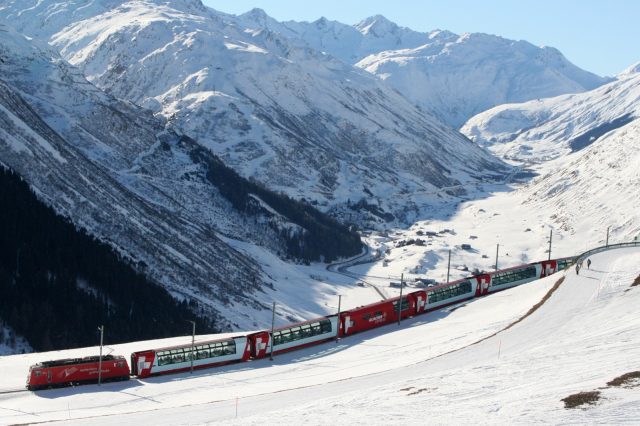
From each of these airports, travelers can take direct trains to Visp, where they transfer to the Matterhorn Gotthard Bahn, a scenic mountain railway that takes them directly to Zermatt.
BY TRAIN
Zermatt is car-free, so train is the best option for reaching the resort. The Swiss Federal Railways (SBB) operate regular trains to Visp. Where you can board the Matterhorn Gotthard Bahn for the scenic journey to Zermatt. Book your TRAIN HERE.
BY CAR
While private cars are not allowed in Zermatt, travelers can drive to Tasch, a v CARillage 5 kilometers from Zermatt. Tasch has several parking facilities where cars can be left, and from there, take a shuttle train that operates every 20 minutes to Zermatt. Compare these car rentals DISCOVER CARS or RENTALCARS.COM
ALPS2ALPS
Getting to Switzerland’s best ski resorts couldn’t be easier than with, ALPS2ALPS offering both airport and train transfers.
Private transfers are a popular choice, as your not sharing with others or waiting at the airport as your driver will be waiting for you on arrival.
Read Our Full Guide
Skiing in Switzerland 2026/27: Discover the 9 Best Resorts in the Swiss Alps

Planning Your Trip
-
Timing: December to March offers the best snow and festive atmosphere; late February often less crowded.
-
Booking: Reserve accommodations early via Booking.com to secure romantic rooms or chalets.
-
Transport: Fly into Zurich or Geneva, then use trains or car shuttles to reach resorts; remember some villages are car-free.
-
Ski Passes: Consider multi-resort passes (e.g., Jungfrau Ski Region or Valais passes) for flexibility.
-
Packing: Layered clothing, thermal base layers, ski gear, and casual wear for romantic dinners.
-
I always carry a DAY BACKPACK when skiing, as well as a WATER BOTTLE. It keeps me hydrated all day long on the slopes.
-
Activities: Mix skiing with scenic cable car rides, spa visits, and cozy village walks.
-
Dining: Book popular mountain restaurants in advance, especially for candlelit dinners.
-
Local Tips: Carry Swiss francs for smaller cafés; check weather and slope conditions daily.
-
For more comfort and convenience, compare these car rentals: DISCOVER CARS

FAQs – Zermatt Ski Resort
1. Is Zermatt suitable for beginner couples?
Yes, though it’s better suited to intermediate and advanced skiers. Beginners will enjoy gentle areas at Sunnegga and Riffelberg, plus excellent ski schools.
2. Is Zermatt very expensive?
It’s a premium resort, but you can save by visiting in early December or late April, staying in mid-range lodges, or booking ski passes in advance.
3. Can you ski into Italy from Zermatt?
Yes! The Matterhorn Ski Paradise connects Zermatt with Cervinia, offering over 360 km of pistes across both countries.
4. How does Zermatt’s car-free setup work?
Visitors park in Täsch and take the shuttle train (12 minutes) into the village. Once there, use electric taxis, hotel shuttles, or horse-drawn carriages to get around.
5. What can non-skiers do in Zermatt?
Plenty — scenic train rides, snowshoeing, luxury spas, boutique shopping, and incredible dining with Matterhorn views.
6. When is the best time to visit for couples?
For romance and snow: January to March. For hiking, alpine flowers, and fewer crowds: June to September.
7. Are there luxury options for couples?
Yes, Zermatt has world-class romantic stays like The Omnia, Mont Cervin Palace, and CERVO Mountain Resort with stunning Matterhorn views.
8. What’s the best way to get there?
Take the train from Geneva or Zurich Airport to Visp, then connect to Zermatt on the Matterhorn Gotthard Bahn. The scenic journey is part of the experience
Should You Get Ski Travel Insurance?
(Short Answer: YES)
While ski resorts in Europe don’t legally require you to have travel insurance, buying ski-specific travel insurance is one of the smartest decisions you can make.
Mountain travel comes with real risks — from injuries on icy slopes to delayed flights, lost luggage, or damaged ski gear.
One accident or missed connection can cost far more than a full year of coverage.
If you want peace of mind on and off the mountain, ski travel insurance is essential.
As a traveller and skier myself, I’ve consistently found SafetyWing offers some of the best winter-sports coverage for international ski trips.
Best Ski Travel Insurance Companies for 2025/26
Two companies consistently stand out for skiers, each for different reasons.
1. SafetyWing
(Best for Long-Term Ski Travel & Affordability)
We personally use SafetyWing, and have since 2019.
It’s perfect for skiers spending multiple weeks or a whole season abroad.
You can get a Quote here.
When my wife broke her ankle skiing in Wengen, they were fantastic, they paid for all our expenses without any delay.
2. World Nomads
(Best for Adventure Coverage)
If you’re planning a trip that includes off-piste skiing with a guide, winter hiking, or multiple snow sports, World Nomads often provides broader adventure coverage.
They’re a favourite among travellers who want all activities covered under one policy.
Even experienced skiers will tell you — it only takes one icy patch to ruin both a knee and a bank account.
We Can Help Plan Your Adventure
Custom Ski Itineraries in Europe Designed For You

Resort Activities
Take a scenic ride on the Gornergrat Railway to marvel a panoramic views of the Matterhorn and surrounding peaks.
Winter Hiking and Snowshoeing Explore Zermatt’s serene winter trails, offering a peaceful way to experience the breath taking alpine landscapes.
Matterhorn Museum
Visit this museum to delve into Zermatt’s mountaineering history, local culture, and the iconic Matterhorn’s significance.
Ice Skating and Curling
Enjoy ice skating or try curling at Zermatt’s natural and artificial rinks, perfect for some active fun.
Spas and Wellness Centers
Relax in luxurious wellness centers, with saunas, pools, and soothing treatments to unwind after a day outdoors.
Helicopter Tours
Take a thrilling helicopter ride for unparalleled aerial views of the Matterhorn and the surrounding Swiss Alps.
*HANDY TIP*
Make sure you have TRAVEL INSURANCE before hitting the slopes.
Final Thoughts
We love Zermatt, and although it is more expensive than many ski resorts in Europe, we really do think it deserves a place on every skier’s bucket list.
There are few places where the mountain scenery makes such an impression, with the Matterhorn standing above the village and the surrounding peaks stretching as far as the eye can see.
The skiing is another big reason to visit.
With high-altitude pistes, a long potential ski season and the option to explore the linked ski area towards Cervinia in Italy, there’s plenty to keep skiers busy for several days.
Whether you’re happiest cruising long intermediate runs or looking for more challenging terrain, choosing the right routes will help you get the most out of your time on the mountain.
We also love that Zermatt is more than just a ski resort.
The car-free village has excellent restaurants, cosy places to enjoy a drink after skiing and mountain excursions for days when you want a break from your boots.
You can spend the day on the slopes and return to a lively village with plenty happening in the evening.
Our advice is to plan ahead, particularly with accommodation and lift passes, as costs can add up quickly.
If you can stretch your budget, though, Zermatt is a special place to experience at least once.
The combination of spectacular scenery, great skiing and the atmosphere of a traditional Swiss mountain village makes it a destination we think you’ll remember long after your holiday ends.
Happy Skiing! ⛷️
Gary and Sally
Timeless Wanderers
Plan your Ski Adventure
Booking a ski trip involves a range of reliable resources to ensure a smooth and enjoyable experience. I have listed below our favorite companies we use when we plan our ski holiday.
Ski World– They have been taking customers to the best ski resorts in Europe, the US and Canada for more than 36 years.
BOOK YOUR FLIGHT – Going is a great search engine if you are flexible about your travel destination and dates. Sign up for their newsletter and get the latest deals on destinations around the world. GOING is our new go to.
Booking.com– for accommodation, we rely on Booking.com for its extensive options and user reviews. We find they have the cheapest rates and offer payment options. In addition, VRBO is another terrific website for all types of accommodations.
Train Travel– to European ski resorts is convenient and scenic, popular trips include Glacier express to Zermatt, the Eurostar from London to the French Alps. We find Omio or Rail Europe are the best sites for booking trains in Europe.
Car Hire – we usually hire a car it offers us flexibility and convenience, allowing easy access to most resorts. Companies like Discover Cars or Rentalcars.com provide reliable options with winter equipment.
Travel insurance– Don’t ski without it. If you get hurt on the mountain it could cost, you a small fortune if you’re not insured. We use SAFETYWING when my wife broke her ankle a few years ago in Wengen they were terrific.
Ski Equipment. – Bring your own ski gear, its usually cheaper and much better than renting, it ensures you have a perfect fit. Owning also saves time and money in the long run. Equipment like Skis, Pants and Jackets, Gloves, Ski-helmets and Thermal underwear” can all be bought online. You can purchase everything you need from BACKCOUNTRY
ARC’TERYX – is a go to reliable brand for outdoor adventure and travel, their wide range includes light weight durable, easy to clean travel gear.
Check out our RESOURCE PAGE for more additional planning.