
8 Best Towns to Visit in Tuscany (2026 Guide)
Timeless Wanderers: Updated April 10, 2026
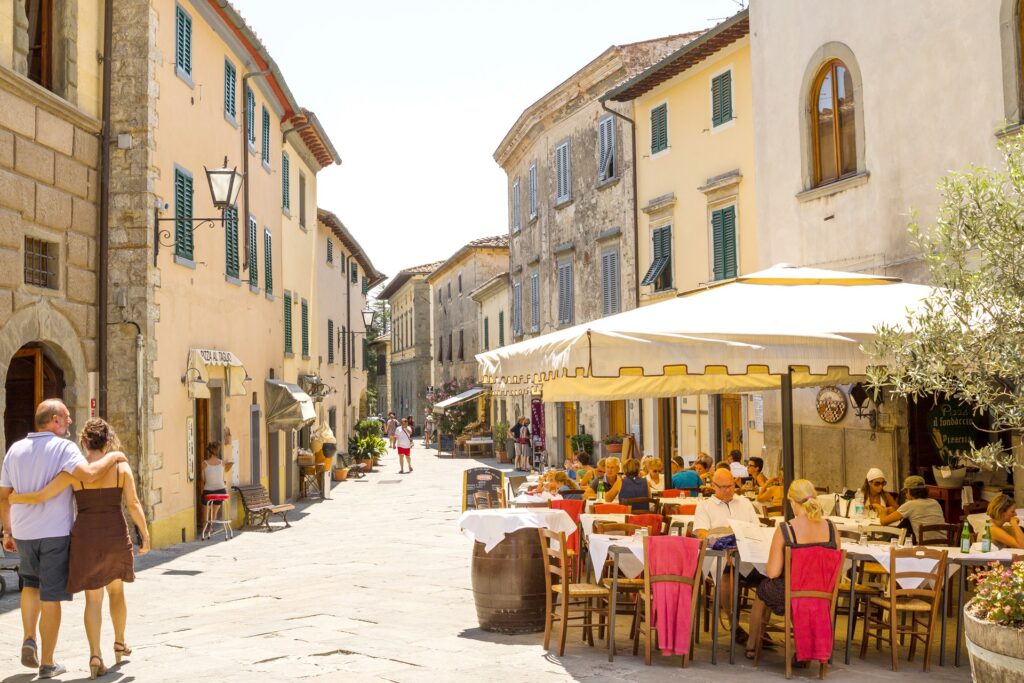
Beyond the Postcards: The Tuscany We Fell in Love With
Many visitors come to Tuscany for Florence, Siena, and the famous landmarks, but some of our favourite memories have come from the smaller towns scattered throughout the countryside.
These are the places where you can wander without a plan, discover a quiet piazza, enjoy a long lunch, and watch everyday Italian life unfold around you.
When we first began exploring Tuscany, we quickly realised that the moments we remembered most were not always the famous sights.
They were the mornings walking through medieval streets before the crowds arrived, stopping at a local café, or finding a viewpoint where we could simply sit and take in the landscape.
After years of returning to Tuscany, these smaller towns have become some of the places we love sharing most with travellers.
In this guide, we’ll introduce eight towns that showcase a different side of Tuscany — places where history, food, scenery, and local life come together.
Whether it is your first visit or you are returning for another Tuscan adventure, these towns will help you experience the region at a slower and more meaningful pace.
Table of Contents
Why Tuscany Is Best Explored Slowly
One of the biggest mistakes travellers make when visiting Tuscany is trying to fit too much into too little time.
On a map, the region may look easy to explore, but Tuscany is best for those who slow down.
The best moments often happen when you leave space in your day — a long lunch in a small piazza, a quiet drive through the countryside, or an unexpected stop in a village you had never planned to visit.
The Tuscany we love is found between the famous sights.
It is in the morning markets where locals choose fresh produce, the small cafés where conversations continue for hours, and the medieval streets where daily life still follows the rhythm of the seasons.
Of course, Florence, Siena, and Pisa deserve their place on every itinerary.
But some of our favourite memories have come from combining these famous destinations with the smaller towns and slower moments in between.
Staying overnight in historic villages, walking through towns after the day visitors leave, and taking the time to simply enjoy the surroundings often create the experiences people remember most.
Some of our best discoveries were never planned — a family trattoria hidden down a quiet street, a local festival we came across by chance, or a viewpoint where we stopped just because the scenery was too beautiful to leave.
This guide is not about rushing from one attraction to the next.
It is about helping you discover Tuscany at a pace that allows you to appreciate the food, the people, the landscapes, and the small moments that make this region so special.
With that in mind, let’s begin with the timeless heart of Tuscany — Florence.
We can help you plan your dream trip to Tuscany, with a personalised itinerary designed just for you.
After more than 20 years of travelling to Tuscany—and loving it so much we decided to make it our home—we now live here and explore the region at a relaxed, local pace.
Planning a trip to Tuscany is exciting, but choosing where to go, how long to stay, and how to get around can quickly become overwhelming.
That’s where we come in.
We offer a personalised planning service that helps you decide exactly how to explore Tuscany, based on your travel style, budget, and pace.
Plus, we can help you plan scenic drives, time in hilltop towns, food and wine experiences, and those small local moments that make a trip truly special—making your Tuscany holiday easier, smoother, and full of memories you’ll treasure long after you return home.
“Let us plan your perfect trip with a custom itinerary designed just for you.
Fill out the form and let’s begin your dream.”
Florence – The Gateway to Tuscany
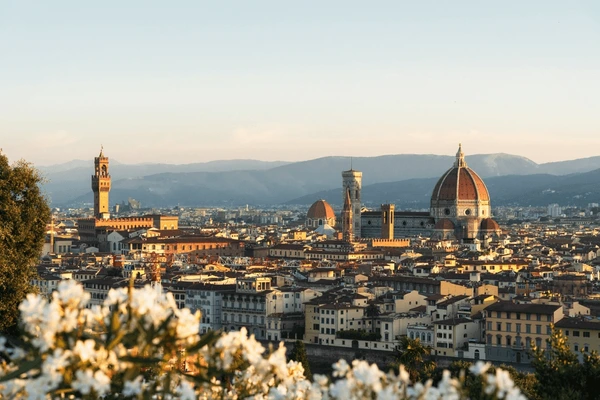
Florence is far more than just Tuscany’s capital—it’s a city with world-class art, rich history, and everyday Italian life into one unforgettable experience.
From the iconic Duomo rising above terracotta rooftops to the lively piazzas filled with cafés and street musicians, Florence sets the tone for everything that makes Tuscany so captivating.
Beyond its beauty, Florence is also the perfect base for exploring the region.
With excellent train and bus connections, you can easily reach medieval hill towns, vineyards, and coastal escapes without the need for a car.
Whether you spend a few days soaking up its culture or use it as your starting point, Florence offers the ideal introduction to charm of Tuscany.
What to Do:
Visit the Uffizi Gallery and Accademia to see world-renowned Renaissance art.
Climb the Duomo for sweeping views of the city.
Wander the artisan shops in the Oltrarno district
Catch golden hour from Piazzale Michelangelo.
Where to Stay:
Stay central at Hotel Brunelleschi or choose a boutique option like AdAstra in the Oltrarno.
For a peaceful retreat, look to villas just outside the city in Fiesole.
Local Tip:
Grab an early-morning coffee in Sant’Ambrogio Market and enjoy Florence before the crowd
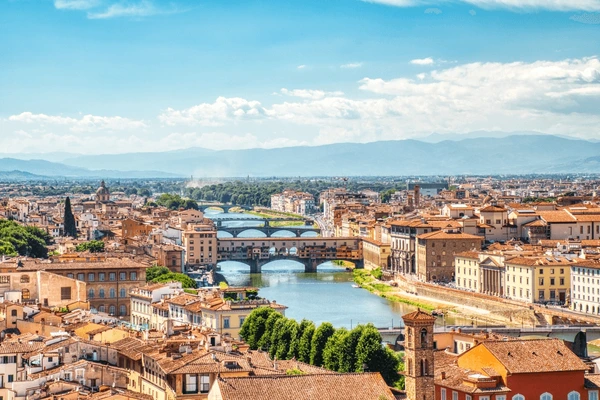
You can read my full guide on
“Where to Stay in Florence 2026: Best Neighbourhoods, Hotels & Insider Tips”
2. Pienza – The Ideal Renaissance Town
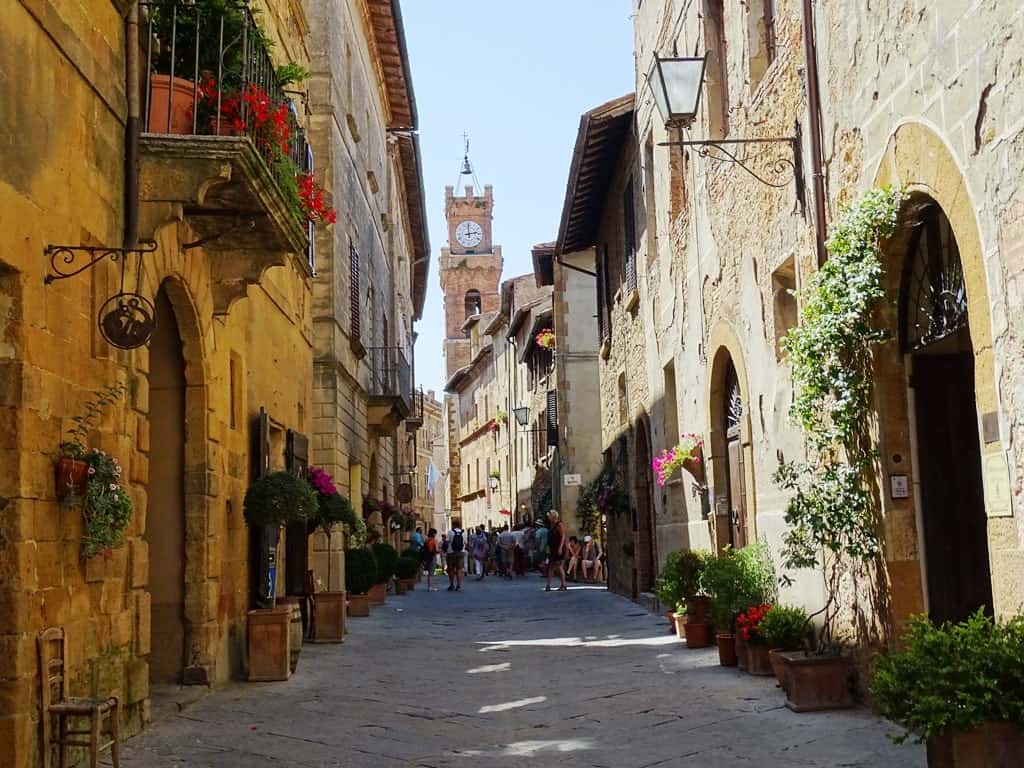
Pienza is often called the “ideal Renaissance town,” thoughtfully redesigned in the 15th century by Pope Pius II to reflect balance, beauty, and harmony.
Its elegant piazza, perfectly proportioned buildings, and sweeping views over the Val d’Orcia create a setting that feels almost timeless.
Today, Pienza is one of Tuscany’s most romantic destinations.
Wander its flower-filled lanes, admire the golden light over rolling hills, stop at scenic viewpoints that seem made for slow travel.
Despite its small size, Pienza leaves a lasting impression—offering a peaceful, picture-perfect escape into the heart of Tuscany.
What to Do:
Wander Corso Rossellino
Explore the Duomo and Palazzo Piccolomini.
Take in sweeping views of the Val d’Orcia from the town walls and enjoy the quiet, contemplative atmosphere.
Where to Stay:
Stay at La Bandita Townhouse for boutique charm or Agriturismo Il Macchione for countryside magic and homemade breakfasts.
Check for other accommodation in Pienza
Local Tip:
Try Pienza’s famous pecorino cheese, especially during the September cheese-rolling festival.
3. San Gimignano – The Town of Towers
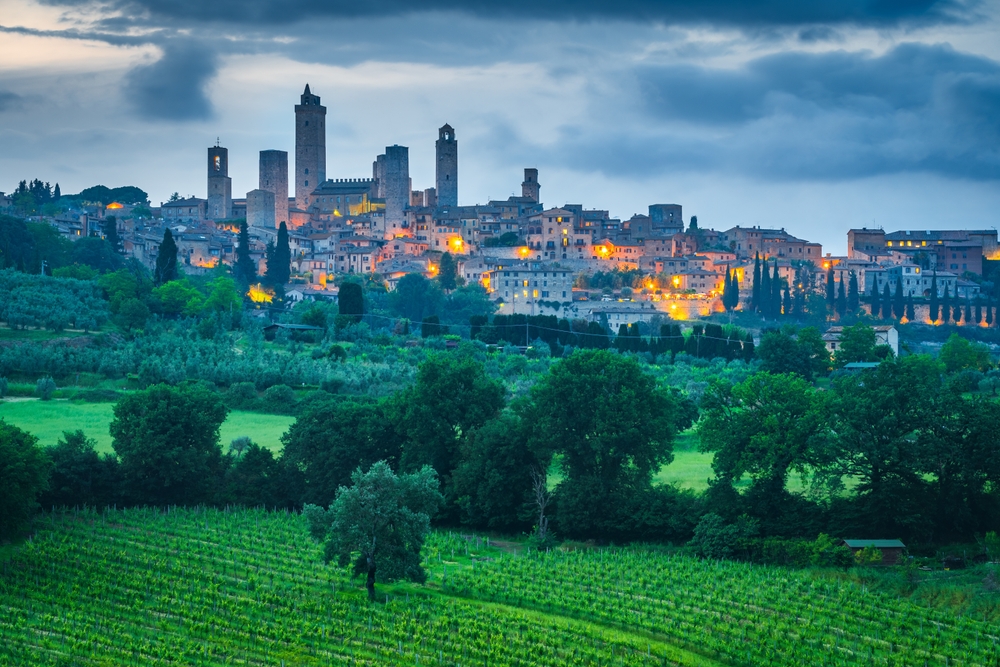
San Gimignano is instantly recognizable for its cluster of 13 medieval towers that rise dramatically above the Tuscan hills, earning it the nickname “Medieval Manhattan.”
Once a symbol of wealth and power among rival families, these towers now create one of the most iconic skylines in Italy.
While it’s one of Tuscany’s most visited towns, San Gimignano still holds onto its charm.
Arrive early in the morning or into the evening, and you’ll find a quieter, more atmospheric side—when the crowds fade away.
In those moments, it’s easy to imagine the town as it once was, timeless and untouched.
What to Do:
Climb Torre Grossa for views of the countryside.
Visit the Duomo to see frescoes by Ghirlandaio.
Wander Piazza della Cisterna and sample award-winning gelato from Gelateria Dondoli.
Where to Stay:
Hotel La Cisterna offers rooms with tower views.
For a vineyard stay, try Fattoria Poggio Alloro just outside town.
Local Tip:
Sip Vernaccia di San Gimignano, a crisp white wine native to this region.
4. Cortona – Under the Tuscan Sun
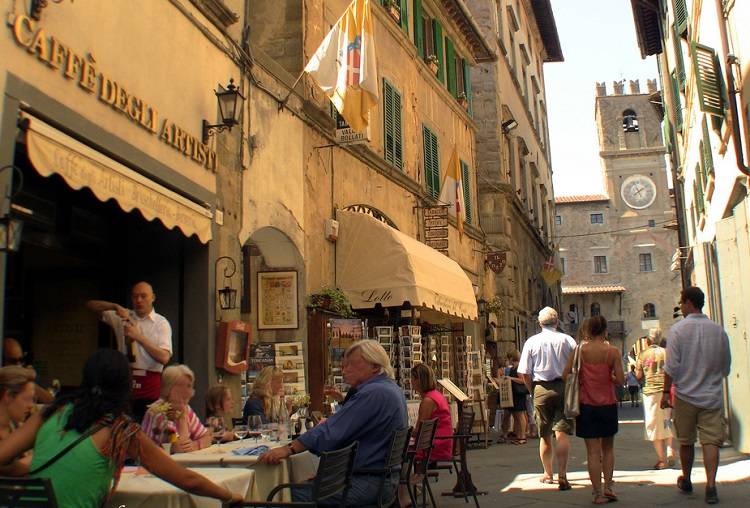
Perched high above the Val di Chiana, Cortona is one of our favorites and one of those places that just feels good the moment you arrive.
Maybe it’s the stone streets, the quiet corners, or the views that stretch on forever toward Lake Trasimeno.
Made famous by Under the Tuscan Sun, Cortona has a gentle, lived-in charm that’s easy to fall into.
It’s not about ticking off sights here—it’s about wandering without a plan, and settling into a piazza with a glass of wine as the day drifts by.
Stay a little longer than you planned… it’s that kind of place.
What to Do:
Explore Etruscan artifacts at the MAEC museum
Climb up to the Medici Fortress
Relax in Piazza della Repubblica with a glass of wine.
Where to Stay:
Villa di Piazzano offers luxury in the countryside; for something more central, try Hotel San Michele.
More Accommodation in Cortona
Local Tip:
Don’t miss La Bucaccia for authentic local cuisine in a rustic setting.
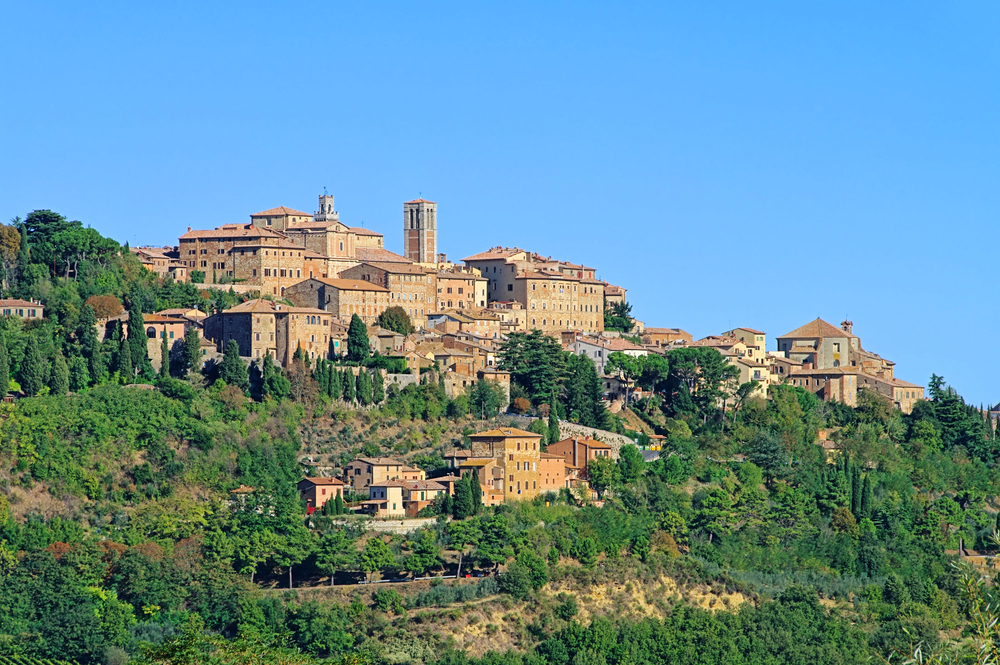
5. Montepulciano – A Wine Lover’s Dream
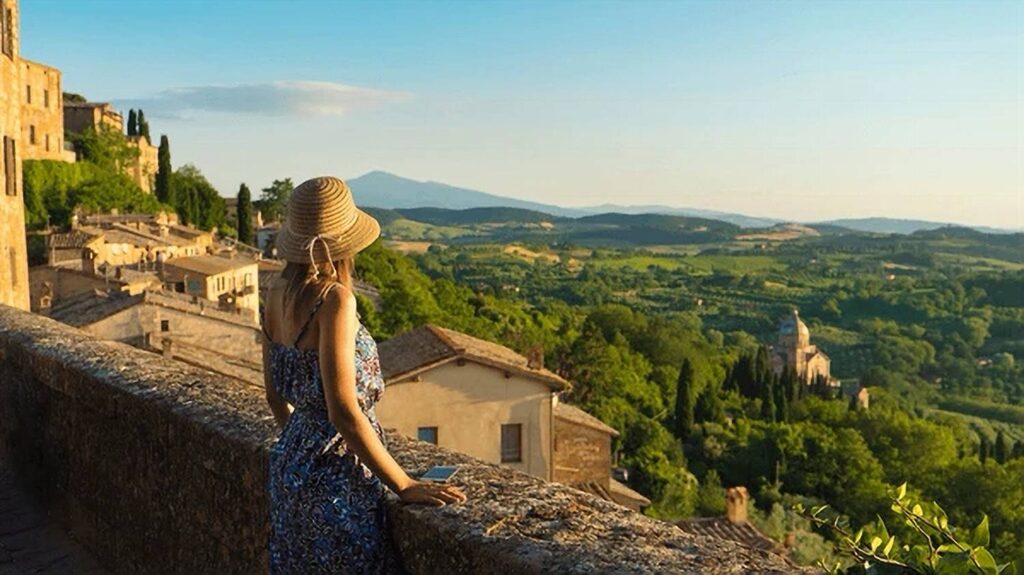
Perched high above the Val d’Orcia, Montepulciano is one of those towns that you could stay for a while.
At first, it’s the setting—vineyards rolling in every direction, golden light over the hills.
Then it’s the details—the grand piazzas, quiet alleyways, and the occasional scent of wine aging in ancient cellars beneath your feet.
Famous for its Vino Nobile, Montepulciano blends wine and countryside in a way that feels perfect.
You can spend your morning wandering historic streets, your afternoon tasting wine, and your evening watching the sunset with a glass in hand.
It’s not just a place you visit—it’s one you settle into, even if only for a little while.
What to Do:
Visit Piazza Grande
Explore underground wine cellars like De’ Ricci.
Enjoy panoramic views from the clock tower.
Take a walk to the stunning San Biagio church.
Where to Stay:
Palazzo Carletti offers upscale rooms in the town center.
For a vineyard escape, stay at Agriturismo Nobile.
Local Tip:
Taste the rich Vino Nobile di Montepulciano with pici pasta and wild boar.
Additional Accommodation: Where to Stay in Montepulciano, Italy: Best Hotels & Apartments for Every Budget
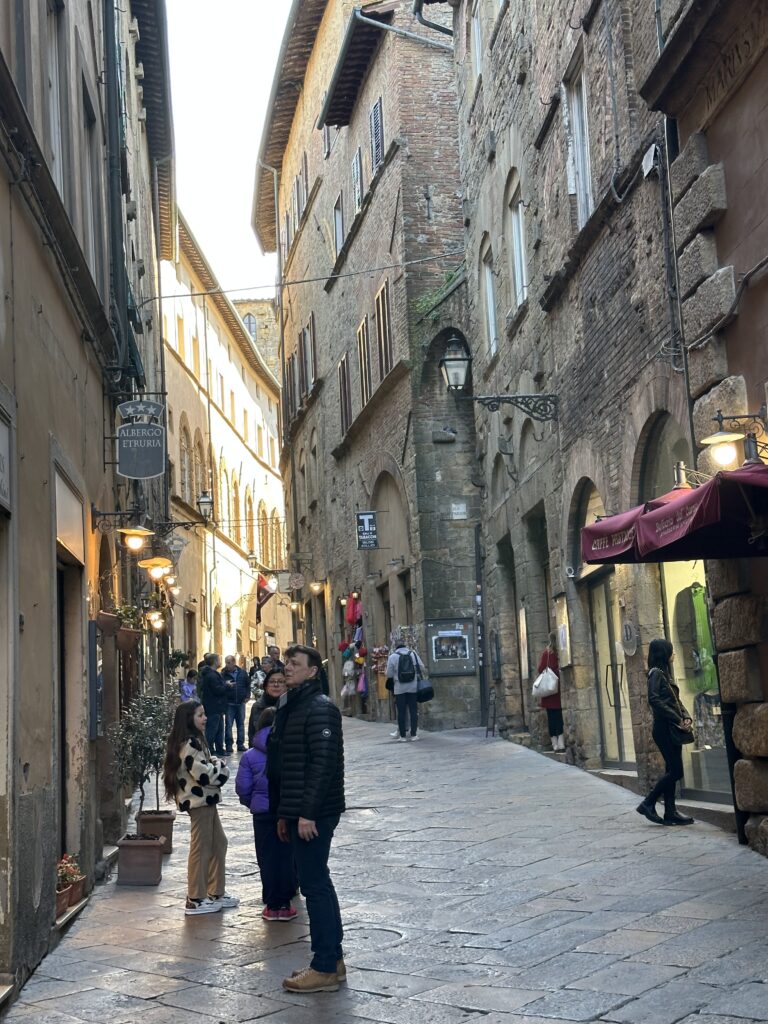
6. Volterra – Timeless and Tranquil
There’s something quietly powerful about Volterra.
It doesn’t try to impress—and that’s exactly its charm.
With its weathered stone walls, Etruscan roots, and sweeping views over the countryside, Volterra feels like a place that has simply carried on, unchanged.
Unlike some of Tuscany’s more famous towns, it moves at a slower, more local pace.
You won’t find the same crowds here, which means you can wander freely, linger in empty piazzas, and take in the history without distraction.
It’s the kind of town where you don’t need a plan—just a bit of time.
And in Volterra, that’s exactly what you get.
What to Do:
Visit the Roman Theatre
Stroll through the Piazza dei Priori
Explore the Etruscan Museum.
Stop into a local alabaster shop to learn about this ancient craft.
Where to Stay:
Hotel La Locanda offers comfort right in the historic center,
while Apartment Villa Mascagni has countryside views.
Other accommodation in Volterra
Local Tip:
Visit in the late afternoon when the crowds thin and golden light bathes the rooftops.
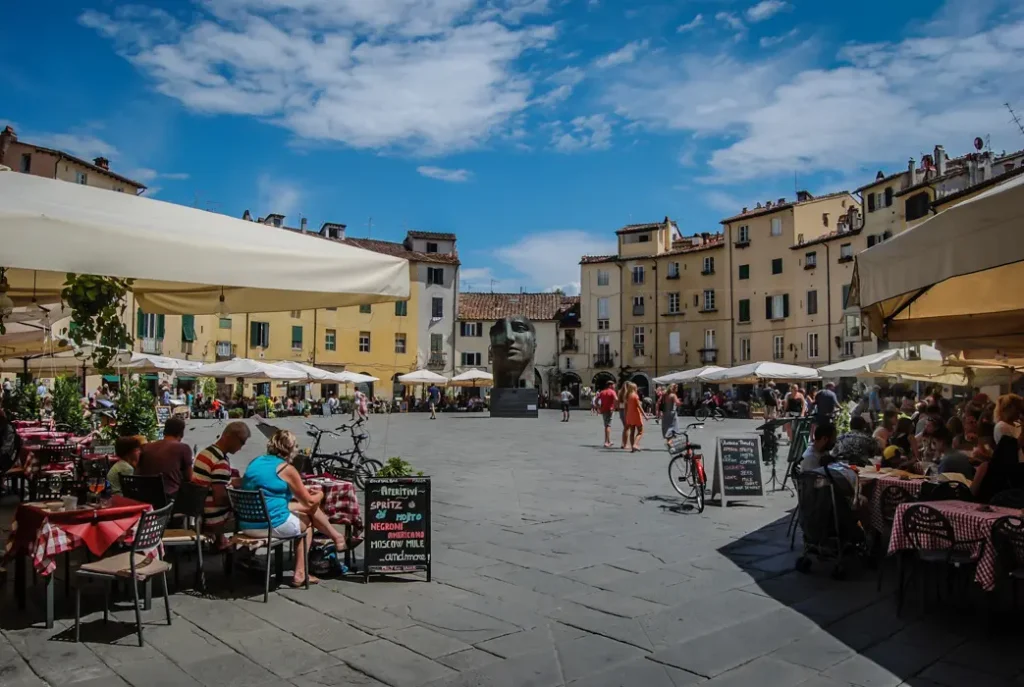
7. Lucca – The Walled Jewel
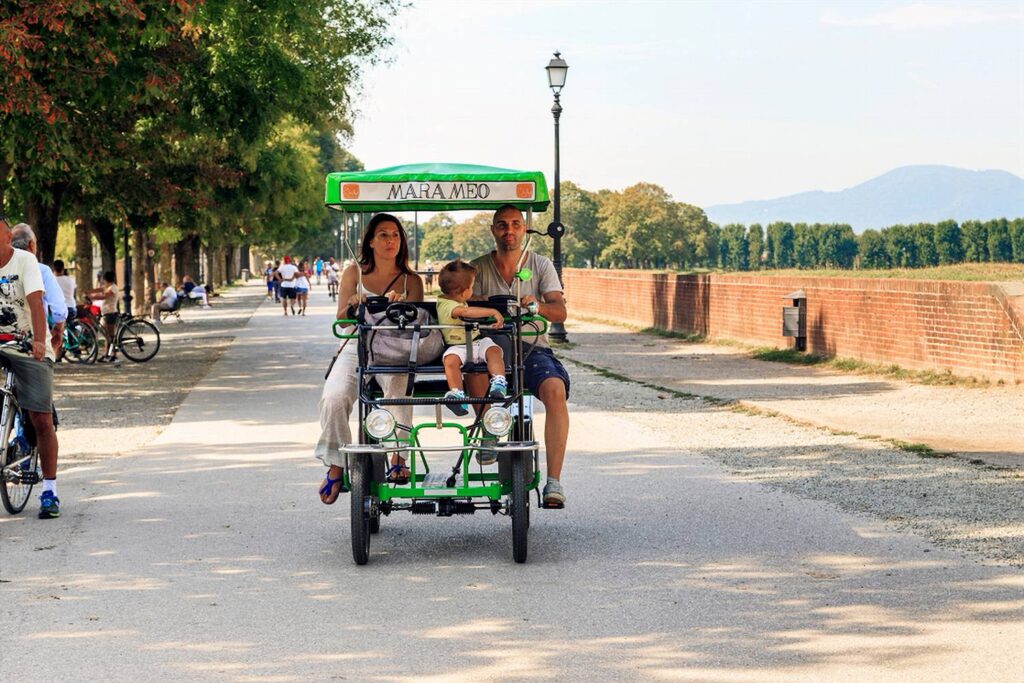
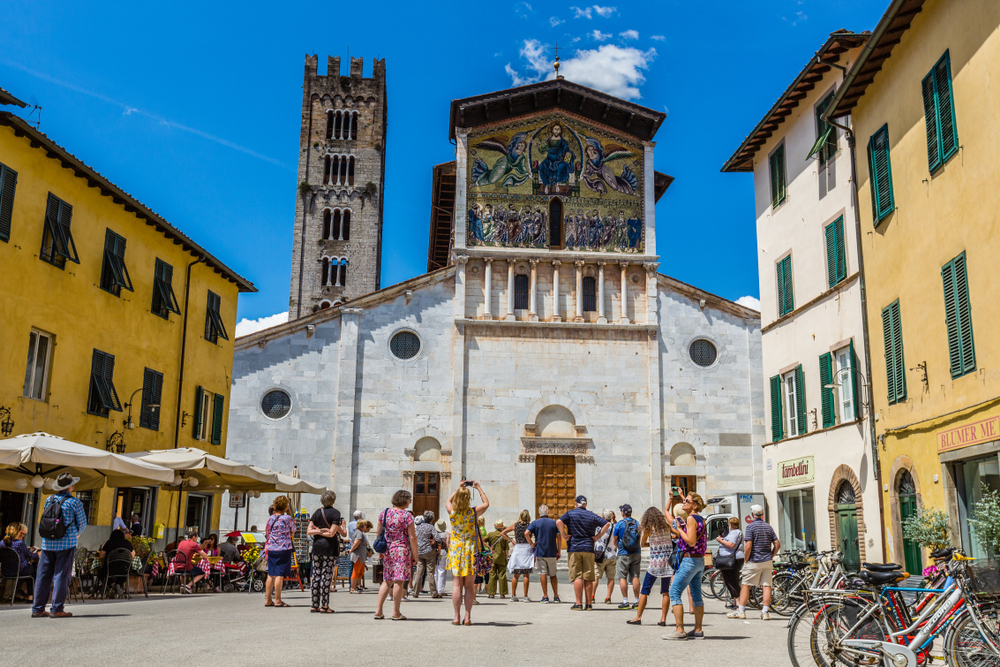
Lucca is a town (Our Favorite) that never loses its charm—maybe because you can literally walk around it and take it all in from the top of its Renaissance-era walls.
Fully intact and lined with trees, the walls create a peaceful loop that locals and visitors alike stroll or cycle along, offering views over terracotta rooftops and the surrounding countryside.
Inside, Lucca’s quiet cobbled lanes, lively piazzas, and hidden gardens give it a feeling that’s both timeless and intimate.
It’s a place where life slows down, where you can sip coffee at a café in the sun and watch daily Italian life unfold around you.
For us, it’s more than a stop on a Tuscany itinerary—it’s home. Lucca’s warmth, beauty, and calm make it our favorite Tuscan town.
What to Do:
Cycle the 4km loop on the walls
Visit the Piazza dell’Anfiteatro
Climb Guinigi Towerd
check out a Puccini concert.
Where to Stay:
Stay at Palazzo Dipinto for boutique luxury or Albergo San Martino for a traditional feel.
More accommodation in Lucca
Local Tip:
Lucca’s food scene is underrated—try farro soup or tordelli lucchese at a local trattoria.
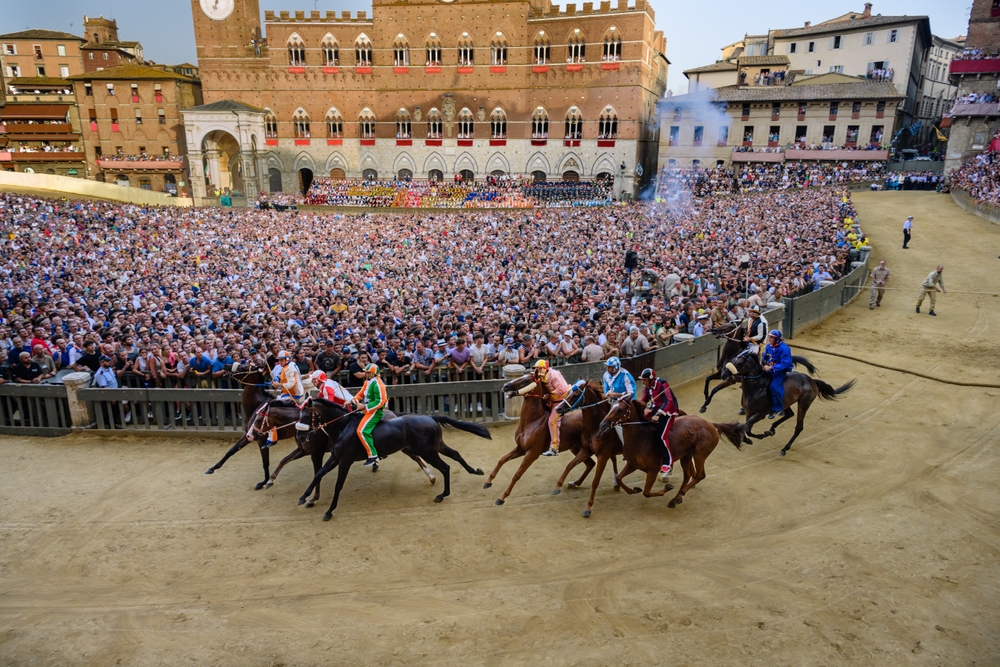
8. Siena – Medieval Majesty and Palio Passion
Siena is one of Tuscany’s most iconic towns.
Its Gothic architecture dominates the skyline, while the fan-shaped Piazza del Campo—one of Italy’s most beautiful squares— daily life with cafés, markets, and gatherings.
Twice a year, the city truly comes alive for the Palio, the thrilling horse race that has been held for centuries and draws visitors from around the world.
Despite its size, Siena remains wonderfully walkable.
Narrow medieval streets open onto quiet corners, charming squares, and hidden viewpoints, giving every wanderer a sense of discovery.
Full of life, culture, and energy, Siena captures the best of Tuscany—making it a must-visit for anyone seeking history, architecture, and that unmistakable Tuscan spirit.
What to Do:
Admire the black-and-white Siena Cathedral
Climb the Torre del Mangia for city views
Visit the Civic Museum in Palazzo Pubblico.
Where to Stay:
Grand Hotel Continental Siena is a five-star option near the heart of town.
For boutique charm, try Palazzetto Rosso.
Other Accommodation in Siena
Local Tip:
Even if you’re not in town for the Palio (July 2 and August 16), visit a contrada museum to understand Siena’s deep neighborhood pride.
Siena is a Tuscan icon, known for its dramatic Gothic architecture, fan-shaped main square, and the thrilling Palio horse race.
It’s a larger town, but still walkable and full of personality.
Best Tuscany tours
Looking for the easiest way to explore Tuscany?
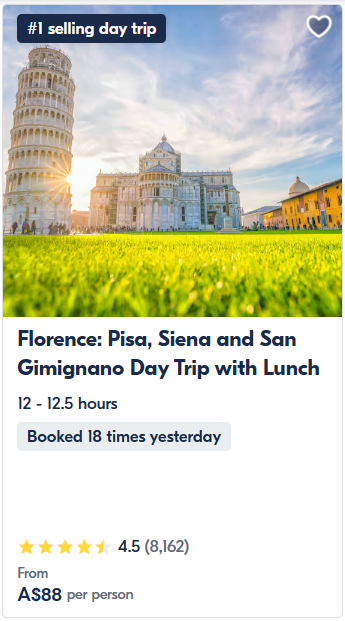
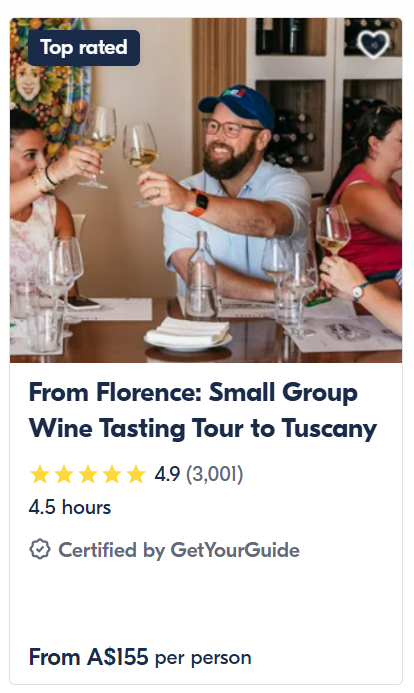
Guided tours from Florence take the hassle out of planning and transport.
You’ll enjoy skip-the-line access to the Leaning Tower, expert commentary at historical landmarks, and free time to explore charming towns .
Many tours include comfortable transportation, a knowledgeable local guide, and even lunch or wine tastings.
Whether you prefer a small group or private tour, it’s the perfect way to see two Tuscany without the stress of navigating on your own.

Getting Around Tuscany: Car vs Train
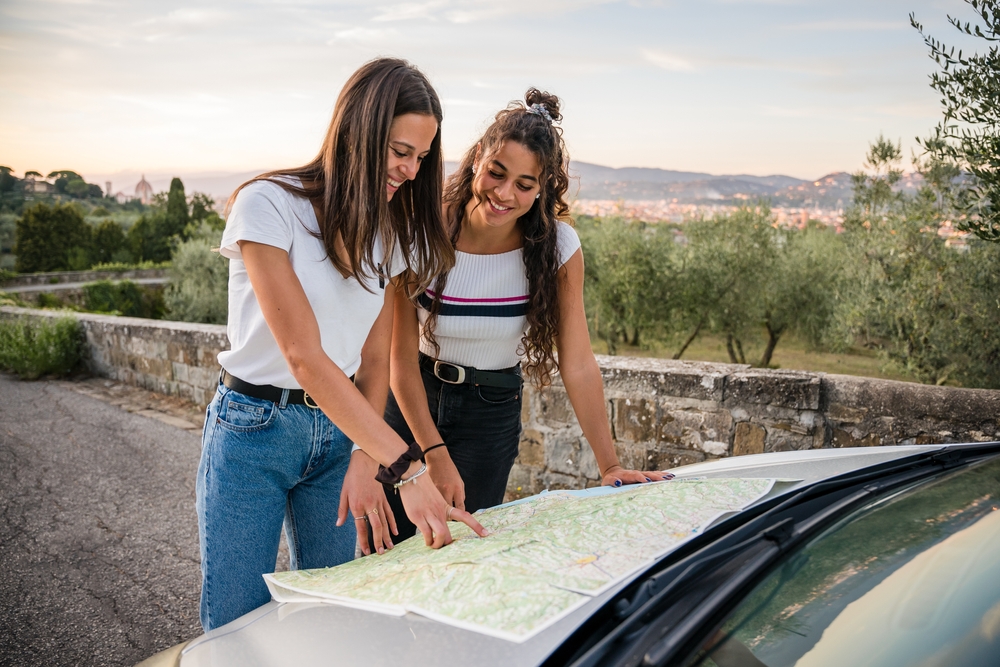
Tuscany’s beauty lies in its rural landscapes and hilltop towns—many of which are best accessed by car.
If you plan to visit places like Volterra, Montepulciano, or Pienza, Car rental is the most convenient option, offering freedom to explore at your own pace and detour into the countryside.
However, Tuscany’s train network is excellent between major hubs.
Florence, Lucca, Pisa, and Siena are well connected, making an ideal and easy visit: train between big cities, then rent a car for 4–5 days to explore the smaller towns.
Public buses exist for more remote areas, but they can be infrequent and time-consuming, especially on weekends.
Tips:
Book Car rental in advance, especially during summer.
Driving in ZTL (limited traffic zones) is restricted in most towns—park outside the walls and walk in.
Consider an automatic car if you’re not used to driving in Italy.
Suggested Itinerary
Day 1: Arrive in Florence. Explore the Duomo, Uffizi, and Ponte Vecchio.
Day 2: Morning train to Lucca. Cycle the walls, overnight in Lucca.
Day 3: Travel to San Gimignano, with an optional quick stop in Pisa on the way.
Day 4: Visit Siena. Stay overnight and soak in the atmosphere.
Day 5: Head to Volterra for a more relaxed and historic hill town.
Day 6: Travel to Montepulciano. Enjoy wine tasting and views.
Day 7: Explore nearby Pienza and the Val d’Orcia.
Day 8: Spend a relaxed day in Cortona.
Day 9: Return to Florence or continue your Tuscan journey.
How to Spend 7 Magical Days in Tuscany by Car
Car rental– If you plan to visit countryside towns and vineyards, a rental car is invaluable in March.
Best Times to Visit
Spring (April–June): Ideal weather- Wildflowers, mild weather, and open countryside.
Autumn (September–October): Grape harvests, golden hills, fewer crowds.
Summer (July–August): Lively festivals, but hot and busy—explore early or late in the day.
Winter (November–March): Our favorite time to be in Tuscany- Peaceful and atmospheric, perfect for food and wine lovers.
FAQ: 8 Stunning Towns to Visit in Tuscany
1. How many days do I need to visit these 8 Tuscan towns?
To explore all eight towns comfortably, plan 7–10 days. With a car, you can cover them efficiently.
If using public transport, aim for 10–12 days, as connections are slower between smaller hill towns.
2. Which town is the best base for exploring Tuscany?
Florence is the top choice for first-timers thanks to easy transport links, guided tours, and endless sights.
For a countryside base, Pienza, Cortona, or Montepulciano offer beautiful village life and central locations in the Val d’Orcia.
3. Do I need a car to visit all eight towns?
A car is highly recommended for towns like Pienza, Volterra, and parts of Montepulciano.
Florence, Siena, and Cortona are accessible by train or bus, but a car offers far more flexibility and shorter travel times overall.
4. What is the most beautiful town in Tuscany?
Beauty is subjective, but many travellers consider Pienza the most picture-perfect town thanks to its Renaissance architecture, romantic views over the Val d’Orcia, and peaceful golden-hour streets.
5. Which Tuscan town is best for wine lovers?
Montepulciano is ideal for wine enthusiasts—home of Vino Nobile di Montepulciano, medieval cellar tours, and scenic vineyards.
Florence and Siena also offer excellent wine bars and day trips into Chianti.
6. Are these Tuscan towns good to visit in winter?
Yes—winter brings quieter streets, cosy wine bars, atmospheric fog in the countryside, and excellent hotel prices.
Florence and Siena stay lively year-round.
Smaller villages like Pienza and Volterra will feel peaceful but wonderfully authentic.
7. What’s the best town for first-time travellers to Tuscany?
Florence, because it blends easy sightseeing, exceptional food, and central transport.
From Florence, you can take simple day trips to Siena, Pisa, Lucca, and Chianti before heading into the hill towns.
8. Are the towns stroller-/mobility-friendly?
Florence and Siena are the most accessible. Hilltop towns like Pienza, Montepulciano, and Volterra have steep cobblestones, narrow lanes, and inclines, so comfortable shoes and extra time are essential.
Ready to Turn Your Dream Into a Plan?
If you’ve ever dreamed of travelling Europe for longer than just a holiday, our FREE 90-Day Slow Travel Starter Kit is the perfect place to start.
Inside you’ll discover:
 The first planning steps
Understanding the Schengen Rule
How we choose where to stay
Practical slow travel tips
 Download Your FREE Starter Kit
Want to Go Even Further?
If you’d like to learn the complete system we’ve developed after years of travelling Europe full-time, take a look at our new book.
 How We Actually Travel Europe Long-Term
Discover the Book
Do You Need Travel Insurance for Tuscany?
(Short Answer: Yes — It’s Still a Smart Idea)
Travel insurance isn’t legally required to visit Tuscany, but it’s one of the smartest things you can have when travelling in Italy.
Even in a relaxed destination like Tuscany, things can go wrong — from delayed flights and lost luggage to medical issues, rental car damage, or unexpected trip cancellations.
And while Italy has excellent healthcare, medical treatment for visitors can still be costly without proper coverage.
As long-term travellers living in Italy, we’ve found SafetyWing to be a practical option for trips around Europe, offering coverage for medical care, travel delays, and lost belongings without complicated fine print.
SafetyWing
(Best for Long-Term Travel & Affordability)
We personally use SafetyWing, and have since 2019.
It’s perfect for travelling, spending multiple weeks or a whole year abroad.
You can get a Quote here.
It’s the kind of insurance you hope you never need—but you’ll be very glad you have if something unexpected happens.
Final Thoughts: Slow Days, Lasting Moments
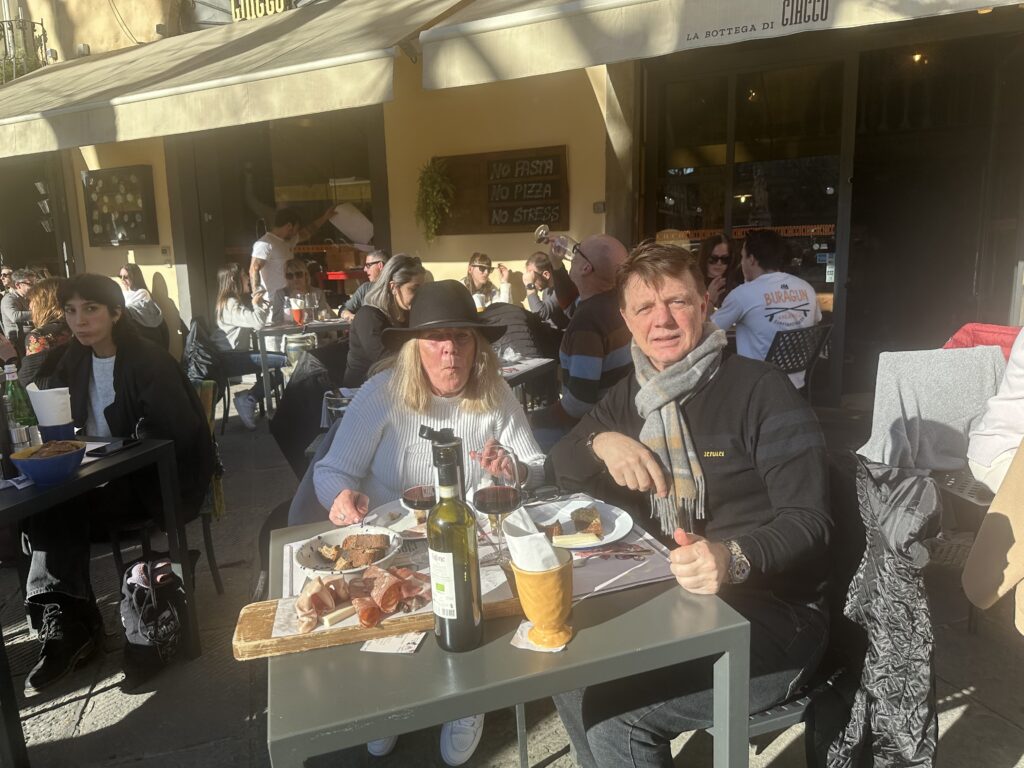
We didn’t try to see everything in Tuscany—we just tried to see what mattered to us.
A quiet walk. A glass of wine. Homemade pasta, cobblestone streets, charming Piazzas, that’s where the magic was for us.
Each town in this guide gave us something different: a view we’ll never forget, a meal we still talk about, or a moment that made us feel at home.
And the more we slowed down, the more we saw—not just the places, but the way of life here.
Our advice? (Go slow)
Leave room for detours and unplanned stops.
Stop when something catches your eye.
Sit down when a spot feels just right.
That’s how Tuscany reveals itself—not all at once, but bit by bit.
We hope this guide helps you find your own way into its heart.
Take your time.
That’s how the best stories begin.
PLAN YOUR TUSCANY ADVENTURE
These are our favorite companies we use when planning a trip, they consistently have the best prices, great customer service, and overall, are better than their competitors.
BOOK YOUR FLIGHT – Going is a great search engine if you are flexible about your travel destination and dates. Sign up for their newsletter and get the latest deals on destinations around the world. GOING is our new go to.
CAR RENTAL – We recommend using Discover Cars or Rental Cars when booking a car rental, they work with hundreds of companies worldwide to help you find the best car for your needs.
TRAINS – OMIO – is our favorite, this site is very reliable and easy to use.
BUS – OMIO – this website allows you to book train or bus tickets to travel from city to city the best and cheapest way. FLIXBUS is another terrific website with routes between 20 European countries.
ACCOMMODATIONS
BOOKING.com – is our go to for hotel searches around the world, we find they always have the cheapest rates and offer different payment options. In addition, VRBO is another terrific website for all types of accommodations.
HOSTELWORLD – is great if you’re traveling on a budget, and if you need a cheap place to stay.
SIGHTSEEING TOURS
GET YOUR GUIDE – is our favorite; they have stacks of tours and excursions available in cities all over the world. VIATOR is another great website for all types of tours.
TAKE WALKS – This walking tour company provides inside access to attractions and places you can’t get elsewhere.
TRAVEL INSURANCE
SAFETY WING – is our go to travel medical insurance company, especially for longer trips. You can either purchase a monthly plan or a plan for specific trip dates (i.e. 1-2 week trips). They cover people from all over the world, while outside their home country.
ARC’TERYX – is a go to reliable brand for outdoor adventure and travel, their wide range includes light weight durable, easy to clean travel gear.
Check out our RESOURCE PAGE for more additional planning.