
How We Actually Travel Europe Long-Term: Our Simple Slow Travel System
Timeless Wanderers: Posted July 7, 2026
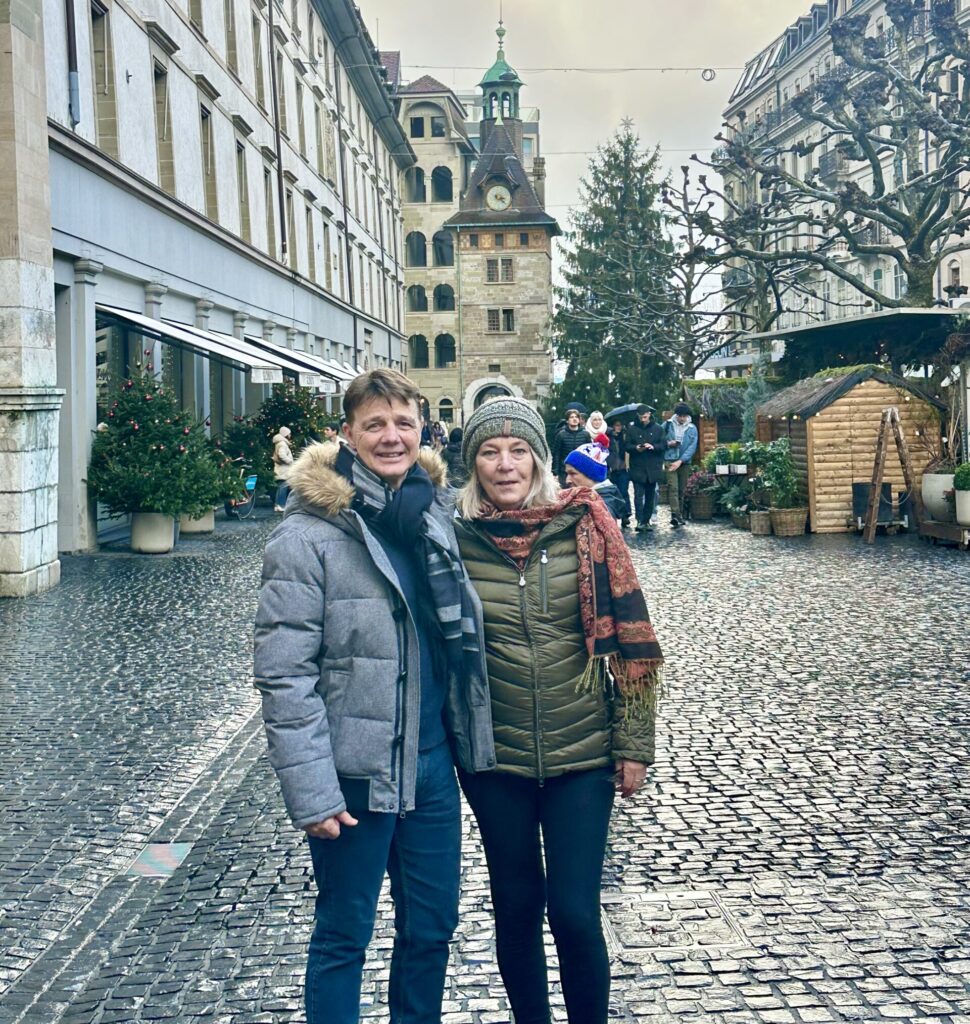
Why We Stopped Travelling Like Tourists
Discover how we travel Europe long-term through slow travel, housesitting, flexible planning, and smart budgeting.
Learn the exact system we’ve developed after years of full-time travel.
Most people think travelling Europe long-term is something only wealthy retirees, digital nomads or full-time influencers can do.
We used to think that too.
When we sold our home, our cars and almost everything we owned in Australia, we weren’t chasing a never-ending holiday.
We simply wanted to experience Europe differently.
Instead of racing through countries with a suitcase in one hand and a train ticket in the other, we wanted time to settle into places, discover local cafés, shop at neighbourhood markets and experience what everyday life really feels like.
That dream didn’t happen overnight.
Like most travellers, we made mistakes.
We moved too quickly, overplanned some trips, underplanned others and spent money in places we could have avoided.
But every mistake taught us something valuable.
Over the years, those lessons slowly became a simple system.
Today that system allows us to travel Europe for months at a time while keeping life flexible, affordable and enjoyable.
This article isn’t about creating the perfect itinerary.
It’s about showing you the approach that changed the way we travel—and how it might change the way you travel too.
Table of Contents
The Biggest Mindset Shift We Ever Made
When we first started travelling around Europe, we travelled the same way most people do.
We tried to fit as much as possible into every trip.
A few days here.
A few days there.
Another train.
Another hotel.
Another list of “must-see” attractions.
At first, it felt exciting.
But after a while, we realised we were spending more time packing bags, checking into accommodation and figuring out transport than actually enjoying where we were.
We weren’t experiencing Europe.
We were simply moving through it.
Everything changed when we stopped thinking like tourists and started thinking like people who were temporarily living in Europe.
That one mindset shift completely transformed the way we travel.
Instead of asking ourselves,
“How many places can we visit?”
we started asking,
“Where would we love to spend the next few weeks?”
Those are two very different questions.
When you stay somewhere longer, something interesting happens.
The famous attractions become less important.
Instead, you start discovering the things that rarely appear in guidebooks.
You find your favourite local café.
The bakery owner begins to recognise you.
You know which market sells the freshest produce.
You stop looking at maps every five minutes because the streets slowly become familiar.
Instead of feeling like a visitor, you begin to feel like part of the neighbourhood.
That’s the Europe we fell in love with.
Some of our favourite memories aren’t famous landmarks at all.
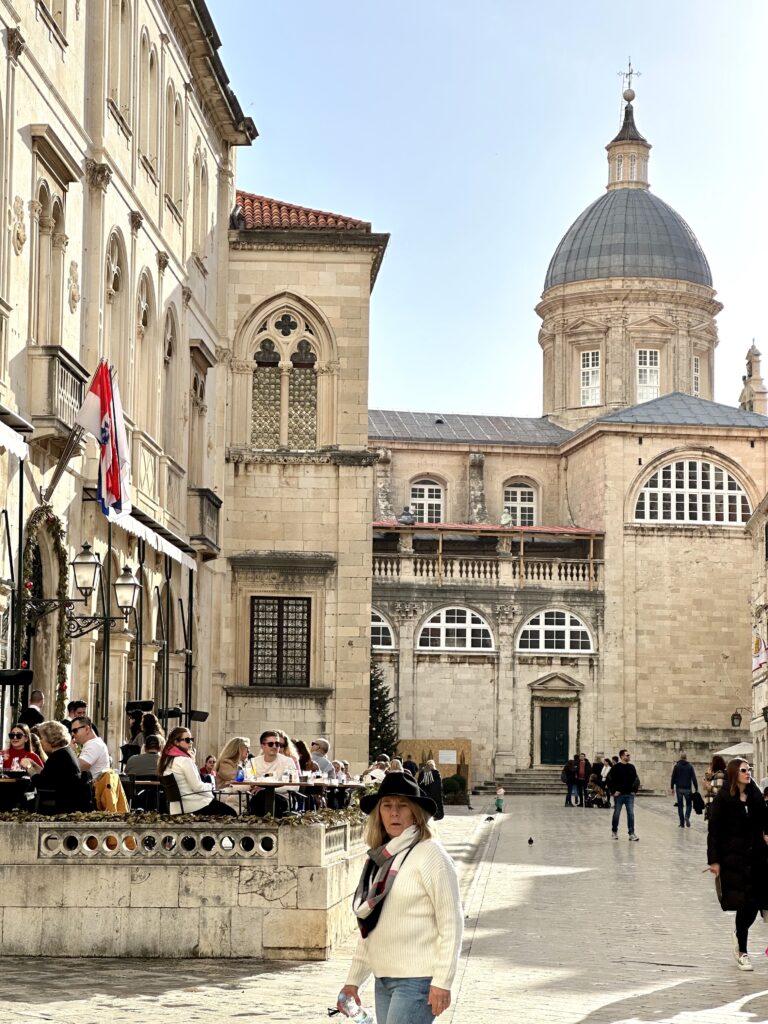
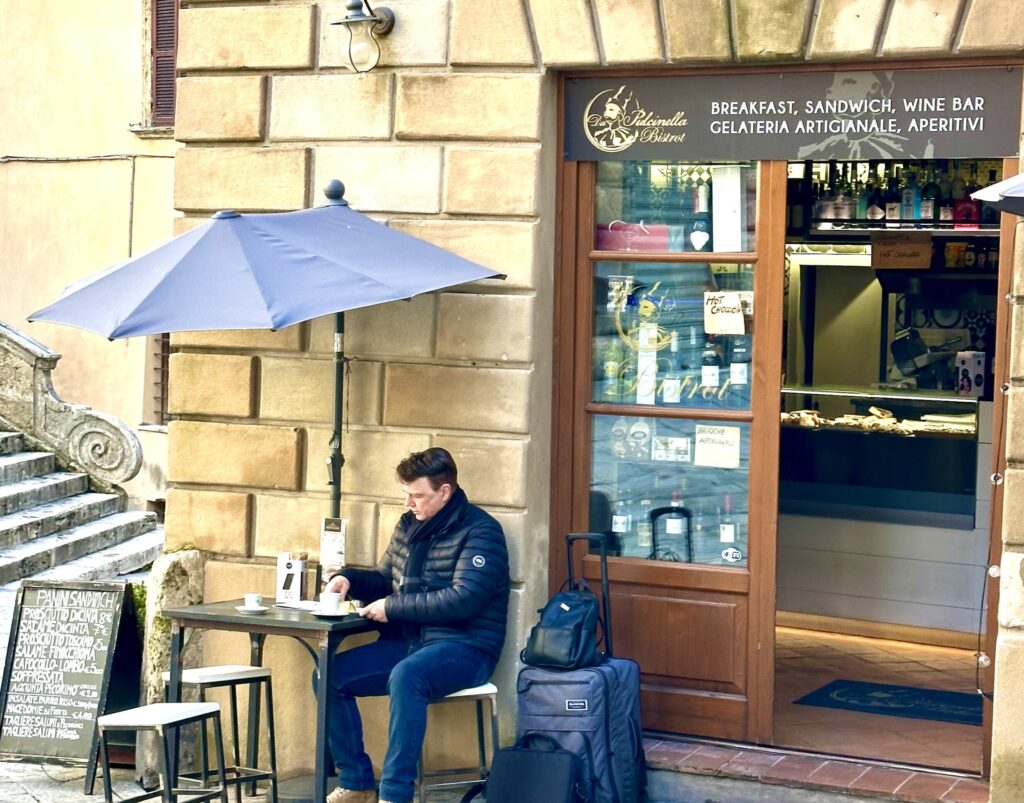
They’re quiet mornings wandering through village markets in Tuscany, chatting with locals over coffee, taking the same evening walk through town, or watching life unfold from a small piazza as the sun disappears behind centuries-old buildings.
Those moments never appear on anyone’s bucket list.
Yet they’re often the moments we remember most.
Travelling this way also changed something else.
It took the pressure off.
We no longer felt we had to “see everything.”
Europe isn’t going anywhere.
If we don’t visit a town this year, we’ll simply come back another time.
That simple thought removed so much stress from our travels.
Instead of collecting destinations, we started collecting experiences.
Looking back, this was probably the biggest lesson we’ve learned since leaving Australia.
Long-term travel isn’t about covering more ground.
It’s about creating more meaningful experiences wherever you happen to be.
And once you embrace that way of thinking, everything else becomes easier—from planning your travels to managing your budget, choosing where to stay, and ultimately enjoying the journey itself.
Because for us, Europe stopped being a holiday destination.
It became a lifestyle.
We can help you plan your dream trip to Europe, with a personalised itinerary designed just for you.
After more than 30 years of travelling to Eurpe—and loving it so much we decided to make it our home—we now live here and explore at a relaxed, local pace.
Planning a trip to Europe is exciting, but choosing where to go, how long to stay, and how to get around can quickly become overwhelming.
That’s where we come in.
We offer a personalised planning service that helps you decide exactly how to explore Europe, based on your travel style, budget, and pace.
Plus, we can help you plan scenic drives, time in hilltop towns, food and wine experiences, and those small local moments that make a trip truly special—making your European holiday easier, smoother, and full of memories you’ll treasure long after you return home.
“Let us plan your perfect trip with a custom itinerary designed just for you.
Fill out the form and let’s begin your dream.”
We No Longer Plan Trips—We Build Seasons
One of the biggest changes in the way we travel happened when we stopped planning individual trips and started thinking in seasons.
When we lived in Australia, holidays were something we squeezed into a busy calendar.
We’d spend months deciding where to go, book everything well in advance, and try to fit as much as possible into the few weeks we had available.
It worked for holidays.
But it doesn’t work for long-term travel.
When you’re travelling for several months—or even years—you simply don’t need to know exactly where you’ll be every Tuesday afternoon six months from now.
Instead, we ask ourselves a much simpler question:
“Where do we want to spend this season?”
That one question changes everything.
Rather than planning twenty destinations, we choose one region that suits the time of year and build our travels around it.
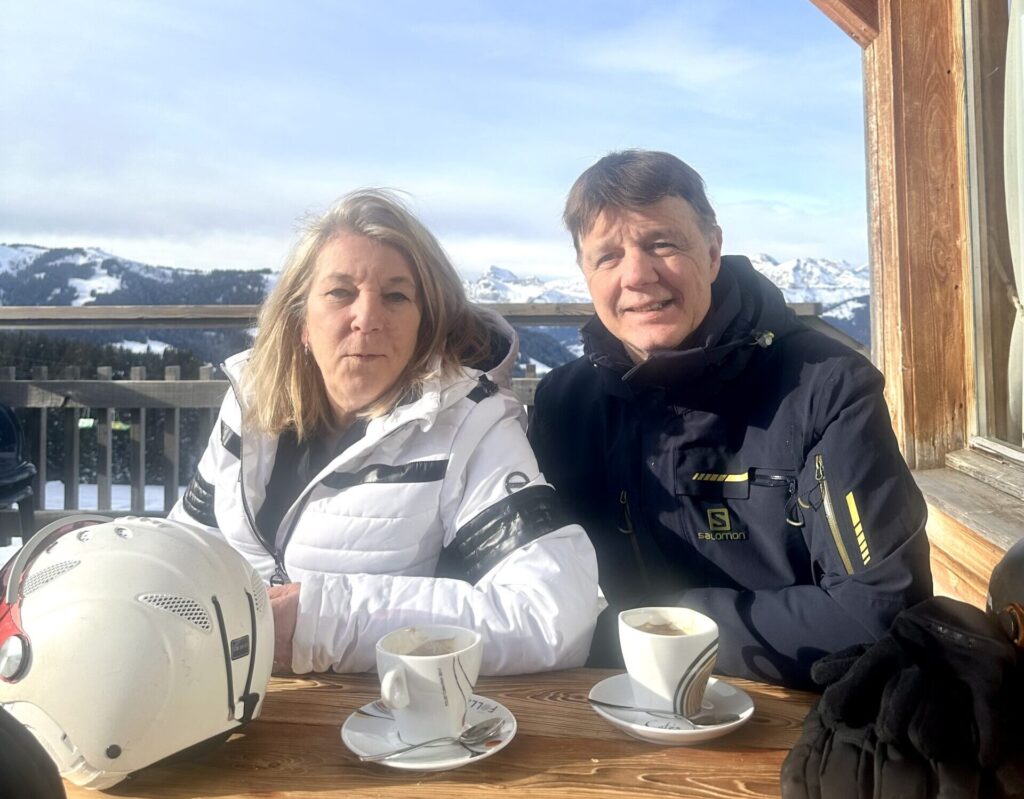
Winter might mean skiing in Austria or exploring mountain villages in France.
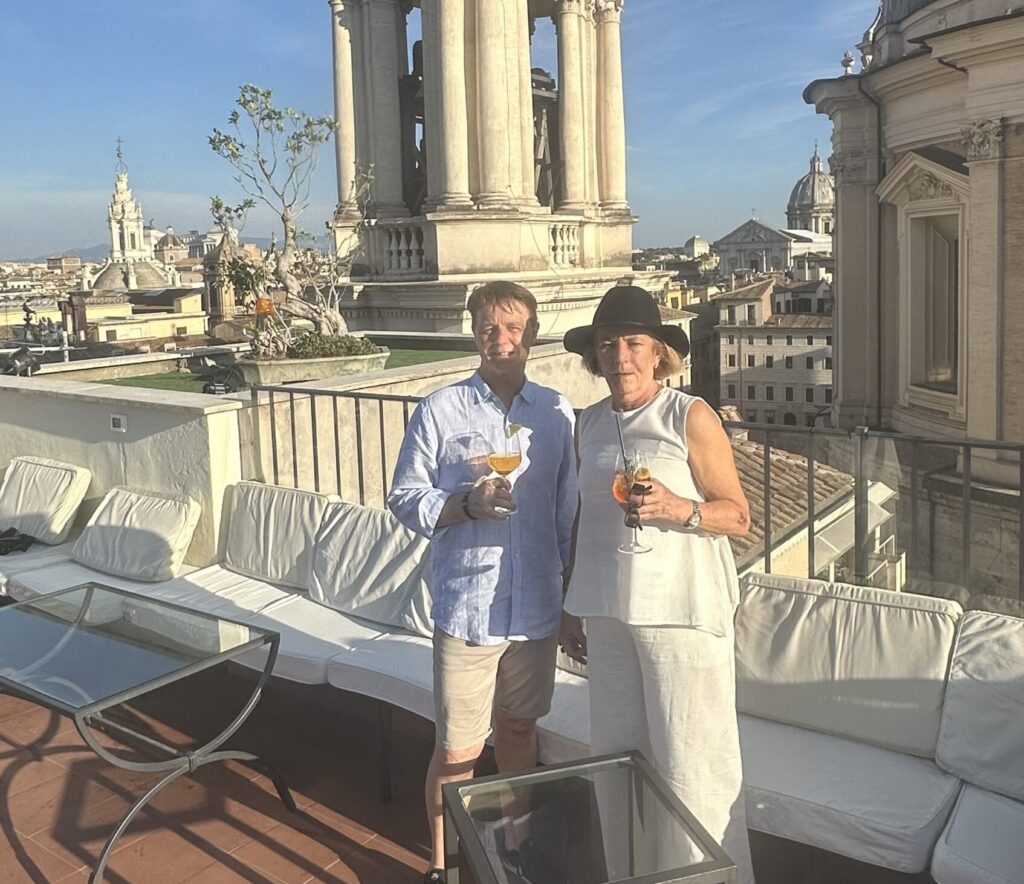
Spring often draws us back to Tuscany, when the countryside is lush and the temperatures are perfect for wandering medieval towns without the summer crowds.
Summer might see us heading further north, where the weather is cooler and the days seem to last forever.
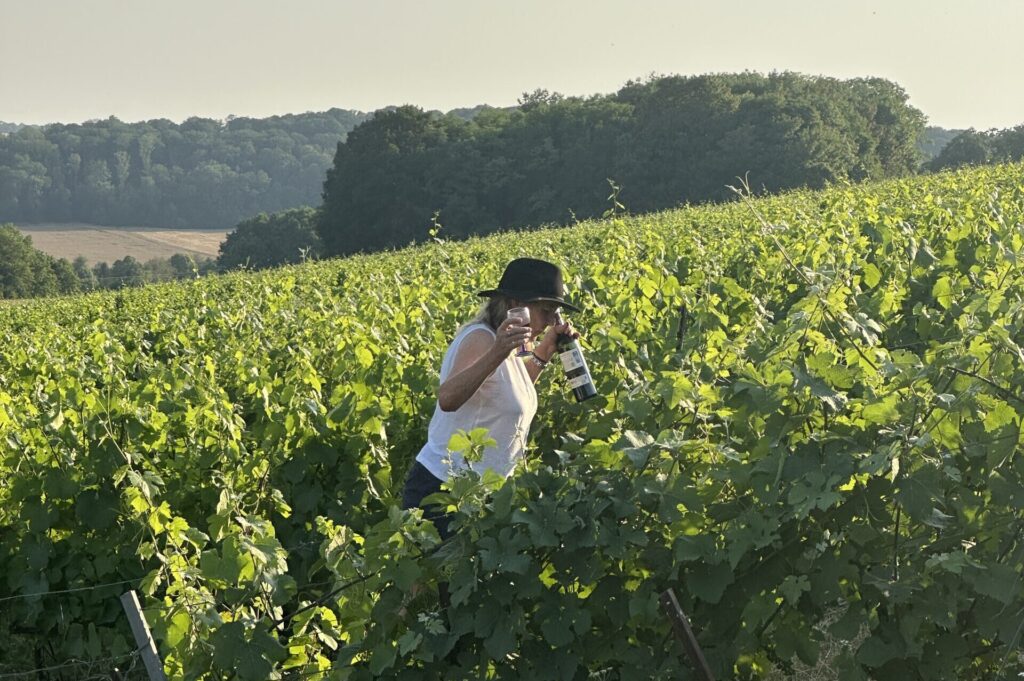
Autumn becomes a time for quieter villages, vineyards preparing for harvest, and places that feel a little more relaxed after the busy tourist season.
Once we’ve chosen the season, we don’t rush to fill every day with plans.
Instead, we look for a comfortable base that allows us to explore the surrounding area at our own pace.
Sometimes we’ll stay for several weeks.
Sometimes we’ll stay for a month or more.
That slower rhythm gives us the freedom to change our minds.
If we discover a town we love, we stay longer.
If the weather changes or an interesting opportunity comes along, we’re flexible enough to adapt.
Some of our favourite experiences have happened simply because we weren’t tied to a rigid itinerary.
This approach has also taken away the pressure of trying to “see everything.”
Europe isn’t a destination you finish.
It’s a place you’ll hopefully return to again and again.
We’ve learned that it’s far better to really get to know one region than to race through five countries just to say we’ve been there.
Thinking in seasons has made our travels less stressful, more affordable, and far more enjoyable.
It also allows us to experience Europe the way many locals do—by embracing the rhythm of the year rather than chasing a checklist.
Looking back, this has become one of the foundations of our long-term travel lifestyle.
We don’t build holidays anymore.
We build seasons filled with experiences, friendships, favourite cafés, familiar streets, and memories that couldn’t have happened if we’d been rushing to the next destination.
A Personal Note
One thing we’ve discovered is that every season brings its own rewards.
Spring might mean enjoying a quiet piazza in Tuscany with hardly another visitor around.
Summer is perfect for escaping into the mountains or exploring cooler regions.
Autumn offers harvest festivals, changing colours and quieter towns.
Winter becomes our excuse to head back to the Alps, where skiing has been part of our lives for decades.
We no longer ask ourselves, “Where should we go next?”
Instead, we ask,
“Where would we like to spend the next season?”
It’s a small change in thinking, but it has completely transformed the way we experience Europe.
Why Staying Longer Saves Us Money
One of the biggest myths about long-term travel is that the longer you travel, the more expensive it becomes.
We used to believe that too.
It seems logical. More days away must mean more money spent.
But once we changed the way we travelled, we discovered something surprising.
Staying longer often costs us less.
The biggest reason is that we’re no longer travelling every few days.
Every time you move to a new destination, the costs begin again.
Train tickets.
Fuel.
Taxis.
Accommodation check-in fees.
Eating out because you’re unfamiliar with the area.
The temptation to visit every paid attraction before moving on.
Those expenses add up very quickly.
By staying in one place for several weeks, many of those costs simply disappear.
Instead of buying transport tickets every few days, we might only use public transport occasionally or simply walk.
Rather than eating every meal in restaurants, we shop at local supermarkets and fresh markets just like the locals do.
Preparing breakfast at home, enjoying a picnic lunch, or cooking dinner a few nights each week doesn’t just save money—it becomes part of the experience.
Longer stays also open the door to better accommodation prices.
Many apartment owners offer discounts for weekly or monthly bookings, especially outside the peak tourist season.
We’ve often found that staying for a month costs far less per night than booking four separate week-long stays.
Another unexpected saving comes from slowing down.
When you’re rushing from one famous attraction to the next, it’s easy to spend money without thinking.
But when you’ve got time, you don’t feel the need to do everything immediately.
Some of our favourite days in Europe haven’t cost us anything at all.
We’ve spent mornings wandering local markets, afternoons exploring quiet villages, evenings watching the sunset from a town square, or simply enjoying a coffee while watching everyday life unfold around us.
Those moments are often more memorable than expensive attractions.
Travelling this way has also helped us become much more intentional with our spending.
Instead of buying souvenirs, we invest in experiences.
Instead of ticking off famous landmarks, we enjoy discovering local cafés, scenic walking trails, neighbourhood bakeries, and hidden corners that most visitors never see.
Ironically, slowing down has allowed us to experience far more of Europe while spending less money.
That doesn’t mean long-term travel is free, and it certainly doesn’t mean every destination is inexpensive.
Some places will always cost more than others.
The difference is that when you stay longer, you have time to make smarter choices.
You learn where the locals shop.
You discover which cafés offer the best value.
You become familiar with public transport instead of relying on taxis.
You settle into a routine that feels comfortable rather than rushed.
For us, that’s been one of the biggest financial lessons we’ve learned.
Long-term travel isn’t about spending more.
It’s about spending differently.
Once we stopped travelling like tourists and started living more like locals, we realised something that completely changed our perspective.
The longer we stayed, the better our experiences became—and, more often than not, the less we spent getting them.
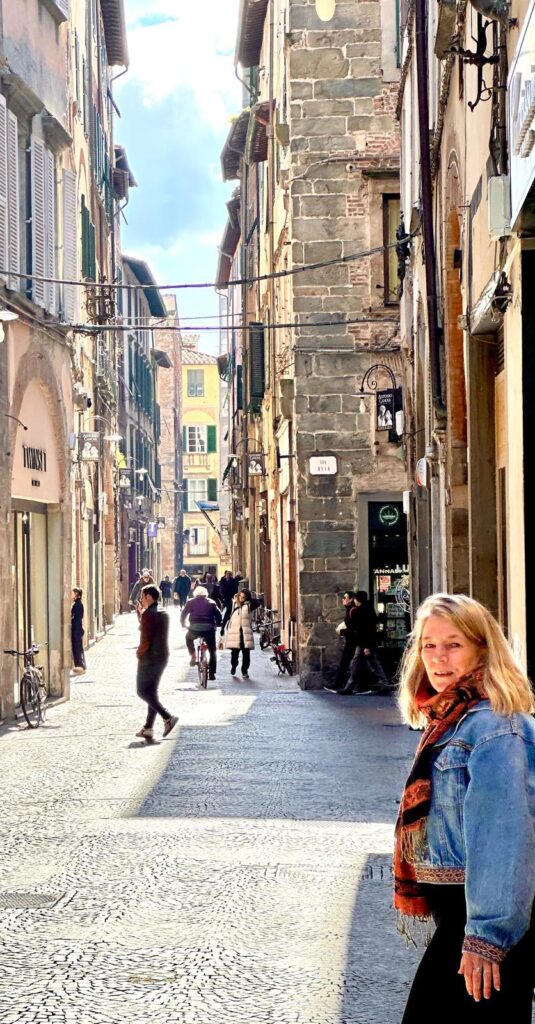
“When we spent a month in Lucca, our apartment cost considerably less per night than it would have if we’d booked it for just four or five days.
We walked almost everywhere, shopped at the local market, found our favourite coffee bar, and enjoyed a routine that felt more like living than travelling.”
Housesitting Changed Everything
When people hear the word housesitting, they often think it’s simply a way to save money on accommodation.
While that’s certainly one of the benefits, we discovered it offers something far more valuable.
It allows us to experience everyday life in a way that hotels and short-term holidays simply can’t.
Before we started housesitting, our travels looked much like everyone else’s.
We’d book accommodation, explore the sights, and move on to the next destination.
Then we completed our first housesit.
Almost overnight, the way we travelled began to change.
Instead of feeling like visitors, we suddenly became part of a local community.
We weren’t staying in tourist accommodation anymore.
We were living in real homes, shopping at neighbourhood supermarkets, walking familiar streets each morning and discovering cafés that tourists rarely found.
And then there were the pets.
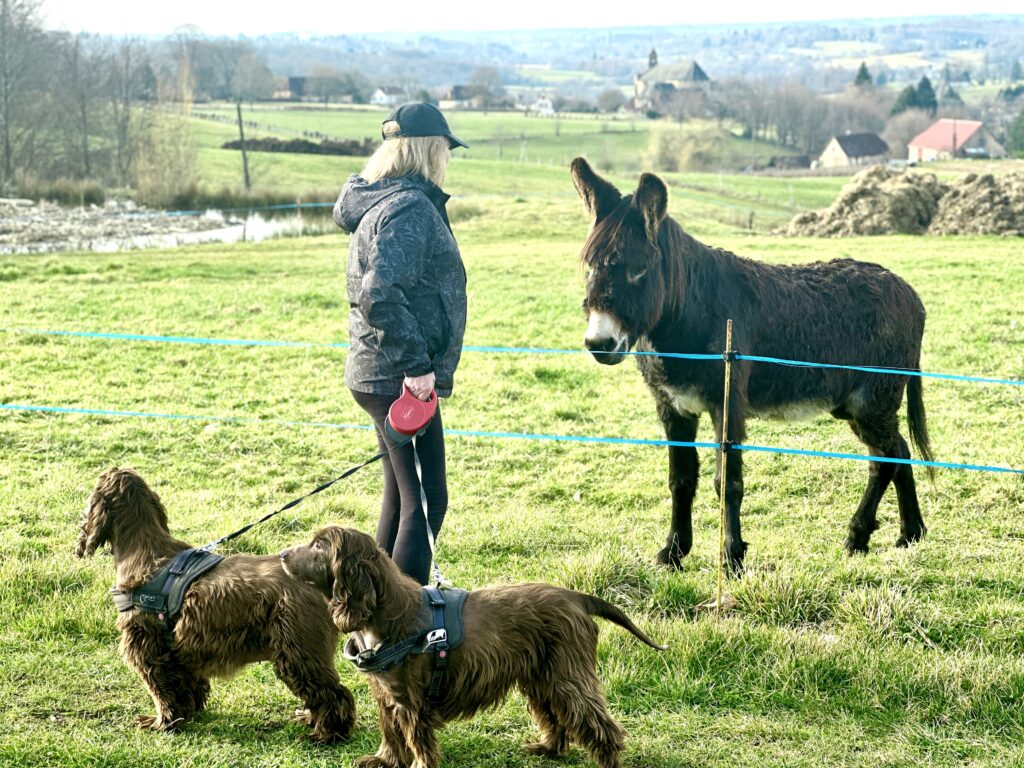
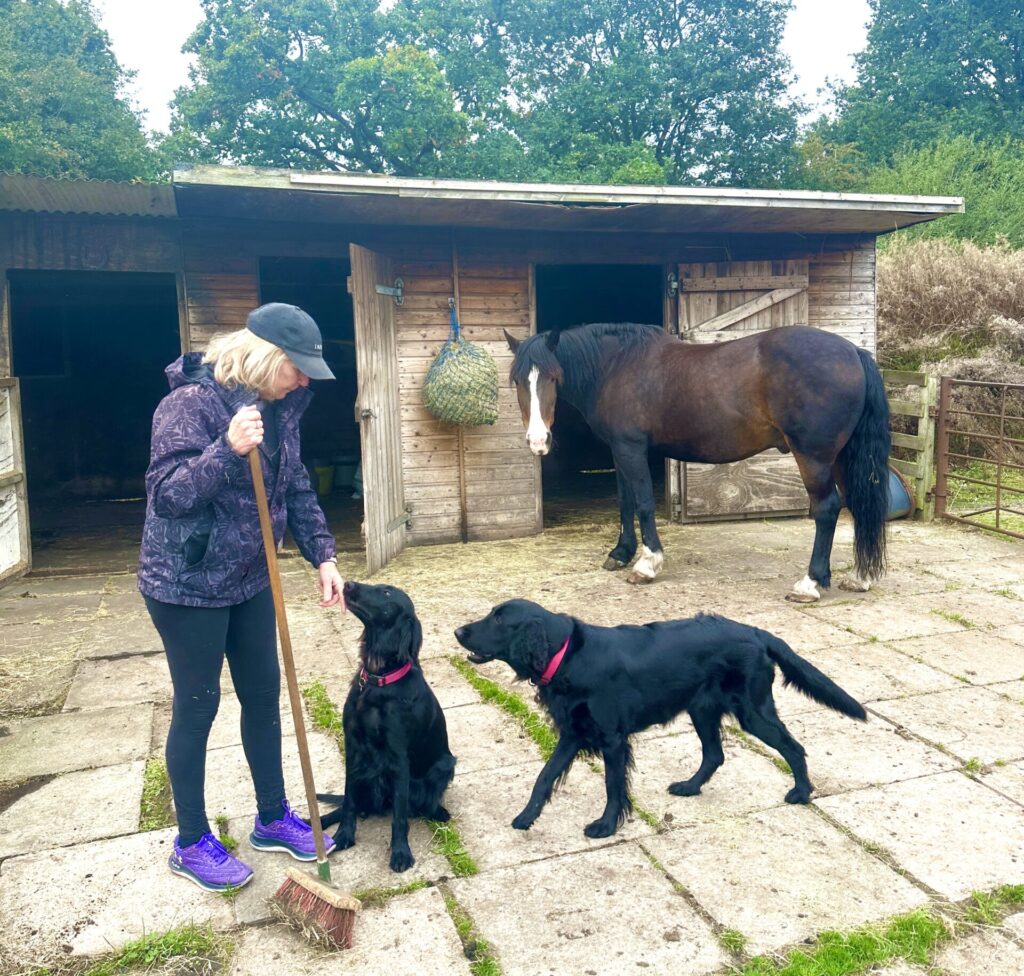
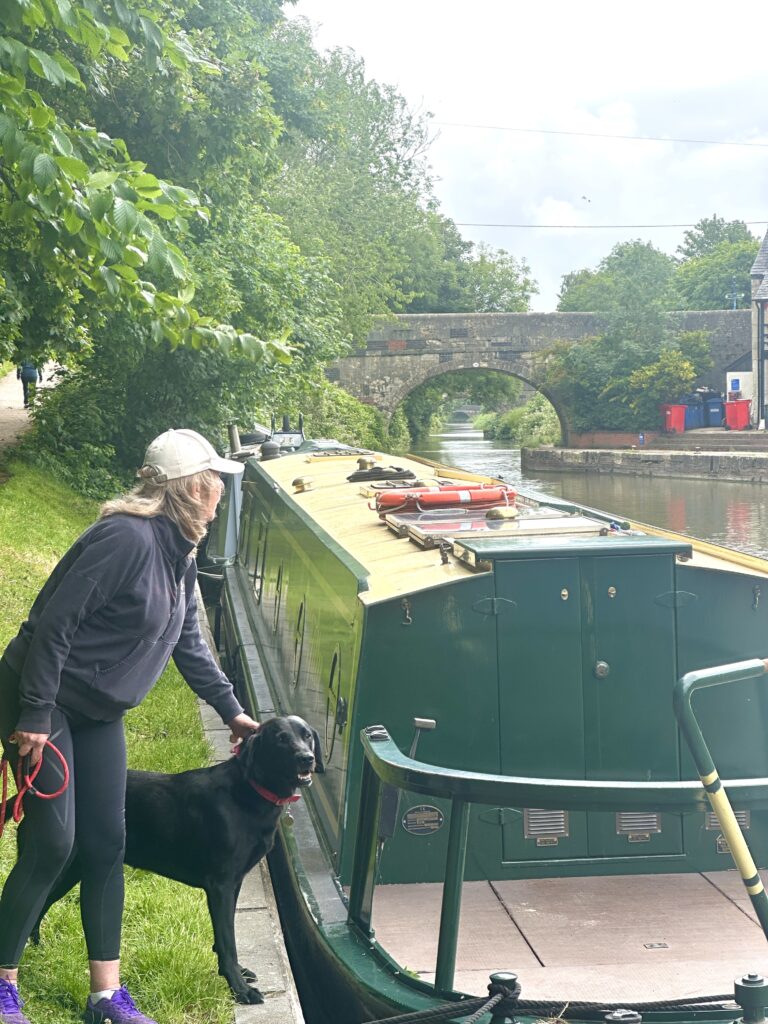
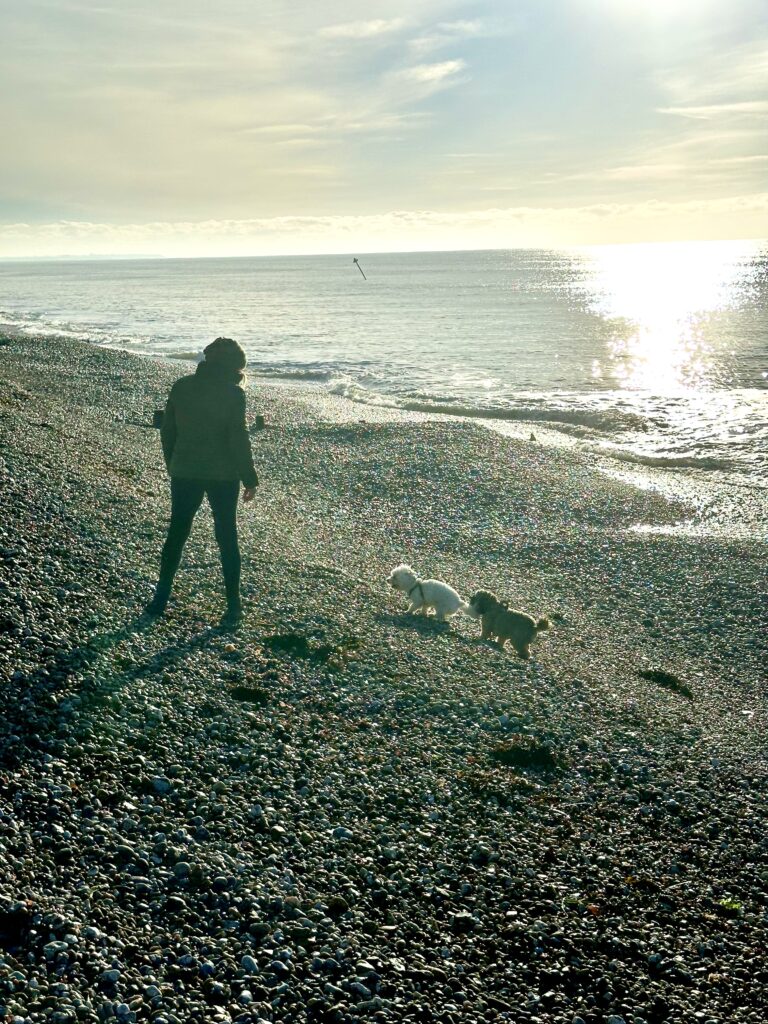
One of the unexpected joys of housesitting has been caring for dogs, cats and other animals while their owners travel.
We’ve looked after everything from playful kittens to gentle dogs that quickly became our walking companions.
They gave our days a natural routine and introduced us to parks, walking trails and neighbourhoods we might never have explored otherwise.
Of course, housesitting also helps stretch our travel budget.
Accommodation is usually one of the biggest expenses when travelling long-term, and reducing that cost gives us greater flexibility to stay in Europe for longer.
But the financial savings are only part of the story.
The real reward is the lifestyle it creates.
Having a proper kitchen means we can cook many of our own meals.
A washing machine means we don’t spend time searching for laundries.
A comfortable living space gives us somewhere to relax, catch up on work, write new blog posts and simply enjoy slower days without feeling like we’re living out of a suitcase.
It also gives us something that’s surprisingly difficult to find when travelling full-time.
A sense of home.
Every housesit is different.
Some last a week.
Others last several weeks or even months.
Each one introduces us to new people, new communities and new experiences that we would never have discovered by staying in hotels.
We’ve built friendships with homeowners, returned to places we fell in love with and gained a much deeper appreciation for local life across Europe.
Housesitting isn’t the answer for every traveller.
It comes with responsibilities.
You’re caring for someone’s home, their belongings and, most importantly, pets that are often treated as part of the family.
That responsibility is something we take seriously.
But if you enjoy animals, appreciate slower travel and like the idea of living as a local rather than simply passing through, it can completely change the way you experience Europe.
Looking back, housesitting has become one of the foundations of our long-term travel lifestyle.
It hasn’t just helped us reduce costs.
It has helped us feel connected to the places we’ve visited.
For us, that’s something no hotel could ever replace.
Personal Reflection
One of the things we love most about housesitting is that every assignment tells a different story.
Some mornings begin with a walk through a quiet village with an enthusiastic dog leading the way.
Other days are spent curled up on the sofa with a sleepy cat while we plan our next adventure or write about the one we’ve just had.
Those simple, everyday moments are often the ones we remember most.
They remind us that long-term travel isn’t just about where you go.
It’s about how you choose to live while you’re there.
The 90-Day Slow Travel Starter Kit
Before the book — get the free kit. Everything you need to understand the basics and start planning with confidence.
FREE DOWNLOAD
How We Choose Where to Stay
One of the questions we’re asked most often is,
“How do you decide where to stay for weeks or even months at a time?”
The answer is surprisingly simple.
We don’t choose accommodation.
We choose a lifestyle.
That might sound a little strange, but after years of travelling Europe long-term, we’ve learned that where you stay can completely shape your experience.
When we first started travelling, we made the same mistake many people do.
We booked accommodation because it looked beautiful online or because it was close to a famous attraction.
Sometimes it worked.
Sometimes it didn’t.
We’ve stayed in lovely apartments that were miles from the nearest supermarket, in beautiful villages with very little public transport, and in places that looked perfect on paper but simply didn’t suit the way we like to travel.
Those experiences taught us an important lesson.
The apartment is only one small part of the decision.
Today, we spend just as much time researching the neighbourhood as we do the accommodation itself.
One of the first things we look for is walkability.
Can we stroll to a local bakery in the morning?
Is there a supermarket nearby?
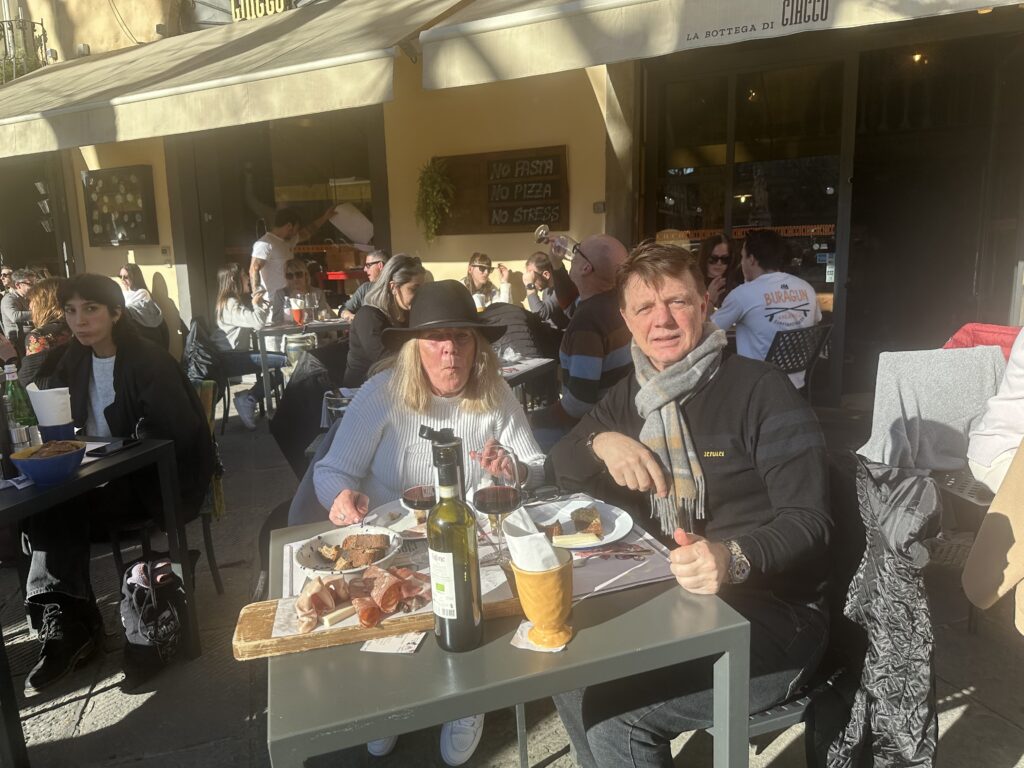
Can we reach cafés, restaurants and parks without needing a car every day?
Being able to walk almost everywhere has become one of our favourite parts of slow travel.
Public transport is another priority.
Even when we have a car, we like knowing that trains or buses are easily accessible for day trips.
It gives us the freedom to explore surrounding towns without the hassle of driving or finding parking.
We also look for destinations that can act as a base rather than just a place to sleep.
One of the reasons we return to places like Tuscany is that we can stay in one town and enjoy countless day trips to nearby villages, wineries and historic cities.
Instead of constantly packing and unpacking, we simply return to the same apartment each evening.
Season also plays a big role in our decision-making.
A town that feels perfect in spring might be crowded in August or very quiet in the middle of winter.
We try to match our destination to the time of year rather than forcing our plans around a fixed itinerary.
We also think about everyday living.
Is there a kitchen where we can prepare meals?
Is there a washing machine?
Is the internet reliable?
Can we comfortably spend a rainy day indoors if we need to?
These practical details might not sound exciting, but they make an enormous difference when you’re travelling for weeks rather than days.
And then there’s something that’s much harder to measure.
Atmosphere.
Some places simply feel right.
We’ve arrived in towns where, within a few hours, we knew we’d made the right choice.
The streets felt welcoming, the pace of life suited us, and we could already imagine spending several weeks there.
Those are the places we remember most fondly.
Looking back, we’ve realised that choosing where to stay isn’t really about finding the cheapest apartment or the fanciest hotel.
It’s about finding a place where everyday life feels easy.
When you have a comfortable base, everything else falls into place.
You settle into a routine.
You shop where the locals shop.
You discover your favourite café.
You begin recognising familiar faces.
And before long, you stop feeling like you’re on holiday.
You simply feel at home.
That’s exactly what we’re looking for every time we choose our next destination.
Our Accommodation Checklist
Before we book anywhere, we usually ask ourselves a few simple questions:
- Can we walk to cafés, supermarkets and local markets?
- Is there good public transport for day trips?
- Does it have a kitchen and a washing machine?
- Is the internet reliable?
- Would we still enjoy staying here if the weather wasn’t perfect?
- Can we imagine living here for a month, rather than just visiting for a weekend?
If the answer is yes to most of those questions, we’ve probably found the right place.

The 90-Day Schengen Rule Doesn’t Control Our Life
If you’ve started researching long-term travel in Europe, you’ve almost certainly come across the 90-Day Schengen Rule.
For many people, it’s the moment they begin to wonder if travelling Europe for several months is simply too complicated.
We understand that feeling.
When we first looked into the rule, it seemed confusing, restrictive and more than a little intimidating.
But over time, we discovered something important.
The Schengen Rule doesn’t have to control your travels.
You simply need to understand it and plan around it.
Instead of seeing it as a roadblock, we’ve learned to treat it as part of our travel rhythm.
Rather than trying to squeeze as much as possible into ninety days, we build our year with the rule in mind.
That often means spending time in wonderful destinations outside the Schengen Area before returning when we’re eligible.
What initially felt like a limitation has actually encouraged us to explore places we may never have considered.
Some of our favourite experiences have happened outside the Schengen Zone, reminding us that Europe is much bigger than many travellers realise.
The key is not leaving your planning until the last minute.
We always know roughly where we’ll be over the coming months, but we leave plenty of room for flexibility.
We don’t plan every day, yet we always have a clear understanding of how our time fits within the rules.
That balance allows us to enjoy our travels without constantly worrying about visa dates.
The reality is that most days we don’t think about the Schengen Rule at all.
We’re busy exploring local markets, enjoying a morning coffee, walking through historic towns or planning our next adventure.
The rule simply becomes one of many practical considerations, much like checking the weather or booking accommodation.
It’s there, but it doesn’t dominate our lives.
One of the biggest lessons we’ve learned is that flexibility is your greatest advantage.
If we discover a place we love, we can often adjust our plans elsewhere.
If a housesitting opportunity comes along or we decide to spend longer in a particular region, we simply adapt while keeping the Schengen timeline in mind.
Long-term travel is never about following a rigid schedule.
It’s about having a framework that gives you freedom.
For us, that’s exactly what the Schengen Rule has become.
Not something to fear.
Not something that limits our dreams.
Simply another part of planning a sustainable life on the road.
Once you understand the basics, it becomes much less intimidating than it first appears.
Like so many aspects of long-term travel, confidence comes with experience.
And before long, it becomes just another part of your travel routine.
Our Approach
We don’t spend our travels counting down the days.
Instead, we build a flexible yearly rhythm that naturally works within the Schengen rules.
That approach allows us to enjoy each destination without constantly thinking about visa deadlines.
In many ways, it’s another reminder of why slow travel suits us so well.
When you stop rushing, planning becomes simpler—and travelling becomes far more enjoyable.
Please note: Visa and entry requirements can change over time. Always check the latest official government information before planning your travels.
“Yes, the rule exists—but no, it doesn’t stop us from travelling Europe long-term.”
The Lessons That Changed the Way We Travel
If there’s one thing we’ve learned over the years, it’s that long-term travel isn’t something you get right from day one.
We certainly didn’t.
Like most people, we began with plenty of excitement, a rough plan, and more than a few unrealistic expectations.
Looking back now, those early mistakes were some of our greatest teachers.
In many ways, they’ve shaped the way we travel today.
Trying to See Too Much
In the beginning, we thought we needed to visit every famous destination while we had the chance.
Our itineraries were full.
Every few days meant another train, another apartment, another city and another checklist.
At first it felt exciting.
Eventually it became exhausting.
We realised we were spending more time travelling than actually enjoying where we were.
Today, we’d much rather spend a month getting to know one region than rush through five countries just to say we’ve been there.
Packing Too Much
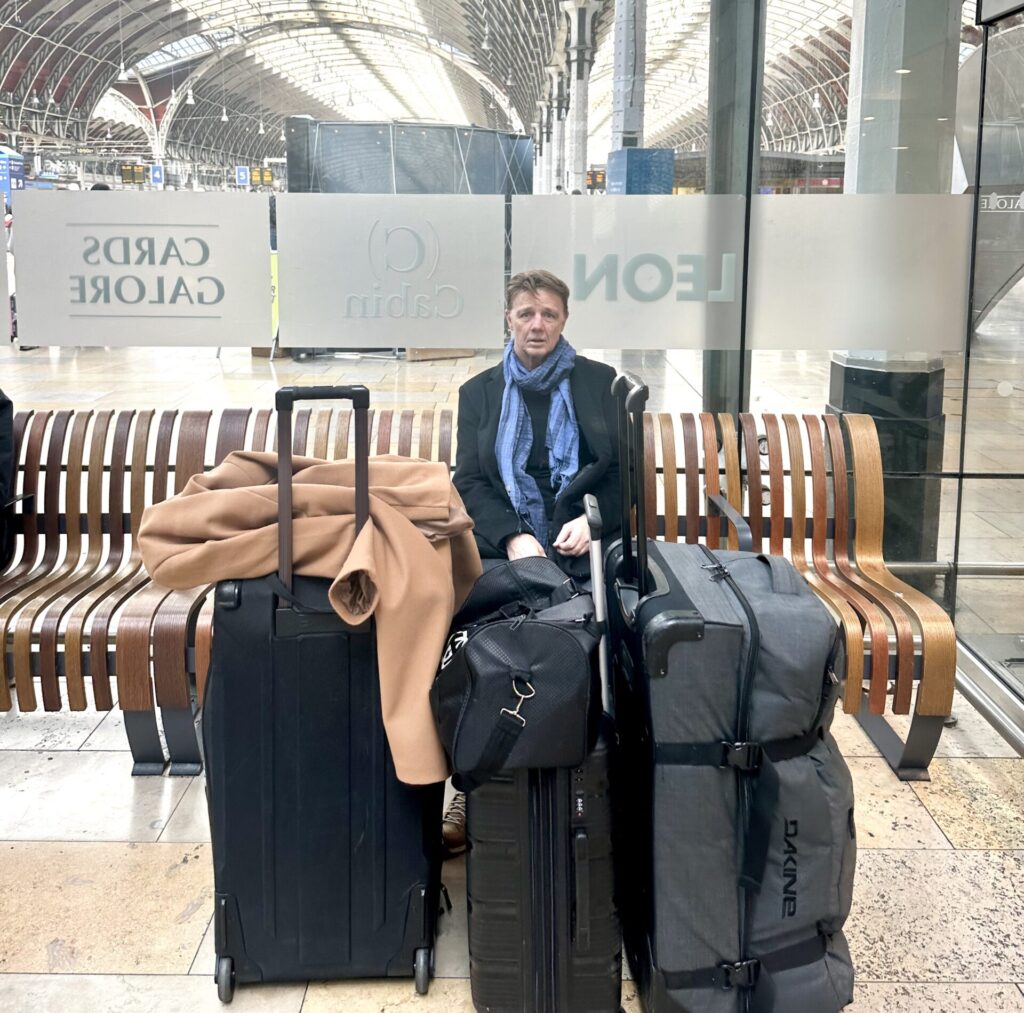
Like many first-time long-term travellers, we packed for every possible situation.
Extra shoes.
Too many clothes.
Things we thought we’d need “just in case.”
The reality?
Most of it stayed in the suitcase.
Over time, we’ve learned that travelling lighter gives you more freedom.
Less weight to carry.
Less to organise.
Less to worry about.
Now, before adding something to our suitcase, we ask ourselves one simple question:
“Will we actually use this?”
If the answer isn’t an immediate yes, it usually stays behind.
Booking Too Far Ahead
We used to think having everything booked months in advance would reduce stress.
Instead, it often created it.
If we discovered a place we loved, we couldn’t stay longer.
If the weather changed or an exciting opportunity came along, our plans were already locked in.
Today we still plan ahead, but we leave room for flexibility.
Some of our favourite experiences have happened simply because we gave ourselves permission to change our minds.
Treating Every Day Like a Holiday
This was a big one.
When you first begin travelling long-term, it’s easy to feel like every day has to be filled with sightseeing.
After all, you’re in Europe.
Surely you should be out exploring from morning until night.
But that’s not sustainable.
Now we happily spend some days catching up on washing, writing, grocery shopping, reading a book in a local café or simply enjoying a quiet afternoon at home.
Those slower days aren’t wasted.
They’re what make long-term travel feel like real life rather than an endless holiday.
Not Slowing Down Soon Enough
This is probably the biggest lesson of all.
It took us a while to realise that Europe isn’t a race.
There will always be another village to explore, another museum to visit and another beautiful view waiting around the corner.
Trying to do everything only meant we enjoyed less.
Once we slowed down, everything changed.
We noticed more.
We worried less.
And we started creating memories that had nothing to do with famous landmarks.
Every Mistake Taught Us Something
Looking back, we wouldn’t change those early mistakes.
Without them, we would never have developed the travel system we use today.
Every wrong turn taught us something.
Every rushed itinerary reminded us to slow down.
Every overpacked suitcase taught us to travel lighter.
Every rigid booking showed us the value of flexibility.
Long-term travel isn’t about being perfect.
It’s about learning, adapting and finding a rhythm that works for you.
That’s exactly what we’ve done.
And if sharing our mistakes helps you avoid a few of your own, then every one of them was worth it.
A Final Thought
One of the best things about travelling Europe long-term is that you don’t have to get everything right the first time.
There isn’t a perfect itinerary.
There isn’t a perfect budget.
And there certainly isn’t a perfect traveller.
There is only your own journey.
Ours has been shaped by plenty of mistakes, a willingness to learn, and the confidence to keep going.
Looking back, we wouldn’t have it any other way.
So… how do you actually do it?”
Our Simple Long-Term Travel System
After years of travelling Europe, people often assume we must have a complicated planning system.
The truth is, it’s surprisingly simple.
It’s not built around rigid itineraries or trying to visit as many countries as possible.
Instead, it’s based on a handful of principles that have helped us create a lifestyle we genuinely enjoy.
Over the years, we’ve refined this approach through plenty of trial and error.
It’s flexible enough to adapt as our plans change, but structured enough that we always know where we’re heading next.
This is the framework we come back to time and time again.
1. Start with the Season
Rather than asking, “Where should we go next?” we ask,
“Where do we want to spend this season?”
The weather, local events, crowds and even accommodation prices all change throughout the year.
By planning around the seasons instead of fixed dates, we’ve found we enjoy Europe far more.
2. Choose One Great Base
Instead of constantly moving, we choose one town or region as our home for several weeks.
From there, we take day trips, explore nearby villages and slowly get to know the area.
This saves time, reduces travel costs and allows us to experience a destination much more deeply.
3. Stay Longer
This is one of the biggest changes we ever made.
Staying longer means fewer travel days, lower accommodation costs, less packing and far more opportunities to experience everyday life.
It transforms travel from a holiday into a lifestyle.
4. Mix Accommodation Options
Sometimes we rent apartments.
Sometimes we stay in holiday accommodation.
Sometimes we housesit.
By combining different types of accommodation, we stay flexible while keeping our travel budget under control.
5. Keep Our Plans Flexible
We always have a general direction, but we rarely plan every detail months in advance.
That flexibility allows us to stay longer in places we love, accept unexpected housesitting opportunities and adapt to changing circumstances without unnecessary stress.
6. Build a Routine
Long-term travel isn’t about sightseeing every day.
It’s about creating a lifestyle.
We still shop for groceries, cook meals, enjoy quiet mornings with coffee, do the washing, work on our blog and take time to simply enjoy where we are.
Those routines are what make long-term travel sustainable.
7. Repeat
That’s really the secret.
There’s no complicated formula.
No endless spreadsheets.
Just a simple rhythm that we’ve refined over years of travelling.
Each season begins with the same question.
Where would we love to spend the next few weeks?
Everything else grows from there.
More Than a Travel Plan
Looking at these steps, you might think they seem almost too simple.
In many ways, that’s exactly the point.
The biggest lesson we’ve learned is that long-term travel doesn’t become easier because you plan more.
It becomes easier because you plan better.
For us, that means travelling slower, staying longer, remaining flexible and focusing on experiences instead of ticking destinations off a list.
That’s the system that has worked for us across Europe, and it’s the one we continue to use today.
Want to See the Complete System?
This article gives you an overview of the philosophy behind how we travel.
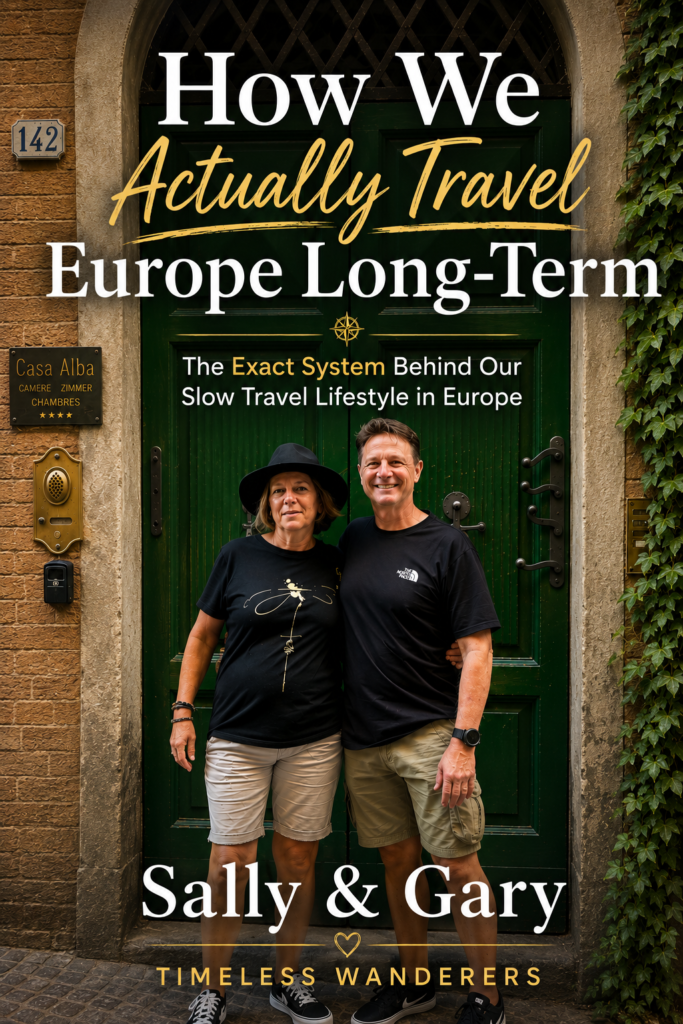
But if you’d like to see exactly how we put it into practice—from planning our year and managing the Schengen Rule to choosing accommodation, housesitting, budgeting and building a sustainable travel lifestyle—we’ve shared it all in our ebook:
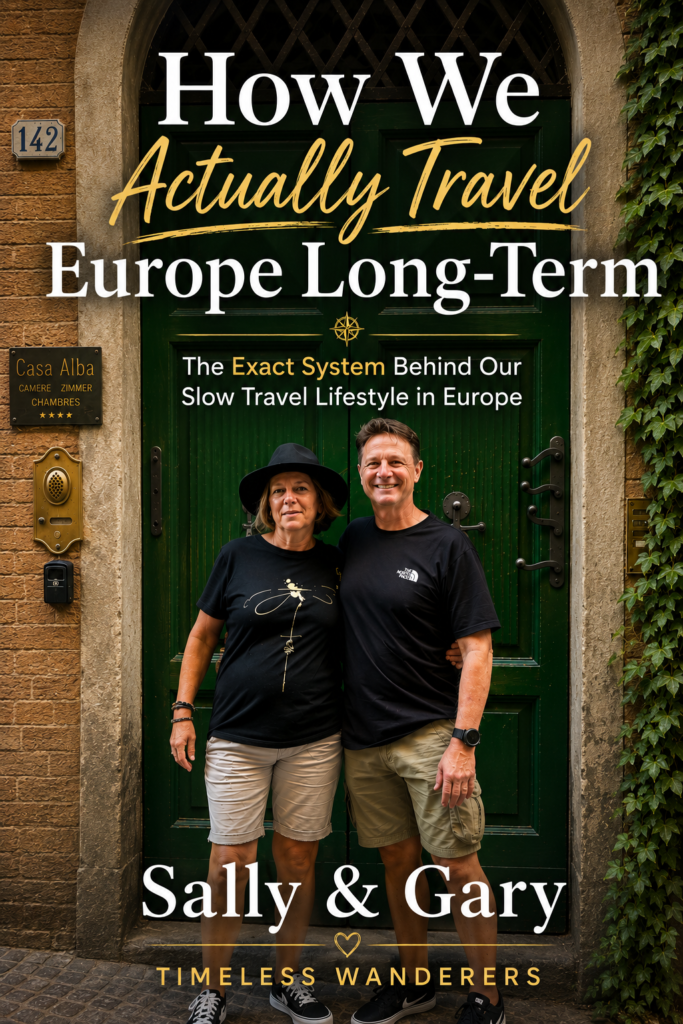
How We Actually Travel Europe Long-Term
The Simple System Behind Our Slow Travel Lifestyle
👉 Learn more about the book here.
Before the book — get the free kit. Everything you need to understand the basics and start planning with confidence.
Your First Step Towards Long-Term Travel in Europe
The moment everything changed was when we booked a place for a month instead of a week and discovered we were paying half the nightly rate. By the second week, the neighbour had invited us in for a drink, we knew the shortcut to the market, and we were, briefly and genuinely, part of the street.
The 90-Day Slow Travel Starter Kit
There isn’t one perfect way to travel Europe long-term. This is simply the approach that’s worked for us.
We hope it gives you ideas, confidence and inspiration to create a journey that suits your own dreams and circumstances.
Can Anyone Do This?
One of the questions we’re asked most often is,
“Could we really travel Europe the way you do?”
Our answer is almost always the same.
Yes—but your journey doesn’t have to look exactly like ours.
When we sold our home and began travelling Europe long-term, we weren’t following someone else’s blueprint.
We simply created a lifestyle that worked for us.
Over the years we’ve met retirees, remote workers, couples taking career breaks, solo travellers and families, all finding their own way to experience Europe for longer than a typical holiday.
Every journey is different.
Some people travel for three months.
Others spend six months exploring Europe.
Some divide their time between Europe and home.
Others, like us, have embraced long-term travel as a lifestyle.
There isn’t a single “right” way to do it.
What matters is finding an approach that suits your budget, your responsibilities and your dreams.
One of the biggest misconceptions is that long-term travel is only for wealthy people.
That certainly hasn’t been our experience.
Travelling this way isn’t about luxury.
It’s about making different choices.
Staying longer instead of moving every few days.
Cooking some meals instead of eating out every night.
Choosing apartments over hotels.
Using public transport.
Housesitting when the opportunity is right.
Travelling with the seasons instead of following the crowds.
None of those decisions are complicated on their own.
But together, they’ve allowed us to build a lifestyle that once felt impossible.
Of course, long-term travel isn’t without challenges.
You’ll need to think about your finances, visas, travel insurance and how this lifestyle fits with your personal circumstances.
Like any big life decision, it takes planning.
But don’t let that planning stop you from dreaming.
You don’t have to sell everything tomorrow.
You don’t have to travel for years.
And you certainly don’t need to have every detail figured out before you begin.
Sometimes the hardest part is simply believing it’s possible.
Looking back, that’s exactly where we started.
One decision.
One flight.
One season.
Everything else followed.
If you’re reading this and quietly wondering whether long-term travel in Europe could become part of your future, we’d encourage you to keep asking questions, keep learning and keep planning.
Because every long-term traveller we know started in exactly the same place.
With a dream.
A Final Thought
When we look back at the decision to leave Australia and begin this journey, we don’t remember feeling fearless.
We remember feeling excited, uncertain and hopeful—all at the same time.
The difference wasn’t that we had all the answers.
The difference was that we took the first step.
If our story has taught us anything, it’s this:
Long-term travel isn’t about being the richest, the bravest or the most experienced traveller.
It’s about having the courage to begin and the willingness to create a lifestyle that works for you.
And who knows?
Perhaps one day we’ll pass each other in a quiet village somewhere in Europe, both taking the time to enjoy the journey instead of rushing through it.
If you’re ready to turn the dream into a plan, we’ve created a free 90-Day Slow Travel Starter Kit to help you take that first step with confidence.
What You’ll Discover
✔ How to plan your first 90 days in Europe
✔ Our simple slow travel planning framework
✔ Budget planning tips from our own experience
✔ Accommodation strategies, including housesitting
✔ A Schengen planning overview
✔ Packing and preparation essentials
✔ The biggest mistakes to avoid before you leave
Frequently Asked Questions About Travelling Europe Long-Term
1. How much money do you need to travel Europe long-term?
The answer depends on your travel style, the countries you visit, and how long you plan to stay.
We’ve found that slow travel often costs less than constantly moving because we reduce transport costs, take advantage of longer-stay accommodation rates, cook many of our own meals, and avoid the expenses that come with changing destinations every few days.
Careful planning and flexibility make a big difference.
2. Is slow travel really cheaper?
In our experience, yes. Staying in one place for several weeks usually means lower accommodation costs, fewer transport expenses, and more opportunities to shop at local markets and prepare meals.
Slow travel isn’t just about saving money—it’s about getting better value from every destination.
3. How long do you usually stay in one place?
There isn’t a fixed rule, but we generally prefer staying anywhere from two weeks to a month, and sometimes longer if we find a place we love.
Longer stays allow us to settle into a routine, explore beyond the main attractions, and experience a destination more like locals than tourists.
4. Is housesitting a good way to travel Europe?
Absolutely—but it’s not just about free accommodation.
Housesitting gives us the opportunity to live in local communities, care for wonderful pets, and enjoy a more authentic experience.
It has become an important part of our long-term travel lifestyle, although it does come with responsibilities and isn’t the right fit for everyone.
5. Does the 90-Day Schengen Rule make long-term travel difficult?
It can seem confusing at first, but once you understand the basics, it becomes much easier to plan around.
We build our travel plans with the rule in mind and include time in destinations outside the Schengen Area when appropriate.
With a little planning, it becomes part of your travel routine rather than something to worry about every day.
6. Do you book everything before leaving home?
No. We like to have a general plan, but we deliberately leave room for flexibility.
Some accommodation is booked in advance, especially during busy seasons, but we avoid locking ourselves into a rigid itinerary months ahead.
Being flexible has led to many of our favourite travel experiences.
7. What type of accommodation do you prefer?
It depends on where we’re travelling.
We regularly stay in apartments because they offer kitchens, washing facilities and more space for longer visits.
We also enjoy housesitting whenever the opportunity arises.
Comfort, location and the ability to live like a local are more important to us than luxury.
8. Is long-term travel only for retirees?
Not at all.
We’ve met retirees, remote workers, couples taking career breaks, solo travellers and families all enjoying long-term travel in different ways.
The lifestyle looks different for everyone.
The key is creating a plan that fits your own circumstances, budget and goals.
9. What’s the biggest mistake first-time long-term travellers make?
Trying to see too much.
It’s tempting to fill every day with sightseeing and move constantly from one destination to the next.
In our experience, slowing down creates a far richer and more enjoyable travel experience.
Some of our best memories have come from staying longer, not travelling further.
10. Where should I start if I want to travel Europe long-term?
Start by deciding why you want to travel, not just where you want to go.
Then think about the season you’d like to travel, how long you hope to stay, and the lifestyle you want to create.
You don’t need every answer before you begin—just a willingness to take the first step.
If you’d like some help getting started, we’ve created a FREE 90-Day Slow Travel Starter Kit to help you take the first step with confidence.
Final Thoughts
When we first dreamed about travelling Europe long-term, we imagined it would be all about famous cities, iconic landmarks and unforgettable views.
And while Europe has certainly given us all of those things, what has surprised us most are the quieter moments.
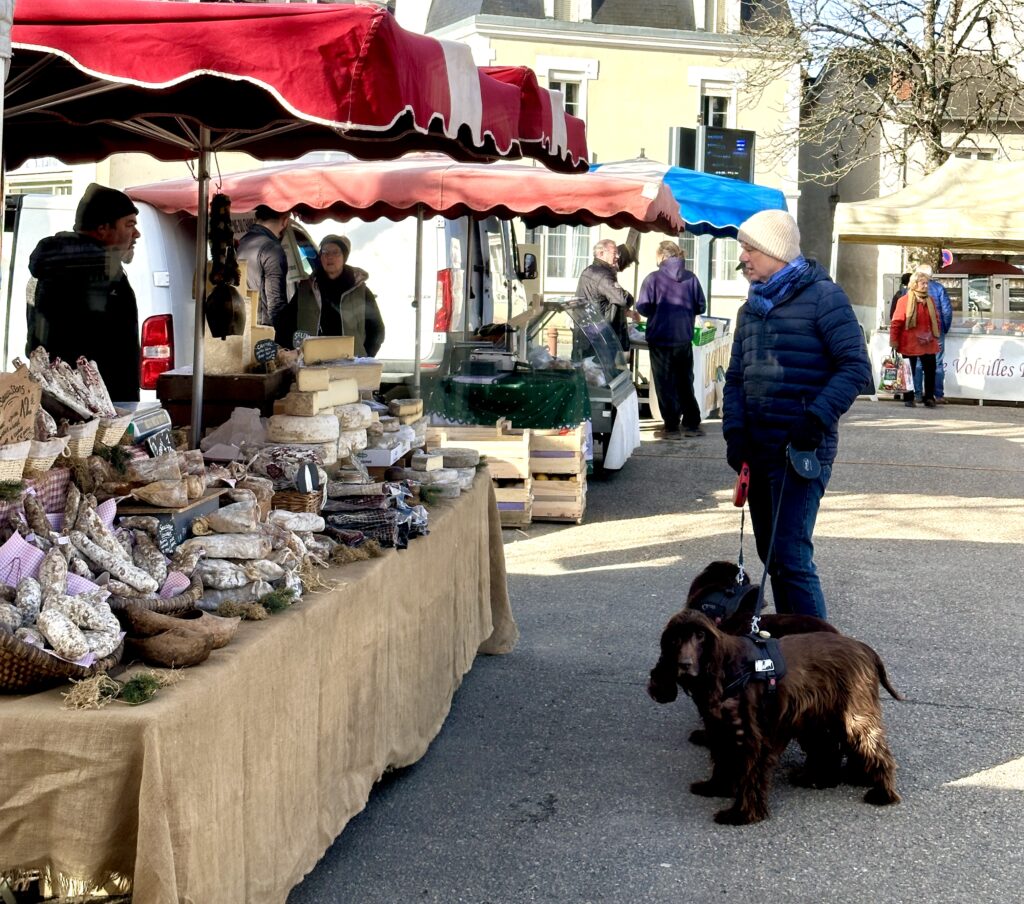
The mornings spent wandering through local markets.
The familiar smile from the barista who already knows our coffee order.
The conversations with neighbours during a housesit.
The evenings sitting in a small piazza, watching everyday life unfold around us.
Those are the memories that stay with us.
Over the years, we’ve realised that long-term travel isn’t about seeing more.
It’s about experiencing more.
It’s about giving yourself the time to slow down, become part of a community, and discover the little moments that most visitors simply don’t have time to notice.
Has it always been easy?
Of course not.
We’ve made mistakes.
We’ve changed plans.
We’ve learned lessons the hard way.
But every challenge has helped us create the simple travel system we use today.
If there’s one thing we’d like you to take away from our journey, it’s this:
Long-term travel isn’t about being wealthy, fearless or having every detail perfectly planned.
It’s about taking that first step, staying open to new experiences, and creating a lifestyle that works for you.
Whether your dream is spending three months exploring Tuscany, skiing through an Alpine winter, housesitting in a quiet French village, or simply slowing down enough to enjoy Europe one town at a time, we genuinely believe it’s more achievable than many people realise.
We hope our experiences have given you confidence, practical ideas and a little inspiration to begin planning your own adventure.
After all, every long-term traveller starts in exactly the same place.
With a dream.
And the courage to turn it into a plan.
Ready to Turn Your Dream Into a Plan?
Before you book your flights or start mapping out an itinerary, download our FREE 90-Day Slow Travel Starter Kit to help you take the first step with confidence.
Inside, you’ll find the practical planning steps we wish we’d had before we sold everything and began travelling Europe full-time.
👉 Learn More About The Book Here
Before the book — get the free kit. Everything you need to understand the basics and start planning with confidence.
Long-term travel in Europe looks complicated from the outside.
The Schengen rules. The visa questions. The accommodation puzzle. Where to base yourself, how long to stay, how to make the money work. The more you look into it, the more it seems like something that requires months of research and a perfect plan before you can even think about leaving.
The 90-Day Slow Travel Starter Kit
Every long-term traveller remembers the day they finally decided to go.
We hope this is yours.
See you somewhere in Europe.
Sally & Gary
Timeless Wanderers
PLAN YOUR ADVENTURE
These are our favorite companies we use when planning a trip, they consistently have the best prices, great customer service, and overall, are better than their competitors.
BOOK YOUR FLIGHT – Going is a great search engine if you are flexible about your travel destination and dates. Sign up for their newsletter and get the latest deals on destinations around the world. GOING is our new go to.
TRAVEL OPTIONS
CAR RENTAL – We recommend using DISCOVER CARS when booking a RENTAL CARS, they work with hundreds of companies worldwide to help you find the best car for your needs.
TRAINS – TRAINLINE – is our favorite, this site is very reliable and easy to use.
BUS – OMIO – this website allows you to book train or bus tickets to travel from city to city the best and cheapest way. FLIXBUS is another terrific website with routes between 20 European countries.
ACCOMMODATIONS
BOOKING.com – is our go to for hotel searches around the world, we find they always have the cheapest rates and offer different payment options. In addition, VRBO is another terrific website for all types of accommodations.
HOSTELWORLD – is great if you’re traveling on a budget, and if you need a cheap place to stay.
TRAVEL INSURANCE
SAFETY WING – offer some of the most competitive and affordable plans tailored for your needs. SAFETY WING cover travellers from over 140 countries and make it easy to buy, extend and claim, even while travelling.
Check out our RESOURCE PAGE for more additional planning.