"Ultimate Guide to Skiing in Cortina d’Ampezzo 2026/27"
Timeless Wanderers: Updated August 19, 2026
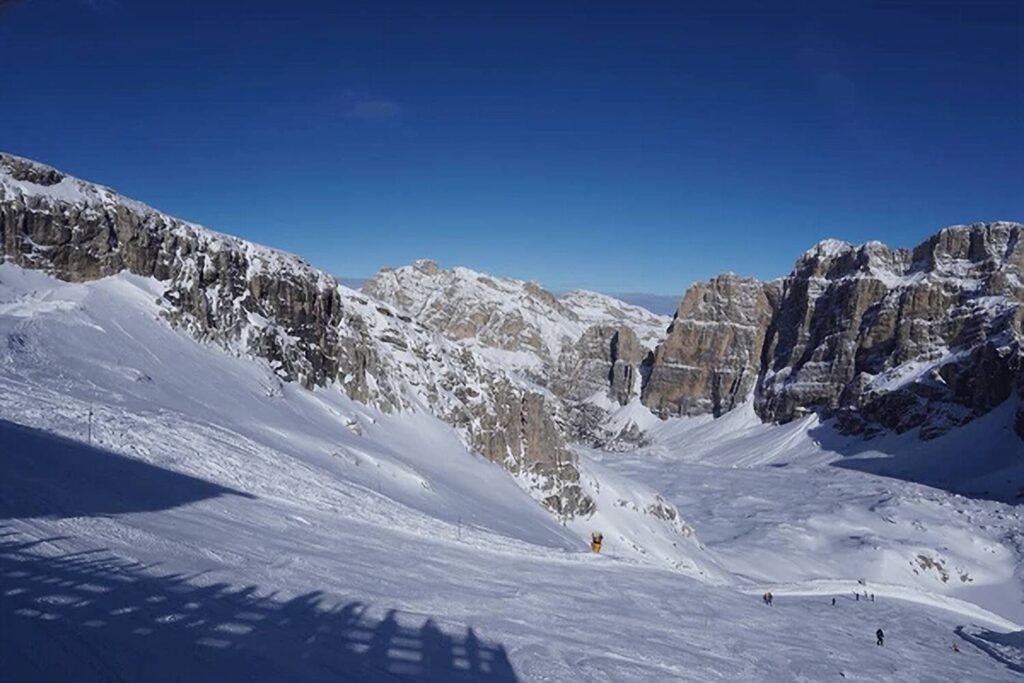
What Makes Cortina d’Ampezzo One of Italy’s Top Ski Resorts?
Cortina d’Ampezzo is one of our favourite ski destinations in Italy.
Set among the spectacular limestone peaks of the Dolomites, it combines excellent skiing with a beautiful mountain town, great Italian food and plenty to do when you’re not on the slopes.
Known as the “Queen of the Dolomites,” Cortina has been attracting skiers and visitors for generations.
It is also one of Italy’s best-known winter destinations and hosted the 1956 Winter Olympics, with the mountains and ski areas continuing to play an important part in its appeal today.
The skiing is varied, with wide open pistes for beginners and intermediates, challenging terrain for more experienced skiers and access to the wider Dolomiti Superski area.
Cortina is also part of the famous Dolomiti Superski network, giving skiers the opportunity to explore a much larger area during their stay.
But Cortina isn’t just about the skiing. The town has a long history, an excellent choice of restaurants and cafés, and a lively après-ski scene.
You can spend the morning skiing beneath the Dolomites, stop for lunch at a mountain rifugio and be back in town for an Italian aperitivo in the afternoon.
For us, that’s what makes Cortina special.
You get serious skiing, spectacular mountains and the chance to enjoy a little Italian life at the same time.
In this guide, we’ll take you through everything you need to know for a ski holiday in Cortina d’Ampezzo, including the ski area, best time to visit, lift passes, where to stay, where to eat, things to do beyond skiing and how to get there.
Table of Contents
Getting to Know Cortina d’Ampezzo
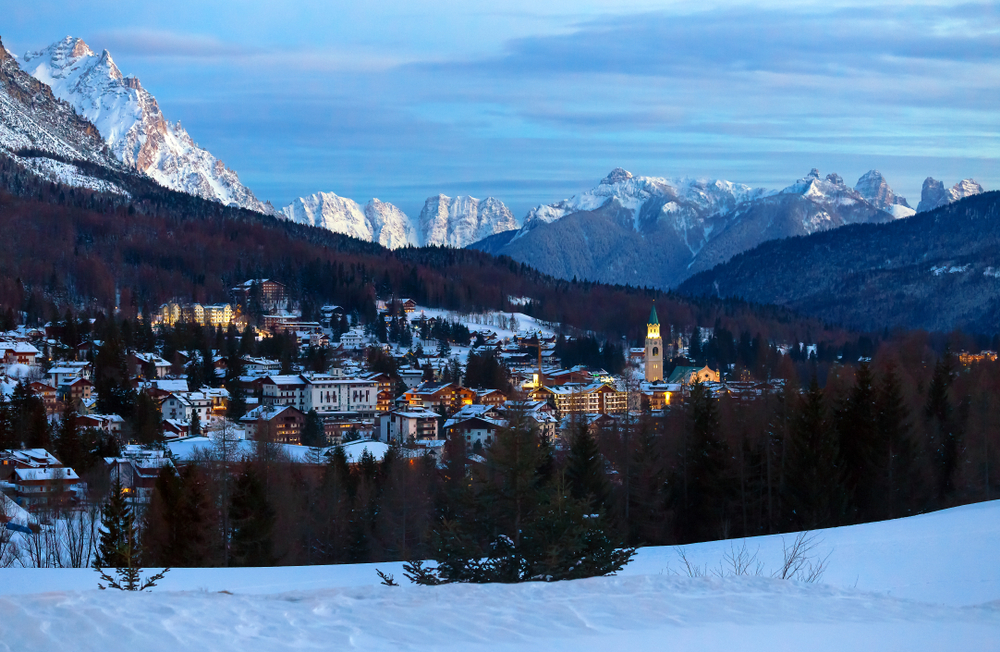
Cortina d’Ampezzo is in the Veneto region of northern Italy, around two hours north of Venice.
The town sits at 1,224 metres above sea level, surrounded by some of the most impressive peaks in the Dolomites.
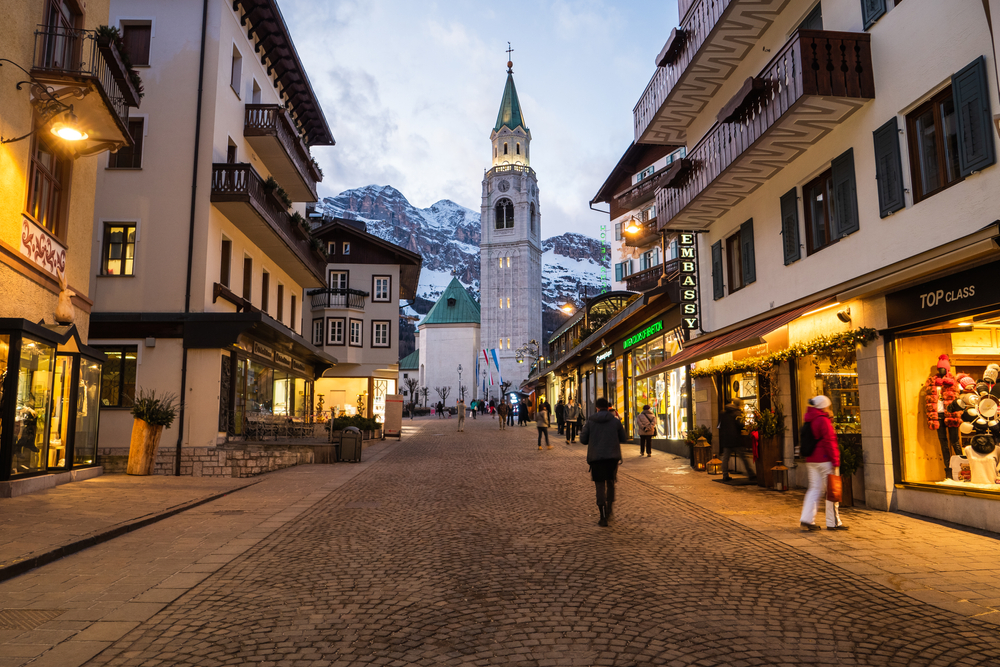
The town itself is pedestrian-friendly, with Corso Italia running through the centre.
You’ll find Italian boutiques, cafés, wine bars and restaurants along the main street, while the surrounding mountains are never far from view.
For a resort with such a famous name, Cortina still feels like a real Italian mountain town.
Locals go about their daily business while visitors spend their time skiing, shopping, enjoying long lunches or simply wandering through the centre.
Cortina’s skiing is spread across several mountain areas rather than one single interconnected ski bowl. The main areas are Tofana, Faloria-Cristallo and Lagazuoi–5 Torri, each with its own character and terrain.
The local Cortina ski area currently has around 120 kilometres of pistes and 33 lifts, while Cortina is also part of Dolomiti Superski, giving skiers access to a much larger network of 12 ski areas and around 1,200 kilometres of pistes.
That distinction is worth understanding before you arrive.
You can spend several days exploring Cortina’s own mountains without running out of skiing, but the Dolomiti Superski pass also gives you the opportunity to explore further afield.
We can plan your Dream Ski Trip to Europe: Custom Itineraries for the Perfect winter Holiday.
With over 25 years of experience skiing in over 50 different ski resorts in Europe, we can help you plan your perfect winter escape.
Planning a ski trip to Europe can be exciting, but choosing the right resort and organising the perfect itinerary can quickly become overwhelming.
That’s where we come in.
We offer a personalised planning service that helps you decide exactly where to ski, based on your style, budget, and experience.
“Plus, we can help you plan a fun week of European sightseeing around your ski trip, making your winter holiday easier, smoother, and full of unforgettable memories.”
“Let us plan your perfect trip with a custom itinerary designed just for you.
Fill out the form and let’s begin your dream.”
When Is the Best Time to Ski in Cortina d’Ampezzo?
Cortina has a long winter season, with skiing generally available from December into spring.
Because the different ski areas sit at different elevations, opening and closing dates can vary between slopes and lifts.
It is always worth checking the latest conditions before booking your trip.
The best time to ski in Cortina really depends on what you’re looking for.
Christmas brings the festive atmosphere, January is quieter, February is popular with families, while March gives you longer days and some of the best conditions for enjoying the Dolomites.
December – Christmas in the Dolomites
December is a wonderful time to visit Cortina if you’re looking for a traditional Christmas ski holiday.
The town is beautifully decorated and there is something special about skiing beneath the Dolomite peaks before returning to Cortina for an Italian aperitivo or dinner.
If you’re travelling early in December, we’d check which lifts and ski areas are operating before booking, as the individual areas can have different opening dates.
For Christmas and New Year, book well ahead.
Cortina is one of Italy’s most popular winter destinations and accommodation can become expensive during the festive period.
January – Quieter Slopes
January is one of our favourite months for skiing in Europe.
The Christmas and New Year crowds have gone, the slopes are generally quieter and you can spend more time skiing rather than waiting around.
The days are shorter than later in the season, but if your priority is winter snow and quieter pistes, January is a very good choice.
February – Peak Winter
February is one of the busiest months in Cortina, particularly during European school holidays.
Snow conditions are generally good and the longer daylight hours make it possible to enjoy a full day on the mountain before heading back into town.
If you’re travelling with children or need to visit during school holidays, February makes sense. Just book accommodation and ski passes early, particularly around the busiest holiday weeks.
March – Our Pick for Cortina
March is our favourite time to ski in Cortina.
The days are noticeably longer, the sun is higher in the sky and you have more time to enjoy the spectacular Dolomite scenery.
You can still find excellent skiing at higher elevations, while the warmer afternoons make sitting outside for lunch or an afternoon drink much more enjoyable.
March is also a great month for exploring the different parts of Cortina’s ski area.
With the longer daylight hours, you don’t feel quite as rushed when moving between Tofana, Faloria-Cristallo and the Lagazuoi–5 Torri area.
April – Spring Skiing
April can be a great choice for skiers who enjoy warmer weather and sunny days in the mountains.
Conditions can become more variable as spring progresses, particularly on lower slopes, but the higher areas can continue to provide good skiing.
Some individual Cortina slopes and lifts operate well into April, while a few can remain open into early May, so it’s important to check the operating dates for the particular area you want to ski.
Our Recommendation
If we were planning a ski trip to Cortina, we’d choose late January through March, with March being our first choice.
January is quieter and has that proper winter feel, while February is a good option for families tied to school holidays.
But March gives you longer days, more sunshine and plenty of time to enjoy both the skiing and everything else Cortina has to offer.
If Christmas skiing is what you’ve always dreamed of, December is also a lovely time to visit — just book early and check the opening dates of the ski areas before you travel.
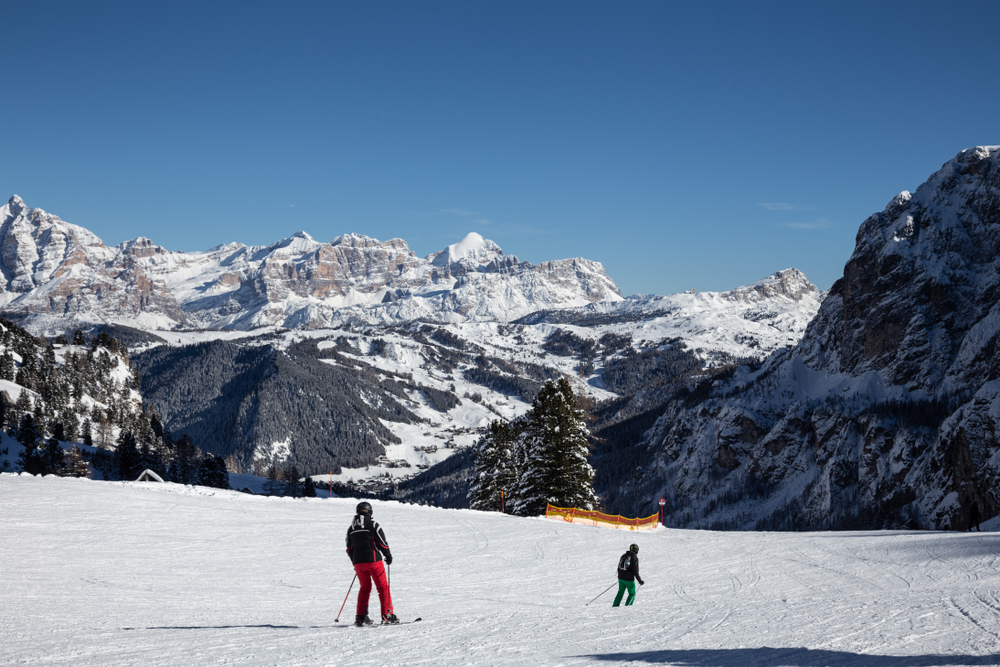
Cortina Ski Area
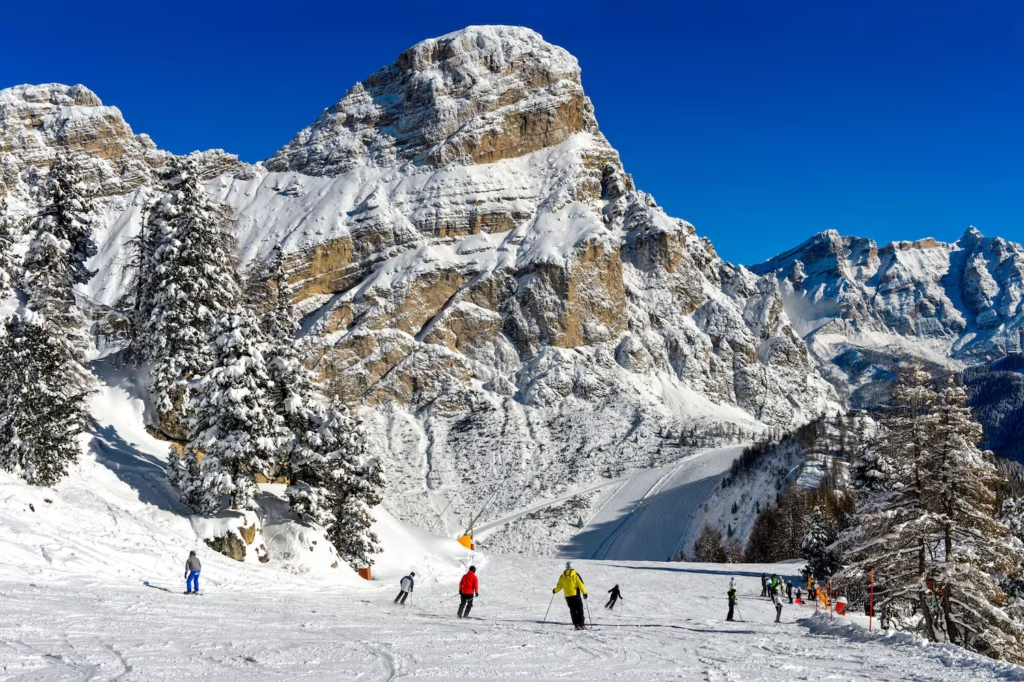
Cortina’s ski area is known for its wide, immaculately groomed slopes, varied terrain, and stunning views.
It is particularly well- suited for intermediate skiers but has options for both beginners and advanced skiers as well.
Tofana Area (1,224m – 2,828m):
The largest and most varied skin area in Cortina, Tofana offers a mix of long, scenic blue and red runs, along with challenging black slopes for advanced skiers. It is home to the famous Olympia delle Tofane, which hosts World cup downhill races.
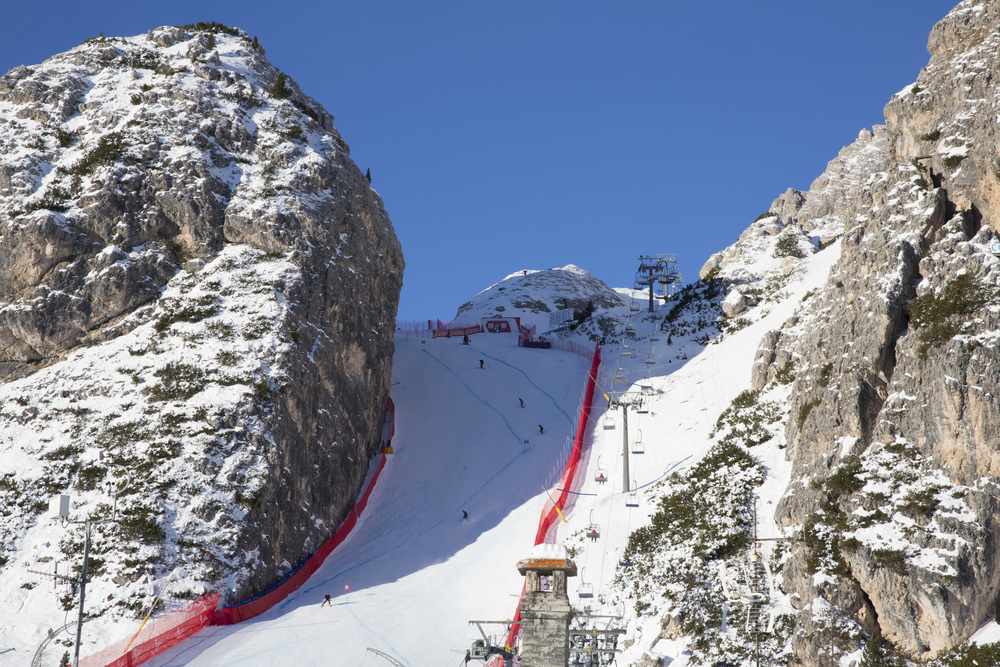
OLYMPIA delle TOFANE WOMENS WORLD CUP DOWNHILL
Faloria-Cristallo
(1,241m -2,930m): Known for its sunny slopes and stunning views of the Ampezzo Valley.
Being one of the main ski areas, it offers a mix of gentle and more challenging runs, making it suitable for all levels, for steeper terrain a must-visit for advanced skiers is Forcella-Staunies.
Lagazuoi-5 Torri (1472m – 2,752m):
Famous for its picturesque landscape and historic World War 1 sites, this area features gentle, wide slopes perfect for families and beginners.
The Armentarola descent is a highlight – one of the most scenic runs in the Dolomites, with a stunning 8.5-kilometer route that takes you through dramatic rock formation.
Advanced skiers will need to slide into the relaxed vibe, since challenging on-piste terrain is limited.
But if conditions are right, it’s well worth hiring a quide to explore some of the vast off-piste opportunities.
Wear a SKI HELMET, especially if you’re a beginner or in the snow parks and remember to pack your SKI GOGGLES for Cortina.
Ski Passes
Cortina d’Ampezzo offers a variety of ski pass options, with access to the Dolomiti Superski network.
Cortina Skipass:
This pass provides access to the Cortina ski areas. (Tofana, Faloria-Critallo, and Lagazuoi-5 Torri).
It’s perfect for those planning to stay within the local ski area.
The pass can be half-day to several days or even a season pass.
Dolomiti Superski Pass:
This is the best option for those looking to explore beyond Cortina.
It covers 12 ski areas, including nearby Alta Badia, Val Gardena, and Arabba-Marmolada, giving access to over 1,200 kilometres of linked slopes.
It’s perfect for skiers wanting to take on the famous Sella Ronda circuit.
Family discounts and multi-day packages are also available, offering better value for longer stays.
Purchasing tickets online in advance is recommended for ease and potential savings.
Accommodation in Cortina d’Ampezzo
Cortina offers a range of accommodations, ranging from luxury hotels and charming chalets to cozy bed and breakfast and budget-friendly options.
Luxury Hotels
Hotel Cristallino d’Ampezzo – a Luxury Collection Resort & Spa: This iconic hotels offers stunning views of the Dolomites, luxurious rooms, and a state-of-the-art wellness centre.
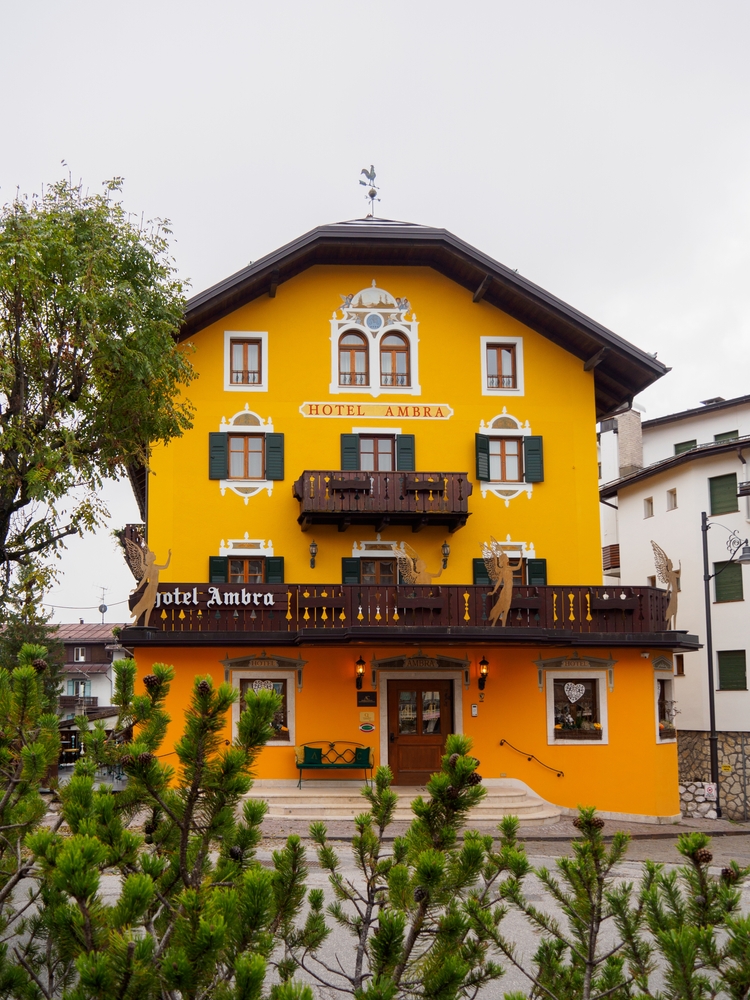
HOTEL AMBRA: our favourite place to stay to stay in Cortina, located a stone’s throw from the centre.
Among all the hotels in Cortina HOTEL AMBRA offers its guests an exclusive experience with a refined charm.
(We love this hotel)
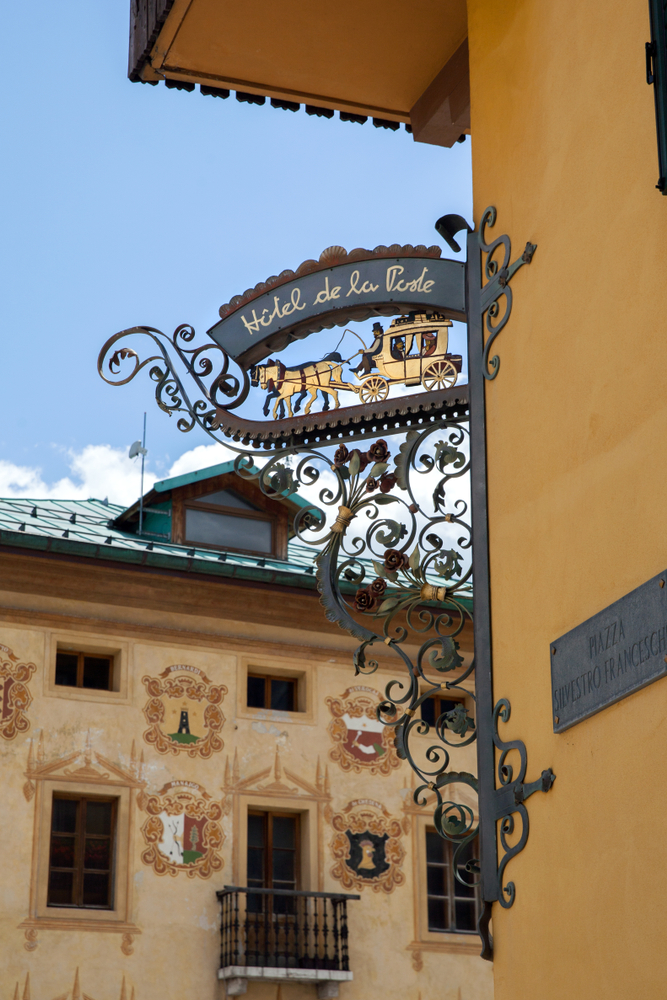
HOTEL de La POSTE: A historic hotel right in the centre of Cortina, offering elegant rooms with a classic alpine ambience.
Family-Friendly
HOTEL ALASKA CORTINA: a centrally located hotel with spacious rooms and a family-friendly atmosphere, offering easy access to the ski-bus.
SPORT HOTEL POCOL: near the Pocol ski area, this hotel is perfect for families seeking a quieter location with easy access to the slopes.
Apartments
Una Perla Apartment: in Cortina dʼAmpezzo offers a spacious apartment with family rooms. The property features a terrace, free WiFi, and free on-site private parking.
APARTMENT VILLA LACEDEL: These well- equipped apartments offer comfort and convenience, located close to the Faloria cable car.
Budget Options
HOTEL MEUBLE VILLA NEVE: A family-run hotel with a cosy atmosphere, located close to the town centre and offering affordable rates.
More Accommodation: Check Rates and Book Your Stay.

Where to Eat in Cortina
Cortina is home to a range of traditional Italian trattorias to Michelin-starred restaurants, here are our favourites in Cortina.
Fine Dining
Ristorante Tivoli:
This Michelin-starred restaurant is specially known for its traditional Italian cuisine.
Its an excellent choice for a special occasion. (Wife’s Birthday)
San Brite :
A modern mountain restaurant that focus on farm to the table-dining,
The intimate setting and creative menu make it a must-visit for food enthusiasts.
Traditional Italian Cuisine:
Cortina offers several trattorias and pizzerias for experiencing local Flavours.
El Camineto:
A cosy restaurant with a focus on traditional Veneto dishes, including homemade pasta and hearty mountain food.
II Vizietto di Cortina:
Known for its delicious Pizzas and great atmosphere, a great spot for families and groups.
Mountain Huts (Rifugi)
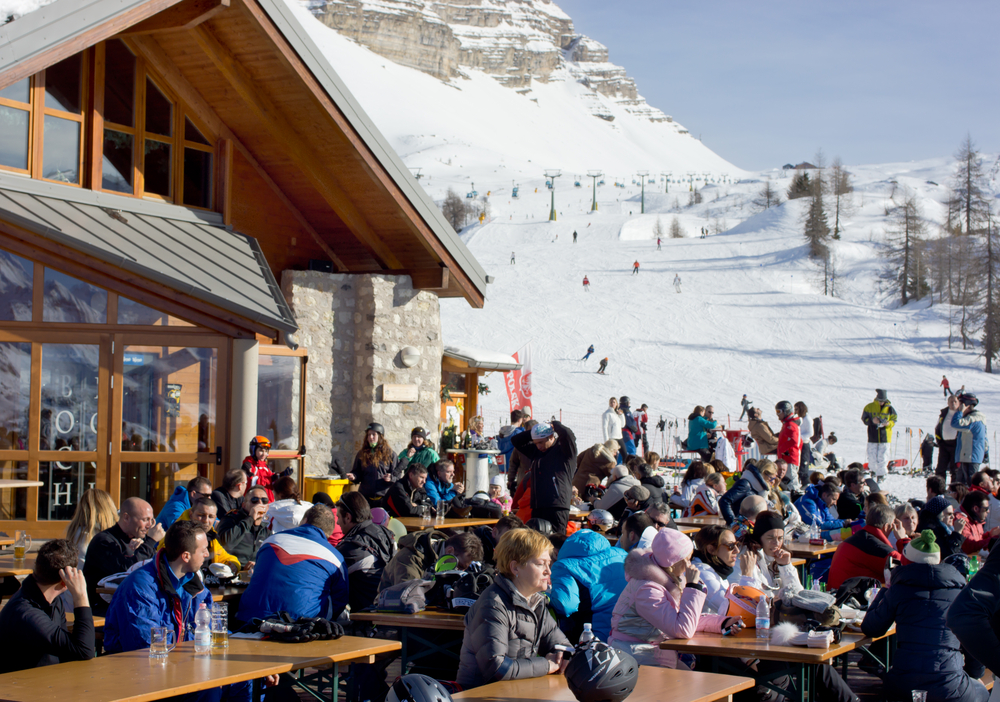
No trip to Cortina is complete without enjoying a hearty meal and spectacular views from a mountain hut.
Rifugio Averau:
This mountain hut offers delicious regional cuisine and spectacular views.
It’s an ideal stop for lunch during a day of skiing.
Rifugio Scoiattoli:
Situated near the 5 Torri ski area, this heart serves traditional heart dishes and is known for its panoramic terrace.
Casual Eateries
For a quick and tasty bite, Cortina has several casual dining options.
La Perla:
A popular spot for casual Italian dining, serving a variety of pasta dishes, sandwiches, and pastries.
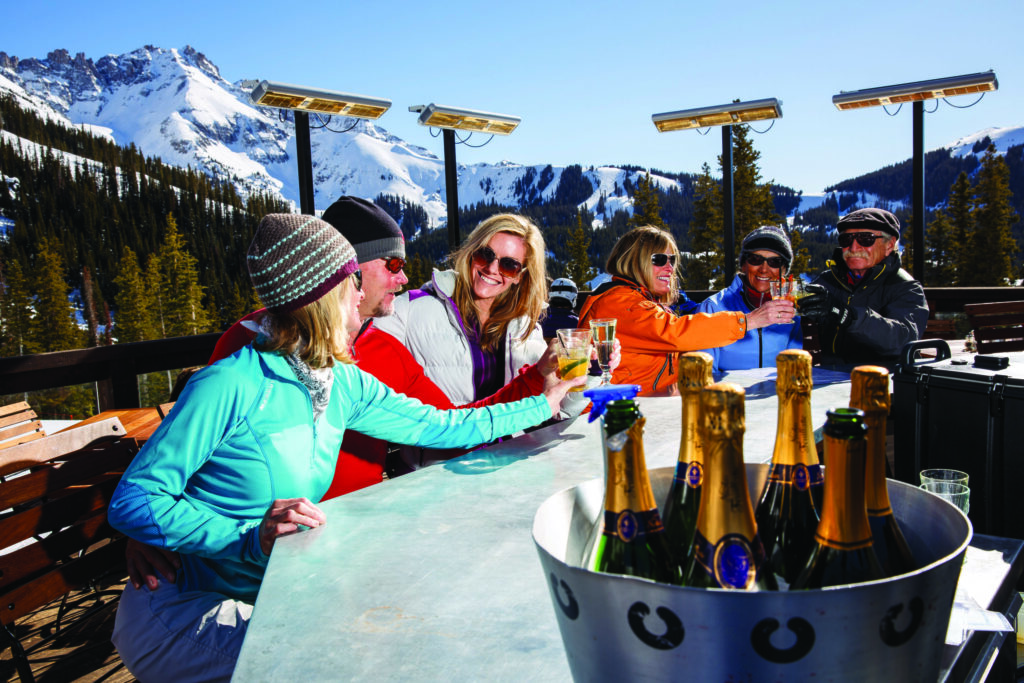
Best Apres-Ski Bars
Cortina has a more refined apres-ski-scene compared to some of the rowdier resorts in the Alps, but there are still plenty of places to enjoy a drink after a day on the slopes.
Enoteca Cortina:
A wine lover’s paradise, this cosy wine bar in the centre of town is known for its extensive selection of local and Italian wines.
LP26:
It’s a popular place with the locals and tourist, offering a great selection of cocktails, wine and Italian snacks. Making it a great place to mingle.
Piano Bar Cristello:
Located within the Cristallo hotel, it’s an ideal spot for a more sophisticated apres-ski experience with stunning views of the surrounding mountains.
Bar Sport:
A more casual option, Bar sport is a popular spot for skiers to unwind with a beer after a day on the slopes.
Getting to Cortina
By Air:
The closest major to Cortina is Venice Maco Polo Airport, located about 160 kilometres (100 miles) away.
Other nearby airports include Treviso Airport and Innsbruck Airport in Austria.
From these airports, you can reach Cortina by RENTAL CAR, or Shuttle Transfer
By Train:
The nearest train station is in Calalzo di Cadore about 35 kilometres from Cortina. From Calazo, regular bus services operate by Dolomiti Bus connect to Cortina.
The train journey offers a scenic route through the mountains. BOOK your TRAIN HERE.
By Car:
Driving to Cortina allows flexibility and convenience and a chance to explore the beautiful Dolomites along the way.
From Venice, it’s about a 2-hour drive, following the A27 motorway and then the SS51 road.
In winter, it’s advisable to have snow chains and winter tires, CAR RENTAL from Venice Marco Polo airport is the easiest way, we have done this several times, without any fuzz.
ALPS2ALPS
Getting to Italy’s best ski resorts couldn’t be easier than with ALPS2ALPS, offering both airport and train station transfers.
Private transfers are a popular choice, as your not sharing with others or waiting at the airport, as your driver will be waiting for you on arrival.
By Bus:
Cortina is well served by bus services including the CORTINA EXPRESS and ATVO, which operate from Venice and Treviso airports directly to Cortina.
This is very convenient and cost-effective way to reach Cortina.
For more comfort and convenience, compare these Rates : DISCOVER CARS
Read Our Full Guide On The
7 Best Snow-Sure Ski Resorts in Italy (2026/27): Your Ultimate Winter Guide
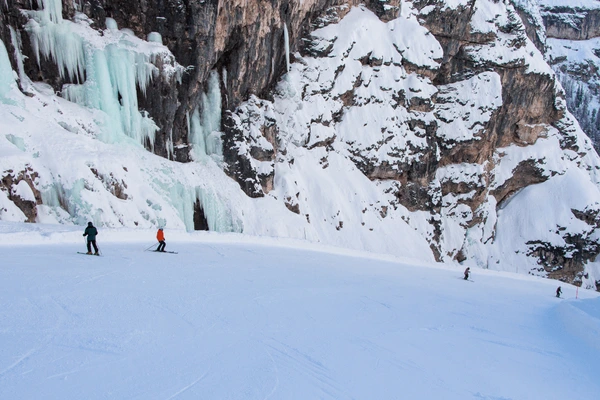
Planning Your Trip
Timing:
The ski season in Cortina runs from late November to early April, with the best snow between January and mid-March.
February tends to be busier due to Italian holidays, while late March offers quieter slopes and longer, sunnier days.
Booking:
Cortina is one of Italy’s most popular resorts, so book accommodation well in advance, especially for weekends or festive periods.
Use Booking.com to compare chalets, boutique hotels, and apartments in town or near the slopes.
Transport:
Nearest Airports: Venice Marco Polo (2 hours), Treviso (2.5 hours), and Innsbruck (3 hours).
-
By Train: Take the train to Calalzo di Cadore, then a 45-minute bus or taxi to Cortina.
-
By Car: Driving from Venice is scenic, but snow chains may be required in winter.
-
For more comfort and convenience, compare these Rates : DISCOVER CARS
Ski Passes:
Cortina is part of the Dolomiti Superski area, giving access to over 1,200 km of slopes across 12 resorts.
A single pass covers them all — perfect for those wanting to explore beyond Cortina.
Packing:
Bring thermal layers, waterproof outerwear, and après-ski clothing for evenings in town.
Don’t forget sunscreen and sunglasses — the Dolomites’ sunshine can be intense even in winter.
Activities:
Besides skiing, try snowshoeing, tobogganing, ice skating, or take the Faloria cable car for breathtaking panoramic views.
Cortina also offers excellent shopping, spas, and cozy wine bars.
Dining:
Book tables in advance during peak season. Don’t miss El Camineto for gourmet cuisine, Ristorante Tivoli for Michelin-star dining, and Baita Fraina for traditional mountain dishes.
Local Tips:
Cortina is known for its weekend visitors from Venice, so midweek skiing offers quieter slopes.
Parking can be limited near lifts, so arrive early.
I always carry a DAY BACKPACK when skiing, as well as a WATER BOTTLE. It keeps me hydrated all day long on the slopes.

Frequently Asked Questions
1. Where is Cortina d’Ampezzo located?
Cortina sits in the Dolomites of northern Italy, in the Veneto region, surrounded by stunning limestone peaks.
2. Is Cortina suitable for beginners?
Yes — the resort offers several gentle nursery slopes and great ski schools, particularly near Socrepes and Mietres.
3. What ski area is Cortina part of?
It’s part of the Dolomiti Superski, the world’s largest connected ski area with over 1,200 km of runs.
4. Is Cortina expensive?
Cortina is one of Italy’s more premium resorts, but you can find affordable B&Bs or mid-range hotels in the town and surrounding villages.Cortina is one of Italy’s more
5. How busy is Cortina?
It’s busiest on weekends and during holidays, especially around Christmas and Carnival. Visit midweek for a quieter experience.
6. What’s the après-ski like?
Cortina’s après-ski is elegant and relaxed — expect wine bars, stylish cafés, and cozy lounges rather than loud nightclubs.
7. Are there family-friendly activities?
Yes — families enjoy sledding, ice skating, and easy ski areas, and many hotels offer kids’ clubs and family suites.
8. Can non-skiers enjoy Cortina?
Absolutely — the village atmosphere, shopping, spas, and scenic viewpoints make it enjoyable even for non-skiers.
9. How do you get around Cortina?
Most lifts are connected by ski buses, and the town itself is compact and walkable.
10. Are lift passes valid across Dolomiti Superski resorts?
Yes — the Dolomiti Superski pass gives access to multiple nearby resorts, including Arabba, Alta Badia, and Val Gardena.
For more comfort and convenience, compare these Rates : DISCOVER CARS
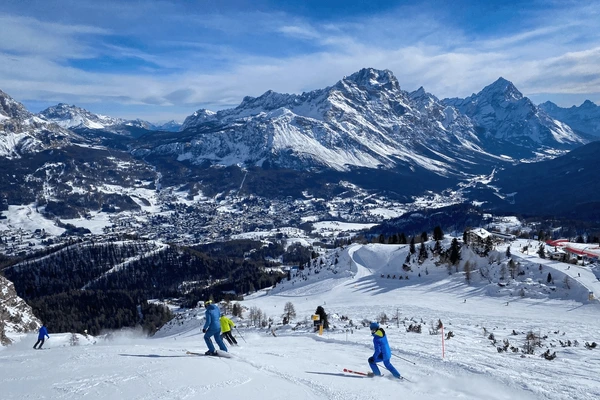
Should You Get Ski Travel Insurance?
(Short Answer: YES)
While ski resorts in Europe don’t legally require you to have travel insurance, buying ski-specific travel insurance is one of the smartest decisions you can make.
One accident or missed connection can cost far more than a full year of coverage.
If you want peace of mind on and off the mountain, ski travel insurance is essential.
As a traveller and skier myself, I’ve consistently found SafetyWing offers some of the best winter-sports coverage for international ski trips.
Best Ski Travel Insurance Companies for 2025/26
Two companies consistently stand out for skiers, each for different reasons.
1. SafetyWing
(Best for Long-Term Ski Travel & Affordability)
We personally use SafetyWing, and have since 2019.
It’s perfect for skiers spending multiple weeks or a whole season abroad.
You can get a Quote here.
When my wife broke her ankle skiing in Wengen, they were fantastic, they paid for all our expenses without any delay.
2. World Nomads
(Best for Adventure Coverage)
If you’re planning a trip that includes off-piste skiing with a guide, winter hiking, or multiple snow sports, World Nomads often provides broader adventure coverage.
They’re a favourite among travellers who want all activities covered under one policy.
Even experienced skiers will tell you — it only takes one icy patch to ruin both a knee and a bank account.
We Can Help Plan Your Adventure
Custom Ski Itineraries in Europe Designed For You
Resort Activities
Winter Hiking and Snowshoeing
Discover the Dolomites on scenic winter trails or guided snowshoe hikes, offering breath taking views of the surrounding peaks.
Ice Skating
Glide across the Olympic Ice Stadium, a historic venue perfect for skating enthusiasts and families alike.
Shopping in the Village
Explore Cortina’s chic boutiques and shops for luxury goods, alpine fashion, and artisanal crafts.
Tobogganing
Enjoy thrilling sledding adventures on the snowy slopes, a fun activity for all ages.
Relaxation at Spas
Unwind in Cortina’s luxurious wellness centres, featuring saunas, hot tubs, and rejuvenating treatments with spectacular mountain views.
*Handy Tip*
Make sure you have TRAVEL INSURANCE before hitting the slopes.

Final Thoughts
Cortina d’Ampezzo is one of those ski resorts that stays with you long after you’ve left.
Yes, the skiing is excellent, but it’s the combination of the dramatic Dolomite mountains, the beautiful town and the Italian way of enjoying a day in the mountains that makes Cortina stand out.
We love that you can spend the morning skiing beneath the Tofana, explore another part of the ski area in the afternoon, and then finish the day with an aperitivo and a good Italian meal back in town.
It also gives you plenty of choice. Strong skiers can tackle some of Cortina’s famous runs, while beginners and intermediates have plenty of enjoyable terrain to explore.
And when you don’t feel like skiing, there are mountain walks, cafés, shopping, history and some very good food to keep you busy.
Cortina’s three main ski areas also give you plenty of variety during a longer stay.
For us, Cortina remains one of our favourite places to ski in Italy.
The skiing is only part of the reason we’d return — it’s the whole experience of being in the Dolomites and enjoying a little Italian life at the end of the day that keeps bringing us back.
Happy skiing!
Gary & Sally
Timeless Wanderers
Other favourites in Italy
PLAN YOUR SKI ADVENTURE
Booking a ski trip involves a range of reliable resources to ensure a smooth and enjoyable experience. I have listed below our favorite companies we use when we plan our ski holiday.
BOOK YOUR FLIGHT – Going is a great search engine if you are flexible about your travel destination and dates. Sign up for their newsletter and get the latest deals on destinations around the world. GOING is our new go to.
Booking.com– for accommodation, we rely on Booking.com for its extensive options and user reviews. We find they have the cheapest rates and offer payment options. In addition, VRBO is another terrific website for all types of accommodations.
Train Travel– to European ski resorts is convenient and scenic, popular trips include Glacier express to Zermatt, the Eurostar from London to the French Alps. We find Omio or Trainline are the best sites for booking trains in Europe.
Car Hire – we usually hire a car it offers us flexibility and convenience, allowing easy access to most resorts. Companies like Discover Cars or Rentalcars.com provide reliable options with winter equipment.
Travel insurance – Don’t ski without it. If you get hurt on the mountain it could cost, you a small fortune if you’re not insured. We use SAFETYWING when my wife broke her ankle a few years ago in Wengen they were terrific.
Ski Equipment. – Bring your own ski gear, its usually cheaper and much better than renting, it ensures you have a perfect fit. Owning also saves time and money in the long run. Equipment like Skis, Pants and Jackets, Gloves, Ski-helmets and Thermal underwear” can all be bought online. You can purchase everything you need from BACKCOUNTRY
ARC’TERYX – is a go to reliable brand for outdoor adventure and travel, their wide range includes light weight durable, easy to clean travel gear.
Check out our RESOURCE PAGE for more additional planning.