Lucca Food Guide 2026: Farro, Chestnuts & Traditional Tuscan Cooking

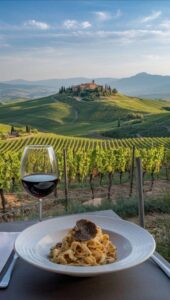
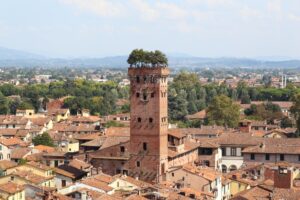
In Lucca and the Garfagnana, traditional cooking is built around what the land provides — ancient grains like farro, chestnuts harvested from hillside forests, garden vegetables, and hearty soups designed to nourish through long winters.
This is a region where simplicity isn’t a trend, but a way of life.
Siena & Val d’Orcia Food Guide: Pici Pasta, Pecorino Cheese & Tuscan Sweets

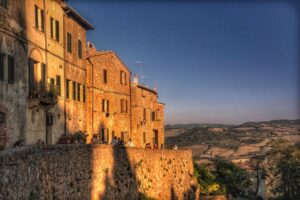
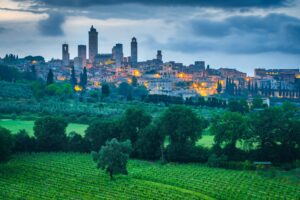
Southern Tuscany is a feast for the senses, where rolling hills, medieval towns, and cypress-lined roads meet a culinary tradition rooted in simplicity and seasonality.
Siena and the Val d’Orcia are more than beautiful places to visit — they are true food heartlands, shaped by centuries of rural cooking, local ingredients, and deep respect for tradition.

Florence Food Guide: What to Eat, From Bistecca to Ribollita

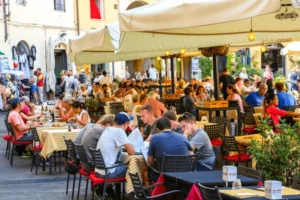
Walking through the city’s cobbled streets, with a good food guide you can experience centuries of food culture in every trattoria, café, and market.
From legendary Florentine steak to hearty soups, coffee and local pastries, Florence offers dishes that reflect the city’s history, geography, and lifestyle.

“What to Eat in Tuscany: Traditional Dishes, Seasonal Foods & Tips”

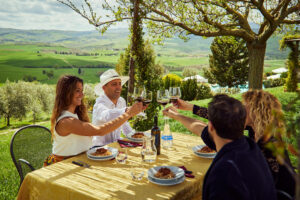
Tuscan food is about making the most of what’s available — bread, beans, vegetables, olive oil, and a handful of well-loved dishes that appear across towns and villages.
For first-time visitors, this can be surprising.
Menus might look similar from Florence to Siena, and many dishes may sound unfamiliar.

Florence in Summer: The Ultimate Guide to June, July & August

Florence in summer is not subtle.
It’s hot, busy, beautiful, and intense — a city shaped by heat, light, and long Italian evenings.
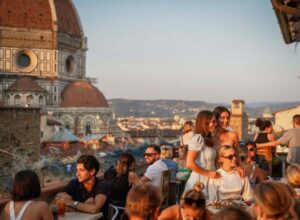
From June through August, Florence becomes a place of early mornings, shaded lunches, late dinners, and slow walks once the sun dips behind terracotta rooftops.

Tuscany in Summer: When to Go, What to Expect & How to Travel Well (June–August)

Travelling well in Tuscany between June and August is less about doing more and more about doing things differently.
This guide covers what Tuscany is really like in summer, how June, July, and August compare, where to base yourself, what to expect with weather and crowds, and how to plan a summer trip that still feels relaxed and rewarding.

Tuscany in August: Weather, Crowds, Where to Stay & What to Expect

August in Tuscany is intense, beautiful, and often misunderstood.
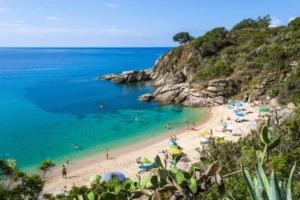
It’s the hottest month of the year and the busiest for visitors, but it’s also when Tuscany settles into a slower pace.
Italians take their annual summer break, days stretch long into the evening, and life shifts to avoid the midday heat.

Tuscany in July: Weather, Crowds, Where to Stay & What to Expect

Tuscany in July is not about racing from sight to sight.
It’s about choosing the right base, enjoying the Mediterranean pace, and letting the days unfold naturally.
Travel smart, and July becomes one of the most atmospheric months to experience Tuscany — warm, social and full of life.

Florence in August: Summer Heat, Quiet Streets & Slow Evenings

Florence in August is intense, unapologetically summer, and very different from the city most people imagine.
The days are hot, the sun is strong, and by midday the streets shimmer with heat.
But beneath that intensity lies a quieter, more local version of Florence — one shaped by Ferragosto holidays, empty neighbourhoods, and evenings that stretch long into the night.

Florence in July: Sun-Soaked Days, Late Nights & Peak Summer Atmosphere

This is Florence at full volume — busy streets, glowing sunsets, and life that lingers well after dark. July is not subtle.
It’s the hottest and one of the busiest months of the year, but it also offers a atmospheric experience.
Mornings begin early, afternoons slow down, and evenings become the heart of daily life.

Hi, we’re Gary and Sally